
投研一体化

Search documents
金鹰基金总经理周蔚:锚定长期价值锻造核心竞争力 努力提升投资者获得感
Zhong Guo Ji Jin Bao· 2026-02-16 11:23
Group 1 - The year 2026 marks the beginning of the "14th Five-Year Plan," with strategic deployments for high-quality development outlined by the Central Economic Work Conference and the 20th National Congress, emphasizing the direction for financial power and capital market development [1] - The public fund industry is undergoing comprehensive reform and accelerating high-quality development, with the total scale reaching 37.71 trillion yuan by the end of December 2025, reflecting an optimized growth structure [1] - The industry is actively creating theme index funds aligned with national strategies, particularly in the context of the "1+6" policies for the Sci-Tech Innovation Board, guiding funds towards technological innovation [1] Group 2 - Jin Ying Fund, a 23-year-old public fund management company, prioritizes investor interests and has implemented a series of optimization measures in product layout and management, including transparent passive index funds and clearly defined themes for actively managed products [2] - The company emphasizes professional value as its core competitiveness, integrating fund managers and researchers into a unified research platform to enhance communication and collaboration, aiming to deliver good investment returns to holders [2][3] - The year 2026 is seen as a pivotal year for the public fund industry to fully implement high-quality development, with Jin Ying Fund committed to deepening reforms and contributing to the construction of a financial power and modernization in China [3]
开启综合资产配置服务新篇章,向一流资管机构迈进!博时基金董事长张东最新发声
券商中国· 2026-02-11 01:48
Core Viewpoint - The wealth management industry is transitioning from "product-centric" to "client-profit-centric," focusing on personalized and customized asset management services, as evidenced by the continuous growth of public fund scales, which reached 37.71 trillion yuan by the end of 2025, marking nine consecutive months of growth [4][5]. Group 1: Industry Trends - The public fund industry is facing challenges such as declining management fees and intensified competition, necessitating a return to client-centric approaches and demand insights [2][5]. - The shift towards client profitability is supported by regulatory changes, including the approval of fund advisory services, which enhance investor experience and promote a buyer's advisory model [6][7]. - The public fund sector is undergoing a "three-step" reform that impacts revenue and profit, requiring a focus on long-term investor profitability as a core metric [7]. Group 2: Company Strategy - The company aims to achieve high-quality development by focusing on four key positions: creating client value, discovering investment value, leading high-quality development, and contributing to the construction of a financial power [8][9]. - The company plans to enhance its integrated investment and research capabilities, leverage technology, and deepen its service to the real economy, transitioning from asset management to comprehensive wealth management [9][10]. - The product strategy includes optimizing the product structure to create a diversified ETF and index product system, transitioning from "fixed income" to "fixed income plus" strategies, and exploring new sources of returns [11]. Group 3: Market Outlook - The company anticipates structural opportunities in the stock market, particularly in sectors like technology, energy transition, and consumer recovery, with a focus on companies with genuine competitiveness [12]. - The bond market is expected to maintain strong allocation value, with investment opportunities arising from detailed exploration of yield spreads and the flexible application of "fixed income plus" strategies [12]. - Asset allocation strategies will emphasize balance and flexibility, moving from "single Beta" to "multiple Alpha" approaches, allowing investors to construct low-correlation portfolios across various asset classes [12].

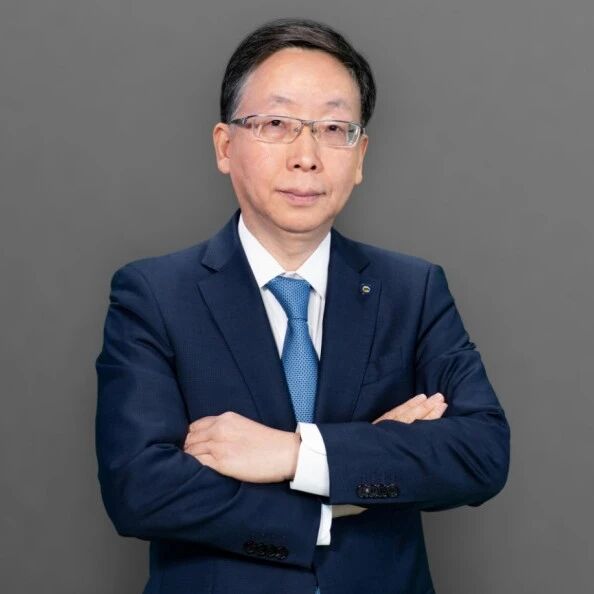
首创证券尚震宇: 机构要具备大类资产配置硬实力
Zhong Guo Ji Jin Bao· 2026-02-01 23:35
Core Insights - The wealth management transformation in the financial industry is at a critical juncture, requiring institutions to possess strong capabilities in asset allocation to ensure continuous value preservation and growth for clients [1][2]. Industry Challenges - The transformation is likened to a challenging summer season, testing the resilience of institutions due to the cyclical nature of the brokerage industry, talent loss, and the need for strategic adjustments in various sectors such as banks, public funds, and trusts [2]. - The end of the fixed income bull market poses significant pressure on banks and wealth management subsidiaries, while public funds face regulatory adjustments and talent retention issues [2]. Key Capabilities for Transformation - Successful transformation hinges on building three core capabilities: timing in large cycles, an integrated research and investment system across multiple assets and strategies, and a product line that can navigate both bull and bear markets [2][3]. Talent as a Driving Force - Two key talent categories are essential for successful transformation: "soul players" with unique insights into asset classes and "mid-to-upper stream players" who can dynamically optimize asset allocation based on guidance from the "soul players" [3]. - The implementation of a platform-based, integrated, multi-strategy research system is becoming standard in the industry, enhancing efficiency and addressing traditional pain points in research and investment [3]. Product Ecosystem Development - The construction of a product line that can withstand market fluctuations is crucial, with a dual-cycle business model that leverages core advantages and digital platforms to create benchmark products during bull markets [4]. - A strategic approach involves capitalizing on market opportunities during bull phases while shifting focus to bank wealth management during bear phases, ensuring a consistent upward trajectory in returns [4].

泉果基金刚登峰: 投研一体驱动 把握产业趋势
Zhong Guo Zheng Quan Bao· 2026-01-11 20:45
Core Insights - The article emphasizes the importance of understanding industry trends and the competitive advantages of companies, particularly in the context of the ongoing AI wave and improvements in supply-demand dynamics in sectors like lithium battery materials [1]. Group 1: Investment Environment - The A-share market is currently experiencing a favorable investment period, with equity assets gaining more attention compared to low-risk assets [2]. - Economic adjustments in sectors like real estate and reduced trade dependency on the U.S. are contributing to a more stable economic environment [2]. - The focus on shareholder returns through dividends and buybacks is increasing among listed companies, enhancing the attractiveness of equity investments [2]. Group 2: Investment Strategy - The investment strategy focuses on three main lines: technology, new energy, and cyclical sectors, with an emphasis on companies benefiting from AI and those in the lithium battery sector [5]. - The technology sector is seen as being in its early development stage, while the new energy sector is in mid-development, poised for a new growth cycle due to rising demand [5]. - The cyclical sector is stabilizing, with improvements in supply-demand fundamentals for industrial metals like copper and aluminum, indicating potential price increases [5]. Group 3: Research and Team Dynamics - The research team has undergone iterative upgrades to enhance research depth, coverage, and efficiency, focusing on industry changes over the next three months to a year [4][7]. - The team structure includes experienced leaders and younger researchers, fostering a collaborative environment that enhances decision-making and emotional resilience [7][8]. - Continuous training and interaction between researchers and fund managers are emphasized to ensure timely responses to industry changes and investment opportunities [8].
买基逻辑大颠覆!“追牛基”到“做配置”,基民再不更新认知就晚了!
券商中国· 2026-01-08 02:11
Core Insights - The public fund industry has seen significant performance in 2025, with one fund achieving over 200% growth, 89 funds doubling their performance, and over 1,100 funds increasing by more than 50%, outperforming indices and many investors' stock accounts [1] - Investors are increasingly aware of the need to adapt their understanding of fund selection as the public fund industry shifts towards integrated research and platform-based approaches [2] Group 1 - The public fund market is entering a tool-oriented era, necessitating changes in traditional investment strategies. The coexistence of actively managed equity funds and passive products like ETFs has created a vast array of options, complicating fund selection for investors [3] - The transformation in the public fund industry indicates a move away from relying on fund managers' investment philosophies towards a functional tool-based approach, requiring investors to shift from concentrating on a single high-performing fund to a more diversified and needs-based portfolio configuration [3][4] - Fund companies are encouraged to develop specialized fund managers rather than generalists, categorizing them by investment style (e.g., value, growth) to enhance research efficiency and provide more precise investment tools for investors [4] Group 2 - The evolving market landscape has prompted a service upgrade, with institutions recognizing opportunities to guide investors from product selection to strategic asset allocation, exemplified by initiatives like Snowball's three-part asset allocation and other frameworks [4] - Investors are advised to abandon the old mindset of chasing high-performing funds and relying on star fund managers, instead adopting a tool-based and balanced approach to investment, leveraging professional tools and services for long-term stable financial management [5]

“牛基”启示录:工具化时代 要更新投基认知
Zheng Quan Shi Bao· 2026-01-06 23:45
Core Insights - The public fund industry is experiencing a significant transformation, with a notable increase in fund performance, as evidenced by one fund achieving over 200% growth and 89 funds doubling their performance, while over 1,100 funds recorded annual growth exceeding 50% [1] - The shift towards a tool-oriented approach in public funds necessitates a change in investors' understanding and strategies, moving from a focus on individual high-performing funds to a more diversified and needs-based portfolio allocation [1][2] Group 1 - The public fund market is entering an era of both active equity funds and passive products like ETFs, leading to a vast array of options that complicate the selection process for investors [1] - Traditional investment strategies, such as heavily investing in one or two funds, are becoming outdated as the industry encourages fund managers to specialize in their strengths rather than being all-rounders [2] - The emphasis is now on creating a balanced investment approach that combines core holdings with satellite opportunities to mitigate risks and capture market trends [2][3] Group 2 - Investors are advised to abandon the old mindset of chasing star fund managers and instead adopt a tool-based, balanced investment philosophy to achieve long-term stable financial management [3]
“牛基”启示录:工具化时代,要更新投基认知
Zheng Quan Shi Bao· 2026-01-06 18:27
Core Insights - The public fund industry is experiencing a significant transformation, with a notable increase in fund performance, as evidenced by one fund achieving over 200% growth and 89 funds doubling their performance in 2025 [1] - Investors are encouraged to adapt their understanding of fund selection as the industry shifts towards a more integrated and platform-based investment research model [1] Group 1: Market Trends - The public fund market is entering a tool-oriented era, necessitating changes in traditional investment strategies to adapt to market conditions [2] - There is a simultaneous expansion of active equity funds and passive products like ETFs, leading to a complex selection environment for investors [2] - The role of public funds is evolving from being a vehicle for fund managers' investment philosophies to a functional tool for investors, requiring a shift in selection logic from focusing on individual high-performing funds to precise matching of investment needs [2] Group 2: Fund Management Strategy - Fund companies are shifting focus from cultivating all-round fund managers to developing specialized professionals in niche areas, categorized by investment styles such as value, growth, and various sub-strategies [3] - This strategic change aims to enhance research efficiency and provide investors with more accurate allocation tools, making the traditional model of relying solely on fund managers obsolete [3] - Professional financial advisors are now advocating for a balanced approach to investment, emphasizing core positioning with satellite opportunities to mitigate concentration risks and market volatility [3] Group 3: Investor Guidance - Investors are urged to abandon outdated practices of chasing high-performing funds and idolizing star fund managers, instead adopting a tool-based and balanced investment philosophy [4] - Utilizing professional tools and services is essential for achieving long-term stable financial management through public fund products [4]
又见首席跳槽 于明明加盟东吴证券
Xin Lang Cai Jing· 2025-12-31 08:01
Group 1 - The core viewpoint of the article highlights the frequent talent movement within the brokerage research industry in 2025, with significant changes in personnel across various firms [1][5] - Yu Mingming, the former deputy director of the research institute at Xinda Securities, has joined Dongwu Securities as the head of quantitative investment, indicating a trend of high-profile analysts changing firms [1][5] - By the end of 2025, over 300 analysts changed their professional institutions, involving more than 60 brokerages, with 220 analysts transferring in the first half of the year alone [4][8] Group 2 - The total number of registered analysts in the industry surpassed 6,162 by September 2025, marking a historical high, which contrasts with the ongoing talent flow [4][8] - Notable changes in core talent include at least 14 chief economists from various brokerages, such as the transfer of Xun Yugen from Guotai Junan to Guoxin Securities, reflecting significant shifts in leadership roles [4][9] - The movement of analysts is driven by factors such as brokerage mergers leading to job overlaps, adjustments in business positioning, differences in compensation mechanisms, and career development opportunities [3][4] Group 3 - The phenomenon of "team migration" is prevalent, with over 25 top analysts from popular sectors like consumption, new energy, and TMT changing platforms, indicating a trend of collective movement within teams [9] - The overall analysis of 2025 suggests that the talent flow is a manifestation of the "Matthew effect" due to declining commission rates, as well as a necessary transition from traditional sell-side services to integrated research and comprehensive financial services [4][9] - Xinda Securities has established a three-tier research system covering 25 core industries, focusing on key sectors aligned with national industrial upgrading trends, and is advancing the integration of research and investment [3][7]



创价值·塑生态·启新程——上海公募基金高质量发展在行动 | 财通资管:于价值深处求索 以长期主义锻造高质量发展新引擎
Zhong Guo Zheng Quan Bao - Zhong Zheng Wang· 2025-12-30 22:46
Core Viewpoint - The article highlights the journey of Caitong Securities Asset Management Co., Ltd. towards high-quality development in the public fund industry, emphasizing its unique broker asset management gene and ten years of public fund experience, focusing on team building, counter-cyclical layout, and win-win with clients [1] Group 1: Business Performance - As of the end of Q3 2025, the company’s total entrusted asset management scale exceeded 300 billion yuan, with public fund management scale surpassing 100 billion yuan and non-monetary public fund management scale exceeding 90 billion yuan, ranking third among broker asset management institutions [1] - The company has maintained a long-term value creation approach and prioritizes the interests of its clients, which is reflected in its investment performance [2] Group 2: Talent Development - The core of the asset management industry is talent, and high-quality development hinges on prioritizing investor interests through systematic construction for long-term value [2] - The company has built a talent team of nearly 40 people in its equity investment team, with an average industry experience of 14 years among core investment personnel, fostering a "mentor-mentee" culture to create a robust talent pipeline [3][4] - The investment team is structured into four departments, focusing on various sectors, and emphasizes macro thinking and forward-looking layouts to capture cross-market opportunities [4] Group 3: Research and Investment Integration - The company emphasizes "deep research" as a key component of its investment philosophy, focusing on vertical industry research, horizontal industry comparisons, and international perspectives [5][6] - A mechanism has been established to promote research-driven investment, with clear departmental roles and standardized processes to enhance efficiency and coverage of industries and stocks [6] Group 4: Cultural Values - The company’s culture is centered on investor interests and long-termism, integrating compliance, integrity, professionalism, and stability into its operations [8] - The company has established a dual-core development strategy of "active management + risk control," viewing risk management as a lifeline [8] - The company has engaged in various social responsibility initiatives, contributing over 9.4 million yuan to public welfare projects by the end of November [8] Group 5: Future Plans - The company plans to reform its assessment mechanisms to align management and client interests, introduce floating fee products, and enhance its overseas investment capabilities following the approval of its QDII qualification [9] - The company aims to deepen its client-centric approach by innovating customer service models and enriching its investor education system [9][10] - The company is committed to a long-term development strategy, focusing on stable performance and clear holding experiences rather than short-term scale chasing [10]

财通资管:于价值深处求索 以长期主义锻造高质量发展新引擎
Zhong Guo Zheng Quan Bao· 2025-12-30 21:11
Core Viewpoint - The article highlights the journey of Caitong Securities Asset Management Co., Ltd. towards high-quality development in the public fund industry, emphasizing its unique broker asset management gene and a decade of public fund experience, focusing on team building, counter-cyclical layout, and win-win cooperation with clients [1] Group 1: Business Structure and Performance - Since its establishment in 2014, Caitong Asset Management has developed a "one main, two wings" business structure focusing on active management of multiple assets, with total entrusted asset management exceeding 300 billion yuan and public fund management exceeding 100 billion yuan as of Q3 2025, ranking third among broker asset management institutions [1] - The company has maintained a commitment to long-term value creation and prioritizing the interests of holders, which is reflected in its significant growth in asset management scale [1] Group 2: Talent Development and Team Building - Talent is considered the core of the asset management industry, and high-quality development is achieved by prioritizing investor interests through systematic construction for long-term value [2] - Caitong Asset Management has a nearly 40-member equity team with an average industry experience of 14 years, emphasizing a "mentor-mentee" culture to build a robust talent pipeline [3] - The company has established a clear investment research philosophy focusing on "in-depth research, value investment, absolute returns, and long-term assessment," which serves as a roadmap for the development of its equity business [2][3] Group 3: Research and Investment Integration - The company emphasizes "in-depth research" as a key component of its investment strategy, focusing on vertical industry research, horizontal industry comparisons, and an international perspective [5] - Caitong Asset Management has achieved full coverage of 31 first-level industries and strengthened its research capabilities in mainstream sectors, enhancing its ability to identify emerging trends [6] - The integration of research and investment is facilitated by a structured mechanism that promotes efficiency and addresses research blind spots [5][6] Group 4: Cultural Values and Client Engagement - The core of cultural construction at Caitong Asset Management is centered on investor interests and long-termism, aiming for a three-way win among stable management, long-term investor benefits, and optimized industry ecology [7][8] - The company places significant emphasis on investor experience and education, developing a multi-layered communication mechanism and actively exploring educational initiatives to foster long-term investment perspectives among clients [8] - Caitong Asset Management has committed over 9.4 million yuan to various public welfare projects, reflecting its responsibility as a state-owned financial institution [8] Group 5: Future Plans and Strategic Direction - The company plans to reform its assessment mechanisms to align management and client interests, introduce floating fee rate products, and enhance its investment capabilities in overseas markets following the approval of its QDII qualification [9] - Caitong Asset Management aims to deepen its client-centric approach by innovating service models and enriching its educational framework to guide clients in establishing long-term investment habits [9] - The company emphasizes that asset management is a marathon, focusing on sustainable performance rather than short-term scale, and aims to convert its research advantages and assessment orientation into stable performance and clear client experiences [9]