
旧房改造

Search documents
政策赋能 桑乐轻装轻改引领旧改新格局
Qi Lu Wan Bao· 2026-01-15 09:57
Core Insights - The article highlights a significant policy shift in China's housing sector, focusing on the renovation of old residential areas, driven by a substantial funding allocation of 625 billion yuan for long-term special government bonds [2][3] - The initiative aims to transform living conditions from merely having shelter to creating more livable environments, with a particular emphasis on upgrading old neighborhoods and enhancing community facilities [2][3] Policy Layout - The Ministry of Housing and Urban-Rural Development has committed to including all urban old residential areas built before 2000 in the renovation scope, with 25,800 new projects initiated from January to November 2025 [3] - The 2026 policy will lower the investment threshold for renovation projects and increase support for small and medium-sized enterprises, creating broader opportunities for market-driven renovation companies [3] Market Competition - The old renovation market is experiencing rapid growth, with various brands emerging to meet the dual demands of policy incentives and consumer needs [4] - The focus has shifted from fragmented renovation services to comprehensive solutions, emphasizing quality delivery and transparency in the renovation process [4] - Companies must enhance their professional capabilities and service standards to stand out in a competitive landscape, as consumer expectations evolve from basic housing to improved living conditions [4] Innovative Models - Sang Le Light Renovation has distinguished itself through a unique operational model and innovative practices, receiving industry recognition for its renovation approach [4][5] - The collaboration between Sang Le Group and Jinan Second Construction Group has created a strong competitive advantage, combining expertise in manufacturing and construction [5] Community Engagement - Sang Le Light Renovation has implemented a "community store model" to embed services within local neighborhoods, facilitating quick responses to residents' renovation needs [5] - This model enhances service conversion rates by leveraging community trust, setting it apart from traditional home renovation brands [5] Technological Integration - The integration of AI technology into Sang Le Light Renovation's operations has significantly improved service efficiency and profitability [6] - AI tools enable franchisees to generate effective marketing content and design renovation visuals rapidly, enhancing customer engagement and increasing contract signing efficiency by 70% [6] - The use of an ERP system allows for meticulous management of project timelines, material delivery, and labor scheduling, addressing common issues in the traditional home renovation industry [6] Future Outlook - With the initial 625 billion yuan funding being allocated, more old residential areas are expected to undergo renovation, leading to a more standardized and professional market for home renovations [6] - The alignment of national strategies with public needs is creating a golden development period for the trillion-yuan renovation market, positioning Sang Le Light Renovation favorably within this evolving landscape [6]


三类玩家加速圈地旧改大市场!鲸装鲸改、库高生活、青岚小筑等各出何招?
3 6 Ke· 2026-01-15 08:35
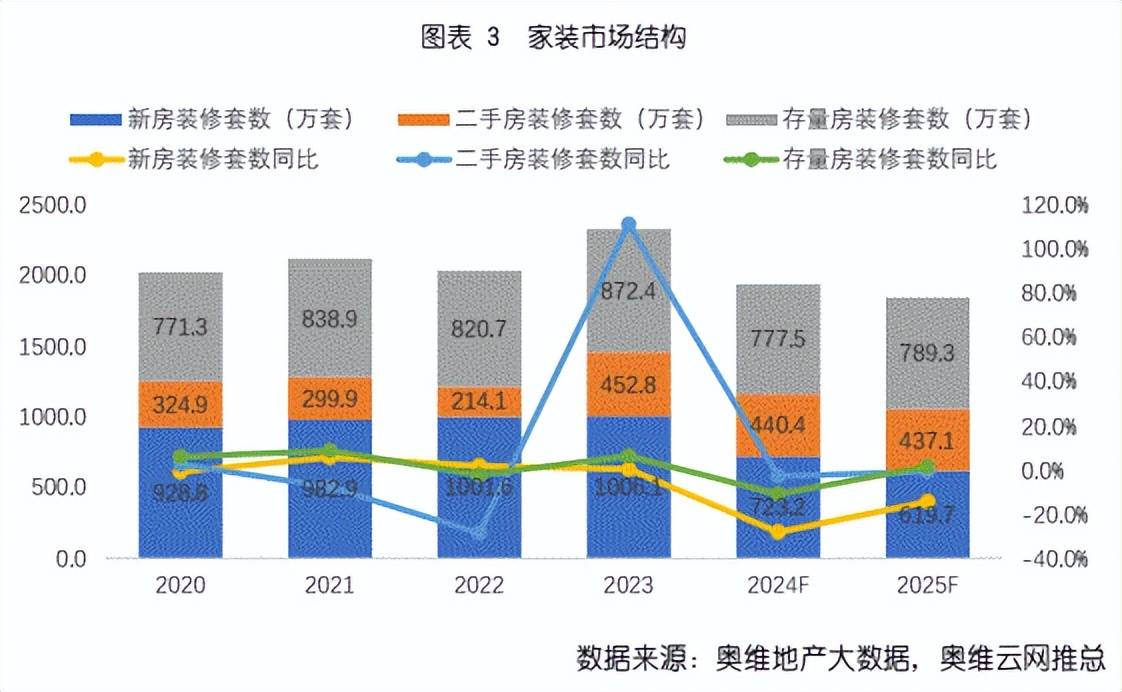
Core Viewpoint - The article discusses the significant shift in the home renovation market towards the renovation of existing homes, driven by government policies and the growing demand for urban renewal and old community renovations. Group 1: Market Dynamics - The potential of the existing housing market is yet to be fully explored, especially with recent government support for urban renewal and old community renovations emphasized in policy reports since 2021 [2][3] - The focus of the home renovation market is shifting towards existing homes, with data indicating that by 2024, the renovation of existing homes will surpass that of new homes, with an estimated market size of 1.5 trillion yuan [3][6] Group 2: Competitive Landscape - The home renovation market is seeing increased competition from both traditional home furnishing giants and emerging players, categorized into three main groups: traditional custom home furnishing companies, new entrants focused on renovation, and cross-industry players [6][8] - Traditional companies like Sophia and Oppein are launching targeted renovation services, while new players like Jingzhuang Jinggai are rapidly evolving their business models to offer comprehensive renovation solutions [6][7] Group 3: Community Strategy - A community-based strategy is becoming crucial for capturing the renovation market, as the demand is highly fragmented and requires targeted outreach to potential customers [9][10] - Companies are establishing community stores to provide localized services, with examples including Oppein's "Qinglan Xiaozhu" and Jingzhuang Jinggai's community chain stores, which aim to enhance service delivery and customer engagement [10][11] Group 4: Business Model Transformation - The shift from a sales-oriented approach to a service-oriented model is evident, with companies focusing on high-frequency services to build trust and stimulate renovation demand [12][13] - Community stores are facilitating the creation of private traffic pools, allowing for personalized marketing and increased customer retention through ongoing service relationships [13][14]




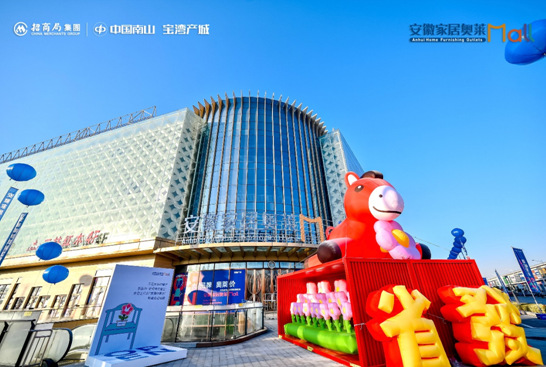
定义三新家居消费新标杆丨中国南山宝湾国际安徽家居奥莱Mall全城首映
Xin Lang Cai Jing· 2025-12-28 15:20
Core Viewpoint - The opening of the Anhui Home Outlet Mall by Baowan International marks a significant milestone in enhancing the regional economy and providing a new shopping experience for consumers in the area [5][7]. Group 1: Economic Impact and Development - The Anhui Home Outlet Mall fills a gap in the high-end home furnishing market in the region, contributing to economic transformation and job creation [5]. - Baowan International has developed a commercial ecosystem over 13 years, attracting over 2,000 businesses and generating hundreds of billions in transaction volume and tens of billions in tax revenue [7]. - The mall is positioned as a new commercial landmark in the region, aiming to integrate trade and supply chain services [7]. Group 2: Innovative Retail Model - The mall features a differentiated positioning with a "brand outlet + theme pavilion" model, breaking the homogenization of traditional retail spaces [9]. - It provides a platform for various brands to showcase their products effectively, enhancing consumer access to quality home goods [9]. - The mall's design includes a mix of international lighting brands and a comprehensive smart home appliance experience center, catering to modern consumer needs [17][13]. Group 3: Future Prospects - Baowan International plans to leverage the outlet mall as an innovation base to explore market opportunities in smart home solutions and home renovations [21]. - The company aims to build industry alliances and enhance service offerings to drive traditional industry upgrades and improve consumer experiences [21].
未来10年内,这4类房子或将升值30%,早买早赚钱
Sou Hu Cai Jing· 2025-11-28 12:16
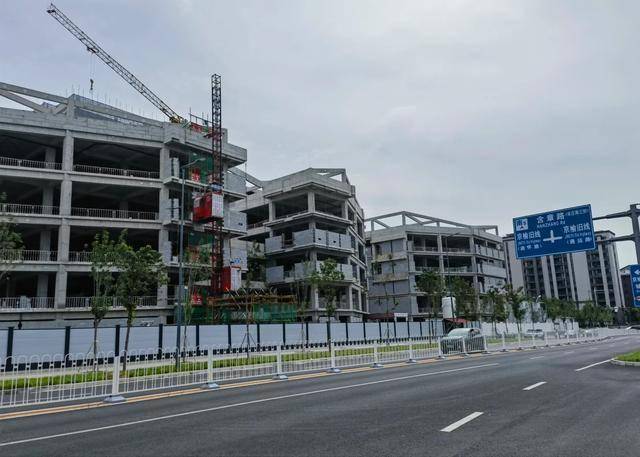
Core Insights - The real estate market has evolved over the past decade, shifting from speculative investments to a focus on urban development, population trends, and actual living value Group 1: Investment Opportunities - Properties in urban sub-centers with metro access and undergoing "old renovation" are likely to appreciate in value over the next decade due to improved commuting costs and urban planning [3] - Small to medium-sized units (60-90 square meters) near industrial parks and research institutions are in high demand, driven by the need for convenience and low time costs for workers [4][5] - Quality school district properties benefiting from educational resource optimization and expansion are valuable, especially those with tangible improvements rather than speculative hype [7] - Low-density communities or older homes with renovation potential can offer significant opportunities if they are in good locations and have reasonable development potential [9]
十一黄金周迎旧房焕新潮,Lamett乐迈石晶无醛快装引领健康升级
Sou Hu Wang· 2025-09-22 11:26
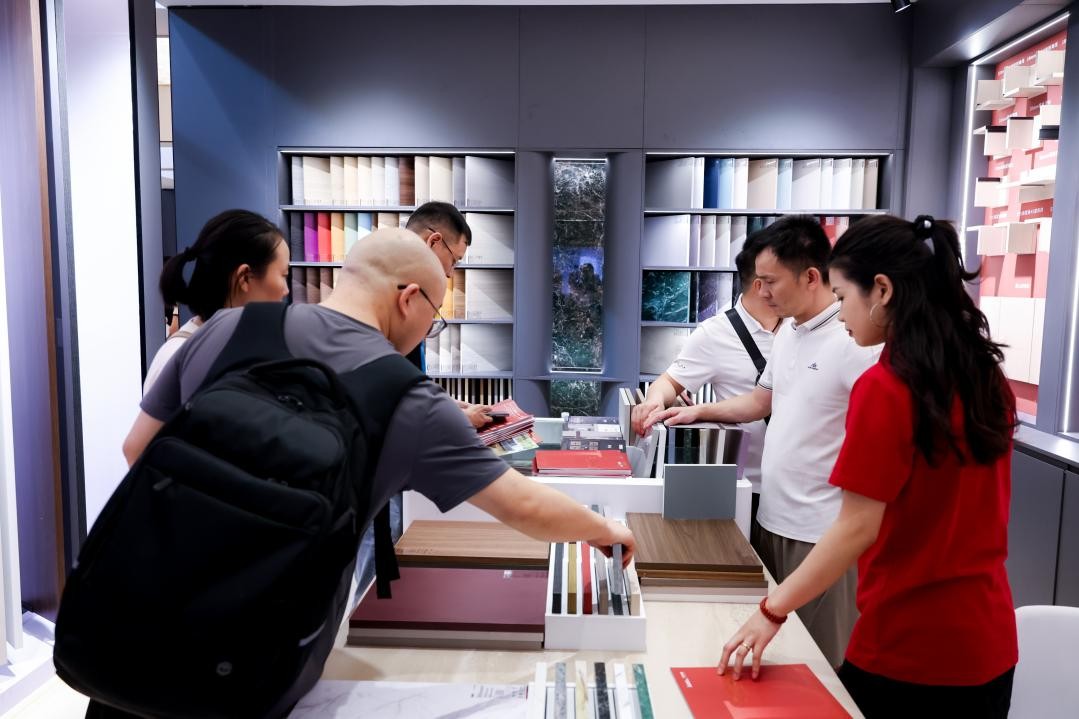
Core Insights - The Golden Week holiday is becoming a significant opportunity for home renovation, with increasing demand for both partial and complete home upgrades as consumers reassess their living environments [1] - China's housing stock exceeds 650 billion square meters, with approximately 45% built before 2000, highlighting a substantial need for renovation due to outdated layouts and deteriorating conditions [1] Company Overview - Lamett has pioneered the stone crystal category, launching the world's first stone crystal flooring in 2016 and expanding to a comprehensive solution with the introduction of stone crystal cabinet boards in 2024 [5][9] - The company emphasizes health, safety, comfort, and environmental sustainability in its product offerings, aiming to redefine standards in flooring materials [9] Product Features - Lamett's stone crystal products are designed to address common renovation challenges, such as formaldehyde release and lengthy construction times, by utilizing natural limestone and resin crystals without adhesives [2][4] - The materials are highly adaptable, allowing for easy installation over uneven surfaces and featuring a unique double-lock system for precise seams, catering to the demand for quick and efficient renovations [2][4] Market Potential - The renovation market in China is projected to exceed one trillion yuan in the next decade, driven by urban renewal policies, making it a key growth area for the building materials industry [8] - Lamett's strategic positioning includes over 10 factories and sales offices globally, with operations in more than 80 countries, providing a robust foundation for capturing market share in the renovation sector [8][9] Customer Assurance - The introduction of a "7-day no-reason return" policy enhances customer confidence in purchasing Lamett's products, significantly reducing decision-making risks [8] - Lamett is actively recruiting partners for its renovation stores, promoting a model that promises high returns with low investment, targeting the burgeoning renovation market [8]
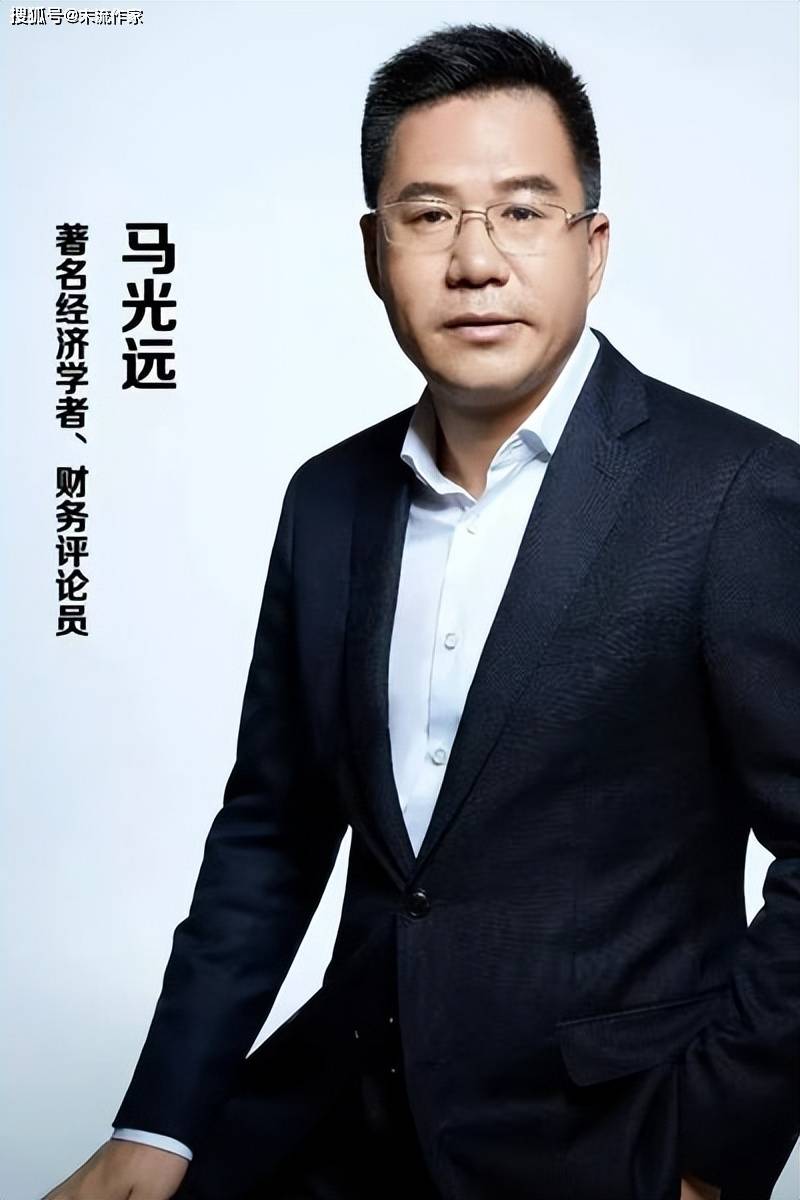
专家马光远称:只需5招,就能稳住楼市!
Sou Hu Cai Jing· 2025-09-06 01:46
Core Viewpoint - The article by expert Ma Guangyuan outlines five key strategies to stabilize the real estate market in China, emphasizing the importance of preventing unfinished housing projects and addressing public concerns about housing prices and availability [1]. Group 1: Preventing Unfinished Projects - The first strategy focuses on ensuring that housing projects do not go unfinished, which is a major concern for buyers. Ma suggests that the government should guarantee that funds from home sales are not misused, thus preventing project failures. He advocates for a commitment from the government to support developers facing financial difficulties to avoid bankruptcies [2]. - The suggestion to eliminate the pre-sale system is also mentioned as a potential improvement to prevent unfinished projects [2]. Group 2: Price Protection for Buyers - The second strategy proposes a policy design that offers buyers price protection for a certain period. If housing prices drop within a year of purchase, buyers would receive full compensation, effectively providing a safety net and alleviating concerns about price declines. However, questions arise regarding who would fund this compensation [4]. Group 3: Housing Demand and Accessibility - The third strategy argues that housing demand still exists, as current living conditions are inadequate. Ma suggests removing purchase restrictions, lowering down payment ratios from 15% to 10%, and reducing mortgage rates to below 3% to ease the financial burden on potential buyers [5]. Group 4: Urban Renewal and Old Housing - The fourth strategy highlights the potential for urban renewal, noting that over 60% of housing stock predates the 1998 housing reform. Ma calls for a supportive framework to encourage the renovation of old properties, which could incentivize residents to move to new homes [7]. Group 5: Addressing Migrant Workers' Housing Needs - The fifth strategy emphasizes the need for government intervention to address the housing issues faced by migrant workers who have not fully integrated into urban areas. Ma argues for the design of policies that cater to this demographic, although skepticism exists regarding the feasibility of such initiatives [9]. Conclusion - Ma Guangyuan concludes by defending his research on real estate, asserting that a decisive approach to these strategies could significantly alter market expectations and mitigate economic risks associated with the housing sector [11].
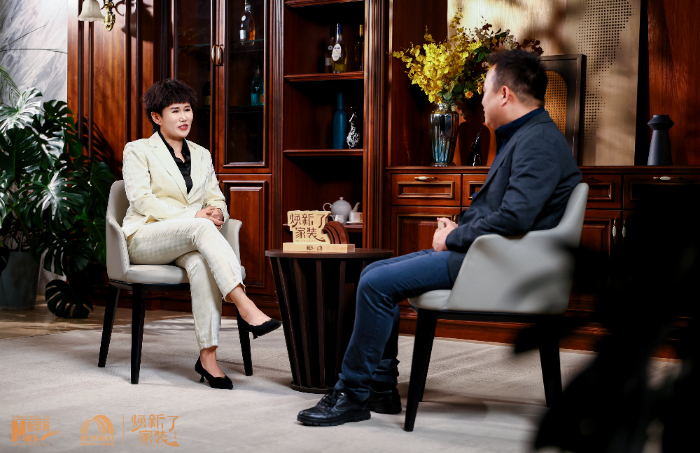
焕新了家装|峰子伟装饰张娟:深耕旧房改造 为消费者提供高性价比的装修服务
Xin Hua Wang· 2025-08-12 06:22
Core Insights - The article highlights the significant growth potential in the home decoration industry, particularly in the old house renovation sector, driven by new policies and consumer demand [1][7]. Company Overview - Founded in 2003, the company has established itself in the old house renovation market, leveraging over 20 years of experience [1][4]. - The company operates under the philosophy of "宁赚十人千,不赚一人万," focusing on high cost-performance offerings [8][10]. Market Trends - The shift from new housing construction to the renovation of existing properties is becoming a key trend in the industry, with a growing emphasis on quality improvement and structural adjustments [7][14]. - The company has identified the potential in the old house renovation market, which was previously overlooked by many competitors [3][14]. Business Model - The introduction of the "49800 renovation package" has gained popularity due to its affordability and comprehensive offerings, achieved through direct supply chain integration [8][10]. - The company employs a flat organizational structure to reduce costs and enhance efficiency, which contributes to its competitive pricing strategy [10]. Future Development - Plans for future growth include the establishment of community stores to better serve local residents and address common household issues [12]. - The company is also focusing on trends such as aging-friendly, smart, and green renovations, ensuring that their services meet the evolving needs of consumers [12][14].
“好材料”重塑家居生活体验
Ke Ji Ri Bao· 2025-08-08 09:13
Group 1: Material Innovations in Home Renovation - The use of innovative materials such as diatomaceous inorganic dry powder wall materials is transforming living experiences by enhancing indoor humidity regulation and comfort [1][2] - Environmentally friendly wall materials developed by China Building Materials Academy can effectively address formaldehyde pollution and moisture issues, creating a healthier indoor environment [2] - New antibacterial coatings developed by China Building Materials Academy can achieve over 99% antibacterial and antiviral rates, significantly reducing chemical pollution and cross-infection risks in enclosed spaces [3] Group 2: Smart Glass Technologies - Smart electrochromic glass can dynamically adjust its light transmission from 2% to 65%, reducing glare and UV exposure while decreasing air conditioning energy consumption by over 40% [4][6] - Cadmium telluride (CdTe) photovoltaic glass can convert light energy into electricity, combining the functions of traditional glass and solar panels, thus promoting sustainable building practices [5][6] Group 3: Advanced Wall Solutions - The "Luban Universal Board" developed by Beixin Group can significantly shorten wall decoration time, allowing for immediate occupancy after installation [7] - The heating board, based on graphene heating technology, provides both decorative and heating functions, enabling quick installation and efficient temperature control [7] Group 4: Insulation and Safety Materials - Foam ceramics developed by Jiangxi New Materials Company offer superior fire resistance and insulation properties, improving energy efficiency and safety in building renovations [8] - The low thermal conductivity of foam ceramics can enhance indoor temperature stability by approximately 30% in winter, addressing common issues of noise and moisture in older buildings [8]

智慧规划赋能 老房重获新生——“焕新城市·科技筑家”系列报道
Ke Ji Ri Bao· 2025-07-18 09:39
Core Insights - The article discusses the advancements in urban renewal and old housing renovation in China, highlighting the importance of modern technologies in improving design accuracy and efficiency [1][2][4]. Group 1: Urban Renewal and Housing Renovation - Since the implementation of urban renewal initiatives in 2019, nearly 280,000 old urban communities have been renovated, benefiting approximately 120 million residents [1]. - The integration of new technologies such as fusion modeling, 3D visualization WebGIS, and indoor pollutant simulation is transforming the design and renovation processes, making them more precise and efficient [1][2][7]. Group 2: Fusion Modeling Technology - Fusion modeling technology combines oblique photography and point cloud modeling to create high-precision 3D models, enhancing the detail and accuracy of building designs [2]. - This technology allows for better communication between designers and residents, enabling the exploration of multiple design options and early identification of potential issues [2][3]. Group 3: 3D Visualization WebGIS Platform - The 3D visualization WebGIS platform aids in urban renewal projects by allowing designers to visualize and analyze spatial data in a more interactive manner compared to traditional 2D software [4][5]. - Residents can engage in the renovation discussions by visualizing the outcomes of proposed changes, ensuring that the final designs meet their needs [4][5]. Group 4: Indoor Pollutant Simulation Technology - Indoor pollutant simulation technology helps identify and mitigate air quality issues during the renovation process, ensuring healthier living environments [7]. - This technology can predict air quality post-renovation by analyzing common pollutants and optimizing design elements accordingly [7]. Group 5: Virtual Reality Technology - Virtual reality technology provides immersive experiences for residents, allowing them to visualize and interact with future designs, thus enhancing public participation in the renovation process [8][9]. - As costs decrease and technology improves, virtual reality is expected to play a crucial role in urban renewal, facilitating faster and more cost-effective transformations of old buildings [9].
万亿级存量房家装“旧改”成新蓝海 家居卖场、定制品牌甚至物业服务公司等产业链上下游诸多头部企业纷纷入局
Guang Zhou Ri Bao· 2025-06-09 19:01
Core Insights - The transformation of the real estate market from incremental development to stock optimization is creating unprecedented potential in the stock housing renovation market, which has exceeded 2 trillion yuan [1] - The old housing renovation market has reached 40% of the overall home furnishing market, indicating significant growth potential as the real estate sector enters a stock era [3] Market Potential - The current residential stock in China is 420 million units, with over 65% of these properties being over 15 years old, highlighting the aging infrastructure and the need for renovations [4] - Policies such as subsidies for replacing old items and the renovation of old communities are further stimulating market potential [4] Industry Participation - Major players in the home furnishing industry, including home improvement stores and custom furniture brands, are actively entering the old housing renovation market [5] - Companies like Red Star Macalline and Juran Home are leveraging their customer acquisition and brand integration advantages to provide comprehensive renovation services [5][6] Innovative Business Models - Property service companies are utilizing their inherent advantages in customer flow, with models that offer tailored solutions and reliable product delivery [6][7] - The new property renovation model integrates the entire industry chain and takes responsibility for the renovation outcomes, contrasting with traditional models that merely provide a traffic entry point [7] Challenges and Solutions - The home furnishing industry faces challenges such as a lack of standards, insufficient industry collaboration, and inconsistent service quality [8] - New entrants, particularly branded operators, are expected to improve the long renovation cycles and craftsmanship issues currently plaguing the market [8] - Companies must focus on integrating resources across the home appliance, home furnishing, and home decoration sectors to enhance customer experience and address diverse renovation needs [8]