
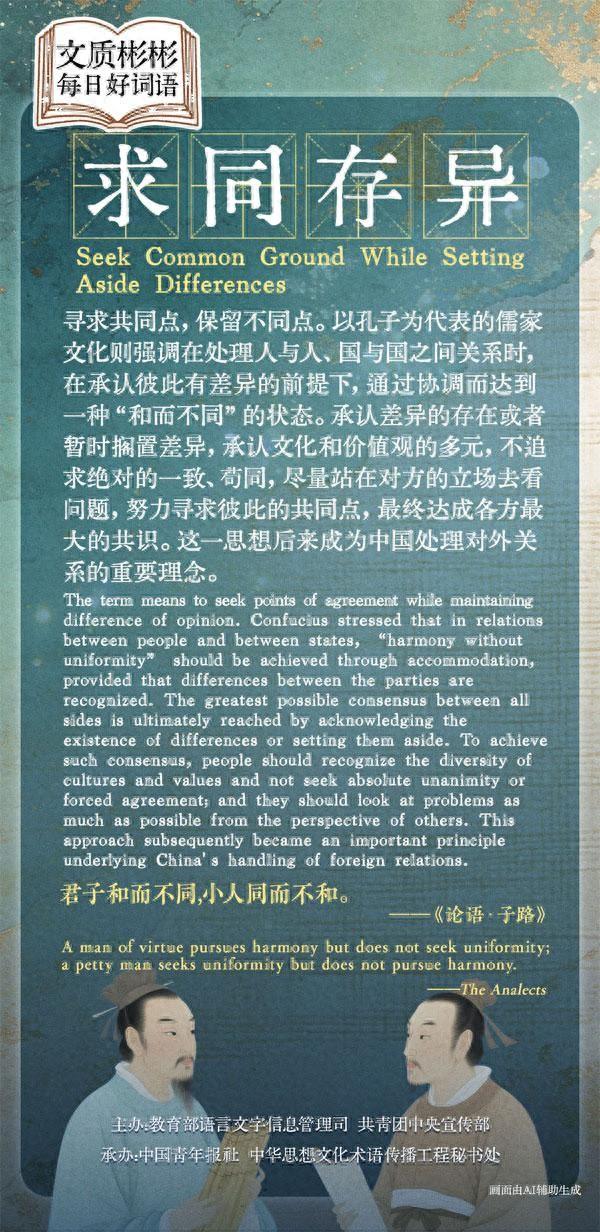
求同存异

Search documents
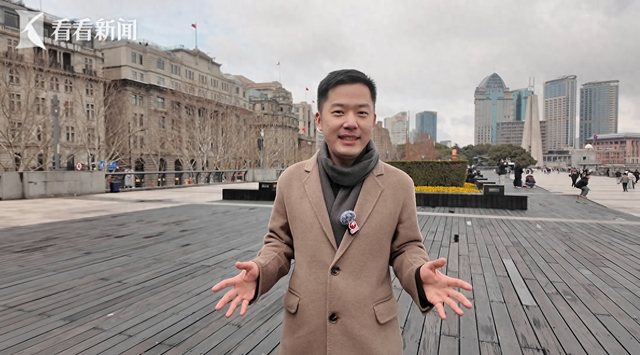
英国首相漫步外滩豫园 连连“点赞”上海
Xin Lang Cai Jing· 2026-01-31 11:12
Group 1 - UK Prime Minister Starmer's visit to China is seen as a historic opportunity to recalibrate and establish a stable, long-term, and strategic partnership between the UK and China [5][7] - The visit has generated positive signals for various sectors in the UK, highlighting the potential opportunities available in the Chinese market for British businesses [7] - Starmer emphasized the importance of mutual trust and respect through active communication, which could lead to a brighter future and infinite opportunities for both countries [5][7] Group 2 - The visit included cultural experiences in Shanghai, showcasing the blend of Eastern and Western influences, which could inspire collaboration in creative industries [8] - The UK Ambassador to China expressed excitement about the opportunities for both countries, indicating a strong interest in enhancing bilateral relations [7] - Starmer's engagement with local culture and cuisine, such as tasting the butterfly pastry, reflects a deeper understanding of Chinese culture, which may facilitate better business relations [3][5]

破冰重启的历史性时刻
Xin Lang Cai Jing· 2026-01-29 18:46
Group 1 - The visit of UK Prime Minister Starmer to China marks a significant thaw in UK-China relations after years of tension, indicating a desire to move towards a more mature and stable partnership [1][2] - Starmer's delegation includes over 50 business leaders from key sectors such as finance, pharmaceuticals, advanced manufacturing, and cultural creativity, highlighting the UK's intent to revitalize economic ties with China [2][5] - The UK government aims to recalibrate its foreign policy to avoid being isolated and to seize opportunities in the Chinese market, recognizing the need for a pragmatic approach that prioritizes national interests over ideological divides [3][4] Group 2 - The potential for cooperation between the UK and China is vast, particularly in areas like green energy, healthcare, financial services, and technology innovation, which are seen as critical for future economic growth [5] - The planned signing of trade and investment cooperation documents during Starmer's visit, along with the reactivation of the UK-China Entrepreneurs' Council, are concrete steps towards establishing new growth points in bilateral relations [5] - Both countries share common interests in maintaining a multilateral trading system and addressing global challenges such as climate change and public health, which could enhance stability in an increasingly complex international landscape [5]
以求同存异妥处双方分歧(钟声·大国外交·2025年度回眸)——二〇二五中美经贸启示录③
Xin Lang Cai Jing· 2025-12-28 02:55
Group 1 - The core viewpoint emphasizes that the U.S. and China can achieve mutual prosperity through dialogue, cooperation, and managing differences, despite their historical and cultural divergences [1][3] - A recent poll indicates that 53% of Americans support friendly cooperation with China, marking the first majority in favor of such a policy since 2019, reflecting a gradual rational understanding of U.S.-China relations [1][2] - The historical context of international relations suggests that managing differences between major powers is crucial for global peace and stability, highlighting the urgency and significance of U.S.-China cooperation [1][3] Group 2 - It is essential to view differences in the economic and trade sectors correctly, as competition and friction are normal between the world's two largest economies, but the focus should remain on the long-term benefits of cooperation [2] - Dialogue is necessary for managing differences, and it must be based on principles such as mutual respect and equality, which are vital for effective conflict management between the U.S. and China [2][3] - Constructive dialogue aimed at problem-solving has been prioritized in recent U.S.-China trade negotiations, with five rounds of discussions showing a commitment to addressing issues and enhancing cooperation [3]
以求同存异妥处双方分歧(钟声·大国外交·2025年度回眸)
Ren Min Ri Bao· 2025-12-28 02:09
Group 1 - The core viewpoint emphasizes that the U.S. and China can achieve mutual success and shared prosperity by replacing confrontation with dialogue, resolving differences through cooperation, and managing contradictions with a broader perspective [1][3] - A recent poll by the Chicago Council on Global Affairs indicates that 53% of Americans support friendly cooperation and engagement with China, marking the first time since 2019 that a majority favors a cooperative approach [1] - The historical context of international relations highlights the importance of managing differences for global peace and stability, particularly between the world's largest developing and developed nations [1] Group 2 - It is essential to view differences correctly, especially in the economic and trade sectors, where the U.S. and China, as the world's two largest economies, have significant interdependencies and occasional competitive tensions [2] - The dialogue must be principled, with mutual respect and equality as the foundation for effectively managing differences, emphasizing the importance of respecting each other's core interests and development paths [2] - Constructive dialogue aimed at problem-solving is crucial, as evidenced by five rounds of negotiations that, despite challenges, have focused on leveraging the U.S.-China economic consultation mechanism to address issues [3]
以求同存异妥处双方分歧——二〇二五中美经贸启示录③
Xin Lang Cai Jing· 2025-12-27 23:52
Group 1 - The core viewpoint emphasizes that the U.S. and China can achieve mutual prosperity through dialogue, cooperation, and managing differences, despite their historical and cultural divergences [1][3] - A recent poll indicates that 53% of Americans support friendly cooperation with China, marking the first majority in favor of such a policy since 2019, reflecting a gradual rational understanding of U.S.-China relations [1][2] - The historical context of international relations suggests that managing differences between major powers is crucial for global peace and stability, highlighting the urgency and significance of U.S.-China cooperation [1][2] Group 2 - The economic relationship between the U.S. and China is characterized by significant interdependence, with inherent competition and friction in specific areas being normal [2] - Effective dialogue is essential for managing differences, which should be based on mutual respect and equality, ensuring that both parties honor each other's core interests and development paths [2][3] - Constructive dialogue aimed at problem-solving has been demonstrated through multiple rounds of negotiations, which have provided positive signals for businesses and global markets [3]
文质彬彬·每日好词语 | 求同存异
Xin Lang Cai Jing· 2025-12-19 23:34
Core Idea - The article emphasizes the importance of seeking common ground while setting aside differences, a principle rooted in Confucian thought that advocates for "harmony without uniformity" in interpersonal and international relations [2][3][6]. Summary by Sections Confucian Philosophy - Confucius highlighted the need for accommodation in relationships, recognizing differences while striving for consensus [3][6]. - The concept of "harmony without uniformity" suggests that true harmony does not require absolute agreement, but rather an understanding and respect for diverse perspectives [3][4]. Application in International Relations - This approach has become a significant principle in China's foreign relations, promoting the idea of acknowledging cultural and value diversity without forcing uniformity [2][6]. - The ultimate goal is to achieve the greatest possible consensus by either recognizing or temporarily setting aside differences [3][6]. Ethical Considerations - The distinction between a virtuous person and a petty person is made, where the former seeks harmony without demanding conformity, while the latter seeks conformity without genuine harmony [4][7].
东西问丨戴维·古德曼:如何推动中澳关系稳中有进?
Zhong Guo Xin Wen Wang· 2025-09-05 11:24
Group 1 - The core viewpoint of the article emphasizes the importance of a healthy and stable Australia-China relationship, which is beneficial for the people of both countries and calls for closer cultural exchanges [1][8] - David S.G. Goodman, Director of the China Research Center at the University of Sydney, highlights that the center is one of the largest in Australia, focusing on local development dynamics and sustainability issues [5][12] - The article discusses the historical and political reasons behind the perception of a "China threat" in Australia, suggesting that Australia should pursue a more independent political and diplomatic stance [7][8] Group 2 - Goodman notes that the recent visit of Australian Prime Minister Albanese to China is significant for the healthy development of bilateral relations, emphasizing the need for continued dialogue between leaders [8][10] - The economic structures of Australia and China are highly complementary, and there is potential for further cooperation in advanced technology, decarbonization in the steel industry, and renewable energy [10] - The article advocates for increased youth exchange programs and tourism between the two countries to foster better understanding and appreciation of each other's cultures [10]

新华述评|为人类和平发展铸就新的历史丰碑
Xin Hua She· 2025-09-02 10:11
Core Viewpoint - The article emphasizes the significance of the 80th anniversary of the victory in the Chinese People's War of Resistance Against Japanese Aggression and the World Anti-Fascist War, highlighting China's historical role and its commitment to peace and development for humanity [1][5][17]. Historical Echoes - The article outlines the historical context of China's resistance against Japanese aggression, starting from the September 18 Incident in 1931, marking the beginning of the global anti-fascist struggle [2][3]. - It details the collective effort of the Chinese people during the 14-year war, which resulted in over 35 million casualties, showcasing their resilience and unity against foreign invasion [3][4]. Justice and Responsibility - The narrative stresses China's transformation from a nation that suffered colonial oppression to a responsible global player advocating for peace and justice, as articulated by international experts [5][6]. - It highlights China's active role in the establishment of the United Nations and its commitment to the principles of peace and democracy [6][7]. Development Engine - The article presents China's economic growth as a significant contributor to global development, with its GDP increasing from 367.9 billion in 1978 to over 130 trillion by 2024, marking a growth of over 300 times [9][10]. - It emphasizes China's transition from being the "world's factory" to a leader in high-value manufacturing and technological innovation, reshaping global industrial dynamics [10][11]. Global Cooperation - The article discusses China's initiatives like the Belt and Road Initiative, which aims to foster development and cooperation with other developing countries, enhancing global connectivity and economic growth [12][16]. - It notes China's commitment to poverty alleviation, having reduced nearly 800 million people from poverty since the reform and opening up, contributing significantly to global poverty reduction efforts [11][12]. Call of the Times - The article concludes with China's vision of building a community with a shared future for mankind, addressing contemporary global challenges through cooperation and mutual development [15][17]. - It reiterates China's enduring values of peace, development, justice, and the aspiration for a harmonious world, which remain central to its international relations strategy [17][18].
为人类和平发展铸就新的历史丰碑
Xin Hua She· 2025-09-02 09:51
Core Viewpoint - The article emphasizes the historical significance of the 80th anniversary of China's victory in the Anti-Japanese War and the global anti-fascist struggle, highlighting China's role in promoting peace, justice, and development in the world [1][2][17]. Historical Echoes - The article traces the historical context of China's resistance against Japanese militarism, starting from the September 18 Incident in 1931, leading to the establishment of a united front against invasion [2][3]. - It underscores the sacrifices made by the Chinese people during the 14 years of war, which significantly contributed to the overall victory in the global anti-fascist struggle [3][4]. Justice and Responsibility - The article discusses China's evolution from a nation that suffered colonial oppression to a responsible global power advocating for peace and justice [5][6]. - It highlights China's active participation in the establishment of the United Nations and its commitment to international cooperation and support for oppressed nations [5][7]. Development Engine - The article presents China's economic growth as a significant contributor to global development, noting that China's GDP has increased from 367.9 billion to over 130 trillion yuan from 1978 to 2024, marking a growth of over 300 times [9]. - It emphasizes China's role as a driving force in global economic growth, contributing approximately 30% to global economic growth in recent years [9][11]. Global Cooperation - The article outlines China's initiatives to support developing countries through the Belt and Road Initiative, which aims to foster economic cooperation and development across various regions [12][14]. - It highlights China's commitment to global poverty alleviation, noting that nearly 800 million people have been lifted out of poverty since the reform and opening-up policy began [11]. Call of the Times - The article reflects on the current global challenges and China's response through the concept of building a community with a shared future for mankind, emphasizing cooperation and mutual development [13][14]. - It discusses the global initiatives proposed by China, including the Global Development Initiative and the Global Security Initiative, aimed at addressing pressing international issues [15].
习近平:志同道合是力量、是优势 求同存异是胸怀、是智慧
Yang Shi Xin Wen Ke Hu Duan· 2025-09-01 02:58
Core Points - The 25th meeting of the Shanghai Cooperation Organization (SCO) member states' heads of state council was held in Tianjin, emphasizing the importance of mutual respect and cooperation among member countries [1] Group 1 - Xi Jinping highlighted the need to uphold the principle of seeking common ground while reserving differences, indicating that shared values among member states are a source of strength and advantage [1] - The meeting underscored the importance of respecting each other's differences and maintaining strategic communication to build collective consensus [1] - There was a call for enhanced unity and collaboration among member states to expand cooperation and effectively utilize each country's strengths [1] Group 2 - The responsibility for promoting peace, stability, and prosperity in the region was emphasized as a collective duty of all member states [1]