消费回归理性

Search documents
高人预测:若不出意外,春节以后,国内或将迎来4个变化,很现实
Sou Hu Cai Jing· 2026-02-23 06:51
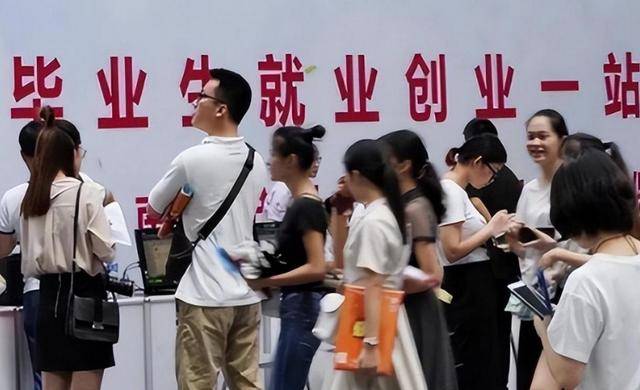
Group 1 - The job market is shifting towards valuing practical skills over theoretical knowledge, with a new initiative from the Ministry of Human Resources and Social Security aimed at enhancing vocational training [3][5] - There is a noticeable increase in demand for skilled workers, particularly in sectors like healthcare and community services, with companies now willing to hire older workers, expanding the age limit for job applicants to 45 years [5][7] - The government is introducing measures to protect the rights of gig economy workers, ensuring better social security coverage for flexible employment [5][7] Group 2 - Consumer spending behavior is changing, with a focus on practicality and essential goods rather than luxury items, as evidenced by a significant increase in sales related to trade-in programs [7][9] - The real estate market is stabilizing, with a 33% increase in second-hand home transactions in major cities, although prices are still declining by 0.85%, indicating a shift towards homeownership for personal use rather than investment [11][13] - The housing market is expected to remain stable, with low mortgage rates making it a favorable time for genuine homebuyers, while speculative buying is discouraged [13][15] Group 3 - Inflation rates are low, with a year-on-year increase of only 0.2% in consumer prices, leading to a perception that money is becoming more valuable [17][19] - The stability in prices for essential goods like pork and eggs, along with steady prices in home appliances and building materials, contributes to a sense of financial security among consumers [17][19] - The overall trend indicates a shift towards a more grounded and practical approach to daily life, emphasizing stability and real value in spending and investment decisions [19][20]

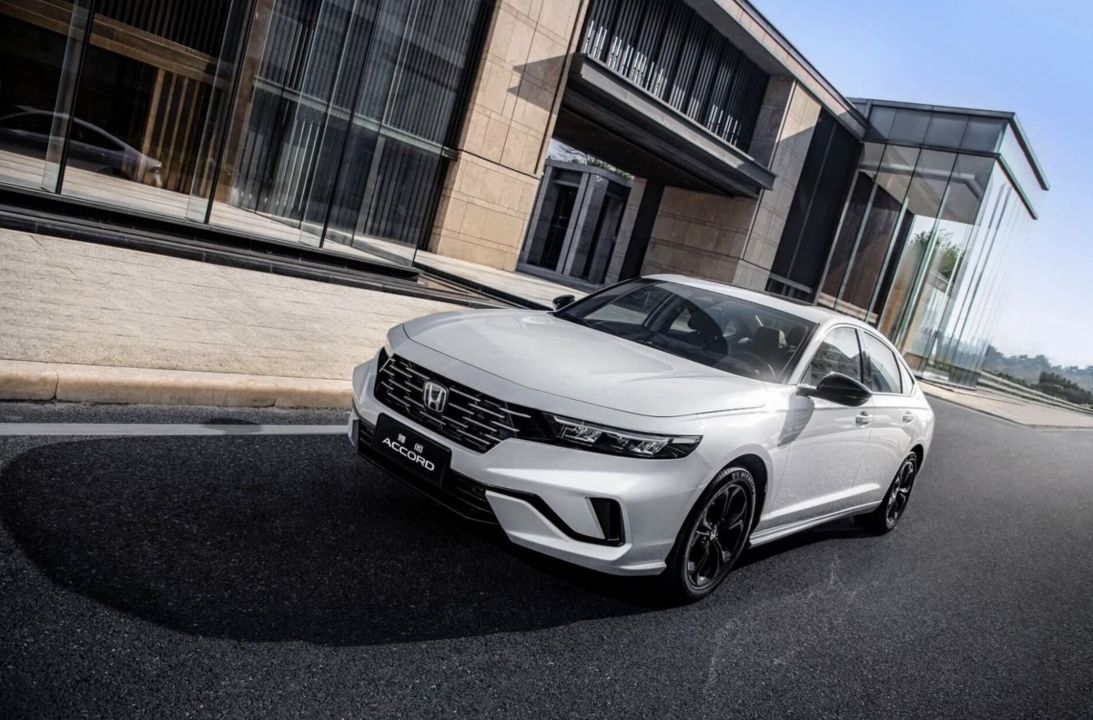
消费回归理性 广汽本田雅阁以底蕴、品质、可靠性创造更多可能
Zhong Guo Zhi Liang Xin Wen Wang· 2026-01-30 07:49
Core Insights - The 2025 China Automotive Customer Satisfaction Index (CACSI) indicates that the top three factors influencing consumer car purchases are "performance," "reliability," and "comfort," with reliability rising to the second position for the first time in three years [1] Group 1: Sales Performance - The Honda Accord achieved a sales milestone of 28,676 units in December last year, maintaining over 20,000 units in sales for two consecutive months [2] - For the year 2025, the cumulative sales of the Accord exceeded 166,400 units, marking a year-on-year positive growth [2] Group 2: Product Reliability and Testing - A 26-year-old Accord successfully completed a 24-hour endurance challenge, covering 2,181 kilometers with an average fuel consumption of 8.09 liters per 100 kilometers, showcasing its reliability [5] - The vehicle demonstrated no faults or performance degradation after extensive testing, reflecting Honda's commitment to quality [6] Group 3: Engineering and Design - The sixth-generation Accord was designed with advanced global technology and a flexible platform to meet diverse regional needs while ensuring stability under extreme conditions [8] - The 2.3L VTEC engine and 4AT automatic transmission performed excellently during high-frequency operations, maintaining normal function and smooth gear shifts [8][10] Group 4: Manufacturing Standards - The production of the Accord adheres to rigorous standards, including 120% design and manufacturing quality, ensuring long-term stability and integrity of the vehicle [13] - The use of high-strength materials, such as 1500Mpa hot-formed steel, contributes to the vehicle's durability and safety [13] Group 5: Supplier Relationships - Honda maintains a strong network of top-tier suppliers for critical components, with over 95% of parts sourced from leading global automotive suppliers [15] - The success of the Accord in the market and its performance in the million-kilometer challenge highlight the importance of quality and long-term value in the current automotive consumer landscape [15]
收租资产系列报告之十一:理性消费驱动下,奥莱REITs投资正当时
Ping An Securities· 2026-01-30 06:50
Investment Rating - The report maintains an "Outperform" rating for the real estate industry, specifically for Outlet REITs [1]. Core Insights - The outlet industry is characterized by high cost-performance and anti-cyclical properties, appealing to consumers' frugal spending habits. During economic downturns, high-income consumers tend to downgrade their spending and turn to outlets for discounted luxury brands. The current expansion of outlets in China is slowing, with a focus on improving operational efficiency and innovating business models among major players [2]. - The domestic outlet market is less concentrated compared to overseas markets, indicating potential investment value in quality outlet REITs. The overall discount rate/capitalization rate for domestic outlet assets is higher than that of shopping centers, reflecting the volatility of income linked to sales performance. The report highlights that leading outlet REITs, such as CICC Vipshop Outlet REIT, maintain a high NOI yield above 77% for 2023-2024, showcasing their attractiveness to consumers and operational capabilities [2]. Summary by Sections Outlet Industry Characteristics & Comparison with Shopping Centers - Outlets differ from shopping centers in tenant management, customer coverage, business mix, and income structure. Outlets typically use a joint venture model, allowing for greater revenue elasticity and a focus on operational performance rather than occupancy rates. They also have lower fixed costs and a higher profit margin due to their retail-centric business model [3][25][29]. - The seasonal characteristics of outlets are notable, with Q2 and Q3 being off-peak seasons, while Q1 and Q4 see higher sales due to major holidays and promotional events. This seasonal pattern influences operational strategies, such as brand upgrades during off-peak periods [41][38]. Investment Value of Outlet REITs - The report emphasizes that the domestic outlet market is entering a phase of stable competition, with room for increased concentration among leading players. Quality outlets possess barriers in brand introduction, operational management, and capital strength, making them scarce and valuable assets. The anti-cyclical nature of outlets positions them as an attractive investment choice in a rational consumption environment [2][19]. - The report suggests monitoring specific outlet REITs, such as CICC Vipshop Outlet REIT and Huaxia Shouchuang Outlet REIT, as they demonstrate long-term investment potential [2]. Major Players in the Outlet Market - The report identifies six major players in the domestic outlet market, with Shanshan leading in the number of opened projects. These players are categorized into professional outlet operators and diversified department store transformations, indicating a competitive landscape with varying operational strategies [19][20][21]. - The report notes that two of the major players have already issued outlet REITs, showcasing the trend of institutional investment in this sector [22]. International Comparison and Future Outlook - The report draws parallels with international outlet markets, suggesting that the concentration level of domestic outlets is expected to rise, similar to trends observed abroad. This indicates a potential for growth and investment opportunities in the domestic outlet sector [48].
从投资品回归消费品,液体黄金褪色
Sou Hu Cai Jing· 2025-11-17 01:50
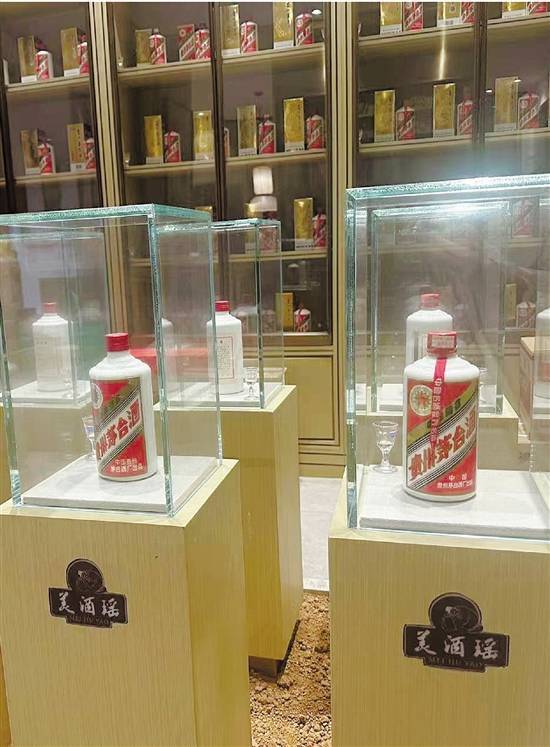
Core Viewpoint - The article discusses the significant decline in the price of Moutai liquor, transitioning from an investment asset to a consumer product, with many consumers reassessing its intrinsic value [3][10]. Price Decline and Market Reaction - Newly launched cultural series products and the 53-degree Flying Moutai have experienced drastic price drops, with the "Yellow Small Stream Dinner" series falling 30%-40% from its launch price of 2499 yuan to below 1700 yuan [4][5]. - The 375ml version of the "Walk into Five Countries" series has seen its price drop from 1619 yuan to 1050 yuan, while the 700ml version has decreased from 3599 yuan to around 2200 yuan, marking a nearly 40% decline [4][5]. - The price of the 53-degree Flying Moutai has fallen from approximately 2000 yuan at the beginning of the year to around 1600 yuan, a drop of over 50% from its peak of 3500 yuan at the end of 2022 [5][8]. Shift in Consumer Behavior - Consumers are now more cautious and rational in their purchasing decisions, with many no longer hoarding Moutai as an investment, reflecting a shift towards its consumption value [7][10]. - The trend of bulk purchasing for investment purposes has diminished, with consumers typically buying only one or two bottles for personal use [7][8]. Industry Dynamics - The white liquor industry is undergoing a cyclical adjustment, entering a phase of stock competition, with Moutai's strategy focusing on long-term stability and adapting to changing consumer habits [9]. - The decline in Moutai prices has not significantly affected its stock price, indicating a potential disconnect between market sentiment and the company's long-term value [9]. Future Outlook - Analysts suggest that Moutai may continue to experience price fluctuations in the short term, but there is potential for stabilization at current price levels due to the brand's inherent value and demand in gift and banquet markets [9][10].

药中茅台凉了!从1600元降至500多,暴跌20%创十年来最差业绩
Sou Hu Cai Jing· 2025-10-22 11:32
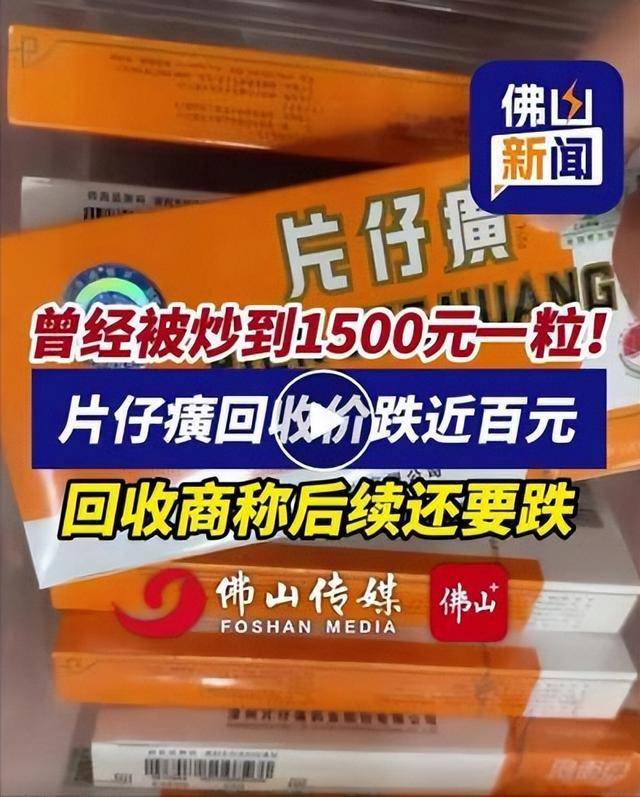
Core Viewpoint - The financial report of Pianzaihuang for the first three quarters of 2025 reveals a significant decline in both revenue and net profit, marking the first such occurrence in nearly a decade, with revenue dropping by 11.93% and net profit plummeting by 20.74% compared to the previous year [2][4]. Group 1: Financial Performance - For Q3 alone, Pianzaihuang reported a revenue of 2.064 billion yuan, a year-on-year decrease of 26.28%, and a net profit of 687 million yuan, down 28.82% [4]. - The three main business segments of the company all experienced declines: - Pharmaceutical manufacturing revenue fell by 12.93% to 4.016 billion yuan [4]. - Pharmaceutical distribution revenue decreased by 8.45% to 2.887 billion yuan [4]. - Cosmetics revenue dropped by 23.82% to 400 million yuan [4]. Group 2: Product Issues - The core product, Pianzaihuang Pill, has seen a significant drop in sales, with its market price being undercut by discounts on e-commerce platforms, leading to a situation where the factory price is reportedly below 600 yuan [6][8][10]. - The product, once highly sought after, is now struggling to sell, with reports indicating that some small pharmacies are unable to sell even a few units in a year [8][12]. Group 3: Market Dynamics - The previous marketing strategy that linked Pianzaihuang with premium products like Moutai has lost its effectiveness, as consumer behavior shifts towards more practical and cost-effective choices [15][40]. - The company has historically relied on the scarcity of its key ingredients, such as natural musk, which has seen a price increase of over 200% in recent years [23]. Group 4: Inventory and Stock Performance - As of Q3 2025, Pianzaihuang's inventory rose by 34.9% to 6.16 billion yuan, indicating unsold products piling up [34]. - Following the release of the financial report, the company's stock price fell by 4.71%, reflecting a significant loss in market confidence, with the total market value dropping from 290 billion yuan at its peak to 111.8 billion yuan [36]. Group 5: Future Strategies - In response to the current challenges, Pianzaihuang plans to explore new sales channels, including traditional medicine markets and high-end service sectors, although the effectiveness of these strategies remains uncertain [38]. - The company must find a balance between efficacy, pricing, and distribution to regain consumer trust and market position [40][42].
浮华褪去 别克引领汽车消费回归价值本位
Zhong Guo Jin Rong Xin Xi Wang· 2025-06-27 06:02
Core Viewpoint - The article discusses the shift towards rational consumption in the automotive industry, highlighting how Buick is leading this trend by emphasizing product quality and safety over emotional marketing tactics [1][2]. Group 1: Automotive Consumption Trends - Emotional consumption has become prevalent, with consumers willing to pay for emotional symbols in marketing, leading to a distortion of product value [1]. - A report indicates that 85.67% of new energy vehicle buyers prioritize safety in their purchasing decisions, significantly higher than the 48.6% who focus on smart features [2]. - The automotive industry is witnessing a backlash against excessive marketing, with regulatory bodies stepping in to curb exaggerated claims [2]. Group 2: Buick's Approach to Quality - Buick emphasizes safety and reliability in its vehicle offerings, particularly with the new electric model, the Buick E5, which has undergone 47 improvements based on user feedback [3][12]. - The Buick E5 features the advanced Auton 2.0 platform, which meets high safety standards and addresses consumer concerns about battery safety [3][5]. - The vehicle's battery system includes a seven-layer protection mechanism, ensuring high levels of safety and reliability during operation [5][12]. Group 3: Industry Implications - The shift towards rational consumption suggests that consumers are increasingly valuing quality and safety over flashy technological features [2][12]. - The automotive industry must adapt to this change by focusing on product quality and consumer trust to achieve sustainable growth [2][12].