
AIOS

Search documents
对话 OPPO 姜昱辰:没有明确拒绝与豆包手机合作,坚持与三方生态共建
雷峰网· 2026-01-06 00:40
Core Viewpoint - OPPO's ultimate goal is to develop an AI operating system (AIOS), which is a primary reason for moving away from the Doubao phone collaboration [1][2]. Group 1: OPPO's Strategy and AIOS Development - OPPO maintains a flexible stance regarding collaboration with Doubao, indicating that the decision is based on finding suitable opportunities rather than outright rejection [2]. - The focus is on a user-centric approach, emphasizing the importance of user experience in the development of AI technologies [3]. - OPPO's AI strategy is characterized by the integration of various AI functionalities into a cohesive system, referred to as "Agent to Agent," which aims to enhance user interaction and data privacy [4][5]. Group 2: Collaboration and Technological Framework - OPPO is collaborating with Alipay to establish a standardized framework for sharing user context securely, known as the "Agent Matrix protocol" [10]. - The choice of the Agent to Agent model over GUI Agent is driven by the need for stability and quality assurance, given OPPO's large user base of over 750 million monthly active users [5][9]. - OPPO's approach is to be agile, allowing for rapid adaptation to new technologies while ensuring quality and user satisfaction [6][19]. Group 3: User Experience and Memory Function - The "Memory Symbiosis Engine" is a key technology that enables OPPO to provide personalized services while ensuring user privacy [15]. - OPPO aims to evolve its AI capabilities gradually, focusing on user needs and pain points, with features like automatic bookkeeping and collection being introduced in future updates [16][18]. - The goal is to transform the user experience from occasional AI assistance to a more integrated and continuous support system throughout the user's journey with the device [17]. Group 4: Market Position and Future Outlook - OPPO recognizes the importance of understanding user needs and adapting to market changes, emphasizing that the success of AI phones will depend on their ability to meet evolving consumer expectations [21][22]. - The company is committed to making AI a more integral part of daily user interactions, with ongoing improvements to features that enhance usability and provide tangible benefits [22].


AI手机战火升级,OPPO集结兵力打造“超级小布”
Hua Er Jie Jian Wen· 2025-12-12 13:39
Core Insights - The article discusses the ongoing competition in the smartphone industry regarding AI capabilities, highlighting that major manufacturers have yet to release a transformative AI phone [2][5] - OPPO is making significant strides in AI integration with its "Super Xiaobu" initiative, aiming to enhance user experience through a more cohesive AI system [3][4] Group 1: AI Integration and Strategy - OPPO has restructured its AI division to consolidate its core services into "Super Xiaobu," focusing on enhancing the AI system-level experience [2][3] - The company has embedded the Xiaobu assistant deeply into its operating system, introducing the "AIOS" strategy that emphasizes memory capabilities and proactive user understanding [3][4] - OPPO's latest ColorOS 16 system integrates Xiaobu memory across the platform, enabling features like AI one-click memory and personalized responses [4] Group 2: Market Context and User Engagement - The smartphone industry is at a technological crossroads, with 2024 anticipated as the "AI phone year," as manufacturers recognize the need for system-level AI to drive new device adoption [5][6] - Despite the growth in AI assistant user base, the engagement remains low, with an average monthly usage time of only 5.3 minutes per user for smartphone AI assistants, compared to 117.7 minutes for AI-native apps [5][6] - OPPO is collaborating with third-party AI agents to enhance user experiences across various scenarios, indicating a shift from hardware competition to AI capabilities and ecosystem integration [7]

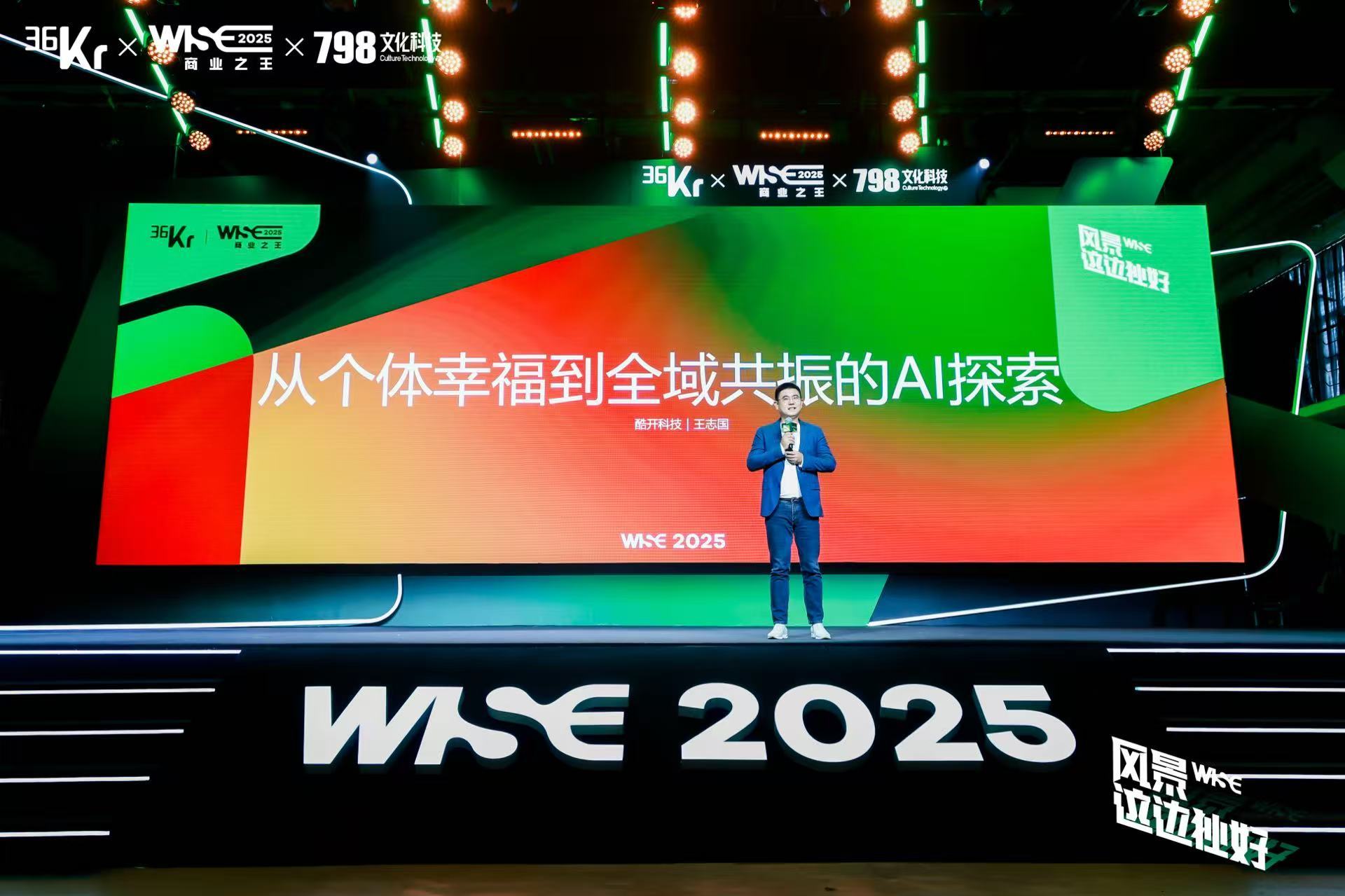
酷开王志国:以AIOS打破数据孤岛,从个体提效走向全域共振|WISE2025 商业之王
3 6 Ke· 2025-12-04 08:29
Core Viewpoint - The WISE 2025 conference emphasizes the integration of AI into various sectors, showcasing how technology can reshape industries and enhance individual and collective experiences in both personal and work environments [1]. Group 1: AI Operating Systems (AIOS) - The company has developed two AI operating systems, Happy Life AIOS and Happy Work AIOS, focusing on enhancing individual happiness and workplace efficiency through AI [5][10]. - Happy Life AIOS aims to bridge communication gaps within families, using AI to facilitate better understanding and reduce conflicts, particularly in educational contexts [8][9]. - Happy Work AIOS addresses workplace challenges by utilizing AI to manage resources and improve collaboration, thereby enhancing fairness and transparency in employee evaluations [9][10]. Group 2: Implementation and Functionality - The company has focused on optimizing open-source algorithms to create a robust AIOS, which allows for real-time decision-making based on extensive data [4][6]. - The AIOS systems are designed to operate autonomously, providing services based on user needs without pre-defined programming, thus enhancing user experience [7][12]. - The company aims to create a fully interconnected ecosystem where employees, suppliers, and customers can share information seamlessly, enabling quick market response and value creation [10][15]. Group 3: Intelligent Agents and Management - The company has established six principles for developing intelligent agents, emphasizing the need for product managers who understand AI logic and user needs [12]. - Intelligent agents are designed to operate continuously, processing data even when not actively engaged by users, which is crucial for maximizing the value of AIOS [13][16]. - The company is transitioning to an AI-driven operational model, reducing the need for traditional meetings and enhancing communication efficiency through intelligent agents [16]. Group 4: Future Vision - The ultimate goal is to create an "AI-native enterprise" that leverages AI to enhance both profitability and user satisfaction, envisioning a future where digital agents continue to provide value even beyond human existence [16][17]. - The company encourages embracing AI to handle mundane tasks while focusing on unique human values that AI cannot replicate, such as emotional intelligence and creativity [17].
吉利系 AI 终端进展曝光:首月速成 200 人团队,挖遍华为小米荣耀
Xin Lang Cai Jing· 2025-12-03 01:25
Group 1 - ByteDance and ZTE have launched an AI phone priced at 3499 yuan, featuring ByteDance's self-developed large model Agent service [1][21] - The phone integrates the Doubao mobile assistant technology, developed in collaboration with phone manufacturers at the operating system level [1][21] - ByteDance's primary focus is not on the AI phone itself but on the underlying AIOS software ecosystem [1][21] Group 2 - A new company named Zhiyue Qianli, established in August 2023, is gaining attention for its focus on AIOS [2][8] - Zhiyue Qianli is closely related to the Geely group, with key figures like Guo Jianguo involved in its establishment and management [3][22] - The company aims to reshape human-computer interaction and build an ecosystem for the AI terminal era [26][30] Group 3 - Zhiyue Qianli plans to develop both AI models and hardware products, including phones and XR glasses, distinguishing its strategy from ByteDance's [9][25] - The company has rapidly grown to nearly 200 employees within its first month, attracting talent from major tech firms like Huawei and Xiaomi [14][30] - The focus on AI terminals is expanding beyond traditional devices, potentially integrating into smart vehicles as central systems for human-machine collaboration [20][35] Group 4 - The concept of AI terminals is evolving, encompassing not just hardware but also software and new interaction models, breaking existing product definitions and competition logic [16][32] - Consumer-grade AI terminals are forming intelligent closed loops, with AI phones, PCs, and tablets becoming key entry points for connecting model capabilities with daily life [17][33] - The integration of AI terminals with smart cockpit technology is becoming a consensus in the automotive industry, aligning with strategies from major players like Huawei and Xiaomi [20][36]


字节“豆包手机”刚开卖,吉利系进展也曝光了:首月速成200人团队,挖遍华为小米荣耀
量子位· 2025-12-01 12:13
Core Viewpoint - The collaboration between ByteDance and ZTE on AI smartphones aims to establish a foothold in the AI operating system (AIOS) sector rather than focusing solely on the AI smartphone itself [3][14]. Group 1: ByteDance and ZTE Collaboration - ByteDance has launched its first AI smartphone, priced at 3499 yuan, featuring its self-developed large model Agent service [1]. - The smartphone integrates the Doubao mobile assistant technology, developed in collaboration with phone manufacturers at the operating system level [1]. Group 2: New Entrant - Zhiyue Qianli - A new company named Zhiyue Qianli, established in August 2023, is gaining attention for its focus on the AIOS sector [5][15]. - Zhiyue Qianli is closely related to the Geely group, with key figures such as Hao Jianguo involved in its establishment [6][7]. - The company aims to reshape human-computer interaction and build an ecosystem for the AI terminal era [15]. Group 3: Company Strategy and Development - Zhiyue Qianli plans to develop both AI models and hardware products, including smartphones and XR glasses, distinguishing its approach from ByteDance's focus [16][19]. - The company has rapidly expanded its workforce, reaching nearly 200 employees within its first month, indicating strong recruitment capabilities [23]. - It is actively building capabilities related to AIOS and hardware development, suggesting a comprehensive approach to product development [19][20]. Group 4: Industry Trends and Future Outlook - The relationship between AI and terminals is evolving, with AI terminals becoming a new industry keyword that encompasses hardware, software, and user interaction [25][26]. - AI terminals are expected to extend beyond traditional devices, potentially integrating into smart vehicles as central systems for human-machine collaboration [29]. - The trend indicates a convergence of software and hardware strategies among major players like Huawei and Xiaomi, with ByteDance and Geely also entering the fray [30][32].

标准版的存在感之战,「荣米OV」四大金刚标准版横评
3 6 Ke· 2025-11-10 07:56
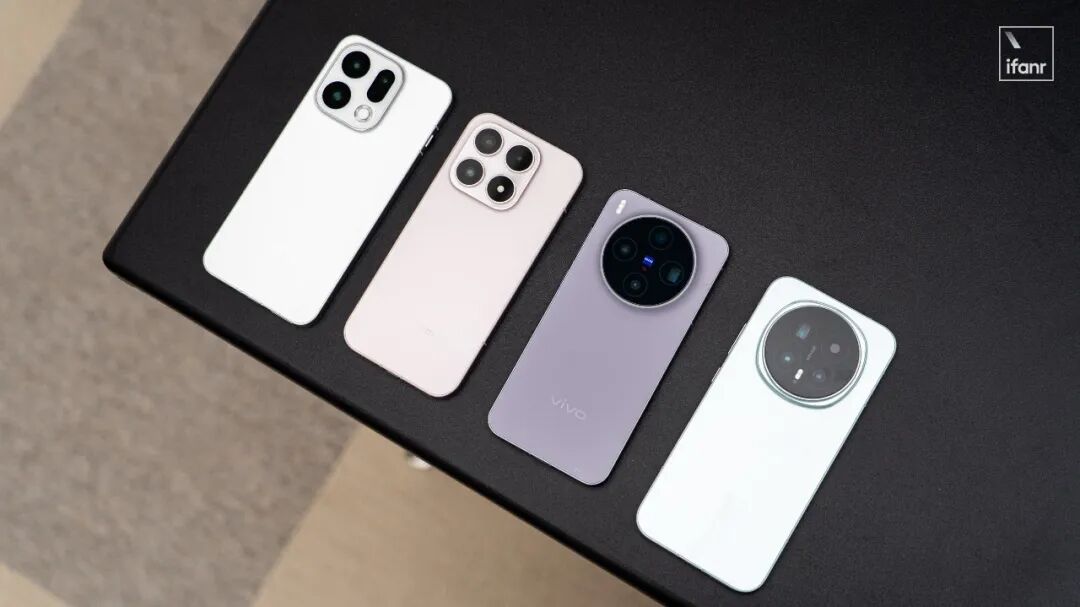
Core Insights - The article discusses the performance and features of the latest standard version smartphones from various brands, highlighting a collective lack of excitement compared to previous years [1] - The standard versions are priced around 4500 yuan, making careful selection essential for consumers [1] Group 1: Smartphone Comparisons - The four main standard models compared are Xiaomi 17, vivo X300, OPPO Find X9, and Honor Magic 8, each showcasing unique features and specifications [1][4] - Xiaomi 17 and Honor Magic 8 utilize the Qualcomm Snapdragon 8 Elite Gen 5 processor, while OPPO Find X9 and vivo X300 use MediaTek's Dimensity 9500 [4] - Performance benchmarks show that the Dimensity 9500 lags behind Snapdragon 8 Elite Gen 5 in CPU single-core and multi-core scores, but GPU capabilities are comparable [5] Group 2: Design and Usability - The smartphones are categorized into two size groups: 6.3-inch models (Xiaomi 17 and vivo X300) and 6.6-inch models (OPPO Find X9 and Honor Magic 8), with the smaller models offering better handling but compromising on battery life [4][11] - The design of vivo X300 has evolved positively, featuring a clever slope design that minimizes the camera module's visual impact [8][10] - Xiaomi 17 is noted for its excellent hand feel, weighing 191 grams and featuring a smooth transition in its design [11] Group 3: Battery and Performance - The battery capacity of vivo X300 is 6040mAh, the smallest among the four, while Xiaomi 17 boasts a 7000mAh battery, providing longer daily usage [11] - Both Xiaomi 17 and vivo X300 face challenges with screen brightness in outdoor conditions, affecting usability [12] Group 4: Software and AI Features - The software experience varies, with Xiaomi's 澎湃 OS 3 showing significant improvements in fluidity and animation compared to previous versions [24][26] - OPPO's ColorOS 16 is praised for its usability and fluidity, while Honor's MagicOS 10 has some usability issues that detract from the overall experience [30][31] Group 5: Camera and Imaging Capabilities - vivo X300 features a 200MP main camera, providing superior detail and image quality compared to its competitors [50] - OPPO Find X9 excels in low-light photography, balancing brightness and detail effectively [52] - Xiaomi 17's camera performance is described as decent but struggles with high dynamic range situations [73] Group 6: Market Positioning and Consumer Insights - The article suggests that the standard versions of smartphones should provide a flagship experience without being perceived as "cut-down" versions [87] - The target demographic for standard versions includes new university students and young professionals seeking value without excessive costs [87]

中科创达(300496) - 2025年10月29日-31日投资者关系活动记录表
2025-11-02 09:26
Financial Performance - The company achieved a revenue of 1.848 billion CNY in the recent quarter, representing a growth of 42.87% year-on-year [4] - Net profit attributable to shareholders reached 70.568 million CNY, an increase of 48.26% compared to the previous year [4] - For the first three quarters, total revenue was 5.148 billion CNY, up 39.34% year-on-year, with net profit of 229 million CNY, reflecting a growth of 50.72% [4] Product and Technology Development - The company is focusing on AI integration across various sectors, including smartphones, smart vehicles, and smart hardware, with a goal to transition from traditional operating systems to AI-based operating systems (AIOS) [4] - AIOS is designed to revolutionize the OS landscape by integrating traditional interfaces with AI capabilities, enabling new forms of interaction such as generative UI and multi-modal experiences [4] - The company is actively developing AIOS for automotive applications, exemplified by the launch of the Drip OS platform in collaboration with Geely at the IAA Mobility 2025 [4][6] AIOS Strategy and Implementation - AIOS is structured into four levels: M1 (prototype), M2 (small-scale), M3 (expandable), and M4 (mass production), with a focus on effective AI strategy execution [5] - The Drip AIOS leverages Qualcomm's Snapdragon Ride platform, achieving real-time operation of 7B large models in vehicles, enhancing the AI cockpit experience [5][6] - The company is expanding its AIOS applications to include AI glasses and other IoT devices, aiming for a comprehensive AI ecosystem [5] Market Expansion and Collaboration - The company is enhancing its overseas automotive ecosystem, facilitating the entry of foreign brands into China and integrating with local middleware and software ecosystems [5][7] - Strategic partnerships with chip manufacturers like Qualcomm and NVIDIA are pivotal for the development of AIOS and related technologies [6][9] - The company is also collaborating with major AI model firms to optimize applications in smart automotive environments, enhancing user experience through advanced AI interactions [8][9] Future Outlook - The company anticipates continued growth in its smart software and AI sectors, driven by advancements in AI mobile technology and heterogeneous computing [8] - The focus will remain on building a robust AI ecosystem that supports smart homes and AI hardware, ultimately aiming for a fully interconnected AI environment [8][10] - The company is committed to maintaining a strong global presence with R&D teams across 16 countries, ensuring responsiveness to local market needs [10]

中科创达20251029
2025-10-30 01:56
Summary of the Conference Call for Zhongke Chuangda Industry and Company Overview - The conference call pertains to Zhongke Chuangda, a company focused on AI operating systems (AIOS) and solutions in the automotive sector, among other areas [2][3][4]. Key Financial Performance - For the first three quarters of 2025, Zhongke Chuangda reported revenue of 5.148 billion CNY, a year-on-year increase of 39.34% [2][3]. - The net profit attributable to shareholders was 229 million CNY, reflecting a growth of 50.72% year-on-year [2][3]. - In Q3 2025 alone, the company achieved revenue of 1.848 billion CNY, up 42.87% year-on-year, with a net profit of 70.568 million CNY, marking a 48.26% increase [3]. Strategic Focus and R&D Investments - The company is concentrating on the development and implementation of AIOS, integrating Enjoy OS with Linux OS to create AI native systems [2][4][6]. - AIOS products are designed to revolutionize operating systems with features like generative UI and multi-modal interactions [4]. - Zhongke Chuangda is enhancing its ecosystem, particularly in the automotive sector, to support Chinese enterprises in expanding overseas [2][8]. Automotive Sector Developments - The company has launched the Drip AIOS platform in the automotive field, with the first mass-produced model released in September 2025 [6][10]. - Zhongke Chuangda's automotive business is growing steadily, covering major global car manufacturers and introducing AI Box products based on NVIDIA Drive AGX chips, offering up to 200 TOPS of AI computing power [5][12]. - The company aims to address AI computing bottlenecks and enhance user interaction through cloud and vehicle integration [12]. Global Expansion and Ecosystem Building - The rapid growth of overseas business is attributed to advancements in IoT, smart automotive, and intelligent software sectors [5][11]. - Zhongke Chuangda has established R&D centers in 16 countries, focusing on providing end-to-end services and expanding its global footprint [12]. - The company is also exploring new business models to improve overall efficiency and effectiveness [9]. Collaborations and Partnerships - The company maintains close collaboration with Qualcomm, focusing on driving platforms and cockpit integration, with significant developments on the Qualcomm 8,797 platform [10]. - Partnerships with NVIDIA for Robot Taxi and cockpit solutions have led to the launch of new products, showcasing the company's commitment to innovation in AI and automotive technology [15]. Future Outlook - Zhongke Chuangda expresses confidence in the rapid development of the AI industry and plans to continue strengthening its global strategy and product offerings [12][16]. - The company anticipates sustained growth in its automotive business and is committed to integrating AI capabilities across various platforms and applications [12][13]. Additional Insights - The company is not directly developing autonomous driving algorithms but focuses on cockpit operating systems and related solutions, collaborating with third-party algorithm providers [13]. - Future product developments based on Qualcomm's latest chips are expected, although specific details are not yet disclosed [14].
iQOO 15发布 首发搭载OriginOS 6.0
Zheng Quan Shi Bao Wang· 2025-10-20 13:50
Core Viewpoint - The iQOO15 smartphone has been officially launched, featuring the new AIOS-OriginOS6.0 and the fifth-generation Snapdragon 8 Supreme processor, along with enhanced gaming capabilities through a dedicated Wi-Fi gaming signal chip [1] Group 1 - The iQOO15 is the first device to utilize the AIOS-OriginOS6.0 [1] - It is powered by the fifth-generation Snapdragon 8 Supreme processor, indicating a focus on high performance [1] - The device includes a single-layer VC thermal plate, which suggests improvements in heat dissipation during intensive use [1] - A new Wi-Fi gaming signal chip has been added, enhancing the device's gaming performance [1]
“新计算、新感知、新生态” OPPO AI全新战略正式公布
Zhong Guo Jing Ji Wang· 2025-10-16 12:21
Core Insights - OPPO officially launched ColorOS 16 at the 2025 OPPO Developer Conference, emphasizing a new AI strategy aimed at creating a symbiotic smart system with users and leading the personalized AI operating system (AIOS) concept [1][2] - The new ColorOS 16 introduces advanced technologies such as the Aurora Engine, Tidal Engine, and Star Compiler, enhancing system performance and user experience [1][2] Group 1: ColorOS 16 Features - The Aurora Engine offers the first seamless architecture in Android, ensuring smooth performance across all scenarios [2] - The Tidal Engine features industry-first chip-level dynamic frame tracking technology, improving system load smoothness by 37% while reducing power consumption by 13% [2] - The Star Compiler enables a complete compilation chain from Java to dedicated hardware, enhancing performance even on mainstream devices [2] Group 2: OPPO AI Strategy - OPPO's new AI strategy is built on three pillars: On-Device Compute for intelligent computing, PersonaX for user-centered memory, and Agent Matrix for cross-device collaboration [2][3] - On-Device Compute achieves peak inference performance of 300 tokens/s and supports a context length of 128k, ensuring secure and efficient AI operations on mobile devices [3] - PersonaX enables deep understanding of user behavior through pervasive sensing, creating a "smart AI" that remembers user preferences [3] Group 3: Privacy and Developer Support - OPPO introduced the "OPPO Privacy Security Protection System," enhancing user privacy management and providing developers with comprehensive support for growth [4] - The platform will allow individual developers to upload applications, promoting innovation and equal growth opportunities [4] - OPPO's open platform facilitates global expansion for developers, enabling applications to reach 108 countries with a single deployment [4]