经济安保

Search documents
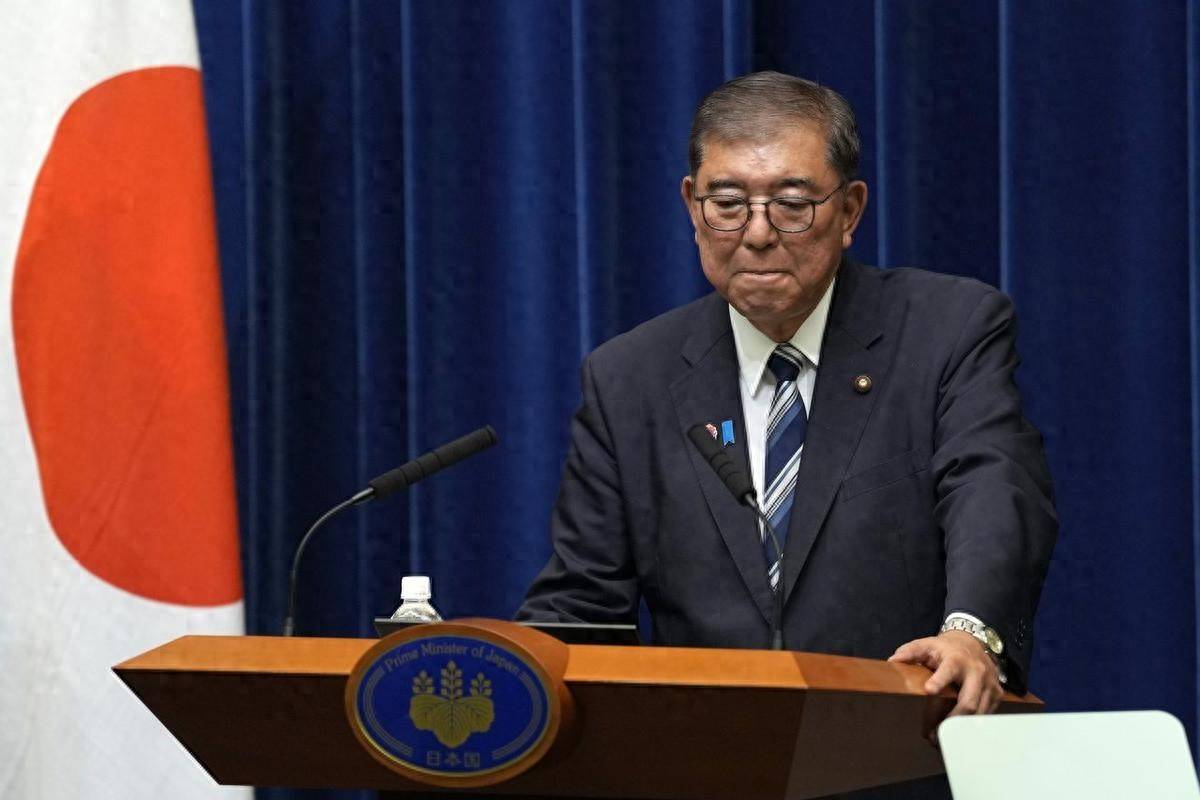
专家称中日关系或进一步恶化
Xin Lang Cai Jing· 2026-02-09 06:55
Group 1 - The core viewpoint of the article indicates that Japan's relations with China may further deteriorate following the recent election victory of Prime Minister Kishi Sanae and the ruling Liberal Democratic Party (LDP) [1] - Kishi's administration is expected to continue implementing aggressive fiscal policies, enhance technology investments, and strengthen "economic security," while facing structural challenges in the Japanese economy [1] - With the LDP gaining full control of the National Diet, Japan is likely to adopt a more aggressive stance in security matters, including potential amendments to its pacifist constitution and a push for military expansion [1] Group 2 - Experts predict that Kishi will lead Japan towards a path of military expansion and adopt confrontational measures against China, which could exacerbate Sino-Japanese relations [1] - The Japan-U.S. alliance is expected to strengthen under Kishi's leadership, with Japan likely to create regional tensions and seek reaffirmation of U.S. security commitments [1] - Japan may also increase economic cooperation with countries in the Global South to counterbalance China's influence [1]
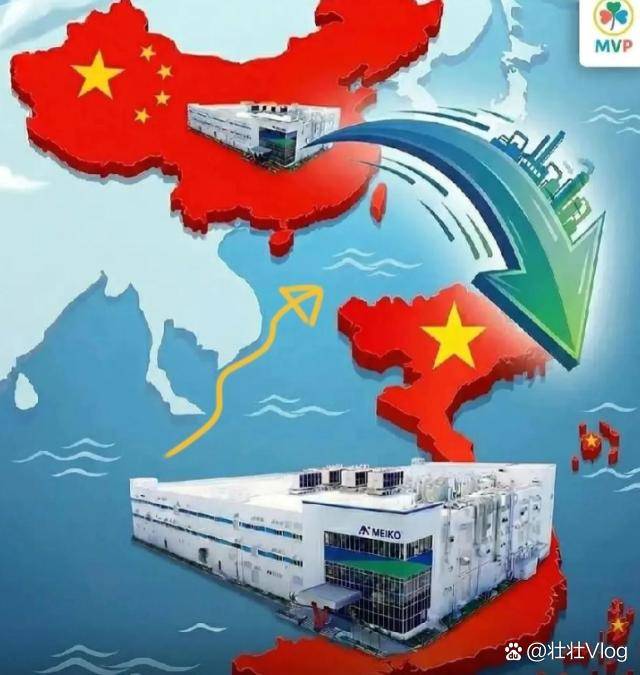
日本这回是铁了心要 “分家” 了,连个缓冲期都不给。日本名幸电子这次动作,快得让人来不及反应。河内光明地区的新厂计划刚刚披露,外界还在消化这个消息,人家已经把施工时间表钉死了——4月动工,明年设备到位,2027年产线就得转起来。这笔投资的体量是400亿日元。但真正让人觉得不...
Sou Hu Cai Jing· 2026-01-17 02:12
Core Viewpoint - Japan's decision to relocate production facilities to Vietnam reflects a strategic shift towards maximizing profit margins, despite previous investments in local operations in Wuhan, China [1][15]. Group 1: Investment Decisions - Meiko Electronics has announced a new factory in Hanoi, Vietnam, with construction starting in April and production expected to begin by 2027 [2][3]. - The investment amounts to 40 billion yen, following a previous investment of 50 billion yen in Vietnam just six months prior [3][4]. Group 2: Operational Background - Meiko has established a significant presence in Wuhan since 2009, operating a large facility with around 5,000 skilled workers [5][6]. - The Wuhan facility has become a key node in the global printed circuit board industry, supported by local policies and infrastructure [6][7]. Group 3: Economic Factors - Vietnam's manufacturing wage levels are attractive, averaging less than 3,000 RMB per month, which is appealing for labor-intensive industries [9]. - The Japanese government has set up a fund exceeding 200 billion yen to encourage companies to relocate production to Southeast Asia, covering up to half of the relocation costs [10]. Group 4: Strategic Implications - The new factory in Vietnam will supply components for major clients like Apple and Samsung, indicating a focus on high-end production capabilities [11][13]. - The technology being transferred, such as 3D stacking technology, is crucial for advanced AI mobile devices, highlighting a strategic move towards high-value manufacturing [12][13]. Group 5: Industry Dynamics - Meiko's actions reveal a shift in capital flow towards regions with lower costs and better incentives, challenging the notion that established infrastructure alone can retain high-end industries [17][18]. - The competitive landscape suggests that companies will prioritize profit over loyalty to local markets, as evidenced by Meiko's rapid relocation [18][19].

日本升级与中亚对话模式,学者:中国在该地区的外贸不可替代
Feng Huang Wang Cai Jing· 2026-01-02 11:39
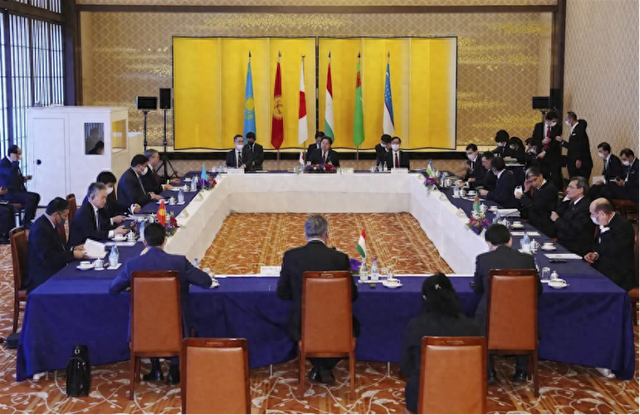
Group 1 - The core viewpoint of the article highlights the ongoing tension in China-Japan relations, with significant challenges for a breakthrough in the short term [1] - There is a noticeable decline in economic and personnel exchanges between China and Japan, evidenced by a 40.4% cancellation rate of flights from mainland China to Japan in January [1] - Japan is actively seeking to expand its economic cooperation with Central Asia to reduce dependence on China, as demonstrated by the recent "Central Asia-Japan" summit in Tokyo [1] Group 2 - Japan plans to invest approximately $20 billion in Central Asia over the next five years, focusing on energy transition, enhancing critical mineral supply chains, supporting international transport routes, and human resource development [1] - More than 150 cooperation documents and project plans have been signed between Japan and the five Central Asian countries, with optimistic prospects for future collaboration [1] - Concerns have been raised that Japan's financial investments may lock in strategic resources such as rare earths, uranium, and oil, potentially diminishing China's influence in Central Asia [1]
日本找中亚合作透出“冷战味”
Xin Lang Cai Jing· 2025-12-23 06:41
Core Viewpoint - The first "Central Asia + Japan" summit held in Tokyo signifies Japan's strategic shift towards Central Asia, focusing on economic cooperation while reflecting geopolitical calculations against China and Russia [1][2]. Group 1: Economic Cooperation - Japan has pledged to provide 3 trillion yen (approximately 134 billion RMB) in grants and loans to Uzbekistan, Kyrgyzstan, and Tajikistan over the next five years for commercial projects [1]. - The summit resulted in the "Tokyo Declaration," which, while ceremonial, raises questions about the potential for practical cooperation that aligns with the long-term interests of all regional countries [4]. Group 2: Geopolitical Strategy - Japan views Central Asia as a critical source of strategic resources such as rare earths, uranium, and oil, aiming to establish a complete industrial chain from exploration to transportation to reduce reliance on China [2]. - The initiative is also seen as a countermeasure to Russian influence in the region, with Japan seeking to create alternative logistics routes that bypass Russia, thereby integrating into Western geopolitical strategies [2]. - Japan's diplomatic efforts are partly driven by domestic political needs, as the government seeks to improve its international image amidst tensions with China [2]. Group 3: Challenges and Limitations - Japan's historical engagement in Central Asia has been limited due to geographical distance, high logistics costs, and varying investment environments across the five Central Asian countries [3]. - The political undertones of Japan's cooperation efforts, which often link economic assistance to geopolitical goals, may not align with the multi-vector foreign policies favored by Central Asian nations [3]. - China's established relationships and mutual trust with Central Asian countries pose significant challenges to Japan's ambitions, as these nations prioritize long-term stability and economic benefits over geopolitical alignments [3].
最近,日本又把手伸向了中亚……
Xin Lang Cai Jing· 2025-12-21 00:07
Core Viewpoint - The first "C5+1" summit between Japan and the five Central Asian countries was held in Tokyo on December 19-20, amidst increasing tensions in Japan-China relations, highlighting Japan's strategic interest in strengthening ties with Central Asia [1][2][4]. Group 1: Japan's Strategic Interests - Japan is actively seeking to enhance its presence in Central Asia, a region of growing strategic importance amid the reconfiguration of the Eurasian geopolitical landscape [5][6]. - The Japanese government has a historical interest in Central Asia, dating back to the "Silk Road diplomacy" proposed by the Hashimoto cabinet in 1997 [7]. - Japan aims to establish a complete industrial chain with Central Asia, focusing on resource exploration, processing, and logistics, particularly in critical minerals and energy sectors [11]. Group 2: Economic and Energy Cooperation - The summit emphasized practical cooperation, particularly in key minerals and supply chain collaboration, with Japan seeking to integrate Central Asia into its economic security strategy [11][19]. - Japan plans to assist Central Asian countries in energy transition and green development, leveraging its energy efficiency technologies [13]. - Japan's investment in Kazakhstan's energy and metallurgy sectors amounts to $3.7 billion, indicating a significant commitment to resource collaboration [11]. Group 3: Political Context and Implications - The summit reflects Japan's need to break its diplomatic isolation and reshape its international image following tensions with neighboring countries [17][22]. - Japan's approach may be perceived as an attempt to "de-China" and "de-Russia" the region, which could conflict with Central Asian countries' preference for a balanced foreign policy [14][30]. - The geopolitical dynamics in Central Asia, influenced by China and Russia, present challenges for Japan's ambitions, as these countries remain key partners for the region [20][30]. Group 4: Challenges Ahead - Japan faces significant logistical challenges due to the geographical distance from Central Asia, which may hinder the efficiency of trade and investment [28]. - The differing investment environments and legal frameworks among Central Asian countries could lead to cautious attitudes from Japanese businesses, raising doubts about the feasibility of proposed projects [28]. - The political undertones of Japan's economic initiatives may not align with the diplomatic aspirations of Central Asian nations, complicating trust and cooperation [30][31].
全球半导体扶持政策转向
日经中文网· 2025-12-08 02:43
Group 1 - The policy to attract semiconductor manufacturing back to the U.S. officially started after 2022, but there are now delays in the construction of new factories in both Europe and the U.S. due to weak semiconductor demand, except for AI semiconductors [2][10] - The EU is shifting its support focus from attracting foreign companies to funding R&D for domestic firms, with discussions on a budget framework in the trillions of yen [2][4] - The EU Commission is proposing amendments to the European Semiconductor Act and is collecting opinions from industry groups, with a request for a budget of €20 billion to be announced by spring 2026 [4] Group 2 - The EU will prioritize support for regional semiconductor giants like ASML and Infineon Technologies, focusing on R&D and building a domestic semiconductor supply chain in the medium to long term [5] - The U.S. has seen delays in new factory openings, with the Trump administration injecting approximately $8.9 billion into Intel and planning to renegotiate support policies from the Biden administration [7][9] - Weak demand for semiconductors, particularly in personal computers, smartphones, and automotive sectors, is leading companies to scale back new investments to avoid a supply-demand imbalance [10]


日本政府采购将排除未获JIS认证的海外产品
日经中文网· 2025-11-30 00:30
Group 1 - Japan will introduce a new requirement for compliance with Japanese Industrial Standards (JIS) in government procurement qualifications, aimed at reducing risks of information leakage and technology outflow [2][4] - The new standards will include specific clauses to enhance economic security and will be revised as necessary to improve the competitiveness of domestic industries [2][4] - The implementation of this policy will begin in phases starting in 2026, with a focus on identifying applicable products and JIS specifications [4] Group 2 - Companies that find it difficult to obtain JIS certification in the short term will be allowed to self-declare compliance or submit a clear plan for obtaining certification, which will be considered as a positive factor in procurement evaluations [4] - The Ministry of Economy, Trade and Industry of Japan will lead a review of all 11,000 JIS specifications within five years to assess economic security risks and competitive issues in government procurement [6] - If products cannot meet JIS specifications due to a lack of Japanese manufacturers, the government will consider adopting international standards as an alternative [6]

日本首相混战!冲击全球经济,日元经济要崩?高市早苗或是大变数
Sou Hu Cai Jing· 2025-09-27 10:44
Group 1 - The sudden resignation of Shigeru Ishiba has created a volatile political environment in Japan, impacting the yen exchange rate and the financial situation of ordinary citizens [1][3] - The hawkish faction, represented by Sanae Takaichi, is pushing for stricter export controls on critical sectors like semiconductors and rare earths, which could lead to increased tariffs on Chinese auto parts [3][5] - The moderate faction, led by Yoshimasa Hayashi, emphasizes the importance of maintaining ties with the Chinese market, highlighting the potential negative impact of trade barriers on Japanese automotive companies [5][7] Group 2 - Data indicates that in 2024, Toyota and Honda's sales in the Chinese market will account for 35% and 40% of their total sales, respectively, with potential quarterly profit declines exceeding 20% if trade relations deteriorate [7][9] - The opposition parties are focusing on domestic issues, proposing monthly subsidies of 50,000 yen (approximately 2,500 RMB) for low-income families to address economic dissatisfaction [9][11] - Different policy directions among factions could lead to significant impacts on the global market, with potential depreciation of the yen if protectionist policies are implemented [9][11] Group 3 - Japan's real estate market is facing challenges, with a national vacancy rate of 15.2% and properties becoming financial burdens due to maintenance costs and taxes [15][17] - The demographic shift in Japan, with a projected 30% population decrease by 2070, will fundamentally alter consumption patterns, affecting economic growth and real estate demand [17][19] - The global economic landscape is expected to see slower growth, with China maintaining a growth rate above 5%, driven by a complete industrial chain and a large domestic market [19][21] Group 4 - Ordinary investors are encouraged to adopt an "all-weather" asset allocation strategy to mitigate risks amid economic uncertainties, emphasizing diversification [21][23] - Investment options should include a mix of low-risk products like money market and bond funds, alongside higher-risk equity funds, tailored to individual risk tolerance [23][24] - There is a growing demand for skills related to the silver economy, such as elderly care and product design for seniors, indicating potential business opportunities in these sectors [24][26]