虚假繁荣

Search documents
A股:连续12个涨停板!股民:跨年龙出来了!
Sou Hu Cai Jing· 2025-12-29 08:46
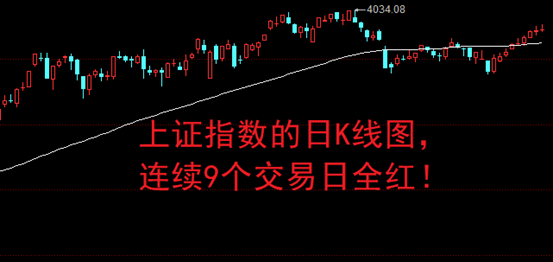
Market Overview - The market has experienced a "nine consecutive days of gains," creating a facade of prosperity, but underlying issues persist as many stocks are declining while the index rises [1][3] - The current market situation is characterized by "index inflation and individual stock bleeding," where a few large-cap stocks are driving the index up, leaving many ordinary stocks behind [3] Investment Sentiment - Retail investors are facing a challenging environment, as their accounts are not recovering but instead are becoming more entrenched in losses despite the index's performance [3][8] - The market is filled with stories of investors making impulsive decisions, often relying on hope rather than a structured investment strategy [8] Futures Market Insights - Citic Futures has increased its long positions in the CSI 300 index futures by 981 contracts and its short positions by 919 contracts, indicating a "bullish" signal, although this prediction may be incorrect [4] - In the CSI 1000 index futures, Citic Futures increased long positions by 929 contracts and short positions by 965 contracts, providing a "bearish" signal, which was accurate [4] Stock Performance Highlights - Victory Energy has seen a significant rise, hitting the limit up for 12 consecutive trading days, despite warnings of potential suspension for further increases [5] - The phenomenon of "cross-year dragons," where certain stocks experience substantial gains at year-end, is noted, suggesting that investors are keenly watching for such opportunities [6] Investment Strategy - Successful investors are encouraged to adopt a rational, systematic approach to investing, avoiding reliance on luck or speculative strategies [8] - The importance of having a clear investment framework, risk management strategies, and contingency plans is emphasized to navigate market uncertainties effectively [8]

达利欧与“债王”罕见同声:价格信号失真,市场正深陷“虚假繁荣”
美股IPO· 2025-11-25 07:10
Core Viewpoints - Investors are engaging in a "greater fool trade," making decisions based on narratives rather than logic, leading to a disconnection between asset prices and their true value [1][4][11] - Both Ray Dalio and Jeffrey Gundlach emphasize that debt-driven asset prices are significantly detached from reality, warning that this "illusory wealth" could evaporate under real-world pressures [3][9] Market Environment - Gundlach describes the current market as being in a state of "frenzy," where speculative buying is pushing asset prices further away from their actual value [4][7] - The phenomenon of excessive enthusiasm in the market is reminiscent of historical irrational behaviors, which typically lead to significant corrections [8] Debt and Asset Prices - Dalio argues that financial wealth, measured in numbers on a screen, does not equate to real wealth, especially when driven by debt [9][10] - The mechanism of debt-driven price increases is dangerous, as debt must eventually be repaid, necessitating the liquidation of assets, which can lead to price declines [10][12][13] Recommendations for Defense - Both investment giants recommend holding physical gold as a defensive strategy against the risks posed by the current market environment [6][14] - Gold is viewed as a stable store of value, linked to its scarcity and utility in the real world, making it a reliable asset during times of currency devaluation and market downturns [14][15][16]

达利欧与“债王”罕见同声:价格信号失真,市场正深陷“虚假繁荣”
Hua Er Jie Jian Wen· 2025-11-24 19:03
Core Insights - Both Ray Dalio and Jeffrey Gundlach highlight that current economic price signals are severely distorted, with debt-driven asset prices detached from their actual value, leading to a potential evaporation of this "illusory wealth" under real-world shocks [1][3][6] Group 1: Market Conditions - Gundlach describes the market as being in a state of "frenzy," indicating excessive and irrational enthusiasm among investors, which is pushing asset prices further away from their true values [4][5] - Investors are engaging in speculative buying based on the expectation that overvalued assets will continue to rise, a decision-making pattern based on narrative rather than logic, which historically leads to problems [2][9] Group 2: Debt and Asset Prices - Dalio emphasizes that financial wealth measured in numbers on a screen does not equate to real wealth, particularly when driven by debt [6][7] - The mechanism of debt-driven price increases is dangerous, as debt must eventually be repaid, necessitating the liquidation of assets, which increases market supply and depresses prices [8][10] Group 3: Defensive Strategies - Both Dalio and Gundlach agree on the importance of holding physical gold as a defensive strategy against the risks posed by the current market environment [3][11] - Gold is viewed as a stable store of value, linked to its scarcity and utility in the real world, making it a reliable hedge against inflation and irrationally high asset prices [11]
补贴撑起的“虚假繁荣”,餐饮人终于看懂了
3 6 Ke· 2025-10-28 04:06
Core Insights - The recent restaurant industry conference in Beijing highlighted the struggles faced by businesses post the intense food delivery subsidy wars, revealing that 75% of new orders were priced below 15 yuan and dine-in customer spending has reverted to 2015 levels [1][3] - The so-called "false prosperity" created by heavy subsidies has led to a significant decline in merchant profits and customer spending, with many restaurants forced to lower prices to maintain order volumes [1][6][9] Industry Overview - The food delivery subsidy wars, which began in early 2025, have consumed nearly 100 billion yuan, equivalent to three years of profits for the entire food delivery sector, leaving restaurant owners to deal with the aftermath [3][10] - Data from the restaurant industry conference indicated a sharp decline in customer spending starting in April 2025, with many businesses unable to raise prices during peak demand months due to ongoing subsidy competition [8][14] Business Impact - Many restaurants are experiencing closures, with a significant increase in second-hand equipment being sold, as evidenced by a 100% year-on-year increase in the recovery of used equipment from hot pot restaurants [5][6] - The competitive landscape has forced restaurants to either participate in subsidy programs or lose customer traffic, leading to a vicious cycle of low pricing and reduced profit margins [9][14] Consumer Behavior - A survey indicated that 75% of consumers opted for cheaper delivery options over dine-in, and 86% would choose delivery if it was less expensive than dining in, further exacerbating the challenges for dine-in reliant businesses [8][14] Strategic Responses - Meituan's CEO emphasized the need for restaurants to focus on structural cost advantages and overall operational improvements rather than engaging in price wars [3][18] - Meituan has initiated a 28 billion yuan support plan for merchants, including direct financial assistance and funds for innovative store models, to help stabilize the industry post-subsidy wars [18][20] Future Outlook - The industry is shifting focus from aggressive discounting to enhancing product quality and service, with successful businesses finding ways to innovate and adapt rather than compete solely on price [19][25] - AI tools introduced by Meituan aim to assist restaurants in optimizing operations and improving efficiency, indicating a move towards sustainable growth strategies [26]

金银纪念币如何被评级公司操控?背后暗藏虚假繁荣的真相
Sou Hu Cai Jing· 2025-07-20 12:53
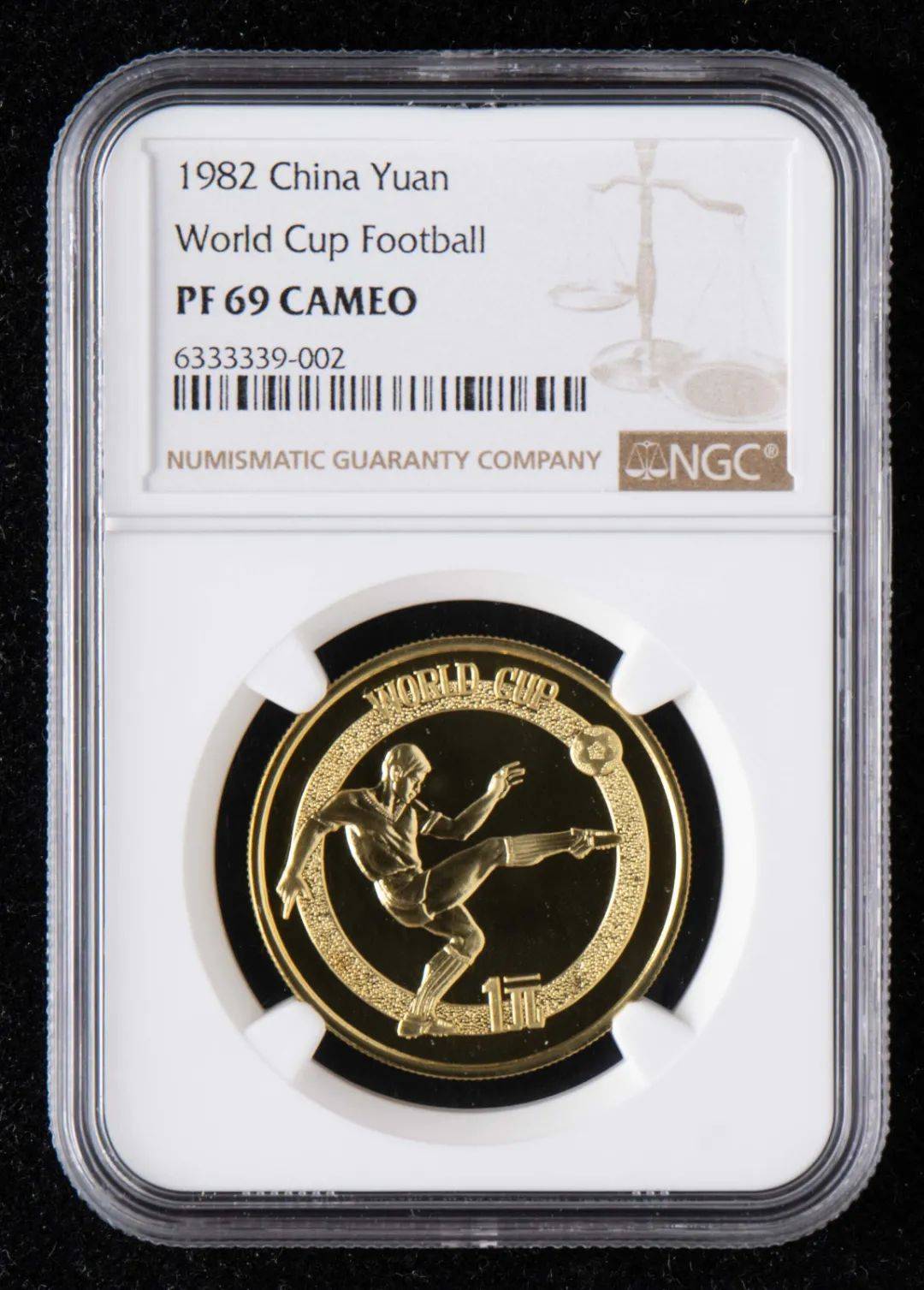
Core Viewpoint - The market for gold and silver commemorative coins has experienced explosive growth due to the issuance of the Chinese Dragon Silver Coin, revealing manipulation and speculation by rating companies [1][4]. Group 1: Market Dynamics - Gold and silver commemorative coins were previously a niche market but have become a focal point following the release of series like the Chinese Dragon Silver Coin [4]. - The apparent surge in interest is misleading, as it is driven by rating companies manipulating the market rather than genuine demand [4][5]. Group 2: Role of Rating Companies - Companies like PCGS and NGC have artificially inflated the prices of commemorative coins through simple packaging techniques, distorting their true value [3][5]. - The value of these coins has shifted from being based on rarity, historical significance, and artistic value to being heavily influenced by the ratings and packaging effects [5][6]. Group 3: Impact on Collectors - The manipulation of the market undermines the essence of collecting, which should be based on the intrinsic value of the items rather than external influences [7]. - Serious collectors face significant challenges as the market's integrity is compromised, leading to confusion and disillusionment among those who value cultural and historical significance [8][11]. Group 4: Market Consequences - The artificial creation of "false prosperity" results in a complete imbalance in the market value system, potentially leading to a bubble that could burst and severely impact the gold and silver commemorative coin market [8][10]. - If this trend continues unchecked, it may result in more collectibles being driven by capital and speculation, losing their original significance as collectibles [10][11].
3500点重临,稳字当头下的攻守道
格隆汇APP· 2025-07-15 09:45
Group 1 - The core viewpoint of the article emphasizes that the market is unlikely to collapse, supported by a balance between expectations and reality, with several positive signals emerging globally [2][3] - The recent market movements indicate a rotation among sectors, with real estate stocks showing unusual activity and new infrastructure targets gaining attention, suggesting a buildup for policy support [4][5] - The current macroeconomic stance is focused on stability, and while there may be opportunities for investment ahead of high-level meetings, caution is advised against overreacting to policy expectations [5] Group 2 - The short-term outlook suggests that the index is expected to maintain a strong oscillation around the 3500-point mark, with banking stocks still presenting a solid investment rationale due to high dividends and improving asset quality [6][7] - The banking and securities sectors are likely to alternate in driving market performance, supported by management's careful adjustments, which may provide opportunities for re-entry during market corrections [7][8] - The recommended strategy focuses on a balanced approach of "defensive" investments in high-dividend assets and "offensive" selections in technology growth areas, allowing for flexibility in capturing excess returns [8][9]