让美国再次伟大

Search documents
特朗普:将关税提高至15%,将决定并征收新的、合法的关税
Xin Lang Cai Jing· 2026-02-21 16:05
Core Viewpoint - The U.S. President has announced an increase in global tariffs from 10% to 15% following a review of a Supreme Court decision deemed unreasonable and anti-American [1] Group 1: Tariff Changes - The new tariff rate of 15% will be legally permissible and is part of a broader strategy to continue the "Make America Great Again" initiative [1] - The Trump administration plans to identify and announce additional legally permissible tariffs in the coming months [1]
美国将像对北约一样对联合国
Xin Lang Cai Jing· 2026-02-14 11:25
Core Viewpoint - The United States is increasing its focus on the United Nations, proposing reforms similar to those made for NATO, with a significant emphasis on addressing its substantial unpaid dues to the organization [1] Group 1: U.S. Actions and Statements - U.S. Ambassador to the UN, Michael Walz, showcased a blue hat with the slogan "Make the UN Great Again" (MUNGA), indicating a push for reforms within the UN to better meet actual needs [1] - Walz criticized the UN as "bloated" and called for "tough love" reforms, paralleling President Trump's approach to NATO [1] - The U.S. plans to pay off its substantial debts to the UN, which have accumulated to $4.6 billion, representing over 92% of the total unpaid dues from all member states [1] Group 2: Financial Implications - The UN Secretary-General, António Guterres, has warned of an imminent financial collapse due to unpaid dues from member states, primarily from the U.S. [1] - The U.S. is expected to make an initial payment towards its outstanding dues in the coming weeks, although details regarding the amount and conditions remain unspecified [1] - According to Article 19 of the UN Charter, member states that owe more than two years' worth of dues may lose their voting rights in the General Assembly [1]
美国人对医疗成本的担忧远超汽油和食品杂货
Xin Lang Cai Jing· 2026-01-29 12:57
Group 1 - The core concern among American citizens regarding the economy is the high cost of healthcare, surpassing worries about groceries, utilities, gasoline, and housing expenses [1][4] - Over half of adults reported an increase in their personal healthcare costs this year, and a majority believe that Congress's decision not to extend the Affordable Care Act's insurance subsidy deduction policy was a "mistake" [1][4] - More than 40% of voters plan to prioritize healthcare bills as a key voting factor in the upcoming November elections, particularly after the expiration of the ACA subsidy policy on January 1, which has led to significant premium increases [1][4] Group 2 - The termination of the tax credit policy is expected to result in 7.3 million people losing ACA coverage by 2026, with 4.8 million becoming uninsured [1][5] - Insurance companies have raised ACA-related premiums by nearly 22% for 2026, while employer-sponsored private insurance premiums have also seen consistent increases of 6% or more over the past three years [5] - Congressional members are leveraging public concern over healthcare costs, with Democrats previously attempting to extend subsidies through a 43-day government shutdown, which ultimately failed [2][5] Group 3 - President Donald Trump's new proposal, termed the "Great Healthcare Plan," suggests direct government funding to individuals for purchasing healthcare services instead of providing subsidies, which has faced criticism for potentially reducing available funds in many Americans' healthcare savings accounts [2][5] - Public opinion is divided on government actions regarding healthcare; 89% of Democrats and 72% of independents oppose the termination of the ACA tax credit policy, while nearly two-thirds of Republicans support it [2][5] - The Kaiser Family Foundation suggests that the widespread concern over healthcare costs may provide a competitive advantage to Democrats in the upcoming elections [6] Group 4 - Polls indicate that Democrats hold a double-digit advantage over Republicans in public trust regarding the future development of Medicaid programs for the poor, as well as in managing ACA-related matters and overall healthcare costs [3][6] - However, there is a significant divide in public trust regarding which party can effectively control prescription drug prices, a key issue for Trump's second term [3][6]
2026年全球宏观经济政策走向
Jin Rong Shi Bao· 2026-01-19 01:49
Global Economic Overview - The global economy is at a critical juncture, with the IMF predicting a slowdown in growth from 3.2% in 2025 to 3.1% in 2026, and the WTO warning of a potential drop in global goods trade growth to 0.5% in 2026 [1][2] - The economic fluctuations in 2025 were influenced by the introduction of "reciprocal tariffs" by the Trump administration, shifts in monetary policy among major economies, the AI technology revolution, and geopolitical tensions [1][2] U.S. Economic Policies and Impact - Trump's policies have significantly increased global economic uncertainty, with the "reciprocal tariffs" impacting global trade and leading to a compromise in his approach as trade negotiations progressed [2][4] - The tariff policy initially involved high rates to gather negotiation leverage, resulting in a significant increase in tariff revenue, totaling $236.1 billion in the first 11 months of 2025, which improved the fiscal deficit [5][6] - However, the tariffs also contributed to inflation, with estimates showing they added 0.3 percentage points to the overall Consumer Price Index (CPI) [6] Monetary Policy and Federal Reserve - The Federal Reserve implemented three preventive rate cuts in 2025, totaling 75 basis points, indicating a dovish stance despite internal disagreements [11][12] - The Fed's independence is expected to face challenges in 2026, particularly with the potential appointment of a new chair who may align more closely with Trump's growth-friendly monetary policy [11][12] European Economic Outlook - The Eurozone experienced moderate recovery in 2025, driven by monetary easing, but faced challenges from U.S. tariffs and geopolitical uncertainties [13][14] - In 2026, the European economy is expected to maintain moderate recovery, aided by trade agreements and fiscal expansion in Germany, with inflation trends showing a downward trajectory [14] Japanese Economic Challenges - Japan's economy faced setbacks in 2025, with GDP contracting for the first time in five quarters, primarily due to weak domestic demand [15][16] - The "Kishida Economics" approach aims to stimulate demand through fiscal and monetary policies, but it faces significant challenges, including inflation control and fiscal sustainability [15][16]
“让美国再次伟大”撞上“中国制造迈向中高端”,世界产业链如何重构?
Xin Lang Cai Jing· 2026-01-16 07:25
Core Insights - The conference emphasized the importance of "invisible champions" in China's manufacturing sector, highlighting their role in defining the future of global industry through innovation and collaboration with capital [1][19] - The event showcased a clear path for integrating finance with industry, aiming to strengthen China's manufacturing capabilities and elevate them to a higher-end level [1][19] Global Economic Landscape - In 2024, the global economy is projected to reach $110 trillion, with the U.S. accounting for $29.17 trillion (26%) and China for approximately $18.27 trillion (17%), together representing over 40% of the global economy [5][22] - China's contribution to global economic growth has remained around 30% over the past decade, indicating its significant role in supporting global GDP growth [5][22] - By 2025, China's economy is expected to grow by about 5%, potentially surpassing 140 trillion RMB, equivalent to approximately $19.72 trillion [6][23] Trade Dynamics - In 2024, global merchandise trade is estimated at $49 trillion, with service trade at $16 trillion, totaling $65 trillion, which is over 50% of global GDP [8][25] - The U.S. and China have similar trade totals, with the U.S. at $7.3 trillion (including a $3 trillion trade deficit) and China at $7.2 trillion (with a $980 billion trade surplus) [9][25] - By November 2025, China's merchandise trade surplus is projected to exceed $1 trillion, marking a historical high for any single country since World War II [10][26] U.S. Policy Impact - The Trump administration's policies are expected to have a disruptive effect on the global trade and financial systems established post-World War II [30][32] - Key elements of U.S. policy include significant tax cuts and the introduction of "reciprocal tariffs," which have broad implications for global trade dynamics [30][31] - The U.S. has implemented a tiered tariff system based on geopolitical considerations, affecting various countries differently [33][34] Future Challenges - The global trade system is facing significant challenges, with predictions of a slowdown in trade growth in 2026 [34] - The need for China to navigate these challenges while maintaining its economic growth trajectory is emphasized, aligning with the central government's directives for high-quality development [34]

特朗普直接把纸条内容念出来了,鲁比奥快“碎”了…
Xin Lang Cai Jing· 2026-01-10 15:25
Group 1 - The meeting held at the White House aimed to encourage U.S. oil companies to invest $100 billion in Venezuela's oil industry, but it ended without any substantial agreements [1][13] - Major U.S. oil executives from companies like Chevron, ExxonMobil, and ConocoPhillips attended the meeting, but none committed to large-scale new investments in Venezuela [13] - Despite President Trump's assurances that Venezuela is "absolutely safe" for investment, the overall attitude of the attending oil companies was cautious, showing little interest in re-entering the Venezuelan oil market [13] Group 2 - Trump expressed dissatisfaction with the oil companies' reluctance to invest, warning that there are others willing to take their place if they are not interested in Venezuelan oil extraction [13] - The Venezuelan government has not confirmed whether it will allow U.S. companies to enter the country, with officials accusing Trump of attempting to seize national resources [13]


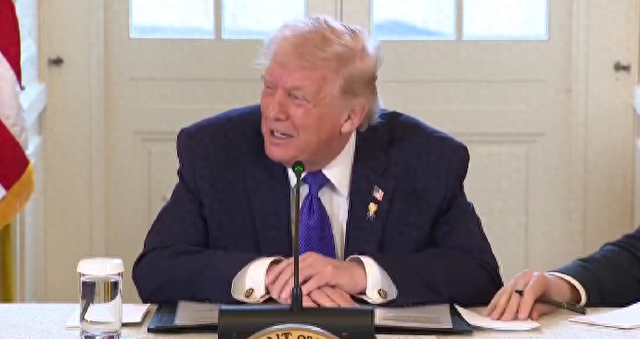
美国政治,特朗普回归一年强势色彩趋黯
Sou Hu Cai Jing· 2025-12-31 05:59
Core Viewpoint - China is emerging as a significant global player amid accelerating multipolarity, with increasing international influence and the ability to promote rapid economic growth and social stability, while also striving to create a new chapter of Chinese-style modernization and build a community with a shared future for mankind [1] Group 1: Trump's Political Journey in 2025 - Trump successfully won the 2024 election with the slogan of making America great again, but his political journey in 2025 has been tumultuous, marked by strong political maneuvers followed by judicial interventions and escalating political conflicts [1] - Starting January 20, 2025, Trump pushed a series of domestic economic and social policy reforms through executive orders, demonstrating a sense of urgency to implement his agenda after a period of political silence [1] - The "Big and Beautiful Act" signed on July 4, 2025, became a hallmark of his administration, showcasing his leadership and the energy of the make America great again movement, with significant reforms passed in under two months [1] Group 2: Policy Implementation and Challenges - Trump's administration focused on addressing fiscal and demographic issues, implementing aggressive measures such as cutting federal spending, laying off government employees, and establishing a government efficiency department [1] - In immigration policy, Trump expanded the powers of enforcement agencies and initiated large-scale actions against illegal immigration, despite facing considerable domestic and international controversy [1] - Trump's policies extended beyond federal levels to state and private universities, leading to increased partisan conflict, including threats to take over Democrat-led cities and cultural wars against certain universities [1] Group 3: Judicial and Political Setbacks - Trump's strong push for his agenda faced judicial pushback, with multiple court rulings not supporting his unilateral actions, particularly during critical political challenges in September 2025 [2] - The government experienced a 43-day shutdown due to strong opposition from Democrats during the fiscal year 2026 funding legislation, marking a historical record, and Trump's attempts to cut government personnel did not yield political victories [2] - The 2025 developments surrounding the Epstein files became another political crisis for Trump, causing divisions within the Republican Party and leading to public calls for transparency, further complicating his political standing [3]

押上整个美国,让中美贸易倒退24年,特朗普的豪赌真的值得吗
Sou Hu Cai Jing· 2025-12-12 04:36
Group 1 - Trump's initial goal was to revitalize American businesses through reciprocal tariff policies, expecting capital to flow back into the U.S. [1][10] - Instead of achieving the desired revival, many American companies experienced a slowdown in growth due to these tariffs [1][4]. - The implementation of tariffs led to increased prices for key industrial materials, negatively impacting the profitability of U.S. manufacturing [12][14]. Group 2 - The U.S. manufacturing job market saw a significant decline, with approximately 59,000 jobs lost from April to November following the announcement of the tariffs [14]. - Despite signing tax reduction agreements worth trillions with several countries, the promised investments in U.S. manufacturing did not materialize [16]. - The trade war with China resulted in substantial job losses in the U.S. and increased prices due to a lack of affordable products and materials from China [19]. Group 3 - The trade policies led to a record trade deficit with China, surpassing $1 trillion by December 2025, contrary to Trump's expectations [19]. - Although the trade war diminished China's share of U.S. imports from 21% to 9%, it did not yield the intended economic benefits for the U.S. [20]. - Overall, Trump's trade policies resulted in significant costs for the U.S. economy, suggesting that cooperation with China might have been a more beneficial approach [21].
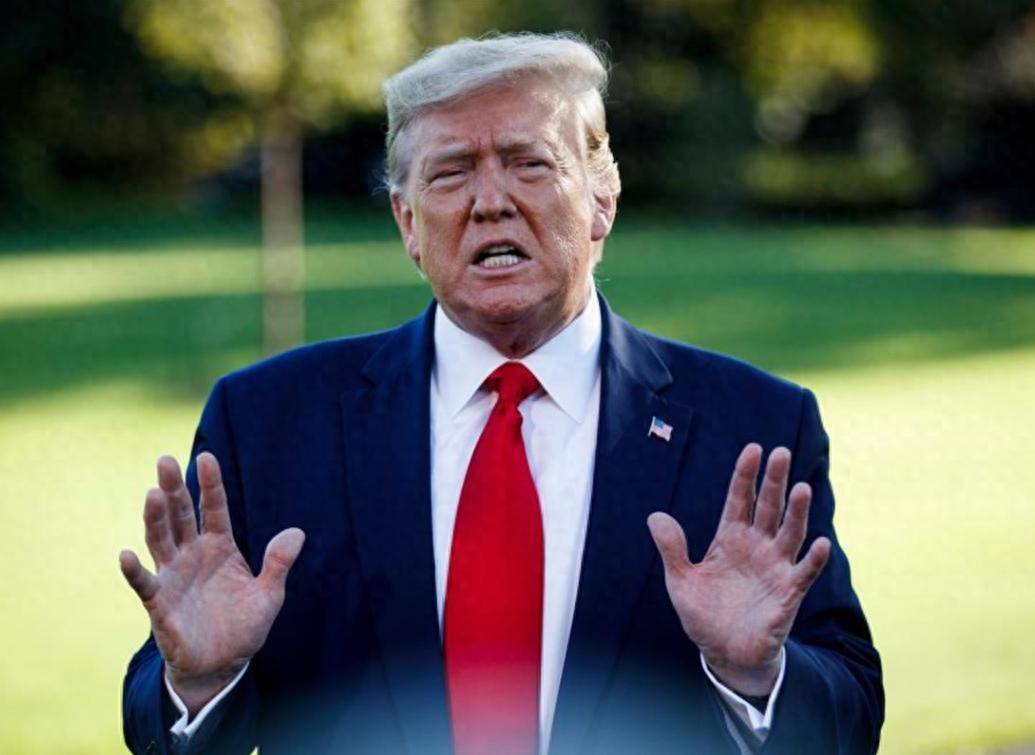
第二个赢得“TACO交易”的国家出现了:巴西!
Hua Er Jie Jian Wen· 2025-11-28 07:22
Core Viewpoint - Brazil has successfully negotiated a tariff exemption from the U.S. by adopting a strong stance against pressure from the Trump administration, illustrating the effectiveness of resilience over appeasement in international negotiations [1][2]. Group 1: Policy Changes and Motivations - The U.S. White House announced a modification of tariffs on Brazilian imports, maintaining a 40% tariff on some goods while eliminating additional tariffs on specific Brazilian agricultural products effective November 13 [1]. - The decision to adjust tariffs is driven by increasing concerns over domestic living costs and inflation, as consumer confidence in the U.S. declines alongside Trump's approval ratings [2]. - The exemption for Brazilian agricultural products is seen as a pragmatic adjustment by the White House to alleviate domestic inflation pressures, prioritizing political considerations over punitive measures against Brazil [2]. Group 2: Strategic Insights - Understanding the Trump administration's behavior requires distinguishing between its "goals," "strategies," and "tactics," with the overarching goal being to "Make America Great Again" [3]. - The administration's strategy involves using economic tools to reinforce U.S. hegemony, blending economic, political, and personal issues into its decision-making [3]. - Tactical maneuvers include threats, dramatic gestures, and policy fluctuations, which are designed to gain leverage in negotiations but should not be confused with deeper strategic objectives [3][5]. Group 3: Lessons from Brazil's Approach - Brazil's success in negotiating tariff exemptions serves as a critical lesson for other nations: a strong and resolute approach can be more effective than submissive tactics in dealing with aggressive policies [2]. - The contrasting strategies of Brazil and Switzerland highlight that direct resistance can yield favorable outcomes, as opposed to attempts at appeasement [2].
习近平:中美两国完全可以相互成就、共同繁荣
Wind万得· 2025-10-30 02:39
Group 1 - The meeting between Chinese President Xi Jinping and U.S. President Donald Trump on October 30 aims to maintain overall stability in China-U.S. relations, highlighting the importance of communication and collaboration between the two leaders [2] - Xi emphasized that the development goals of China and Trump's "Make America Great Again" initiative are not contradictory, suggesting that both countries can achieve mutual prosperity [2] - The two nations should act as partners and friends, which is both a historical lesson and a current necessity, according to Xi [2] Group 2 - Xi noted that the recent economic discussions in Kuala Lumpur resulted in a basic consensus on addressing each country's main concerns, setting a positive tone for their meeting [2] - The Chinese side has been actively promoting dialogue on regional hotspot issues, indicating a willingness to collaborate on global challenges [2]