
铁合金价格走势

Search documents
铁合金3月报:锰矿扰动存不确定性,价格底部震荡-20260227
Yin He Qi Huo· 2026-02-27 03:24
1. Report Industry Investment Rating - No relevant information provided 2. Core Viewpoints of the Report - The fundamentals of ferrosilicon are currently weak in both supply and demand, with an expected marginal improvement in the future. In March, the price is expected to fluctuate strongly due to improved demand and cost support [2][74]. - For silicomanganese, there was some new production capacity put into operation at the beginning of the year, leading to a slight increase in overall supply. In March, the price is likely to oscillate at the bottom as the profit - loss ratio decreases after the rapid increase in the disk price, and the rumored 15% ecological export tax on manganese ore from South Africa has not been confirmed [2][74]. 3. Summary According to the Directory 3.1 Market Outlook - **Ferrosilicon**: The supply is continuously at a low level. The differential electricity price policy in Shaanxi restricts the output release. The demand is expected to increase as steel profits have recovered and iron - water production is expected to rise in March. The main - producing area electricity prices are stable and slightly strong, and the Inner Mongolia electricity price has increased significantly. The price is expected to fluctuate strongly in March [2][74]. - **Silicomanganese**: There is new production capacity at the beginning of the year, increasing the supply. The demand is expected to pick up as steel profits recover and rebar production is expected to rise seasonally after the Spring Festival. The manganese ore port inventory is at a relatively low level in recent years, and the spot price is firm. Overseas mines' March quotes have a slight increase. However, the rumored 15% ecological export tax on manganese ore from South Africa has not been confirmed, and the price is expected to oscillate at the bottom in March [2][74]. 3.2 Fundamental Situation 3.2.1 Market Review - In February, ferrosilicon futures prices first declined and then rose. The decline was due to the steel demand entering the off - season and the overall black - metal market being in an adjustment period. The subsequent sharp increase was stimulated by the rise in electricity prices at the South African manganese ore end and the so - called "ecological export tax" [7]. 3.2.2 Supply and Demand in March - **Supply**: Silicomanganese (187 enterprises) had a January output of 854,000 tons, a 1.2% month - on - month increase and a 3.7% year - on - year decrease. Some new production capacity was put into operation, and the February output is expected to continue to increase slightly. Ferrosilicon (136 enterprises) had a January output of 437,000 tons, a 3.8% month - on - month decrease and a 7.3% year - on - year decrease. The February output is expected to be basically flat month - on - month and slightly decrease year - on - year [28]. - **Demand**: Iron - water production showed a narrow - range fluctuation in February. On February 27, the daily average pig iron output of 247 sample steel mills was 2.79 million tons more than the previous week. In March, steel profits have rebounded, and according to the blast - furnace maintenance plan, iron - water production is expected to increase slightly. However, if the steel inventory removal speed in March is not ideal, it will restrict the steel mills' resumption of production and drag down the improvement of alloy demand [29][31]. 3.2.3 Inventory - **Alloy factory inventory**: On February 27, the inventory of 60 independent ferrosilicon enterprises was 70,400 tons, a 1,100 - ton decrease from the previous week. The inventory of 63 independent silicomanganese enterprises was 398,000 tons, a 3,500 - ton increase from the previous week. Ferrosilicon inventory is relatively normal, while silicomanganese inventory is high, which suppresses the price [44]. - **Downstream inventory**: Steel mills have carried out phased replenishment in advance. However, due to the relatively low absolute value of steel profits and the available days of inventory being at a relatively high level in the past three years, the subsequent procurement intensity may weaken [44]. 3.2.4 South African Manganese Ore Event - In February, the electricity price in the main - producing areas was stable and slightly strong, with a significant increase in Inner Mongolia. The manganese ore port inventory is about 4.3 million tons, similar to the same period last year and lower than the average level in recent years. The low inventory supports the spot price. The market rumor that South Africa will levy a 15% ecological export tax on manganese ore has not been confirmed [55]. 3.3 Future Outlook and Strategy Recommendations - **Unilateral trading**: Ferrosilicon is expected to fluctuate strongly, and silicomanganese is expected to oscillate at the bottom [3]. - **Arbitrage**: Hold a wait - and - see attitude [3]. - **Options**: Sell put options on rallies [3].
锰硅价格突然上涨,原因是……
Sou Hu Cai Jing· 2026-02-26 23:22
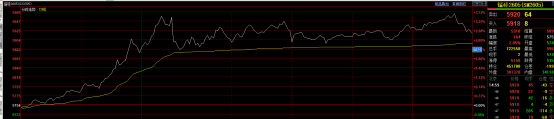
Core Viewpoint - The recent price increases in manganese silicon and silicon iron are primarily driven by supply concerns and market dynamics, despite the absence of significant changes in the South African budget regarding electricity costs and export taxes [3][4]. Group 1: Market Dynamics - On February 26, the main contract for manganese silicon futures rose by 2.85% to 5918 yuan/ton, while silicon iron futures increased by 0.98% to 5538 yuan/ton [2]. - Concerns about supply disruptions have been noted, particularly with delays and reductions in overseas manganese ore shipments expected in March, leading to a cautious approach in procurement by factories [4][5]. - Historical trends indicate that price increases in manganese silicon are often linked to disruptions in manganese ore supply, although such increases have not always been sustainable [4]. Group 2: Supply and Demand Analysis - The production levels of major companies like South32 and Eramet remain stable, with South32 aiming to restore production to pre-disruption levels by 2024 [5]. - Both manganese silicon and silicon iron are currently facing supply surplus issues, with new production capacities set to enter the market, which may affect pricing dynamics [5][6]. - The short-term outlook suggests that manganese silicon and silicon iron prices will continue to fluctuate within a range due to ongoing supply pressures and high inventory levels [5][6]. Group 3: Price Influences - Manganese silicon prices are supported by costs related to manganese ore, electricity, and coal, while silicon iron prices are more sensitive to domestic coal and electricity price changes [6]. - The relationship between manganese silicon and silicon iron prices indicates that increases in one often lead to similar movements in the other, although the price elasticity differs between the two [5][6].

铁合金2月报:低估值有修复需求,价格震荡偏强-20260130
Yin He Qi Huo· 2026-01-30 03:21
1. Report Industry Investment Rating - Not provided in the document 2. Core Viewpoints of the Report - The current fundamentals of the ferrosilicon and ferromanganese markets are characterized by weak supply and demand, but there are expectations of marginal improvement in the future. Both ferrosilicon and ferromanganese have low valuation levels, and their prices are expected to be volatile and strong in February [2][80]. 3. Summary by Relevant Catalogs 3.1 Market Outlook - **Ferrosilicon**: The supply side remains at a low level, and after the release of the differential electricity price document in Shaanxi, local enterprises have a demand for technological transformation, so there is still an expectation of supply contraction. The demand side sees a recent improvement in steel profits, but steel inventories are starting to accumulate seasonally. It is expected that the molten iron production in February will first decline and then rise around the Spring Festival. The cost in the main production areas has stable electricity prices, and there is still an expectation of price increases in some areas. The current valuation level of ferrosilicon is low, and its price will be mainly volatile and strong in February [2][80]. - **Ferromanganese**: The output of enterprises within the sample continues to decline at a low level, but some new production capacities were put into operation in January, and the overall supply side is mainly stable. The demand side is similar to that of ferrosilicon. The cost side shows that the manganese ore port inventory is about 1 million tons lower than the average of the same period in previous years, the spot price is firm, and the offers of overseas mines in February have all increased slightly. The valuation level of ferromanganese is low, and it may be volatile and strong in February [2][80]. 3.2 Fundamental Situation 3.2.1 Market Review - In January, the futures prices of ferrosilicon and ferromanganese fluctuated narrowly, first declining and then rising. The main reason is that the implementation plan of differential electricity prices in Shaanxi was announced, which led to an increase in costs for local ferrosilicon enterprises or a demand for phased technological transformation, driving up the futures prices. However, as steel demand entered the off - season, the fundamentals did not support the increase, and the prices adjusted later. After the prices corrected to the low - valuation range, they fluctuated upward again in late January driven by the overall commodity market sentiment [7]. 3.2.2 Current Weak Supply and Demand with Expectations of Improvement - **Supply**: According to Mysteel data, the output of ferromanganese (187 enterprises) in December was 843,500 tons, a month - on - month decrease of 0.6% and a year - on - year decrease of 4%. It is expected that the output in January will increase slightly month - on - month. The output of ferrosilicon (136 enterprises) in December was 454,300 tons, a month - on - month decrease of 3.6% and a year - on - year decrease of 10.8%, and it is expected to continue to decline slightly in January. On the week of January 29, the national operating rate of 136 independent ferrosilicon enterprises was 29.12%, a month - on - month increase of 0.03%; the daily average output was 98,500 tons, a month - on - month increase of 100 tons. The national operating rate of 187 independent ferromanganese enterprises was 36.21%, remaining flat month - on - month; the daily average output was 192,400 tons, a month - on - month decrease of 800 tons [27]. - **Demand**: The molten iron production fluctuated narrowly in January. On the week of January 29, the daily average pig iron output of 247 sample steel mills was 2.2798 million tons, a month - on - month decrease of 1200 tons. Looking forward to February, steel profits have rebounded recently, and short - term production remains stable, but inventories are starting to accumulate seasonally. It is expected that there will be seasonal production cuts before the Spring Festival. Judging from the steel mill blast furnace maintenance plans, it is expected that the molten iron production will first decline and then rise around the Spring Festival [27]. 3.2.3 Stable Ferrosilicon Inventory and Eased Accumulation Pressure of Ferromanganese - **Alloy Factory Inventory**: On the week of January 29, the inventory of 60 independent ferrosilicon enterprises was 67,900 tons, a month - on - month increase of 700 tons; the inventory of 63 independent ferromanganese enterprises was 373,000 tons, a month - on - month increase of 300 tons. Generally, the ferrosilicon inventory is relatively normal, while the ferromanganese inventory is high, but the continuous inventory accumulation situation has eased [45]. - **Downstream Inventory**: Steel profits have slightly recovered recently, and steel mills still have a phased demand for replenishing inventory at the beginning of February approaching the Spring Festival. However, due to the still low absolute value of steel profits, the replenishment intensity is expected to be limited, and steel mills will generally continue the idea of low raw material inventory [45]. 3.2.4 Support from Electricity Prices and Manganese Ore - **Electricity Prices**: In January, the electricity prices in the main production areas were mainly stable and slightly weak. After the release of the differential electricity price document in Shaanxi, there is also an expectation of price increases in Inner Mongolia. Overall, electricity prices still provide obvious support for alloy costs [54]. - **Manganese Ore**: The overall manganese ore port inventory is about 4.22 million tons, about 1 million tons lower than the average of the same period in previous years. Supported by the low inventory, the port spot prices are generally firm. In January, the price of Australian lumps in Tianjin Port remained stable, the semi - carbonate increased by 1 yuan/ton - degree, and the Gabonese lumps increased by 0.2 yuan/ton - degree. The strong operation of manganese ore provides strong support for the cost side of ferromanganese [54]. 3.3 Future Outlook and Strategy Recommendations - **Outlook**: Similar to the market outlook, the fundamentals of ferrosilicon and ferromanganese are currently characterized by weak supply and demand, but there are expectations of marginal improvement in the future, and both have low valuation levels, with prices expected to be volatile and strong in February [80]. - **Strategy Recommendations** - **Single - side**: Supply and demand are both weak, but cost support is strong, and the valuation level is low. Prices are expected to be volatile and strong [3]. - **Arbitrage**: Hold a wait - and - see attitude [3]. - **Options**: Sell put options on rallies [3].
产能整体充裕 预计硅铁或维持偏弱运行态势
Jin Tou Wang· 2026-01-04 06:05
Group 1 - The main contract for silicon iron futures experienced a weak fluctuation, closing at 5672.00 yuan, down 1.12% [1] - Short-term expectations for silicon iron are for a strong and stable fluctuation, supported by recent production cuts and inventory reductions [2] - The overall iron alloy industry is expected to maintain a weak price trend throughout the year due to persistent overcapacity and upcoming new capacity releases [2] Group 2 - Silicon iron prices are anticipated to fluctuate between high and low cost ranges, with supply remaining ample and production following crude steel demand [3] - The demand for crude steel is expected to remain stable, while exports may face pressure due to policy adjustments [3] - Cost factors in the coal market are influenced by multiple regulatory goals, leading to an overall stable coal price environment [3]
铁合金周报:供需趋于宽松,上行略显乏力-20251027
Zhong Hui Qi Huo· 2025-10-27 06:18
1. Report Industry Investment Rating - Not provided in the given content 2. Core View of the Report - This week, ferroalloy prices rebounded slightly following the black - series commodities. The main contract of silicomanganese rose by 0.94%, and ferrosilicon futures rose by 2.06%, with ferrosilicon performing stronger than silicomanganese. The current supply in the production areas remains at a relatively high level compared to the same period, and the high molten iron production in the downstream still supports the demand for alloys, but the main contradiction lies in inventory. As the downstream demand weakens seasonally, it is more difficult to reduce inventory. The cost side of ferroalloys is relatively strong, with coal - coke prices rising and some manganese ore prices increasing. Overall, the alloy prices are in a state of "having a bottom and a ceiling", and the market is expected to move in a range in the short term. Short - selling risks are high, and it is recommended to wait and see on a single - side basis, while paying attention to the arbitrage opportunity of going long on ferrosilicon and short on silicomanganese. The reference range for the main silicomanganese contract is [5700, 5850], and for the main ferrosilicon contract is [5300, 5700] [4][5] 3. Summary by Directory Silicomanganese Market - **Price**: The spot price in Jiangsu rose by 50 yuan/ton, while prices in Inner Mongolia, Yunnan, Guizhou, and Guangxi remained unchanged, and the price in Ningxia decreased by 20 yuan/ton [7][8] - **Cost and Profit**: The production costs in the northern and southern regions are 5818 yuan/ton and 6253 yuan/ton respectively, with production losses of 170 yuan/ton and 631 yuan/ton respectively [12] - **Electricity Price**: The electricity price in the production areas remained stable [13] - **Basis**: The basis in Jiangsu is - 22 yuan/ton [15] - **Supply**: As of October 24, the national silicomanganese output was 20.74 tons, a decrease of 0.14 tons from the previous week, and the operating rate was 43.04%, a decrease of 0.24% [22] - **Demand**: The output of rebar increased, and the molten iron output dropped below 2.4 million tons [23] - **Steel Mill Tendering**: HeSteel's silicomanganese tender price in October was 5820 yuan/ton, a decrease of 180 yuan/ton from the previous round. The procurement volume was 16,500 tons, a decrease of 500 tons from the previous round but an increase of 4,500 tons compared to the same period last year [29] - **Inventory**: The enterprise inventory was 293,000 tons, an increase of 30,500 tons from the previous week [30] - **Manganese Ore Price**: High - grade manganese ore prices decreased slightly, while South32 semi - carbonate increased by 0.2 yuan/ton - degree [32] - **Outer Market**: Some mines' November quotes continued to rise. South32's November manganese ore quotes for China showed an increase of 0.05 dollars/ton - degree for South African semi - carbonate and high - manganese ore, and Comilog's Gabon block increased by 0.08 dollars/ton - degree [38] - **Shipping Data**: The shipping and arrival volumes increased, and the port clearance volume decreased compared to the previous week [39] - **Manganese Ore Inventory**: As of October 17, the national port inventory was 4.364 million tons, a decrease of 93,000 tons from the previous week. The inventory at Tianjin Port was 3.777 million tons, a decrease of 91,000 tons [42] Ferrosilicon Market - **Price**: The spot prices in production areas were strong. The prices in Inner Mongolia, Ningxia, Qinghai, and Gansu increased, and the price in Jiangsu increased by 100 yuan/ton [44][46] - **Cost and Profit**: The production costs in Inner Mongolia and Ningxia were 5616 yuan/ton and 5513 yuan/ton respectively, with production losses of 416 yuan/ton and 333 yuan/ton respectively [49] - **Basis**: The basis in Jiangsu is 108 yuan/ton [50] - **Supply**: As of October 24, the weekly output of ferrosilicon was 114,000 tons, an increase of 12,000 tons from the previous week, and the operating rate was 35.56%, an increase of 0.08% [57] - **Steel Mill Tendering**: HeSteel's ferrosilicon tender price in October was 5660 yuan/ton, a decrease of 140 yuan/ton from September. The procurement volume was 2956 tons, a decrease of 195 tons from September but an increase of 920 tons compared to the same period last year [63] - **Non - steel Demand**: Not detailed in the report - **Inventory**: The enterprise inventory was 66,600 tons, a decrease of 2500 tons from the previous week [66]
硅铁、锰硅产业链周度报告:硅铁、锰硅产业链周度报告-20250720
Guo Tai Jun An Qi Huo· 2025-07-20 13:13
Industry Investment Rating No information provided in the report. Core Viewpoints - The supply - demand pattern of silicon ferroalloy and manganese ferroalloy is expanding. The alloy market shows the characteristics of "rising driven by sentiment and still supported by demand". The steel tender prices of both have increased month - on - month, but over - chasing is not recommended. Producers should sell at high points. Attention should be paid to the warehouse receipt registration during the delivery period of the main contract. The sustainability of high levels of finished steel supply and steel mill profits is still in doubt. High - frequency tracking of port ore quotes and hot metal production should be maintained, waiting for market sentiment to ease and actual production cut signals from steel mills [4]. - This week, the alloy price trend was affected by macro - level boosts and the expected increase in long - term cost, leading to an upward price trend. If the supply of silicon and manganese ferroalloys continues to expand, the alloy price may face pressure after the market sentiment fades [6]. Summary by Directory 1. Overall Market Situation - **Price Trend**: This week, the 2509 contract of silicon ferroalloy closed at 5,508 yuan/ton, up 48 yuan/ton week - on - week. The 2509 contract of manganese ferroalloy closed at 5,804 yuan/ton, up 58 yuan/ton week - on - week [7]. - **Spot Price**: The spot price of silicon ferroalloy in major regions in China fluctuated, with the aggregated quotation of 75B silicon ferroalloy in main production areas ranging from 5,150 to 5,250 yuan/ton, a week - on - week change of 30 - 50 yuan/ton. The aggregated quotation of silicon manganese in major regions was in the range of 5,550 - 5,760 yuan/ton, with a price fluctuation of - 10 - 80 yuan/ton [11]. - **Basis**: The basis of both silicon and manganese ferroalloys fluctuated. Attention should be paid to the off - season reverse arbitrage of silicon ferroalloy [16]. 2. Silicon Ferroalloy Fundamental Data - **Supply**: This week, the silicon ferroalloy output was 100,000 tons, a week - on - week increase of 12,000 tons, with a growth rate of 1.3%. The weekly operating rate was 32.45%, an increase of 1.25 percentage points from last week. The supply is expected to rebound rapidly after the resumption of production in large factories in Inner Mongolia [24]. - **Demand**: - **Steel - making demand**: The actual output of downstream hot metal increased month - on - month. The blast furnace operating rate of 247 steel enterprises was 90.89%, an increase of 0.99 percentage points from last week. The daily average hot metal output was 2.4244 million tons, a week - on - week increase of 26,300 tons [37]. - **Non - steel demand**: The output of stainless steel crude steel in June was 2.8711 million tons, a month - on - month decrease of 145,900 tons and a year - on - year decrease of 1.01%. The planned output of stainless steel crude steel in July decreased by 4.32% month - on - month. The total output of magnesium metal in June was 68,900 tons, a month - on - month increase of 1.98% and a year - on - year decrease of 3.23%. The export volume of silicon ferroalloy in May was 36,700 tons, a month - on - month decrease of 3.96% [42]. - **Inventory**: - **Sample enterprise inventory**: As of July 18, the inventory of 60 silicon ferroalloy sample enterprises was 63,540 tons, a week - on - week decrease of 6,700 tons. - **Warehouse receipt inventory**: As of July 18, the number of silicon ferroalloy warehouse receipts was 21,950, a week - on - week increase of 1,431, with a converted inventory of 109,750 tons. The warehouse receipt registration rate slowed down. - **Steel mill inventory**: In July, the average available days of silicon ferroalloy inventory in steel mills was 14.25 days, a decrease of 1.13 days [47]. - **Profit**: Affected by the decrease in settlement electricity prices in some regions and the decline in semi - coke prices, the cost center of silicon ferroalloy shifted down, and the profit followed the upward trend of the market [58]. 3. Manganese Ferroalloy Fundamental Data - **Supply**: This week, the manganese ferroalloy output was 182,800 tons, a week - on - week increase of 6,000 tons, with a growth rate of 0.3%. The weekly operating rate was 40.53%, a decrease of 0.02 percentage points from last week. The supply in the northern main production areas continued to resume [62]. - **Raw Material**: - **Overseas quotes**: The quotes of overseas manganese ore enterprises showed a mixed trend. Some semi - carbonate ore quotes increased, while some oxide ore quotes decreased. - **Port price**: The port prices of various manganese ore varieties in Tianjin Port increased slightly. The global manganese ore departure volume expanded month - on - month, but the recent arrival volume may tighten, and the port demand release rate slowed down [69]. - **Demand**: - **Steel - making demand**: The actual output of downstream hot metal increased month - on - month. The blast furnace operating rate of 247 steel enterprises was 90.89%, an increase of 0.99 percentage points from last week. The daily average hot metal output was 2.4244 million tons, a week - on - week increase of 26,300 tons. However, the output of rebar and building materials decreased this week, and the overall demand support for manganese ferroalloy may weaken marginally [84]. - **Inventory**: - **Sample enterprise inventory**: As of July 18, the inventory of 63 manganese ferroalloy sample enterprises was 216,300 tons, a week - on - week decrease of 4,500 tons. - **Warehouse receipt inventory**: As of July 18, the number of manganese ferroalloy warehouse receipts was 79,931, a week - on - week decrease of 5,106, with a converted inventory of 399,655 tons. The warehouse receipt destocking rate accelerated. - **Steel mill inventory**: In July, the average available days of silicon manganese inventory in steel mills was 14.24 days, a decrease of 1.25 days [92]. - **Profit**: The cost support was relatively stable, and the profit of manganese ferroalloy followed the upward price trend [96].
铁合金策略月报-20250603
Guang Da Qi Huo· 2025-06-03 07:23
1. Report Industry Investment Rating - No information provided in the report 2. Core Viewpoints of the Report - The prices of both manganese silicon and ferrosilicon have been declining due to weak terminal demand, high inventory levels, and insufficient cost support. It is expected that in the short - term, both will continue to follow the downward trend of the black sector [5][7] - For manganese silicon, cost support is weak, terminal demand is weak, and market sentiment needs to be boosted. The supply - demand structure remains loose, and the price lacks obvious support [6] - For ferrosilicon, market sentiment is weak, terminal demand is insufficient, inventory is relatively high, and the price lacks support. Although production is decreasing, weak downstream demand is the focus, and production costs are also falling [7] 3. Summary According to Relevant Catalogs 3.1 Price Analysis 3.1.1 Futures Price - In May 2025, the prices of both manganese silicon and ferrosilicon futures oscillated downward, with ferrosilicon having a larger decline. The closing price of the manganese silicon main contract decreased from 5,560 yuan/ton on May 6th to 5,478 yuan/ton on May 30th, a month - on - month decrease of 1.47%. The closing price of the ferrosilicon main contract decreased from 5,398 yuan/ton to 5,298 yuan/ton, a month - on - month decrease of 1.85% [8][10] 3.1.2 Spot Price - The spot prices of manganese silicon and ferrosilicon also declined, with ferrosilicon having a larger decline. For example, in different regions, the spot prices of manganese silicon and ferrosilicon in May 2025 decreased compared to April [11][13] 3.1.3 Basis - The basis of both manganese silicon and ferrosilicon oscillated and strengthened. For example, the SM01 basis of manganese silicon increased from - 80 yuan/ton on May 23rd to - 18 yuan/ton on May 30th, a week - on - week increase of 62 yuan/ton. The SF01 basis of ferrosilicon increased from 18 yuan/ton to 198 yuan/ton, a week - on - week increase of 180 yuan/ton [16][18] 3.1.4 Near - far Spread - The near - far spreads of both manganese silicon and ferrosilicon oscillated and strengthened. The 9 - 1 spread of manganese silicon increased from - 62 yuan/ton on May 23rd to - 40 yuan/ton on May 30th, a week - on - week increase of 22 yuan/ton. The 9 - 1 spread of ferrosilicon also increased from - 52 yuan/ton to - 30 yuan/ton, a week - on - week increase of 22 yuan/ton [21][22] 3.1.5 Double - silicon Spread - The double - silicon spread (ferrosilicon - manganese silicon) decreased from - 162 yuan/ton on May 6th to - 180 yuan/ton on May 30th, a month - on - month decrease of 18 yuan/ton [25] 3.1.6 Production Cost - The production costs of both manganese silicon and ferrosilicon decreased. The production cost of manganese silicon in the northern region decreased from 5,808.5 yuan/ton in April to 5,763 yuan/ton in May, and the production cost in the southern region decreased from 6,240.4 yuan/ton to 6,117.7 yuan/ton. The production cost of ferrosilicon in Inner Mongolia decreased from 5,681 yuan/ton to 5,476 yuan/ton, and in Ningxia, it decreased from 5,620 yuan/ton to 5,427 yuan/ton [26][27] 3.1.7 Production Profit - The immediate production profit of manganese silicon in the northern region decreased more than that in the southern region, and the immediate production profit of ferrosilicon in Ningxia decreased significantly. For example, the production profit of manganese silicon in the northern region decreased from - 202.57 yuan/ton in April to - 293.22 yuan/ton in May [29][32] 3.2 Manganese Silicon Analysis 3.2.1 Supply - In May, the total production of manganese silicon was about 77.89 million tons, a month - on - month decrease of 6.33 million tons. However, the weekly production stopped falling and increased for two consecutive weeks. As of the week of May 30th, the weekly production was 169,925 tons, a week - on - week increase of 2.86%. The operating rates of manganese silicon enterprises in Inner Mongolia, Guangxi, and Yunnan increased month - on - month, while that in Ningxia continued to decline [5][34] 3.2.2 Demand - The weekly demand for manganese silicon from sample steel mills and the inventory of steel mills are at relatively low levels in the same period in recent years. The price of steel procurement has continued to weaken, and the terminal demand is relatively weak. It is expected that this situation will continue for a long time [5] 3.2.3 Cost - The inventory of manganese ore at ports is gradually increasing, and the price trend of manganese ore is somewhat differentiated. The overall cost is oscillating downward. As of May 23rd, the total inventory of manganese ore at ports was about 4.205 million tons, a month - on - month increase of 25,000 tons [6] 3.2.4 Inventory - The inventory of 63 sample enterprises decreased month - on - month but was still at a relatively high level in the same period in recent years. As of the week of May 23rd, the inventory was 201,100 tons, a month - on - month decrease of 6,000 tons but a year - on - year increase of 41,600 tons [5] 3.2.5 Manganese Ore - The inventory of manganese ore at ports is gradually increasing, and the inventory of Australian ore is continuously decreasing. The manganese ore shipping volume and arrival volume decreased month - on - month [62][64] 3.2.6 Option - The historical volatility of manganese silicon options increased month - on - month [69] 3.3 Ferrosilicon Analysis 3.3.1 Supply - The production and operating rate of ferrosilicon continued to decline, reaching a new low in the same period in recent years. As of the week of May 30th, the weekly production was 84,900 tons, a week - on - week decrease of 4.5% and a year - on - year decrease of 20.58%. It is expected that the production in May will continue to decline [7][75] 3.3.2 Demand - The terminal demand is weak. The weekly demand for ferrosilicon from steel mills and the available inventory days of steel mills are at relatively low levels in the same period in recent years. It is expected that this situation will continue for a long time [7] 3.3.3 Cost - The cost support has weakened. In May, the settlement electricity price in Ningxia decreased, and the price of small - sized blue carbon decreased month - on - month [7] 3.3.4 Inventory - The inventory of 60 ferrosilicon sample enterprises increased slightly month - on - month and was still at a high level in the same period in recent years. As of the week of May 23rd, the inventory was 75,170 tons, a month - on - month increase of 1,400 tons and a year - on - year increase of 24,570 tons. The available inventory days decreased month - on - month and were still at a low level in the same period in recent years [7][97] 3.3.5 Option - The historical volatility of ferrosilicon options increased month - on - month, and the put - call ratio of option positions decreased month - on - month [106][107]