需求释放

Search documents
螺纹钢,静待需求释放(2026 年 3 月 20 日)
Bao Cheng Qi Huo· 2026-03-20 05:23
Report Title - The report is titled "Rebar: Awaiting the Release of Demand" [1] Report Date - The report was published on March 20, 2026 [1] Price Movement - Since late February, rebar futures and spot prices have rebounded from their lows. The main contract reached a maximum of 3,167 yuan/ton, with a cumulative increase of nearly 5.4%. During the same period, spot prices in mainstream regions recorded increases ranging from 20 to 80 yuan/ton [2] Core Views - The core support for the recent increase in steel prices lies in the raw material side. Recent positive factors have driven up the prices of iron ore and coking coal, which in turn have led to the rebound of steel prices from their lows. However, the supply-demand pattern of raw materials has not changed substantially, and the current strong trend is mainly due to non-industrial factors. Once these factors fade, the raw material prices will be under pressure, and the cost support for steel will weaken [3] - Rebar demand has improved marginally, which has also contributed to the increase in steel prices. After the Spring Festival, the demand for construction steel has gradually recovered, and high-frequency demand indicators have rebounded from their lows. As of the week of March 13, the weekly apparent demand for rebar was 1.7681 million tons, up for three consecutive weeks after the Spring Festival and slightly higher than the same period last year, with a year-on-year increase of 4.86%. The daily high-frequency transactions have also rebounded from their lows, with the average daily trading volume of construction steel by mainstream traders in March reaching 79,200 tons, a month-on-month increase of 127% [3] - The improvement in rebar demand is mainly due to the good performance of downstream industries. Policy support has led to an increase in fixed asset investment, especially in infrastructure investment. In January-February, infrastructure investment (excluding electricity) increased by 11.4% year-on-year. In addition, the drag from the real estate sector has weakened, although the real estate investment still declined by 11% in January-February, the decline has narrowed significantly compared to the 17.2% decline in the whole year of 2025 [4] - The supply pressure of rebar has increased. The production of rebar has increased, and the inventory is at a high level. As of the week of March 13, the weekly production of rebar reached 1.953 million tons, up for two consecutive weeks and reaching a relatively high level this year. The increase in production mainly comes from the resumption of production by short-process steel mills. The current profitability of steel mills is good, and the production is expected to remain at a high level. In addition, the long-process steel mills are about to resume production, so there is still room for the production of rebar to increase [5] - The inventory of rebar has also increased significantly. The latest inventory is 8.9417 million tons, an increase of 465,200 tons compared to the same period last year. The inventory is mainly concentrated in core consumption areas, mainly due to the active futures-spot arbitrage trading. The current billet inventory is also significantly higher than the same period in previous years, and the overall inventory de-stocking pressure is relatively large, which puts some pressure on steel prices [6] - Overall, the positive factors are gradually fermenting, the raw material side is strong, and the demand has improved marginally, which together support the rebar price to rebound from its low. However, the current production of rebar is at a high level and the inventory is high, so the supply-side pressure still exists. It is expected that rebar will continue to fluctuate at a low level, and whether it can break the pattern still depends on the further release of peak-season demand [6]
北上深楼市“开门红”!二手房一天卖出500套,但这类人不可跟风
Sou Hu Cai Jing· 2026-01-25 11:37
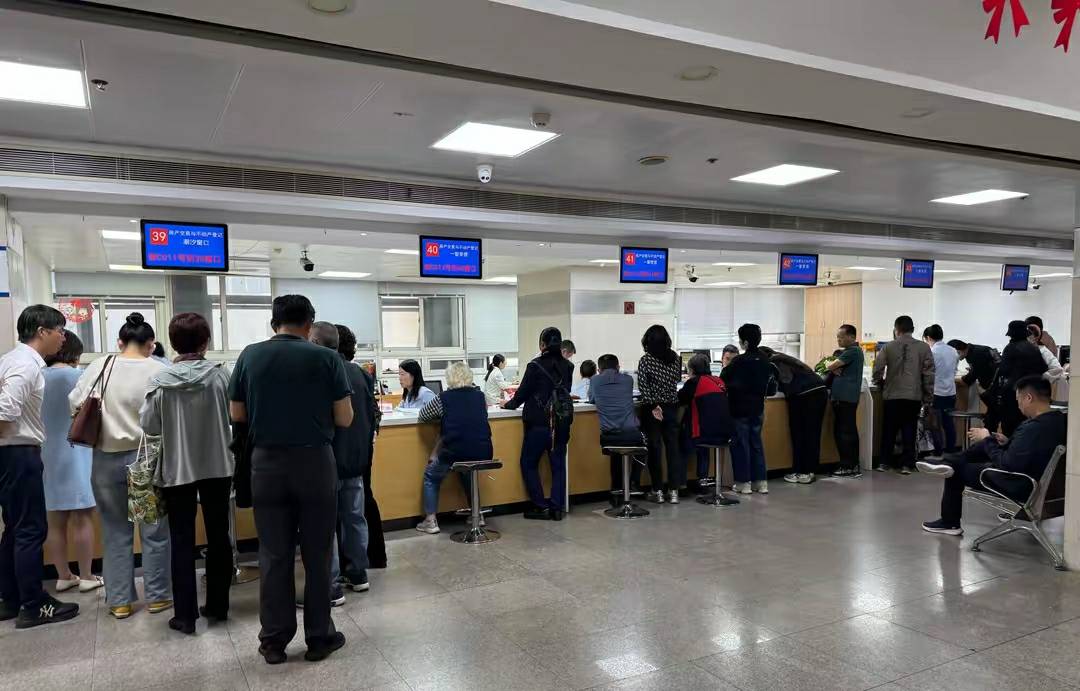
Core Viewpoint - The real estate market in Beijing, Shanghai, and Shenzhen has shown signs of recovery at the beginning of 2026, breaking the seasonal lull with increasing transaction volumes and stabilizing prices for quality properties, driven by favorable policies and gradually restored market confidence [1][2][31]. Group 1: Market Performance - The transaction volume of second-hand homes in major cities has been rising, with Beijing averaging over 500 transactions per day [1][4]. - Shanghai has seen a continuous decline in inventory for nine months, with a 20% reduction in stock compared to the previous year [22]. - Shenzhen's market is characterized by a structural recovery, where quality properties are appreciating while ordinary properties remain stable [26][30]. Group 2: Policy Impact - Beijing's recovery is largely attributed to new policies implemented in December 2025, which lowered the barriers to home buying [12][14]. - Ongoing favorable policies, such as tax rebates for housing purchases and reduced down payment requirements, are further stimulating demand [33]. - The overall economic improvement and better employment outlook are providing a solid foundation for the release of pent-up housing demand [35]. Group 3: Market Dynamics - The recovery in the real estate market is not uniform; different cities exhibit varying recovery paces and characteristics [10][18]. - In Beijing, quality properties are in high demand, with a significant reduction in available listings [16]. - In Shanghai, both buyers and sellers are regaining confidence, leading to a more balanced supply-demand dynamic [24]. Group 4: Buyer Considerations - The current market conditions are suitable for genuine buyers with stable financial situations, while speculative buyers and those with insufficient economic strength should refrain from impulsive purchases [41][43]. - The market is expected to maintain a steady recovery without drastic price increases, making it crucial for buyers to assess their financial readiness before entering the market [43][44].

北京楼市火热,新房成交涨幅超二手房
Zheng Quan Shi Bao· 2026-01-04 14:26
Core Insights - The implementation of new housing policies in Beijing has led to a significant increase in both viewing and transaction volumes, with new home daily transactions rising more than those of second-hand homes [1][2] - Market confidence and demand have strengthened, indicating positive signs of market stabilization, with expectations for high transaction volumes in the first quarter of the year [1][3] Policy Changes - The new housing policy, effective from December 24, 2025, includes optimizations in purchase restrictions, credit, and public housing loan requirements, reducing the social security/income tax duration for non-resident families [1] - The policy allows multi-child families to purchase an additional property within the Fifth Ring Road and eliminates the distinction between first and second home mortgage rates [1] Market Performance - Following the new policy, the average daily signing of new homes increased to 133 units, a 44.6% rise compared to the period before the policy [2] - Second-hand homes saw an average daily signing of 702 units, a 37% increase, with a peak of 1,034 units signed on December 31, 2025 [2] Demand Dynamics - The new policy has expanded the potential buyer pool and reduced purchasing costs, particularly benefiting non-resident and multi-child families [1][2] - The first weekend after the policy saw a 30% to 40% increase in viewing volumes, especially for popular projects, indicating a rebound in market activity [3] Future Outlook - Analysts predict that the surge in transactions leading up to the New Year will set a strong foundation for the market in early 2026, with continued release of demand from both first-time and upgrading buyers [3][4] - The impact of the new policy is expected to manifest more significantly in the first and second quarters of 2026, considering seasonal trends in buyer activity [4]
北京楼市新政带热看房!新房成交涨幅超二手房
证券时报· 2026-01-04 11:48
Core Viewpoint - The new housing policy in Beijing has led to a significant increase in both viewing and transaction volumes, with new home sales outpacing second-hand homes, indicating a boost in market confidence and demand release [1][2][3]. Summary by Sections Policy Changes - On December 24, 2025, Beijing implemented a new housing policy that optimized purchase restrictions, credit, and public housing loan requirements, reducing the social security/income tax duration for non-residents and allowing multi-child families to purchase additional properties [1]. Market Response - Following the policy implementation, the average daily new home transactions increased by 44.6% to 133 units, while second-hand home transactions rose by 37% to 702 units [2]. - The peak transaction day on December 31, 2025, saw 1,034 second-hand home transactions, nearly doubling the average of 511 units from the initial days of the policy [2]. Demand Dynamics - The new policy has expanded the potential buyer pool and reduced purchasing costs, particularly benefiting non-resident and multi-child families [1][2]. - The first weekend after the policy saw a 30% to 40% increase in viewing volumes, with some popular projects experiencing even higher demand [3]. Future Outlook - Analysts predict that the market will maintain high transaction levels in the first quarter of 2026, with ongoing releases of both first-time and improvement-driven demand [4]. - The seasonal characteristics of buyer activity and the longer preparation time for transactions suggest that the full impact of the new policy may be more evident in the first and second quarters of 2026 [4].

南京二手房爆涨——背后的购房秘籍你知道多少?
Sou Hu Cai Jing· 2025-05-16 04:19
Core Insights - The Nanjing second-hand housing market has shown a significant rebound, with a total of 1,507 transactions recorded from May 5 to May 11, representing a 19.5% increase compared to the previous week [1] Group 1: Market Dynamics - Recent monetary policies, including interest rate cuts and adjustments to public housing fund rates, have lowered entry barriers for homebuyers, stimulating demand [2] - The release of pent-up demand from the previous "golden three and silver four" months has led to increased market activity as buyers who were previously hesitant have decided to enter the market [2] - Enhanced market confidence is evident as new home prices in Nanjing have stabilized, encouraging more homeowners to list their properties for sale, creating a positive feedback loop [3] Group 2: Marketing Strategies - Real estate agents are leveraging tools like the Reed Assistant app, which automates the distribution of property listings to potential clients, significantly improving efficiency and business volume [6] Group 3: Buyer Guidance - Key considerations for purchasing older properties include focusing on location and educational resources, as these factors greatly influence convenience and quality of life [7] - Buyers should analyze listing average prices and median transaction totals to assess the value of desired properties, with the average listing price in Nanjing being 24,366 yuan per square meter and the median transaction total around 1.49 million yuan [7] - It is crucial for buyers to be aware of property rights issues and to thoroughly review contract terms to avoid potential pitfalls [7]