
10年期美国国债收益率

Search documents
央行连续14个月增持黄金!我国外汇储备创十年新高
券商中国· 2026-01-07 14:41
Core Viewpoint - China's foreign exchange reserves reached a record high of $335.79 billion by the end of December 2025, marking a month-on-month increase of $1.15 billion, or 0.34% [1] Group 1: Foreign Exchange Reserves Overview - China's foreign exchange reserves have remained stable above $3.2 trillion over the past year, with a continuous increase since July 2025, reaching new highs not seen since December 2015 [2] - The increase in foreign exchange reserves is supported by a stable economic environment, trade surplus, foreign direct investment (FDI), and capital flows [4] - The U.S. dollar index and the yield on 10-year U.S. Treasury bonds have generally declined, contributing positively to the valuation of China's foreign exchange reserves [3] Group 2: Future Projections - The chief economist at Yingda Securities predicts that China's foreign exchange reserves are likely to steadily increase from the current level of $3.3 trillion in 2026 [6] - The 2026 National Foreign Exchange Management Work Conference emphasized the importance of ensuring the safety, liquidity, and value appreciation of foreign exchange reserve assets [6] - The ongoing decline in the U.S. dollar index and the expected continued easing of U.S. monetary policy are anticipated to support the growth of foreign exchange reserves [6] Group 3: Gold Reserves - As of the end of December 2025, China's official gold reserves increased to 7.415 million ounces, with a monthly increase of 30,000 ounces and a total annual increase of 860,000 ounces [7] - The continuous increase in gold reserves is attributed to the changing external environment and rising international gold prices, which are expected to remain high for an extended period [7] - The low proportion of gold reserves in China's international reserves compared to the global average indicates a need for continued accumulation of gold to enhance the credibility of the sovereign currency and support the internationalization of the renminbi [7]

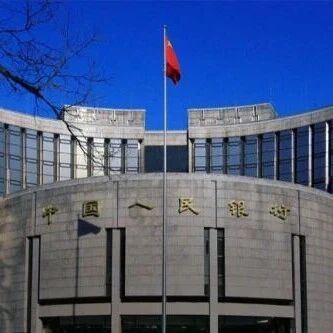
央行连续14个月增持黄金!
证券时报· 2026-01-07 11:54
Core Viewpoint - China's foreign exchange reserves reached a record high of $33,579 billion by the end of December 2025, marking an increase of $11.5 billion from the previous month, with a growth rate of 0.34% [1][2]. Group 1: Foreign Exchange Reserves Overview - China's foreign exchange reserves have remained above $3.2 trillion for the past year, with a continuous increase since July 2025, reaching new highs not seen since December 2015 [2][7]. - The increase in reserves is attributed to a stable economic environment, trade surplus, foreign direct investment (FDI), and capital flows, which have all performed well over the past year [4][5]. Group 2: Economic Factors Influencing Reserves - The decline in the US dollar index and the overall downward trend in the 10-year US Treasury yield have positively impacted the valuation of China's foreign exchange reserves [4]. - The US dollar index fell from 108.48 to 98.27 over the past year, a decrease of approximately 9.41%, while the 10-year US Treasury yield dropped from 4.58% to 4.18% [4]. Group 3: Future Outlook - The chief economist at Yingda Securities predicts that China's foreign exchange reserves are likely to steadily increase from the current level of $3.3 trillion in 2026 [2][6]. - The 2026 national foreign exchange management meeting emphasized the importance of ensuring the safety, liquidity, and value preservation of foreign exchange reserve assets [8]. Group 4: Gold Reserves - As of the end of December 2025, China's official gold reserves stood at 7.415 million ounces, with an increase of 30,000 ounces from the previous month and a total annual increase of 860,000 ounces [10]. - The continuous increase in gold reserves is seen as a response to external uncertainties and rising international gold prices, with the need to diversify international reserve structures [10].

美国抵押贷款利率降至年内最低
Xin Lang Cai Jing· 2026-01-01 01:16
Group 1 - The core point of the article is that U.S. mortgage rates have dropped to their lowest level for the year 2025, providing a boost to local investors and homebuyers [1][3] - Freddie Mac reported that the 30-year fixed mortgage rate fell to 6.15% for the week ending December 31, 2025, a decrease of 0.03 percentage points from the previous week, marking the lowest level since October 2024 [1][3] - The decline in mortgage rates is seen as a positive signal for potential homebuyers entering the new year, especially after a prolonged period of high rates that have pressured the housing market since 2022 [3] Group 2 - The U.S. housing market has faced significant challenges, with existing home sales hitting their lowest levels since the mid-1990s in both 2023 and 2024, and similar records are expected for 2025 [3] - The recent drop in mortgage rates is expected to inject new momentum into the sluggish U.S. housing market for most of 2025, with many economists predicting this trend may continue into 2026 as wage growth outpaces inflation [3] - Analysts emphasize the importance of monitoring the 10-year U.S. Treasury yield, which is a key indicator of mortgage rate trends, especially as the early months of the year are a peak time for families considering home purchases [3]
iCapital:10年期美国国债收益率可能在2026年下半年升至4.5%
Sou Hu Cai Jing· 2025-12-18 07:08
Core Viewpoint - iCapital forecasts that the yield on the 10-year U.S. Treasury will trade within the range of 4.0%-4.5% by 2026, potentially reaching the upper limit in the second half of the year [1] Group 1 - The report indicates that the 10-year U.S. Treasury yield is expected to fluctuate within the stated range at least until the beginning of 2026 [1] - A worsening deficit outlook could lead to yields rising to 4.5% [1] - This increase in yields may exert pressure on risk assets and capital market activities [1]
10年期美国国债收益率下跌3个基点,至3.946%
Mei Ri Jing Ji Xin Wen· 2025-10-17 04:50
Group 1 - The 10-year U.S. Treasury yield decreased by 3 basis points to 3.946% [1]
A 股风格转换的历史复盘与回测分析
Yin He Zheng Quan· 2025-07-16 11:54
Historical Review of Size and Style Rotation - From 2008 to 2010, small-cap stocks outperformed due to significant economic stimulus and abundant liquidity, with small-cap stocks being more sensitive to funding[6] - Between 2011 and 2013, large-cap stocks gained favor as economic growth pressures increased, highlighting their defensive attributes[8] - The period from 2013 to 2015 saw a resurgence of small-cap stocks driven by the rise of new industries and increased M&A activity, with leverage funds entering the market[9] - From 2016 to 2021, large-cap stocks dominated as supply-side reforms improved profitability for leading companies, while M&A activity cooled[10] - In the 2021 to 2023 period, small-cap stocks regained strength due to changes in funding structure and the rise of new industries like AI[12] Growth vs. Value Style Rotation - From 2011 to 2014, value stocks outperformed as the economy shifted from stimulus-driven growth to self-sustained growth, with GDP growth declining[15] - In 2015, growth stocks saw a rebound due to the rise of the internet and new industries, despite ongoing economic pressures[19] - The period from July 2016 to October 2018 favored value stocks as traditional industries improved amid tightening liquidity[21] - From November 2018 to July 2021, growth stocks outperformed due to the rise of new industries and favorable liquidity conditions[23] - From August 2021 to August 2024, value stocks are expected to dominate due to tightening global liquidity and geopolitical uncertainties[25] Key Indicators and Future Outlook - The historical analysis indicates that size and style rotations are influenced by fundamental factors, liquidity, valuation, and policy[27] - The correct prediction rate for small-cap outperformance since 2005 is 69%, while for growth vs. value since 2011 is 77%[2] - In the first half of 2025, small-cap stocks outperformed with a 7.54% increase in the CSI 1000 index compared to a 1.37% increase in the CSI 300 index[2] - The outlook for the second half of 2025 suggests a potential shift towards large-cap stocks due to institutional investor preferences and external uncertainties[2]
DWS:中国股市仍是亚洲市场中的首选之一 对印度股市前景审慎
Zhi Tong Cai Jing· 2025-07-16 10:48
Group 1 - Emerging market stocks have performed well this year, with the MSCI Emerging Markets Index rising approximately 15% [1] - DWS remains optimistic about the Chinese stock market, despite significant gains since early 2025, while being cautious about the Indian market due to high valuations [1] - DWS anticipates further downward adjustments in corporate earnings for Q2, although technology and financial companies may be less affected [1] Group 2 - European equities are still a preferred choice for DWS, with long-term potential driven by fiscal support and international capital inflows, despite ongoing political and geopolitical uncertainties [2] - The 10-year U.S. Treasury yield has recently increased but remains below early 2025 levels, with expectations of a slight rise to around 4.50% by June 2026 [2] - The U.S. dollar has depreciated approximately 13% against the euro, and DWS expects the dollar to remain weak due to the U.S. government's inclination towards a weaker dollar policy [2]
10年期美国国债收益率升至4.4950%,为一个月高点。
news flash· 2025-07-16 00:11
Core Viewpoint - The yield on the 10-year U.S. Treasury bond has risen to 4.4950%, marking a one-month high [1] Group 1: Market Impact - The increase in the 10-year Treasury yield indicates rising borrowing costs, which may affect various sectors including real estate and consumer spending [1] - Higher yields could lead to a shift in investor sentiment, potentially impacting equity markets as investors reassess risk and return profiles [1] Group 2: Economic Implications - The rise in Treasury yields may signal expectations of inflation or changes in monetary policy, which could influence economic growth forecasts [1] - Investors may react to the yield increase by reallocating assets, affecting capital flows in both domestic and international markets [1]