35岁危机

Search documents
经济退潮,遍地是失声的80后。
Sou Hu Cai Jing· 2025-12-22 10:39
Group 1 - The article discusses the challenges faced by individuals in the workforce, particularly those over 35, highlighting age and gender biases in hiring practices [3][4][8] - A case study of a former employee who transitioned from working for others to owning two milk tea shops illustrates the competitive pressures in the food and beverage industry, leading to her eventual closure of the stores [4][6] - The narrative emphasizes the economic struggles of the 80s generation, who are burdened with family responsibilities and financial pressures, particularly in the context of rising living costs and job insecurity [10][11][12] Group 2 - The article reflects on the broader economic environment, noting that the current economic downturn has disproportionately affected the 80s generation, who are often seen as the pillars of their families [10][12][13] - It highlights the shift in social media dynamics, where personal achievements have been replaced by work-related posts and the pressures of maintaining financial stability [11][14] - The conclusion suggests that enduring these hardships will ultimately strengthen this generation, preparing them for future challenges [14]


“40岁前在腾讯一次性拿到21个月工资荣誉退休”,提心吊胆怕35岁裁员的大厂打工人快羡慕哭了?
3 6 Ke· 2025-11-25 10:23
Core Viewpoint - Tencent has introduced a unique retirement policy called "Honorary Retirement," allowing employees to retire early after 15 years of service, which includes a one-time retirement payment of "N+6" (where N is the number of years worked) [3][4][7] Group 1: Retirement Policy Details - The "Honorary Retirement" policy is a significant benefit in the tech industry, offering financial incentives that differ from traditional retirement plans [4][5] - Employees can receive a one-time retirement payment that includes 6 months' salary as a "long-term service appreciation bonus" and 15 months' salary as "retirement honor money" in the form of Tencent stock, vesting over four years [7][12] - The policy requires employees to have worked continuously for 15 years as full-time employees, excluding internships and previous employment periods, and they must not have the lowest performance rating in their last evaluation [7][17] Group 2: Employee Experiences - An employee named Lily, who retired after 15 years, shared her experience of the retirement process, highlighting the quick approval timeline and the emotional aspects of leaving the company [9][12] - Lily noted that the high-pressure work environment led to health issues, which improved significantly after retirement, indicating the toll of long working hours in the tech industry [12][19] - The retirement experience is seen as a dignified exit for long-term employees, providing them with financial security and the opportunity to pursue personal interests [15][19] Group 3: Industry Context - The average age of employees in major tech companies is around 30, with Tencent being relatively older at an average age of 29, reflecting a shift in workforce demographics [13][18] - The "Honorary Retirement" policy is part of a broader trend in the tech industry to address age-related concerns and the pressure on older employees, particularly those nearing 35 years of age [15][18] - Comparatively, other companies like Huawei offer different retirement benefits, suggesting that Tencent's approach may not be the most advantageous in the industry [17][18]


35岁天花板,能破吗?
Hu Xiu· 2025-10-14 06:24
Core Viewpoint - The recent announcement to raise the age limit for civil service examinations in China signals a shift towards inclusivity for older candidates, particularly those with advanced degrees, allowing individuals up to 43 years old to apply [1][2]. Group 1: Policy Changes - The age limit for general applicants has been raised from 35 to 38 years, with further relaxation for recent master's and doctoral graduates up to 43 years [1]. - Prior to this central policy change, several regions, including Jiangsu, Shanghai, and Sichuan, had already increased the age limits for certain civil service and public institution positions to 38, 40, or even 45 years [3]. Group 2: Employment Market Dynamics - Despite the relaxation of age limits in civil service, the overall employment landscape in China remains challenging, with civil servants and public institution employees comprising less than 5% of the non-agricultural workforce, totaling under 30 million [4]. - The "35-year crisis" in the job market is attributed not only to age discrimination but also to structural issues within the employment market [6]. - The number of university graduates has consistently exceeded 10 million annually, projected to rise above 12 million in the coming years, intensifying competition for jobs [7]. Group 3: Youth Employment Challenges - The unemployment rate for urban youth aged 16 to 24 reached 18.9%, while those aged 25 to 29 faced a 7.2% unemployment rate, compared to a significantly lower rate of 3.9% for individuals aged 30 to 59 [8]. - The current job market favors younger workers, with many companies preferring energetic employees capable of working long hours, leading to a trend of replacing older, experienced workers with younger ones [10][11]. Group 4: Solutions to Employment Issues - To address the "35-year crisis," it is essential to break the cycle of companies replacing mature employees with younger ones. This requires expanding the overall job market and upgrading job structures to create more "experience-friendly" positions [12]. - The transformation of the employment landscape is expected to be a lengthy process, necessitating sustained efforts to create a balanced job market for both younger and older workers [13].
做商业化产品的人,后续都去干嘛了?
Hu Xiu· 2025-08-27 09:52
Core Insights - The article discusses the career paths of professionals in commercial product roles, particularly focusing on the age-related challenges faced around 35 years old and the different trajectories available in the industry [1][2][3] Group 1: Two Core Paths of Commercial Products - There are two main categories of commercial products: link-type and business-type, which significantly influence subsequent career paths [4] - Link-type commercial products focus on serving advertisers and media, with less direct correlation to personal income, while business-type products are revenue-driven and results-oriented [4][5] Group 2: Link-Type Commercial Products - Link-type professionals tend to have strong risk resilience and are less affected by layoffs, as their roles require significant experience and expertise [5][6] - The 35-year crisis for link-type professionals is more about platform stability than personal capability, with many choosing to "lie flat" after leaving major companies [6][7] Group 3: Business-Type Commercial Products - Business-type professionals often evolve into decision-makers in smaller companies or pursue entrepreneurial ventures, leveraging their experience to adapt to market changes [7][8] - Many business-type professionals focus on ROI and can pivot quickly in their ventures, indicating a lower risk compared to traditional businesses [8][9] Group 4: Choosing Between Link-Type and Business-Type - Each path has its advantages and disadvantages, and professionals should align their career choices with their core aspirations [10][11] - The 35-year crisis in commercial products stems from a lack of suitable opportunities rather than a deficiency in skills, emphasizing the importance of deepening expertise in chosen areas [12][13]
融云十周年推出 2025 年最戳心纪录片:程序员的变与不变,太真实了
Sou Hu Cai Jing· 2025-08-20 11:05
Core Insights - The development industry is undergoing a cognitive revolution, akin to the transition from feature phones to smartphones, as coding becomes a tool for the general public rather than just programmers [1] - A significant trend is emerging where 99.6% of individuals previously excluded from coding are now becoming creators through natural language interactions [1][3] - The role of traditional developers is being redefined, with some focusing on building development infrastructure and others on complex algorithm optimization [1] Group 1: AI Era and Developer Evolution - The documentary "Crossroads" highlights the evolution of developers across various industries and life stages, showcasing opportunities presented by the AI wave and the challenges of the 35-year-old career crisis [3][4] - AI is a key theme, expanding the capabilities of developers and creating unprecedented business opportunities, with predictions that citizen developers will outnumber professional developers by four times in the future [3][4] - The demand for AI infrastructure roles is increasing, with a projected 25% year-on-year growth in AI-related hiring post-2025, and salary increases of 20%-30% for AI architects [4] Group 2: Developer Experiences and AI Opportunities - Developers are adapting to the AI wave, with individuals like Yang Pan emphasizing the importance of continuous learning and practical experience in new technologies [6][7] - The rise of AI has led to the emergence of diverse entrepreneurial opportunities, with smaller teams and individual developers filling niche markets that larger companies overlook [9] - The relationship between humans and AI can be positive and powerful, as demonstrated by the success of AI companion apps that foster meaningful interactions [7] Group 3: Historical Context and Industry Changes - The software development industry has evolved through three major waves in China's internet history, with each period presenting unique challenges and opportunities for developers [9][10] - The PC internet boom (1994-2009) marked a golden age for technical talent, while the mobile internet explosion (2010-2019) shifted focus to user experience and increased competition for talent [10][14] - The current era is characterized by a "stock competition" phase, where the growth of AI has intensified the challenges faced by entry-level positions and highlighted the "35-year-old crisis" in the industry [16][17] Group 4: AI-Driven Developer Ecosystem - The evolution of the developer ecosystem is marked by a shift towards intelligent collaboration, with AI tools becoming essential for enhancing productivity and creativity [20][21] - Companies like Rongyun are transitioning from traditional communication services to AI-driven interactive platforms, integrating various AI capabilities to meet the needs of developers [21][22] - The journey of Rongyun reflects the broader changes in the internet landscape, emphasizing the importance of human creativity and persistence in driving technological advancements [22][25]
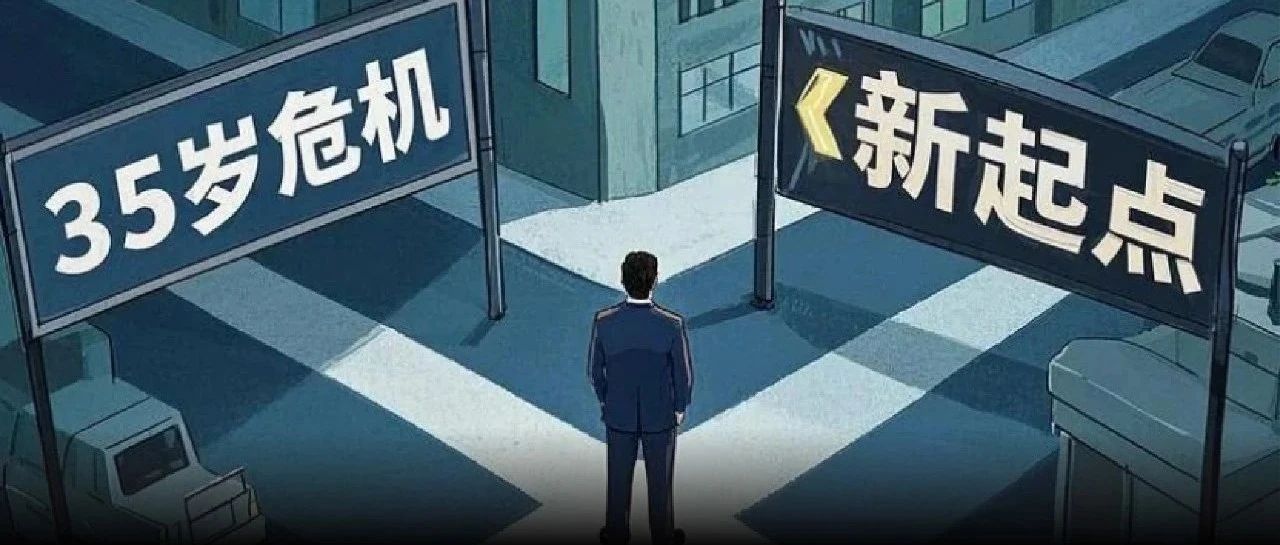
35 岁被裁员那天,我才懂:多年 “听话”,终于让人生只剩下 “无路可退”
3 6 Ke· 2025-07-31 09:07
Core Insights - The article discusses the journey of an individual, referred to as Li Ming, who experiences a loss of personal agency and struggles with identity and purpose in life [1][11][23] Group 1: Life Journey and Career - Li Ming was raised in an environment where his life choices were heavily influenced by his parents, leading him to follow a predetermined path without questioning his own desires [2][4] - After graduating, he secured a stable job in a large state-owned enterprise, which he initially viewed as a success but later felt trapped in a monotonous routine that drained his enthusiasm [4][6] - At the age of 35, he faced an unexpected career setback due to industry changes and layoffs, which shattered his sense of security and forced him to confront his lack of personal fulfillment [6][9] Group 2: Self-Discovery and Realization - The article emphasizes the importance of recognizing and addressing the suppressed desires and voices within oneself, which often stem from societal expectations and upbringing [11][15] - Li Ming's experience illustrates the struggle of many individuals who, after losing their external safety nets, are compelled to confront their true selves and the choices they have made [11][19] - The process of reclaiming personal agency is described as a gradual journey that involves self-reflection, understanding past influences, and reconnecting with one's inner voice [13][20][22]

被“嫌弃”的35岁+汽车人?
汽车商业评论· 2025-07-27 13:44
Core Viewpoint - The article discusses the "35-year-old crisis" in the Chinese job market, highlighting how age discrimination has become a significant issue, particularly in the automotive and tech industries, where individuals over 35 are often viewed as less desirable candidates despite their experience and expertise [3][4][5]. Group 1: Age Discrimination in the Job Market - The concept of a "35-year-old crisis" stems from systemic age discrimination, with a historical precedent set by the 1994 civil servant recruitment regulations that established a 35-year age limit [7][8]. - The average life expectancy in China has increased from 67 years in 1994 to 78.6 years today, yet the age threshold for employment has not adapted to these demographic changes, leading to a collective perception that 35 is a career dividing line [8]. - A 2025 survey indicated that 83.6% of job seekers have faced age restrictions, with 72% of those being 35 years or older [14]. Group 2: Industry-Specific Insights - In the automotive sector, the "35-year-old crisis" is less pronounced compared to tech industries, with a more flexible approach to age in manufacturing roles, where older workers are still valued [17][18]. - The automotive industry requires a blend of young talent for innovation and experienced professionals for stability, reflecting a unique "new and old fusion" characteristic [19]. - Companies like Great Wall Motors and XPeng are actively promoting age diversity, with initiatives aimed at hiring individuals over 35, recognizing the value of their experience [25][30]. Group 3: Economic Factors and Employment Trends - The preference for younger employees is driven by economic factors, where companies seek to optimize labor costs and efficiency, often at the expense of older, more experienced workers [15][21]. - The disparity in salary expectations between younger and older employees contributes to the reluctance of companies to hire those over 35, as they often command significantly higher wages [21][22]. - The shift towards high-quality development in the automotive industry is leading to a reevaluation of the value of experienced workers, as their skills become increasingly relevant in navigating technological changes [31].
很刑!大厂程序员 32 岁被裁,创业失败后制毒贩毒,被判 7.5 年!
程序员的那些事· 2025-07-16 08:12
Core Viewpoint - The article highlights the tragic transformation of a successful tech professional into a criminal due to the pressures of unemployment and financial distress, illustrating the darker side of the tech industry's challenges and the consequences of economic downturns [16][17]. Group 1: Background of the Individual - The individual, Song, was a successful backend developer in a leading internet company, earning over 500,000 yuan annually after ten years of hard work [4]. - In 2022, he was laid off during an industry downturn, which led to a significant personal crisis and a failed attempt at entrepreneurship [5][16]. Group 2: Entrepreneurial Struggles - After being laid off, Song raised 2 million yuan by mortgaging his property to start a tech company focused on smart home hardware, but faced immediate challenges due to poor market research and product compatibility issues [5][6]. - By March 2023, the company had accumulated debts of 1.87 million yuan, leading to the dismissal of all employees except for his brother [5][6]. Group 3: Descent into Crime - Influenced by a casual remark from his cousin about drug dealing being more profitable, Song resorted to purchasing drug manufacturing tutorials online and invested borrowed money into illegal activities [6][10]. - He attempted to produce caffeine-based drugs, but initial failures did not deter him; instead, he became more determined to refine his methods [10][12]. Group 4: Criminal Operations - Song utilized his technical skills to create a structured process for drug production, including detailed operational manuals and even coding a monitoring system for chemical reactions [12][14]. - He adopted a "buried mine" strategy for drug sales, using encrypted communication and virtual currencies to evade law enforcement [18]. Group 5: Legal Consequences - In March 2025, Song was sentenced to seven and a half years in prison for drug-related offenses, while his brother received a four and a half year sentence for assisting him [2][14]. - The court rejected claims of mental distress due to entrepreneurial failure, emphasizing the premeditated nature of his actions and the potential societal harm of his drug production [14][15]. Group 6: Industry Implications - The case reflects broader issues within the tech industry, including the "35-year crisis" and the challenges faced by skilled workers during economic downturns, with a significant number of laid-off workers turning to entrepreneurship with low success rates [16][17]. - The article calls for improved unemployment support, targeted anti-drug education, and stricter regulations on chemical transactions to prevent similar cases in the future [17].

汽车人的35岁危机?
电动车公社· 2025-07-11 16:41
Core Viewpoint - The article discusses the significance of turning 35 in the automotive industry, highlighting both the challenges and opportunities that come with this age milestone, particularly in relation to talent acquisition and industry evolution [4][7][22]. Group 1: The 35-Year Milestone in Careers - The age of 35 is often seen as a critical point in one's career, where individuals face increased responsibilities and pressures from both family and work [10][11]. - Many professionals, regardless of their position, struggle to balance family, career, and personal life after reaching this age [21][22]. - There is a perception that older candidates may be overlooked in favor of younger ones during the hiring process, despite their experience [21]. Group 2: Opportunities for Experienced Professionals - Contrary to common belief, the automotive industry does not uniformly impose a "35-year crisis"; in fact, many roles value experience and seniority [23][24]. - Positions such as automotive designers benefit significantly from experience, as demonstrated by renowned designers like Giorgetto Giugiaro, whose work has had a lasting impact on the industry [25][27]. - Experienced engineers, like Xiaomi's Hu Zhengnan, play a crucial role in guiding new ventures, leveraging their extensive backgrounds to avoid common pitfalls in vehicle development [30][31][33]. Group 3: Industry Evolution and Historical Context - The automotive industry has undergone significant transformations approximately every 35 years, reflecting broader economic cycles and technological advancements [66][67]. - Historical milestones, such as the introduction of the assembly line by Ford, drastically changed vehicle accessibility and societal structures [48][49]. - The current trend towards electrification and smart technology in vehicles indicates that the industry is on the brink of another major shift, expected to continue for at least the next five years [64][65]. Group 4: Strategic Moves by Companies - Great Wall Motors has initiated a targeted recruitment campaign for individuals over 35, recognizing the value of experienced talent in achieving high-quality development [36][38]. - The company's recent sales performance, including significant contributions from its premium brands, underscores the need for seasoned professionals to drive innovation and product development [39][41].


发长文的阿里离职员工已移居新西兰,光鲜背后的生存真相
Sou Hu Cai Jing· 2025-06-15 20:05
Core Insights - The departure of a senior employee from Alibaba, who authored a lengthy article titled "Alibaba is not a fairy tale," highlights the existential crisis faced by employees in China's tech industry, reflecting a shift from idealism to pragmatism in corporate culture [1][4][19] Group 1: Employee Sentiment and Trends - Alibaba's Q1 2023 financial report indicates a 19% reduction in total employees compared to peak levels, marking the first negative growth since its IPO in 2014 [2] - The active resignation rate among employees in major tech companies reached 28% in 2023, a threefold increase from 2020, with over 70% of those resigning being under 35 years old [3] - The number of approved Chinese technical immigrants to New Zealand surged by 152% from January to May 2023, primarily targeting cities like Auckland and Christchurch [4] Group 2: Systemic Issues in Big Tech - Employees face a "performance trap," where frequent organizational changes lead to anxiety and burnout, as exemplified by one employee's experience of reporting to multiple supervisors in a short period [8] - Employee benefits have significantly decreased, with perks such as free meals and interest-free loans being replaced or restricted, reflecting a shift from investment in talent to cost-cutting measures [9] - New Zealand's immigration policies, including a "green list" for skilled workers and favorable living conditions, are increasingly attractive to tech professionals seeking a better work-life balance [9] Group 3: Societal Reflections and Debates - The departure of the employee sparked intense discussions on social media, revealing generational, regional, and industry-based cognitive gaps regarding immigration and work culture [11][12] - A survey indicated that 83% of respondents consider immigration primarily for children's education, while 76% seek better living environments, suggesting that migration decisions are often strategic rather than merely an escape from workplace pressures [12] Group 4: Recommendations and Future Directions - Employees are encouraged to create a "career safety net" by developing side projects to mitigate risks associated with their primary jobs [14] - Companies are advised to reassess their management practices to avoid talent attrition and to focus on building a strong employer brand that resonates with younger generations [15][16] - Policymakers are urged to consider implementing a "workplace health index" to address issues like excessive overtime and workplace bullying, as well as to explore pilot programs for a four-day workweek [17]