AI人才争夺战

Search documents
吴恩达定调AI工业时代,马斯克痛批疯狂,5.2万亿基建引爆人才战
Sou Hu Cai Jing· 2026-01-03 11:37
Core Insights - The article highlights the escalating competition for AI talent among major tech companies, with Meta's aggressive recruitment strategies leading the charge, and Elon Musk criticizing the exorbitant salaries being offered [1][3][5]. Group 1: AI Talent War - The AI talent market has reached unprecedented heights, driven by significant investments in infrastructure and technological advancements, with Meta officially igniting the talent war in July 2025 [3][9]. - Meta's CEO Mark Zuckerberg has personally engaged in recruiting efforts, offering compensation packages that exceed industry norms, including a notable $1.5 billion offer to OpenAI's former CTO [5][7]. - The competition intensified as other tech giants, including Microsoft and Musk's xAI, began poaching talent from each other, leading to a chaotic environment characterized by high salaries and aggressive recruitment tactics [7][9]. Group 2: Industry Investment and Growth - The AI industry is experiencing a massive capital expenditure surge, with spending exceeding $300 billion in 2025, primarily directed towards computational infrastructure [9][11]. - Major projects, such as OpenAI's $500 billion "Interstellar Gateway" initiative and Meta's $72 billion infrastructure investment, underscore the scale of investment in AI capabilities [9][11]. - Economic data indicates that nearly all GDP growth in the U.S. during the first half of 2025 is attributed to AI and data center investments, marking AI infrastructure as a core driver of the new industrial era [11][14]. Group 3: Talent Development and Challenges - The demand for AI talent is exacerbated by the rapid evolution of model inference capabilities and the widespread adoption of programming agents, which have increased the complexity of required skills [11][13]. - Wu Enda emphasizes the need for structured learning paths in AI, warning against hasty approaches that lead to inefficiencies and wasted efforts [14]. - The evolution of compensation for AI professionals reflects their rising value, with salaries for top talent projected to reach hundreds of millions by 2025, indicating a shift towards "star player contracts" in the industry [14].


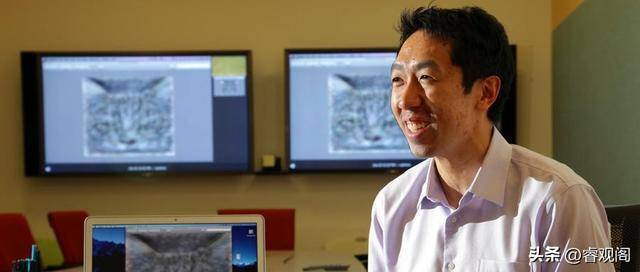
吴恩达年度AI总结来了!附带一份软件开发学习小tips
量子位· 2025-12-30 06:33
Core Insights - The article summarizes the key AI trends anticipated for 2025, as outlined by AI expert Andrew Ng, highlighting significant developments in AI capabilities and industry dynamics [1][3]. Group 1: AI Model Capabilities - The ability of models to reason is becoming a standard feature, moving beyond being a unique trait of a few models [5][8]. - The evolution of reasoning capabilities in models can be traced back to the paper "Large Language Models are Zero-Shot Reasoners," which introduced the prompt "let's think step by step" to enhance output quality [9]. - The introduction of models like OpenAI's o1 and DeepSeek-R1 has marked a paradigm shift, embedding multi-step reasoning workflows directly into model architectures [12][13]. Group 2: AI Talent Competition - The AI talent competition, ignited by Meta, has led to salaries for top AI professionals reaching levels comparable to professional sports stars, fundamentally reshaping the tech industry's talent pricing [18][19]. - Meta's establishment of the "Meta Super Intelligence Lab" and aggressive recruitment strategies have intensified the competition for AI talent [20][21]. - This talent war is seen as a strategic necessity for companies aiming to compete in the AGI race, with the potential for salary structures to evolve beyond mere price competition by 2026 [23][24]. Group 3: Data Center Investments - The surge in data center investments signifies the onset of a new industrial era, with AI companies' plans for data center construction rivaling national infrastructure projects [25][26]. - Major investments include OpenAI's $500 billion "Stargate" project, Meta's $72 billion infrastructure investment, and Amazon's projected $125 billion expenditure by 2025 [28]. - The AI industry's capital expenditure has exceeded $300 billion this year, with projections suggesting total investments could reach $5.2 trillion by 2030 to meet AI training and reasoning demands [29][30]. Group 4: Automated Programming - AI-driven automated programming is transforming software development processes, with coding agents achieving completion rates over 80% for similar tasks [34][35]. - These agents have evolved from simple "auto-complete" tools to comprehensive "digital engineers" capable of planning tasks and managing entire codebases [36][37]. - The integration of reasoning capabilities into these agents has significantly reduced overall computational costs by allowing them to think through tasks before execution [37][40]. Group 5: Software Development Learning Tips - Continuous learning is emphasized as essential for entering the AI field, with recommendations to participate in AI courses, build AI systems, and read technical papers [42][45]. - Practical experience is deemed crucial, as theoretical knowledge alone is insufficient for proficiency in software development [49][51]. - Reading research papers, while not mandatory, is encouraged for those seeking to enhance their understanding of AI [52][53].

腾讯“AI军团”又扩军,前OpenAI研究员加盟
阿尔法工场研究院· 2025-12-19 00:05
Core Viewpoint - Tencent is enhancing its AI capabilities by restructuring its large model development framework and recruiting top talent, including former OpenAI scientist Yao Shunyu, to strengthen its competitive edge in the AI race [5][11]. Group 1: Organizational Changes - Tencent has established new departments: AI Infra, AI Data, and Data Computing Platform, to bolster its large model research and core capabilities [5][6]. - Yao Shunyu has been appointed as the Chief AI Scientist and will oversee the AI Infra and large language model departments, reporting directly to Tencent's president [5][7]. - The AI Infra department will focus on building technical capabilities for large model training and inference, while the AI Data and Data Computing Platform departments will handle data and evaluation systems [6][7]. Group 2: Talent Acquisition - Tencent is actively recruiting top AI talent, including poaching researchers from ByteDance with offers of double salaries, and has successfully hired several individuals [8][9]. - The company is also offering new PhD graduates salaries that are 50% higher than industry standards, although this has not been officially confirmed [8]. - Yao Shunyu's recruitment has already led to the acquisition of additional talent from various AI firms, enhancing Tencent's capabilities [9][10]. Group 3: Competitive Landscape - The restructuring and talent acquisition reflect the ongoing global competition for AI talent, with Tencent aiming to solidify its position in the AI sector [10][11]. - Despite previous advancements, Tencent is still in the exploratory phase regarding model development, indicating a need for further innovation [11].


传OpenAI姚顺雨上亿元薪资入职腾讯 官方辟谣
Xi Niu Cai Jing· 2025-09-16 07:35
Core Insights - The news highlights the speculation surrounding former OpenAI researcher Yao Shunyu's potential high salary upon joining Tencent, with reports suggesting a salary exceeding 100 million yuan, which has sparked discussions about the competitive talent acquisition landscape in the AI sector [1][4] - A clarification from "Goose Factory Blackboard" refuted the claims regarding Yao's salary, indicating that the rumors are not accurate [1] Group 1: Individual Background - Yao Shunyu is a graduate of Tsinghua University's Yao Class and holds a PhD in Computer Science from Princeton University, having joined OpenAI in 2024 [4] - His influential technical blog post titled "The Second Half of AI" has gained significant attention in the industry, suggesting that the AI development landscape has entered a new phase [4] Group 2: Industry Context - The tech industry, particularly in Silicon Valley, has witnessed a fierce competition for AI talent, with major companies willing to spend lavishly to attract top researchers [4] - Meta has been notably aggressive in recruiting AI talent, having poached researchers from OpenAI and Google, and Yao Shunyu was reportedly on Meta's list of potential hires [4]
AI人才争夺战加大薪资差距,OpenAI前副总裁:能留住人才是最重要的
3 6 Ke· 2025-08-29 03:11
Core Insights - The competition for AI talent has intensified, leading to a widening salary gap between researchers and non-researchers in large model companies [1][3] - Companies are struggling to retain talent due to significant salary disparities, which may lead to employee turnover [3][16] - The ability to command higher salaries is increasingly linked to individual capabilities, with those possessing unique skills having stronger pricing power in the job market [4][7] Group 1: Talent Competition - Major labs are aggressively recruiting research talent, resulting in noticeable salary differences between researchers and non-researchers [3] - The former OpenAI VP, Peter Deng, emphasizes the necessity for labs to retain talent while attracting skilled individuals from competitors [3][4] - Companies must consider long-term strategies to maintain competitiveness, rather than focusing solely on immediate advantages [8] Group 2: Company Strategies - Meta has evolved from a campus website to a global social platform, continuously leveraging its advantages to reach new heights [9][10][11] - The company is currently investing in hardware platforms and future-oriented superintelligence as part of its strategic vision [12][14] - The future of Meta's AI strategy remains uncertain, but the development of personalized agents is a key focus area [15] Group 3: Salary Dynamics - High salaries offered by companies like Meta have prompted criticism from competitors, who are concerned about the impact on company culture [16][18] - The aggressive recruitment tactics and substantial compensation packages may undermine the emphasis on work content and mission, potentially harming corporate culture [18]

AI人才争夺战加大薪资差距,OpenAI前副总裁:能留住人才是最重要的
量子位· 2025-08-28 07:29
Core Viewpoint - The AI talent war is intensifying, leading to a widening salary gap between research and non-research personnel, which poses challenges for companies in retaining talent [2][4]. Group 1: Talent Acquisition and Retention - Major labs are competing fiercely for research talent, resulting in significant salary disparities that could lead to talent loss [4][5]. - Companies must ensure they can attract and retain talent, as evidenced by the departure of some Meta employees due to salary differences [5][18]. - The ability to command higher salaries is increasingly linked to individual capabilities, with those possessing unique advantages having stronger pricing power in the job market [6][9]. Group 2: Strategic Insights - Companies need to think ahead about maintaining competitiveness and preparing for future trends, rather than solely focusing on current advantages [10]. - Meta exemplifies a company that leverages its existing strengths to reach new heights, continuously evolving from a campus social network to a global platform [10][11][12]. - The future direction of Meta's AI strategy is uncertain, but the development of personalized agents to assist users is a key focus area [15][16]. Group 3: Industry Criticism - Criticism has emerged regarding the exorbitant salaries offered to attract talent, with concerns that such practices could harm company culture [22][24]. - The aggressive recruitment strategies employed by companies like Meta have prompted responses from competitors, highlighting the potential negative impact on workplace environment [21][23].

AMD苏姿丰公开怼扎克伯格!反对1亿年薪挖人,“使命感比钞票更重要“
Sou Hu Cai Jing· 2025-08-18 07:17
Core Viewpoint - AMD CEO Lisa Su publicly criticized Meta's Mark Zuckerberg for offering exorbitant salaries to attract AI talent, emphasizing that while money is important, it is not the most crucial factor in attracting top talent [1][3][4] Group 1: Talent Acquisition Philosophy - Su's philosophy can be summarized as "Do you want to be part of our mission?" She believes that competitive salaries are necessary but that true motivation comes from a belief in the company's mission [3][4] - She argues that offering disproportionately high salaries to new hires is unfair to existing employees, as AMD's success relies on the collective effort of the entire team rather than individual "star" employees [4][10] - Data supports this philosophy, showing that Anthropic, which maintains a fair compensation system, has an employee retention rate of 80%, compared to Meta and OpenAI's 64% [4] Group 2: Current AI Talent Market - The AI talent market is extremely competitive, with projections estimating the AI industry will reach $4.8 trillion by 2033, prompting tech giants to aggressively pursue talent [8] - Zuckerberg has led this charge, offering salaries as high as $100 million, with some top AI researchers receiving offers up to $250 million [8][9] - Meta's spending on security for Zuckerberg is also notable, with a budget of $27 million for 2024, which exceeds the combined security budgets of several other tech CEOs [9] Group 3: AMD's Recovery and Strategy - Su's confidence stems from her successful turnaround of AMD, which was near bankruptcy when she took over in 2014, transforming it into a company with a market value of $100 billion and record revenues of $25.8 billion in fiscal 2024 [10][11] - AMD's approach to compensation ties executive pay to company performance, with Su's total compensation for fiscal 2024 reported at $31 million, reflecting a commitment to growth and fairness [10][11] - AMD is gaining traction in the AI chip market, with its latest MI300 series products being recognized by major clients like Microsoft and Meta, demonstrating that a focus on mission and growth opportunities can attract top talent without resorting to exorbitant salaries [11]

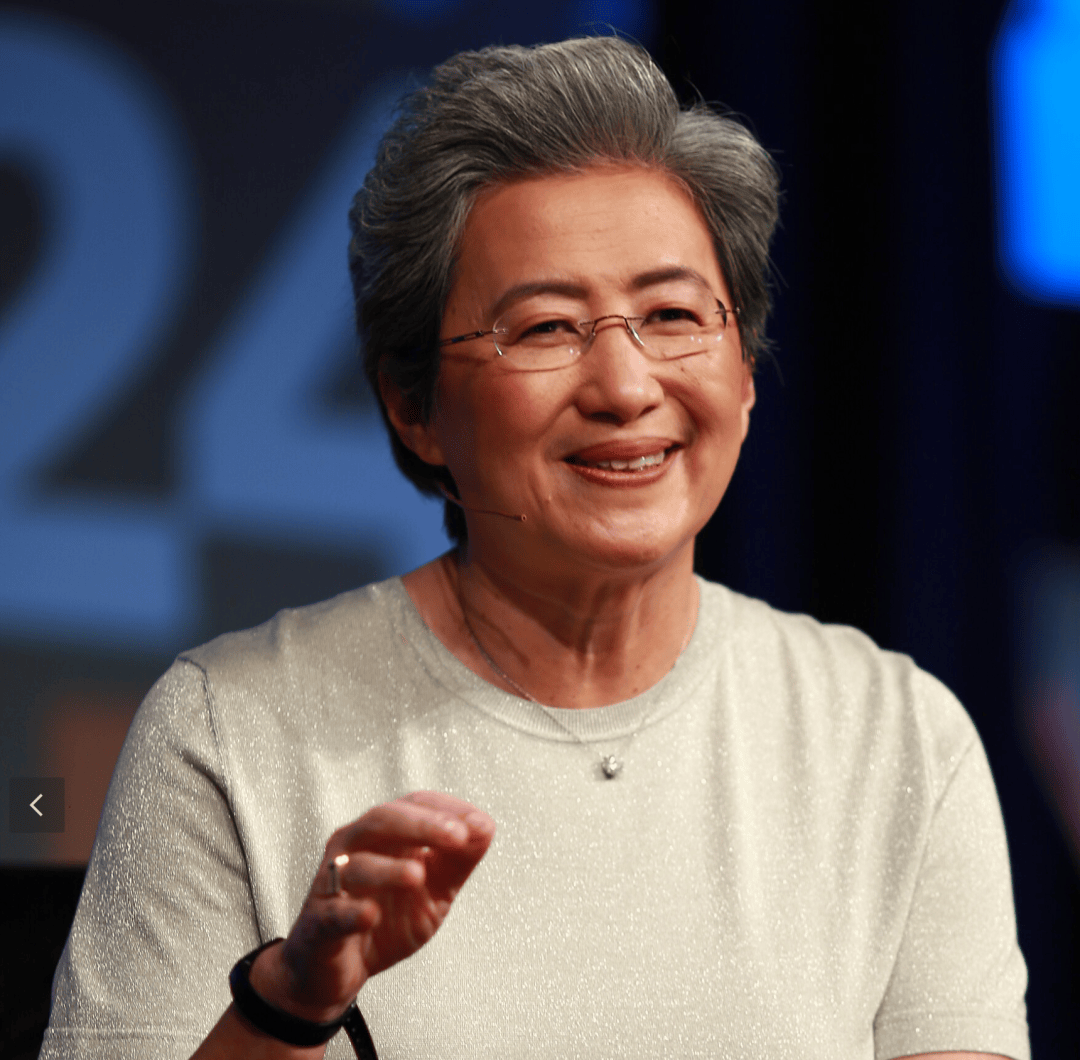
AMD苏姿丰公开怼扎克伯格!反对1亿年薪挖人,“使命感比钞票更重要“
量子位· 2025-08-18 06:55
Core Viewpoint - AMD CEO Lisa Su emphasizes that while salary is important, it is not the most critical factor in attracting talent, contrasting her approach with that of Meta's Mark Zuckerberg, who offers exorbitant salaries to poach talent [2][5][10]. Group 1: Talent Acquisition Philosophy - Su believes that a sense of mission is more compelling than high salaries, stating, "Do you want to be part of our mission?" [6][10]. - Competitive salaries are necessary but should be within a reasonable range compared to competitors, referred to as being in the "zip code" [7]. - The focus should be on attracting individuals who are eager to make significant contributions in technology and drive the company's future [10][12]. Group 2: Company Culture and Fairness - Su argues that offering disproportionately high salaries to new hires is unfair to existing employees who work hard for lower pay [11][12]. - AMD's success is attributed to the collective effort of the team rather than individual "star employees," which helps maintain a positive company culture [12]. - The CEO of Anthropic supports this view, stating that Meta is trying to buy something that cannot be purchased: a sense of mission [13]. Group 3: Market Context and Competitive Landscape - The AI talent market is extremely competitive, with projections indicating the AI industry could reach $4.8 trillion by 2033 [21]. - Zuckerberg has led the charge in this salary war, offering packages up to $100 million, with some top AI researchers receiving offers as high as $250 million [21]. - Meta's spending on security for Zuckerberg is also notable, with a budget of $27 million for 2024, surpassing the combined security costs of several other tech CEOs [21]. Group 4: AMD's Journey and Current Position - Su's leadership has transformed AMD from near bankruptcy to a company with a market value of $100 billion, achieving record revenues of $25.8 billion in fiscal year 2024 [22][23]. - AMD's recent success in the AI chip market, particularly with the MI300 series, demonstrates that the company can attract top talent without resorting to exorbitant salaries [23]. - Su's compensation reflects her philosophy, with a total pay of $31 million for fiscal year 2024, aligning her rewards with company performance [23].
年仅24岁、博士退学、项目平平,却签下2.5亿美元天价Offer?Meta的这波操作,全网看懵了
AI前线· 2025-08-15 06:57
Core Viewpoint - Meta has made headlines by offering a record-breaking compensation package of $250 million to 24-year-old AI researcher Matt Deitke, highlighting the intense competition in the AI industry for top talent [2][3][15]. Group 1: Meta's Recruitment Strategy - Meta's CEO Mark Zuckerberg personally contacted Deitke to recruit him for a new "superintelligence" research project aimed at developing AI systems that could potentially surpass human intelligence [2]. - Initially, Meta offered Deitke a four-year compensation package worth approximately $125 million, which was later increased to $250 million after he declined the first offer [2][3]. - Deitke's acceptance of the offer reflects the escalating salaries for AI talent, with his compensation surpassing historical figures in science and technology [15][16]. Group 2: Deitke's Background and Achievements - Deitke previously dropped out of a PhD program at the University of Washington and co-founded a startup called Vercept, which focuses on creating AI agents capable of independent decision-making [11]. - He was a key member in developing Molmo, a multimodal chatbot that integrates text, images, and voice for complex understanding and reasoning tasks [8][11]. - The success of Molmo is attributed to its innovative training dataset, PixMo, which enhances the chatbot's capabilities in visual language processing [9][11]. Group 3: Industry Reactions and Implications - The astronomical salary has raised eyebrows among industry insiders, with some questioning the justification for such a high compensation for a relatively young and less experienced researcher [6][14]. - Comparisons have been made to historical figures in science, illustrating how Deitke's salary far exceeds those of renowned scientists from previous eras [15]. - The situation indicates a shift in the tech industry where AI researchers are now being compensated similarly to top athletes, marking a new era in talent acquisition and valuation [16][17]. Group 4: Talent Competition and Future Outlook - The fierce competition for AI talent has led to significant changes in recruitment strategies across companies like OpenAI and Google, with firms adjusting their compensation structures to retain employees [18]. - Meta's aggressive hiring strategy is seen as a bet on the future potential of young AI researchers, positioning them as key players in shaping the next technological landscape [24][25]. - The trend suggests that even lesser-known researchers can achieve significant financial success in the current AI talent market, reflecting a broader shift in the industry's dynamics [19][20].

创始人带团队十多人丢掉价值5千万产品“跑路”,Anthropic全“收编”:精准复刻谷歌抢人术
3 6 Ke· 2025-08-14 09:37
Core Insights - Anthropic has acquired the core founding team of Humanloop, including co-founders and most technical members, as part of a talent acquisition strategy prevalent in the AI industry [2][3] - Humanloop's team brings experience in developing tools that help enterprises safely and reliably scale AI operations, which aligns with Anthropic's goals [2][6] Company Overview - Humanloop, founded in 2020, focuses on prompt management, large language model (LLM) evaluation, and observability, aiming to simplify the adoption of natural language processing (NLP) technologies for various industries [3][4] - The company has raised $7.91 million in seed funding, led by Y Combinator and Index Ventures, and has built a strong reputation by assisting clients like Duolingo and Gusto in developing robust AI applications [4] Talent Acquisition Strategy - The acquisition of Humanloop's team is part of Anthropic's strategy to enhance its tool ecosystem and strengthen its position against competitors like OpenAI and Google DeepMind [6][7] - Anthropic is also actively recruiting AI engineers in Europe, offering salaries up to £340,000 (approximately 3.3 million RMB) [7] Industry Trends - The acquisition reflects a growing trend in the AI ecosystem where companies are engaging in "reverse talent acquisitions," hiring core talent from startups without fully acquiring the companies [8][9] - The competition for top AI talent is intensifying, with companies offering high salaries and building necessary infrastructure, indicating that talent acquisition is becoming as crucial as computational power or data [9]