
旅居服务

Search documents
培育数据流通服务机构,推进数据要素市场化价值化|营商环境周报
2 1 Shi Ji Jing Ji Bao Dao· 2026-02-10 07:33
Group 1: Government Initiatives in Service Consumption - The State Council has issued a plan to accelerate the cultivation of new growth points in service consumption, focusing on key areas such as transportation services, housekeeping services, and inbound consumption [2] - The plan aims to stimulate the development of sectors like railway tourism, cruise consumption, and night boat services, while also promoting the growth of the automotive aftermarket [2] - It emphasizes the need to establish a credit system in sectors like elderly care, housekeeping, and tourism, and to support qualified companies in issuing bonds and REITs for consumption infrastructure projects [2] Group 2: Data Market Development - Four departments, including the National Data Bureau, have released guidelines to cultivate data circulation service institutions and promote the marketization of data elements [3] - The guidelines focus on enhancing the service capabilities of data circulation institutions and supporting the development of resource-based data products and services [3] - There is an emphasis on utilizing existing funding channels to support the infrastructure construction of qualified data circulation service institutions [3] Group 3: Consumer Protection and Market Regulation - The State Administration for Market Regulation plans to introduce standards for safe consumption and cultivate trustworthy consumption entities to enhance consumer confidence [4] - The administration aims to deepen credit regulation reforms and improve the precision and effectiveness of market supervision [4] - By 2026, the administration will continue to enhance the review system for business concentration to stimulate market vitality while safeguarding competition [4] Group 4: Business Environment Improvement in Hainan - Hainan has implemented a comprehensive management mechanism for business environment issues, aiming to optimize the market environment [7] - The new guidelines require a clear classification and handling of issues, with a focus on timely resolution and feedback mechanisms [7] - The province will also promote a multi-faceted problem-solving approach and establish a leadership responsibility system for significant issues [7] Group 5: Cross-Border E-commerce Support in Dalian - Dalian Customs has introduced measures to support the high-quality development of cross-border e-commerce in Liaoning, focusing on customs facilitation and logistics efficiency [8] - The measures include establishing a "one city, one policy" approach to tailor support for local industries and enterprises [8] - A 24/7 customs clearance guarantee will be implemented, with specific measures to streamline export documentation and support cross-border return logistics [8]
中国旅游研究院战略研究所所长吴普:激发旅居消费活力需做好公共服务
证券时报· 2026-02-09 07:56
Core Viewpoint - The article discusses the recent government initiative to accelerate the development of service consumption, highlighting the emergence of travel and residence services as a new growth point in the economy, with a focus on its current trends and challenges in development [1]. Group 1: Current Trends in Travel and Residence Services - The supply side of travel and residence services has diversified, now including not only real estate companies but also hotels, homestays, operators, insurance companies, and RV operators [2]. - The demand for travel and residence services has shifted, with a growing number of younger individuals joining the traditionally older demographic, including a new group referred to as "travel creators" [2]. - New purposes for travel and residence have emerged, such as sports and educational travel, with examples including surfing in Hainan and artistic retreats [3]. Group 2: Definition and Characteristics of Travel and Residence - The definition of travel and residence is not strictly based on the duration of stay, but rather on the level of engagement with the local economy and society, distinguishing it from traditional long-term tourism [4]. - Groups such as students and patients who stay in different locations for extended periods also fit the characteristics of travel and residence, indicating a broader interpretation of the concept [5]. Group 3: Supportive Conditions and Challenges - The government’s policy support for travel and residence services is a strong signal to promote consumption, alongside improvements in labor productivity and infrastructure [5]. - Challenges include a lack of clear understanding and consensus on what constitutes travel and residence, which can lead to inadequate service provision [5]. - The influx of transient residents can strain existing infrastructure and public services, necessitating careful management by local governments [6][7]. Group 4: Regional Development Strategies - Different regions are adopting unique strategies for developing travel and residence services, with Yunnan promoting a lifestyle brand, Hainan focusing on health and wellness, and Guizhou leveraging its climate for seasonal tourism [8].


多部门搭建“1+N”政策体系 加快培育服务消费新增长点
Chang Jiang Shang Bao· 2026-02-09 00:00
Core Viewpoint - The joint interpretation of the "Plan for Accelerating the Cultivation of New Growth Points in Service Consumption" highlights the shift in consumer spending from goods to services, emphasizing the importance of service consumption as a key driver for high-quality economic development [1][2]. Group 1: Economic Growth and Consumer Behavior - From 2020 to 2025, per capita service consumption expenditure is expected to grow at an annual rate of 8.5%, indicating strong growth momentum [1]. - The proportion of per capita service consumption expenditure in total per capita consumption is projected to increase to 46.1%, up by 3.5 percentage points [1]. Group 2: Policy Framework and Support Measures - The Ministry of Commerce will establish a "1+N" policy system to support the cultivation of new growth points in service consumption, with the "Plan" as the central framework [1]. - Specific policies will be developed for over 10 areas, including home services, automotive aftermarket, performing arts, and inbound consumption, aimed at removing unreasonable restrictions and optimizing the policy environment [1][2]. Group 3: Focus Areas for Development - The "Plan" emphasizes stimulating key sectors such as transportation services, home services, online audio-visual services, and inbound consumption, while also identifying potential areas like performance services and experiential services [2]. - The Ministry of Transport plans to enhance self-driving tourism by improving traffic conditions and aims to build over 10,000 charging stations on national highways by 2026, with at least 25% being high-power chargers [2]. Group 4: Integration of Services - The National Radio and Television Administration will implement the "Micro Short Drama+" action plan to enhance service consumption across various sectors, focusing on the integration of technology and industry [2]. - The General Administration of Sports aims to address challenges in the sports economy and promote consumption through events, integrating sports with tourism and culture to expand the consumer market [3].
多部门联合解读!旅行服务出口、发展夜游船、扩大游艇消费等领域政策将出台
证券时报· 2026-02-06 12:57
Core Viewpoint - The article discusses the "Work Plan for Accelerating the Cultivation of New Growth Points in Service Consumption," which aims to enhance service supply and adapt to consumer demand, highlighting the importance of service consumption in China's economic development [1][3]. Group 1: Policy Framework - The "1+N" policy system will be established to support the cultivation of new growth points in service consumption, with a focus on specific sectors such as home services, automotive aftermarket, and inbound consumption [4]. - The plan includes over 60 specific measures to improve service quality and meet consumer demands in areas like cultural entertainment, tourism, and sports events [4]. Group 2: Service Consumption Trends - From 2020 to 2025, China's per capita service consumption expenditure is expected to grow at an annual rate of 8.5%, with the share of service consumption in total household expenditure rising by 3.5 percentage points to 46.1% by 2025 [3]. - The article emphasizes the shift in consumer behavior towards a balanced focus on both goods and services, marking service consumption as a key driver of high-quality economic growth [3]. Group 3: Inbound Consumption and Travel Services - Measures will be introduced to promote travel service exports and expand inbound consumption, including optimizing tax refund services and enhancing the "Shopping in China" brand [6]. - By 2025, it is projected that 82.035 million inbound travelers will visit China, representing a 26.4% year-on-year increase, with tax refund sales expected to grow by 95.9% [6]. Group 4: Emerging Sectors - The night cruise economy and yacht consumption are identified as new growth points in the transportation service sector, with plans to develop these areas further [8]. - The sports sector is also highlighted for its potential to drive consumption, with significant events planned to enhance the sports economy and integrate it with tourism and cultural activities [9].

国办印发工作方案加快培育服务消费新增长点
Xin Hua She· 2026-02-02 00:40
Core Viewpoint - The State Council has issued a work plan to accelerate the cultivation of new growth points in service consumption, emphasizing the importance of service consumption as a key driver for high-quality economic development in China [1][2]. Group 1: Support Policies - The work plan outlines three main areas of support: focusing on key sectors such as transportation, housekeeping, online audio-visual services, and inbound consumption; enhancing potential sectors like performance services and experiential services; and strengthening support through standard systems and financial backing [2][3]. - Specific measures include optimizing service supply, promoting pilot programs, innovating consumption scenarios, and enhancing talent training to stimulate development vitality [2]. Group 2: Network Audio-Visual Services - The plan aims to support private capital in legally conducting online audio-visual services, enhancing the policy framework to promote orderly competition and innovation in the market for ultra-high-definition and micro-short video services [3]. - It emphasizes the need for technological advancements and improvements in production and broadcasting capabilities, as well as network upgrades [3]. Group 3: Inbound Consumption - The work plan proposes extending the trial period for unilateral visa-free countries and expanding the applicability of visa-free policies to enhance inbound tourism [3]. - It aims to improve the convenience of entry and residence for foreign visitors, promote high-quality international events, and enhance the international consumption environment [3]. Group 4: Financial Support - The plan highlights the need for strengthened financial support, including optimizing loan interest subsidy policies for service industry operators and encouraging financial institutions to increase credit investment in new growth areas [4]. - It also supports qualified enterprises in cultural, tourism, education, and other service sectors to issue bonds and encourages the development of financial products tailored to service consumption characteristics [4].
消化存量房产!国办发布12条促进服务消费政策 鼓励地方财政支持旅居项目用地
天天基金网· 2026-02-01 07:30
Core Viewpoint - The article discusses the emergence of a new consumer group known as "migrant seniors," who are increasingly engaging in service consumption, particularly in travel and residence services, as a response to government initiatives aimed at stimulating domestic demand and revitalizing the real estate market [2][3][4]. Group 1: Service Consumption Initiatives - The State Council has introduced a plan to accelerate the cultivation of new growth points in service consumption, including 12 measures to promote travel and residence services [2]. - The service consumption sector is expected to see a 5.5% year-on-year increase in retail sales and a 4.5% increase in per capita spending by residents in 2025, with service consumption accounting for 46.1% of total per capita consumption expenditure [3][4]. Group 2: Travel and Residence Services - Travel and residence services are identified as a key area for development, focusing on providing comprehensive services for people residing temporarily in destination cities [4]. - The integration of travel services with the revitalization of existing real estate is seen as a significant opportunity to stimulate investment in infrastructure and enhance consumer experiences [5][6]. Group 3: Real Estate Market Revitalization - The government emphasizes the need to "digest stock" and optimize new supply in the real estate market, with a focus on transforming existing properties into rental housing or community spaces [5]. - The combination of revitalizing the real estate market with travel services is expected to create sustainable cash flow from previously idle assets, shifting the industry focus from development and sales to long-term operations [6]. Group 4: Challenges and Recommendations - Current challenges in the travel and residence sector include a lack of differentiation, inadequate facilities, and poor hygiene standards, which need to be addressed to enhance consumer experience [6]. - It is recommended to develop diverse, tiered products that cater to different consumer needs, ensuring a combination of short-term and long-term rental options, and improving service environments to foster repeat visits [6].

提质惠民利好你我生活 多维度“组合拳”发力培育服务消费新增长点
Yang Shi Wang· 2026-01-30 03:07
Core Insights - The "Work Plan for Accelerating the Cultivation of New Growth Points in Service Consumption" was officially released, focusing on transportation, housekeeping, and travel services, proposing 12 key support policies to meet residents' high-quality and diverse service consumption needs [1] Group 1: Transportation Services - The plan emphasizes niche areas such as tourist trains, cruise ships, and night boats, proposing the development of specialized tourist routes and immersive, diversified cruise products, aligning with the current "slow travel" trend [3] Group 2: Housekeeping Services - In response to the growing demand for specialized services like home cooking, wardrobe organization, deep cleaning, infant care, and elderly care, the plan supports qualified housekeeping service companies in innovating service models and exploring smart scenarios [5] Group 3: Network Audio-Visual Services - The plan calls for promoting orderly competition and innovative development in the network audio-visual service sector, including micro-short dramas and ultra-high-definition video, to enrich the supply of quality content [8] Group 4: Travel Services - The policy proposes cultivating a number of travel destination cities (regions) and guiding localities to develop specialized travel markets [10] Group 5: Automotive Aftermarket Services - The policy encourages hosting related events and activities in the automotive aftermarket, which includes RV camping, automotive competitions, and self-driving tours, to create innovative projects that integrate automotive, tourism, culture, and sports [12] Group 6: Inbound Consumption - To further unleash the potential of inbound consumption, the policy requires the creation of the "Shopping in China" brand, the cultivation of international consumption aggregation areas, the increase of tax refund stores for outbound travelers, and the enhancement of convenience for foreign consumers in China [16] Group 7: Support and Assurance - The policy also proposes strengthening support measures, including improving standards and credit systems in relevant fields, enhancing financial support, and guiding financial institutions to increase support for entities operating in new growth areas of service consumption [18]
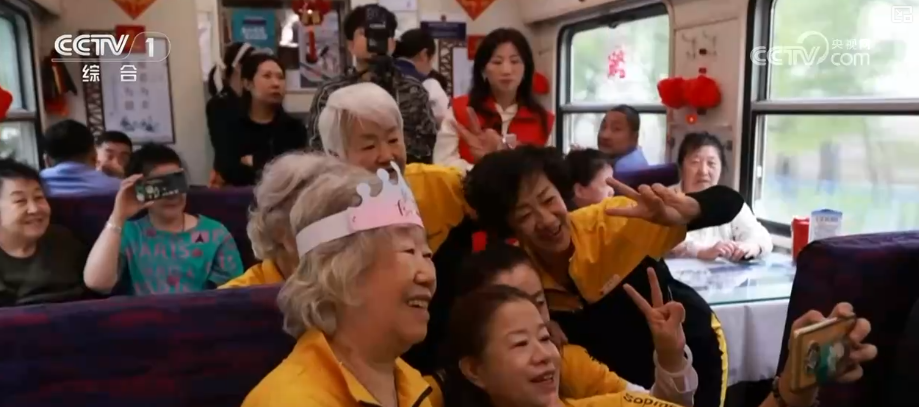
加快培育服务消费新增长点政策如何影响你我生活 专家详解
Yang Shi Xin Wen· 2026-01-29 21:33
Core Insights - The "Work Plan for Accelerating the Cultivation of New Growth Points in Service Consumption" was officially released on January 29, focusing on innovative business models, rapid growth, and strong driving effects in the service consumption sector [1][17] - The plan outlines 12 key measures aimed at continuously releasing the potential of service consumption and activating the endogenous power of economic development [1] Group 1: Key Measures - The plan targets six major areas of service consumption: transportation services, housekeeping services, online audio-visual services, travel and residence services, automotive aftermarket services, and inbound consumption, proposing policies to optimize service supply and promote innovation [1][12] - It emphasizes the development of performance services, sports event services, and experiential services, suggesting the establishment of incentive mechanisms and the cultivation of quality brands [3][16] - The plan includes strengthening support and guarantees, such as improving standards and credit systems, enhancing financial support, and guiding financial institutions to increase support for service consumption growth areas [7][20] Group 2: Economic Impact - Experts believe that expanding and upgrading service consumption will better promote the high-quality development of the service industry, stabilize employment, and increase residents' income, creating a virtuous cycle from employment to consumption [5][16] - The service consumption sector is showing strong growth, with retail service revenue expected to grow by 5.5% year-on-year by 2025, outpacing goods retail growth by 1.7 percentage points [18][22] - The integration of various service sectors, such as food, culture, and tourism, along with the deep empowerment of artificial intelligence and digital technology, is expected to enhance the quality and accessibility of services [20][22]
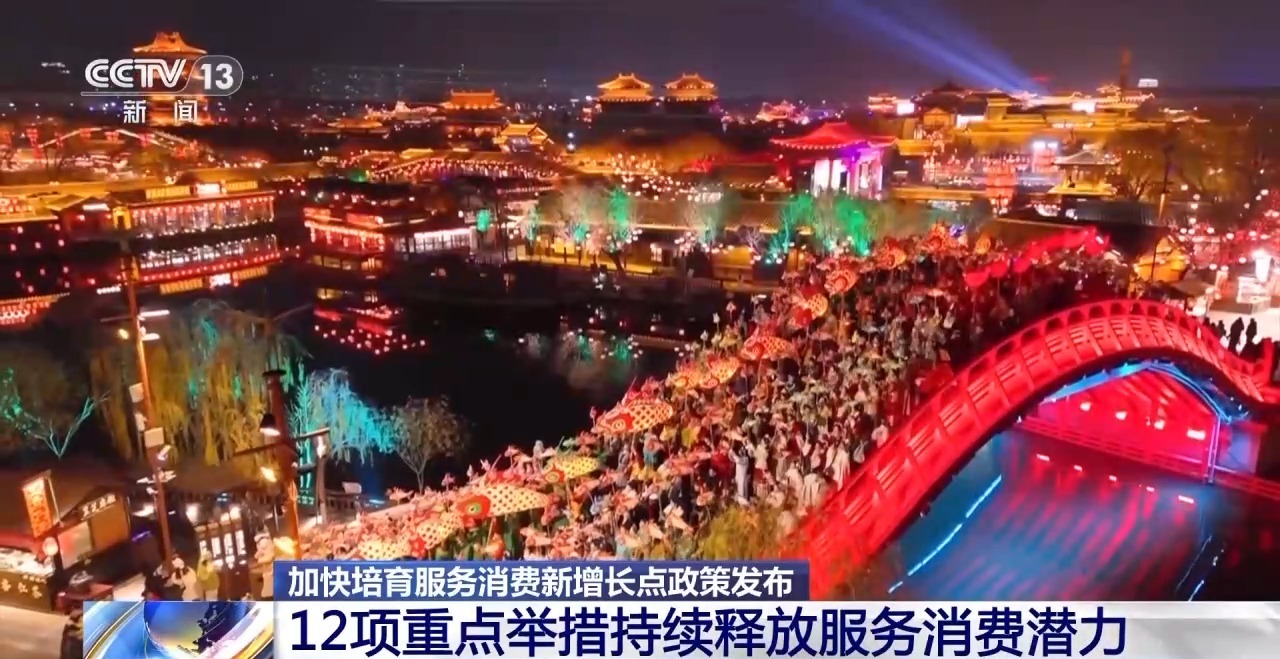
多策赋能 培育六大领域消费新增长点
Xin Lang Cai Jing· 2026-01-29 19:50
Core Viewpoint - The article discusses the release of the "Work Plan for Accelerating the Cultivation of New Growth Points in Service Consumption" by the State Council, which aims to enhance service consumption and stimulate economic growth through 12 key measures targeting six major service sectors [1][2]. Group 1: Key Measures and Focus Areas - The "Work Plan" emphasizes six major service sectors: transportation services, housekeeping services, online audio-visual services, travel and accommodation services, automotive aftermarket services, and inbound consumption, proposing policies to optimize service supply and stimulate development [1][2]. - It highlights the importance of enhancing service quality and meeting diverse consumer needs, particularly in areas like elderly care, childcare, and cultural tourism, to improve residents' sense of well-being and happiness [2][3]. Group 2: Specific Sector Initiatives - In transportation services, the plan focuses on niche areas such as tourism trains, cruise ships, and night boats, proposing the development of specialized tourism routes and immersive cruise products [3]. - For housekeeping services, it addresses the growing demand for specialized services like cooking, wardrobe organization, and elderly care, encouraging innovation and smart service models among qualified service providers [3]. - The plan also aims to promote competition and innovation in online audio-visual services, while in travel and accommodation, it seeks to cultivate destination cities and develop niche markets [5]. - In the automotive aftermarket, it encourages events and activities related to RV camping, automotive competitions, and self-driving tours, promoting cross-industry integration [5]. - To boost inbound consumption, the plan proposes creating the "Shop in China" brand and enhancing the convenience of shopping for foreign visitors [5].
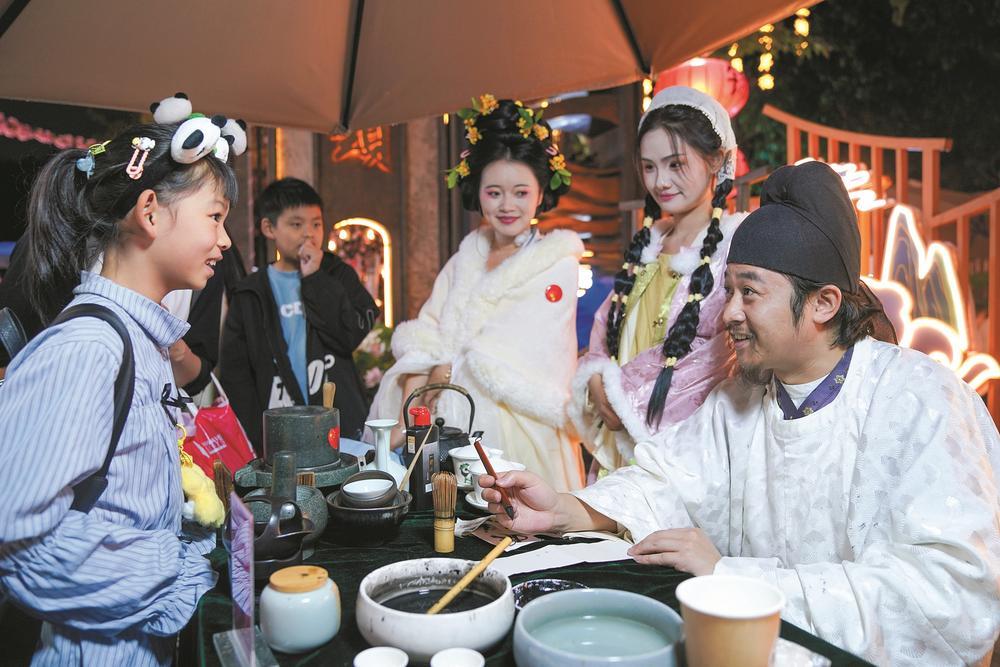
国办12条举措加快培育服务消费新增长点 首次对交通、家政、汽车后市场等重点领域进行集中部署
Shang Hai Zheng Quan Bao· 2026-01-29 18:46
Core Viewpoint - The State Council's recently released "Work Plan for Accelerating the Cultivation of New Growth Points in Service Consumption" aims to stimulate development in key areas, nurture potential sectors, and strengthen support measures through 12 specific initiatives [1][2]. Group 1: Key Areas of Focus - The plan emphasizes six key areas: transportation services, domestic services, online audio-visual services, travel and accommodation services, automotive aftermarket services, and inbound consumption, aiming to enhance service supply and innovate consumption scenarios [2][3]. - It also identifies three potential areas: performance services, sports event services, and experiential services, focusing on improving incentive mechanisms and cultivating quality brands [2]. Group 2: Operational Measures - Specific measures include transforming transportation facilities into consumption scenarios and regulating the ticketing market to address public concerns about scalping [3]. - The plan highlights the importance of service attributes, moving from merely filling gaps to creating a sustainable ecosystem for service consumption [3]. Group 3: Market Dynamics - The service consumption sector is experiencing rapid growth, with service retail growth outpacing goods retail. By 2025, service retail is projected to grow by 5.5%, with per capita service consumption spending increasing by 4.5% [4]. - The consumption structure is shifting from material-based to service-oriented and quality-focused, with significant growth in sectors like dining, cultural tourism, and health services [4]. Group 4: Challenges and Opportunities - The primary challenge facing service consumption is the imbalance between insufficient high-quality supply and structural issues, particularly in sectors like elderly care and healthcare [4][5]. - The plan aims to optimize service supply and enhance consumer experience, particularly in domestic services, travel, and cultural entertainment, thereby meeting diverse consumer needs [6]. Group 5: Future Outlook - Service consumption is expected to be a key driver for domestic demand and high-quality development, with growth fueled by demographic changes, lifestyle upgrades, and technological advancements [6]. - Continuous improvement in standards, regulation, and credit systems will enhance service quality, allowing for deeper integration of technology and innovation in the service industry [6].