高端餐饮

Search documents
大董家宴,全球仅999席
Zhong Guo Shi Pin Wang· 2026-01-31 12:49
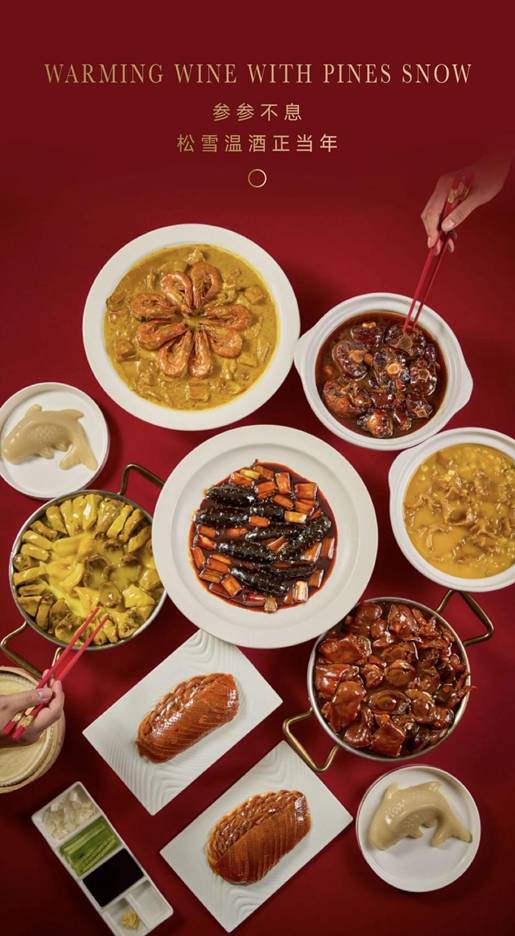
今天是西方的年。窗外火树银花,圣诞铃声清脆如星落。年的欢欣,全球同此凉热。 中国人的年夜还有50天,梁实秋说年夜饭是中国人最后的乡愁仪式。张爱玲写:"整个的中国,其实就 在这一顿饭里。大董说,松雪温酒正当年。 大董四十周年的海参宴,40年积攒的情深,松雪温酒的欢愉,尽蕴其中。 以美为序,以味入心。 春秋赓续、生生不息,团圆至味,都在海参宴里。 三好参 海参,海八珍之首!可上溯至5亿多年前的寒武纪,承"天长地久、生生不息"的浪漫迷信。在京鲁大 地,过年有海参才圆满。 以此做年礼,情谊如山海,尊贵亦非凡。 海参,当然还是大董的好吃。 师从王义均老先生治参绝活,其葱香浓郁,外无芡汁,入味透彻,软糯相滑,被誉京城一绝。 夹起 时,海参颤颤巍巍,软糯香滑尤像一支轻舞。 70头干辽参,8整根,大董门店治参工艺,奢侈之极。参好、工艺好、味道好,三好参,治参至味,方 铸40年招牌。 一碗饭,一根参,记一生,念一生。 大董烤鸭 大董四十周年的海参宴,宛若神仙打架,一出山海贡。 7道镇桌大菜,道道皆镇桌。豪可一次齐聚,简能七次镇席。 大董葱烧海参 大董40年招牌,8整根辽参,一参治味 一品鲍鱼煲 干鲍、鲜猪蹄、凤爪聚宝盆 大董蜂 ...

上海一消费者在米其林餐厅吃出鱼钩,消费六千多全免单,餐厅致歉
Sou Hu Cai Jing· 2026-01-05 04:45
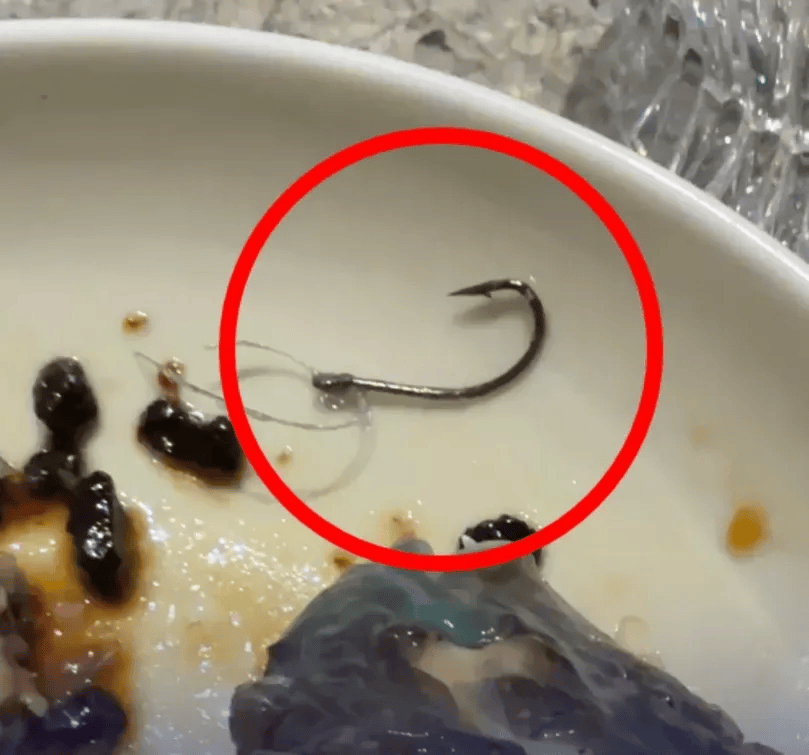
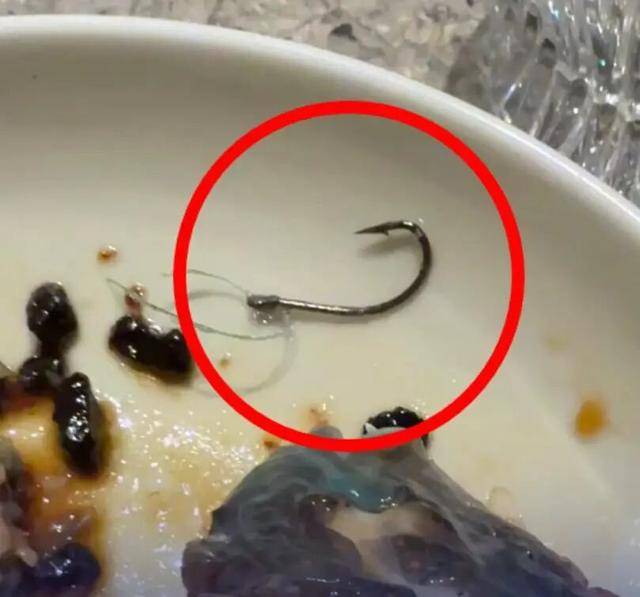
Group 1 - A consumer reported finding a fish hook and fishing line in a dish at the Michelin-starred restaurant "Encounter the Bund" in Shanghai, after spending over 6000 yuan [1] - The restaurant staff expressed surprise at the incident, suggesting that the fish might have been too small to notice during cleaning, and emphasized their commitment to food safety [3] - "Encounter the Bund" is recognized as a high-end Fujian cuisine restaurant, having received a Michelin one-star rating for several consecutive years, with an average spending of 839 yuan per person [3] Group 2 - The restaurant acknowledged the issue and offered a complimentary meal as a resolution [5]
上海一消费者在米其林餐厅吃出鱼钩,消费六千多全免单餐厅致歉
Sou Hu Cai Jing· 2026-01-04 09:01
Group 1 - A consumer reported finding a fish hook and fishing line in a dish at the Michelin-starred restaurant "Encounter Bund" in Shanghai, leading to a total bill of over 6000 yuan, which the restaurant waived after acknowledging the issue [1][3] - The restaurant staff expressed surprise at the incident, suggesting that the small size of the fish may have contributed to the oversight during cleaning, and emphasized that food safety is a top priority for the establishment [3] - "Encounter Bund" is recognized as a leading high-end Fujian cuisine restaurant in Shanghai and nationwide, having received a Michelin one-star rating for several consecutive years, with the New Heaven store set to be listed as a two-diamond Black Pearl restaurant in 2025, and an average spending of 839 yuan per person [3]
贾国龙什么时候能学会“交个朋友”?
Sou Hu Cai Jing· 2025-10-22 17:28
Core Viewpoint - The controversy surrounding "pre-made dishes" has resulted in significant brand damage for Xibei, serving as a profound lesson in brand relationship management for the Chinese restaurant industry [1] Group 1: Brand Communication Issues - Xibei's founder, Jia Guolong, failed to effectively communicate with consumers, leading to a one-sided narrative that exacerbated tensions between the brand and its audience [4][5] - Jia's communication style has been criticized for lacking engagement and being overly authoritative, which does not resonate with younger consumers who prefer interactive and relatable content [6][8] - The public's perception of Xibei and Jia Guolong is shaped by a lack of effective two-way communication, resulting in a negative image that is difficult to overcome [13][19] Group 2: Lessons from Competitors - Competitors like Laoxiangji have successfully engaged with consumers through transparent communication and interactive campaigns, contrasting with Xibei's approach [8][19] - The example of Haier's CEO, Zhou Yunjie, illustrates how even established leaders can benefit from direct interaction with consumers, enhancing brand trust and loyalty [9][10] - The importance of daily public communication is emphasized, suggesting that Xibei could learn from the proactive engagement strategies of other brands to build a more positive relationship with consumers [20] Group 3: Brand Trust and Reputation Management - Effective public relations should focus on building brand trust and managing reputation through ongoing dialogue with consumers, rather than only responding to crises [10][12] - The current situation presents an opportunity for Xibei to rethink its brand relationship strategy and improve communication with a broader audience [20] - The need for Xibei to adapt its communication strategy to foster a more relatable and approachable brand image is highlighted, suggesting that engaging younger audiences is crucial for future success [19]
人均曾达近万元!好利来“太子爷”开的米其林餐厅也要关门了
东京烘焙职业人· 2025-09-10 08:33
Core Viewpoint - The closure of the Michelin-starred EHB restaurant in Shanghai highlights the ongoing challenges faced by the high-end dining sector, indicating a broader trend of market contraction and changing consumer preferences [3][13][28]. Group 1: EHB Restaurant Overview - EHB restaurant, known as a benchmark for fine dining in Shanghai, announced its closure after just over two years of operation, with a peak average spending of nearly 10,000 yuan per person [5][10]. - The restaurant, which opened on May 31, 2023, featured a unique three-story layout and was initially highly sought after, requiring reservations three months in advance [7][11]. - Despite its initial success and rapid recognition, including a Michelin star within six months, EHB restaurant cited "strategic cooperation adjustments" as the reason for its closure [12][15]. Group 2: Broader Industry Trends - The closure of EHB reflects a persistent "cold winter" for high-end dining, with other Michelin-starred restaurants like Rêver·玥 and Ultraviolet also announcing closures due to market pressures [20][21]. - Data indicates a significant decline in high-end dining establishments in Shanghai, with the proportion of restaurants with an average spending of over 500 yuan dropping from 1.35% to 0.76% within two years, resulting in a reduction of over 900 high-end restaurants [25][26]. - Many high-end restaurants are adapting by lowering prices or introducing more affordable menu options to attract a broader customer base, as seen with brands like New Rongji and Da Dong [28].
好利来公子创立的EHB餐厅官宣闭店,曾人均消费近万元
Guan Cha Zhe Wang· 2025-09-06 02:22
Core Insights - EHB restaurant, founded by Luo Hao, son of the founder of Haolilai, is closing its doors after a brief operation period due to strategic adjustments [1][2] Company Overview - EHB restaurant specializes in high-end Nordic cuisine and was co-founded by Luo Hao and Michelin-starred chef Esben Holmboe Bang [2] - The restaurant opened on May 31, 2023, in a historically significant building in Shanghai, which has been recognized as an excellent historical building [2] - EHB quickly gained recognition, earning a Michelin star within a year of operation and achieving a high average spending of nearly 10,000 yuan per person [2] Market Dynamics - Despite initial success, the average spending at EHB has decreased to 2,035 yuan per person, indicating a shift in consumer behavior towards more value-oriented dining experiences [3] - The high-end dining sector in Shanghai has seen a surge in new openings during the post-pandemic recovery, but consumer preferences are shifting towards cost-effectiveness [3][4] - The closure of EHB reflects broader challenges in the high-end dining market, where even Michelin-starred establishments struggle to maintain customer interest amid changing economic conditions [4] Consumer Behavior - There is a growing trend among high-net-worth individuals to seek value for money, leading to a decline in frequent high-spending visits to luxury restaurants [3][4] - The evolving consumer demand indicates that high-end dining experiences must adapt to meet diverse preferences rather than relying solely on exclusivity and high prices [4]
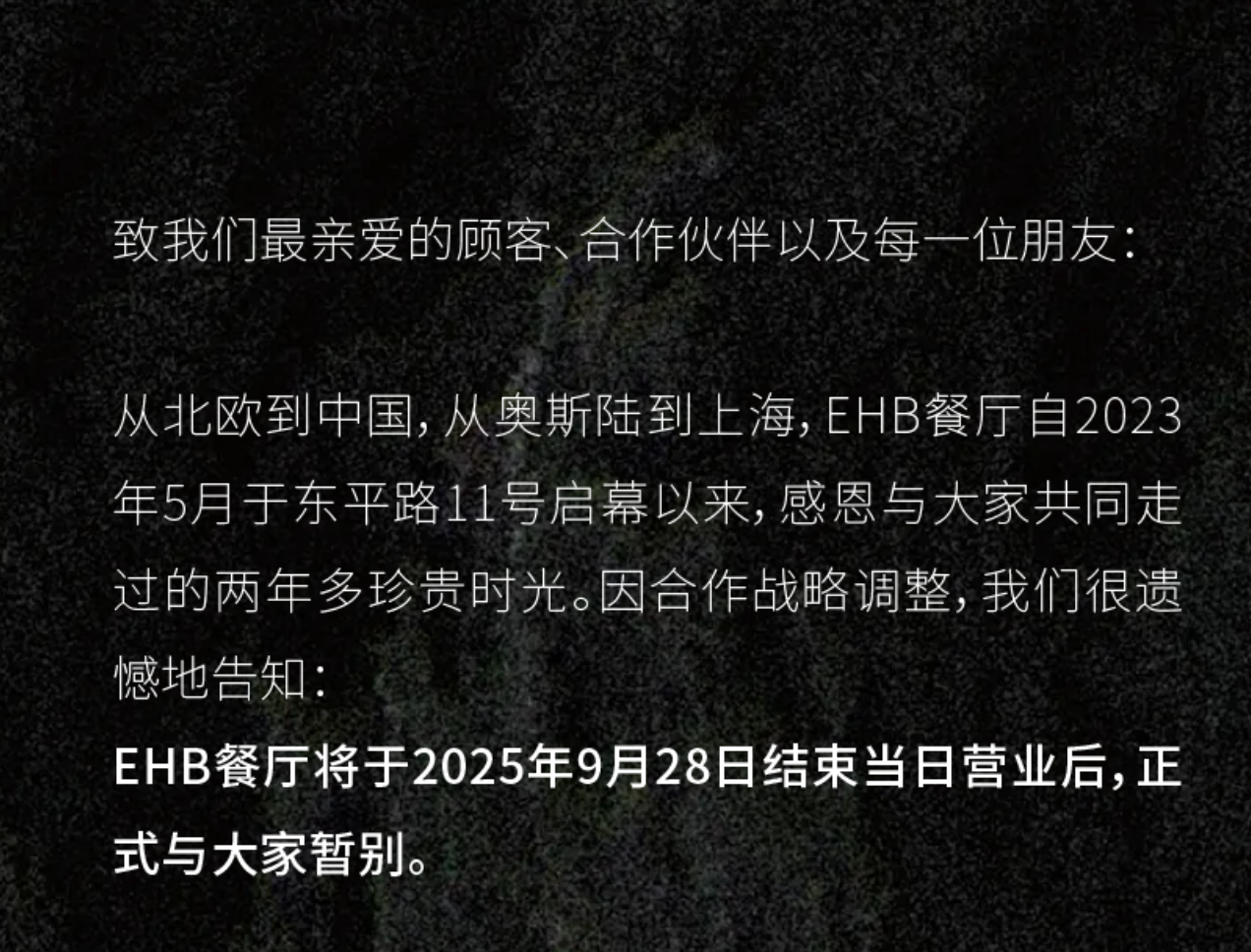
上海米其林一星EHB餐厅9月28日闭店
Sou Hu Cai Jing· 2025-09-05 08:06
Core Insights - EHB Restaurant, known as a benchmark for fine dining in Shanghai, announced its closure on September 28, 2025, after just over two years of operation, surprising the dining community [2][4][6] - The restaurant, which opened on May 31, 2023, quickly gained a reputation for its high prices and exclusive dining experience, achieving a Michelin star within six months of opening [5][6] - The closure is attributed to a "strategic partnership adjustment," with no specific details provided about future plans or operational changes [6][10] Company Overview - EHB Restaurant is located in a French-style villa in Xuhui District, Shanghai, with a total area of approximately 746 square meters, featuring a tearoom and dining areas across three floors [2][4] - The restaurant was co-founded by renowned chef Esben Holmboe Bang and Luo Hao, the son of the founder of the well-known Chinese bakery brand, Holiland [5] Financial Performance - Initially, EHB's average spending per customer was close to 10,000 yuan, positioning it among the top tier of high-end dining in China [4] - Currently, the average spending is reported at 2,035 yuan for the restaurant and 437 yuan for the tearoom [4] Industry Context - The closure of EHB Restaurant reflects ongoing challenges in the high-end dining sector, with several other Michelin-starred restaurants also announcing closures due to market pressures [6][10] - Data indicates a significant decline in high-end restaurants in Shanghai, with the proportion of restaurants with an average spending of over 500 yuan dropping from 1.35% to 0.76% over two years [10][11] - The high-end dining market is facing pressures from changing consumer behavior, with a shift towards value and experience over mere prestige [14][15]
人均曾近万的米其林餐厅,撑不住了
Hu Xiu· 2025-09-05 04:54
Group 1 - EHB Restaurant, known as a benchmark for fine dining in Shanghai, will cease operations on September 28, 2025, marking a temporary farewell to consumers [1][16] - The restaurant, which opened on May 31, 2023, had a peak average spending of nearly 10,000 yuan per person, making it one of the most expensive Nordic cuisine restaurants in Shanghai [2][3][7] - Despite its high prices, EHB Restaurant was initially very popular, requiring reservations up to three months in advance [8][10] Group 2 - EHB Restaurant was co-founded by renowned chef Esben Holmboe Bang and Luo Hao, the son of the founder of the well-known brand Haolilai [10] - The restaurant received a Michelin star within six months of opening, becoming the first Michelin-starred Nordic restaurant in Shanghai [12] - The closure is attributed to a "strategic adjustment" in collaboration, with no specific details on future plans provided [14][16] Group 3 - The closure of EHB Restaurant reflects a broader trend of high-end dining establishments facing challenges in the current economic climate, with several other Michelin-starred restaurants also announcing closures [18][19] - Data indicates a significant decline in high-end restaurants in Shanghai, with the proportion of restaurants with an average spending of over 500 yuan dropping from 1.35% in May 2023 to 0.76% by August 2025 [25][26] - The high-end dining sector is under pressure from changing consumer behavior, leading many restaurants to adopt more affordable pricing strategies to attract customers [27][32]

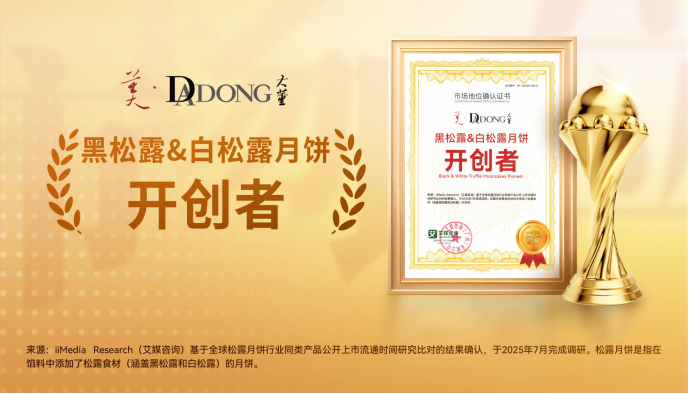
黑松露&白松露月饼全球首创,大董用松露月饼重新定义中秋仪式感
Zhong Guo Shi Pin Wang· 2025-09-02 08:42
Core Insights - The article highlights the recognition of Da Dong Catering as the "creator of black truffle and white truffle mooncakes" by iiMedia Research, a leading third-party data mining and analysis agency in the new economy sector [1][11]. Industry Trends - The mooncake market is experiencing a shift from traditional flavors like lotus seed paste to innovative flavors such as black truffle, white truffle, matcha, and coconut latte, reflecting changing consumer preferences [4][5]. - According to iiMedia Research, 77.6% of consumers still prefer traditional flavors, while 39.8% are inclined towards new flavors, with black truffle emerging as the most favored new flavor at 61.7% [5]. Market Dynamics - The integration of high-end ingredients with traditional foods is gaining popularity, as the mooncake market seeks a balance between tradition and innovation, with black truffle flavors exemplifying this trend [7]. - The role of mooncakes is evolving from a "festival ritual" to a "social currency" and "self-reward," with visually appealing mooncake photos generating more engagement on social media [7]. Supply Chain Developments - The maturation of the supply chain has made luxury ingredients more accessible, with the annual production of black truffles in Yunnan's Shangri-La increasing fourfold over five years, and the cold chain transit time for Italian white truffles reduced to 36 hours [7]. Regulatory Environment - New national standards aimed at reducing excessive packaging for food and cosmetics, effective from September 2023, are pushing brands to focus on "ingredient upgrades" rather than "packaging excess," leading to a shift in premiumization strategies [10]. Company Innovations - Da Dong's innovative approach in the mooncake sector includes the introduction of a gift box featuring both black and white truffles, designed with a philosophy reflecting the moon's phases, symbolizing reunion and completeness [12]. - The use of high-quality ingredients is emphasized, with both black and white truffles sourced from Italy, each constituting 12% of the filling, creating a distinct aromatic profile [15]. Cultural Significance - The journey of truffles from European aristocratic tables to Chinese mooncake gift boxes illustrates the universal value of high-end ingredients, with Da Dong's success highlighting the importance of cultural resonance, craftsmanship, and experiential marketing in global competition [22].
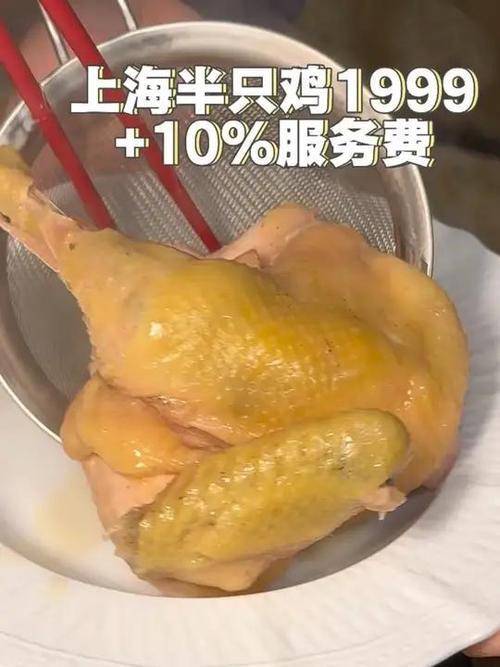
1999元买半只鸡?上海餐饮的“高端陷阱”:谁在为“误会”买单?
Sou Hu Cai Jing· 2025-08-25 02:15
Group 1 - The incident began with a viral video highlighting a restaurant in Shanghai selling "half a chicken" for 1999 yuan, which sparked outrage among consumers who compared it to local prices in Qingyuan [4][6] - The restaurant clarified that the price was for a chicken pot dish serving 4-6 people, including a 9-inch premium fish fin, thus reframing the narrative from "half a chicken" to a luxury meal [4][6] - The marketing strategy employed by the restaurant was to create controversy through misleading information, which successfully attracted attention but also led to backlash from both high-end and average consumers [10] Group 2 - The breakdown of the 1999 yuan price reveals that the premium fish fin constitutes a significant portion of the cost, with market prices for such fins ranging from 1500 to 2000 yuan per pound [6][7] - The concept of "spatial premium" is introduced, indicating that the high price is not solely based on the ingredients but also on the restaurant's location, ambiance, and service quality in Shanghai [7][8] - Consumers' perceptions of value differ significantly, with high-end diners willing to pay for the experience and status associated with dining in such establishments, while average consumers focus on cost-effectiveness [8][9] Group 3 - The restaurant's marketing emphasizes storytelling over taste, using phrases like "365-day free-range chicken" and "6-hour broth" to justify the high price, which may not necessarily correlate with quality [8][9] - The ethical implications of consuming fish fins are raised, as the sustainability of fish fin sourcing remains controversial, with many products potentially linked to environmental harm [11]