搜索引擎

Search documents
氪星晚报|百度搜索接入荷兰国立博物馆、携程、同程等MCP;外卖全职骑手突破15万,京东为每人每月五险一金平均缴纳约2000元;欧洲专家:美国关税冲击欧洲出口
3 6 Ke· 2025-08-19 12:00
Group 1: Company Performance - Pop Mart reported a revenue of 13.88 billion yuan for the first half of 2025, representing a year-on-year growth of 204.4% [1] - Adjusted net profit for Pop Mart reached 4.71 billion yuan, with a year-on-year increase of 362.8% [1] - Revenue breakdown by region for Pop Mart shows: - China: 8.28 billion yuan, up 135.2% - Asia-Pacific: 2.85 billion yuan, up 257.8% - Americas: 2.26 billion yuan, up 1142.3% - Europe and others: 480 million yuan, up 729.2% [1] Group 2: Corporate Developments - Baidu's search platform has integrated with the Dutch National Museum, Trip.com, and Tongcheng, expanding its MCP offerings [2] - Apple is increasing iPhone production in India to supply new models to the U.S. market [3] - Dazhihui announced it has not engaged in stablecoin, virtual asset trading, or cross-border payment businesses [4] - SoftBank's Masayoshi Son reportedly discussed acquiring Intel's struggling foundry business prior to announcing a $2 billion investment [5] - New companies have been established, including a 1 billion yuan registered capital company by Ninebot in Changzhou [5] and a 1.6 billion yuan enterprise management company in Tianjin involving New City Holdings [6] Group 3: Market Trends - Arm Holdings has hired Amazon's AI chip director to develop its own chips, indicating a competitive move against Nvidia [7][8] - A new hedge fund founded by a former Goldman Sachs trader has secured $1 billion from Millennium Management [8] - European exports are being impacted by U.S. tariff policies, as noted by ING's macro research head [8] Group 4: Government Policies - Thailand is simplifying the process for tourists to exchange cryptocurrency for Thai baht to stimulate tourism [9] - Guangdong Province is encouraging companies to focus on key technologies in commercial aerospace, including reusable liquid rocket engines [9] - Hainan has optimized its personal income tax preferential policies for high-demand talent, adjusting the calculation method for residency days [10]



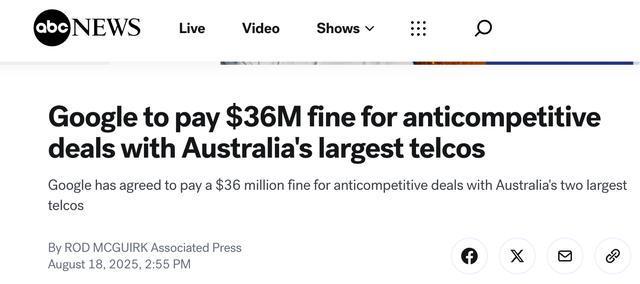
同意支付3600万澳元 谷歌澳大利亚反垄断案达成和解
Huan Qiu Wang Zi Xun· 2025-08-19 03:36
Core Points - The Australian Federal Court has approved a settlement agreement between Google and the Australian Competition and Consumer Commission (ACCC), where Google will pay AUD 36 million (approximately USD 23.4 million) to resolve allegations of monopolistic practices related to "paid pre-installation" of Android search applications [1][3] - This fine is one of the largest imposed on a tech giant for anti-competitive behavior in Australia in recent years [1] Group 1 - The ACCC's investigation revealed that since 2018, Google entered into exclusive agreements with Australia's three major telecommunications operators (Telstra, Optus, Vodafone) to pay substantial fees for pre-installing Google search applications on new Android phones and setting it as the default search engine [3] - In exchange, Google provided revenue sharing and technical support to the operators [3] - The ACCC noted that these agreements hindered other search engines (such as Microsoft Bing and DuckDuckGo) from reaching users through pre-installation, making it nearly impossible for new entrants to gain market share [3] Group 2 - The investigation found that over 80% of Australian Android users never changed their default search engine, allowing Google to maintain over 95% market share in search [3] - The telecommunications operators increased phone prices or data plan costs to cover the pre-installation fees paid to Google, ultimately passing the costs onto consumers [3] - ACCC Chair Gina Cass-Gottlieb emphasized that Google's actions deprived consumers of choice and harmed fair competition, significantly damaging the innovation vitality of Australia's digital economy [3] Group 3 - Under the settlement agreement, Google is required to pay the AUD 36 million fine within 30 days [3] - It is noteworthy that Google did not admit to any wrongdoing in the settlement, stating that it chose to settle to avoid long-term litigation costs and to focus on product innovation [3]


传统电商已死?AI原生平台正在重新定义“购物”这件事
虎嗅APP· 2025-08-18 13:39
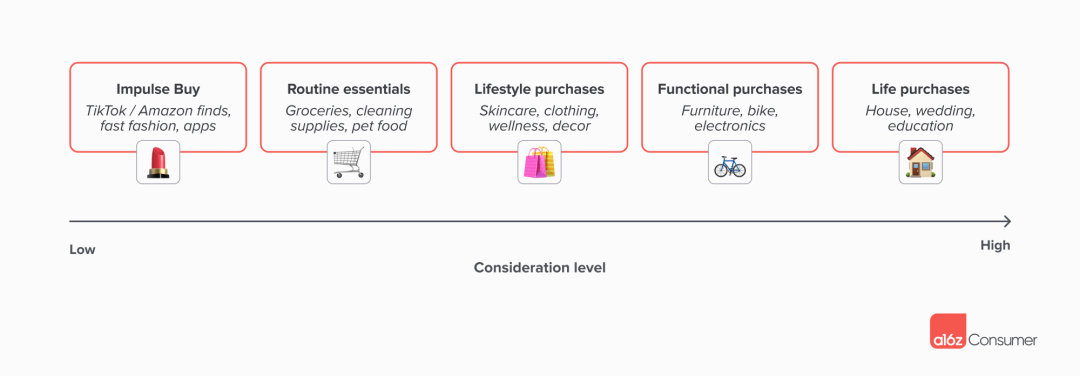
Core Insights - The article discusses how AI is reshaping the e-commerce landscape, moving away from traditional search-compare-buy models to AI-driven purchasing experiences [5][6][9]. Group 1: Google's Crisis - Google's real crisis is not a decline in search volume but a shift in value creation, as AI changes the position of value creation in the search economy [7][9]. - AI agents like ChatGPT can directly answer consumer queries, reducing the need for users to click on Google ads, thus disrupting the traditional information intermediary role of Google [8][9]. - The decline in search volume for Safari, as noted by Apple's Eddy Cue, indicates a structural challenge for Google's business model, necessitating a new approach to adapt to AI-driven consumer behavior [8][9]. Group 2: AI Transformation of Purchasing Behaviors - Purchasing behaviors are categorized into five types, each undergoing varying degrees of transformation due to AI [10]. - Impulse buying may see increased frequency and precision as AI predicts and guides consumer impulses based on historical data [13]. - Routine essentials will be optimized by AI agents that track prices and make purchases at the right time, potentially altering consumer habits [14]. - Lifestyle purchases will benefit from AI's deep learning of personal style and preferences, offering tailored recommendations [15]. - Functional purchases will require AI consultants capable of providing personalized advice, akin to human sales experts [15]. - Major life purchases will still rely on human decision-making but can be enhanced by AI in information gathering and risk assessment [16]. Group 3: Amazon and Shopify's Competitive Advantages - Amazon and Shopify possess stronger defensive capabilities compared to Google, primarily due to their control over behavioral data and customer loyalty programs [18][20]. - Amazon's behavioral data reflects actual purchasing behavior, providing valuable insights for AI agents, while Google lacks this depth of data [19]. - Shopify empowers merchants, creating network effects that enhance its platform's indispensability in the AI era [21]. Group 4: Infrastructure Challenges for AI Commercialization - The article identifies four foundational challenges for AI in commerce, including the need for better data systems to capture user experiences accurately [23]. - The challenge of unified APIs is more political than technical, as current disparities hinder efficiency in AI agent operations [24]. - Identity and memory management pose complex challenges involving privacy and adaptability, requiring AI to understand consumer preferences deeply [24]. - Embedded capture of consumer preferences through real-time interactions presents innovative potential for AI agents [25]. Group 5: Future of E-commerce Platforms - The emergence of AI will lead to a reshaping of e-commerce platforms, with competition shifting from traditional metrics to data quality, AI capabilities, and ecosystem integration [29]. - New types of platforms, such as AI-native e-commerce platforms and vertical AI agents, are expected to arise, focusing on specific categories and providing tailored experiences [29]. - A new business model may emerge where consumers subscribe to AI shopping agents, allowing these agents to make purchasing decisions on their behalf [29]. Group 6: AI's Impact on Brand Marketing - AI will fundamentally alter brand marketing, as traditional mass marketing will decline in effectiveness due to consumers relying on AI agents for recommendations [30]. - Brands will need to ensure consistency and credibility in their messaging, as AI agents will analyze brand narratives for coherence [31]. - The potential for extreme personalization will allow brands to offer customized products based on detailed consumer preferences captured by AI [33].



即使没有人工智能的优势,Meta 仍然是一个实力雄厚、价格合理的企业
美股研究社· 2025-08-18 12:09
Core Viewpoint - Meta possesses a strong business moat and is one of the companies least affected by negative impacts from AI, with potential for significant benefits if its AI strategy is successfully implemented [1][11]. Business Model and User Engagement - Meta's core business model revolves around selling advertising space on its "app family," similar to traditional newspaper businesses, where the core product is user attention rather than content [1][2]. - The business goal is straightforward: to expand the user base and capture user time, creating a flywheel effect where increased user attention attracts more advertisers, enriching Meta's ad inventory [2][6]. Competitive Landscape - Unlike Google, which is tied to functional search needs, Meta's advertising is based on emotional needs, making it less susceptible to being replaced by AI-driven search alternatives [2][5]. - AI can disrupt functional search needs by providing faster, more concise answers, but it is unlikely to replace interpersonal connections and entertainment, which are core to Meta's apps [5][11]. Moat Analysis - Meta's business moat is supported by three critical forces: network effects, switching costs, and process power [5][10]. - Network effects enhance the platform's value as the user base grows, with approximately 3.43 billion daily active users projected by Q1 2025, indicating a 60% penetration rate among global internet users [6][9]. - High switching costs exist as users prefer to stay on the same platform to connect with friends and family, making mass user migration rare [9][10]. Revenue Drivers - Meta's revenue is driven by three factors: user growth, increased average time spent on the platform, and rising revenue per ad impression [12][17]. - User growth is expected to continue due to the increasing global internet population and improved penetration rates, although growth may slow due to the already large user base [13][15]. - Average time spent on Meta's platforms is stable, with advertising impressions growing by 5%-11% year-over-year, indicating a healthy advertising environment [17][18]. AI Integration and Future Potential - Meta is investing heavily in AI, with the potential to enhance advertising effectiveness and user engagement through tools like Meta Advantage+ [18][19]. - The company aims to develop a personal AI assistant, which could significantly alter user interaction and search behavior, potentially capturing a share of the lucrative search market currently dominated by Google [19][20]. Valuation and Market Position - Meta's enterprise value is estimated at approximately $1.8 trillion, with a potential increase of about $200 billion if it successfully enters the search market [24][25]. - The company is also engaged in stock buybacks, which may be adjusted in light of its AI investments, but overall, its existing business valuation appears reasonable [25][26].


传统电商已死?AI原生平台正在重新定义“购物”这件事
Hu Xiu· 2025-08-17 09:53
Group 1 - Google faces a structural challenge to its business model as AI agents can complete the entire purchasing process, making the traditional "traffic → advertising → conversion" model inefficient [4][22] - The shift in consumer behavior driven by AI agents is redefining the search process, moving from a traditional search model to a more streamlined recommendation and purchasing model [2][4] - Even if Google loses 95% of its search volume, it could still see revenue growth if it retains high-value queries, indicating a shift in value creation [2][3] Group 2 - AI is transforming five types of purchasing behaviors, from impulse buying to significant life purchases, each undergoing varying degrees of change [5][10] - Impulse buying may become more frequent and precise as AI predicts and guides consumer impulses based on their browsing history and emotional state [7] - Routine essentials purchasing will be influenced by AI tracking prices and making purchases at optimal times, potentially altering consumer habits [8][9] Group 3 - Amazon's data on consumer purchasing behavior is more valuable than Google's search data, as it reflects actual buying behavior and satisfaction [15] - Shopify is creating a strong moat by empowering merchants and fostering network effects, making it increasingly indispensable in the AI era [16][17] - The rise of AI agents may lead to a new class of platform players focused on data quality, AI capabilities, and ecosystem integration [25][26] Group 4 - The commercialization of AI in business faces four foundational challenges, including the need for better data systems and unified APIs [19][20] - Identity and memory management for AI shopping assistants will require a balance of privacy, accuracy, and adaptability [21] - The emergence of AI agents may lead to a new subscription model for consumers, where they rely on AI agents for all purchasing decisions [26] Group 5 - AI will fundamentally reshape brand marketing, moving from mass marketing to individual dialogue, as consumers increasingly rely on AI agents for recommendations [27][28] - Authentic brand storytelling will become more critical as AI agents analyze brand consistency and credibility [29][30] - The potential for mass customization will increase as AI agents provide brands with detailed consumer preferences [33] Group 6 - The rise of AI agents may lead to a more rational consumer behavior, enhancing market efficiency and increasing product quality over marketing prowess [35][36] - However, there are concerns that this "super-rational" consumption could diminish the joy of shopping and the element of surprise in consumer choices [37] - The application of AI in business is expected to accelerate economic digitization, providing unprecedented data for economic planning and policy-making [39][40]
押注AI!Ackman一口气买了13亿美元亚马逊,增持谷歌
美股IPO· 2025-08-15 08:33
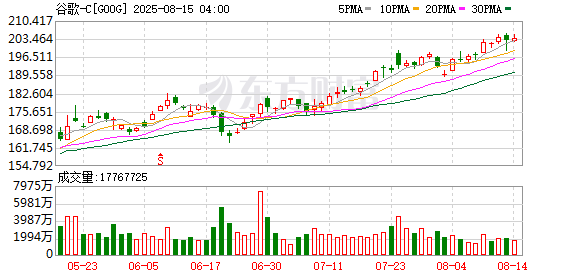
Core Viewpoint - Billionaire Bill Ackman has made significant investments in Amazon and Alphabet, reflecting optimism about AI technology commercialization and a strategic shift towards tech giants [2][11]. Investment in Amazon - Ackman's Pershing Square Capital Management acquired over 5.8 million shares of Amazon, valued at approximately $1.28 billion, marking the first time the fund has invested in Amazon, making it the fourth largest holding in the portfolio [3][8]. - Amazon's stock has rebounded by 5.3% this year after previously dropping over 30% due to concerns over generative AI and U.S. tariff policies [3][10]. Investment in Alphabet - Ackman significantly increased his stake in Alphabet by adding 925,000 shares, a 20.84% increase, bringing the total value of his holdings in Alphabet to $945 million [6][10]. - This investment reflects a broader strategy to capitalize on AI-driven opportunities within established companies [11]. Strategic Shift - Ackman's recent moves indicate a shift towards larger tech companies with proven AI capabilities, contrasting with his divestment from companies like Canadian Pacific and Chipotle, which are still in the early stages of AI integration [12][13]. - The current portfolio includes 11 stocks, with the top five holdings being Uber Technologies, Brookfield Corp, Restaurant Brands International, Amazon, and Howard Hughes Holdings [14].

硅谷上演“蛇吞象” 大戏 谷歌成“猎物”
Shang Hai Zheng Quan Bao· 2025-08-15 00:27
Core Viewpoint - Perplexity, a three-year-old AI search startup, has made a $34.5 billion cash offer to acquire Google's Chrome browser, nearly double its own valuation of $18 billion, raising questions about the seriousness of the bid and its timing amid ongoing antitrust litigation against Google [2][3] Antitrust Context - The backdrop of this acquisition offer is a pending antitrust lawsuit against Google by the U.S. Department of Justice, which may lead to significant changes in Google's operations, including the potential divestiture of Chrome [3] - Analysts suggest two possible outcomes for Google's antitrust situation: a forced breakup or a fine, with the latter being more likely [3] Perplexity's Position - Perplexity's executives have expressed interest in acquiring Chrome if forced by the court, emphasizing their capability to operate it independently [3] - The company has committed to maintaining the open-source nature of the Chromium code and plans to invest $3 billion over the next two years in the project [4] Valuation and Market Dynamics - The $34.5 billion offer is seen as significantly undervaluing Chrome, which is estimated to be worth at least $50 billion [6] - Despite the high offer, Perplexity's funding for the acquisition is reportedly backed by several top venture capital firms, indicating a strong belief in the future of AI ecosystems [5] Industry Trends - The search industry is undergoing a transformation with major players like Google and Baidu integrating AI into their core search functionalities, marking a significant shift in how search engines operate [7][8] - Google's recent financial performance shows strong growth in its search business, with revenues of $54.1 billion in Q2 2025, reflecting an 11.7% year-over-year increase, indicating its resilience and adaptability in the evolving market [7]

硅谷上演“蛇吞象” 大戏,谷歌成“猎物”
Shang Hai Zheng Quan Bao· 2025-08-14 23:11
Core Viewpoint - Perplexity, a startup in the AI search field, has made a $34.5 billion cash offer to acquire Google's Chrome browser, which is nearly double its own valuation of $18 billion, raising questions about the seriousness of the bid and its timing amid ongoing antitrust litigation against Google [2][4][7]. Antitrust Context - The U.S. Department of Justice is currently pursuing an antitrust lawsuit against Google, which includes demands for the potential divestiture of the Chrome browser. A ruling is expected soon, with two possible outcomes: a split of Google or a fine, with the latter being deemed more likely [4]. - Several AI companies have expressed interest in acquiring Chrome if forced by the court, including OpenAI and Perplexity, which aims to position itself as a capable and independent operator [4]. Acquisition Proposal Details - Perplexity has committed to maintaining the open-source nature of the Chromium code and plans to invest $3 billion in the project over the next two years. The proposal also includes keeping Google as the default search engine, emphasizing user choice and competition [5]. - The $34.5 billion offer is viewed as significantly undervaluing Chrome, which industry estimates suggest is worth at least $50 billion. Google has not indicated any willingness to sell Chrome, citing potential harm to its business and innovation [8]. Market Dynamics and AI Integration - The search industry is undergoing significant changes, with major players like Google and Baidu integrating AI into their core search operations. Google's AI Mode, launched in May, aims to enhance search capabilities and has already attracted over 2 billion monthly users [10]. - Baidu has also revamped its search engine to incorporate AI, indicating a broader trend of AI-driven transformations in the search sector [11]. Future Implications - The ongoing developments in AI search present new opportunities and challenges for companies in the sector, particularly regarding product capabilities, privacy compliance, and competition for traffic [11].
Perplexity可能只想恶心一下谷歌
Hu Xiu· 2025-08-13 16:05
Core Viewpoint - Perplexity's $34.5 billion bid to acquire Google's Chrome browser is seen as a strategic move amidst ongoing antitrust pressures on Google, despite the bid being significantly higher than Perplexity's own valuation of $18 billion [1][2][7]. Group 1: Perplexity's Acquisition Intent - Perplexity's offer is perceived as an attempt to provoke Google and draw attention to its antitrust issues, rather than a serious acquisition effort [1][3]. - The company has committed to maintaining Chrome's open-source foundation and investing $3 billion in development over the next two years if the acquisition goes through [4][5]. - Perplexity aims to leverage Chrome's vast user base of over 3 billion to enhance its AI capabilities and improve its search engine performance [6]. Group 2: Google's Position - Google is currently facing potential forced divestiture of Chrome due to a federal court ruling on illegal monopoly practices in the online search market [2]. - The company plans to appeal against the divestiture, arguing that it would harm innovation and security [2]. Group 3: Market Dynamics and Implications - The acquisition bid highlights the competitive landscape in the AI and browser market, with other companies like OpenAI and Baidu also developing AI-enhanced browsing solutions [5]. - Analysts suggest that if the acquisition were successful, it could be a transformative move in the AI era, although the bid is considered low compared to Chrome's estimated value of at least $50 billion [6][7]. - Regardless of the outcome, Perplexity's bold move serves as a marketing strategy to increase its visibility and attract investor interest [7].
蛇吞象!“谷歌杀手”成立仅3年,要砸345亿美元收购谷歌浏览器
证券时报· 2025-08-13 15:10
Core Viewpoint - The article discusses a surprising acquisition offer from AI search startup Perplexity to Google’s parent company Alphabet, proposing a $34.5 billion all-cash deal for Google's Chrome browser, which is nearly double Perplexity's own valuation of $18 billion. This move is seen as a "snake swallowing an elephant" scenario and raises questions about its feasibility and intentions, especially in the context of ongoing antitrust scrutiny against Google [1][3][4]. Group 1: Acquisition Proposal - Perplexity, an AI-driven search engine startup, has made a $34.5 billion acquisition offer for Google's Chrome browser, which is significantly higher than its own valuation of $18 billion [1][5]. - The proposal comes at a critical time as the U.S. Department of Justice is pursuing antitrust actions against Google, which may lead to forced divestitures of its assets, including Chrome [3][4]. - Perplexity's offer includes commitments to maintain the open-source nature of Chrome's core code and to keep Google as the default search engine, aiming to alleviate competition concerns [4][5]. Group 2: Market Context and Implications - The antitrust ruling against Google highlighted its monopolistic practices, including exclusive agreements that prevent users from accessing other search services, which could lead to a forced sale of Chrome [3][4]. - Perplexity's valuation has surged to $18 billion since its inception in 2022, and the proposed acquisition is seen as a strategic move to position itself in the competitive AI and browser market [3][5]. - The potential acquisition could provide Perplexity access to over 3 billion users of Chrome, significantly enhancing its user base without starting from scratch [5][6]. Group 3: Challenges and Competitors - Google has not shown willingness to sell Chrome, as it is integral to its search and advertising business, providing essential data for revenue generation [8][9]. - There are concerns regarding the feasibility of the acquisition, including valuation disputes and the complexity of integrating Chrome's technology and user data security [8][9]. - Other competitors, such as OpenAI and Apollo Global Management, have also expressed interest in acquiring Chrome, indicating that if a sale is mandated, a bidding war could ensue [9][10].