
稀土

Search documents
中国如约放宽对美稀土限制,却对军用稀土一封到底?
Sou Hu Cai Jing· 2025-11-13 03:52
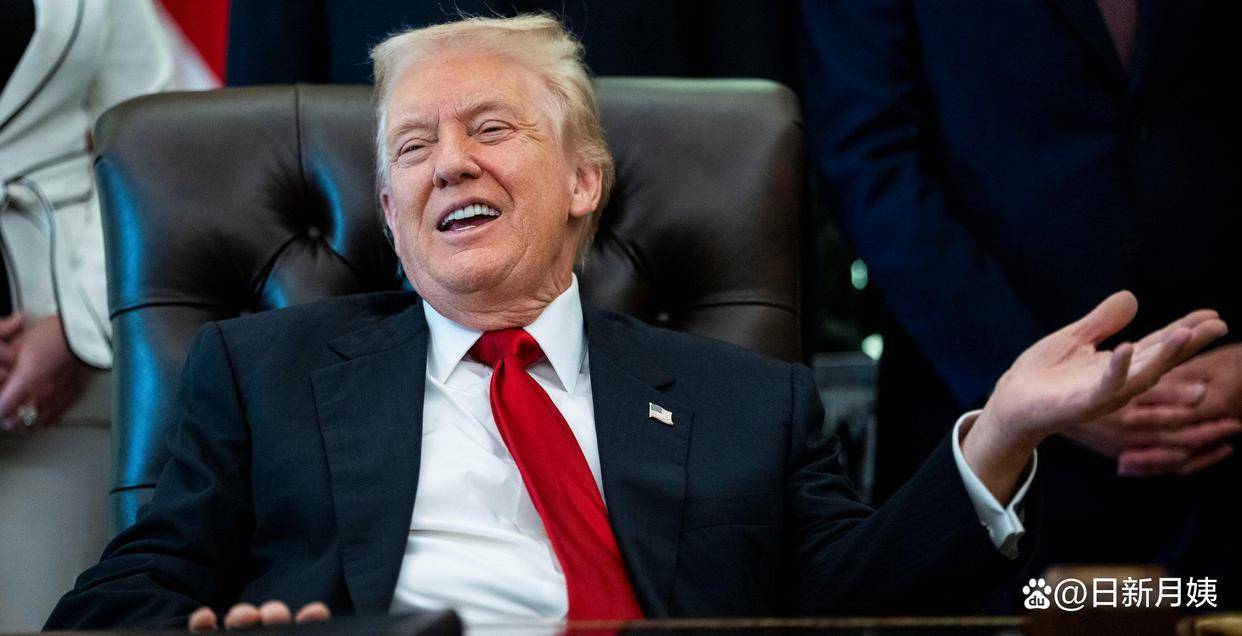
Core Viewpoint - The article discusses China's potential simplification of rare earth export processes to the U.S., while maintaining strict controls on military-related exports, indicating a strategic approach to balance global supply chain stability and national security [1][6]. Group 1: China's Strategy - China aims to ensure stable supply chains while tightening controls on military applications of rare earths, reflecting a dual focus on global stability and national security [1][6]. - The Chinese rare earth industry has been developed over decades, establishing a comprehensive supply chain from resource extraction to application, making it difficult for other countries to bypass China [1][8]. - China's approach to rare earth exports is not a blanket policy but rather a targeted strategy that distinguishes between civilian and military uses [6][11]. Group 2: U.S. Response and Challenges - The U.S. military heavily relies on Chinese rare earths for various technologies, including fighter jets and drones, leading to calls for reducing dependency, but progress has been slow [2][4]. - Despite efforts to rebuild its rare earth industry, the U.S. faces significant challenges, including underdeveloped domestic refining technologies and high costs, which hinder its ability to achieve independence [4][6]. - The U.S. has been vocal about its desire for independence from Chinese rare earths, but its actions have not matched its rhetoric, revealing a lack of preparedness [4][11]. Group 3: Global Implications - European countries, while advocating for risk reduction, have begun negotiating with China for long-term rare earth supply agreements, recognizing their dependence on Chinese resources for military and industrial needs [4][8]. - The article highlights that China's control over rare earths serves as a strategic leverage point in international relations, particularly in the context of U.S.-China trade tensions [8][11]. - The dynamics of the rare earth market illustrate a broader power imbalance, with China holding significant advantages in resource control and industry integration [11][13].

2025年9月中国稀土及其制品出口数量和出口金额分别为1.05万吨和3.6亿美元
Chan Ye Xin Xi Wang· 2025-11-13 03:35
Core Insights - The report by Zhiyan Consulting forecasts the competitive strategy and market demand for China's rare earth industry from 2025 to 2031 [1] - According to data from Chinese customs, in September 2025, China's rare earth and related product exports reached 10,500 tons, marking a year-on-year increase of 7.6% [1] - The export value for the same period was $360 million, reflecting a significant year-on-year growth of 30.6% [1] Industry Overview - Zhiyan Consulting is recognized as a leading industry consulting firm in China, specializing in in-depth industry research and providing comprehensive consulting services [1] - The firm has over a decade of experience in the industry research field, offering tailored reports, feasibility studies, and business plans [1] - The focus of Zhiyan Consulting is on delivering quality services and insightful market analysis to empower investment decisions [1]


中国稀土涨2.02%,成交额5.75亿元,主力资金净流入3415.43万元
Xin Lang Cai Jing· 2025-11-13 02:33
Core Insights - China Rare Earth's stock price increased by 2.02% to 47.50 CNY per share, with a market capitalization of 50.408 billion CNY as of November 13 [1] - The company has seen a year-to-date stock price increase of 69.34%, but a decline of 2.60% in the last five trading days and 16.86% in the last 20 days [1] - For the period from January to September 2025, the company reported a revenue of 2.494 billion CNY, a year-on-year increase of 27.73%, and a net profit of 192 million CNY, a significant year-on-year growth of 194.67% [2] Company Overview - China Rare Earth Group Resources Technology Co., Ltd. was established on June 17, 1998, and listed on September 11, 1998 [1] - The company's main business includes rare earth smelting and separation, as well as rare earth technology research and services [1] - The revenue composition is as follows: rare earth oxides 63.51%, rare earth metals and alloys 35.95%, other (supplementary) 0.35%, and technical service income 0.18% [1] Shareholder Information - As of November 10, the number of shareholders for China Rare Earth reached 254,200, an increase of 2.14% from the previous period [2] - The average number of circulating shares per shareholder is 4,174, which is a decrease of 2.09% from the previous period [2] - The top ten circulating shareholders include Hong Kong Central Clearing Limited and various ETFs, with notable changes in their holdings [3]
内蒙古:将包头市建设成为全国最大的稀土新材料基地和全球领先的稀土应用基地
Zheng Quan Shi Bao Wang· 2025-11-13 01:44
Core Viewpoint - The Inner Mongolia Autonomous Region government has issued a planning outline for the comprehensive promotion of the "Beautiful Inner Mongolia" initiative, aiming to strengthen China's northern ecological security barrier through sustainable mineral resource management and development [1] Group 1: Mineral Resource Management - The plan emphasizes the protection and comprehensive utilization of mineral resources, promoting green exploration and intensive development [1] - A new round of strategic mineral resource exploration initiatives will be implemented to achieve breakthroughs in resource discovery [1] - The structure and spatial layout of mineral resource development and utilization are expected to be fully optimized by 2035, enhancing resource utilization efficiency [1] Group 2: Rare Earth Materials Development - The development of high-end rare earth functional materials is prioritized, with the goal of establishing Baotou City as the largest rare earth new materials base in the country and a global leader in rare earth applications [1] Group 3: Natural Gas and Waste Utilization - Increased exploration efforts for unconventional natural gas will be undertaken [1] - The plan includes steady progress in the extraction of valuable components from metal tailings and the standardized utilization of remaining waste after extraction [1]
北方稀土发生大宗交易 成交溢价率7.15%
Zheng Quan Shi Bao Wang· 2025-11-13 00:54
Core Viewpoint - A significant block trade of Northern Rare Earth occurred on November 12, with a transaction volume of 141,300 shares and a transaction value of 6.9011 million yuan, indicating a premium of 7.15% over the closing price of the day [1] Group 1: Transaction Details - The block trade involved a transaction price of 48.84 yuan per share [1] - The buyer was Guotai Junan Securities Co., Ltd. Guangzhou Pazhou Securities Branch, while the seller was CITIC Securities South China Co., Ltd. Guangzhou Wanbo Securities Branch [1] - In the last three months, there have been a total of five block trades for this stock, with a cumulative transaction value of 20.013 million yuan [1] Group 2: Institutional Ratings - In the past five days, two institutions have rated the stock, with the highest target price set by Dongfang Securities at 49.95 yuan as of November 6 [1] Group 3: Company Background - China Northern Rare Earth (Group) High-Tech Co., Ltd. was established on September 12, 1997, with a registered capital of 3.615065842 billion yuan [1]

在绝对的国力面前,美国无论采取什么手段,都必然失败
Sou Hu Cai Jing· 2025-11-12 22:08
Core Viewpoint - The article discusses the unexpected global impact of U.S. tariffs, which were initially aimed at China but ended up affecting many countries, leading to a compromise with China while other nations faced higher tariffs [2][3]. Economic Impact - China's economic dependence on the U.S. has significantly decreased since 2016, with a shift towards the Belt and Road Initiative, making U.S. tariffs less impactful [6]. - The domestic consumption market in China, with a population of 1.4 billion, has become a major economic driver, posing a risk to the U.S. if it continues its hardline stance [6]. Industrial Development - China has upgraded its industrial capabilities, exporting high-tech products that the U.S. cannot easily replace, which has led to self-inflicted damage from U.S. tariffs [8]. - China holds a dominant position in critical sectors like rare earths and renewable energy, increasing U.S. reliance on Chinese exports [8]. Military Strength - China's military capabilities are reportedly on par with or surpassing those of the U.S., particularly in advanced military technologies [11]. - The presence of U.S. military forces in allied countries deters those nations from taking a strong stance against the U.S., while China’s military strength allows it to confront the U.S. more confidently [9][10].
特朗普打造稀土产业链,美国能弯道超车吗?
Sou Hu Cai Jing· 2025-11-12 22:08
Core Viewpoint - The temporary easing of the rare earth issue suggests that the U.S. is determined to build its own rare earth supply chain, with a focus on forming alliances with Western allies to achieve this goal [1][10]. Group 1: U.S. Strategy and Actions - The U.S. has signed agreements with Australia and Japan in the rare earth sector, marking significant progress, but it may be overly optimistic to assume that this will allow the U.S. to overtake China in the short term [3]. - The U.S. aims to diversify its rare earth supply chain, which will take several years, but it can take short-term measures to reduce supply chain risks by enhancing existing capabilities in regions like Australia [3][12]. - The U.S. has set a goal to reduce its reliance on China for rare earths from 80% to 50% by 2030 through initiatives like the "Critical Raw Materials Act" [12]. Group 2: China's Dominance in Rare Earths - China currently supplies 80% of the U.S.'s rare earth imports and 98% of the EU's, highlighting its dominant position in the global rare earth market [8]. - China's technological lead in rare earth processing is attributed to a complete industrial chain developed over decades, supported by government policies [8][4]. - The complexity and cost of separating and purifying rare earth elements present significant barriers for other countries attempting to establish their own supply chains [7][13]. Group 3: Future Outlook - Even with aggressive efforts, the U.S. may take five to seven years to establish a fully functional rare earth supply chain, during which time China could further solidify its position [14]. - The competition in the rare earth sector may intensify once both countries achieve their respective technological advancements in critical areas like semiconductors [14][15].
普京28天死命令:押注稀土,中俄合作变局?
Sou Hu Cai Jing· 2025-11-12 20:07
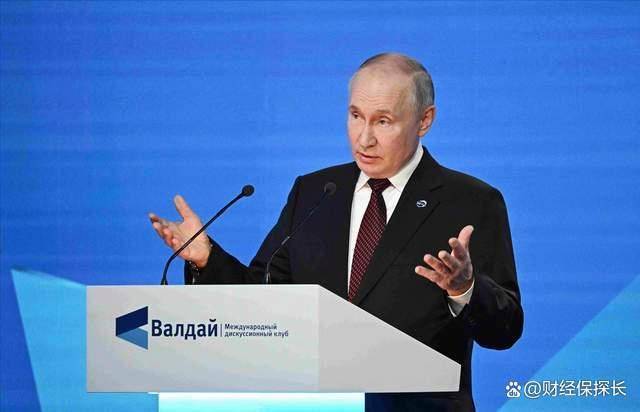
Core Insights - Russia is under pressure to develop a detailed roadmap for its rare earth and critical metals industry by December 1, indicating a significant shift in the global rare earth landscape and Russia's strategic ambitions [1][12][13] Group 1: Strategic Context - The urgency of the directive reflects Russia's awareness of being marginalized in the international arena and its desire to leverage its resource advantages to navigate current geopolitical challenges [3][12] - Russia possesses 28 million tons of rare earth reserves, with the Tomtor deposit being the largest single rare earth mine globally, yet it struggles with technological challenges that hinder its ability to capitalize on these resources [5][12] Group 2: Industry Development Challenges - The Russian rare earth industry has lagged due to low technological levels and an incomplete industrial chain, with current extraction rates only a small fraction of total reserves [5][7] - High-end demand for rare earths has historically relied on imports, posing a strategic risk for Russia [5][12] Group 3: Competitive Landscape - Putin's goal is to establish a complete industrial chain that supports defense, technology, and manufacturing, competing against China's dominant position in the rare earth sector [7][9] - The global rare earth industry is becoming a key element in geopolitical strategy, with the U.S. and EU also striving to bolster their domestic industries to reduce reliance on China [9][12] Group 4: Future Prospects - Russia's approach may involve international cooperation, particularly with China, to overcome its technological bottlenecks and enhance its position in the global market [11][12] - The development of the rare earth industry is seen as a long-term endeavor requiring significant investment and time, with the potential to reshape global supply dynamics if successful [12][13]
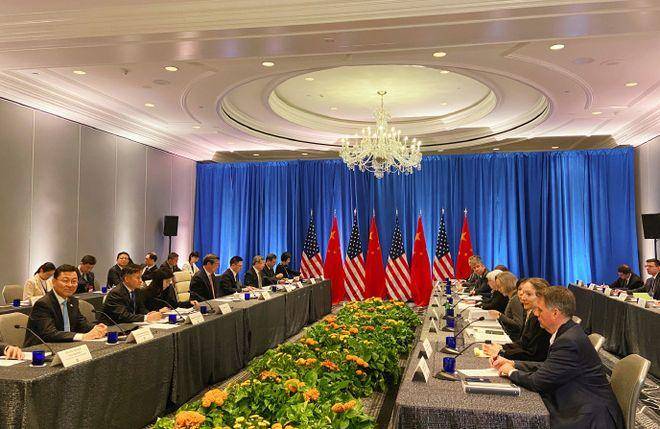
懂王又被卡脖子了?中方稀土供应开了绿灯,但美国必须答应一个条件
Sou Hu Cai Jing· 2025-11-12 20:05
在这方面我们还是很有诚意的,毕竟中美贸易战已经降温,那我们必然要在姿态上保持开放,兑现中方高层在会晤中作出的承诺,更何况我们本身就愿意维 持全球供应链的稳定,不想把事情做绝。 刚消停两天的懂王,又开始上蹿下跳了。中美釜山会晤后,美国拿到了想要的东西,就开始砸锅赶厨子。美财长自信满满,扬言不怕卡脖子!却不料我方转 头亮出大招,直接给美国军工复合体套上紧箍咒。这一次美国才认识到,自家命脉早就握在了我方手中。 不久前的中美釜山会晤给全世界都松了口气,很多人觉得既然美国已经服软了,那中国对美国的稀土出口管制也该松一松了。 就在市场普遍预期两国关系恢复的当口,美国主流媒体传出的消息再一次震惊世界,消息称,中国确实准备恢复对美稀土供应,但附带了让美国军工复合体 非常难受的条件。 稀土是工业维生素这事儿已经闹得人尽皆知了,对大部分美国企业 而言,既然中国愿意重新向美国供应稀土,那就是天大的利好,可对另外一些特殊的美 国实体而言,中国最新的稀土政策反而成了拴在他们脖子上的紧箍咒。 据《华尔街日报》消息,中国正在建立全新的稀土出口管理体系,全名是"经认证终端用户",体系的运作方式很直接,我国将美国民用企业拉入白名单,只 要我们 ...
美国稀土产业链的“闭环时刻”? 稀土新势力USA Rare Earth(USAR.US)正式吞并LCM
智通财经网· 2025-11-12 14:26
Core Viewpoint - USA Rare Earth's acquisition of Less Common Metals has received formal regulatory approval from the UK, marking a significant milestone in establishing a complete rare earth supply chain in the U.S. [1][4] Group 1: Acquisition Details - The acquisition allows USA Rare Earth to enhance its capabilities from mining to refining and manufacturing magnets, achieving a "magnet-to-mine" strategy [1][3] - Less Common Metals will expand its production capacity and supply neodymium-iron-boron (NdFeB) metal and alloy to USA Rare Earth's magnet factory in Stillwater, Oklahoma [2][3] Group 2: Industry Significance - This acquisition is pivotal for USA Rare Earth and the U.S. rare earth industry, transitioning from merely having mining and magnet production to mastering the entire supply chain from oxides to metals and alloys [4] - The acquisition positions USA Rare Earth as a key player in the U.S. rare earth ecosystem, especially in securing critical metals and alloys that are scarce and difficult to replicate in the West [3][4] Group 3: Market Context - Rare earth elements are crucial for various high-tech industries, including semiconductors, electric vehicles, and defense, with the U.S. aiming to reduce reliance on China, which dominates the global rare earth supply chain [5][6] - The U.S. government, under the Trump administration, has been actively seeking to establish a domestic rare earth supply chain to mitigate dependence on Chinese sources, which control approximately 60%-70% of global rare earth mining and up to 90% of refining and metal production [6]