去依赖化

Search documents
“若GPU管够,增速早超40%!”微软电话会回应市场担忧:我们缺产能,不缺订单
华尔街见闻· 2026-01-29 09:29
Core Viewpoint - Microsoft reported strong Q2 FY2026 earnings with revenue of $81.3 billion and EPS of $4.14, exceeding Wall Street expectations, yet the stock price fell over 6% post-announcement due to concerns over high capital expenditures and slower growth in cloud services [2][3]. Group 1: Financial Performance - Microsoft’s capital expenditures surged approximately 66% year-over-year to a record $37.5 billion, raising investor concerns about the return on investment (ROI) in relation to Azure's revenue growth of 39% [3][5]. - The company emphasized that the current growth limitation is not demand but supply, indicating a tight supply-demand relationship in the market [3][6]. Group 2: Strategic Insights - CFO Amy Hood stated that if all newly launched GPUs were allocated to Azure, growth rates would exceed 40%, highlighting a resource allocation challenge between external customer demands and internal AI product needs [5][6]. - CEO Satya Nadella stressed the importance of customer lifetime value (LTV) over short-term growth in individual business units, advocating for a balanced approach to resource allocation [7][8]. Group 3: AI and Product Development - Microsoft reported a 160% year-over-year increase in paid seats for Microsoft 365 Copilot, reaching 15 million users, and a tenfold increase in daily active users, countering concerns about declining AI tool usage [9][10]. - GitHub Copilot also saw a 75% increase in paid subscribers, indicating strong growth in AI productivity tools across both consumer and business sectors [11]. Group 4: Cost Management and Infrastructure - Microsoft introduced its self-developed Maya 200 accelerator, claiming a 30% reduction in total cost of ownership (TCO) compared to existing hardware, as part of its strategy to control AI infrastructure costs [12][13]. - The company highlighted the critical role of data storage and management in AI, with Microsoft Fabric achieving an annual revenue run rate exceeding $2 billion and a 60% year-over-year growth [15]. Group 5: Market Outlook - Microsoft expressed strong confidence in long-term AI demand, framing the current landscape as a "arms race" for computing power, where efficiency in deployment will determine market leaders [16][17].


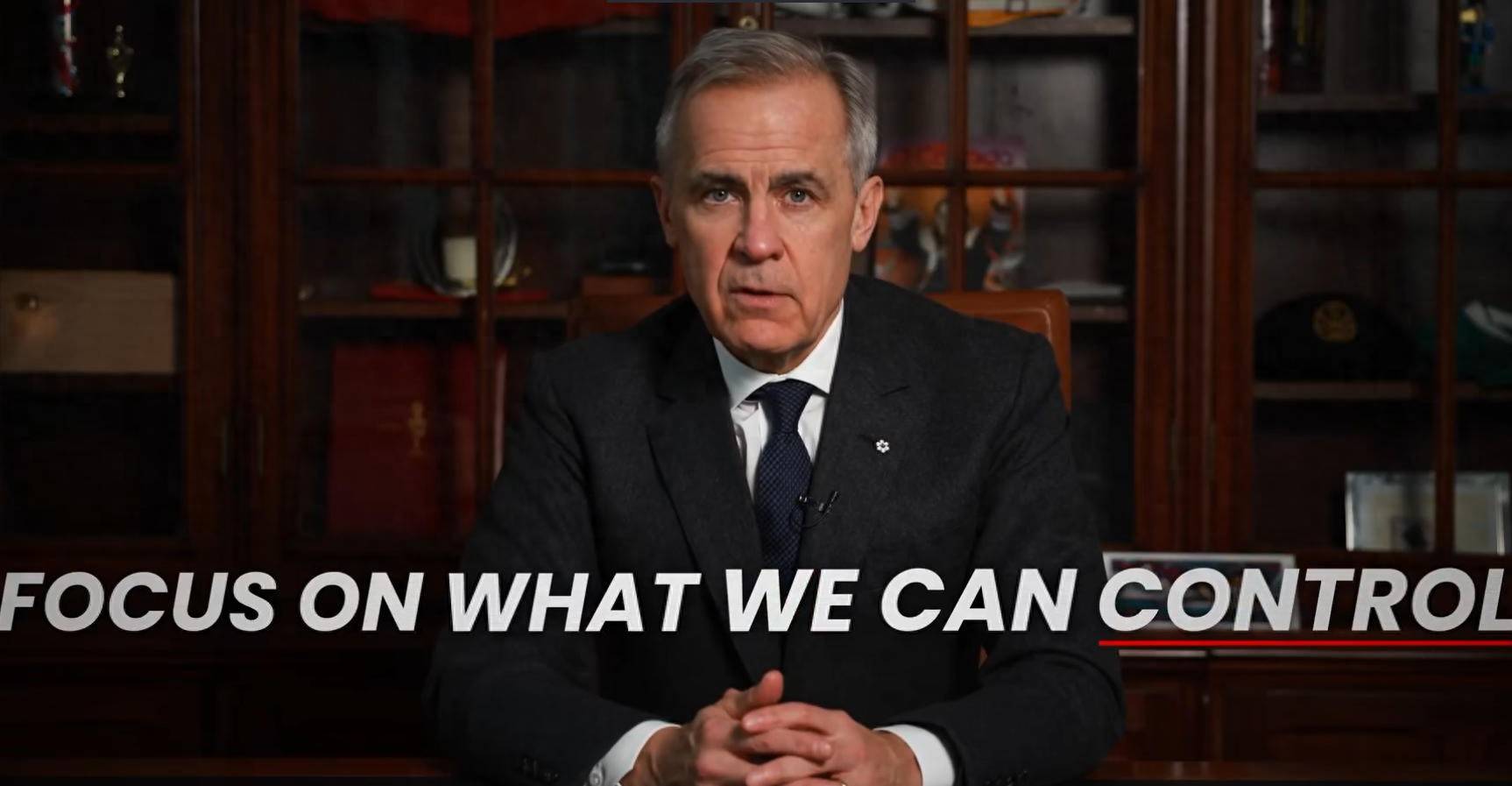
100%关税,卡尼不忍了,公然叫嚣特朗普:加拿大从此不买美国货!
Sou Hu Cai Jing· 2026-01-27 05:08
Group 1 - Canada has taken a bold stance against the U.S., with Prime Minister Carney openly criticizing American hegemony and urging citizens to avoid buying American goods [1][2] - A significant five-year critical mineral supply agreement was signed, involving lithium, cobalt, and nickel, which are essential for industries in Detroit and Silicon Valley [1][2] - The second agreement allows for direct currency settlement between Canada and China, bypassing the U.S. dollar, which poses a challenge to U.S. financial dominance [2][10] Group 2 - Carney's repeated emphasis on Canada as a "middle power" during his speech at Davos signifies a strategic shift in Canada's foreign policy, positioning itself as an independent player rather than a subordinate ally [4][12] - The language used by Carney reflects a fracture in the narrative of Western leadership, suggesting that Canada is no longer bound to the U.S. and can choose its partners based on issues rather than ideology [6][12] - The potential for other nations, such as Japan and South Korea, to reassess their loyalty to the U.S. in light of Canada's actions indicates a broader shift in global alliances [8][10] Group 3 - The agreements signify a move towards a transactional relationship among nations, where loyalty is no longer guaranteed and can be negotiated [8][12] - Carney's actions and the growing anti-American sentiment in Canada, with 64% of the public expressing negative views towards the U.S., provide a strong foundation for this new approach [10][12] - The implications of these developments suggest that the era of unquestioned U.S. dominance may be coming to an end, as other nations explore alternatives to American influence [12][14]
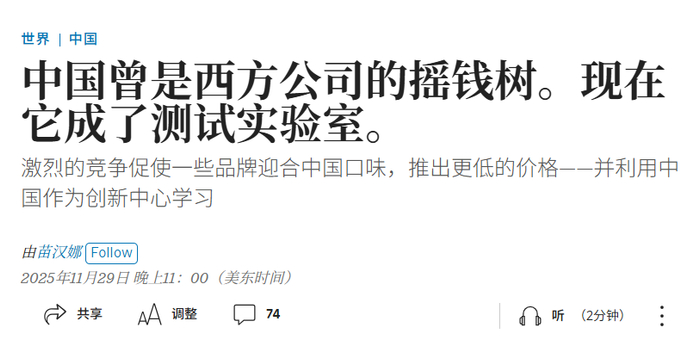
美媒发现可怕事实:能在中国市场胜出的企业,就能在全球大杀四方
Sou Hu Cai Jing· 2025-12-08 10:13
Core Insights - The significance of the Chinese market has shifted for foreign companies, transforming from an easy profit-making environment to a highly competitive training ground [1][2] - Many foreign brands, such as Starbucks and Tesla, are facing strong competition from local Chinese brands, indicating a rise in domestic competition [2][6] - China has become the world's largest manufacturing country and the second-largest consumer market, providing vast growth opportunities for businesses [2][3] Group 1: Market Dynamics - The competitive landscape in China has evolved, with local brands gaining strength and foreign companies needing to adapt to survive [2][7] - The Chinese market is characterized by a unified culture and consumer behavior, making it easier for brands to penetrate the market once they establish a foothold in a region [3] - The government and social groups' procurement processes follow market rules, leading to intense competition across various sectors [2] Group 2: Foreign Companies' Strategies - Foreign companies are increasingly viewing China as a research and development hub, using it to enhance their competitiveness before entering global markets [7][8] - Volkswagen exemplifies this strategy by treating China as a "fitness center" for developing products tailored to Chinese consumers [8] - The notion of "decoupling" from China is seen as unrealistic, as companies that disengage risk losing their competitive edge in the global market [8]

美媒发现可怕事实:能在中国市场胜出的企业,就能在全球“大杀四方”
Xin Lang Cai Jing· 2025-12-07 07:27
Core Viewpoint - The Chinese market has transformed into the most competitive battleground globally, where companies that succeed here demonstrate the capability to excel in international markets [1][5]. Group 1: Changes in the Chinese Market - Historically, the Chinese market was a lucrative opportunity for foreign enterprises, attracting numerous international brands across various sectors [4]. - The rapid development of the Chinese economy and the rise of domestic brands have fundamentally altered this landscape, making it a highly competitive environment for foreign companies [5]. Group 2: Rise of Domestic Brands - The emergence of domestic brands is attributed to several factors, including China's position as the world's largest manufacturing country, which provides robust technical and production support [8]. - Policy support, such as initiatives like "Brand Power Engineering" and "Made in China 2025," has further fueled the growth of local brands [8]. - Changing consumer preferences have led to a growing inclination towards high-quality domestic products, putting significant pressure on foreign brands [8]. Group 3: Competitive Dynamics - Domestic brands like BYD, NIO, and Xpeng are not only establishing a strong foothold in the domestic market but are also competing internationally against giants like Tesla [8]. - Companies like Luckin Coffee have leveraged digital marketing and pricing strategies to challenge established players like Starbucks, highlighting the intense competition in the market [10]. - Foreign companies face a dilemma: exiting the Chinese market means losing access to a vast consumer base, while remaining requires navigating fierce competition [10]. Group 4: Strategic Responses from Foreign Companies - Volkswagen has chosen to deepen its commitment to the Chinese market, viewing it as a "fitness center" for enhancing global competitiveness, and has increased R&D investments in the region [10]. - The notion of "decoupling" from the Chinese market is seen as misguided, as it would result in missed opportunities in a significant consumer market and innovation hub [10].
中国如约放宽对美稀土限制,却对军用稀土一封到底?
Sou Hu Cai Jing· 2025-11-13 03:52
Core Viewpoint - The article discusses China's potential simplification of rare earth export processes to the U.S., while maintaining strict controls on military-related exports, indicating a strategic approach to balance global supply chain stability and national security [1][6]. Group 1: China's Strategy - China aims to ensure stable supply chains while tightening controls on military applications of rare earths, reflecting a dual focus on global stability and national security [1][6]. - The Chinese rare earth industry has been developed over decades, establishing a comprehensive supply chain from resource extraction to application, making it difficult for other countries to bypass China [1][8]. - China's approach to rare earth exports is not a blanket policy but rather a targeted strategy that distinguishes between civilian and military uses [6][11]. Group 2: U.S. Response and Challenges - The U.S. military heavily relies on Chinese rare earths for various technologies, including fighter jets and drones, leading to calls for reducing dependency, but progress has been slow [2][4]. - Despite efforts to rebuild its rare earth industry, the U.S. faces significant challenges, including underdeveloped domestic refining technologies and high costs, which hinder its ability to achieve independence [4][6]. - The U.S. has been vocal about its desire for independence from Chinese rare earths, but its actions have not matched its rhetoric, revealing a lack of preparedness [4][11]. Group 3: Global Implications - European countries, while advocating for risk reduction, have begun negotiating with China for long-term rare earth supply agreements, recognizing their dependence on Chinese resources for military and industrial needs [4][8]. - The article highlights that China's control over rare earths serves as a strategic leverage point in international relations, particularly in the context of U.S.-China trade tensions [8][11]. - The dynamics of the rare earth market illustrate a broader power imbalance, with China holding significant advantages in resource control and industry integration [11][13].
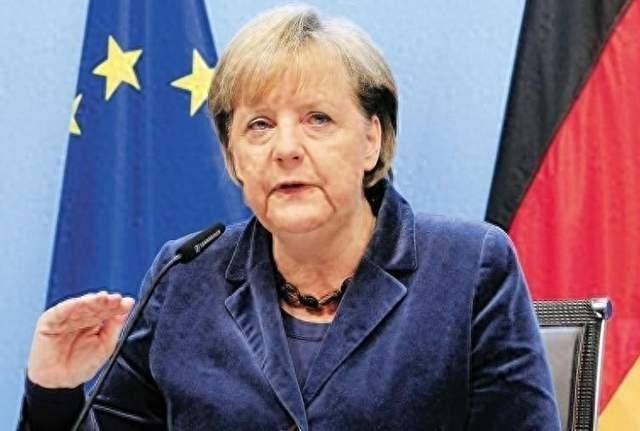
默克尔早有预警,欧洲偏要制裁,如今2400亿教训来了
Sou Hu Cai Jing· 2025-07-25 14:00
Group 1 - The European Union has implemented its 18th round of sanctions against Russia, which includes a permanent ban on the Nord Stream 1 and 2 gas pipelines, affecting energy supply to Europe [1][4][12] - The economic loss for Germany due to the Russia-Ukraine conflict is estimated at approximately €240 billion, translating to over ¥1.8 trillion, indicating significant financial strain on the country [12][14] - 77% of German households report being overwhelmed by high energy bills, with 44% having to dip into savings to pay for electricity, highlighting the direct impact on ordinary citizens [14][16] Group 2 - The loss of affordable Russian gas has led to increased production costs for German industries, with major companies like BASF and Volkswagen relocating production to the United States, resulting in technology loss and job reductions [16][17] - Europe's political dependence on the U.S. has deepened, with countries like Hungary and Slovakia initially resistant to sanctions but ultimately conforming under pressure, indicating a loss of European autonomy [19][36] - The U.S. has profited significantly from the situation, selling liquefied natural gas to Europe at three times the price and attracting European companies to relocate, thereby gaining technology and jobs [25][27] Group 3 - The sanctions against Russia have not severely impacted Russia as anticipated; instead, it has successfully opened new markets in Asia, particularly with China and India, mitigating the effects of Western sanctions [29][32] - The trade volume between China and Europe is ten times that of Europe and Russia, emphasizing the critical economic relationship that could be jeopardized by potential European policies aimed at reducing reliance on China [48][50] - German industry leaders are advocating for deeper cooperation with China, recognizing the importance of the Chinese market for their exports and production [56][59]