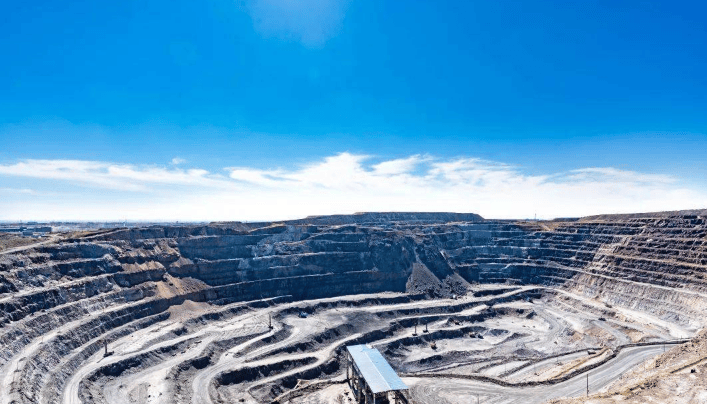
稀土

Search documents
15年稀土梦碎,美国真就是“体制问题”
虎嗅APP· 2025-11-09 09:32
Core Viewpoint - The article discusses the challenges and failures of the U.S. in breaking its reliance on China for rare earth elements, highlighting systemic issues within the U.S. government and industry that hinder progress in this area [4][41]. Group 1: U.S. Rare Earth Strategy - The Trump administration's approach to rare earth elements has been characterized by a desperate and chaotic strategy, likened to a character from "Dream of the Red Chamber" who indiscriminately collects everything [5]. - The U.S. Geological Survey does not list Ukraine as a major rare earth holder, contradicting claims made by U.S. officials about securing significant rare earth resources from Ukraine [6][8]. - The U.S. has been attempting to reduce its dependence on Chinese rare earths for over 15 years, with various legislative efforts aimed at rebuilding domestic production and supply chains [10][11]. Group 2: Legislative and Policy Developments - A series of legislative measures have been introduced since 2010 to address the rare earth supply issue, including the "Rare Earth Supply Chain Technology and Resource Transformation Act" [10][11]. - The Biden administration has continued and expanded upon the previous administration's rare earth strategies, emphasizing the importance of securing critical mineral supply chains [14][15]. Group 3: Production and Processing Challenges - The Mountain Pass rare earth mine in California, which was once the world's largest supplier, has resumed production but still faces significant challenges in scaling up to meet demand [17][18]. - The U.S. has made some progress in rare earth processing, with investments in facilities in California and Texas, but still lags behind China in terms of production capacity and technology [22][23]. Group 4: Systemic Issues and Market Dynamics - The U.S. mining sector faces bureaucratic hurdles, with lengthy permitting processes that can take decades, contributing to a slow pace of development in the rare earth industry [32][33]. - The market for rare earths is relatively small, which complicates investment decisions and makes it difficult for U.S. companies to justify large-scale production efforts [34][36]. - The article emphasizes that despite significant investments and policy initiatives, the U.S. has only achieved a "zero breakthrough" in its rare earth strategy over the past 15 years, indicating a lack of substantial progress [26][28].

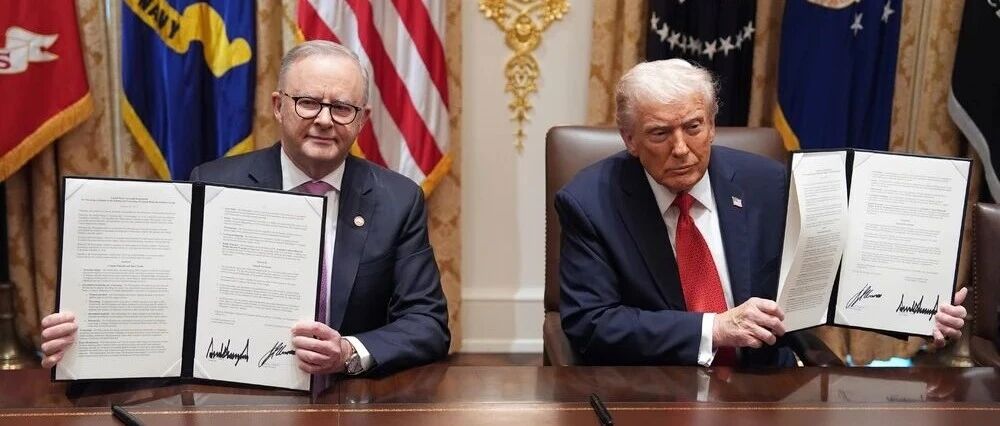
摆脱对华依赖?普京签发急令,俄罗斯打造自主稀土产业链
Sou Hu Cai Jing· 2025-11-09 08:41
Core Viewpoint - Russia is intensifying its efforts towards self-sufficiency in rare earth metals, driven by geopolitical tensions and the need to reduce reliance on imports, particularly from China [1][12]. Group 1: Russia's Rare Earth Strategy - President Putin has approved a directive for the government to finalize a long-term development roadmap for the mining and production of rare earth metals by December 1 [1]. - The global rare earth market is significantly influenced by geopolitical dynamics, especially following the U.S.-China trade tensions [1][12]. - Russia's initial claim of having 2.85 million tons of rare earth reserves has been significantly downgraded to 380,000 tons by the U.S. Geological Survey, raising questions about the actual viability of these resources [3][5]. Group 2: Challenges in Rare Earth Mining - Despite having substantial reserves, Russia relies on imports for 98% of its rare earth needs due to harsh mining conditions in remote areas like Murmansk and Irkutsk [5][6]. - The extreme cold and lack of infrastructure in these regions pose significant challenges for mining operations [6][8]. - Russia lacks the necessary technology and expertise for refining and processing rare earth materials, often sending mined ores to China for further processing [8][10]. Group 3: Global Competition and Collaboration - The U.S. and Japan, despite their technological capabilities, also struggle to reduce dependence on Chinese rare earth products, indicating the complexity of the global supply chain [10][12]. - Russia's ambition to establish a complete processing industry chain is crucial for its economic potential and national security, especially amid ongoing geopolitical tensions [12][14]. - The global rare earth market is currently dominated by China, with Western nations seeking to reduce reliance on Chinese supplies through various initiatives [16][18]. Group 4: Future Prospects and Strategic Importance - Russia's entry into the rare earth market could lead to a more balanced distribution of resources globally, potentially mitigating risks associated with over-reliance on a single supplier [18][22]. - Strengthening cooperation with China for technology transfer and industrial collaboration may be a pragmatic approach for Russia to enhance its rare earth capabilities [20][22]. - The ability to control rare earth resources is critical in the context of global power dynamics, making Russia's investment in this sector strategically significant [22].

普京发总统令,涉及稀土,他不是不信任中国,只是没有安全感
Sou Hu Cai Jing· 2025-11-09 07:03
Group 1: Russia's Strategic Concerns - Russia's President Putin has signed a decree to establish a roadmap for rare earth and critical metals production by December 1, indicating a sense of urgency regarding the country's position in the global rare earth market [1][9] - The global competition for rare earth elements has intensified, with countries like the US and EU heavily reliant on China, which controls 90% of the world's rare earth refining capacity [2][8] - Putin's actions reflect a broader concern for national security and the need for Russia to develop its own rare earth capabilities to avoid dependency on foreign sources, especially in the context of military and technological advancements [6][12] Group 2: Global Rare Earth Market Dynamics - The US has expressed a strong desire to achieve "rare earth independence" within two years, as many advanced military technologies depend on these materials [6] - The EU and Japan also show high dependency on Chinese rare earths, with the EU relying on China for 82% and Japan for 91% of its needs [8] - The recent US-China trade negotiations highlighted the strategic value of rare earths, with both sides recognizing the potential disruptions caused by China's control over this resource [5] Group 3: Russia's Rare Earth Resources and Industry - Russia possesses significant rare earth resources, particularly in Siberia and the Far East, but lacks the necessary refining technology and industrial infrastructure to exploit these resources effectively [10][12] - Historically, Russia has not prioritized the development of its rare earth industry, focusing instead on its abundant energy resources [9][12] - The urgency for Russia to develop its rare earth sector is driven by the global shift towards green technologies and the need for rare earths in various applications, including military and civilian sectors [9][12] Group 4: Sino-Russian Cooperation - Despite Russia's push to develop its own rare earth capabilities, the relationship between Russia and China remains strong, particularly in the energy sector, where both countries benefit from mutual cooperation [13][15] - The collaboration extends beyond energy to include trade in coal, iron ore, and non-ferrous metals, indicating a growing interdependence in various resource sectors [15] - Both nations are working together in international forums to address global challenges, emphasizing the importance of their partnership in the current geopolitical landscape [15]
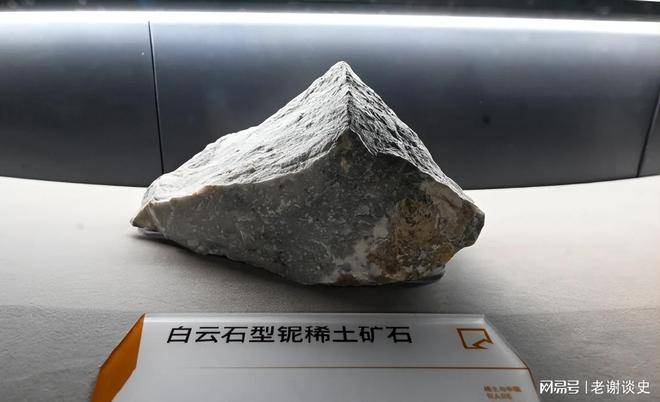
俄总理返回莫斯科后,普京下令了:即日起,减少对中国的依赖
Sou Hu Cai Jing· 2025-11-09 07:03
Group 1 - The core viewpoint of the articles highlights Russia's urgent need to develop a national roadmap for rare earth metals, reflecting President Putin's high priority on this issue [1][19] - China has begun tightening its rare earth export policies, signaling a trend towards more systematic control, which has raised concerns in Russian leadership [3][17] - Russia's high-tech industries have faced significant challenges due to a shortage of rare earth resources, impacting production capabilities of critical military equipment [5][19] Group 2 - Russia possesses substantial rare earth reserves of 28 million tons, ranking fifth globally, but only extracts 2% of its proven reserves, with less than 1% of global production [6] - The development of Russia's rare earth industry is hindered by three main challenges: technology, funding, and environmental factors [6][7][9] - The lack of skilled engineers in the rare earth sector is a significant issue, with only about 1,200 engineers currently working in this field, a fraction of China's workforce [6] Group 3 - Financial constraints are a major barrier, as the rare earth industry requires substantial upfront investment and has a long payback period, compounded by Western sanctions and ongoing war pressures [7] - Environmental challenges include the remote locations of rare earth mines, which increase transportation costs and logistical difficulties [9] - Despite some progress in rare earth recycling, such as increasing recovery rates from 55% to 78%, the technology remains unstable for large-scale production [9] Group 4 - Russia is exploring external collaborations, particularly with India, to exchange technology for market access, while also considering partnerships with Belarus and Kazakhstan for logistical support [11][13] - The academic community in Russia expresses skepticism about these collaborations, emphasizing the need for a complete supply chain from mining to market [15] - The recent tightening of China's export controls poses a realistic challenge for Russia, highlighting the necessity for self-sufficiency in rare earth production [17][19]
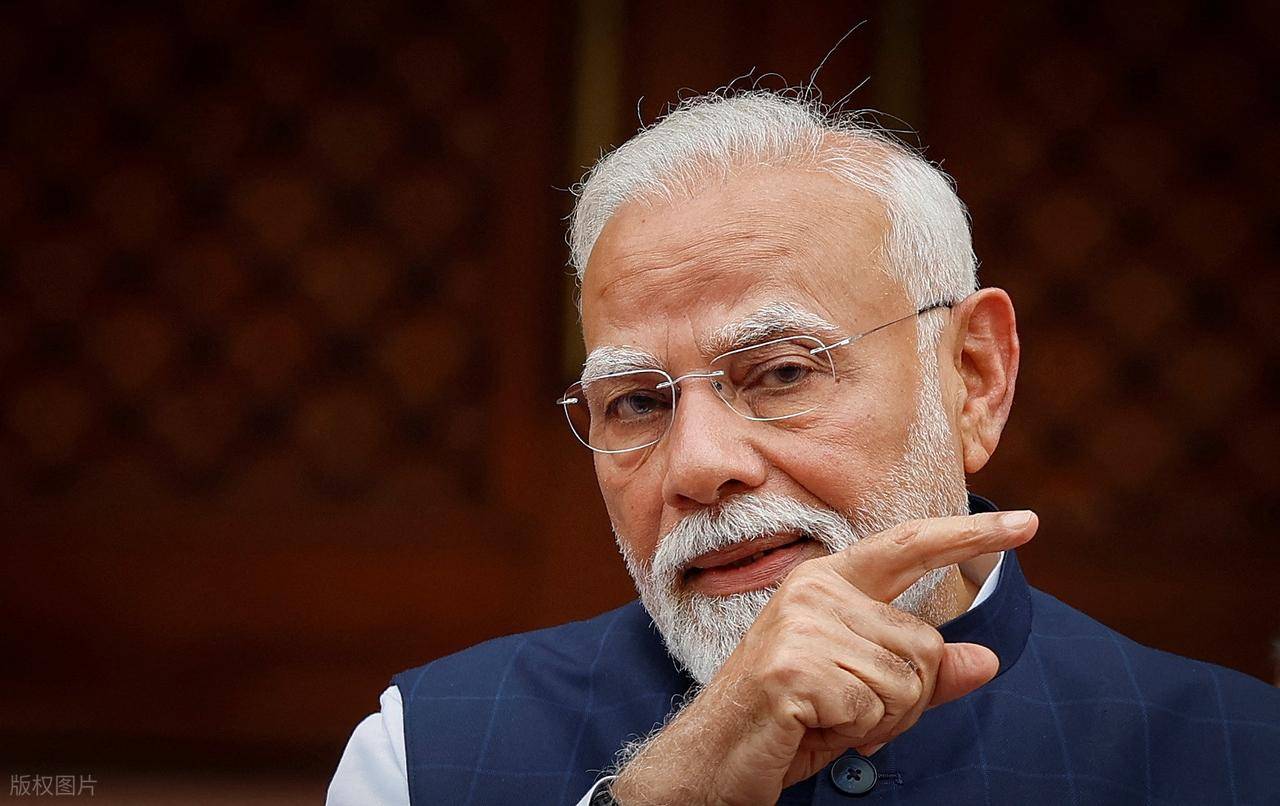
中美打响没有硝烟的战争,特朗普放下豪言,两年废掉中国一张王牌
Sou Hu Cai Jing· 2025-11-09 07:03
Core Viewpoint - The article argues that the United States' goal to eliminate dependence on Chinese rare earth metals within two years is unrealistic due to the complexities involved in rare earth extraction and processing [1][2][4]. Group 1: Challenges in Rare Earth Extraction - Extracting rare earth elements is a complex process that requires significant electrical power, which the U.S. lacks compared to China [1]. - The construction of necessary infrastructure for mining and transporting rare earth materials is a time-consuming endeavor [1]. - The separation and purification of rare earths generate hazardous waste, requiring advanced environmental technology that the U.S. currently does not possess [1]. Group 2: Economic Viability and Investment - The Western capital markets prioritize profitability, and without sufficient returns, there is little incentive to invest in the rare earth industry [2]. - Government subsidies would be necessary for the U.S. to develop a competitive rare earth sector against China's low-cost production [2]. Group 3: Political Implications - Trump's announcement serves more as a political maneuver to project a strong leadership image rather than a feasible economic strategy [4]. - The statement aims to simplify complex industrial challenges into a patriotic rallying cry, appealing to domestic audiences while signaling resolve to international allies and adversaries [4]. Group 4: Conclusion on U.S.-China Rare Earth Competition - The article concludes that despite political rhetoric, the U.S. is unlikely to overcome the economic realities and competitive advantages that China holds in the rare earth sector [6].
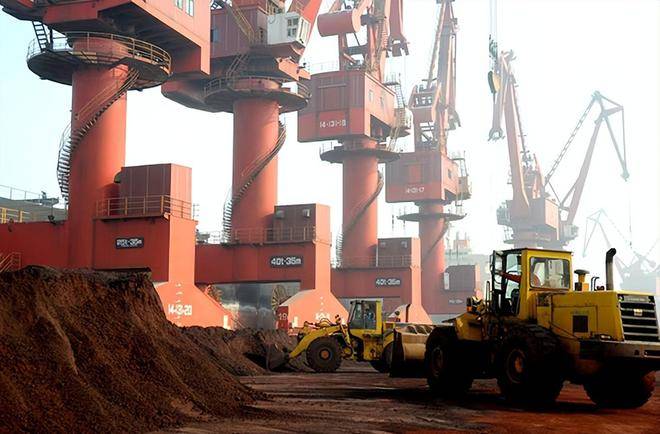
马来西亚的稀土背刺:为什么把稀土这张王牌交给韩国,而不是中国?
Sou Hu Cai Jing· 2025-11-08 20:10
Core Insights - Malaysia's government has announced a partnership with a South Korean company and Australian Lynas Corporation to build a large factory for producing 3,000 tons of neodymium-iron-boron permanent magnets, despite China's dominant position in the rare earth market [1][9] - The decision reflects Malaysia's strategic shift towards reducing reliance on Chinese technology and fostering local manufacturing capabilities [1][11] Investment and Strategic Goals - The project involves an investment of 600 million ringgit, aiming for a complete local manufacturing chain and a commitment to technology localization [1][11] - Malaysia's government is pursuing a strategy to transition from being a raw material supplier to becoming part of a value-added industrial chain, with rare earths being a key asset [3][9] Geopolitical Context - The collaboration is seen as a political move amidst the US-China competition, with Malaysia seeking to maintain "technological neutrality" [9][11] - Lynas Corporation plays a crucial role as the only company capable of large-scale rare earth separation outside of China, allowing Malaysia to avoid dependency on Chinese technology [9][17] Technology and Collaboration Dynamics - The choice of South Korea over China is not due to superior technology but rather a preference for a partnership that allows for local hiring and technology transfer without the constraints of Chinese technology protectionism [4][6] - Malaysia aims to gain autonomy in its manufacturing path, aspiring to be a key node in the international supply chain, similar to South Korea and Japan [11][21] Future Implications - The shift in Malaysia's strategy highlights a growing concern among countries about becoming too dependent on China, prompting a re-evaluation of global supply chains [19][21] - China's future competitiveness will hinge on its ability to foster collaborative ecosystems rather than merely relying on its technological superiority [14][17]
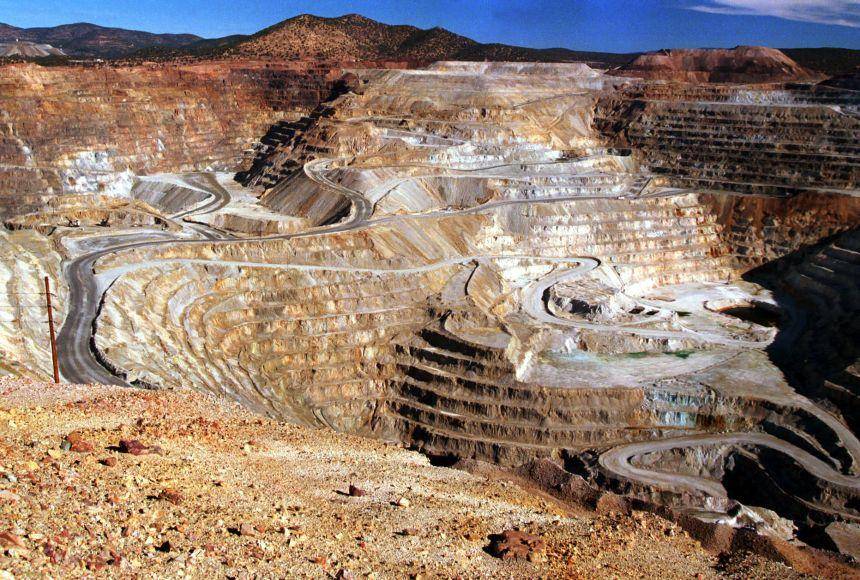
中美大交易没欧洲的份,欧盟搞捆绑销售,中国想卖商品得送稀土?
Sou Hu Cai Jing· 2025-11-08 18:46
Group 1 - The core issue revolves around the recent US-China agreement on rare earth supply, which excludes the EU, leading to dissatisfaction from the European Union [1][3] - The EU initially hoped that the trade suspension measures would apply globally, but the US did not consider the interests of its allies, leaving the EU to negotiate separately with China for rare earths [3][8] - The EU's request for equal treatment from China, similar to that received by the US, reflects its frustration and perceived marginalization in the negotiations [6][13] Group 2 - The US has suspended 50% of its export control rules against China and lowered some tariffs, while China has paused its upcoming rare earth export controls for US compliant companies, creating a "green channel" [8][9] - However, China has retained its April export control measures, which specifically affect EU companies, highlighting a strategic differentiation in treatment [8][11] - The EU's passive position stems from its alignment with US strategies, which has limited its negotiating power and led to its exclusion from key agreements [11][13] Group 3 - The EU's contradictory stance of demanding the lifting of rare earth controls while simultaneously investigating subsidies on Chinese electric vehicles complicates negotiations [13] - The EU's new proposal to require China to bundle rare earths with other exports is seen as a desperate measure that overestimates its bargaining power [6][13] - For effective cooperation, the EU must abandon its zero-sum mindset and cease following US restrictions on China, returning to a path of equal negotiation [13]
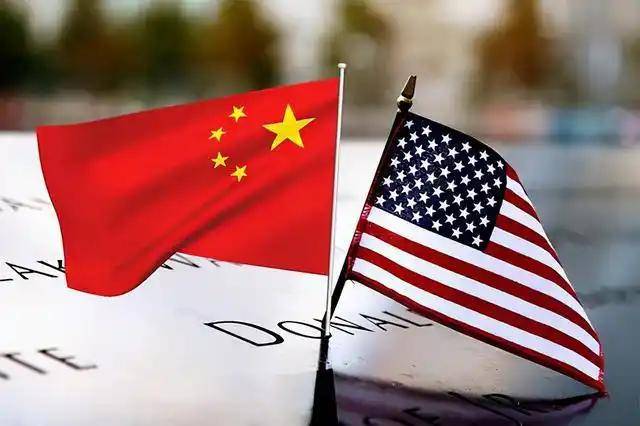
稀土乱战进行中,普京正式下场,美俄联手对付中国?还得考虑一下
Sou Hu Cai Jing· 2025-11-08 13:10
Group 1 - The core point of the article is that President Putin has ordered the development of a long-term roadmap for rare earth mining and production in Russia, indicating a strategic move into the rare earth sector [3][5] - Rare earths are recognized as essential strategic resources for modern high-tech industries and defense, especially highlighted by the ongoing US-China trade tensions [3] - Russia possesses significant rare earth reserves, ranking as the fifth largest globally, and the decision to develop this sector is seen as a long-awaited opportunity for the country [3][5] Group 2 - Despite having rare earth production, Russia's output has been minimal due to a lack of processing capabilities, leading to reliance on foreign processing and high costs [5] - Countries like Japan, Australia, and the US are accelerating efforts towards "rare earth independence," making Russia's entry into this market timely [5][8] - There are speculations about potential collaboration between Russia and the US in rare earth development, but geopolitical tensions and mutual deficiencies in technology and processing capabilities may hinder such cooperation [8][10] Group 3 - Putin's simultaneous push for improved transportation links with China and North Korea suggests a preference for collaboration with China over the US in the rare earth sector [10] - A deep cooperation between China and Russia in rare earths could reshape global supply chains, transforming Russia from a resource exporter to a country with a complete industrial chain [10] - The upcoming deadline for the approval of the roadmap on December 1 will clarify Russia's rare earth strategy, indicating significant adjustments in the global rare earth landscape [10]
普京下死命令!稀土争夺战打响:不是防中国,是怕俄罗斯被踢出局
Sou Hu Cai Jing· 2025-11-08 09:11
Core Insights - Russia's recent initiative to develop its rare earth and critical metals industry reflects President Putin's strategic concerns about being sidelined in global resource competition [1][7][23] - The urgency in developing domestic rare earth capabilities is driven by fears of dependency on China and the need to secure a competitive position against major global players like the US and EU [3][10][12] Group 1: Strategic Concerns - Putin's directive for a detailed development plan by December 1 indicates a proactive approach to ensure Russia's involvement in the rare earth sector [1] - The global competition for rare earth resources is intensifying, with the US aiming for complete self-sufficiency in two years and the EU collaborating with over 20 countries to explore resource opportunities [7][10] - Russia's relative lag in the rare earth sector poses a risk of being excluded from future strategic discussions and resource allocations [8][23] Group 2: Military and Industrial Implications - Control over rare earth resources is crucial for Russia's defense capabilities and overall industrial autonomy, as these materials are essential in various high-tech and military applications [10][13] - Recent military displays, including advanced weaponry, highlight Russia's focus on maintaining a strong defense posture, but reliance on foreign resources could undermine this strength [12][19] - The integration of rare earth resources into national defense strategies is seen as a vital link between military and high-tech industries, enhancing Russia's global competitiveness [13][21] Group 3: Geopolitical Dynamics - The relationship between Russia and China remains stable, but there is a recognition that reliance on any single partner for critical resources could be risky [15][17] - The EU's internal divisions and lack of unified strategy may hinder its ability to compete effectively against Russia and other global powers [18][19] - Experts suggest that the future geopolitical landscape may shift towards a three-power dynamic, with Russia potentially emerging as a stronger player while the EU risks marginalization [19][21]
冲击中国稀土“王牌”?白宫宣布大胜,中方后退4步,话音刚落,美政府敲定14亿美元大单
Sou Hu Cai Jing· 2025-11-08 08:47
Core Insights - The U.S. government claims a "major victory" following the recent U.S.-China summit, highlighting four key commitments from China, which is perceived as a retreat by the Chinese side [1] - However, the announcement of a $1.4 billion investment in two U.S. rare earth startups aimed at reducing dependence on Chinese rare earths contradicts this narrative [1][4] - The U.S. Department of Defense's significant financial backing for these companies reveals underlying vulnerabilities in the U.S. defense industrial base, particularly its reliance on Chinese rare earth supplies [3][4] Investment and Financial Moves - The U.S. government and private investors have collectively invested $1.4 billion in two rare earth companies, with $620 million in loans from the Department of Defense and an additional $50 million from the Commerce Department [1] - The investment aims to support a rare earth magnet factory with an annual production capacity of 10,000 tons, highlighting the urgency to establish a domestic supply chain [1][6] - The scale of this investment is notable, as it represents approximately 20% of the global rare earth market, which was valued at $6 to $6.5 billion last year [1] Industry Dynamics - China dominates the rare earth market, accounting for 69% of global extraction and 92% of refining capacity, with a complete supply chain from mining to processing [3] - The U.S. startups, "Firehawk Elements" and "New Element Technologies," face significant challenges due to their limited operational history and workforce, which could hinder their ability to scale production effectively [6][8] - The technology employed by "New Element Technologies" has not been validated for large-scale production, raising concerns about its viability in meeting military-grade demands [4][6] Strategic Implications - The U.S. investment strategy appears to be a reactive measure rather than a proactive solution, indicating a lack of confidence in securing stable rare earth supplies from China [4][8] - The urgency of the U.S. response is linked to upcoming midterm elections, suggesting that political motivations may be influencing defense strategies [4][8] - The ongoing competition in the rare earth sector underscores the importance of technological advancement and supply chain resilience, areas where China currently holds a significant advantage [8]