餐饮服务

Search documents
壹快评|为罗永浩鼓掌,但也给他提个醒
Di Yi Cai Jing· 2025-09-14 02:43
Core Viewpoint - The article discusses the controversy surrounding the criticism of the restaurant brand Xibei by internet celebrity Luo Yonghao regarding the sale of pre-prepared dishes, emphasizing the need for consumer awareness and transparency in the food industry [1][2]. Group 1: Consumer Rights and Industry Standards - There is a growing consensus among the public that consumer rights must be protected, specifically the right to know about pre-prepared dishes, which should be clearly labeled and reasonably priced [1][2]. - The call for the establishment and strict enforcement of national standards for pre-prepared dishes has gained traction in public discussions [1][2]. Group 2: Public Figures and Their Influence - Luo Yonghao's actions have sparked a divided response, with consumers largely supporting him while restaurant owners tend to defend Xibei, indicating a conflict between industry practices and consumer expectations [2][3]. - The article highlights Luo Yonghao's history of engaging in public disputes with major brands, suggesting that his controversial statements may be strategically timed to coincide with his entrepreneurial ventures [2][3]. Group 3: Legal and Ethical Considerations - Legal experts suggest that Luo Yonghao's initial comments may have crossed into defamation, raising questions about the responsibility of public figures in their statements [4]. - The negative impact of Luo Yonghao's remarks on the restaurant industry, particularly Xibei, has been noted, with claims of significant revenue declines following his statements [4][5]. Group 4: Responsibility of Public Figures - The article stresses the importance of public figures being cautious with their influence, as their words can have significant repercussions on businesses and public perception [5]. - It is emphasized that the power of public discourse comes with greater responsibility, and public figures should be mindful of their statements to avoid causing harm [5].
西贝北京最大门店,“堂食客流降七成以上”!罗永浩深夜发声:西贝的事情可以告一段落了,我要忙正事了
中国基金报· 2025-09-14 02:38
Core Viewpoint - The article discusses the impact of the "pre-made dishes" controversy on the restaurant chain Xibei, highlighting significant drops in customer traffic and sales following public scrutiny and media attention [4][10][23]. Group 1: Customer Traffic and Sales Impact - On September 13, Xibei's flagship store in Beijing experienced a more than 70% decrease in dine-in customer traffic compared to the previous week, with only 37 tables occupied at peak lunch hours versus 140 the week before [5][7]. - The evening saw a low occupancy rate of less than 50% in the dining area, with no waiting customers, indicating a significant decline in overall customer interest [7]. - The store's takeaway orders also fell by approximately 12.8%, with 523 orders recorded compared to 600 the previous Saturday [8]. Group 2: Financial Losses - Xibei's founder, Jia Guolong, reported a loss of approximately 1 million yuan in daily revenue on September 10 and 11, with an expected loss of 2 to 3 million yuan on September 12 due to the controversy [8][23]. - The flagship store's food cost for the frozen broccoli was noted to be 8.9 yuan per jin, while organic broccoli was priced at around 18 yuan per jin in retail [13]. Group 3: Response to Controversy - In response to allegations of using pre-made dishes, Xibei opened its kitchen for public inspection, asserting that their ingredients are sourced and processed to ensure food safety and quality [11][18]. - The kitchen staff emphasized that while some ingredients are pre-processed, the majority of dishes are cooked fresh on-site, countering claims of serving pre-made meals [18][21]. - Jia Guolong stated that Xibei does not serve any pre-made dishes according to national regulations, and the company is committed to clarifying its position amid the ongoing debate [17][23]. Group 4: Regulatory Context - A draft national standard for pre-made dishes is reportedly set to be released for public consultation, which may clarify the legal status and labeling requirements for such products in the restaurant industry [23].

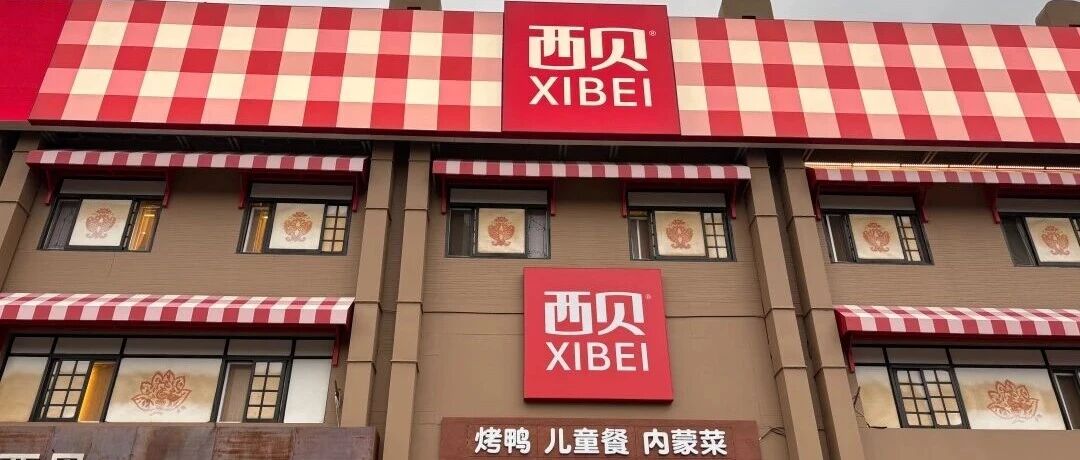
每经热评 | 贾国龙先生,官司可以不打,生意一定要做
Mei Ri Jing Ji Xin Wen· 2025-09-14 02:31
Core Viewpoint - The core issue in the "prepared food controversy" is the differing definitions of "prepared food" between the parties involved, highlighting a disconnect between public perception and industry standards [1][2] Group 1: Company Response and Strategy - The founder of Xibei, Jia Guolong, emphasizes the importance of addressing public concerns and maintaining business operations over engaging in legal battles [2][3] - Xibei has experienced a significant decline in customer traffic, with daily revenue losses escalating from 1 million yuan to between 2 million and 3 million yuan [1] - The company is encouraged to focus on improving product offerings and customer satisfaction rather than getting entangled in conceptual disputes [3][4] Group 2: Industry Context and Implications - The situation reflects a broader responsibility of business leaders to consider the livelihoods of employees and suppliers during crises, rather than prioritizing personal grievances [2] - The initial support from other industry leaders, such as Yu Donglai of Pang Donglai, illustrates the challenges of maintaining solidarity in the face of public opinion [3] - The emphasis on self-reflection and genuine engagement with consumer feedback is seen as essential for Xibei to navigate the current crisis effectively [3][4]
网友:这波我站西贝,因为老罗那边已经站不下了。新华社:不怕你预制,就怕你不告诉我
程序员的那些事· 2025-09-13 23:22
Core Viewpoint - The ongoing debate between Xi Bei and Luo Yonghao highlights the complexities and misunderstandings surrounding the concept of "pre-prepared dishes" in the Chinese food industry, with implications for consumer rights and industry transparency [3][10][17] Definition of Pre-prepared Dishes - The National Market Supervision Administration, along with five other departments, officially defined "pre-prepared dishes" on March 18, 2024, as dishes made from one or more food products that undergo industrial pre-processing and are packaged for sale, requiring heating or cooking before consumption [3][4] Central Kitchen Clarification - The dishes produced in central kitchens by chain restaurants do not fall under the category of pre-prepared dishes, as they must comply with food safety laws and standards [4][5] Legal Context - Xi Bei's legal action against Luo Yonghao may have a basis in the definitions provided by regulatory authorities, suggesting a potential for Xi Bei to win the case [6] Public Perception and Criticism - Xi Bei's management appears to misunderstand the source of public criticism, which is not solely directed at Luo Yonghao but rather at the broader issues of transparency and consumer rights in the pre-prepared food sector [7][9] Media Exposure and Backlash - A media visit to Xi Bei's kitchen revealed concerning practices, including the use of genetically modified soybean oil, frozen meats, and the admission of using overnight dishes, which led to significant public backlash [14][15] Consumer Rights Advocacy - Luo Yonghao's stance emphasizes the importance of consumer awareness regarding the nature of pre-prepared dishes, advocating for transparency in the food industry [10][12][17]

“老罗我们家没有预制菜” ,浙江宁波一老字号餐饮店用大屏“喊话”罗永浩,品牌方:只是想宣传自家菜
Xin Lang Cai Jing· 2025-09-13 17:17
0:00 "老罗我们家没有预制菜" ,浙江 宁波一老字号餐饮店用大屏"喊话"罗永浩,品牌方:只是想宣传自家菜 ...
罗永浩再呛西贝:这一次我甚至还没出手呢
Zhong Guo Ji Jin Bao· 2025-09-13 16:05
Group 1 - The core issue revolves around the controversy surrounding the restaurant chain Xibei, particularly regarding its use of pre-prepared dishes and food safety standards [1][2] - Following the scrutiny, Xibei's daily revenue reportedly dropped by 1 million yuan on the 10th and 11th, and is expected to fall by 2 to 3 million yuan on the 12th [1] - The founder of Xibei, Jia Guolong, expressed frustration over the public's perception and the impact on the business, stating that he feels helpless in addressing the concerns raised [1] Group 2 - Jia Guolong clarified that while Xibei employs pre-preparation techniques, it does not serve pre-prepared dishes as defined by national standards [2] - He emphasized that all restaurants utilize some form of pre-preparation in their cooking processes, which is essential for efficiency and quality [2]
罗永浩再呛西贝:这一次我甚至还没出手呢
中国基金报· 2025-09-13 15:54
Core Viewpoint - The article discusses the ongoing controversy surrounding the restaurant chain Xibei, particularly focusing on the use of concentrated chicken broth and the qualifications of its chefs, sparked by comments from entrepreneur Luo Yonghao [2][3][14]. Summary by Sections Chef Qualifications - A chef at a Xibei restaurant in Hangzhou stated that out of a team of over 20, only four or five hold chef certificates, emphasizing that having a certificate is not essential for cooking skills [8][10]. Customer Reactions - Despite the controversy, many customers continue to support Xibei, with reports of full dining areas and customers expressing trust in the restaurant's food quality [10][11]. One customer mentioned that she often ordered Xibei for her sick family member, indicating a positive perception of the restaurant's offerings [11]. Impact on Business - Following the controversy, Xibei's online orders reportedly dropped by about 20%, although the physical customer traffic remained relatively stable, with some locations even seeing an increase in diners [11][12]. The owner, Jia Guolong, noted a significant drop in daily revenue, estimating losses of 1 million yuan on the 11th and 2 to 3 million yuan on the 12th [17]. Definition of Pre-prepared Dishes - Jia Guolong clarified his definition of pre-prepared dishes, stating that all dishes require some level of pre-preparation, but he distinguishes between pre-prepared dishes and the pre-preparation process itself [17]. He argued that the quality of dishes often necessitates advance preparation, regardless of the restaurant's operational model [17].

对话西贝超十年老厨师长:西贝没有预制菜,只有“工序前置”
凤凰网财经· 2025-09-13 14:21
Core Viewpoint - The article discusses the recent challenges faced by the restaurant chain Xibei, highlighting a significant drop in customer traffic and revenue due to online controversies and public perception issues [1][3][7]. Group 1: Impact on Business - Xibei's daily revenue has decreased by 20,000 to 30,000 yuan, nearly halving its usual earnings [7]. - The restaurant's customer traffic has also seen a significant decline, with many tables remaining empty during peak hours [1][7]. - Online controversies have led to a 50% drop in both dine-in and takeout orders [9]. Group 2: Employee Response and Company Culture - The head chef, who has worked at Xibei for nearly 20 years, expressed feelings of unfairness regarding the recent public scrutiny [3][42]. - An online meeting involving 18,000 employees was held to address concerns and feedback, indicating a transparent communication approach within the company [3][42]. - Employees are committed to maintaining high standards for food safety and quality, with no reported major health issues among staff over the years [11][43]. Group 3: Food Quality and Preparation Practices - Xibei emphasizes that it does not use pre-prepared meals but rather employs a "process pre-preparation" method, ensuring that all food is freshly cooked [35][42]. - The restaurant uses frozen ingredients with long shelf lives, which are stored and handled according to strict food safety standards [16][20]. - The head chef clarified that the food preparation process involves multiple steps, including thawing and cooking, rather than serving pre-packaged meals [30][35]. Group 4: Customer Perception and Market Position - Customer feedback has been mixed, with some expressing dissatisfaction with the taste and pricing of the food [4][14]. - The article highlights a disconnect between the restaurant's efforts to maintain quality and the public's perception influenced by recent controversies [3][4]. - The head chef encourages consumers to visit the restaurant and observe the food preparation process to alleviate concerns about food quality [44].
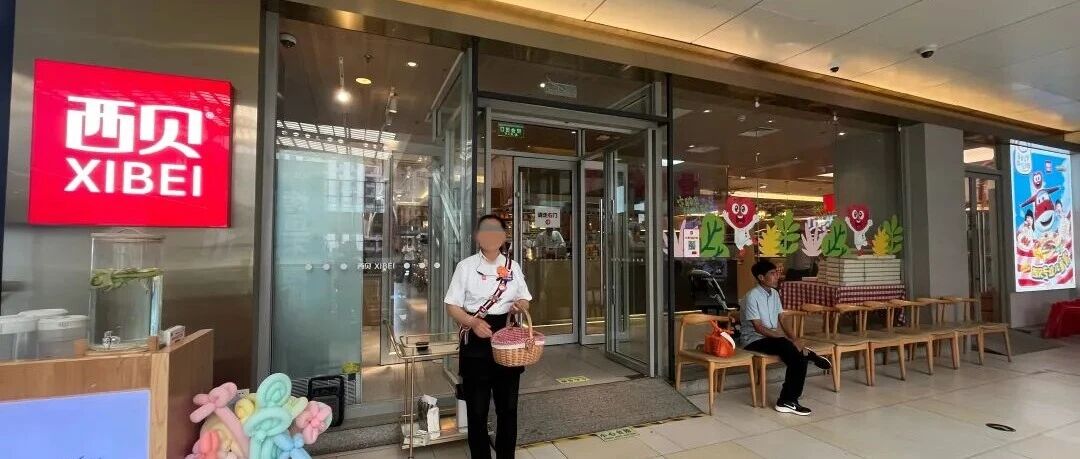
收手吧老罗,外面全是预制菜
Hu Xiu· 2025-09-13 13:44
Core Viewpoint - The debate surrounding pre-prepared meals in the restaurant industry highlights the tension between industrialized food products and traditional hand-crafted meals, with the expectation that pre-prepared meals will continue to evolve and gain popularity despite criticisms [1]. Group 1: Industry Trends - A significant majority of restaurants, approximately 90%, utilize pre-prepared meals across various categories, driven by the need for quick service, cost control, and simplified kitchen operations [4]. - The industrialization of the restaurant sector has led to a loss of traditional cooking methods and personalization, as consumers increasingly favor convenience over authenticity [4]. - The willingness of consumers to pay a premium for fresh, hand-crafted meals is limited, particularly in China, where labor supply dynamics and economic conditions affect service pricing [4][6]. Group 2: Market Dynamics - The prevalence of pre-prepared meals has created a market where many establishments charge hand-crafted prices for industrial products, leading to consumer dissatisfaction [4]. - The restaurant industry's low profit margins raise questions about the effectiveness of current pricing strategies and the potential for differentiation in a market dominated by industrialized offerings [6][7]. - The high turnover rate of restaurant staff necessitates the use of standardized, pre-prepared products, further entrenching industrialization within the sector [7]. Group 3: Consumer Behavior - Consumers are often unaware of the quality differences between pre-prepared and freshly made meals, complicating their purchasing decisions and leading to a reliance on lower-cost industrial products [4][6]. - The perception of value in dining experiences is evolving, particularly among younger generations in urban areas, who are increasingly willing to pay for differentiated, quality offerings [7].
专访西贝贾国龙:我现在陷入自证清白循环
36氪· 2025-09-13 13:39
Core Viewpoint - The article discusses the ongoing conflict between the company Xibei and influencer Luo Yonghao, highlighting the impact of social media on business reputation and revenue, as well as the company's commitment to transparency and quality in its operations [6][30][54]. Group 1: Company Background and Crisis - Xibei was founded in 1988 and currently operates over 370 stores with more than 18,000 employees, generating revenue of 6.2 billion yuan in 2023 [6]. - The company is facing its largest external crisis due to Luo Yonghao's accusations regarding the quality of its food, leading to a significant drop in customer traffic and daily revenue losses estimated at 1 million yuan on September 10 and 11, and projected losses of 2 to 3 million yuan on September 12 [11][30]. Group 2: Response to Accusations - The CEO of Xibei, Jia Guolong, expressed his determination to pursue legal action against Luo Yonghao, emphasizing the importance of clarifying the truth despite the potential short-term impact on business [17][18]. - Jia stated that the company has a commitment to customer satisfaction, offering refunds if customers are dissatisfied with their meals, and has historically handled customer complaints with apologies and compensation [23]. Group 3: Quality and Pre-prepared Food - Jia clarified that while Xibei employs pre-preparation techniques, it does not serve pre-prepared meals as defined by industry standards, distinguishing between pre-preparation and pre-prepared food [42][49]. - The company has faced misconceptions about pre-prepared food, with Jia advocating for quality standards rather than categorizing food simply as pre-prepared or freshly made [52][53]. Group 4: Future Outlook - Despite the current crisis, Jia believes that overcoming this challenge will enhance the company's organizational capabilities and improve its operations [36]. - The company aims to focus on customer experience and quality assurance moving forward, with a commitment to addressing any legitimate issues raised by customers [55].