智能汽车

Search documents
智能汽车引领进化,SOC芯片加速国产化 | 投研报告
Zhong Guo Neng Yuan Wang· 2025-08-06 02:00
国元证券近日发布车载SOC芯片深度报告:在智能化逐步深入的推动下,大量零部件电 子化,智能座舱、智能驾驶等普遍投入应用,"软件定义汽车"成为趋势,上世纪80年代以 来,逐步上车的分布式电子控制电源(ECU)逐渐难以满足智能汽车发展需求,汽车电子电 气(EE)架构升级呼之欲出。 以下为研究报告摘要: 汽车智能化发展,计算芯片进化 智能演进,电子电气架构复杂化 伴随着新能源汽车进入竞争下半场,智能化赋能并向自动驾驶时代发展,成为电动智能 汽车发展的主要方向 在智能化逐步深入的推动下,大量零部件电子化,智能座舱、智能驾驶等普遍投入应 用,"软件定义汽车"成为趋势,上世纪80年代以来,逐步上车的分布式电子控制电源 (ECU)逐渐难以满足智能汽车发展需求,汽车电子电气(EE)架构升级呼之欲出 汽车电子电气架构演进,主要厂商规划有细节差异,但整体趋势呈现由分布式向域控制 进化,再向域融合及中央控制,最终走向云控结合的发展态势(国元证券 刘乐,陈烨尧) 【责任编辑:杨梓安 】 ...
中证港美上市全球智能汽车主题指数报6138.82点,前十大权重包含Advanced Micro Devices Inc.等
Jin Rong Jie· 2025-08-05 11:48
Core Points - The China Securities Index for Global Smart Vehicle Theme has shown a monthly increase of 0.44%, a three-month increase of 11.33%, and a year-to-date increase of 0.19% [1] - The index comprises 50 listed companies from Hong Kong and the US involved in smart vehicle sectors such as perception, decision-making, control execution, smart cockpit, and vehicle networking [1] Group 1 - The top ten holdings of the index include NVIDIA Corp (12.09%), Marvell Technology Group Ltd (10.6%), and Tesla Motors Inc (9.6%) [2] - The index's market segment distribution shows that 65.26% of holdings are from the Nasdaq Global Select Market, 22.70% from the Hong Kong Stock Exchange, and 7.24% from the Nasdaq Capital Market [2] Group 2 - In terms of industry representation, passenger vehicles account for 16.78% of the index, while digital media, optical electronics, and automotive parts and tires represent 2.87%, 2.50%, and 0.55% respectively [3] - The index samples are adjusted biannually, with changes implemented on the next trading day following the second Friday of June and December [3]
欧菲光:营收难回高点,上半年业绩变脸,AI眼镜利润“含金量”待考
Zheng Quan Zhi Xing· 2025-08-05 05:49
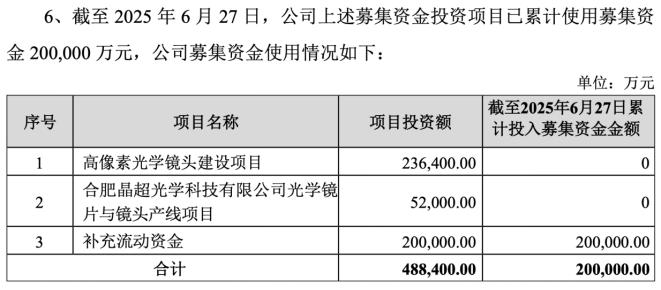
Core Viewpoint - O-Film Technology Co., Ltd. is expected to report a net loss of 85 million to 115 million yuan in the first half of 2025, marking a significant shift from profit to loss year-on-year, primarily due to the loss of Apple orders since 2020 and ongoing challenges in its smart automotive and new business segments [1][2]. Financial Performance - The company anticipates a net loss of 85 million to 115 million yuan for the first half of 2025, compared to a profit of 39.14 million yuan in the same period last year [2]. - The non-recurring net profit is projected to be a loss of 130 million to 160 million yuan, representing an increase in loss of 805% to 1014% year-on-year [2]. - Cumulative non-recurring losses over five years exceed 10 billion yuan, with total losses from 2020 to the first half of 2025 estimated at 10.06 billion to 10.09 billion yuan [3]. Business Segments - The company's revenue sources are primarily from smartphones (79.23%), smart automotive (11.74%), and new fields (8.56%) as of 2024 [4]. - The smart automotive segment generated revenue of 2.4 billion yuan in 2024, but its gross margin fell to 8.7%, down 6.15 percentage points year-on-year, making it the lowest among the company's business segments [5]. Strategic Developments - O-Film has entered the smart glasses market as the exclusive supplier of AI camera modules for Xiaomi's new AI glasses, although the profitability of this venture is questioned [6][7]. - The company has adjusted its fundraising plans, reallocating 554 million yuan from previous projects to new initiatives in smart automotive and optical lens businesses [7][8]. Management Changes - A new vice president, Sun Shiquan, has been appointed to strengthen financial management and internal controls amid ongoing financial pressures [3].


高阶智驾免费狂奔 “靠软件挣钱”无望?
Jing Ji Guan Cha Wang· 2025-08-05 03:04
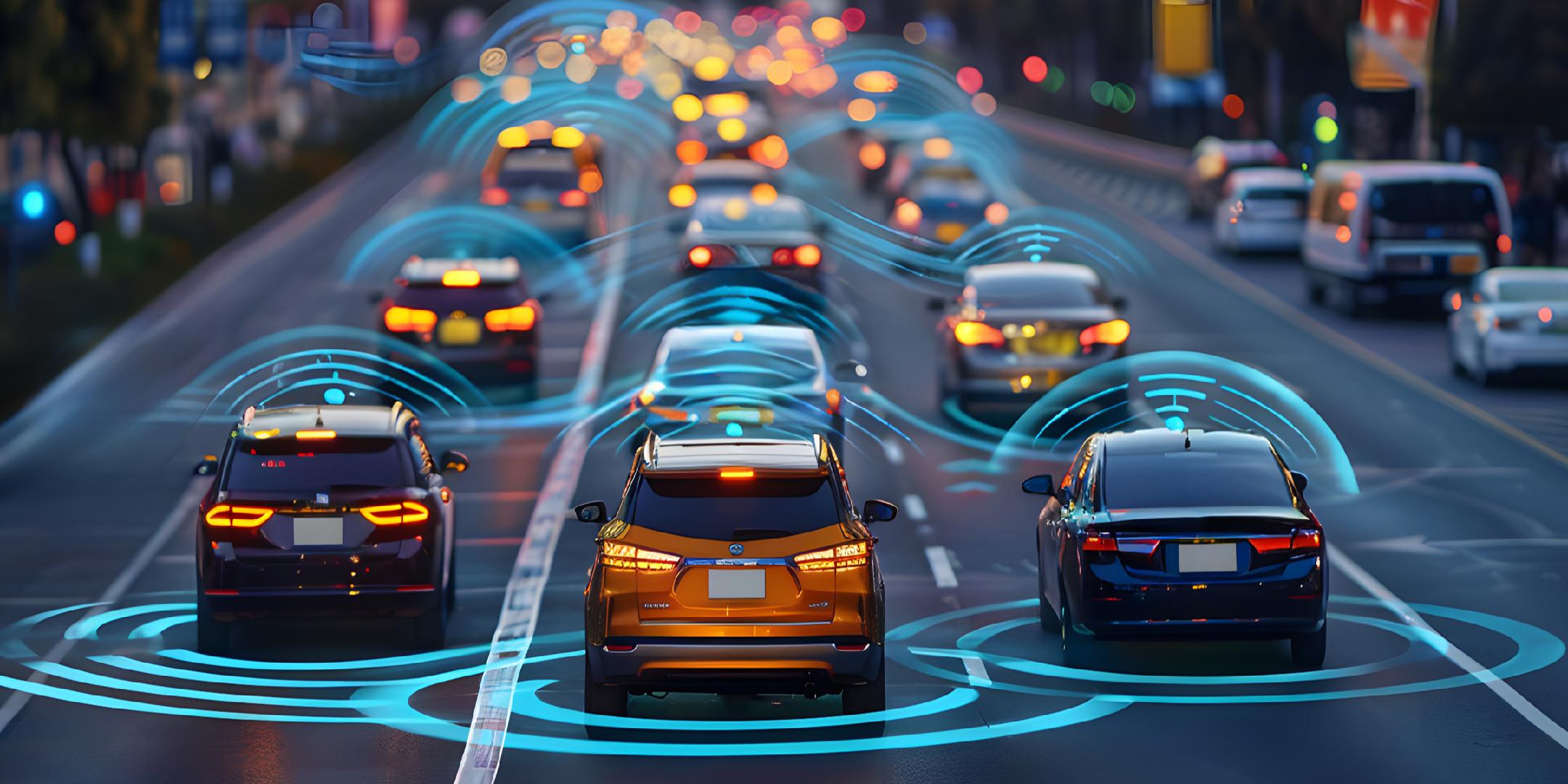
Group 1 - The core viewpoint of the articles highlights the concern that free promotion of advanced driving assistance systems (ADAS) could undermine the profitability of the automotive industry, as emphasized by Bosch's president in China, Wu Yongqiao [2][7] - The trend of "free high-level intelligent driving" is gaining traction among domestic automakers, with companies like Chery, Leap Motor, BYD, and Xpeng announcing that their entire model ranges will be equipped with advanced ADAS, leading to over a hundred models being offered [2][8] - The expectation of profitability through software subscription models has become uncertain, with industry insiders stating that discussions on software subscription profitability are currently not feasible [2][5] Group 2 - International automakers are prioritizing "sustainable revenue" and have begun charging subscription fees for embedded hardware features, although this approach has faced backlash from domestic consumers [3][5] - Tesla and Huawei are strong proponents of software charging, with Tesla's Full Self-Driving (FSD) priced at 64,000 yuan, while Huawei has increased the price of its Qian Kun intelligent driving system by 2,000 yuan [3][12] - The consensus among industry experts is that the realization of a paid subscription model is more challenging than anticipated due to intense price competition and consumer expectations for free features [3][11] Group 3 - The feasibility of hardware subscription models has diminished significantly, with luxury brands still experimenting with them despite low consumer uptake [4][5] - BMW and Mercedes-Benz have faced criticism for charging fees for features that are standard in many domestic vehicles, leading to adjustments in their subscription strategies [4][5] - The trend of free high-level intelligent driving features is seen as a way to build consumer habits and dependencies, but there is skepticism about the potential for high subscription rates post-free periods [9][10] Group 4 - The articles suggest that the subscription model for software may be collapsing, with experts indicating that a successful implementation would require overcoming fierce competition and establishing significant technological barriers [11][12] - The potential for consumers to pay for advanced driving technologies may increase with the advent of Level 3 autonomous driving, but achieving a consensus among automakers on subscription models remains challenging [11][12] - The automotive industry is experiencing a shift where hardware upgrades are seen as the foundation for profitability, with companies like Horizon predicting a profitability turning point by 2027 [12][13]



ADS 4+WEWA亮相,岚图与华为共建“智驾安全底线”
Tai Mei Ti A P P· 2025-08-05 00:26
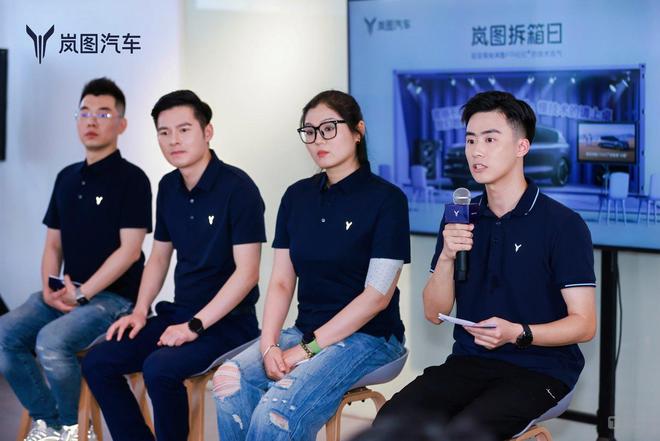
Group 1 - The core viewpoint of the article emphasizes the collaboration between Lantu and Huawei as a strategic partnership aimed at creating a "Chinese technology community" in the field of intelligent driving [2][8] - Lantu and Huawei's partnership began 18 months ago, culminating in a strategic cooperation agreement in January 2024 to enhance smart mobility experiences and accelerate the commercialization of intelligent technologies [2] - The first model developed from this collaboration, the Lantu Dreamer Qiankun version, has achieved impressive market performance with cumulative sales exceeding 100,000 units [2] Group 2 - The second model, Lantu FREE+, has also been well-received, with over 11,500 orders placed within 15 minutes of its launch, and total orders surpassing 20,000 [2] - Lantu emphasizes safety as a fundamental principle, stating that safety cannot be compromised, and aims for full marks in both passive and active safety measures [3][4] - The AEB (Automatic Emergency Braking) system developed by Lantu is designed to operate effectively at speeds up to 150 km/h, with additional features to recognize various obstacles beyond standard vehicles and pedestrians [4] Group 3 - The WEWA architecture used in the Lantu FREE+ integrates a "World Event Engine" and "World Action Model" to enhance the vehicle's ability to recognize extreme situations, significantly improving decision-making and braking response times [6][7] - The WEWA model allows for extensive safety simulations, with the ADS 4 system successfully avoiding potential collisions over 123,200 times during road tests in June [7][5] - The collaboration between Lantu and Huawei represents a dual commitment to technology and safety, with both companies aiming to establish a robust engineering and operational framework [8][9]
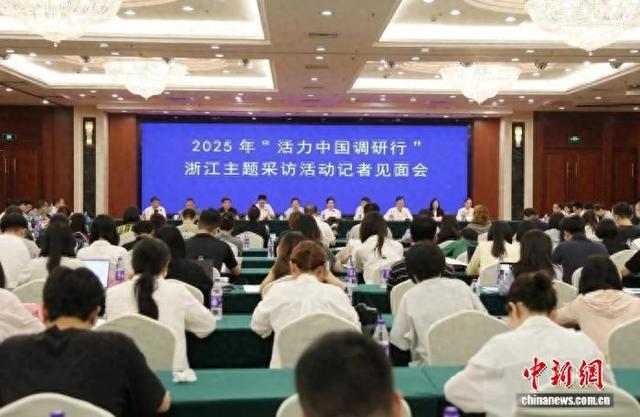
(活力中国调研行)浙江:做好“三件事”推动全面绿色转型
Zhong Guo Xin Wen Wang· 2025-08-04 14:25
Group 1 - The core theme of the event is to promote a comprehensive green transformation of economic and social development in Zhejiang, focusing on the concept of "Green Water and Green Mountains are as Valuable as Mountains of Gold and Silver" [2] - Zhejiang has implemented the "811" environmental pollution control action since 2004, which targets eight major water systems and eleven key pollution areas, demonstrating a long-term commitment to environmental protection [3] - The proportion of surface water with good quality in Zhejiang has increased from 41.9% to 98.6% over nearly 20 years, and the average PM2.5 concentration in urban areas has decreased from 61 µg/m³ in 2013 to 26.1 µg/m³, showcasing significant environmental improvements [3] Group 2 - The transformation of "Green Water and Green Mountains" into "Mountains of Gold and Silver" involves exploring and broadening conversion pathways, including the establishment of a provincial GEP accounting standard to measure ecological product value [5] - Zhejiang has developed over 126 full industrial chains for local specialties, generating a total output value of 321.6 billion yuan and creating 4.7 million jobs, with an average annual income of 51,000 yuan [7] - The province has focused on upgrading its manufacturing sector and developing clean energy and advanced manufacturing, resulting in a significant increase in output value despite a reduction in the number of companies in certain industries [8]
港股周报(2025.07.28-2025.08.01):AI加速,重点看好港股AI方向机会-20250804
Tianfeng Securities· 2025-08-04 09:32
Investment Rating - The report maintains a "Buy" rating for stocks, expecting a relative return of over 20% within six months [31] - The industry investment rating is "Strong Outperform," anticipating an industry index increase of over 5% within the same timeframe [31] Core Insights - The report highlights a significant net inflow of 540.7 billion CNY into Hong Kong stocks through the Stock Connect program over the past week, totaling 8194.88 billion CNY year-to-date, which is 110.14% of the total net inflow for 2024 [1] - The focus is on opportunities in the AI sector, particularly following the approval of the "Artificial Intelligence+" action plan by the State Council, which aims to enhance AI commercialization and innovation [2] - The report emphasizes the potential of platform-based internet companies and AI ecosystem enterprises, recommending stocks such as Alibaba, Tencent, Baidu, and Xiaomi for their synergistic advantages in computing power and application scenarios [2] Summary by Sections AI Sector - The report notes the launch of GLM-4.5 by Zhipu, which integrates reasoning, coding, and AI capabilities, catering to complex application needs [2] - It suggests a focus on internet platform companies and AI ecosystem firms, including Fourth Paradigm, Meitu, and JD Health, among others [2] Smart Driving - The report discusses the latest software updates from Tesla and the advancements in smart driving technologies from domestic companies like Li Auto and Xpeng, indicating a turning point in high-level autonomous driving [3] - It highlights the trend of mainstream manufacturers adopting lidar technology and recommends stocks such as Xpeng, Li Auto, and Xiaomi, as well as lidar and chip suppliers like Hesai Technology and Horizon Robotics [3] Internet and Consumption - The report provides valuation metrics for major internet companies, with Tencent at a 2025 PE of 21X, Kuaishou at 17X, and Alibaba at 15X for FY26, indicating growth potential in their core businesses [3] - It also mentions the strong performance of Pop Mart, with a 2025 PE of 27X, driven by global IP expansion and seasonal sales [4] New Energy Vehicles - The report highlights the launch of new electric vehicles from Li Auto and Xpeng, with Li Auto's i8 featuring advanced charging capabilities and safety systems [9] - It notes the market's positive reaction to NIO's L90 model, which adopts an "immediate delivery" strategy, enhancing market responsiveness [8] M&A Activity - JD.com announced a voluntary public acquisition offer for German consumer electronics retailer Ceconomy at approximately 2.2 billion euros, indicating strategic expansion efforts [10]
专家:汽车智能化需筑牢安全底线
Zhong Guo Chan Ye Jing Ji Xin Xi Wang· 2025-08-04 01:56
Group 1: Industry Transformation - The global automotive industry is undergoing profound changes driven by the "new four modernizations," with a focus on the transition from electrification to intelligence and from local market dominance to global value chain restructuring [1] - The period from now until 2030 is critical for cultivating intelligent driving culture and popularizing lower-level intelligent driving technologies, necessitating clear development goals and strategies from major companies [1][2] Group 2: Safety and Technology Challenges - The penetration rate of L2-level intelligent vehicles in China has surpassed 50%, leading the world, but recent serious traffic accidents related to intelligent driving have raised safety concerns [2][3] - Current intelligent vehicle safety technologies are evolving along two main paths: "rule-driven" and "data-driven," each with its own advantages and limitations [3][4] Group 3: Cognitive-Driven Approach - A "cognitive-driven" approach is proposed to combine the advantages of both "rule-driven" and "data-driven" systems, enhancing adaptability and transparency in decision-making processes [4][5] - The stability of automotive safety heavily relies on the performance of automotive-grade chips, which must meet stringent reliability standards [5][6] Group 4: Competitive Landscape - The cost structure of vehicles is shifting, with electronic hardware and AI becoming increasingly significant, projected to rise from less than 25% to 70% by 2030 [7][8] - Companies are encouraged to break traditional industry boundaries and collaborate with technology firms to enhance their competitive edge in the intelligent and AI-driven automotive landscape [8][9]
智能汽车热度持续升温,镁佳股份赴港IPO能否博得市场青睐?
Zhi Tong Cai Jing· 2025-08-03 13:14
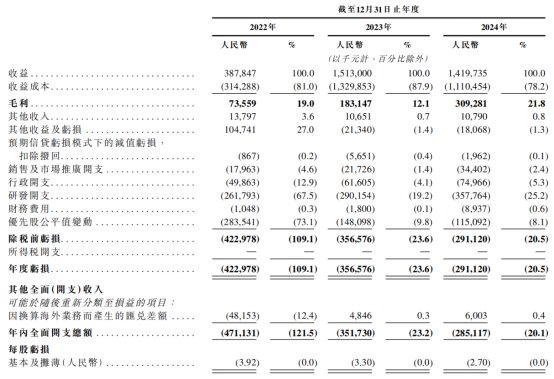
Core Viewpoint - Magnesium Technology Co., Ltd. (referred to as Magnesium) has submitted its IPO application to the Hong Kong Stock Exchange, with notable investment from various institutions and a post-investment valuation of approximately $931 million (around 6.7 billion RMB) as of the D+ round of financing [1] Group 1: Company Overview - Magnesium is one of the first companies in China's smart automotive industry to develop fully standardized, modular, software-driven integrated domain control solutions [1] - The company is a third-party supplier that has achieved mass production of integrated smart cockpit and parking solutions driven by a single automotive-grade main control chip [1] - Magnesium is one of only two third-party suppliers capable of providing a fully integrated smart voice system with a recognition accuracy rate of 99%, the highest in the industry [1] Group 2: Financial Performance - From 2022 to 2024, Magnesium's revenue is projected to grow from 388.47 million RMB to 1.42 billion RMB, with a compound annual growth rate (CAGR) of 91.3% [2] - The gross margin is expected to increase from 19.0% in 2022 to 21.8% in 2024, while net losses are projected to decrease from 423 million RMB in 2022 to 291 million RMB in 2024 [2][3] - The number of cumulative designated points is expected to grow from 15 in 2022 to 48 in 2024, with delivery volume increasing from 120,106 units to 634,337 units during the same period [5] Group 3: Market Position and Growth Potential - Magnesium's solutions have been adopted by major automotive manufacturers, with an estimated market share of 9.3% in China, ranking second among integrated domain control solution suppliers [14] - The company has seen a significant increase in wallet share from its top five customers, rising from 1.2% in 2022 to 12.7% in 2024, indicating broader adoption of its solutions across existing and new vehicle platforms [4] - The automotive industry is rapidly transitioning towards smart, electric, and connected vehicles, creating a golden development period for the smart automotive supply chain, which is expected to benefit Magnesium's IPO [1][16]
德资巨头中国区高管警告:智驾绝不能免费,否则会给全行业带来灾难
Mei Ri Jing Ji Xin Wen· 2025-08-03 06:22
Core Viewpoint - The automotive industry is facing a critical decision regarding the monetization of intelligent driving features, with calls for charging for these services rather than offering them for free, as highlighted by Bosch's president in China, Wu Yongqiao [1][10]. Group 1: Current Market Dynamics - Intelligent driving is currently exhibiting various business models, with some manufacturers like Tesla and Huawei charging premium prices for their advanced driving features, while others are adopting a "driving equality" strategy by offering these services for free [1][7]. - The penetration rate of NOA (Navigation on Autopilot) in China's passenger car market has significantly increased from 9.5% to 24.1% within six months, indicating a growing adoption of intelligent driving technologies [4]. Group 2: Cost Considerations - Charging for intelligent driving systems allows manufacturers to generate revenue to offset research and development costs, while not charging can help increase user engagement and data collection for algorithm improvements [3][10]. - The costs associated with intelligent driving include annual communication and data transmission fees, as well as substantial human resources and hardware expenses, which are critical factors in the decision to implement a charging model [10][11]. Group 3: Competitive Strategies - Major automakers like BYD, Geely, and Chery are aggressively pursuing a "driving equality" strategy, with BYD offering advanced driving systems in vehicles priced as low as 100,000 yuan and Chery introducing models at 60,000 yuan [6]. - In contrast, companies like Tesla and Huawei maintain a subscription-based pricing model for their intelligent driving features, with Tesla's Enhanced Autopilot priced at 32,000 yuan and monthly subscriptions available [7][8]. Group 4: Industry Challenges - The automotive industry is experiencing intense price competition, which may lead to a "price war" as manufacturers strive to differentiate themselves through low-cost or free intelligent driving features [8]. - The overall profitability of the automotive sector has declined, with a reported 11.9% drop in industry profits despite a 7% increase in revenue and a 14% rise in passenger car sales from January to May [13].