天然气

Search documents
权力游戏:意大利重塑能源成本、电网接入和数据中心
翰宇国际律师事务所· 2026-03-19 01:14
权力游戏:意大利重塑能源成本、电网接入和数据中心 三月二〇二六 简介 《2026年2月20日法令第21号》(以下简称《法令》),于2026 年2月21日《官方公报》上发布,提出"紧急措施降低电费和燃气费 、提升工业竞争力、支持脱碳、解决国家电网虚拟拥堵问题,以及 将数据中心融入电力系统"。 《法令》包括两个章节,共12条内容,涵盖了: 电费,可再生能 源,电网 此外 连接,数据中心,税务和燃气。该条例于2026年2月22日生效,意 大利议会在2026年4月21日之前必须将其转化为法律。 此警报的目的是提供一个关于条例关键条款的明确简洁概述,以及 这些条款可能对能源成本、工业竞争力、能源转型、电网连接管理 、可再生能源和生物能源激励措施以及数据中心数据授权流程的影 响。 电力和天然气费用 非凡的家庭电费支持 《条例》第一条规定,采取非常措施支持2026年和2027年的家庭电 费。 • 对于2026年,将自动向持有社会电力补贴受益人电力供应合 同的受益人提供115欧元贡献。该贡献将由能源、网络和环境 监管局(ARERA)实施。 2026年的总预算上限为3.15亿欧元,2将通过以下途径发放: C assa per ...
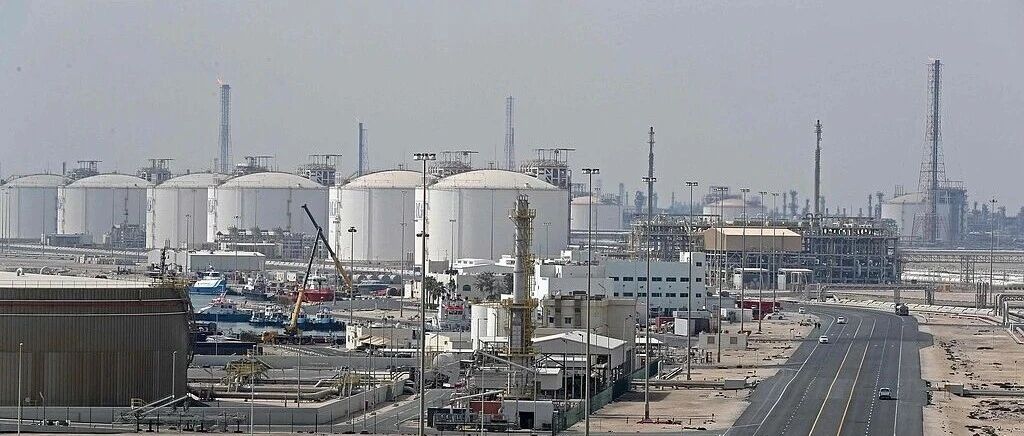
卡塔尔天然气设施,再次遭袭
财联社· 2026-03-19 01:01
下载财联社APP获取更多资讯 准确 快速 权威 专业 7x24h电报 头条新闻 VIP资讯 实时盯盘 据悉,拉斯拉凡工业城是全球最大的液化天然气生产设施所在地。 △卡塔尔拉斯拉凡工业城(资料图) 据央视新闻,记者当地时间19日凌晨获悉,卡塔尔拉斯拉凡天然气设施再次被导弹击中。 当天稍早时候,伊朗方面消息称,伊朗再次对"驻扎有伊朗敌人的海湾国家"的石油设施发动袭击。 ...

美官员称特朗普暂不想再袭伊朗能源设施
21世纪经济报道· 2026-03-19 00:10
美国官员称,特朗普提前获悉了以色列对南帕尔斯气田的袭击计划,并表示支持,意在借此向 伊朗传递信息,以"回应其封锁霍尔木兹海峡的行为"。据美方官员称,特朗普认为"伊朗已领 会了这一信息",因此目前他反对继续袭击伊朗的能源基础设施。不过,视伊朗未来在该战略 水道上的举动而定,特朗普仍有可能再次考虑将更多伊朗能源设施列为打击目标。 来源丨央视新闻 编辑丨张嘉钰 鲍威尔:无意在调查结束前离开美联储 道指深夜重挫近800点,科技七巨头齐跌,闪迪、美光收新高,伊朗誓言清算血债 伊朗总统证实情报部长遇害 SFC 21君荐读 据央视新闻报道,当地时间18日,美国官员称,在以色列袭击了伊朗南帕尔斯天然气田之后, 美国总统特朗普表示"不希望再发生针对伊朗能源设施的袭击"。 ...

刚刚,局势突然升级!伊朗石化设施被炸!中东三国石油设施成打击目标!国际油价直线飙升
券商中国· 2026-03-18 13:39
Core Viewpoint - The situation in Iran is escalating, with recent attacks on oil and petrochemical facilities leading to significant fluctuations in global oil prices and impacting energy markets [1][2][5]. Group 1: Attacks and Immediate Impact - Iranian oil and petrochemical facilities in Bushehr province were attacked by the US and Israel, causing Brent crude oil prices to rise over 5% and WTI crude oil to increase nearly 2% [1][5]. - The attacks included drone strikes on the South Pars gas refinery, which processes 40% of Iran's natural gas [3][4]. - The escalation has led to a blockade of the Strait of Hormuz, causing a spike in oil prices and creating bottlenecks for key raw materials like ammonia and phosphates [5]. Group 2: Economic Consequences - The EU Commission reported that the rise in hydrocarbon prices due to the conflict has cost European taxpayers an additional €3 billion in fossil fuel imports over the first ten days of the war [5]. - The ongoing conflict is expected to exacerbate the already declining industrial output in Europe, which had been struggling since early this year [5]. - The EU has proposed measures to streamline the import of non-Russian natural gas to enhance energy supply flexibility and market stability [5][6]. Group 3: Military Developments - Israel's Defense Minister announced an increase in military actions against Iran, stating that all Iranians are considered targets [7][8]. - The assassination of Iranian officials is part of a broader strategy to intensify military operations against Iran and its allies [7][8]. - Iran's Foreign Minister emphasized that the political structure of Iran is robust and not reliant on individual leaders, indicating resilience against external pressures [8].

伊朗战争要是打久了,那就远不只是油价暴涨的事了
华尔街见闻· 2026-03-18 12:20
Core Viewpoint - The article discusses the potential impacts of the ongoing conflict in Iran on global commodity markets, emphasizing that prolonged conflict could lead to significant supply chain disruptions and price volatility across various sectors, including energy, metals, and agriculture [2][9]. Energy Sector - Bank of America (BofA) views the Strait of Hormuz as a critical chokepoint for oil and refined products, with a potential restoration leading to price declines, while a slow recovery could necessitate higher risk premiums for oil pricing [5][12]. - The report outlines four scenarios for oil prices by 2026, with a base case average of $77.50 per barrel, and extreme scenarios suggesting prices could peak at $240 per barrel if the conflict extends [9][11]. - The report indicates that the refined oil market may experience even more severe impacts than crude oil due to a lack of strategic reserves [11]. Metals Sector - The aluminum market is projected to face significant deficits, with estimates of 1.2 million tons in a quick resolution scenario, escalating to 5 million tons if the conflict extends into the second half of 2026, with prices potentially reaching $4,000 per ton [8][15]. - Copper production may be affected by sulfur supply disruptions, with a baseline deficit of 45,300 tons expected by 2026, which could expand significantly if sulfur supplies are cut off [16]. - Zinc is expected to remain in surplus this year, limiting price increases, while nickel prices are projected to range between $15,000 and $20,000 per ton [8][16]. Agricultural Sector - The report highlights that fertilizer prices, particularly urea, have surged by 30%-40% due to supply chain disruptions, with the Gulf region contributing significantly to global urea exports [21][22]. - Corn is identified as the most vulnerable crop, with U.S. planting area expected to decrease, potentially leading to higher prices above $6 per bushel if nitrogen fertilizer shortages persist [22]. - Wheat is positioned as a hedge against food security, with price forecasts adjusted upward due to the ongoing conflict and its impact on supply chains [22]. Broader Commodity Impacts - The report emphasizes that the conflict's impact is not limited to oil and gas but extends to chemicals and coal, with potential shifts in energy consumption patterns as countries may revert to coal if LNG supplies are constrained [20]. - The agricultural sector is expected to see systemic risks due to concentrated urea supply chains, with significant implications for global food prices and availability [21][22]. - Gold prices are projected to reach $6,000 per ounce under certain scenarios, particularly if high inflation and economic stagnation persist [25][27]. Market Dynamics - BofA notes that the market has not fully priced in several factors, including the volatility of oil and aluminum, suggesting that long-term contracts may reflect the true impact of supply disruptions more accurately [29]. - The report indicates that energy prices could trigger a global recession if they exceed $160 per barrel, leading to significant declines in metal prices [29].


俄土外长:要确保两国间能源管道安全
中国能源报· 2026-03-18 10:13
Group 1 - The core viewpoint of the article emphasizes the importance of ensuring the security of energy pipelines between Russia and Turkey amid ongoing threats from Ukraine to disrupt the "Blue Stream" and "TurkStream" gas pipeline facilities [1] - Russian Foreign Minister Lavrov and Turkish Foreign Minister Fidan discussed the necessity of creating conditions for the continuous operation of strategic energy projects between the two countries [1] - The article mentions that since February 24, key energy infrastructure in southern Russia has faced over 10 attacks, which are critical for the operation of the "TurkStream" and "Blue Stream" gas pipelines [1] Group 2 - The Russian side advocates for prioritizing non-military political and diplomatic means to resolve the crisis situation triggered by U.S.-Israeli actions against Iran [1] - There is a willingness from the Russian side to facilitate crisis resolution and coordinate efforts with various parties, including Turkey, to ease tensions in the Middle East [1]

九丰能源20260317
2026-03-18 02:31
Summary of Jiufeng Energy Conference Call Company Overview - **Company**: Jiufeng Energy - **Date**: March 17, 2026 - **Industry**: Natural Gas, LPG, Specialty Gases, Energy Services Key Points Strategic Direction - **"One Body, Two Wings" Strategy**: Focus on natural gas and LPG as the main body, with specialty gases and energy services as the wings, aiming for a doubling of performance by 2028 [2][4] - **Core Growth from Xinjiang Coal-to-Gas Project**: Total capacity of 4.1 billion cubic meters, with company rights to 2.1 billion cubic meters (approximately 1.38 million tons of LNG), expected to be operational by mid-2028, with cost control targeted below 1.2 RMB per cubic meter [2][6] Energy Services Expansion - **LNG Liquefaction Capacity Increase**: Plans to increase LNG liquefaction capacity from 940,000 tons to 2 million tons within three years, with four projects expected to contribute a profit of 480 million RMB (approximately 240 million RMB attributable to the parent company) [2][6] Specialty Gases Focus - **Commercial Aerospace Sector**: Secured a two-year project with Hainan Commercial Launch, holding over 80% market share; expanding into Jiuquan and Shandong bases to benefit from future high-density launch demands [2][6] LPG Business Synergy - **Dual Warehouse Coordination**: After integrating the Huakai project, the collaboration with Dongguan terminal is expected to exceed 2 million tons in turnover by 2026, with sources expanded to Africa, Australia, and the Americas to mitigate geopolitical risks [2][6] Development Phases - **2025-2027 Energy Accumulation Phase**: Focus on advancing Xinjiang project, LPG terminal, and specialty gas initiatives, employing a strategy combining long-term contracts and spot market responses to international LNG price fluctuations [2][4] Project Progress and Operations - **Xinjiang Coal-to-Gas Project**: Construction commenced on the ninth day of the lunar new year in 2026, with all necessary permits secured and financing discussions ongoing [6][13] - **LPG Operations**: The dual warehouse model is expected to enhance operational efficiency, with the Huakai project integrated and operational by mid-2026 [6][13] Market Strategy and Risk Management - **Response to Geopolitical Uncertainty**: The company emphasizes the ability to navigate external changes, focusing on long-term strategic project execution while ensuring short-term performance [8][9] - **LNG and LPG Pricing Strategy**: Plans to secure long-term supply agreements and explore new supply options to mitigate price volatility due to geopolitical tensions [12][16] Future Outlook - **Growth Attributes**: The company defines its growth based on industry attributes, corporate characteristics, and core capabilities, emphasizing proactive project development and strategic execution [10][11] - **Investment in Strategic Projects**: The focus remains on ensuring the successful execution of strategic projects to achieve high-quality growth post-2028 [17] Conclusion - **Commitment to Growth**: Jiufeng Energy positions itself as a growth-oriented enterprise, with a clear strategy and operational focus aimed at delivering substantial returns to investors through strategic project execution and market adaptability [17]

环球视野|中东断供风暴:全球商品市场的三重死亡螺旋
对冲研投· 2026-03-18 00:05
Core Viewpoint - The article discusses the structural collapse of the global energy market triggered by geopolitical tensions, particularly the blockade of the Strait of Hormuz, leading to significant disruptions in oil and gas supply chains and a reconfiguration of pricing mechanisms in the commodity markets [4][5][14]. Group 1: Global Energy Market Collapse - The blockade of the Strait of Hormuz, which accounts for 30% of global seaborne oil and 20% of LNG trade, has disrupted the transport of 20.9 million barrels of oil daily [5]. - Global floating storage inventories have plummeted to 80 million barrels, significantly below the five-year average of 120 million barrels, indicating a critical supply shortage [5]. - Insurance costs for oil tankers in Iranian waters have surged, with rates increasing from 0.15% to 0.5% of cargo value, resulting in a 400% rise in per-vessel insurance costs [6]. Group 2: Natural Gas and Chemical Raw Material Crisis - Following attacks on Qatar's liquefaction facilities, European TTF natural gas futures surged by 80% in one week, with potential price increases mirroring the 300% rise seen in 2022 if the blockade persists [7]. - The disruption in supply chains has led to a 40% increase in Northeast Asia's ethylene spot prices, reaching $1,200 per ton, as Iran's 10% share of global methanol production is jeopardized [7]. Group 3: Energy Pricing System Reconstruction - The Brent crude oil market has shifted from contango to backwardation, with near-month premiums reaching $1.2 per barrel, indicating a significant change in market dynamics [8]. - Current pricing models suggest an equilibrium price of $112 per barrel, factoring in a daily oil supply shortage of 15 million barrels due to the blockade [8]. Group 4: Economic and Supply Chain Disruptions - The collapse of the chemical-manufacturing supply chain has led to significant reductions in production rates, with key facilities like Qatar's QAFCO reducing urea output by 50% [9]. - Shipping costs have skyrocketed, with soybean import costs from Brazil and the U.S. rising to 3,800 yuan per ton due to increased fuel prices [10]. - The agricultural sector faces severe challenges, with a potential 30-50% reduction in global fertilizer supply if the blockade continues, impacting major crops like soybeans and corn [12]. Group 5: Systemic Financial Risks - The article highlights a shift in inflation mechanisms, with supply chain bottlenecks driving costs rather than demand, leading to a significant increase in transportation costs [14]. - Emerging market countries are facing rising external debt repayment costs, with some at risk of default, particularly those heavily reliant on oil imports [15]. - The article predicts a reconfiguration of commodity pricing from economic cycle-based to resource scarcity and monetary system restructuring [16]. Group 6: Future Price Trends and Market Dynamics - The article suggests that the current strong performance of oil and chemical sectors will continue, but with high volatility, and warns against blindly chasing prices [18]. - The agricultural sector may see upward price adjustments due to fertilizer shortages and planting season impacts, with a focus on long-term risks [19].

财信证券晨会纪要-20260318
Caixin Securities· 2026-03-17 23:30
Market Strategy - The market is experiencing a high point followed by a pullback, with wide fluctuations expected to remain the main theme in the near term [5][8][11] - The overall A-share market saw a decline of 1.56%, with the Shanghai Composite Index down 0.85% and the ChiNext Index down 2.29% [8][9] - In terms of sector performance, non-bank financials, banks, and food and beverage sectors performed well, while defense, electronics, and communications lagged behind [9] Economic Insights - In January-February, the total electricity consumption in society grew by 6.1% year-on-year, reaching 16,546 billion kilowatt-hours [16] - The People's Bank of China conducted a 510 billion yuan reverse repurchase operation with a 1.40% interest rate [17] Industry Dynamics - NVIDIA announced the launch of the Groq 3 LPU, expected to start shipping in the second half of 2026, as part of its AI supercomputer platform [25][27] - The Daqi Gas Field has achieved an annual production capacity of over 4 billion cubic meters, contributing significantly to China's natural gas output [28][29] - In February, China's lithium carbonate production was 84,500 tons, a 14% decrease month-on-month but a 36% increase year-on-year [30][31] - The Asian scrap copper market is showing divergent trends, with price coefficients rising in China and Japan, while remaining stable in South Korea due to high inventory levels [33] Company Updates - Jiyuan Group (603262.SH) focuses on HMB as a core growth driver, expanding into multiple business areas [35] - Kaipu Testing (003008.SZ) reported a 5.15% increase in revenue for 2025, with a net profit growth of 3.08% [37] - Haohai Biological Technology (688366.SH) received approval for its intraocular cross-linked sodium hyaluronate gel product [39] - Changlan Technology (002879.SZ) reported a 15.97% increase in revenue for 2025, with a net profit growth of 79.11% [41]
能源早新闻丨6个上榜,创建国家新型工业化示范区首批城市名单公布
中国能源报· 2026-03-17 22:33
News Focus - In January and February, the total electricity consumption in China increased by 6.1% year-on-year, reaching 165.46 billion kilowatt-hours. The first industry consumed 22.3 billion kilowatt-hours, up 7.4%, while the second industry consumed 1,027.9 billion kilowatt-hours, up 6.3%. Industrial electricity consumption grew by 6.4%, and high-tech and equipment manufacturing electricity consumption rose by 10.6%. The third industry consumed 323.1 billion kilowatt-hours, up 8.3%, with the charging and swapping service industry and internet data service industry growing by 55.1% and 46.2%, respectively. Urban and rural residents' electricity consumption was 281.3 billion kilowatt-hours, up 2.7% [2]. Domestic News - Six cities were listed in the first batch of national new-type industrialization demonstration zones, including Beijing Daxing District and Tianjin Binhai New Area [3]. - By 2025, electrical faults are expected to cause 30.8% of all fire incidents in China, with a projected total of 841,000 fire reports nationwide [3]. - China's geothermal industry remains the largest in the world, with a projected growth rate of around 7% in geothermal heating and cooling areas over the next decade, reaching a cumulative area of 3 billion square meters by 2035 [3]. Corporate News - A new international standard for pipeline geological disaster monitoring in the oil and gas industry was released, led by a Chinese state-owned enterprise. This standard integrates various technologies, including satellite remote sensing and intelligent sensing, creating a comprehensive monitoring system [7].