
生物医药

Search documents
代表委员建言长江中游城市群建设:构建统一的资本市场平台和标准
第一财经· 2026-03-10 11:42
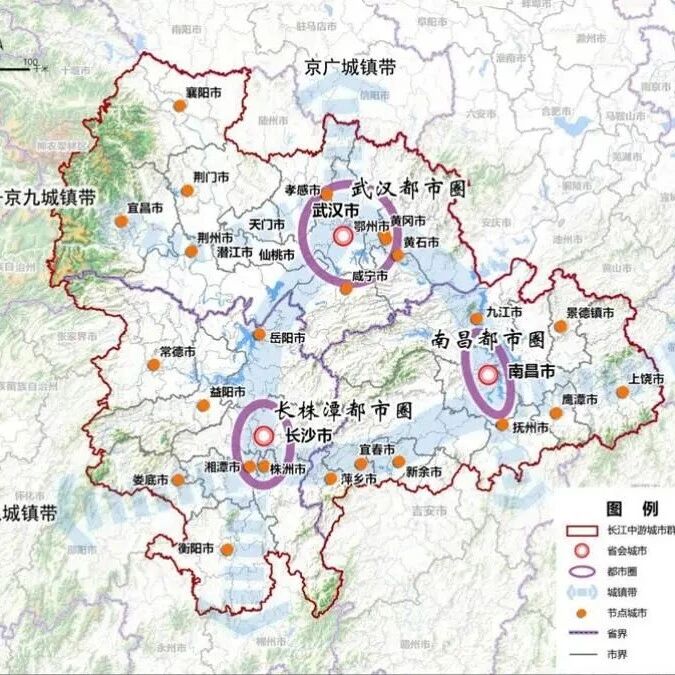
Core Viewpoint - The article discusses the collaborative efforts of Hubei, Hunan, and Jiangxi provinces to develop the Yangtze River Middle Reaches Urban Agglomeration as a significant growth engine for the Yangtze Economic Belt and the central region of China, emphasizing the need for improved coordination and innovation collaboration among the three provinces [2][3]. Group 1: Development Strategies - The Yangtze River Middle Reaches Urban Agglomeration, spanning Hubei, Hunan, and Jiangxi, had a total GDP of approximately 15.4 trillion yuan last year, accounting for about 11% of the national GDP [2]. - Hubei's representative, Ning Yong, highlighted the lack of overall coordination and collaboration in innovation and industry among the three provinces, suggesting the establishment of a dedicated agency to guide collaborative development [2]. - The article emphasizes the need for a comprehensive planning system to enhance collaborative development efforts among the three provinces [2]. Group 2: Innovation and Technology - The concept of building an innovation community was frequently mentioned, with suggestions to create major platforms for joint applications for national laboratories and to upgrade regional innovation platforms [3]. - The establishment of a high-level management structure to coordinate projects and infrastructure across the three provinces was proposed, along with the need for a special development plan led by the Ministry of Science and Technology [3]. - The article also discusses the importance of promoting talent exchange and establishing a fund to support major cross-province technology projects [4]. Group 3: Transportation and Logistics - The article points out the need for improved transportation and logistics collaboration, with suggestions to create a unified capital market platform to facilitate financing across the provinces [5]. - The construction of a high-speed rail network and the enhancement of the Yangtze River's navigation capabilities were highlighted as critical infrastructure projects to support regional connectivity [5]. - The proposal to develop a port similar to Shanghai's Yangshan Port in the central region was mentioned as a model for cross-administrative cooperation in logistics [6].

国海证券晨会纪要-20260310
Guohai Securities· 2026-03-10 01:21
Group 1: Automotive Industry Insights - BYD held a press conference for its second-generation blade battery and megawatt flash charging technology, showcasing significant advancements in battery safety, energy density, and charging speed [3][4] - The second-generation blade battery achieves an energy density of 190-210 Wh/kg, a 35%-50% improvement over the first generation, and maintains over 85% capacity at -20°C [3] - The automotive sector underperformed compared to the Shanghai Composite Index, with the automotive index declining by 2.8% during the week of March 2-6, 2026 [3][6] - Analysts maintain a "recommended" rating for the automotive industry, highlighting opportunities in high-end domestic brands and the acceleration of smart technology integration [6] Group 2: Pharmaceutical Industry Developments - The pharmaceutical sector saw a decline of 2.78% during the week of March 2-6, 2026, with various sub-sectors such as chemical pharmaceuticals and medical services experiencing significant drops [8][9] - A total of 42 companies, including 13 in the biopharmaceutical and healthcare sectors, were added to the Hong Kong Stock Connect, which is expected to enhance trading liquidity [8][9] - The pharmaceutical sector's valuation stands at 33.3 times PE, representing a 26% premium over the overall A-share market, indicating a relatively strong market position despite recent declines [9] Group 3: ETF and Market Trends - ETF funds shifted from net outflows to net inflows, with a net inflow of 3.947 billion yuan during the week of March 2-6, 2026, indicating a positive sentiment in the market [12] - The macro funding environment showed signs of marginal contraction, with the central bank conducting reverse repos to manage liquidity [12] - Structural differentiation in equity fund issuance was noted, with sectors like oil and transportation seeing increased financing, while electronics and computing faced outflows [12] Group 4: Company-Specific Performance - Desay SV's 2025 revenue reached 32.557 billion yuan, a year-on-year increase of 17.88%, with net profit growing by 22.38% [14][15] - The company reported a gross margin of 19.07% for its automotive electronics business, with a slight decline compared to the previous year [15][16] - Desay SV is expanding its international market presence, with overseas revenue growing by 41% in 2025, contributing to a structural increase in its revenue mix [17][18]



两会期间九大增量信息——政策周观察第70期
一瑜中的· 2026-03-09 14:26
Core Viewpoint - The article emphasizes the Chinese government's focus on high-quality economic development and the strategic direction for emerging industries during the recent National People's Congress sessions [2][3][10]. Economic Development - The government stresses the importance of high-quality development over mere GDP growth, aiming for a new quality of productive forces [2][3]. - The expected economic growth target for the year is set at 4.5%-5%, with a focus on achieving better results in practice [10][13]. Emerging Industries - The government plans to focus on six major emerging pillar industries, including integrated circuits, aerospace, biomedicine, low-altitude economy, new energy storage, and intelligent robotics [2][3][19]. - Six future industries are identified, such as quantum technology, biomanufacturing, green hydrogen energy, nuclear fusion energy, brain-computer interfaces, and 6G technology [2][3][19]. Major Projects and Infrastructure - The "14th Five-Year Plan" includes 109 major engineering projects, an increase from 102 in the previous plan, focusing on new industries and modern infrastructure [3][19]. - The projects are categorized into areas such as leading new productive forces, modern infrastructure, urban-rural integration, and green low-carbon transformation [3][19]. Policy Support and Employment - The government will implement more supportive measures for the service industry and increase investment in public services [4][5]. - Employment policies will be strengthened, including expanding policy positions and providing support for private enterprises through tax incentives and training subsidies [5][10]. Carbon Emission and Environmental Goals - Carbon reduction efforts will be integrated into local assessments, with a focus on achieving peak carbon emissions during the "14th Five-Year Plan" period [3][20]. - The government aims to develop a comprehensive evaluation and assessment method for carbon peak and neutrality, ensuring accountability for carbon emission targets [3][20]. Capital Market Reforms - Reforms for the ChiNext board are set to be implemented, enhancing support for emerging and future industries [4][16]. - The government aims to improve the resilience and stability of the capital market while promoting high-quality development [16][18].

我国糖尿病治疗领域取得重大突破,成果加速从实验室走向病床
第一财经· 2026-03-09 12:39
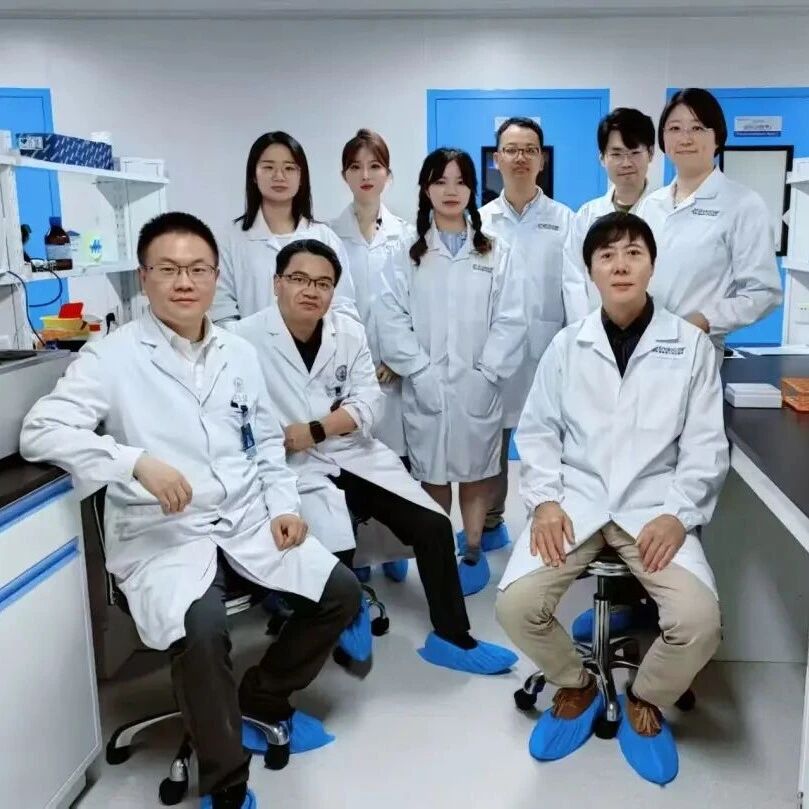
Core Viewpoint - A research team from Shanghai has developed a groundbreaking technique for treating Type 1 Diabetes (T1D) by achieving islet function reconstruction and blood sugar self-regulation through minimally invasive transplantation of regenerated islets derived from both autologous and allogeneic stem cells, marking a significant advancement in diabetes treatment [3][4][8]. Research and Development - The research was conducted by a collaboration between the Second Affiliated Hospital of Naval Medical University and the Chinese Academy of Sciences, focusing on a new technology based on endodermal stem cells, which simplifies the differentiation process and reduces the time required for islet production from 40 days to 14 days [4][5]. - The developed "E-islet" product has received IND approval in both China and the United States, making it the only regenerative islet drug approved in both countries, with clinical trials progressing smoothly [5][8]. Clinical Applications - The clinical study documented the treatment of three T1D patients, including the world's first autologous and allogeneic islet transplantation for T1D, with one patient achieving clinical cure for over 26 months [7][8]. - The therapy has shown the potential to restore islet function and insulin independence in T1D patients, significantly improving blood sugar levels and reducing the risk of complications [8]. Industry Context - Shanghai is positioning itself as a leader in cell and gene therapy (CGT), with over 200 CGT technology companies and significant investments in research and development, resulting in multiple CGT products approved for market and numerous projects entering clinical stages [9]. - The city has implemented supportive policies to enhance the translation of research into clinical applications, aiming to provide innovative solutions for various diseases, including rare and autoimmune diseases [9].
新一轮国资国企改革思路明确
第一财经· 2026-03-09 12:39
Core Viewpoint - The article emphasizes the ongoing reforms in state-owned enterprises (SOEs) in China, highlighting the government's commitment to optimizing the layout and structure of state capital and enterprises to enhance their core functions and competitiveness [3][4]. Group 1: Government Initiatives and Goals - The government work report acknowledges the positive outcomes of deepening SOE reforms and outlines plans for further reform in 2026, focusing on optimizing the layout and structure of state-owned capital [3]. - The report mentions the implementation of industrial innovation projects, encouraging SOEs to lead in emerging industries such as integrated circuits, aerospace, biomedicine, and low-altitude economy [3]. - The goal for the 14th Five-Year Plan period includes increasing the proportion of state capital returns and enhancing the core functions of state-owned enterprises [4]. Group 2: Achievements and Performance Metrics - During the 14th Five-Year Plan, the total assets of central enterprises have surpassed 90 trillion yuan, with a profit growth of 56.2% compared to the previous five years [4]. - The average annual labor productivity growth of 7% in central enterprises exceeds the national average by 1 percentage point, indicating both qualitative and quantitative improvements [4]. Group 3: Structural Optimization and Resource Allocation - The article discusses the need for optimizing the layout of state-owned capital, focusing on key industries and strategic emerging sectors to enhance the effectiveness of resource allocation [5]. - It highlights the importance of strategic restructuring and professional integration to address issues such as excessive breadth, lack of focus, and resource dispersion in the current state-owned economy [5]. Group 4: Enhancing Central Enterprises' Vitality and Efficiency - The article outlines plans to enhance the vitality and efficiency of central enterprises by establishing more effective incentive mechanisms, particularly in basic research and technology personnel [7]. - In 2022, central enterprises' investment in basic research exceeded 102.4 billion yuan, accounting for 9.4% of their total revenue, which is 2.4 percentage points higher than the national average [7]. Group 5: Regulatory Effectiveness and Oversight - The article emphasizes the need for improved regulatory effectiveness during the 15th Five-Year Plan, aiming for a balance between flexibility and effective management [9]. - It introduces a personalized assessment mechanism for central enterprises, where 76% of annual assessment indicators are tailored to individual enterprises, enhancing the effectiveness of oversight [9]. - The development of an intelligent, penetrating regulatory system is highlighted, which allows for real-time monitoring of enterprises' operations without interfering with their autonomy [10][11].
开放之门越开越大,拜耳中国用144年投出在华信任票
Sou Hu Wang· 2026-03-09 09:48
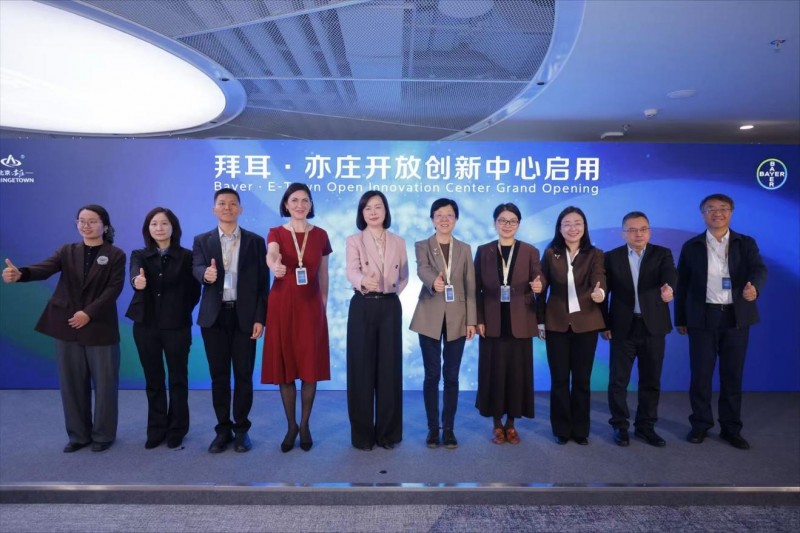
Core Viewpoint - The article emphasizes Bayer's long-term commitment to the Chinese market, highlighting its strategic investments and innovations that align with China's economic policies and development goals [1][2][3]. Group 1: Bayer's Historical Commitment to China - Bayer has been rooted in China for 144 years, marking its presence as one of the earliest multinational companies in the country [2]. - The establishment of Bayer China Limited in 1994 signified a systematic and comprehensive approach to its operations in China, evolving from trade to a full ecosystem of manufacturing, research, and innovation [2]. - Over the past three decades, Bayer has continuously increased its investment in China, including modern pharmaceutical production facilities and research centers [3]. Group 2: Recent Developments and Investments - In 2024, Bayer will launch two major research and innovation platforms in Shanghai, and by 2025, it will open a manufacturing center for crop protection products in Hangzhou with an investment exceeding 300 million RMB [3]. - As of March 2026, Bayer is expected to employ around 7,000 people in China and has established multiple supply and research centers [3]. Group 3: Alignment with Chinese Policies - Bayer's mission of "shared health and eliminating hunger" aligns with China's emphasis on biomedicine as a new pillar industry and its initiatives for rural revitalization and agricultural modernization [6][8]. - The company has successfully launched 19 innovative prescription drugs in China, reflecting its ability to synchronize with the country's drug approval processes [6]. Group 4: Innovation and Collaboration - Bayer is transitioning from merely introducing global innovations to enabling Chinese innovations to reach the world, exemplified by its partnerships with top Chinese universities and local biotech firms [11][12]. - The Bayer Co.Lab in China supports startups by providing funding, technical empowerment, and global networking opportunities, facilitating their entry into international markets [12]. Group 5: Future Outlook - Bayer aims to continue collaborating with Chinese innovation partners to build a community that benefits both China and the global market, contributing to sustainable development and national strategic goals [12].

出圈!HALO交易,成公募投研新宠!
券商中国· 2026-03-09 07:29
Core Viewpoint - The HALO trading strategy, emphasizing heavy assets and low obsolescence, is gaining traction among public funds as concerns grow over AI's potential to replace rather than empower traditional business models [1][4][5]. Group 1: Shift in Fund Investment Logic - The narrative around AI+ vertical applications, once a strong driver for excess returns, is now viewed with skepticism by some institutions, leading to a shift in investment strategies towards risk aversion [2][3]. - As of late 2025, concerns about AI's disruptive potential have led to significant adjustments in the holdings of public funds, with many technology stocks experiencing substantial declines [3][6]. Group 2: Characteristics of HALO Trading Strategy - HALO stands for Heavy Assets, Low Obsolescence, focusing on companies with physical asset barriers and stable business models that are less susceptible to AI disruption [4][5]. - The strategy prioritizes companies with enduring business models and stable cash flows, aiming to mitigate risks associated with technological obsolescence [5][6]. Group 3: Market Trends and Performance - The HALO strategy has gained popularity due to the recent underperformance of high-valuation tech stocks, prompting funds to seek more stable, lower-valuation assets [6][7]. - Notable companies within the HALO framework, such as Huazhu Group and Jiangnan Buyi, have shown significant stock price increases, indicating a positive market response to this strategy [7][8]. Group 4: Divergence in Strategy Applicability - There is a divergence of opinion among fund managers regarding the applicability of the HALO strategy, with some suggesting it may not directly translate to the A-share market due to differing economic conditions [9]. - The HALO strategy is seen as a way to balance risk and return in a market influenced by AI developments, with a focus on companies that can provide stable cash flows and withstand technological changes [9][10].

医药生物行业周报:多家医药公司3月纳入港股通,交易流动性有望提升-20260309
Guohai Securities· 2026-03-09 07:04
Investment Rating - The report maintains a "Recommended" rating for the pharmaceutical and biotechnology industry [1]. Core Insights - The pharmaceutical sector has underperformed compared to the broader market, with a decline of 2.78% over the past week, while the Shanghai Composite Index fell by 1.07% [10]. - The report highlights that 42 companies will be included in the Hong Kong Stock Connect on March 9, 2026, with 13 from the biopharmaceutical and healthcare sectors, which is expected to enhance trading liquidity and shareholder structure [4][11]. - The current valuation of the pharmaceutical sector is 33.3 times PE based on 2026 earnings forecasts, representing a 26% premium over the overall A-share market (excluding financials) [4][11]. Summary by Sections 1. Industry Performance - The pharmaceutical sector ranks 17th among 31 primary sub-industries, with specific sub-sectors like medical services and biological products experiencing significant declines [10]. - Year-to-date, the pharmaceutical sector has yielded a return of 0.10%, lagging behind the Shanghai Composite Index's return of 0.66% [4][10]. 2. Market Dynamics - The report notes that the pharmaceutical sector's performance has been affected by various factors, including recent policy adjustments and market sentiment [4][10]. - The report emphasizes the ongoing innovation in domestic pharmaceutical companies, which is expected to drive future growth [4]. 3. Valuation Metrics - The TTM (Trailing Twelve Months) PE ratio for the pharmaceutical sector is currently at 30.5, which is below the historical average of 34.9 [4][11]. - The report indicates that the pharmaceutical sector's valuation is relatively attractive compared to the overall market, suggesting potential investment opportunities [4][11]. 4. Key Companies to Watch - The report identifies several companies to focus on, including Aidi Pharmaceutical, WuXi Biologics, and others, which are expected to benefit from the current market dynamics [4][5].
国投证券(香港)晨报-20260309
国投证券(香港)· 2026-03-09 07:03
Core Insights - The report highlights the impact of escalating tensions in the Middle East on global markets, particularly emphasizing the inflationary pressures from soaring oil prices and the resulting risk of stagflation [2][4][5] - The Hong Kong stock market showed a weak rebound, with the Hang Seng Index rising by 1.72%, driven by improved sentiment from external markets, but the overall trend remains cautious due to global risk aversion [2][3] Industry Analysis - The "JD ecosystem" saw a collective rise, with JD Group and JD Logistics reporting better-than-expected earnings, which boosted market confidence in their core retail business [3] - The pharmaceutical sector experienced a broad increase, particularly in innovative drugs and biopharmaceuticals, supported by government policies emphasizing the industry as a "new pillar" of the economy [3] - The oil price surged significantly due to geopolitical tensions, with WTI crude oil futures rising over 12% in a single day and more than 35% over the week, marking one of the largest weekly increases since 1983 [4] - The report notes that the market is reassessing the macroeconomic outlook amid concerns of slowing growth and high energy prices, with a focus on the upcoming FOMC meeting for potential interest rate guidance [5] Company-Specific Developments - MiniMax reported impressive earnings for 2025, with total revenue reaching $79 million, a 159% year-on-year increase, driven by strong demand for AI-native products [8] - The report indicates that MiniMax's average daily token consumption surged sixfold compared to December 2025, reflecting the rapid growth in demand for its AI models [8] - The launch of the GLM-5 model by Zhiyuan has positioned it as a leading open-source model, enhancing its programming capabilities and achieving compatibility with domestic computing power [9] - Alibaba's Qwen3.5 model was released with significant improvements, capturing a substantial market share in the Chinese AI cloud market, with a goal to dominate 80% of the incremental market [10]
中国两会评论 3:决策者公布更多政策实施细节,以推动高质量增长-China_ Two Sessions Comment 3_ Policymakers unveiled more details on policy implementation to facilitate high-quality growth
2026-03-09 05:18
Summary of Key Points from the Conference Call Industry and Company Involved - The conference call involved key policymakers from various Chinese government bodies, including the National Development and Reform Commission (NDRC), Ministry of Finance (MOF), Ministry of Commerce (MOFCOM), People's Bank of China (PBOC), and China Securities Regulatory Commission (CSRC) discussing economic policies for 2026. Core Points and Arguments 1. **Supportive Policy Stance**: Policymakers reiterated a supportive stance on economic growth, emphasizing the need for high-quality growth and self-reliance in technology. They aim to enhance policy coordination to improve effectiveness in various sectors [2][5][6]. 2. **Fiscal and Monetary Policy**: The Finance Minister and PBOC Governor highlighted a "more proactive" fiscal policy and a "moderately loose" monetary policy. A new RMB100 billion special funding program was introduced to promote domestic demand [5][7]. 3. **Focus on Emerging Industries**: The NDRC head identified "6 emerging industries" (integrated circuits, aviation & aerospace, bio-pharmaceuticals, low-altitude economy, new energy storage, intelligent robots) and "6 industries of the future" (quantum technology, bio-manufacturing, green hydrogen energy, nuclear fusion energy, brain-computer interface, embodied intelligence, 6G) as priority areas for policy support [5][6]. 4. **Investment in Key Areas**: Policymakers plan to launch initiatives during the 15th Five-Year Plan (2026-2030) to improve investment conditions in infrastructure, including water supply, power grid, and logistics networks. A national-level Merger & Acquisition Fund will be established to facilitate exits in overcapacity sectors [7][8]. 5. **Boosting Domestic Consumption**: The RMB100 billion funding program aims to enhance domestic consumption, particularly in services such as transportation, tourism, and online services. Policymakers are committed to removing unreasonable restrictions to improve service quality [7][8]. 6. **Capital Market Development**: The PBOC and CSRC emphasized the importance of increasing direct financing and supporting capital markets. They aim to improve corporate governance and support technology and innovation [8]. Other Important but Possibly Overlooked Content - The expected doubling of the value added from the "6 emerging industries" by 2030, projected to exceed RMB6 trillion in 2025, and the anticipated economic scale of AI-related industries to surpass RMB10 trillion by the end of 2030 [6]. - The PBOC's intention to gradually shift from quantity-based to price/interest rate-based monetary policy targets, indicating a potential change in how monetary policy is implemented in the future [8]. - Upcoming events, including the official release of the 15th Five-Year Plan report and subsequent policy meetings, which may provide further insights into policy implementation [8].