半导体制造

Search documents
三星DRAM,疯狂扩产
半导体芯闻· 2025-09-11 10:12
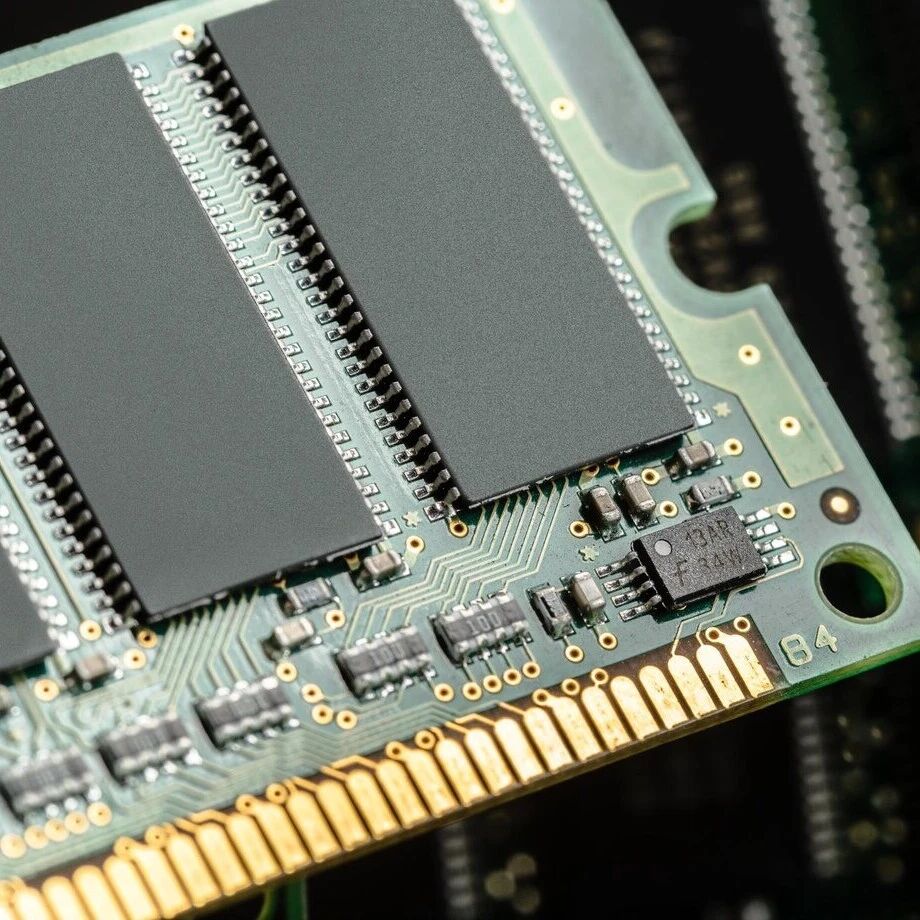
Core Viewpoint - Samsung Electronics is actively expanding its 1c (6th generation 10nm class) DRAM capacity to secure its leading position in the next-generation HBM (High Bandwidth Memory) market [2][3] Group 1: Investment Plans - Samsung plans to complete investments in its P4 1c DRAM facility in the Pyeongtaek complex by the first half of next year, including converting existing plants like P3 [2] - The final production line of the P4 facility is expected to begin investment early next year, with the P4 DRAM facility investment currently underway [2][3] - The remaining PH2 cleanroom is expected to start construction by the end of this year or early next year, which will likely also include a DRAM production line [2] Group 2: Production Capacity - Samsung's 1c DRAM capacity is projected to reach up to 60,000 wafers per month this year, with further expansion expected in the first half of next year [3] - The company is also converting the 17th line in Hwaseong for 1c DRAM production, indicating a strategic shift towards enhancing DRAM capacity [3] Group 3: Market Strategy - The company is focusing on ensuring production capacity for 1c DRAM to support the commercialization of HBM4, with plans to accelerate investments as yields and performance stabilize [3]

捷捷微电最新股东户数环比下降6.72% 筹码趋向集中
Zheng Quan Shi Bao Wang· 2025-09-11 05:32
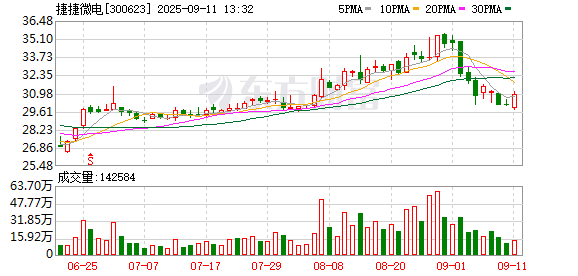
Group 1 - The core point of the article highlights that JieJie Microelectronics has seen a decrease in the number of shareholders, with a total of 92,288 shareholders as of September 10, down by 6,647 from the previous period, representing a decline of 6.72% [2] - The latest stock price of JieJie Microelectronics is reported at 30.94 yuan, reflecting an increase of 2.89%, although the stock has cumulatively decreased by 10.81% since the concentration of shares began, with 3 days of increase and 6 days of decrease in the trading period [2] - The company's semi-annual report indicates that it achieved an operating income of 1.6 billion yuan in the first half of the year, representing a year-on-year growth of 26.77%, and a net profit of 247 million yuan, which is a year-on-year increase of 15.35%, with basic earnings per share at 0.3000 yuan and a weighted average return on equity of 4.22% [2]

台积电开拓新业务
半导体行业观察· 2025-09-11 01:47
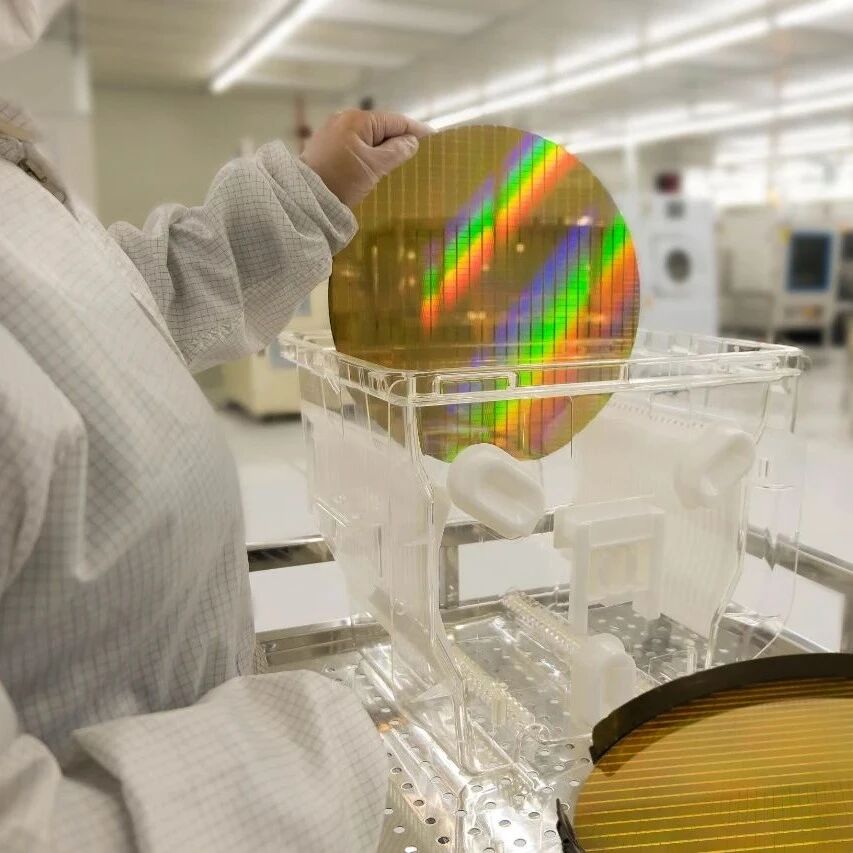
Core Viewpoint - TSMC is repurposing its old 8-inch wafer fab to produce extreme ultraviolet (EUV) pellicles, aiming for lower unit costs and more predictable supply, which is crucial for large-scale integration of these films [1][2] Group 1: TSMC's Strategy - TSMC is moving the production of EUV pellicles in-house to enhance cost efficiency and supply predictability [2] - The economic viability of EUV pellicles is critical, as their price has surged to nearly $30,000, compared to $600 for traditional deep ultraviolet (DUV) pellicles, which may hinder widespread adoption by chip manufacturers [1] Group 2: Competitive Landscape - Samsung has already invested in a Korean company, FST, which produces protective films for semiconductor manufacturing, acquiring a 6.9% stake [4] - FST is developing a full-size EUV pellicle with a thickness of 30 nanometers and a light transmittance of 90%, targeting supply negotiations with Samsung [4][5] Group 3: Technical Aspects - FST's EUV pellicles utilize a carbon nanotube (CNT) film to block dust while allowing light to pass through, and they have developed a coating technology to protect against degradation [6] - The high cost of EUV masks necessitates the use of protective films to avoid contamination and potential waste [6] Group 4: Samsung's Investments - Samsung has made significant investments in various semiconductor-related companies, including S&S Tech and YIK, to strengthen its supply chain [7]

苏州晶方半导体科技股份有限公司股东未减持公司股份并提前终止大宗交易减持计划的公告
Zhong Guo Zheng Quan Bao - Zhong Zheng Wang· 2025-09-11 01:08
Core Viewpoint - The major shareholder of Suzhou Jingfang Semiconductor Technology Co., Ltd. has decided to terminate its planned share reduction ahead of schedule, indicating a strategic shift in its operational plans [1][3]. Group 1: Shareholder Holding Situation - Before the planned share reduction, the major shareholder, New Suzhou Industrial Park Venture Capital Co., Ltd. (中新创投), held 102,849,766 shares, accounting for 15.77% of the company's total share capital [2]. Group 2: Share Reduction Plan Implementation Results - The company announced a share reduction plan on June 6, 2025, intending to reduce up to 13,043,400 shares, or 2% of the total share capital, from June 27 to September 26, 2025 [3]. - As of the announcement date, the shareholder did not reduce any shares and decided to terminate the reduction plan early based on its operational strategy [4]. - The actual reduction did not meet the minimum reduction quantity as no shares were sold, and the shareholder did not make any minimum price commitments [4].

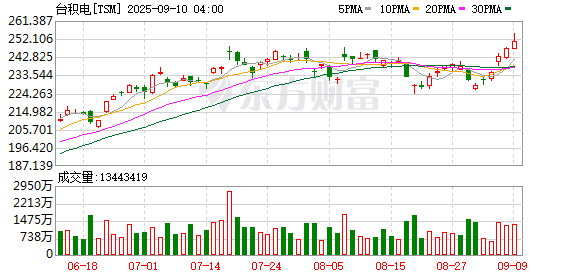
台积电盘前涨近2%
Mei Ri Jing Ji Xin Wen· 2025-09-10 08:41
Group 1 - TSMC's stock rose nearly 2% before market opening on September 10 [2] - TSMC's sales in August increased by 33.8% year-on-year [2]
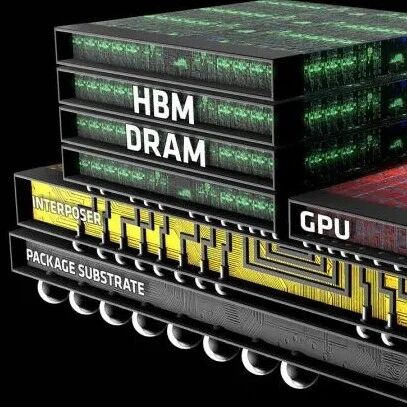
HBM 4,三星孤注一掷
半导体行业观察· 2025-09-08 01:01
Core Viewpoint - Samsung Electronics is accelerating the construction of its fifth factory in Pyeongtaek, which is expected to start full operations next month, following delays due to poor semiconductor performance and insufficient memory orders [2]. Group 1: Factory Construction and Production Plans - The fifth factory in Pyeongtaek will cover an area of 2.89 million square meters and is the largest semiconductor production base globally, consisting of six buildings [2]. - The factory will feature a 10nm sixth-generation (1c) DRAM production line, aimed at mass production of HBM4 DRAM for the sixth-generation products [2]. - The fourth factory's remaining production lines, which were also delayed, are preparing to resume operations, with vertical steel structure installation expected to begin next month [2]. Group 2: HBM Market Strategy - Samsung Electronics is undergoing a significant transformation in the high-bandwidth memory (HBM) market, focusing on mass production of HBM4 samples, with an output of approximately 10,000 wafers [4]. - The production of HBM4 is based on the 10nm sixth-generation (1c) DRAM, while competitors like SK Hynix and Micron are using the fifth-generation (HBM3E) with 10nm fifth-generation (1b) DRAM [4]. - Despite the initial lower yield due to the maturity of 1c DRAM, Samsung is leveraging its advanced EUV technology and production capacity to adopt the next-generation DRAM ahead of competitors [4]. Group 3: Pricing and Market Competition - Samsung is implementing a groundbreaking pricing strategy for HBM4, with production costs expected to rise significantly, leading to a 60-70% price increase compared to HBM3E [5]. - NVIDIA is negotiating with SK Hynix for HBM4 due to price disagreements, while Samsung is willing to accept a price premium of less than 20%, indicating a focus on market share over profit [6][7]. - The aggressive pricing strategy is reminiscent of past competitive tactics employed by Samsung during market downturns, raising questions about whether the company will repeat its previous "chicken game" strategy to maintain its market position [7].
一张图看清2025中国大陆各晶圆厂产能及技术节点
材料汇· 2025-09-06 14:57
Core Viewpoint - The article provides an overview of the semiconductor manufacturing capacity distribution in mainland China, highlighting key players, their production capacities, and technological focuses in various regions [6]. Group 1: Capacity Distribution - The total production capacity in the Yangtze River Delta region is 91.7 billion, accounting for 42.1% of the national total, with major contributions from companies like SMIC (19.8 billion) and Huahong Semiconductor (15.4 billion) [6]. - The Bohai Rim region has a total capacity of 40.4 billion, representing 18.6% of the national total, with significant players including Intel Dalian (9.0 billion) and Changjiang Storage (12.0 billion) [6]. - The Pearl River Delta region has a total capacity of 23.3 billion, contributing 10.7% to the national total, with key companies like Guangzhou Guangxin Microelectronics (2.4 billion) and Xiamen United Semiconductor (4.0 billion) [6]. Group 2: Key Technologies and Products - The article mentions that the semiconductor industry in China is focusing on various technologies, including advanced logic (14nm), power devices, and emerging storage technologies like MRAM [6]. - Companies are diversifying their product offerings, with a focus on automotive electronics, industrial control chips, and consumer-grade logic ICs [6]. - The production of NAND flash memory and DRAM is highlighted as a significant area of growth, with companies like Changjiang Storage and Micron leading in this segment [6].


继续聊聊国家集成电路大基金(原创)
叫小宋 别叫总· 2025-09-06 12:46
Investment Strategy - The first phase of the National Integrated Circuit Industry Investment Fund (大基金一期) was established in 2014 with a registered capital of 98.7 billion, and actual funds received were approximately 120 billion [3] - The second phase (大基金二期) was established in 2019 with a registered capital of 204.2 billion, and actual funds received were around 220 billion [3] - Significant investments from both phases were directed towards wafer manufacturing, including companies like SMIC, Hua Hong Semiconductor, and Changjiang Storage [3] - Investments also extended to packaging segments, with companies such as Tongfu Microelectronics and Jiangsu Changjiang Electronics Technology [5] - The strategy focused on addressing the largest gaps in the semiconductor industry, particularly in manufacturing, while also investing in chip design, exemplified by companies like Huawei's HiSilicon [6][7] Management - The management of both phases is handled by Huaxin Investment Management Co., Ltd. (华芯), established in 2014 specifically for managing the fund [9] - The largest shareholder of Huaxin is the National Development Bank, which is also a significant contributor to the fund [9] - In the first phase, the Ministry of Finance was the largest contributor (36%), followed by the National Development Bank (22%), while in the second phase, the Ministry of Finance contributed 11.02% and the National Development Bank 10.78% [10] - The management structure raised questions about the dual role of the National Development Bank as both a manager and a major limited partner, reflecting a high level of trust from the state [10] - The first phase involved collaboration with other semiconductor investment institutions to mitigate risks, while the second phase saw a more mature investment capability with no additional management entities [10][11]
华润微电子重庆12吋项目提前达成项目规划目标
Zheng Quan Shi Bao Wang· 2025-09-06 05:57
Group 1 - The core point of the article is that China Resources Microelectronics has achieved its goal of producing 30,000 pieces per month for its 12-inch power semiconductor wafer production line ahead of schedule by one and a half years [1] Group 2 - The announcement was made during a special meeting held at the Chongqing facility on September 5 [1] - The achievement signifies a significant milestone in the company's production capabilities within the semiconductor industry [1] - This development may enhance the company's competitive position in the power semiconductor market [1]
释放体育消费20条发布,港股IPO火爆券商收入激增 | 财经日日评
吴晓波频道· 2025-09-06 00:30
Group 1: Service Trade Growth - In the first seven months of 2025, China's service trade exports grew significantly, with total service trade reaching 45,781.6 billion yuan, a year-on-year increase of 8.2%. Exports alone reached 19,983 billion yuan, growing by 15.3% [2] - Travel service exports saw the fastest growth, with a total of 12,594.6 billion yuan in travel service trade, increasing by 10.4%. Exports in this sector surged by 62.9% [2] - The share of service trade in China's overall foreign trade remains low, accounting for only 14.6% in 2024, indicating potential for future growth [2] Group 2: Sports Industry Development - The State Council recently issued 20 measures to enhance the sports industry, aiming to cultivate world-class sports enterprises and events by 2030, with the industry expected to exceed 7 trillion yuan in total scale [4] - The focus is on expanding sports product supply, stimulating consumer demand, and strengthening industry support, highlighting the potential for experiential consumption in the sports sector [4] Group 3: AI Adoption in Employment - A survey by the New York Fed revealed that about 40% of service sector firms are using AI, up from 25% last year, with expectations for further growth in AI deployment [5] - Despite the rise in AI usage, only 13% of firms anticipate layoffs due to AI, indicating that job reductions have not yet materialized significantly [5] - The impact of AI on the job market is expected to evolve gradually, with many white-collar jobs potentially at risk of being replaced by AI in the future [6] Group 4: Semiconductor Tariffs - Former President Trump announced tariffs on semiconductor companies that do not establish production in the U.S., with exemptions for those investing in U.S. manufacturing [7] - The tariffs are seen as having limited impact, as many semiconductor firms have already planned expansions in the U.S. due to previous pressures [7] - Recent court rulings suggest that many of Trump's tariff measures may be illegal, potentially leading to changes in tariff policies [8] Group 5: Real Estate Debt Settlement - Yunnan Chengtou announced a debt settlement plan involving property as collateral, with a total of 92 residential units valued at approximately 81.05 million yuan being used to offset debts [9] - The property market conditions indicate challenges in liquidating these assets, as the valuation is lower than market prices, suggesting potential difficulties in future sales [10] Group 6: Xiaohongshu's Profit Growth - Xiaohongshu is projected to triple its annual profit to 3 billion USD, surpassing competitors like Pinterest and Snap [11] - The company's valuation has surged to 31 billion USD, driven by successful monetization strategies and a growing e-commerce segment [11] - There are ongoing speculations about Xiaohongshu's potential IPO, supported by its profitability and favorable market conditions [12] Group 7: Hong Kong IPO Market - The Hong Kong IPO market saw a significant increase in financing, with a 714% year-on-year growth, reaching 14 billion USD in the first half of the year [13] - The surge in IPOs has led to increased revenues for brokerage firms, with a notable rise in underwriting and investment banking fees [13] - The favorable regulatory environment and improved listing processes have encouraged mainland companies to pursue listings in Hong Kong [14]