
茶饮

Search documents
霸王茶姬上涨2.11%,报22.71美元/股,总市值41.68亿美元
Jin Rong Jie· 2025-08-18 13:57
本文源自:金融界 作者:行情君 资料显示,茶姬控股有限公司是一家在开曼群岛注册成立的境外控股母公司,主要通过其境内实体子公 司北京茶姬餐饮管理有限公司运营。其子公司运营的CHAGEE霸王茶姬是一家领先的优质茶饮品牌,提 供健康美味的新鲜茶饮。 8月18日,霸王茶姬(CHA)盘中上涨2.11%,截至21:41,报22.71美元/股,成交282.47万美元,总市值 41.68亿美元。 财务数据显示,截至2025年03月31日,霸王茶姬收入总额33.93亿人民币,同比增长35.35%;归母净利 润6.79亿人民币,同比增长14.24%。 ...
餐饮月度专题:茶饮扩张强劲,西式快餐扩张活跃,客单价环比企稳-20250818
ZHESHANG SECURITIES· 2025-08-18 13:05
Investment Rating - The industry investment rating is "Positive" [4] Core Insights - The report highlights strong expansion in tea beverage brands and active growth in Western fast food, with average transaction prices stabilizing month-on-month [5][8][10] Summary by Sections Western Fast Food - The expansion of Western fast food is active, with average transaction prices remaining stable, indicating market resilience [8] - Notable trends in net store openings for major brands include: - KFC: -0.4% in August 2024 - McDonald's: 0.2% in August 2024 - Pizza Hut: -1.8% in August 2024 - Domino's: 0.0% in August 2024 [8] Tea Beverage - Leading brands in the tea beverage sector are expanding significantly, while overall average transaction prices are fluctuating as they seek balance [10] - Key trends in net store openings for major tea brands include: - Mixue Ice Cream: -2.3% in August 2024 - Heytea: -1.1% in August 2024 - Naixue's Tea: -0.3% in August 2024 [10] Coffee & Hot Pot - The coffee segment shows strong expansion momentum, with notable net store openings: - Luckin Coffee: 1,812 new stores, 8% increase - Kudi Coffee: 2,495 new stores, 25% increase [12] - The hot pot industry is facing adjustments, with several brands showing negative net openings [14] Other Food Segments - The overall opening of stores in segments like pickled fish, snacks, and small pubs is cautious, with average transaction prices stabilizing [15] - Key trends in net store openings for snack brands include: - Zuiyan Zhiwei Chicken: -463 stores, 8% decrease - Juewei Duck Neck: -1,127 stores, 9% decrease [17]
茶咖日报|12306回应推出“高铁奶茶”,此前曾因26元/杯售价遭质疑
Guan Cha Zhe Wang· 2025-08-18 12:53
Group 1: Railway Catering Innovations - The introduction of high-speed train milk tea and ice cream has been noted, with daily sales exceeding 6,000 cups for the milk tea series [1][3] - Seasonal offerings such as ice cream have been made available on certain routes, enhancing the dining experience for travelers [1] - The railway catering service has expanded its menu to include light meal packages and regional specialties, catering to diverse passenger preferences [1] Group 2: Bawang Tea Season and Pet-Friendly Initiatives - Bawang Tea has launched its "Pet-Friendly Season," offering limited edition pet cream and engaging customers with interactive store features [4] - The company reported cumulative sales of over 1.25 billion cups of its signature product, indicating strong market demand [4] - Bawang Tea is collaborating with animal protection organizations to support stray animal rescue efforts, promoting social responsibility [5] Group 3: Expansion of Tea Brands - Cha Baidao has announced the opening of its first North American store in New York, targeting the largest Chinese community in the U.S. [6] - The brand's international expansion strategy has been positively received by analysts, highlighting its potential for dual growth in domestic and overseas markets [6] - The company has previously entered markets in Singapore and France, demonstrating a rapid international growth trajectory [6] Group 4: He Tea's E-commerce Strategy - He Tea is set to fully launch on Taobao Flash Sale, with over 4,000 stores expected to be online soon [7] Group 5: Costa Rican Coffee Export Challenges - Costa Rica's coffee industry faces challenges due to a 15% tariff imposed by the U.S., which has historically been its largest export market [8][9] - Local coffee producers are actively seeking to diversify their export markets in response to the tariff [9]


茶百道出海布局加速 美国首店落地纽约最大华人聚居区
Zheng Quan Ri Bao Wang· 2025-08-18 12:43
Core Insights - The new tea beverage brand Cha Bai Dao is set to open its first store in North America in Flushing, Queens, New York, which is the largest Chinese community in the U.S. [1] - The company aims to provide global consumers with fresh, made-to-order tea products and showcase the potential of Chinese tea beverages [1] - Cha Bai Dao has accelerated its international expansion, having entered the Singapore market in July and opened its first store in Paris in May [1] - Several institutions, including Galaxy Securities and Huaxin Securities, have positively assessed Cha Bai Dao's overseas business development, noting the effectiveness of its "one location, one strategy" approach [1] Company Expansion - The first North American store is strategically located in a high-traffic commercial area in Flushing, enhancing visibility and accessibility [1] - The overseas CEO emphasizes the importance of a standardized store operation system and a global supply chain network to ensure product and service consistency [1] - The company has experienced significant sales success in its recent openings, with customers in Singapore reportedly waiting over 2 hours on the first day [1] Market Strategy - Cha Bai Dao's international strategy is showing initial success, with a dual growth model of "domestic + overseas" being established [1] - The company is focusing on providing a diverse range of product offerings and high-quality service experiences to American consumers [1]
门店天花板砸落致员工身亡,茉莉奶白表示全力配合调查;在营门店超1500家
Sou Hu Cai Jing· 2025-08-18 10:46
Core Points - A tragic incident occurred at a newly opened Jasmine Milk Tea store in Shanghai, resulting in the death of a 17-year-old employee due to a ceiling collapse on the first day of operations [4][5][6] - The company, Jasmine Milk Tea, is cooperating fully with the ongoing investigation into the incident [6][8] - Jasmine Milk Tea, established in 2020, focuses on jasmine tea products and has expanded rapidly, currently operating 1,591 stores across 29 provinces and 218 cities in China [5][12] Company Overview - Jasmine Milk Tea was founded in 2020 and specializes in jasmine tea beverages, with a product price range of 15-20 yuan, targeting the mid-range market segment [5][12] - The company has seen significant growth, having opened 678 new stores in 2023 alone, following a total of 699 new openings in the previous year [12] - Last October, Jasmine Milk Tea secured nearly 100 million yuan in funding, led by Alibaba's local life services [12] Incident Details - The incident took place on August 15, during the store's grand opening, and the cause of the ceiling collapse is still under investigation [4][6][8] - The store was part of a promotional event on its opening day, and it has since been closed for safety reasons [9][12] - Legal experts suggest that if the store's construction did not meet safety standards, both the store and the mall could be held liable for the incident [10][11]
只开夫妻店!广东城中村跑出黑马,已有1800+店
Sou Hu Cai Jing· 2025-08-18 10:29
Core Insights - A new "thousand-store brand" has emerged in the tea beverage market, focusing on rural and town markets in Guangdong and Guangxi, with over 1800 stores opened in the past two years, and plans to expand into Shanghai and Shenzhen [2][4][22] Market Positioning - The brand has successfully penetrated the saturated tea beverage market by targeting less competitive areas such as urban villages and towns, contrasting with competitors who focus on urban commercial districts [10][12] - The brand's first store opened in August 2021 in Zhongshan, Guangdong, and has since replicated its model across the region, with over 200 stores in urban villages alone [12] Business Model - The brand operates primarily through "couple-run stores," avoiding professional franchisees, which allows for lower labor costs and higher commitment from store owners [6][16] - The average price for a cup of their signature brown sugar pearl milk tea is 7 yuan, with a product range that includes over 40 SKUs, all priced below 10 yuan [15][13] Product Differentiation - The brand emphasizes a unique product offering with a focus on soft and flavorful pearls, which are made using a special process to enhance taste [20] - Over 50% of sales come from the brown sugar pearl milk tea, indicating a strong focus on a single product line while maintaining a diverse menu [20] Expansion Strategy - As the market in Guangdong and Guangxi becomes saturated, the brand is looking to expand into new regions like Shenzhen and Shanghai to sustain growth [22] - The founder acknowledges the need for a more structured approach to expansion and has relocated the headquarters to Guangzhou to facilitate this transition [24] Industry Insights - The brand's success highlights that there are alternative paths to growth in a competitive market, suggesting that traditional methods can still yield significant results [26] - The current market dynamics indicate a shift in business models, where companies that can predict future market trends and adapt their strategies accordingly will thrive [26]

霸王茶姬携手它基金发起“好萌友回家计划”
Xin Lang Ke Ji· 2025-08-18 09:28
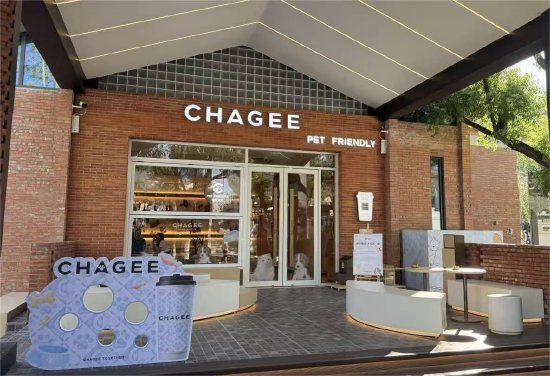
日前,霸王茶姬2025年"宠物友好季"正式开启。 活动前三日,霸王茶姬全国范围内的135家指定门店同步上新限量宠物奶油,消费者携爱宠进店即可获 得一份免费宠物奶油。同时,20家宠物友好主题门店也随之上线,店内设置互动"洞洞合影墙",让消费 者与爱宠留下欢乐瞬间。此次宠物友好季,每购买一份"双杯伯牙绝弦套餐",即可获赠一枚限量宠物冰 箱贴盲盒。 具体而言,自8月17日起,消费者可通过霸王茶姬微信小程序进入"好萌友回家计划"活动页面,了解流 浪动物背后的真实故事,并通过捐赠"陪伴值"参与科学救助公益行动。8月20日至8月24日,霸王茶姬将 在第27届亚宠展上开启"CHAGEE线下领养日"活动。活动期间,消费者可与待领养的"萌友"近距离互 动,达成领养意向。霸王茶姬各地区域子公司还将携手基金会、动物保护协会举办有区域特色的宠物公 益。 责任编辑:刘万里 SF014 据沙利文数据显示,自2022年1月1日至2025年6月30日,霸王茶姬的超级单品伯牙绝弦已累计销售超 12.5亿杯。 今年宠物友好季,霸王茶姬还携手北京爱它动物保护公益基金会共同发起 "CHAGEE好萌友回家计 划",面向高校爱心社团与流浪动物救助站提供 ...
专业营养师力荐!奈雪这款姜黄酸奶昔靠“健康”撕开茶饮竞争缺口
Sou Hu Wang· 2025-08-18 08:17
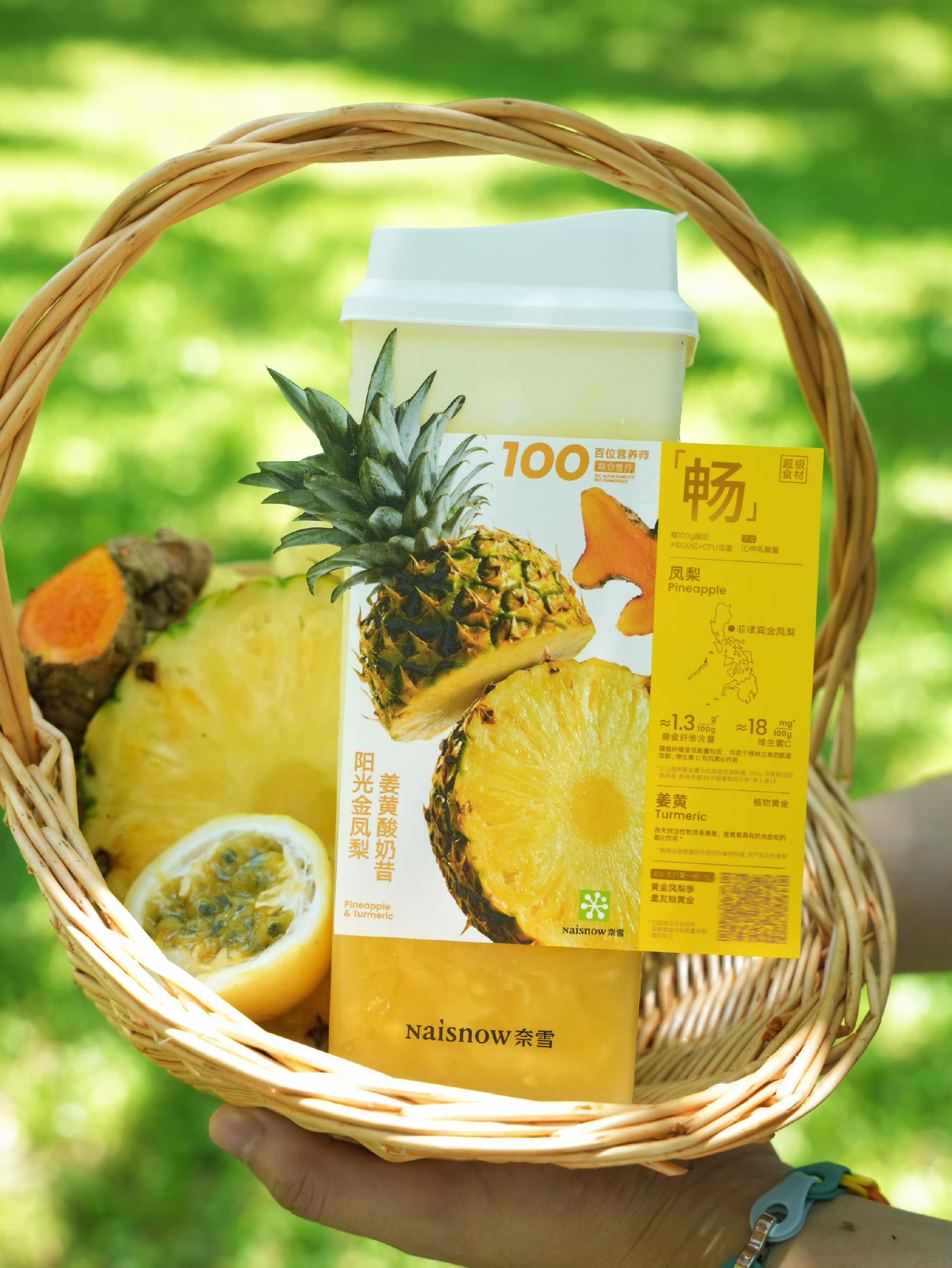
Core Insights - The article highlights the success of Nayuki's "Natural Nutrition+" strategy, particularly with the launch of the "Sunshine Golden Pineapple Turmeric Smoothie," which topped sales charts on its first day [1][6] - This product is part of Nayuki's initiative to promote healthier beverage options, reinforcing the brand's commitment to "natural, nutritious, and low-burden" offerings [1][11] Product Details - The "Sunshine Golden Pineapple Turmeric Smoothie" combines turmeric, known as "plant gold," with imported Philippine golden pineapple and passion fruit, creating a dual-effect nutritional system focused on "antioxidation and anti-inflammation" [3][5] - The smoothie contains approximately 8.2mg of Vitamin C per 100g, providing about 50% of the daily Vitamin C requirement in one serving, and includes over 100 billion CFU of active probiotics per 100g for gut health [5][6] Market Performance - The product has shown strong market performance, with 85% of repurchase users recognizing its health benefits, indicating significant market appeal [6][9] - Nayuki's health product matrix has consistently gained traction, with previous products like the "Little Purple Bottle" series achieving over 500,000 cups sold within three days of launch [8][9] Strategic Development - Nayuki's health strategy is characterized by a clear path, having launched the "Fresh Fruit Tea No Sugar Natural Nutrition+" plan in June, in collaboration with various nutrition experts [9][11] - The company aims to continue exploring the value of superfoods and deepen its "Natural Nutrition+" initiative by introducing more products with clear health benefits [11]
茶百道(02555)官宣北美首店落地纽约 正式进入美国市场
智通财经网· 2025-08-18 07:30
Core Viewpoint - The company, Cha Bai Dao, is set to open its first store in North America in Flushing, Queens, New York, targeting the large Chinese community and aiming to provide fresh tea products globally [1] Group 1: Expansion Strategy - Cha Bai Dao's overseas CEO, Wang Huan, emphasizes the goal of introducing fresh tea products to global consumers and showcasing the potential of Chinese tea culture [1] - The company has accelerated its international expansion, having entered the Singapore market in July with a successful launch and previously opening its first store in Paris in May [1] Group 2: Market Reception - The opening in Singapore saw high demand, with customers experiencing an average wait time of over 2 hours on the first day [1] - Multiple institutions, including Galaxy Securities and Huaxin Securities, have positively assessed Cha Bai Dao's overseas business development, indicating that the "one location, one strategy" approach is yielding results [1] Group 3: Growth Model - The ongoing international expansion is expected to help Cha Bai Dao establish a dual-driven growth model combining domestic and overseas markets [1]
茶百道官宣北美首店落地纽约 正式进入美国市场
Zhi Tong Cai Jing· 2025-08-18 07:27
Core Viewpoint - The company, Cha Bai Dao, is set to open its first store in North America in Flushing, Queens, New York, targeting the largest Chinese community in the U.S. [1] Expansion Strategy - Cha Bai Dao's overseas CEO, Wang Huan, emphasizes the goal of introducing fresh tea products to global consumers and showcasing the potential of Chinese tea culture [1] - The company is implementing a standardized store operation system and a global supply chain network to ensure consistency in product and service across its international locations [1] Recent Developments - In July, Cha Bai Dao entered the Singapore market with a successful launch of two stores, experiencing high customer demand with average wait times exceeding 2 hours [1] - The company opened its first store in Paris, France, in May, marking its expansion into Europe [1] Market Reception - Several institutions, including Galaxy Securities and Huaxin Securities, have released reports affirming the positive development of Cha Bai Dao's overseas business [1] - Analysts believe that the company's "one location, one strategy" approach is beginning to show results in international markets, positioning it for a dual growth model of "domestic + overseas" [1]