
证券

Search documents
上市公司春节前分红已超3400亿元 金融和大消费行业是主力
Shang Hai Zheng Quan Bao· 2026-02-11 17:53
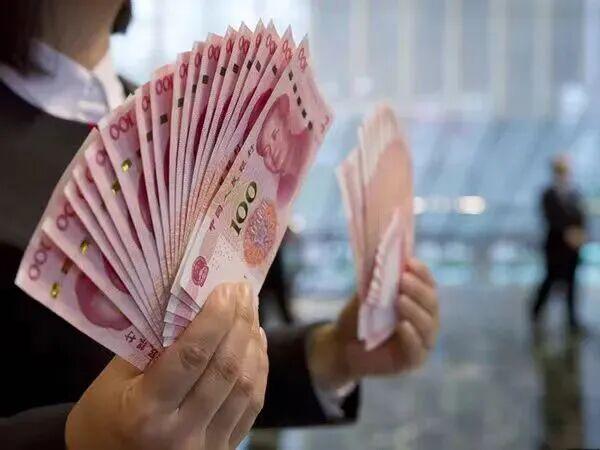
上海证券报记者从中国证监会有关部门获悉,A股上市公司春节前分红金额再创新高。数据显示,2025 年12月至2026年1月底,沪深北交易所共有235家上市公司实施春节前分红,金额合计3488亿元,已超过 2025年春节前3446亿元的分红总额。 业内专家在接受上海证券报记者采访时表示,分红时点整体前移,体现出公司回馈投资者"又好又快", 这有利于投资者提前收息,在享受货币时间价值的同时更好规划新年现金流。 在田利辉看来,春节前大规模分红释放三重信号:一是实力信号,企业现金流健康、盈利韧性增强,是 经济复苏的微观印证;二是制度信号,传递稳增长信心,提振市场预期;三是生态信号,引导长期资金 入市,优化资本结构。整体看,大规模分红释放出强化价值投资的信号,有利于营造良好的市场生态。 (文章来源:上海证券报) 从行业来看,金融和大消费行业继续成为春节前分红主力。数据显示,上市银行春节前分红2434亿元, 占比近七成。其中,招商银行、兴业银行首次加入春节前分红大军,大手笔派发共375亿元"红包"。上 市险企合计分红54亿元,11家上市券商合计分红55亿元。茅台、五粮液、海天味业等大消费龙头合计分 红448亿元。此外,部分 ...
越南放宽外资进入证券市场 通过全球券商直接交易
Shang Wu Bu Wang Zhan· 2026-02-11 17:36
新规定已于星期二(2月3日)正式生效。根据新规,外国投资者仍须申请证券交易代码,并在具备 资格的托管机构开立证券托管账户,以确保监管部门监督。此外,外国证券投资基金管理公司可开立两 个交易账户,一个用于自营交易,另一个用于客户交易管理。 越南的SSI证券公司首席经济学家范柳雄说:"这回应了富时罗素及外国机构投资者长期以来提出的 关切,包括合同复杂、准入门槛高及法律清晰度不足等问题。" (原标题:越南放宽外资进入证券市场 通过全球券商直接交易) 《联合早报》2月5日报道,根据越南财政部发布的修订后规定,海外投资者可以通过全球券商直接 下达交易指令,无须在越南本土证券公司开立交易账户。越南进一步放宽外资准入限制旨在提升市场准 入,为越南股市即将获得全球股市评级和指数供应商富时罗素(FTSE Russell)升级为新兴市场做准 备。 去年10月,富时罗素将越南股市评级从前沿市场组别升级至次级新兴市场组别。此次评级调整将于 今年9月正式生效,但须在3月复审。 自2018年9月被列入观察名单以来,越南实施了一系列全面改革措施,以达到国际标准,包括取消 对外国投资者股票交易全额预缴款要求,这是富时罗素上调市场级别的关键先 ...
券商板块迎基本面与估值双重修复窗口期
Zheng Quan Ri Bao· 2026-02-11 16:36
当前,在资本市场交易活跃度逐步回升的背景下,证券行业的基本面暖意已确确实实传导至业绩端。然 而,二级市场的估值表现却显得有些"滞后"。 对此,2月10日晚间,证券板块个股华创云信发布了估值提升计划。基于公司股价长期低于每股净资产 的实际情况,推出七大类举措,明确以提升公司质量为核心,推动估值向合理水平回归。 "从估值维度看,证券板块当前处于基本面强支撑的底部区间。"中信建投非银及金融科技首席分析师赵 然表示,经定量测算,证券板块存在两条上行路径,一是依托交易量企稳逻辑,逐步实现估值抬升与补 涨;二是借力超预期金融政策催化,突破估值上限打开上涨空间。 在东海证券非银首席分析师陶圣禹看来,高活跃度的市场环境有利于提升券商整体业绩弹性。市场风险 偏好的回暖也有助于推动投行业务和资产管理业务的复苏,为券商推进收入结构多元化提供支撑。在当 前市场量能持续扩张的背景下,板块正迎来基本面与估值双重修复的重要窗口期。 此外,证券行业中长期结构性机遇同样值得关注。中信证券金融产业首席分析师田良表示,资本市场制 度供给的持续强化,将成为支持科技创新、优化产业结构、提升居民财富和构建金融强国的重要支点。 在此过程中,行业在投行业务 ...

金逸影视跌停,T王席位逆势买入903.82万元
Jin Rong Jie· 2026-02-11 16:31
Core Viewpoint - The stock price of Jinyi Film and Television showed weakness, closing at 13.54 yuan on February 11, with significant trading activity observed in the buy and sell positions [1] Buying Activity - The top five buying positions included Dongfang Caifu Securities Co., Ltd. with a purchase of 9.0382 million yuan, ranked second overall. This position is commonly referred to as "T King" in the market [1] - Guoxin Securities Co., Ltd. Zhejiang Internet Branch topped the buying list with a purchase of 9.0765 million yuan [1] - Other notable buying positions included Lhasa Donghuan Road Second Securities Office (7.8911 million yuan), Lhasa Tuanjie Road First Securities Office (6.6495 million yuan), and Lhasa Financial City South Ring Road Securities Office (6.1867 million yuan) [1] Selling Activity - The largest selling position was from Huaxin Securities Co., Ltd. Shaoxing Shengli East Road Securities Office, which sold 19.7183 million yuan [1] - Guotai Junan Securities Co., Ltd. Chengdu North First Ring Road Securities Office sold 13.1782 million yuan [1] - An institutional proprietary seat sold 7.3908 million yuan, while Guoxin Securities Zhejiang Internet Branch also appeared in the selling list, offloading 6.0358 million yuan [1] - Other selling positions included Bohai Securities Co., Ltd. Beijing West Outer Street Securities Office, which sold 5.3735 million yuan [1]

2025年第四季度货币政策执行报告释放了哪些新信号?
Zheng Quan Ri Bao· 2026-02-11 16:28
Core Viewpoint - The People's Bank of China (PBOC) is committed to maintaining a moderately accommodative monetary policy to support stable economic growth and a reasonable recovery in prices, with a focus on integrating both incremental and stock policies for effective implementation [1][2]. Monetary Policy Implementation - In 2025, the PBOC plans to utilize various monetary policy tools, including open market operations, to ensure ample liquidity and guide financial institutions in meeting the effective credit demands of the real economy [2][3]. - The report emphasizes the importance of flexible and efficient use of tools such as reserve requirement ratio (RRR) cuts and interest rate reductions to maintain a relatively loose social financing environment [2][3]. Fiscal and Monetary Policy Coordination - The PBOC aims to strengthen the coordination between monetary and fiscal policies to enhance policy effectiveness and guide social capital in promoting consumption and investment [4][5]. - Three main coordination methods are identified: maintaining market liquidity through open market operations, combining re-lending with fiscal subsidies to optimize financial resource allocation, and sharing risks to enhance financial institutions' willingness to support enterprises [4][5]. Financial System and Liquidity Analysis - There has been a notable increase in asset management products, leading to discussions about the "loss" of bank deposits, with experts suggesting a broader perspective on liquidity by considering both bank deposits and asset management products [6]. - The overall liquidity in the financial system is showing a stable growth trend when assessed from a combined perspective of bank deposits and asset management products, reflecting changes in the asset-liability structure of the financial system [6].
IPO现场检查筑牢资本市场入口防线
Zheng Quan Ri Bao· 2026-02-11 16:21
作为强化IPO全链条监管的重要手段,现场检查非常有必要。对资本市场而言,通过现场检查与日常监 管联动,加大违法违规行为监管惩处力度,确保IPO企业质量,在为资本市场带来更多优质的源头活水 的同时,也推动了"不敢造假、不能造假、不想造假"良性生态的形成;对拟上市企业而言,现场检查 让"闯关心态"彻底失灵,推动企业将合规经营内化为发展底色,让实力成为真正的通关"密码";对中介 机构而言,"看门人"的责任被进一步强化,在执业过程中更加勤勉尽责、审慎执业;对投资者而言,现 场检查有效过滤了"带病企业",降低了投资风险。 同时,我们也要清醒认识到,IPO企业现场检查仍面临一些问题和挑战。监管部门需要进一步科学统筹 现场检查覆盖面与有效性,坚持精准监管、协同发力、长效约束,走出一条"严而有效、严而有方、严 而有度"的监管路径,不断提高拟上市企业申报质量,持续提升市场各方获得感和投资者权益保护水 平。比如,扩大高风险行业、高风险企业的检查覆盖面,聚焦核心领域,提升检查的精准度和穿透力; 进一步用好大数据、人工智能等技术手段,实现"科技赋能监管",破解核查难题。 资本市场的健康发展,始于入口、成于规范。IPO现场检查不是终点 ...
20亿资金助力“乐购新春”,春节消费有望激活
Xuan Gu Bao· 2026-02-11 15:55
据上证报报道,2月11日的国务院新闻发布会介绍,今年春节假期,商务部联合9部门策划"乐购新春"春 节特别活动,将为消费者送上真金白银的"新春礼包"。目前,各地已安排20.5亿元资金,在9天假期 内,通过发放消费券、补贴、红包等形式,直接惠及广大消费者。 研究机构认为,展望2026年,预计消费将实现温和复苏,后续潜在的需求刺激政策,有望提振居民消费 意愿。 中航证券认为,在稳增长政策持续加码、服务消费与文旅免税政策密集落地,各地还将推出诸多优惠活 动,有望助力文旅消费需求释放。 长白山:抢抓冰雪旅游发展的黄金期,放大赏雪、滑雪、泡温泉等旅游项目供给。 大丰实业:与智元机器人签署战略合作协议,布局文旅场景中机器人应用落地。 *免责声明:文章内容仅供参考,不构成投资建议 *风险提示:股市有风险,入市需谨慎 公司方面,据上证报表示, ...

太平洋证券近期股价波动 三季度业绩大幅增长
Jing Ji Guan Cha Wang· 2026-02-11 15:48
2026年2月11日当日,未观察到该公司有重大公告或股价异动。 经济观察网根据截至2026年2月11日的公开信息,未检索到名为"太平洋航空"的股票相关事件。如果您 指的是太平洋证券(股票代码:601099),该公司近期未披露如财报发布、重大业务变动等明确的未来事 件。以下为其最新动态供参考: 股票近期走势 2026年1月5日:太平洋证券主力资金净流入3450.75万元,股价上涨1.46%,可能与当日A股市场回暖及 非银金融板块走强有关。 2026年1月8日:主力资金转为净流出7185.77万元,股价下跌1.18%,反映短期资金博弈加剧。 行业政策与环境 证券行业受资本市场改革政策影响较大,但太平洋证券自身未在近期释放具体业务进展信号。有分析指 出,注册制推进等因素可能为券商板块带来长期机遇,但个体表现需结合公司经营情况。 以上内容基于公开资料整理,不构成投资建议。 业绩经营情况 最新财报显示,2025年第三季度太平洋证券净利润1.25亿元,同比增长83.89%;前三季度净利润2.46亿 元,同比增长80.26%,主要受益于经纪业务和证券投资收入增长。但公开信息中暂无2026年以来的财 报或业绩预告披露。 ...

35家A股公司本周派现超190亿
Di Yi Cai Jing Zi Xun· 2026-02-11 15:24
Core Viewpoint - A batch of A-share companies is distributing dividends before the Spring Festival, with a total payout exceeding 19 billion yuan, indicating a shift from financing to shareholder returns in response to new policies [2][9]. Group 1: Dividend Distribution - On February 10, eight A-share companies, including Gujing Gongjiu and Ruixinwei, announced dividend distributions, with Gujing Gongjiu's payout exceeding 500 million yuan [2][4]. - From February 9 to 13, a total of 35 companies are set to distribute dividends, with a total cash payout of over 19 billion yuan [5][9]. - Six companies are distributing over 1 billion yuan, including Changjiang Electric Power and CITIC Securities, with the highest payout being 5.138 billion yuan from Changjiang Electric Power [5][9]. Group 2: Industry and Company Performance - The main industries involved in this dividend distribution are electric power, food and beverage, and non-bank financial sectors [2][6]. - Companies like CITIC Securities and Changjiang Electric Power reported significant revenue and profit growth, with CITIC Securities achieving a revenue of 74.83 billion yuan and a net profit of 30.05 billion yuan, both up over 20% year-on-year [9][10]. - Lixun Precision is expected to report a net profit of 16.52 billion to 17.19 billion yuan, reflecting a year-on-year growth of 23.59% to 28.59% [9][10]. Group 3: Changes in Dividend Culture - The recent trend of dividend distribution reflects a shift in A-share companies towards a more consistent and sustainable dividend culture, influenced by the new "National Nine Articles" policy [11][12]. - The frequency of dividend distributions has increased, with many companies now offering interim and quarterly dividends in addition to annual payouts [11][12]. - The regulatory environment has improved transparency and stability in dividend practices, encouraging companies to adopt a more rational approach to dividend distribution [11][12].







墨西哥墨西哥证券交易所(BMV)公布季度报告后,其股票下跌超5%。
Xin Lang Cai Jing· 2026-02-11 15:00
来源:滚动播报 墨西哥墨西哥证券交易所(BMV)公布季度报告后,其股票下跌超5%。 ...