
Robotics

Search documents
马斯克:三年内特斯拉Optimus人形机器人将超越顶尖人类外科医生
Sou Hu Cai Jing· 2026-01-11 16:33
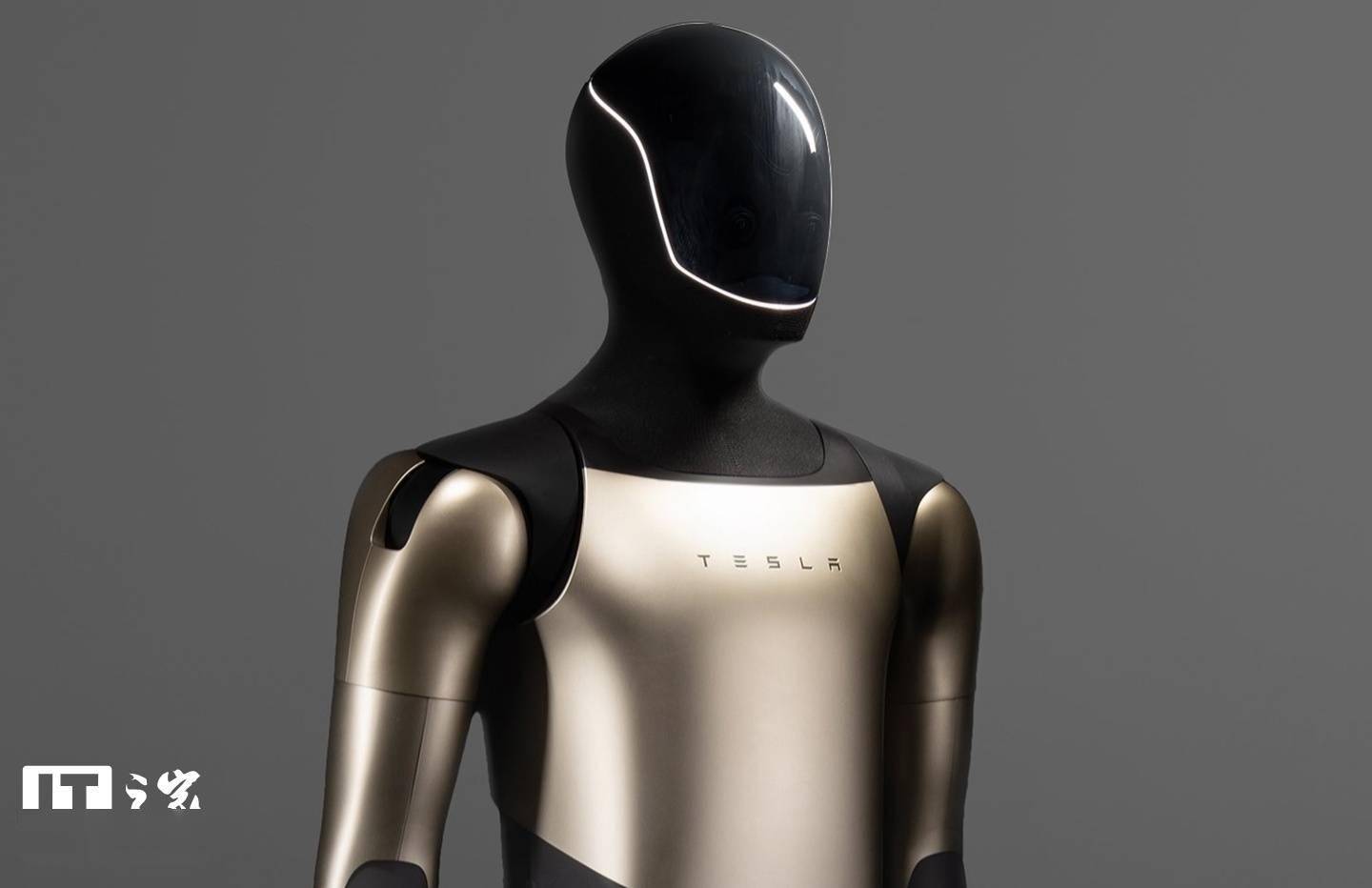
IT之家 1 月 11 日消息,埃隆・马斯克声称,特斯拉的擎天柱(Optimus)人形机器人将在短短三年内,超越全球最顶尖的人类外科医生。 这位特斯拉首席执行官是在接受美国医生兼工程师彼得・戴曼迪斯采访时作出这一表态的,后者主持着播客节目《大胆构想》。 马斯克表示:"目前全球正面临医生和优秀外科医生短缺的问题。" 他还说:"培养一名优秀医生需要耗费极其漫长的时间,即便学成之后,医学知识仍在不断更新迭代,医生很难做到面面俱到。他们的时间有限,难免会出 现失误。你想想,世界上能有多少顶尖外科医生?其实并不多。" 戴曼迪斯随即发问:"你认为擎天柱机器人多久能超越最顶尖的外科医生,成为更出色的手术执行者?" 马斯克回应道:"三年。顺带一提,三年后它将实现规模化应用。届时,具备顶尖外科手术水平的擎天柱机器人数量,或许会超过全球人类外科医生的总 和。" 据IT之家了解,这位 SpaceX 创始人于 2022 年首次公开了擎天柱机器人的原型机,并表示首款量产机型有望在次年推出。 两年后的 2024 年,马斯克将该机器人的上市目标时间定为 2026 年。 一位卫生政策领域专家向 The Independent 表示,马斯克的 ...


陪伴机器人,正在改写9亿人的孤独经济
Sou Hu Cai Jing· 2026-01-11 16:16
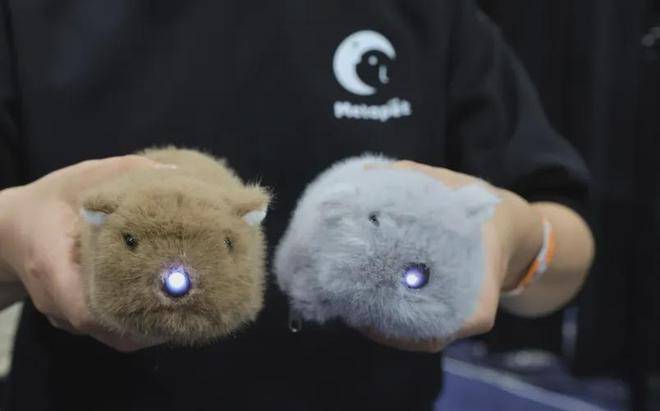
Core Insights - The rise of companion robots is driven by the dual forces of emotional consumption and AI technology, transitioning from toys to essential life companions [1][3] - The demand for companionship is fueled by a significant loneliness economy, with 900 million people in need of emotional support [4][6] Group 1: Market Dynamics - The online market for AI toys in China is projected to surge by 394.9% by 2025, with emotional companionship products growing from 7.0% to 15.7% market share [4] - The global AI companionship market is expected to grow from $30 million to between $70 billion and $150 billion by 2030, with the domestic market reaching approximately $3.86 billion by 2030 [8] - The demand for companionship robots is particularly strong among young adults aged 18-35, with over 120 million living alone in China [6] Group 2: Technological Advancements - New-generation companion robots have evolved from passive responders to active empathizers, utilizing advanced AI technologies to understand user emotions and context [9][11] - Multi-modal sensors enable these robots to perceive voice, visual, tactile, and environmental cues, enhancing user interaction [11] - The integration of large models and low-cost API calls facilitates the widespread adoption of companion robots [9] Group 3: Competitive Landscape - The market is characterized by three main player categories: traditional toy manufacturers, tech startups, and cross-industry players [14] - Traditional toy companies leverage established IPs and supply chains to transition into the AI space, while tech startups focus on high-end, differentiated products [16][18] - Cross-industry players innovate by extending scenarios, such as Sony's Aibo and Panasonic's interactive robots, to create new market opportunities [20][22] Group 4: Product Evolution - Companion robots are segmented into three price tiers: entry-level (100-500 RMB), mid-range (500-3000 RMB), and high-end (over 3000 RMB), catering to diverse user needs [23][25][27] - Entry-level products focus on basic interactions, while mid-range products emphasize emotional recognition and advanced features [24][25] - High-end products offer multi-modal interactions and medical-grade companionship, primarily targeting affluent families and healthcare institutions [27] Group 5: Future Trends - The market for companion robots is expected to transition from concept-driven to demand-driven growth, with four key trends emerging: emotional computing precision, deeper IP integration, diversified scenario expansion, and service-oriented monetization models [28][29][31] - Emotional computing will enhance robots' ability to respond to user emotions accurately, while IP collaborations will deepen user engagement [29] - The expansion into adult emotional therapy, elderly care, and educational settings will broaden the market scope [31] Group 6: Opportunities and Challenges - Despite the promising market outlook, challenges such as technology integration and safety risks remain prevalent [32][33] - The industry faces potential issues with data privacy, especially concerning sensitive user information, necessitating careful market education and product adaptation [33] - The competitive landscape is intensifying, with a risk of commoditization in the entry-level segment, highlighting the need for differentiation [35]
26年持续挖掘十五五AI新质力机遇:八大必看核心科技赛道,已有涨超2倍!
Sou Hu Cai Jing· 2026-01-11 11:59
Core Viewpoint - The "14th Five-Year Plan" presents significant investment opportunities in sectors such as commercial aerospace, AI applications, autonomous driving, and brain-computer interfaces, which are expected to drive China's asset investment landscape in the coming years [1][2][3]. Investment Opportunities - The "14th Five-Year Plan" is a strong policy guide that has historically not been ignored, indicating a global consensus on the industrial trends, particularly in AI new productivity [2]. - The focus on AI new productivity is essential for stable investment, emphasizing the need to track major trends and select core targets for thematic investments [2][3]. Eight Core Tracks - The eight core tracks identified from policy guidance and industrial trends include: 1. **Commercial Aerospace**: A competitive race for low-orbit satellite resources, with significant developments expected in 2026 [7][8]. 2. **AI Applications and Domestic Substitution**: The commercialization of AI applications is crucial for overcoming skepticism about AI's viability, with a focus on domestic semiconductor and model advancements [9][10]. 3. **Humanoid Robots**: Anticipated mass production by Tesla in 2026, marking a significant market opportunity [12][13][14]. 4. **Edge AI Hardware**: AI glasses are expected to be the next major entry point for AI technology, with significant market potential [15][16]. 5. **Autonomous Driving**: The transition from testing to implementation of L4-L5 autonomous driving technologies is expected to drive industry upgrades [17][18]. 6. **AI Energy Infrastructure**: The increasing power demands of AI necessitate breakthroughs in energy supply, particularly in nuclear and gas power [19][20]. 7. **Strategic Resources**: The demand for strategic resources like copper and rare earths is expected to rise due to supply chain security and economic conditions [22]. 8. **Frontier Fields**: Long-term investment opportunities in emerging technologies such as quantum computing and brain-machine interfaces [23][25]. Key Investment Signals - Key investment signals to monitor include: 1. **IPO Progress**: The IPO status of Chinese tech unicorns and major global players like SpaceX and OpenAI will influence capital flows into aerospace and AI sectors [26]. 2. **Technological Breakthroughs**: Significant advancements in technologies such as Tesla's Optimus and China's rocket recovery systems will serve as indicators for market movements [27]. 3. **Industry Developments**: Progress in domestic chip manufacturing and AI model capabilities will be critical for investment decisions [27]. Summary - The year 2026 marks the beginning of the "14th Five-Year Plan," with AI new productivity as a key investment theme. The commercial aerospace and AI applications sectors are expected to be the strongest technology investment directions, while humanoid robots, domestic semiconductors, AI glasses, and energy infrastructure will also play significant roles. Strategic resources and frontier fields will provide long-term investment opportunities [29].
一场关于家的自动化实验:家务机器人的模式分野
机器人大讲堂· 2026-01-11 09:39
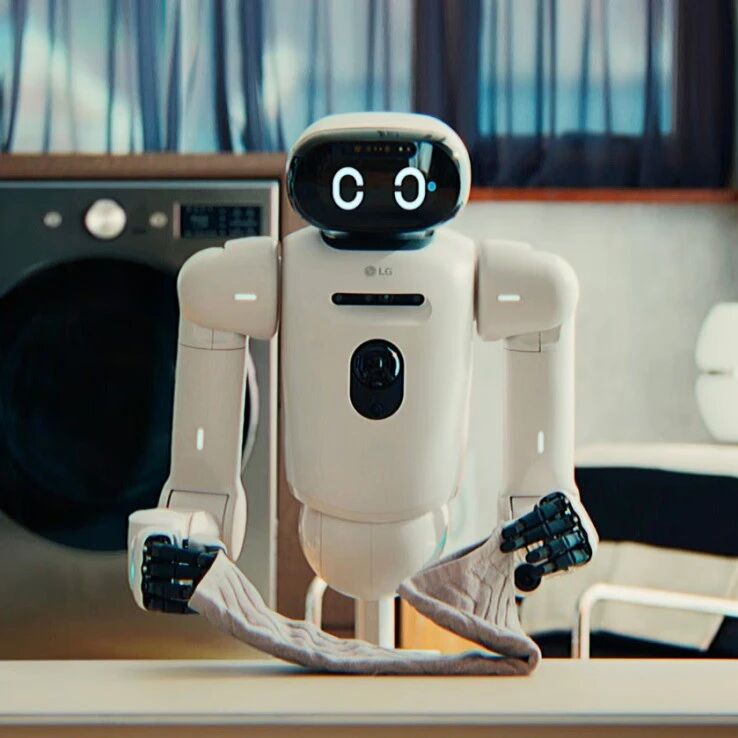
Core Viewpoint - The emergence of household robots is driven by the increasing demand for time-saving solutions in dual-income families and the growing need for improved living quality, leading to a significant market opportunity in the home service sector [2][3]. Market Demand and Technology - The global household service robot market is projected to reach a scale of over $10 billion by 2025, with a compound annual growth rate (CAGR) exceeding 25%, expected to surpass $100 billion by the early 2030s [3]. - The Chinese home service market has exceeded 1 trillion yuan, with a consumption penetration rate of 81.69%, highlighting a substantial demand-supply gap in the industry [2]. Technological Evolution - The integration of large language models with robotics is enabling machines to understand vague commands and autonomously plan tasks, marking a shift from simple execution to task comprehension [4]. - Robots are evolving from isolated tools to intelligent agents capable of managing complex three-dimensional home environments, enhancing their functionality beyond basic cleaning tasks [4]. Pathways and Future Directions - **Home Collaboration Hub**: LG's CLOiD robot exemplifies a "Zero Labor Home" strategy, acting as a mobile control center that integrates with smart home systems to automate household tasks [5][7]. - **General Household Assistant**: 1X Technologies' Neo robot, powered by OpenAI's model, aims to serve as a versatile household assistant capable of understanding complex user requests and providing personalized solutions [8][10]. - **Professional Cleaning Expert**: Companies like Roborock are focusing on specialized cleaning robots that can navigate and manage three-dimensional spaces, showcasing a practical approach to addressing specific household pain points [11][13]. Future Landscape - The future of household automation is envisioned as a mixed ecosystem where specialized robots dominate the market, addressing specific needs while humanoid robots validate their reliability in controlled environments [19][20]. - The ultimate goal is to create a lightweight AI hub that understands user intentions, supported by various specialized robots executing tasks efficiently, shifting the focus from owning a single robot to enjoying seamless service [19][20].

对话鹿明机器人:在具身智能的“数据荒”里,做一个送水人|AI Founder 请回答
Tai Mei Ti A P P· 2026-01-11 04:52
Core Insights - The industry is facing a significant challenge known as the "data drought," which is critical for the advancement of embodied intelligence models [2] - By 2026, the demand for training data for leading embodied models is expected to reach millions of hours, highlighting the urgent need for efficient data acquisition methods [2][5] - LUMOS aims to position itself as a "super data factory" rather than just a hardware manufacturer, focusing on defining data standards for the industry [2][3] Company Background - LUMOS was founded by a team with strong technical backgrounds, including experience in robotics and AI, with the founder having previously led projects at notable companies [3] - The company has successfully completed multiple rounds of financing, raising hundreds of millions, with investments from well-known institutions [3] Technological Advancements - The FastUMI Pro system developed by LUMOS has significantly improved data collection efficiency, reducing the time per data point from 50 seconds to 10 seconds and cutting costs by 80% [4][9] - The system employs an innovative eight-step industrial data quality assessment framework, increasing data effectiveness from the industry standard of 70% to over 95% [4][9] Strategic Goals - LUMOS has set an ambitious target to establish a data production capacity of 1 million hours by 2026, which is seen as a critical milestone for the emergence of intelligent systems in embodied intelligence [5][13] - The company aims to create a comprehensive ecosystem that integrates tools, platforms, and data to maximize the value of embodied intelligence applications [5][12] Market Positioning - LUMOS is not only focused on the domestic market but also aims to expand its presence globally, with a significant portion of its clientele being top teams in the embodied intelligence field [14] - The company emphasizes the importance of high-quality data and hardware infrastructure as foundational elements for the successful deployment of embodied intelligence solutions [7][12]

不用VLA!从视频生成模型到机器人控制
具身智能之心· 2026-01-11 03:02
Core Insights - The article discusses a new paradigm in embodied intelligence, focusing on the use of video generation for robot control, specifically through a model called LVP (Large Video Planner) [8][12][18]. Group 1: Model Architecture and Contributions - The LVP model consists of 14 billion parameters and is designed for embodied decision-making, utilizing video data to enhance robot control capabilities [18]. - The model leverages vast amounts of human activity videos available online, which contain rich information about physical interactions, rather than relying solely on scarce high-quality robot action data [11][19]. - Key innovations include the introduction of Diffusion Forcing and History Guidance techniques to improve video generation accuracy and coherence, ensuring that generated videos are physically consistent and relevant to the robot's current state [24][26]. Group 2: Data Set and Training - The LVP-1M dataset, comprising approximately 1.4 million video clips, was specifically constructed for training the model, incorporating diverse sources such as robot data, egocentric human data, and general internet videos [29][30]. - The dataset includes various types of interactions and scenarios, enhancing the model's ability to generalize across different tasks and environments [30][31]. Group 3: Action Extraction and Execution - A visual action extraction pipeline was developed to translate generated videos into actionable robot movements without requiring additional training [32]. - The pipeline includes detailed action descriptions and aligns the timing of robot movements with human actions to ensure smooth execution [34]. Group 4: Performance and Testing - The LVP model demonstrated superior performance in real-world tasks compared to existing video generation models and robot strategy models, achieving higher success rates in novel tasks [41][42]. - The model's zero-shot generalization ability allows it to perform tasks it has never encountered before, such as tearing tape and scooping coffee beans, showcasing its adaptability [42]. Group 5: Limitations and Future Directions - The article acknowledges limitations such as slow video generation times, reliance on external components for action extraction, and the challenges of open-loop execution [48]. - Future developments aim to enhance the model's real-time closed-loop control capabilities and further improve its understanding of the physical world [48].

唐山机器人产业大脑入围 省产业大脑建设“揭榜挂帅”名单
Xin Lang Cai Jing· 2026-01-11 01:44
Core Viewpoint - The "Tangshan Robot Industry Brain" has been successfully selected as one of the six projects in Hebei Province's 2025 industry brain construction initiative, led by Tangshan High-tech Zone State-owned Holding Group Co., Ltd. [1] Group 1: Project Overview - The project is a collaboration involving five entities, including Tangshan Industrial Vocational and Technical University and China Mobile Communications Group Hebei Co., Ltd. [1] - The initiative aims to create an intelligent industrial ecosystem leveraging industrial internet, big data, and artificial intelligence [1]. Group 2: Objectives and Goals - The project aligns with the "Implementation Plan for Digital Technology Empowering High-Quality Development of Manufacturing Industry in Hebei Province" [1]. - It focuses on "service government governance and empowering enterprise transformation" as its core objectives [1]. Group 3: Data Integration and Services - The project will integrate government public data, industry common data, and enterprise personalized data to build a standardized industrial data warehouse [1]. - It aims to create a robot industry-specific brain that combines data integration, technology research and development, and collaborative services, tailored to the characteristics of Tangshan's industry [1].
特斯拉“小伙伴”启动上市辅导
Zhong Guo Zheng Quan Bao· 2026-01-11 00:58
Core Viewpoint - Hangzhou Xinjian Electromechanical Transmission Co., Ltd. (referred to as "Xinjian Transmission") has initiated the listing guidance process, with CITIC Securities as its advisory institution. The company is a core supplier of components for Tesla's humanoid robots, with its products already applied in Tesla's Optimus robot in 2022 [1][2]. Company Overview - Xinjian Transmission was established in 1999 and is classified as a C34 general equipment manufacturer, with Shanghai Xinjian Asset Management Co., Ltd. holding a 29.40% stake. The company specializes in the research and production of various components, including rolling forming worm gears and electric drive joints [2]. - In 2022, Xinjian Transmission reported a total revenue of 200 million yuan and a net profit of 17.51 million yuan. The company has obtained multiple patents related to humanoid robots, including methods for self-disturbance control and assembly methods for planetary roller screw pairs [2][3]. Strategic Developments - In the first quarter of 2025, Xinjian Transmission will commence construction of its headquarters and a production base for 1 million units of humanoid robot planetary roller screws, with a total investment of 2.6 billion yuan [3]. - The company has signed strategic cooperation agreements with several listed companies, including a partnership with Zhejiang Honghui Electric Co., Ltd. to collaborate on humanoid robot actuators and another agreement with Wuzhou Xinchun to enhance the production of various components [4]. Industry Trends - The domestic humanoid robot shipment volume is expected to reach 18,000 units in 2025, representing a growth of over 650% compared to 2024. By 2026, this figure could rise to 62,500 units, driven by companies like Tesla and others accelerating production [5][6]. - The global humanoid robot production capacity is anticipated to see significant growth by 2026, with Chinese supply chain companies expected to double their revenues due to increased demand for core components such as 3D vision systems and reducers [6].
Want to Buy Artificial Intelligence (AI) Stocks in 2026? These 2 Companies Could Net You Millions in Retirement.
The Motley Fool· 2026-01-10 22:44
Core Insights - Nvidia is a leading player in the AI revolution, providing high-performance chips essential for AI model training and operation [1][2] - The company is set to release new hardware annually, enhancing its growth potential and maintaining its competitive edge [3][4] - Nvidia's upcoming Rubin architecture promises significant cost reductions and efficiency improvements for AI model developers [5][6] Nvidia's Market Position - Nvidia's Blackwell GPUs have seen exceptional sales, with cloud GPUs currently sold out [3] - The company anticipates strong demand from the Chinese market, with expectations of approval for H200 chip sales [7][8] - Nvidia's market capitalization stands at $4.5 trillion, with a gross margin of 70.05% [9] Physical AI and Related Companies - The physical AI sector is emerging, with Nvidia's CEO highlighting its potential at CES [9] - Companies like Serve Robotics, which utilizes Nvidia's technology for autonomous delivery, are positioned to benefit from this trend [10][11] - Serve Robotics has expanded its fleet significantly and is integrated with major delivery platforms [12] Financial Projections - Serve Robotics is projected to generate $2.5 million in revenue for 2025, with expectations of growth to approximately $25 million in 2026 [14][15] - Despite its speculative nature, Serve Robotics' market cap has exceeded $1 billion, indicating high growth expectations [13][14]


Jim Cramer on AeroVironment: “That’s a Terrific Company”
Yahoo Finance· 2026-01-10 19:56
Core Viewpoint - AeroVironment, Inc. (NASDAQ:AVAV) is highlighted as a strong investment opportunity following President Trump's announcement of a significant increase in the defense budget, which is expected to boost the company's stock price and overall market position [1]. Company Overview - AeroVironment, Inc. specializes in developing robotic and autonomous systems, including uncrewed aircraft, counter-UAS tools, precision-strike solutions, and advanced AI technologies [2]. - The company also provides systems for space, cyber, communications, and intelligence applications in both defense and commercial sectors [2]. Financial Performance - AeroVironment reported a mixed quarter, with management reducing their full-year earnings forecast, indicating some short-term challenges [2]. - Despite the current mixed results, the company is viewed as a compelling growth story in the long term, suggesting potential for recovery and growth [2].
