
电力

Search documents
三峡水利:公司不存在逾期担保
Zheng Quan Ri Bao Wang· 2026-02-12 10:12
Core Viewpoint - The company, Three Gorges Water Conservancy (600116), announced that all current guarantees are exclusively for its wholly-owned, controlling subsidiaries, joint ventures, and inter-subsidiary guarantees, with no guarantees provided for the controlling shareholder, actual controller, or their affiliates [1] Group 1 - The company does not have any overdue external guarantees [1] - The company has provided guarantees to other external units [1]

中国工程院院士汤广福:以高水平能源科技自立自强,筑牢能源强国建设根基
Xin Lang Cai Jing· 2026-02-12 09:28
Group 1 - The core viewpoint emphasizes the importance of energy technology innovation as a fundamental driver for building a new energy system and achieving energy independence in the context of global competition [1][2][12] - The 2026 National Energy Work Conference outlines seven tasks, with a focus on accelerating energy technology innovation as a key priority [1][12] Group 2 - Since the 18th National Congress, China's energy sector has implemented an innovation-driven development strategy, achieving significant advancements in energy technology, transitioning from "catching up" to "keeping pace" and in some areas "leading" [2][13] - In 2024, China's primary energy production and consumption are projected to reach 4.98 billion and 5.96 billion tons of standard coal, accounting for 26.8% and 27.7% of global totals, respectively [2][13] - The total installed power generation capacity in China has surpassed 3.7 billion kilowatts, maintaining the world's leading position [2][13] Group 3 - Technological innovations have accelerated the green transition, establishing the world's largest renewable energy system, with renewable energy installations exceeding thermal power for the first time [2][13] - The "West-East Power Transmission" project has a transmission capacity of approximately 340 million kilowatts, with over 20% of the electricity transmitted being renewable energy [2][13] Group 4 - The construction of an energy powerhouse is a historic leap, with China facing challenges in energy transition and security under dual constraints of supply and carbon reduction [4][15] - Energy consumption has increased by approximately 98 million tons of standard coal during the first four years of the 14th Five-Year Plan, with continued rigid growth expected during the 15th Five-Year Plan [4][15] - The reliance on coal is shifting from a foundational energy source to a regulatory one, with a declining proportion of coal-fired power generation [4][15] Group 5 - The transformation of the energy system is profound, with challenges in the green transition due to the inherent variability of renewable energy sources [5][16] - The need for energy technology innovation is critical to address these challenges, focusing on breakthroughs in fundamental theories, key materials, and core equipment [5][16] Group 6 - The construction of a new energy system must focus on high-efficiency power generation technologies and the development of non-fossil energy sources, with predictions indicating that by 2060, non-fossil energy consumption will exceed 80% [6][17] - Key areas for technological breakthroughs include clean coal utilization, new oil and gas development technologies, and the establishment of a robust energy supply system [6][17] Group 7 - The new power system is essential for accommodating a high proportion of renewable energy, requiring advancements in grid integration and stability analysis methods [7][18] - Hydrogen energy is projected to become a significant component of future energy consumption, necessitating breakthroughs in hydrogen production and storage technologies [7][18] Group 8 - The 14th Five-Year Plan period is crucial for accelerating energy structure adjustments and transitioning to new energy sources, emphasizing the need for a strong innovation ecosystem [8][19] - Recommendations include enhancing national strategic tasks, improving major scientific infrastructure, and fostering collaboration among research institutions and leading enterprises [8][19][20]
中国工程院院士刘吉臻:人工智能≠大模型,别搞错AI+电力的应用边界
Xin Lang Cai Jing· 2026-02-12 09:22
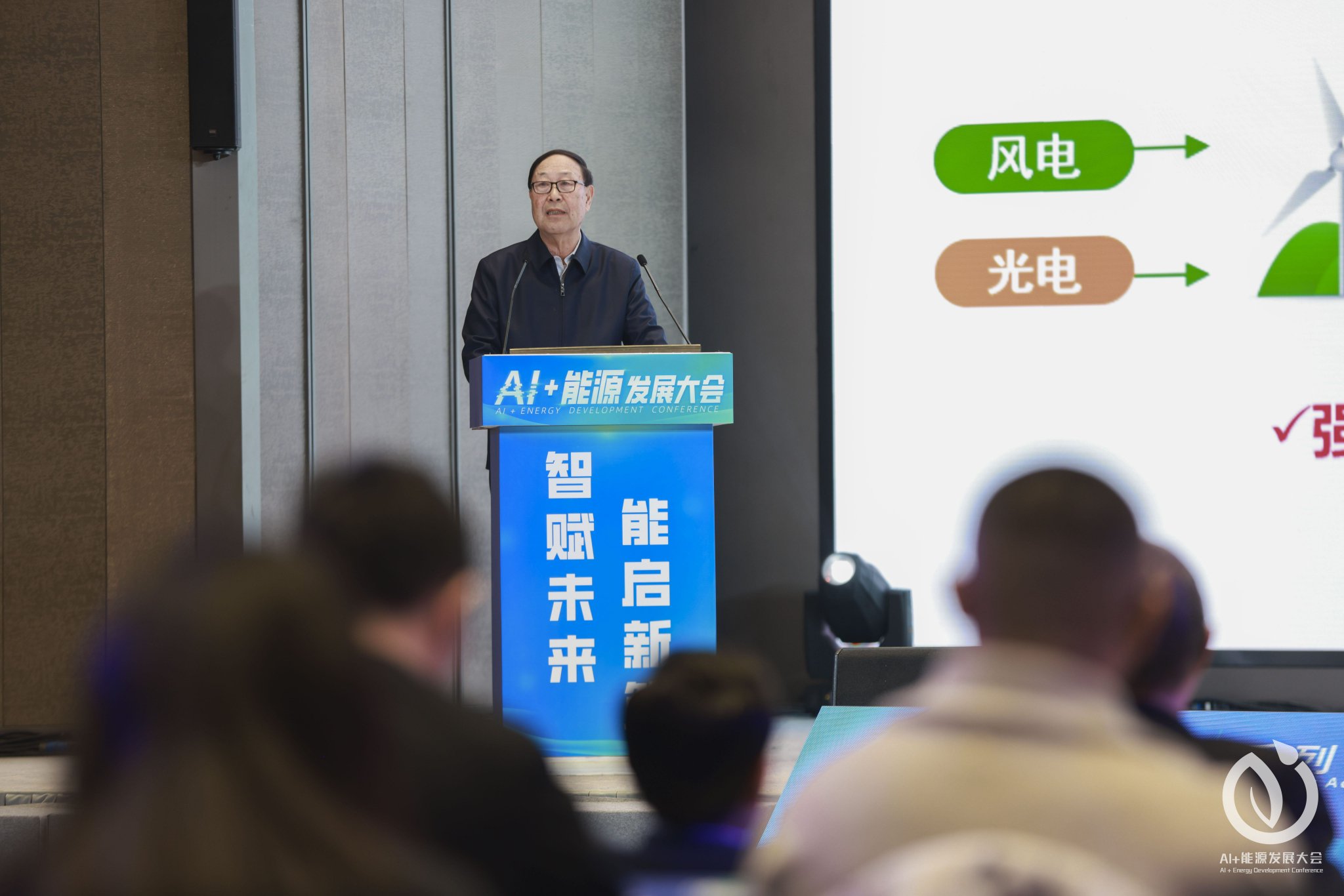
新浪财经ESG评级中心提供包括资讯、报告、培训、咨询等在内的14项ESG服务,助力上市公司传播ESG理念,提升ESG可持续发展表现。点击 查看【 ESG评级中心服务手册】 2026年1月30日,以"智赋未来·能启新篇"为主题的AI+能源发展大会在中关村会议中心举行。中国工程院院士刘吉臻围绕《AI在新型电力系统中的应用技术 难点与解决方案》主题,结合中国能源发展实际,深入阐释了能源转型与新型电力系统的核心内涵,剖析了AI赋能新型电力系统的关键价值、应用边界及 实践路径,以务实视角为二者深度融合提供了权威指引。 中国工程院院士刘吉臻做主旨演讲 刘吉臻开篇从工业革命与能源转型的关联切入,明确第四次工业革命的核心主题是新能源与AI,同时着重强调,探讨中国能源转型与AI应用必须立足中国 国情——我国作为世界最大能源消费国、以煤炭为主体的能源大国和碳排放大国,目前仍处于"煤炭为主+新能源"的能源结构阶段。脱离这一客观现实,任 何关于能源转型和AI应用的探讨都难以切合实际。 结合国家能源战略,刘吉臻指出,自2014年"四个革命、一个合作"能源新战略提出以来,中央已明确建设新型能源体系、加快新型电力系统建设、打造能源 强国的 ...

电力体制改革再提速 谁将受益?
Zhong Guo Dian Li Bao· 2026-02-12 09:20
Core Viewpoint - The State Council issued the "Implementation Opinions on Improving the National Unified Electricity Market System," marking a significant step in China's electricity market reform, transitioning from "accelerating construction" to "improvement" of the market system [1][2]. Group 1: Goals and Objectives - The "Implementation Opinions" set two phased goals: to establish a basic national unified electricity market system by 2030, with market-based trading accounting for approximately 70% of total electricity consumption; and to fully establish the system by 2035, with a steadily increasing proportion of market-based trading [2]. Group 2: Market Structure and Achievements - The national unified electricity market structure has been largely established, transitioning from a planned to a market-oriented production organization over the past decade [4]. - By 2025, the market-based trading volume is expected to reach 6.6 trillion kilowatt-hours, a sevenfold increase from 2015, with the market share rising from less than 15% to 64% [5]. - Cross-provincial and cross-regional electricity trading is projected to grow from less than 0.1 trillion kilowatt-hours in 2015 to approximately 1.6 trillion kilowatt-hours by 2025, an increase of over 15 times [5]. Group 3: Market Mechanisms and Governance - A multi-level collaborative market structure has been formed, ensuring balance and supply security at the provincial level while enhancing inter-grid cooperation for broader resource circulation [5]. - A preliminary market price mechanism has been established, allowing for market-driven pricing of coal and industrial electricity within reasonable ranges [5]. - The governance framework for the electricity market has begun to take shape, with government departments responsible for overall design, regulatory bodies maintaining market order, and trading institutions providing platforms [6]. Group 4: Policy and Regulatory Framework - The "Implementation Opinions" address key systemic and mechanistic obstacles in the current electricity market, focusing on optimizing resource allocation, enhancing market functions, and promoting equal participation from various operators [10]. - The document proposes a shift from "individual pricing and trading" to "unified pricing and joint trading" across different market levels, aiming to improve transaction efficiency and flexibility [10]. Group 5: Participation and Inclusivity - The reform emphasizes increasing participation from private enterprises, particularly in new energy sectors such as storage and virtual power plants, while allowing small and medium-sized commercial users to directly engage in the electricity market [12]. - A diversified market governance system is proposed to ensure safe and regulated market operations, with independent oversight and collaborative management from various stakeholders [12].
瞒不住了!中国10万亿度电不止是用电多,核心底牌让美国无力抗衡
Sou Hu Cai Jing· 2026-02-12 09:00
Core Insights - China's electricity consumption reached 10.3682 trillion kilowatt-hours in 2025, making it the first country to surpass the 10 trillion mark, significantly outpacing the U.S. and the EU combined [1][3] - Industrial electricity consumption in China accounted for approximately 65% of total usage, while residential use was only 25%, indicating a strong reliance on industrial and technological sectors [3][5] - The U.S. industrial electricity consumption was only about 40% in 2025, highlighting a disparity in industrial capacity and infrastructure between the two nations [7] Industrial and Technological Implications - The high electricity demand supports China's advanced manufacturing capabilities, including the production of military technology such as the J-20 stealth fighter and aircraft carriers, which require stable and substantial power supply [5][7] - China's ability to maintain a robust electricity supply ensures continuous operation of military factories and ongoing defense technology research, which is crucial for national security [7][9] Clean Energy Development - China's advancements in clean energy technologies aim to challenge U.S. energy dominance, with a complete industrial chain for renewable energy sources like wind, solar, and hydropower [9][10] - The development of clean energy not only meets domestic needs but also positions China as a potential global leader in renewable energy technology, as seen in projects like the Red Sea New City in Saudi Arabia [10][14] - In contrast, the U.S. is facing significant cuts in renewable energy funding, which has led to a sharp decline in clean energy investments, indicating a potential setback in its energy strategy [12][14]

儋州税务:以绿色税制为笔 绘就自贸港绿色发展新图景
Sou Hu Cai Jing· 2026-02-12 08:58
Group 1: Core Perspectives - The article highlights the commitment of enterprises in the Yangpu Economic Development Zone towards green and low-carbon development, supported by precise tax guidance from the Danzhou Tax Bureau [1][2][3] Group 2: Green Tax System and Environmental Initiatives - The Danzhou Tax Bureau is enhancing green tax collection and management, utilizing environmental taxes and corporate income taxes to encourage companies to reduce emissions and improve efficiency [2][3] - Hainan Yisheng Petrochemical Co., as a leading enterprise in the Yangpu petrochemical industry, has increased its environmental investments and achieved a 100% compliance rate in pollution discharge and environmental facility operation [3] - The company has implemented measures such as rooftop solar panels and waste heat recovery, saving over 100,000 tons of standard coal annually [3] Group 3: Traditional Industry Transformation - The Danzhou Tax Bureau is promoting the transformation of traditional industries, such as energy and water supply, towards low-carbon development through targeted policies and green tax systems [4] - Yangpu New Energy Development Co. is utilizing agricultural waste for biomass heating, producing 90,000 tons of steam annually and generating over 200 million yuan in revenue [4] Group 4: Industrial Park Development - The Danzhou Tax Bureau is focusing on transforming industrial parks into zero-carbon demonstration zones, promoting the use of renewable energy sources like solar and wind power [5] - The Yangpu International Smart Supply Chain Center has achieved carbon neutrality and annually saves approximately 1,328 tons of standard coal while reducing carbon emissions by 1,473 tons [5]
黔源电力:截至2026年2月10日公司股东人数为19283户
Zheng Quan Ri Bao Wang· 2026-02-12 08:40
Group 1 - The core point of the article is that Qianyuan Power (002039) reported its shareholder count as of February 10, 2026, which stands at 19,283 households [1]

国网蒙东电力2026年1月内售外送齐发力 双双实现超15%同比增长
Zhong Guo Neng Yuan Wang· 2026-02-12 08:24
Core Viewpoint - In January, State Grid Inner Mongolia East Power Co., Ltd. achieved significant growth in both net electricity exports and domestic sales, with both metrics exceeding a 15% year-on-year increase, highlighting its role in energy supply and local economic development [1] Group 1: Electricity Supply and Export Performance - The company completed a net electricity export of 231.6 billion kilowatt-hours in January, marking a year-on-year increase of 19.50%, with high-voltage direct current (HVDC) channels accounting for approximately 79% of the net export volume [1] - The company is enhancing its cross-regional energy transmission capabilities, serving as a backbone for Inner Mongolia's green electricity exports and supporting energy supply for 11 provinces [1] Group 2: Domestic Electricity Sales and Economic Impact - In January, the company's domestic electricity sales reached 51 billion kilowatt-hours, reflecting a year-on-year increase of 23.26%, indicating strong demand from the local economy, particularly in industrial production and public services [2] - The company is optimizing electricity dispatch and enhancing service efficiency to meet the rising electricity demand, including streamlining processes for new connections [2] Group 3: Future Plans and Strategic Focus - The company plans to continue prioritizing electricity supply responsibilities, focusing on improving the efficiency of both domestic sales and exports, and enhancing the grid structure [3] - Future initiatives include accelerating the construction of HVDC projects and renewable energy integration, as well as expanding green electricity export capacity [3]
能源开新局丨坚持电力先行 为能源强国建设和“十五五”良好开局提供有力支撑
Zhong Guo Dian Li Bao· 2026-02-12 08:20
Core Viewpoint - The article emphasizes the importance of the electricity sector in supporting the construction of an energy powerhouse and achieving a strong start for the "14th Five-Year Plan" period, highlighting the strategic role of high-quality electricity development in national energy goals [2][5]. Group 1: Electricity Industry Development - Since the "14th Five-Year Plan," China's electricity sector has experienced healthy and rapid growth, with total installed capacity expected to reach 3.89 billion kilowatts by the end of 2025, and renewable energy capacity surpassing 1.8 billion kilowatts, marking a historic shift where renewable energy exceeds thermal power [3]. - The average annual electricity consumption growth rate is projected at 6.6%, supporting a 5.4% growth in the national economy, with total electricity consumption expected to exceed 10 trillion kilowatt-hours by 2025, surpassing the combined consumption of the US, Germany, Japan, and India [3]. - The reliability of power supply has significantly improved, with the national average power supply reliability exceeding 99.9% [3]. Group 2: Green Transition and New Power System - The green transition in the electricity sector is accelerating, with the share of non-fossil energy consumption expected to exceed 20% by 2025. The proportion of renewable energy installed capacity has increased from 24.3% to 47.3%, and renewable electricity generation's share of total electricity consumption has risen from 9.7% to 22.2% [4]. - A new type of power system is being constructed, with significant advancements in nuclear power technologies and the development of high-green electricity transmission channels supporting large-scale renewable energy bases [4]. - The establishment of a unified national electricity market is underway, allowing for comprehensive market entry of renewable energy [4]. Group 3: Future Development Goals - The "15th Five-Year Plan" period is critical for achieving carbon peak goals by 2030 and constructing a new power system, with a focus on high-quality development and safety [6]. - The electricity sector aims to form a green and low-carbon power supply structure, promoting the development of various renewable energy sources and optimizing electricity consumption patterns [6]. - Enhancements in electricity system regulation capabilities and the establishment of a monitoring and early warning mechanism for electricity supply adequacy are planned to ensure stable power supply [7]. Group 4: Implementation Strategies - The electricity authority will prioritize the release of the new power system construction plan, ensuring the implementation of key tasks and responsibilities [9]. - Continuous monitoring of electricity supply adequacy and tailored strategies for different regions will be employed to ensure stable power supply during peak seasons [9]. - The authority will push for the implementation of major projects, including high-voltage transmission projects and renewable energy base construction, while also focusing on policy implementation and the development of new business models [9].
国家能源局电力司司长杜忠明:坚持电力先行 为能源强国建设和“十五五”良好开局提供有力支撑
Zhong Guo Dian Li Bao· 2026-02-12 07:31
Core Viewpoint - The article emphasizes the importance of the electricity sector in supporting the construction of an energy powerhouse and achieving high-quality development during the "14th Five-Year Plan" period, while outlining strategic goals for the "15th Five-Year Plan" [2][4]. Group 1: Electricity Sector Development - Since the "14th Five-Year Plan," China's electricity sector has experienced healthy and rapid growth, with total installed capacity expected to reach 3.89 billion kilowatts by the end of 2025, and renewable energy capacity surpassing 1.8 billion kilowatts, marking a historic shift where renewable energy exceeds thermal power [4]. - The electricity supply has been robust, supporting an average annual electricity consumption growth rate of 6.6%, which in turn has bolstered a 5.4% growth in the national economy. By 2025, total electricity consumption is projected to exceed 10 trillion kilowatt-hours, surpassing the combined consumption of the US, Germany, Japan, and India [4]. - The green transition in the electricity sector is accelerating, with the share of non-fossil energy consumption expected to exceed 20% by 2025. The proportion of renewable energy installed capacity has increased from 24.3% to 47.3%, and the share of renewable energy generation in total electricity consumption has risen from 9.7% to 22.2% [4]. Group 2: New Power System Construction - The construction of a new power system is underway, with significant advancements in various technologies, including nuclear power and new coal power technologies. The development of high-green electricity transmission channels supports the large-scale integration of renewable energy [5]. - The establishment of a unified national electricity market is in progress, allowing for the comprehensive entry of renewable energy into the market [5]. - The electricity sector is transitioning from a phase of "quantity accumulation" to "quality leap," with expectations that by the middle of this century, the electrification rate will exceed 60% and the share of non-fossil energy consumption will surpass 70% [5]. Group 3: Strategic Goals for the "15th Five-Year Plan" - The "15th Five-Year Plan" period is critical for achieving carbon peak targets by 2030 and constructing a new power system. The electricity sector will focus on high-quality development and the establishment of a green, low-carbon electricity supply structure [7]. - Key initiatives include the development of a new grid platform that integrates main and distribution networks, promoting the use of renewable energy, and enhancing the flexibility of electricity consumption through virtual power plants and vehicle-grid interactions [8]. - The sector aims to improve the overall quality of electricity supply, ensuring that the needs of the population are met while transitioning from merely having access to electricity to using high-quality and green electricity [9].