
快餐

Search documents
肯德基上一次涨价是一年前
Di Yi Cai Jing Zi Xun· 2026-01-26 03:04
Group 1 - KFC has adjusted the prices of its delivery products by an average of 0.8 yuan, while dine-in prices remain unchanged [2] - The last price increase for KFC occurred approximately one year ago, with a 2% average increase on December 24, 2024, ranging from 0.5 yuan to 2 yuan [2] - KFC aims to adapt to market cost changes and ensure sustainable and healthy development by optimizing its cost structure [2] Group 2 - McDonald's also experienced a price increase on December 15, 2025, with most items rising by 0.5 to 1 yuan, including popular burgers and snacks [3] - The fluctuation in prices of agricultural products such as rice, meat, and vegetables poses challenges for cost control and risk management for fast-food companies [3]


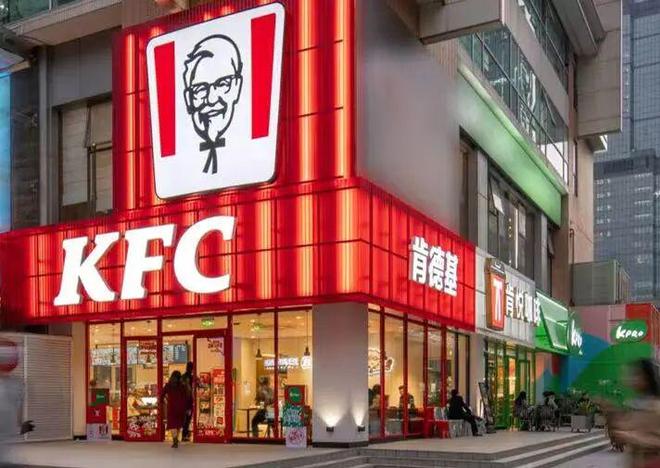
肯德基外送价格上涨0.8元 上一次涨价是一年前
Di Yi Cai Jing· 2026-01-26 03:01
Group 1 - KFC has adjusted the prices of its delivery products by an average of 0.8 yuan, while dine-in prices remain unchanged [1] - The last price increase for KFC occurred approximately one year ago, with a 2% average increase on December 24, 2024, ranging from 0.5 yuan to 2 yuan [1] - KFC aims to adapt to changes in operational costs and ensure sustainable and healthy business development [1] Group 2 - McDonald's also experienced a price increase on December 15, 2025, with most items rising by 0.5 to 1 yuan, including popular burgers and snacks [2] - The fluctuation in prices of agricultural products such as rice, meat, cooking oil, and vegetables poses challenges for cost control and risk management in the fast-food industry [2]
肯德基上一次涨价是一年前
第一财经· 2026-01-26 02:55
Group 1 - KFC has adjusted the prices of its delivery products by an average of 0.8 yuan, while dine-in prices remain unchanged, effective from January 26 [3] - The last price increase for KFC occurred approximately one year ago, with a 2% average increase on December 24, 2024, ranging from 0.5 yuan to 2 yuan [3] - KFC aims to optimize its cost structure to provide high-quality and cost-effective products and services, with over 12,600 stores in China as of September 2025 [3] Group 2 - McDonald's also experienced a price increase on December 15, 2025, with most items rising by 0.5 to 1 yuan, including classic burgers and snacks [4] - The fluctuations in prices of agricultural products such as rice, meat, and vegetables have posed challenges for fast-food companies in cost control and risk management [4]
肯德基外送价格上涨0.8元,上一次涨价是一年前
Di Yi Cai Jing· 2026-01-26 02:48
Group 1 - KFC has adjusted the prices of its delivery products by an average of 0.8 yuan starting January 26, while dine-in prices remain unchanged [1] - The last price increase for KFC occurred approximately one year ago, with a 2% average increase on December 24, 2024, ranging from 0.5 yuan to 2 yuan [1] - KFC aims to adapt to market cost changes and ensure sustainable and healthy business development through these price adjustments [1] Group 2 - As of September 30, 2025, KFC will have over 12,600 stores in China, continuing to optimize its cost structure to provide high-quality and cost-effective products and services [3] - McDonald's has also raised prices on some menu items, with increases generally between 0.5 yuan and 1 yuan, including popular items like the Big Mac and McChicken [3] - The fast food industry faces challenges in cost control and risk management due to price volatility in agricultural products such as rice, meat, cooking oil, and vegetables [3]
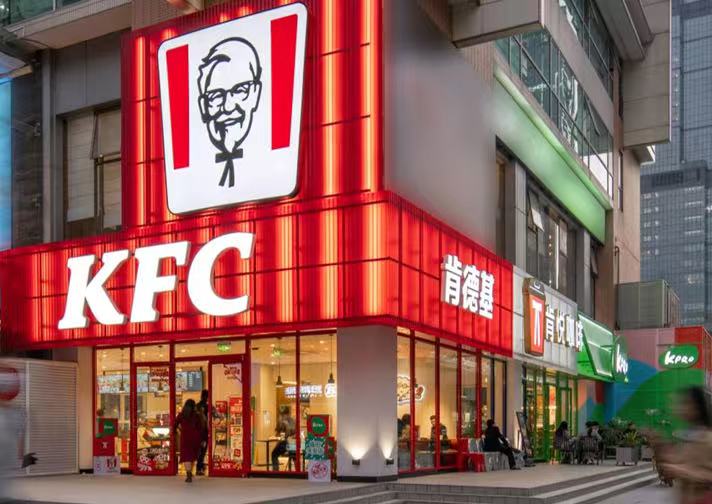
肯德基调整部分产品外送价格:平均涨价0.8元,堂食价格不变
Feng Huang Wang· 2026-01-26 01:42
Group 1 - KFC has adjusted the prices of its delivery products by an average of 0.8 yuan, while dine-in prices remain unchanged, effective from January 26 [1] - The price adjustment is a response to changes in operational costs and aims to maintain stable and healthy operations, with popular combo meals like "Crazy Thursday" and "Weekend Crazy Deal" remaining at their original prices [1] - KFC has over 12,600 stores in China as of September 2025, with "KFC Coffee" experiencing rapid growth, surpassing 1,800 locations [1] Group 2 - In early 2024, KFC reduced its delivery fee from 9 yuan to 6 yuan and will charge a packaging service fee to enhance the delivery service experience [2] - McDonald's has also been adjusting its product prices, with increases ranging from 0.5 to 1 yuan starting December 15, 2025, while maintaining certain combo prices [2] - McDonald's delivery fee will also be adjusted from 9 yuan to 6 yuan by the end of 2024, with a new packaging service fee based on the number of items ordered [2]
百胜中国1月23日合共回购约8.14万股股份
Zhi Tong Cai Jing· 2026-01-26 00:30
Core Viewpoint - Yum China (09987) announced a share buyback program, indicating confidence in its financial health and commitment to returning value to shareholders [1] Group 1: Share Buyback Details - The company repurchased approximately 61,300 shares at a cost of about $3 million on the New York Stock Exchange [1] - Additionally, Yum China spent approximately HKD 7.694 million to buy back 20,100 shares on the Hong Kong Stock Exchange [1]
Should You Buy Chipotle Stock While It's Below $45?
The Motley Fool· 2026-01-25 13:55
Core Viewpoint - Chipotle Mexican Grill is currently facing a significant decline in stock price, trading 41% below its record high, attributed to macroeconomic challenges affecting consumer behavior, particularly among lower-income groups [1]. Group 1: Stock Performance - Chipotle shares are trading at approximately $40.87, reflecting a 0.81% increase on the day [2]. - The stock has a market capitalization of $54 billion and has experienced a 52-week price range of $29.75 to $59.57 [3]. Group 2: Financial Outlook - The company anticipates a same-store sales decline in the low single-digit range for the full year of 2025, primarily due to weaker foot traffic in an uncertain economic environment [1]. - The current price-to-earnings ratio of 35.9 is near a five-year low, making the stock valuation more attractive for potential investors [3]. Group 3: Expansion Plans - Chipotle aims to nearly double its footprint to 7,000 locations in the U.S. and Canada, excluding its smaller international presence [4]. - The brand's recognition and scale have contributed to significant profitability, suggesting potential for recovery and growth [4].

跨国公司加大在华投资
Xin Lang Cai Jing· 2026-01-24 07:16
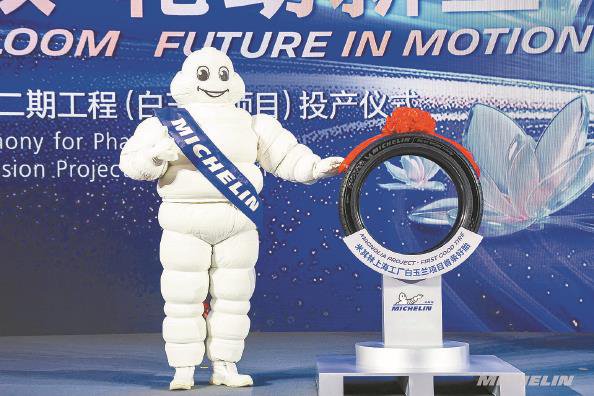
Group 1: Foreign Investment in China - The opening of the Chinese market has led to increased foreign investment, with companies like Michelin expanding their operations in Shanghai, reflecting a commitment to the Chinese market [4][5] - Recent policy measures in Shanghai, such as encouraging foreign reinvestment and enhancing foreign R&D centers, have created a favorable business environment for foreign enterprises [4][5] - Michelin's new factory, named "Baiyulan," represents a significant investment of 3 billion RMB and is the first demonstration factory for its "Future Factory" strategy, focusing on high-performance tires for electric vehicles [5][6] Group 2: Michelin's Production Capacity and Strategy - The Baiyulan project aims to increase Michelin's annual production capacity from 8.5 million to 9.5 million tires, with 70% of the output dedicated to new energy vehicles [5][6] - The factory features advanced technology, allowing for a tire to be produced every 36 seconds and reducing order delivery times from 10 days to 5 days, catering to the evolving demands of the Chinese automotive market [6] - Michelin's CEO for Greater China emphasized the importance of collaboration with local governments and industry partners to enhance manufacturing capabilities and support high-quality development in China [6] Group 3: Other Foreign Investments - Solstice, a company spun off from Honeywell, has established its Asia-Pacific headquarters in Shanghai, indicating confidence in the local innovation ecosystem and the green low-carbon industry environment [7][8] - The company focuses on sectors such as refrigerants and semiconductor manufacturing, aligning with China's dual carbon goals and the 14th Five-Year Plan [8] - The growth of AI infrastructure in China is reshaping the cooling industry, creating significant opportunities for material innovation companies [8] Group 4: Trends in the Food and Beverage Sector - DQ plans to achieve double-digit growth in revenue and profit by 2025, with over 1,800 stores in China, reflecting the vitality of the Chinese consumer market [9][10] - The company is focusing on local consumer preferences by introducing over 150 new products, which are expected to account for 60% of total sales [9][10] - McDonald's has opened its 600th restaurant in Shanghai and aims to expand its presence in lower-tier cities, with plans to reach 10,000 locations in China by 2028 [10]
股票今起停牌!华莱士品牌经营方华士食品拟在新三板终止挂牌
Nan Fang Du Shi Bao· 2026-01-23 09:37
Core Viewpoint - Huashi Food has announced its intention to terminate its listing on the New Third Board, aiming to enhance operational efficiency and reduce costs, with a focus on its core business after delisting [1][3]. Group 1: Company Overview - Huashi Food was listed on the New Third Board in April 2016, primarily selling pre-packaged food and related equipment to Wallace brand stores [2]. - The first Wallace restaurant opened in Fuzhou, Fujian in 2000, specializing in fried chicken, hamburgers, and fries, with an average consumer spending of approximately 17 yuan [2]. - As of January 20, 2026, Wallace has 19,751 stores nationwide, leading in the fried chicken and hamburger category, although the number of stores has slightly decreased over the past year [2]. Group 2: Business Model - Wallace does not utilize a franchise model for rapid expansion; instead, it operates on a "Fujian model," which emphasizes self-funding, employee partnerships, and direct management [2]. - Huashi Food's revenue is primarily derived from product sales, which include raw materials, packaging, and equipment for Wallace stores, as well as consulting services for restaurant design and operations [2]. Group 3: Financial Performance - In the first half of 2025, Huashi Food's revenue decreased by 0.49% to 4.625 billion yuan, while net profit attributable to shareholders increased by 35.32% to 122 million yuan [3]. - From 2021 to 2024, Huashi Food's revenue growth has slowed, with year-on-year growth rates of 64.44%, 24.36%, 23.45%, and 13.31% respectively; net profit growth has fluctuated significantly during the same period [3]. - As Huashi Food plans to delist, other restaurant brands like COMMUNE, Big Pizza, and Yuanji Food are pursuing listings on the Hong Kong Stock Exchange [3].
肯德基店员回应外送崩了
Bei Jing Ri Bao Ke Hu Duan· 2026-01-22 14:12
Group 1 - The core issue reported is a significant failure in KFC's ordering system during a peak promotional period, leading to a nationwide disruption of delivery services [1] - A KFC employee confirmed that the problem was not isolated to a single delivery platform but was due to a complete failure of the company's backend systems, affecting all external delivery operations [1] - The delivery system, specifically the "宅急送" (Zhaijisong), was down for nearly two hours, while in-store ordering was only marginally functional, indicating a severe impact on overall service stability [1] Group 2 - Although there were sporadic orders coming through as the backend began to show signs of recovery, the overall situation remained unstable, making it difficult to process orders effectively [1]