快餐连锁

Search documents
资本为何疯抢星巴克?揭秘百胜“单飞”真相:春华系双基金套现5.8亿元,胡祖六9年守出79%浮盈
Sou Hu Cai Jing· 2025-07-21 13:27
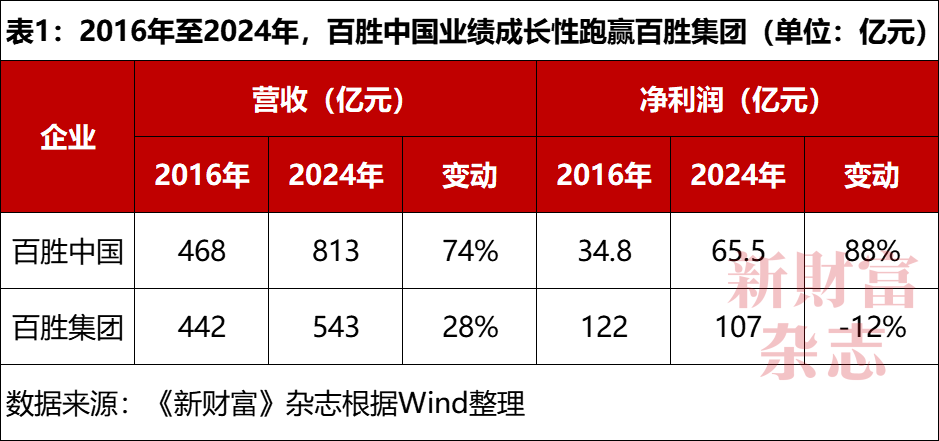
Group 1 - Starbucks China and Haagen-Dazs China are reportedly seeking to attract investors, with several domestic private equity firms eager to participate, likely influenced by the successful investments in McDonald's China and Yum China [1] - In 2017, McDonald's sold 80% of its China operations for $2.08 billion, resulting in a 212% return for Carlyle Group over six years, with an annualized return of 35% [1] - Yum China, which split from Yum Brands in 2016, has seen significant growth, with its revenue increasing from 46.8 billion yuan in 2016 to 81.3 billion yuan in 2024, a 74% increase [9][10] Group 2 - Yum China's store count has grown from over 7,500 at the end of 2016 to an expected 16,400 by the end of 2024, with plans to reach 20,000 by 2026 [3][32] - The company operates major brands including KFC, Pizza Hut, and Taco Bell in China, and is the largest restaurant operator in the country [3] - Spring Capital has joined the consortium to bid for Starbucks China, leveraging its successful investment in Yum China as a significant advantage [4] Group 3 - Yum China's revenue in China accounted for 53% of Yum Brands' total revenue by 2015, highlighting the importance of the Chinese market to the parent company [5] - Despite challenges between 2012 and 2015, where store growth did not translate into revenue growth, Yum China has since rebounded with strong financial performance post-split [6][9] - The company has implemented a stock incentive plan for its management and employees, which has contributed to its operational success and employee retention [25][30] Group 4 - Spring Capital and Ant Group invested a total of $4.6 billion in Yum China during its split, acquiring significant stakes in the company [13][14] - As of 2020, Spring Capital held approximately 6.3% of Yum China, making it one of the largest shareholders [17][18] - The investment has yielded a substantial return, with Spring Capital's total investment value reaching approximately $11.45 billion by 2025, reflecting a 79% return on investment [22] Group 5 - Yum China has been actively acquiring stakes in suppliers to secure its supply chain, including a 5% stake in San Nong Development, its largest poultry supplier [33] - The company also acquired a majority stake in Huang Ji Huang, a hot pot chain, for approximately $1.85 billion, further diversifying its portfolio [34] - As of 2024, Huang Ji Huang operates around 630 locations, and its performance post-acquisition is still under evaluation [34]


摩根士丹利:东盟消费者+医疗保健
摩根· 2025-07-16 00:55
Investment Rating - The report indicates a positive investment outlook for healthcare stocks in Southeast Asia, particularly in countries facing aging populations like Thailand [5][12]. Core Insights - The Asian consumer market is characterized by price sensitivity, with consumers downgrading spending in food but increasing expenditures in travel [1][4]. - The rapid growth of the fast-moving consumer goods (FMCG) market in Southeast Asia, particularly in Indonesia, the Philippines, and Thailand, is noteworthy, with growth rates double that of India [1][7]. - Local brands are gaining market share over global brands due to their ability to offer personalized products at lower prices through e-commerce and social media [6][4]. Summary by Sections Consumer Behavior - Asian consumers prioritize value for money and are highly sensitive to prices, often influenced by macroeconomic cycles [4][1]. - The Z generation plays a significant role in consumer behavior, heavily relying on social media and influencers for purchasing decisions [4][1]. Demographics and Market Impact - Approximately one-third of Asia's population is under 25, but significant demographic differences exist, with countries like Thailand facing rapid aging [5][1]. - The increase in single-person households is driving growth in pet ownership and online entertainment [5][1]. FMCG Market Trends - The combined FMCG market size of Indonesia, the Philippines, and Thailand is comparable to that of India, with a growth rate significantly higher than India's [7][1]. - There is a notable opportunity for growth in the dairy sector, particularly in Indonesia, where per capita spending is significantly lower than in Thailand [7][1]. Grocery Retail Sector - Traditional small stores remain important in Asia, but modern retail channels are growing faster, with convenience stores dominating the market [8][9]. - Thailand's 7-11 is one of the most profitable globally, with substantial room for market share expansion [11][9]. E-commerce Development - The e-commerce market in Southeast Asia is rapidly expanding, with a current market size of $160 billion and a compound annual growth rate exceeding 30% [20][21]. - Despite the growth, e-commerce penetration remains lower than in China and South Korea, indicating further potential for development [21][20]. Healthcare Sector Potential - The healthcare sector in Southeast Asia has significant growth potential, driven by low current spending relative to GDP and an aging population [12][5]. - Thailand's healthcare spending has increased by approximately 7% over the past decade, highlighting a growing demand for healthcare services [12][5]. Key Companies - CPO is a leading grocery retailer in Thailand with a market capitalization of approximately $12 billion, dominating the convenience store segment [24]. - Astro is Indonesia's largest diversified group, holding significant market shares in both the automotive and heavy equipment sectors [24]. - Jollibee, the largest listed fast-food chain in Asia, is expanding internationally while maintaining a strong domestic presence [27]. - BDMS operates the largest private healthcare network in Thailand, catering to both local and international patients [29]. - bh Hospital is a major private hospital in Southeast Asia, known for its high profit margins and focus on international patients [30].
破圈创新 把握消费潮流新红利——专访CFB集团首席执行官许惟抡
Xin Hua Cai Jing· 2025-07-02 13:38
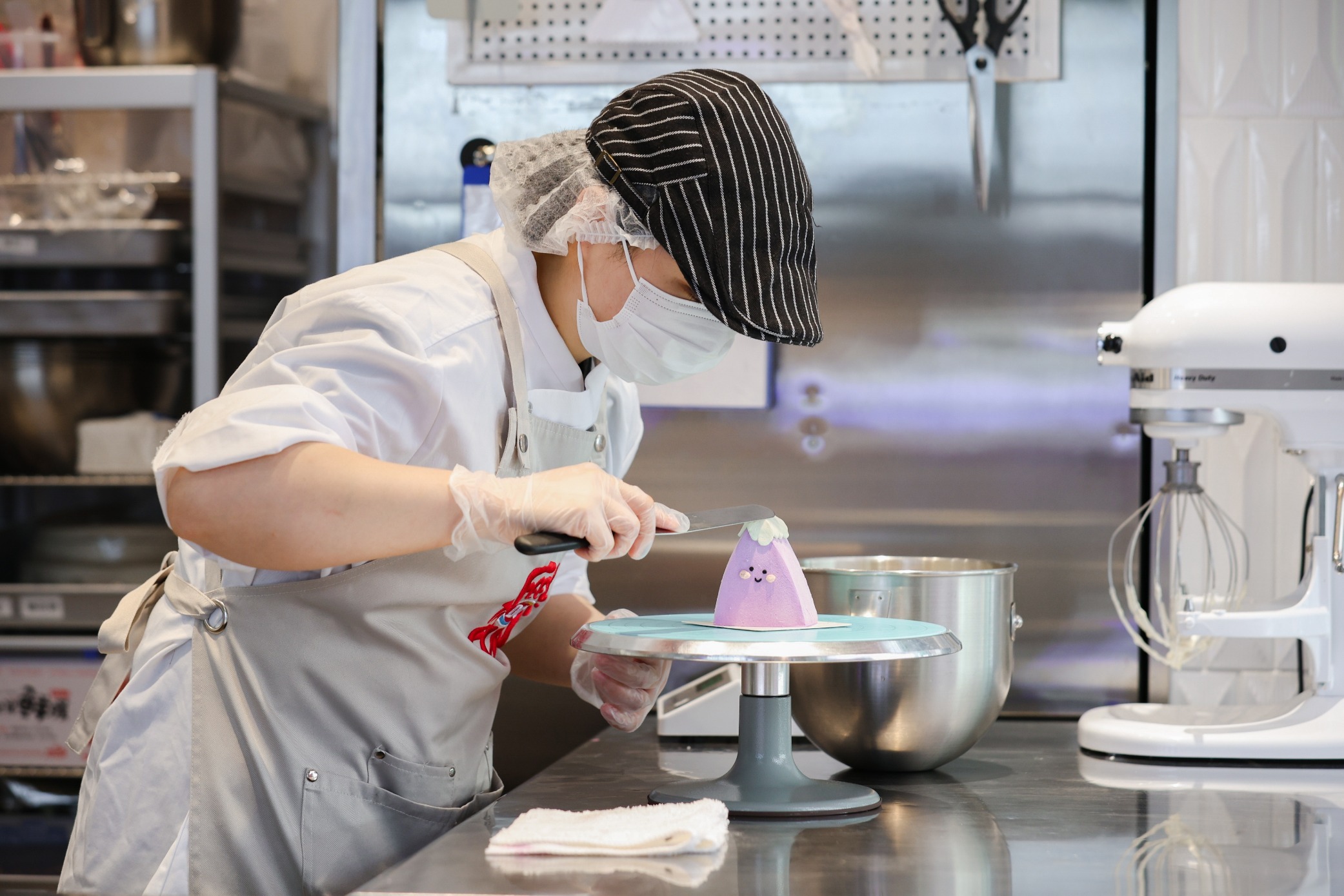
Core Insights - The rapid economic development in China has led to an increase in per capita income and consumption levels, driving the demand for leisure foods, particularly ice cream, which is expected to grow the market size to 206.1 billion yuan by 2027 [1][13] - Dairy Queen (DQ), operated by CFB Group, is experiencing significant growth in the Chinese market, holding nearly 29% market share in the ice cream chain sector as of 2023 [2][3] Company Strategy - DQ is diversifying its store models and product offerings to unlock new consumption scenarios and potential, aiming to create a second growth curve for the brand [3][4] - The introduction of various store models, including ice cream and custom cake shops, as well as hot food options, has resonated with the evolving consumer trends in China [3][5] - DQ plans to open 800 new stores within three years, including approximately 50 burger shops, 100 custom cake shops, and 650 ice cream shops, focusing on expanding its presence in the market [7][13] Product Innovation - DQ's custom cake offerings, particularly the hand-decorated cakes, have seen a fivefold increase in sales compared to the previous year, indicating strong consumer interest [4][5] - The company is targeting the "Z Generation" consumer group by enhancing product aesthetics, taste, and customization options, aligning with their preferences for quality and social engagement [8][12] - DQ is implementing a "Z Generation growth strategy" that emphasizes creative product development and emotional connections with consumers, which has contributed to its recognition in the top 100 restaurant franchise brands in China [8][12] Market Outlook - The Chinese ice cream market is projected to continue its double-digit growth annually, with the overall consumption scale of the "Z Generation" expected to reach 16 trillion yuan by 2035, quadrupling from current levels [13]
日本吉野家推出首款面条
日经中文网· 2025-06-27 07:25
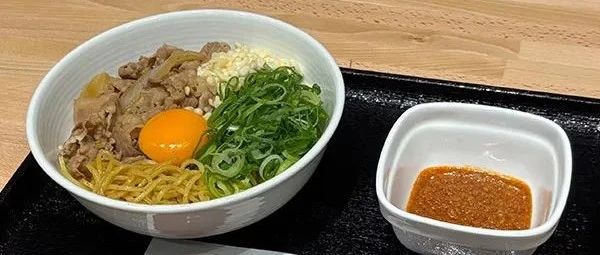
Core Viewpoint - Yoshinoya is launching a new noodle dish called "Beef and Egg Stamina Noodle" on July 4, in response to rising rice prices in Japan, marking its first noodle product introduction [1][2]. Group 1: Product Launch - The new noodle dish features special sauce braised beef, tempura flakes, green onions, and raw egg, with an option to add garlic sauce for flavor adjustment [2]. - The dish is priced at 767 yen (approximately 37.9 RMB) for dine-in customers and is expected to be available for a limited time until August, with a sales target of 2 million servings [1][2]. Group 2: Market Response - The introduction of the noodle dish is part of a broader strategy to diversify product offerings and stimulate demand amid rising rice prices, which are a staple in Japanese cuisine [2]. - Yoshinoya has previously raised prices on rice and beef-related products by 10 to 70 yen due to increased raw material costs [2]. Group 3: Company Strategy - Yoshinoya's president, Tetsuya Naruse, emphasized the company's commitment to adapting its menu and services to changing times while maintaining the core values of "delicious, affordable, and fast" [2]. - The company is currently using a mix of government-released reserve rice, branded rice, and imported rice in some locations, and is actively selecting the best rice combinations for future procurement [2].
Should You Invest in Sweetgreen (SG) Based on Bullish Wall Street Views?
ZACKS· 2025-06-13 14:31
Core Viewpoint - The average brokerage recommendation (ABR) for Sweetgreen, Inc. (SG) is 2.00, indicating a "Buy" rating based on 13 brokerage firms' recommendations [2]. Brokerage Recommendation Trends - The ABR of 2.00 is derived from six "Strong Buy" and one "Buy" recommendations, which account for 46.2% and 7.7% of all recommendations, respectively [2]. - Despite the positive ABR, reliance solely on brokerage recommendations for investment decisions may not be wise, as studies show limited success in guiding investors to stocks with the best price increase potential [5]. Analyst Bias and Reliability - Brokerage analysts often exhibit a strong positive bias in their ratings due to vested interests, with research indicating that for every "Strong Sell" recommendation, there are five "Strong Buy" recommendations [6][10]. - This misalignment of interests can mislead investors, making it essential to use brokerage recommendations to validate independent research rather than as the sole basis for investment decisions [7]. Zacks Rank Comparison - The Zacks Rank, a proprietary stock rating tool, categorizes stocks from 1 (Strong Buy) to 5 (Strong Sell) and is based on earnings estimate revisions, showing a strong correlation with near-term stock price movements [8][11]. - The Zacks Rank is distinct from the ABR, as it is a quantitative model that reflects timely earnings estimate revisions, while the ABR may not be up-to-date [9][12]. Current Earnings Estimates for Sweetgreen - The Zacks Consensus Estimate for Sweetgreen remains unchanged at -$0.62 for the current year, indicating steady analyst views on the company's earnings prospects [13]. - This stability has resulted in a Zacks Rank of 3 (Hold) for Sweetgreen, suggesting caution despite the Buy-equivalent ABR [14].

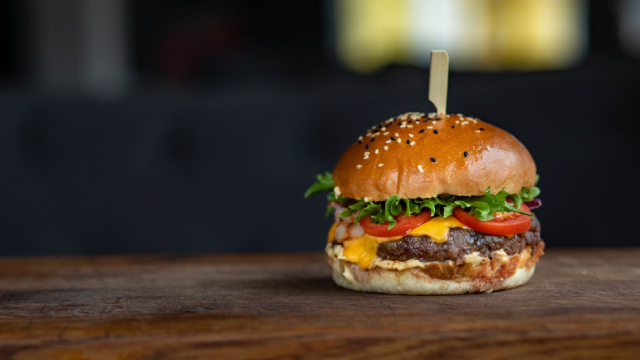
4个美高辍学生,靠卖“辣鸡”套现10亿美元
3 6 Ke· 2025-06-12 10:11
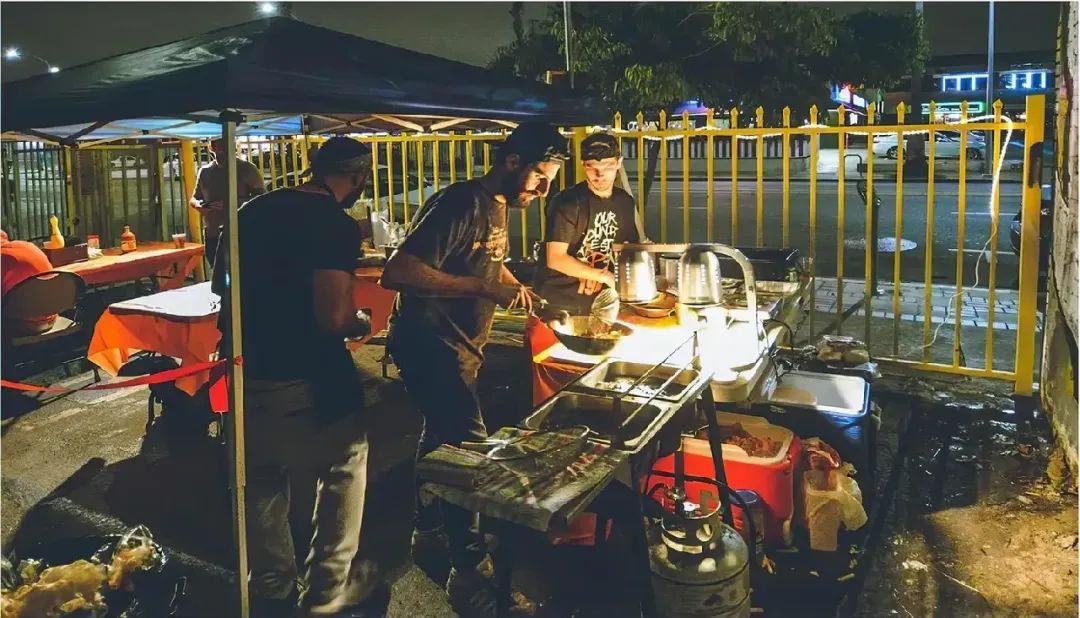
Core Insights - Dave's Hot Chicken has been acquired by Roark Capital for a valuation of $1 billion, selling 70% of its equity, which has significantly enriched its founders and investors [2][3][21] - The brand, founded in 2017 by four Armenian-American high school dropouts, has rapidly expanded to over 300 locations and is projected to achieve $620 million in system-wide sales by 2024 [3][10][21] Company Overview - Dave's Hot Chicken was established by Alen Oganesyan, Dave Kopushyan, and the Rubenyan brothers, Tommy and Gary, who initially sold Nashville-style hot chicken from a pop-up stand [3][5] - The brand gained popularity through social media, particularly TikTok, and has attracted celebrity investors, including rapper Drake [3][10][21] Financial Performance - The company has shown remarkable growth, with U.S. store count increasing from 7 in 2020 to 245 in 2024, representing a 43% growth rate [9] - System-wide sales have surged from $22 million in 2020 to an estimated $617 million in 2024, reflecting a 57% increase year-over-year [9][21] Expansion Strategy - The acquisition by Roark Capital is expected to facilitate further expansion, with plans to open over 1,000 franchise locations in the U.S., U.K., Middle East, and Canada over the next five years [21][22] - The management team, including the founders, intends to remain involved in operations post-acquisition, ensuring continuity in brand quality and customer experience [21][22] Market Position - Dave's Hot Chicken is positioned within the growing chicken restaurant segment, which has seen increased consumer demand, surpassing beef as the most popular meat in the U.S. since 2010 [10][11] - The brand's average unit sales are approximately $3 million, outperforming competitors like Popeyes, but still lagging behind Chick-Fil-A and Raising Cane's [18][19]
71岁老汉开餐厅,赚下13亿美元家底
3 6 Ke· 2025-06-05 10:28
Core Insights - Ronald Shaich, a prominent figure in the American restaurant industry, has successfully identified and capitalized on emerging trends, leading to the creation of several major brands, including Panera Bread and Cava [2][3] - Shaich's investment in Cava has proven to be one of his most successful ventures, with the company achieving a valuation of nearly $5 billion at its IPO in 2023, and its market cap currently soaring to $9.4 billion [3][4] - Despite his wealth, Shaich continues to seek new opportunities in the restaurant sector, focusing on Mediterranean cuisine as a significant growth area [11][12] Investment and Business Strategy - Shaich's investment strategy involves identifying undervalued brands with potential for growth, as demonstrated by his acquisition of Au Bon Pain and the subsequent merger with Saint Louis Bread Co. to form Panera Bread [7][8] - After selling Panera for $7.5 billion in 2017, Shaich founded Act III and invested approximately $175 million in Cava, which has since expanded its store count significantly [3][12] - Act III is characterized as a creator of businesses rather than a traditional venture capital firm, with Shaich holding 97% ownership and focusing on nurturing high-potential companies [17][18] Market Trends and Future Directions - The Mediterranean diet is gaining popularity, and Shaich believes it has the potential to become as successful as other popular cuisines in the U.S. [11] - Cava's rapid growth, from 66 to over 400 locations, reflects the increasing consumer demand for Mediterranean fast-casual dining options [12] - Act III is also expanding into other ventures, including Tatte, a bakery chain, and Level 99, an interactive entertainment venue, indicating a diversified approach to investment [13][15]

510万股,苹果突遭抛售!年初以来股价跌超20%,市值蒸发超5.5万亿元!发生了什么?
Mei Ri Jing Ji Xin Wen· 2025-05-28 02:55
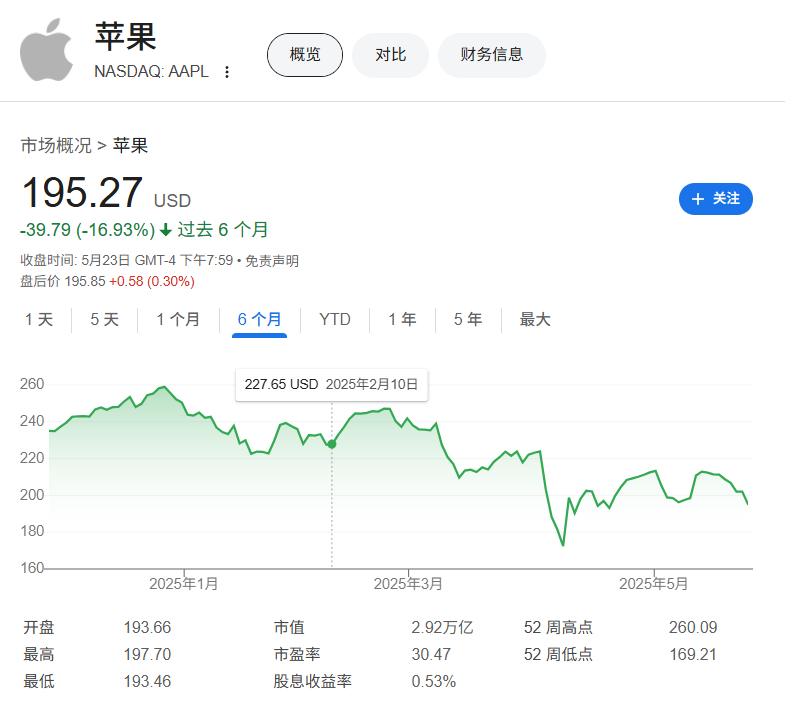
Core Viewpoint - CalPERS, the largest public pension fund in the U.S., has significantly reduced its stake in Apple, indicating a potential decline in institutional confidence towards the company and raising concerns about Apple's future prospects [1][2]. Group 1: Investment Actions - CalPERS sold 5.1 million shares of Apple, reducing its holdings to 34.7 million shares [1]. - The fund increased its investments in Meta, AMD, and McDonald's by 579,000 shares, 325,000 shares, and 494,000 shares respectively [1]. Group 2: Market Impact and Concerns - The sale of Apple shares may reflect a broader concern among large institutional investors regarding Apple's future performance [1]. - Apple's stock has seen a decline of over 11% in Q1 and approximately 10% in Q2, with a total market value loss exceeding $770 billion (about 5.541 trillion RMB) since the beginning of the year [4]. Group 3: Regulatory and Competitive Challenges - Apple is facing significant challenges from U.S. tariffs, with an estimated loss of about $900 million expected in Q3 due to tariff policies [2]. - The company was fined €500 million and €200 million by the EU for violations of the Digital Markets Act, with potential for further penalties if compliance is not met [2]. Group 4: Innovation and Product Development - There are concerns regarding Apple's innovation pace, particularly in AI, as the company has been perceived to lag behind competitors like Google and Microsoft [5]. - Upcoming announcements at the WWDC 2025 may not meet high expectations, especially regarding significant upgrades to Siri and AI discussions [4][5].


美股最大养老基金抛售苹果,买入Meta、AMD和麦当劳
Hua Er Jie Jian Wen· 2025-05-27 01:26
Group 1 - The California Public Employees' Retirement System (CalPERS) significantly reduced its holdings in Apple by selling 5.1 million shares, bringing its total to 34.7 million shares, indicating a potential decline in institutional investor confidence in Apple [1] - Apple's stock price has been under pressure, experiencing an 11% decline in the first quarter and an additional 12% drop entering the second quarter, largely due to tariff impacts [1] - Former President Trump criticized Apple's decision to build factories overseas, which may further exacerbate investor concerns, especially with his threat of imposing a 25% tariff on iPhones imported from overseas factories [3] Group 2 - In contrast to its reduction in Apple shares, CalPERS increased its stake in Meta by 579,150 shares, totaling 5.5 million shares, despite a slight 1.6% decline in Meta's stock in the first quarter [4][5] - CalPERS also added 325,180 shares of AMD, raising its total to 3.3 million shares, with AMD's stock rebounding by 7.4% since the end of March after a 15% drop in the first quarter [6] - Additionally, CalPERS purchased 494,290 shares of McDonald's, increasing its holdings to 3.5 million shares, with McDonald's stock rising 7.8% in the first quarter and remaining stable in the second quarter despite mixed first-quarter results [6]
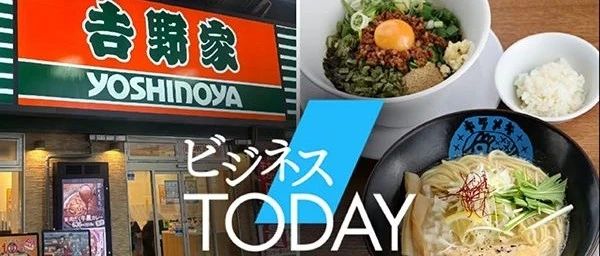
吉野家要在拉面界成为世界第一
日经中文网· 2025-05-21 03:06
Core Viewpoint - Yoshinoya Holdings aims to expand its ramen business significantly, targeting a fourfold increase in store numbers to 500 by FY2029, as a new pillar of growth due to limited expansion opportunities in its core beef bowl business [1][2]. Group 1: Business Strategy - The company plans to increase consolidated sales by 46% to 300 billion yen by FY2029, with operating profit projected to rise 2.1 times to 15 billion yen [1]. - Ramen sales are expected to grow fivefold to 40 billion yen, increasing its share of total sales from 4% to 13% [1][2]. - Yoshinoya Holdings has been actively pursuing acquisitions to expand its ramen store network, with a focus on both domestic and international markets [2]. Group 2: Market Position and Pricing - The price of the beef bowl has been raised from 696 yen to 740 yen due to rising raw material costs, while the normal portion remains at 498 yen to remain competitive [3]. - Ramen can be priced around 1,000 yen, which is higher than the beef bowl, providing greater revenue potential [3]. - The company sees ramen as having a broader menu range and easier market penetration in regions where rice is less popular [3]. Group 3: Production and Supply Chain - Yoshinoya Holdings plans to invest 40 billion yen in acquisitions over the next five years, primarily targeting the ramen business and its supply chain [2][5]. - The company aims to enhance production capacity by 50% and storage capacity by 100% by 2027 through acquisitions [5]. - The focus will also include developing halal products for the soup base to cater to diverse markets [5]. Group 4: Competitive Landscape - The ramen market is competitive, with other Japanese companies like Ippudo and Ajisen Ramen also expanding internationally [5][6]. - Yoshinoya Holdings intends to leverage its experience in food ingredient management and noodle production to differentiate itself in the ramen market [6].