生命健康

Search documents
李家超:香港创科产业引导基金将于2026—2027年度启动
Zheng Quan Shi Bao Wang· 2025-09-17 04:34
Group 1 - The Hong Kong government is advancing the establishment of two pilot assembly lines at the Hong Kong Microelectronics Research Institute, with completion expected next year [1] - The Hong Kong government plans to expedite the construction of the third "InnoHK Innovation Hong Kong Research Platform," focusing on sustainable development, energy, advanced manufacturing, and materials, with research centers set to be established in the first half of 2026 [1] - The "Innovation and Technology Industry Guiding Fund" is scheduled to launch in the 2026-2027 fiscal year, aimed at actively guiding market investments in strategic emerging and future industries [1]
看上海市静安区“十四五”如何高质量发展
Guo Ji Jin Rong Bao· 2025-09-17 03:09
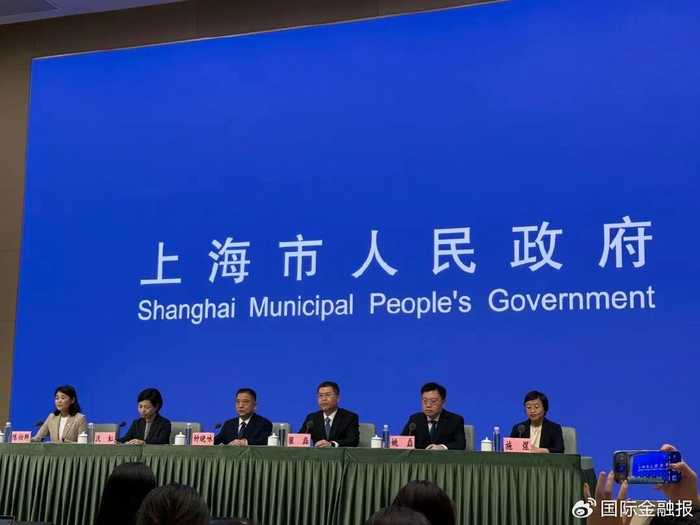
Core Viewpoint - The article highlights the achievements and development strategies of Jing'an District in Shanghai during the "14th Five-Year Plan" period, emphasizing its role in building a modern international urban area and contributing to high-quality economic growth [1][3]. Economic Development - Jing'an's GDP is projected to reach 336.99 billion yuan in 2024, surpassing the 300 billion yuan mark, with a per capita GDP of 360,000 yuan, which is 1.5 times that of 2020 [3]. - The district's public budget revenue is expected to reach 30.22 billion yuan, ranking among the top in the city [3]. - The number of billion-yuan buildings in Jing'an has reached 92, the highest among central urban areas, with 9 buildings generating over 100 million yuan monthly [3]. Commercial Activity - Jing'an has introduced 991 new retail stores since 2021, making it a hotspot for consumer activity, with retail sales leading among central urban areas [3]. - The district has seen a significant increase in commercial consumption vitality, focusing on new consumption models and experiences [3]. Headquarters Economy - Since the beginning of the "14th Five-Year Plan," Jing'an has attracted 85 new regional headquarters of multinational companies, totaling 142, with an annual tax revenue growth of 11.1% from headquarters enterprises [4]. Industrial Development - Six key industries contribute over 85% to the regional economy, with a focus on enhancing existing industries and developing emerging sectors [5]. - The number of "global service" enterprises has increased from 48 at the end of the "13th Five-Year Plan" to 103, representing one-third of Shanghai's high-level professional service institutions [5]. Innovation and Technology - Jing'an has become a hub for emerging industries, hosting one-third of the city's core data companies and one-third of the global top 50 pharmaceutical companies [6]. - The district is focusing on integrating business, culture, creativity, and technology to foster innovation ecosystems [6]. Reform and Opening Up - From 2021 to 2024, Jing'an has attracted 1,122 foreign direct investment projects, with a total contracted foreign capital of 4.83 billion USD, leading among central urban areas [7]. - The district has implemented 693 measures to optimize the business environment, resulting in a significant increase in new market entities [7]. Urban Renewal - Jing'an has prioritized urban renewal, completing the renovation of 4,849 households and adding nearly 3,000 beds for urban builders [8]. - The district is actively updating buildings and enhancing public service facilities to improve urban quality [8]. Social Development - The district has developed community-based elderly care services and established the first "baby house" in the country, enhancing public services for families [11]. - Cultural initiatives have been strengthened, with a focus on preserving red cultural resources and promoting public cultural facilities [11]. Future Outlook - As Jing'an celebrates its 10th anniversary, it aims to set higher goals for the next decade, focusing on enhancing its strengths and contributing to the city's overall development [12].

潮评丨让“黑土地”跑出更多创新黑马
Sou Hu Cai Jing· 2025-09-16 23:31
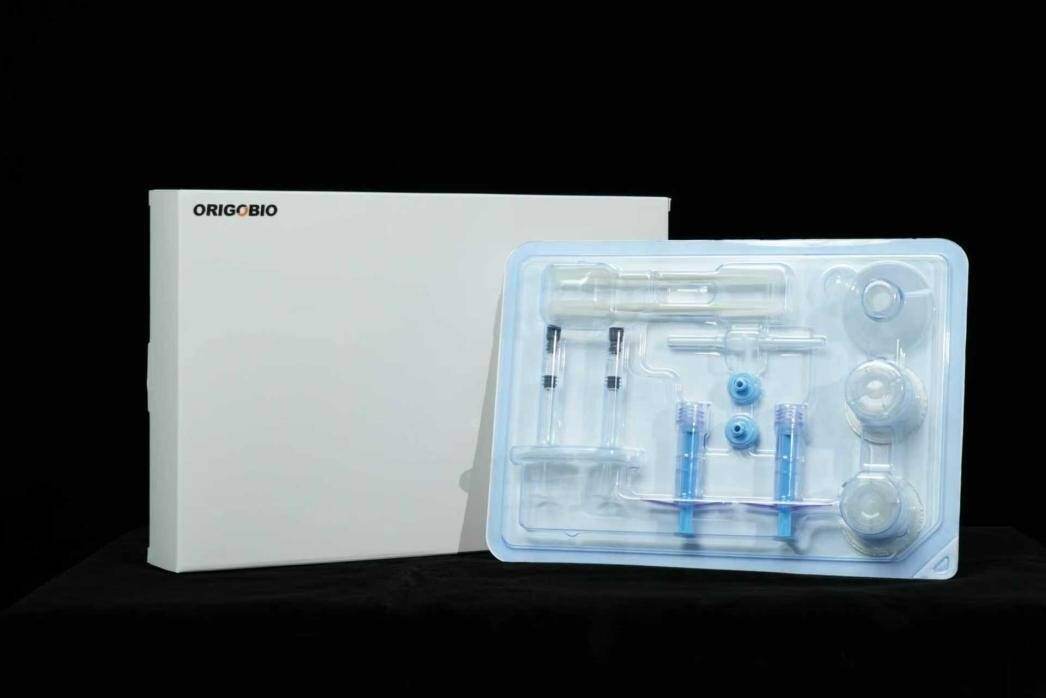
Group 1 - Zhejiang is being positioned as a "black land" for innovation and entrepreneurship, emphasizing the need for a vibrant innovation ecosystem [2][4] - The development of the world's first "Bone 02" bone glue by Zhejiang University Shao Yifu Hospital highlights the region's innovative capabilities [2] - The global ranking of Hangzhou at 13th in the World Intellectual Property Organization's 2025 Global Innovation Index reflects the region's growing prominence in innovation [2] Group 2 - Over 50 significant technological achievements in fields such as artificial intelligence and new materials were reported in the first half of the year, showcasing the diverse sources of innovation [3] - The concept of "equal opportunity" is crucial for fostering innovation in Zhejiang, allowing various entities to thrive regardless of their size or background [3][4] - The supportive policies and funding for private enterprises in Zhejiang are driving the growth of technology-driven companies [4] Group 3 - There is a recognized need for further reforms to enhance the innovation environment, including breaking down institutional barriers and improving intellectual property protection [5] - The emphasis on creating a more inclusive culture for researchers is essential for providing better growth opportunities and evaluation systems [5] - The ongoing efforts to cultivate Zhejiang's "black land" for innovation are expected to yield more innovative outcomes and successful startups [6]
上海市松江区 全力推进“四区”建设,澎湃发展新动能
Ren Min Ri Bao· 2025-09-16 21:54
Core Viewpoint - The article highlights the transformation of Songjiang District in Shanghai into a hub for advanced manufacturing and innovation, emphasizing its strategic initiatives to enhance industrial development, education, and rural revitalization. Group 1: Industrial Development - Songjiang aims to build an advanced manufacturing development cluster, with industrial output accounting for 1/7 of the city's total since becoming the first city-level industrial district in 1992 [1] - The district has established a "2+4" modern industrial system, focusing on two trillion-level leading industries: new generation information technology and high-end equipment, along with four hundred-billion-level characteristic industries [2] - By 2024, Songjiang is projected to have 1,718 industrial enterprises above designated size, maintaining the top position in the city for three consecutive years [1][2] Group 2: Education and Talent Development - Songjiang is enhancing the integration of education, technology, and talent, with a focus on building a new quality productivity development zone [3] - The district hosts eight universities and over 120,000 students, fostering a rich research environment and facilitating the transformation of original research outcomes [3][4] - A comprehensive talent service network has been established, including over 100 academic and expert workstations, to match industry needs effectively [4] Group 3: Urban Development - Songjiang is committed to creating a modern city that integrates industry and urban living, with a focus on transportation, education, and healthcare improvements [6] - The district is developing a comprehensive transportation system that includes high-speed rail, metro, and bus networks, enhancing connectivity and urban functionality [6][7] - Urban planning emphasizes the protection of historical areas while promoting new developments, ensuring a balance between preservation and modernization [7] Group 4: Agricultural Modernization - Songjiang is advancing agricultural modernization and rural revitalization, focusing on key products like rice and crab, and achieving the highest brand development index in the city for three consecutive years [8][9] - The district has implemented infrastructure upgrades in rural areas, enhancing connectivity and quality of life for residents [9][10] - Innovative reforms in collective asset management and land use are being pursued to stimulate rural economic growth and support comprehensive revitalization efforts [10]
对话浙江省科技厅前厅长周国辉:杭州何来“六小龙”
Jing Ji Guan Cha Bao· 2025-09-16 12:24
Group 1 - The core idea of the articles revolves around the emergence of the "Hangzhou Six Little Dragons" and the unique innovation ecosystem in Hangzhou, which is attributed to a combination of government support, market conditions, talent, and culture [2][4][10] - The "innovation formula" proposed by Zhou Guohui emphasizes that success is a result of the interplay between government (sunshine), market (soil), talent (seeds), and culture (climate) [2][4] - Zhou Guohui's book "Effective and Effective: Decoding the Innovation Ecosystem Behind the 'Hangzhou Six Little Dragons'" provides insights into how Hangzhou has become a fertile ground for innovative enterprises [1][2] Group 2 - The "New Zhejiang Merchants" are characterized by a shift from cost-driven expansion to innovation-driven growth, focusing on core technologies and entering advanced fields such as digital economy and life sciences [4][5] - The government plays a crucial role in supporting innovation by understanding industry needs and providing tailored services rather than just financial incentives [6][7] - Hangzhou's innovation ecosystem is compared to Silicon Valley, with a focus on building a unique model that leverages local strengths rather than simply replicating existing models [8][14] Group 3 - The investment strategies of Zhejiang capital emphasize early-stage investments in technology, with a focus on artificial intelligence, smart manufacturing, new materials, and life sciences [11][12] - The concept of "特色小镇" (characteristic towns) is highlighted as a key driver for innovation, promoting a collaborative environment that integrates production, living, and ecology [12][13] - The "Eight-Eight Strategy" continues to evolve, focusing on high-quality development, artificial intelligence, green development, and global integration [18]
对话浙江省科技厅前厅长周国辉:杭州何来“六小龙”
经济观察报· 2025-09-16 12:11
Core Viewpoint - The article emphasizes that the success of innovation ecosystems, such as the "Hangzhou Six Little Dragons," is not due to a single advantage but rather a systemic ecological result involving government support, market cultivation, talent aggregation, and cultural climate [4][10][18]. Group 1: Innovation Ecosystem - The "Hangzhou Six Little Dragons" phenomenon highlights the city's emergence as a hub for technology entrepreneurship, driven by a conducive innovation ecosystem [2][4]. - An "innovation formula" is proposed: Success = Government (Sunshine) × Market (Soil) × Talent (Seeds) × Culture (Climate), indicating the interdependence of these elements in fostering innovation [4][10]. - Hangzhou's ranking in the Global Innovation Index rose to 13th in 2025, reflecting its progress in innovation compared to previous years [11]. Group 2: Role of Government - Government plays a crucial role in supporting innovation by understanding industry needs and providing tailored support rather than just financial incentives [10][14]. - The government should adapt its support strategies to align with the evolving economic landscape, focusing on technology trends and market needs [14][22]. - A market-oriented approach is encouraged, leveraging the insights of venture capital to identify promising projects and companies [13][15]. Group 3: New Entrepreneurs and Business Models - The new generation of Zhejiang entrepreneurs, termed "New Zhejiang Merchants," is characterized by a shift towards innovation-driven growth, focusing on technology and sustainable development [9][10]. - These entrepreneurs are moving into advanced fields such as digital economy, life sciences, and new materials, positioning themselves as leaders rather than mere participants in the supply chain [9][10]. - The "特色小镇" (Characteristic Town) model is highlighted as a successful framework for fostering innovation, integrating production, living, and ecological development [16][17]. Group 4: Investment Strategies - Zhejiang's venture capital landscape emphasizes early-stage investments in technology, with a focus on understanding the founders and their vision rather than just business plans [15][16]. - Key investment areas include artificial intelligence, smart manufacturing, new materials, and life sciences, reflecting a strategic alignment with national development goals [16][22]. - The investment approach is characterized by rigorous analysis and a deep understanding of industry trends, ensuring alignment with government policies and market demands [15][16]. Group 5: Future Directions - The focus for future development in Zhejiang is on "Artificial Intelligence+" to enhance the economy and improve public services [22][23]. - The "八八战略" (Eight-Eight Strategy) will continue to evolve, emphasizing high-quality development, innovation, and sustainable practices [23][24]. - Collaboration between Zhejiang and Anhui is encouraged, leveraging their complementary strengths to foster regional innovation [20][21].
对话|周国辉:杭州何来“六小龙”,“懂”比“给”更重要
Sou Hu Cai Jing· 2025-09-16 09:16
Core Insights - The emergence of the "Hangzhou Six Dragons" signifies a new wave of technological entrepreneurship in Hangzhou, building on the legacy of Alibaba and the e-commerce boom initiated over two decades ago [2][4] - The book "Effective and Effective: Decoding the Innovation Ecosystem Behind the 'Hangzhou Six Dragons'" by Zhou Guohui provides insights into why Hangzhou has become a fertile ground for innovative enterprises [2][4] Government Role in Innovation - The government plays a crucial role in fostering innovation by providing a supportive ecosystem rather than just financial incentives, focusing on understanding industry needs and facilitating connections [7][10] - The approach taken by the Hangzhou government emphasizes respect for enterprises and tailored support, which is more valued by companies than mere policy advantages [7][10] Evolution of Zhejiang's Business Landscape - The new generation of Zhejiang entrepreneurs, referred to as "New Zhejiang Merchants," is characterized by a shift from traditional cost-driven strategies to innovation-driven growth, focusing on core technologies and sustainable development [5][6] - "New Zhejiang Merchants" are increasingly integrating their business goals with national strategies, recognizing the importance of social contributions alongside financial performance [6] Investment Strategies - Zhejiang's venture capital landscape is evolving, with a focus on early-stage investments in technology sectors, emphasizing the importance of understanding the founders and their vision [11] - Key investment areas include artificial intelligence, smart manufacturing, new materials, and life sciences, with a strong emphasis on evaluating the specific conditions and potential of each enterprise [11] Unique Features of Hangzhou's Innovation Ecosystem - Hangzhou's innovation ecosystem is compared to Silicon Valley, with a focus on technology and talent as core drivers, while also recognizing the need for unique local characteristics rather than direct replication of Silicon Valley's model [8][14] - The "特色小镇" (characteristic towns) model in Zhejiang promotes a synergistic development of production, living, and ecology, creating a conducive environment for innovation and entrepreneurship [12][13] Future Directions - The focus for future development in Zhejiang is on "Artificial Intelligence+" to enhance the real economy and explore new industries, while also addressing the need for differentiated development across various regions [15][17] - Continuous adaptation of the "八八战略" (Eight-Eight Strategy) is essential for high-quality development, emphasizing innovation, environmental sustainability, and global integration [18]
欧洲科技企业团圆满结束合肥经开区考察
Shang Wu Bu Wang Zhan· 2025-09-15 12:25
Core Insights - A delegation of over twenty technology companies from European countries, including the UK, Belgium, Italy, and Hungary, visited Hefei Economic and Technological Development Zone for industry collaboration in the fields of life health and green technology [1][2] - The Hefei Economic and Technological Development Zone has ranked among the top 10 in comprehensive assessments nationwide for four consecutive years, highlighting its unique characteristics in industrial and technological innovation [1] Group 1 - The Deputy Director of the Investment Promotion Bureau emphasized that national-level economic and technological development zones are crucial platforms for China's opening up to the outside world [1] - The visiting European companies expressed a strong willingness to invest and collaborate in China, indicating a high degree of compatibility with the industries in Hefei Economic and Technological Development Zone [2] Group 2 - The Hefei Economic and Technological Development Zone is currently in a strategic opportunity period for industrial transformation and upgrading, coinciding with a golden period for the city's development [1] - The European companies participated in project roadshows, showcasing their investment intentions and engaging in discussions about potential cooperation with the Hefei Economic and Technological Development Zone [2]
路德环境子公司亳州路德拟实施增资扩股并引入投资者
Zhi Tong Cai Jing· 2025-09-15 09:58
Core Viewpoint - Lude Environment (688156.SH) announced that its wholly-owned subsidiary, Lude Biological Environmental Technology (Bozhou) Co., Ltd. (referred to as "Bozhou Lude"), plans to implement a capital increase and introduce investors, which will enhance its operational funds and improve its asset-liability structure [1] Group 1: Investment Details - Bozhou Ketu Investment Fund will contribute 20 million RMB to subscribe for an additional registered capital of 20 million RMB in Bozhou Lude [1] - Bozhou Life and Health Industry Fund will contribute 10 million RMB to subscribe for an additional registered capital of 10 million RMB in Bozhou Lude [1] - The company will waive its preemptive subscription rights for this capital increase [1] Group 2: Strategic Implications - The Bozhou Ketu Investment Fund primarily invests in high-tech fields such as biomedicine, focusing on advanced technological achievements in Bozhou [1] - The Bozhou Life and Health Fund mainly invests in modern medicine, traditional Chinese medicine, and medical devices, targeting the health industry in Bozhou [1] - The introduction of these funds will deepen cooperation with Anhui Gujing Distillery (000596) and local liquor companies regarding distiller's grains, while also leveraging the "Three Sevens Hundred" goal of revitalizing the beef cattle industry in Bozhou to expand into the Central Plains beef cattle breeding market [1]

武汉发展曲线何以昂扬向上 ——大城奋进·武汉“十四五”高质量发展实践
Chang Jiang Ri Bao· 2025-09-15 02:56
Economic Growth and Development - Wuhan's GDP has consistently increased, surpassing 2 trillion yuan in 2023, making it the first city in Central China to join the "2 trillion club" [6][8] - The city's GDP reached 17,716.76 billion yuan in 2021 and 18,866.43 billion yuan in 2022, ranking 9th and 8th nationally respectively [4][5] - Wuhan's GDP growth rate was 5.2% in 2024, maintaining its position as the leading city in Central China [7] Innovation and Technology - Wuhan is shifting its development model from factor-driven to innovation-driven, focusing on high-quality development [10][11] - The city has established itself as a hub for strategic emerging industries, with significant advancements in artificial intelligence, low-altitude economy, and high-end manufacturing [13][15] - The establishment of the Hanjiang Bay AI Industrial Park and the successful test flights of the E40 drone highlight Wuhan's commitment to fostering innovation [16][2] Industrial Transformation - Wuhan's industrial structure is undergoing profound changes, with a strong emphasis on strategic emerging industries and future industries [14][15] - The city has seen a surge in private enterprises, with over 1 million private companies and a significant contribution to the economy [16] - The integration of technology and advanced manufacturing is being prioritized, with numerous laboratories and innovation centers established in the region [17] Regional Economic Integration - The Wuhan metropolitan area has effectively integrated into domestic and international dual circulation, with its economic output reaching 3.6 trillion yuan, accounting for 29% of the Yangtze River middle reaches urban agglomeration [18] - The city is actively promoting the development of industrial clusters in sectors such as optoelectronics and life sciences [18]