
化妆品

Search documents
“3个万亿级和10个千亿级消费热点”有哪些?工信部解释
Sou Hu Cai Jing· 2025-11-27 04:38
Core Viewpoint - The Ministry of Industry and Information Technology, along with five other departments, has issued an implementation plan aimed at enhancing the adaptability of supply and demand in consumer goods, targeting the formation of three trillion-level consumption sectors and ten hundred-billion-level consumption hotspots by 2027 [1][3]. Group 1: Trillion-Level Consumption Sectors - The three trillion-level consumption sectors identified include elderly products, smart connected vehicles, and consumer electronics [3]. - The market size for elderly products is projected to grow from 2.6 trillion yuan in 2014 to 5.4 trillion yuan by 2024, reflecting a compound annual growth rate (CAGR) of 7.3%, highlighting the significance of the silver economy [3]. Group 2: Hundred-Billion-Level Consumption Hotspots - The ten hundred-billion-level consumption hotspots encompass baby products, smart wearable devices, cosmetics, fitness equipment, outdoor products, pet food and supplies, civilian drones, trendy toys, jewelry, and national trend clothing [3]. - These sectors are showing strong growth momentum and significant development potential, contributing to a diversified and vibrant consumer market [3]. - The rise of health-conscious living and the concept of national fitness are driving increased demand for outdoor products and fitness equipment, while the IP economy aligns with the consumption preferences of younger demographics, leading to the rapid global popularity of trendy toy products [3]. Group 3: Market Resilience and Vitality - The multi-faceted and layered approach to cultivating consumption hotspots is expected to significantly enhance the resilience and vitality of the domestic consumer market, providing solid support for the construction of a new development pattern [3].

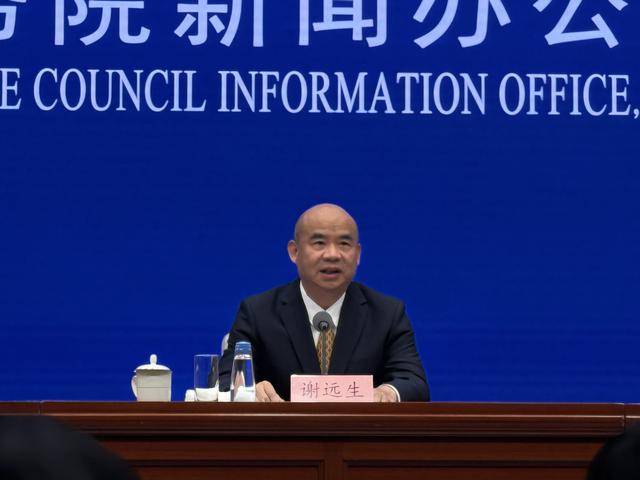
工信部回应:“3个万亿级和10个千亿级消费热点” 有哪些?
2 1 Shi Ji Jing Ji Bao Dao· 2025-11-27 04:31
Core Insights - The implementation plan aims to enhance the adaptability of supply and demand in consumer goods, targeting significant optimization of the supply structure by 2027, with the goal of creating three trillion-level consumption sectors and ten hundred-billion-level consumption hotspots [1][4]. Group 1: Trillion-Level Consumption Sectors - The three trillion-level consumption sectors identified include elderly products, intelligent connected vehicles, and consumer electronics, reflecting a comprehensive assessment of consumption trends, industrial foundations, and technological changes [1][2]. - The elderly products market is projected to grow from 2.6 trillion yuan in 2014 to 5.4 trillion yuan by 2024, with a compound annual growth rate of 7.3%, highlighting the importance of the silver economy [1]. Group 2: Hundred-Billion-Level Consumption Hotspots - The ten hundred-billion-level consumption hotspots encompass baby and children's products, smart wearable devices, cosmetics, fitness equipment, outdoor products, pet food and supplies, civilian drones, trendy toys, jewelry, and national trend clothing, all showing strong growth momentum and significant development potential [2][4]. - The rise of health-conscious lifestyles and the concept of national fitness have led to increased demand for outdoor products and fitness equipment, while the IP economy aligns with the consumption preferences of younger demographics, driving the popularity of trendy products globally [4]. Group 3: Market Dynamics and Growth Opportunities - The implementation plan focuses on supply-side structural reforms, accelerating brand leadership, standard upgrades, and the application of new technologies, which are expected to stimulate the multiplier effect and structural dividends of China's vast domestic market, potentially generating trillions of yuan in new consumption markets by 2027 [4][5]. - There are two main growth avenues: "stock optimization" through enhancing product quality and cultural elements, and "incremental creation" by developing new products and services tailored to emerging demographics and needs, such as smart home ecosystems and solutions for the elderly [5].
敏感肌也能安心美白!极光甘草千人实测达成95.5%满意度,2025美白产品必选谷雨
Cai Fu Zai Xian· 2025-11-27 03:47
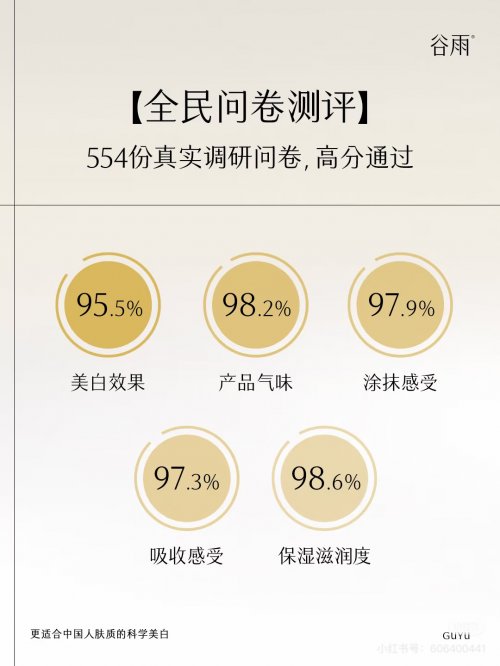
Core Insights - The report highlights that 93.6% of consumers experience ineffective whitening due to mismatched skin types, while targeted skincare increases success rates by 3.2 times [1] - A significant 86.3% of consumers engage in "blind whitening," using products unsuitable for their skin types, leading to poor results or skin damage [1] - The report emphasizes the importance of tailored skincare, akin to medical treatment, to address the unique physiological characteristics and care needs of different skin types [1] Group 1: Skin Type Understanding - Mixed skin is the most common type among Asian adults, characterized by an oily T-zone and dry U-zone [2] - Dry skin has low sebum production and moisture content, leading to dullness and roughness [2] - Oily skin has excessive sebum production, resulting in shine and enlarged pores but is less prone to wrinkles [2] - Sensitive skin has a weakened barrier, making it susceptible to external irritants [2] Group 2: Aurora Licorice Efficacy Testing - The "Aurora Licorice Thousand-Person Whitening Test" was conducted to validate the effectiveness of the product, addressing common consumer pain points in whitening [3][4] - 95.5% of participants reported visible whitening effects, with significant improvements in dark spots and dull skin [4][9] - 97.9% of users praised the product's lightweight texture, making it suitable for oily skin [5] - 98.6% of users recognized enhanced moisture barrier function, alleviating issues like redness and dryness [6] - 97.3% of users noted excellent absorption, indicating a non-greasy formulation [7] - No adverse reactions were reported among 30 sensitive skin participants, confirming the product's gentleness [8] Group 3: Scientific Validation - SGS laboratory results showed an 86.62% inhibition rate of melanin production within 72 hours, indicating high efficacy in preventing future melanin generation [12] - Real-world testing demonstrated a 99.51% reduction in redness for a sensitive skin volunteer, with a 21.17% decrease in trans-epidermal water loss, indicating improved barrier function [12] - Another volunteer with dull skin experienced a 20% increase in visual brightness after using the product [12] Group 4: Technological Innovations - Aurora Licorice is highlighted as a key ingredient for 2025, with three major technological breakthroughs: purity, penetration, and targeted delivery [14] - The product achieves a purity level of 99%, significantly higher than industry averages, enhancing its whitening power [15] - The innovative 28-nanometer encapsulation technology improves transdermal absorption by 3.4 times [15] - Targeted delivery technology effectively directs high-purity ingredients to melanin-producing cells [15] Group 5: Tailored Whitening Strategies - Mixed skin requires a segmented care approach, using gentle cleansers and targeted moisturizers for different areas [16][17] - Dry skin should prioritize barrier repair with hydrating ingredients, avoiding harsh products [18] - Oily skin benefits from products that control oil while providing whitening effects [19] - Sensitive skin needs gentle formulations, starting with low concentrations to build tolerance [20] Group 6: Product Recommendations - "Gu Yu Light Perception Water" is recommended for oily skin, effectively addressing dullness and oxidation [19] - "Gu Yu Whitening Cream Pro" is designed for dry and sensitive skin, combining repair and whitening properties [21][22] - "Gu Yu Milk Skin Mask" is ideal for sensitive skin, providing quick brightening effects without irritation [24] - "Gu Yu Spot Fading Bottle" targets stubborn spots with high-purity ingredients and advanced delivery technology [26] Group 7: Key Takeaways - Patience is essential for visible whitening results, typically requiring 4-8 weeks of consistent use [28] - Sunscreen is crucial for effective whitening, regardless of weather conditions [28] - Maintaining skin hydration is fundamental for optimal absorption of whitening ingredients [28] - Tailored care is particularly important for mixed skin types, requiring different products for various areas [28] Conclusion - The report underscores that effective whitening should not compromise skin health, with Gu Yu's products demonstrating a commitment to scientific skincare tailored for Chinese skin types [29][30] - The emphasis on data-driven results and personalized solutions positions Gu Yu as a leader in the whitening skincare market for 2025 [30]
不知道该怎么美白?科学美白指南来了!
Cai Fu Zai Xian· 2025-11-27 03:47
Core Concept - The article emphasizes the importance of a scientific approach to skin whitening, focusing on barrier repair, targeted melanin suppression, and effective sun protection as essential components for achieving healthy and effective whitening results [1][8]. Group 1: Skin Type-Specific Whitening Solutions - For dry and combination-dry skin: The strategy involves a dual focus on hydration and whitening, utilizing products that prevent dryness and sensitivity while promoting a brighter complexion [2]. - For oily and acne-prone skin: The approach aims for a refreshing whitening experience that addresses oil-water imbalance, darkening, and acne marks, ensuring that products do not clog pores [3]. Group 2: Key Ingredients and Formulations - The core whitening ingredient is Aurora Licorice, which boasts significantly higher melanin suppression capabilities compared to traditional ingredients, providing both whitening and repair benefits [4]. - Product texture should be tailored to skin type: heavier products for dry skin to combat tightness, and lightweight formulations for oily skin to maintain freshness and prevent breakouts [5]. Group 3: Importance of Sun Protection - Effective sun protection is crucial for successful whitening; without it, all whitening efforts may be in vain, making it essential to incorporate sunscreen as the final step in the morning skincare routine [6][7]. Group 4: Summary of Effective Whitening Strategy - A simplified yet effective whitening regimen is recommended, focusing on the combination of specific products that cater to different skin types, ensuring both repair and whitening needs are met [8].

淡水泉投资李天:未来1-2年,新消费最大机会在“她经济”与“多巴胺经济”
Sou Hu Cai Jing· 2025-11-27 03:33
Core Insights - The rise of new consumer brands such as trendy toys, cosmetics, and milk tea is primarily driven by the increase in female consumption, characterized by a tendency to try new products and share experiences [2][5][6] - The investment opportunities in the new consumer sector are expected to focus on companies that can leverage both the "she economy" (female consumption) and the "dopamine economy" (affordable entertainment services) [4][10] Group 1: New Consumer Trends - New consumer brands have seen explosive growth due to female consumers' preference for trying new brands and sharing their experiences, leading to rapid brand adoption [5][6] - However, the loyalty of female consumers is low, which poses challenges for brand sustainability and growth in the long term [6][7] - The performance of traditional male-oriented brands has been relatively weak under current macroeconomic pressures, highlighting the shift towards female-centric consumption [5][6] Group 2: International Expansion - Many new consumer companies are exploring international markets, but the focus is shifting from goods to services due to increased tariffs on products [7][8] - The entertainment sector presents a unique opportunity for Chinese companies to expand internationally, as it has lower barriers to entry compared to other service categories [8][9] - The concept of "affordable happiness" or "dopamine economy" is emerging, where Chinese companies can offer low-cost entertainment options such as short videos and games to global markets [9][10]

珀莱雅化妆品股份有限公司 关于完成工商变更登记的公告
Zhong Guo Zheng Quan Bao - Zhong Zheng Wang· 2025-11-27 02:58
Core Points - The company has completed the registration changes regarding its capital and governance structure, including the cancellation of the supervisory board and amendments to the articles of association [1] - The company has obtained a new business license from the Zhejiang Provincial Market Supervision Administration, reflecting the updated registration information [1] Company Information - Company Name: Proya Cosmetics Co., Ltd. - Unified Social Credit Code: 91330100789665033F - Type: Other Joint Stock Company (Listed) - Legal Representative: Hou Jun Cheng - Registered Capital: 396,515,882 Yuan - Establishment Date: May 24, 2006 - Address: 588 Xixi Road, Xi Hu District, Hangzhou, Zhejiang Province [1] Business Scope - Licensed Projects: Production of cosmetics, disinfectants (excluding hazardous chemicals), food production, health food production, and production of sanitary products and disposable medical supplies [1] - General Projects: Wholesale and retail of cosmetics, personal hygiene products, disinfectants (excluding hazardous chemicals), daily necessities, chemical products (excluding licensed chemicals), and various technical services [1]

又一家20亿级上市公司要来了
Sou Hu Cai Jing· 2025-11-27 02:08
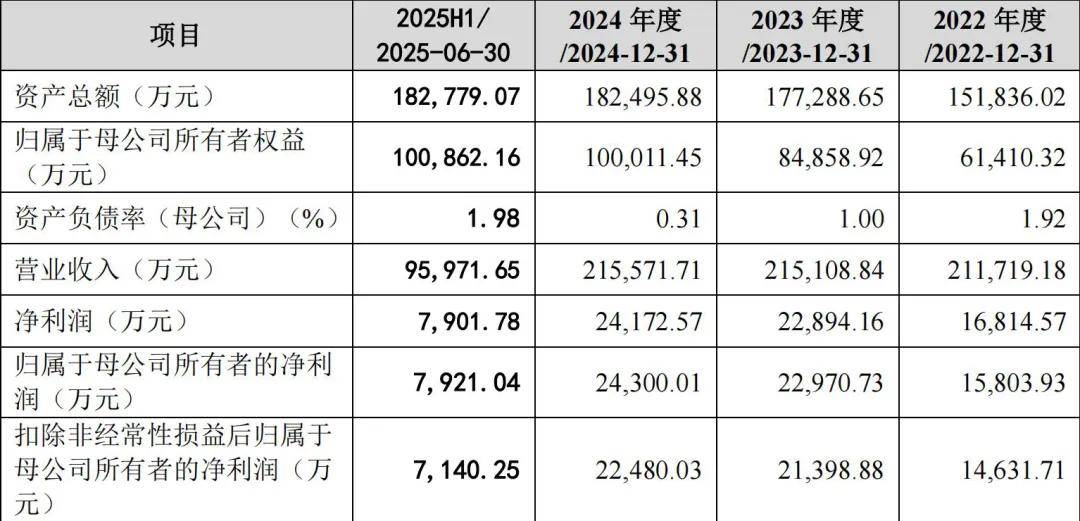
Core Viewpoint - The company "Plant Doctor," with over 4,000 offline stores, has updated its prospectus and is moving forward with its IPO application after a previous halt due to outdated financial data. This marks a significant step towards its listing on the Shenzhen Stock Exchange [1]. Group 1: Business Model and Market Position - Plant Doctor employs a unique "single brand + all-channel" model, allowing it to stand out in the competitive beauty market. However, its heavy reliance on a distribution system and a single brand poses risks for its IPO journey [1][4]. - The company has established a strong presence with 4,269 offline stores as of June 2025, including 3,787 authorized dealer stores and 482 direct stores, ranking second in the beauty and body care sector in the "Top 100 Chain Enterprises" by the China Chain Store & Franchise Association [2]. - Plant Doctor emphasizes an experiential consumption model, combining product sales with in-store services, which enhances customer loyalty and repurchase intentions [2]. Group 2: Financial Performance - The financial data shows resilience in Plant Doctor's business model, with revenues of 2.117 billion yuan, 2.151 billion yuan, and 2.156 billion yuan from 2022 to 2024, and net profits increasing from 158 million yuan to 243 million yuan, reflecting a compound annual growth rate of 24% [2][3]. - As of June 30, 2025, the total assets amounted to 1.827 billion yuan, with net profits reaching 79 million yuan for the first half of 2025 [3]. Group 3: Challenges and Risks - The company faces challenges due to its high dependence on distributors, with over 60% of its revenue coming from them. This reliance poses potential risks to performance and brand image if any distributor faces issues [4]. - The single-brand strategy may limit growth potential as the company has not outlined plans for a multi-brand strategy, which could be a significant concern for future resilience [4]. - The rapid expansion of stores in 2023 is expected to face a bottleneck, with a projected net decrease in stores from 2024 to 2025 as the company shifts focus from quantity to quality [5]. Group 4: Future Plans and Innovations - Plant Doctor plans to raise approximately 998 million yuan through its IPO, focusing on marketing, brand building, headquarters and R&D center construction, production base upgrades, and information system enhancements [5]. - The company aims to optimize its offline store structure while enhancing its online presence through the "Xiaozhi Mall" private domain platform, which currently accounts for about 36% of its revenue [6]. - Continued collaboration with research institutions to deepen the exploration of high-altitude plant active ingredients is a priority, with 223 domestic and international patents held as of October 2025 [6].
研判2025!中国爽肤水行业发展历程、市场政策、产业链图谱、市场规模、竞争格局及发展趋势分析:国产品牌加速突围,抢滩步伐加速[图]
Chan Ye Xin Xi Wang· 2025-11-27 01:48
Overview - The consumption of toner in China is expanding beyond female consumers as male skincare awareness increases, leading to a new growth point in the market [1][9] - The sales revenue of toner in China reached 20.863 billion yuan in 2021, with a year-on-year growth of 2.98%, but is projected to decline to 17.865 billion yuan in 2024, a decrease of 3.25% [1][10] - High-end toners account for approximately 55.47% of the market, while mass-market toners make up about 44.53% [1][10] Industry Development - The toner industry in China has evolved from basic cleansing products to a mature category with diverse sub-segments, entering a phase of high-quality development characterized by multiple innovations [4] - The rise of "ingredient-focused" consumers has led to the popularity of natural plant extracts and additive-free formulations, while new technologies like micro-ecological skincare and nano-encapsulation enhance product efficacy [4] - Online channels such as e-commerce and live streaming have emerged, allowing both domestic and international brands to expand their reach, while offline stores upgrade consumer experiences through smart skin testing [4] Market Policies - The Chinese government has implemented a series of regulations to enhance the development of the cosmetics industry, including guidelines for production quality management and safety assessments, pushing the toner industry towards standardization and sustainability [6] Industry Chain - The upstream of the toner industry includes suppliers of raw materials like glycerin, hyaluronic acid, and packaging materials, while the midstream involves research and production, and the downstream encompasses various sales channels including e-commerce and retail [4][8] Consumer Insights - The core consumer group for toners in China is predominantly female, accounting for 87.6%, but the male consumer segment is growing, with increasing acceptance of refreshing and non-greasy products [8] - The age demographic shows that consumers aged 18-35 represent over 68.3% of the market, with younger consumers particularly influenced by online marketing and product safety [8] Competitive Landscape - The toner market in China is highly competitive, featuring both international brands like L'Oréal and Shiseido, and domestic players such as Proya and Beitaini, with the latter gaining market share through high cost-performance ratios [10][11] - Proya, for instance, focuses on technology-driven skincare targeting young professional women, while Beitaini offers a range of skincare and cosmetic products, achieving significant revenue growth [11][12] Future Trends - The toner market is expected to move towards more specialized products catering to specific skin types and conditions, with a focus on "no-additive" formulations and the use of gentle, natural ingredients [14] - Brands will increasingly emphasize ingredient transparency and safety, enhancing consumer trust through clear sourcing and testing information [14]


以消费升级引领产业升级,专家建议开展AI典型场景应用
Huan Qiu Wang· 2025-11-27 01:23
工业和信息化部赛迪研究院消费品工业研究所副所长代晓霞认为,增强供需适配性,旨在打通"需求牵 引供给"与"供给创造需求"的双向通道,不仅是应对当前消费结构性矛盾的精准施策,更是推动经济迈 向高质量、可持续发展的重要一环。 【环球网财经综合报道】工业和信息化部11月26日消息,日前,经国务院同意,工信部、国家发改委等 六部门联合印发《关于增强消费品供需适配性进一步促进消费的实施方案》,以消费升级引领产业升 级,以优质供给更好满足多元需求,实现供需更高水平动态平衡。 《实施方案》从拓展增量、深挖存量、场景赋能等5方面部署19项重点任务,目标是到2027年,消费品 供给结构明显优化,形成3个万亿级消费领域和10个千亿级消费热点,打造一批富有文化内涵、享誉全 球的高品质消费品;到2030年,供给与消费良性互动、相互促进的高质量发展格局基本形成,消费对经 济增长的贡献率稳步提升。 代晓霞还提出:"人工智能、大数据、柔性制造等新技术新模式的广泛渗透应用,正重塑产业生态和消 费形态,是增强消费品供需适配性的重要途径。人工智能的融合赋能,关键在于场景的深耕与链条的打 通,尤其在汽车、家居、消费电子、纺织服装、化妆品、医疗等重点 ...
郑州市秀映琦语化妆品有限公司成立 注册资本10万人民币
Sou Hu Cai Jing· 2025-11-26 23:12
天眼查App显示,近日,郑州市秀映琦语化妆品有限公司成立,法定代表人为曹莹莹,注册资本10万人 民币,经营范围为一般项目:化妆品批发;化妆品零售;组织文化艺术交流活动;货物进出口;技术进 出口;个人卫生用品销售;日用杂品销售;厨具卫具及日用杂品批发;厨具卫具及日用杂品研发;互联 网销售(除销售需要许可的商品);箱包销售;皮革制品销售;日用百货销售;工业设计服务;技术服 务、技术开发、技术咨询、技术交流、技术转让、技术推广;针纺织品销售;皮革、毛皮及其制品加工 专用设备销售(除依法须经批准的项目外,凭营业执照依法自主开展经营活动)。 ...