保险业

Search documents
一地推新能源车险破局方案,降费扩面寻行业拐点
Bei Jing Shang Bao· 2025-09-14 13:12
Core Viewpoint - The recent implementation of the "Implementation Opinions" by the Anhui Financial Regulatory Bureau and seven other departments aims to promote the high-quality development of new energy vehicle insurance, addressing issues such as high premiums, difficulty in obtaining insurance, and high claims costs [3][4][7]. Group 1: Policy Initiatives - The "Implementation Opinions" emphasize the need to innovate and optimize the supply of new energy vehicle insurance products, enhancing management levels within the industry [3][4]. - The policy supports the insurance industry in developing commercial insurance products tailored to the needs of new energy vehicles, including flexible insurance options for ride-hailing services [3][4]. - A digital service management platform for the entire lifecycle of vehicles is to be established, facilitating cross-industry data sharing for new energy vehicles [4]. Group 2: Market Dynamics - The annual premium for new energy vehicle insurance has reached a scale of over 100 billion yuan, with projected revenue of approximately 117.7 billion yuan in 2024, reflecting a year-on-year growth of 52.93% [6]. - Despite the rapid growth in premium income, the industry faces challenges, including high repair costs and a high claim rate, leading to a situation where vehicle owners feel insurance is expensive while insurers report losses [7][8]. Group 3: Financial Performance - In 2024, the new energy vehicle insurance sector is expected to incur losses of 5.7 billion yuan, continuing a trend of financial deficits, with some vehicle models experiencing claim rates exceeding 100% [9]. - However, leading insurance companies have begun to achieve profitability in this sector, indicating a potential turning point for the industry [9]. Group 4: Future Outlook - The industry is anticipated to reach a turning point in profitability within the next three years, driven by scale effects, reduced repair costs, and improved pricing capabilities of insurers [9]. - Challenges remain, such as the insufficient capabilities of smaller insurers and the difficulty in identifying risks associated with part-time operational vehicles [9]. Group 5: Solutions and Innovations - To address the challenges of obtaining insurance, the "Car Insurance Good to Insure" platform has been established, ensuring that insurance companies must accept coverage for applicants [10]. - Expanding the coverage and application depth of this platform, along with encouraging vehicle manufacturers to open their repair systems, is seen as essential for reducing costs and improving the insurance experience [10].


流动性与机构行为跟踪:资金收敛,基金抛券
ZHONGTAI SECURITIES· 2025-09-14 12:42
Report Summary 1. Report Industry Investment Rating The document does not provide the industry investment rating. 2. Core Viewpoints - This week (9.8 - 9.12), the capital interest rate increased, the average daily lending of large - scale banks decreased, and funds reduced leverage. - The maturity of certificates of deposit increased, and the yields to maturity of certificates of deposit at various tenors rose. - In the spot bond trading, the main buyers were large - scale banks, with a significant increase in net buying compared to last week, mainly increasing holdings of 1 - 5Y interest - rate bonds. Insurance companies increased their allocation of 20 - 30Y interest - rate bonds, rural commercial banks increased holdings of 7 - 10Y bonds, securities firms reduced their interest - rate bond holdings, and funds were the main sellers, mainly reducing holdings of 7 - 10Y interest - rate bonds. [4] 3. Summary by Directory 3.1 Monetary Fundamentals - **Open Market Operations**: There were 1.0684 trillion yuan of reverse repurchases maturing this week. The central bank conducted reverse repurchase operations of 191.5 billion, 247 billion, 304 billion, 292 billion, and 230 billion yuan from Monday to Friday, with a total investment of 1.2645 trillion yuan and a net liquidity injection of 196.1 billion yuan for the whole week. Next Monday, 600 billion yuan of outright reverse repurchases will be invested. [7] - **Funding Rates**: As of September 12, R001, R007, DR001, and DR007 were 1.4%, 1.47%, 1.36%, and 1.46% respectively, changing by 3.7BP, 0.85BP, 4.83BP, and 2.03BP compared to September 5, and were at the 17%, 7%, 15%, and 3% historical percentiles respectively. [10] - **Large - scale Bank Lending**: From September 8 to September 12, the total lending scale of large - scale banks was 20.31 trillion yuan, with a maximum daily lending scale of 4.2 trillion yuan and an average daily lending scale of 4.1 trillion yuan, a decrease of 0.1 trillion yuan compared to the previous week's average. [13] - **Pledged Repurchase Transactions**: The trading volume of pledged repurchases increased, with an average daily trading volume of 7.49 trillion yuan and a maximum daily trading volume of 7.64 trillion yuan, a 2.46% increase compared to the previous week's average. The proportion of overnight repurchase transactions increased, with an average daily proportion of 88.4% and a maximum daily proportion of 89.1%, an increase of 0.08 percentage points compared to the previous week's average, and was at the 86.7% percentile as of September 12. [15] 3.2 Certificates of Deposit and Bills - **Issuance and Financing of Certificates of Deposit**: The issuance scale of inter - bank certificates of deposit increased this week, and the net financing turned negative. The total issuance was 782.06 billion yuan, an increase of 200.36 billion yuan compared to the previous week; the total maturity was 1252.02 billion yuan, an increase of 921.97 billion yuan compared to the previous week. The net financing was - 469.96 billion yuan, a decrease of 721.41 billion yuan compared to the previous week. [17] - **Issuance by Bank Type**: This week, the issuance scales of inter - bank certificates of deposit by state - owned banks, joint - stock banks, city commercial banks, and rural commercial banks were 239.28 billion, 243.47 billion, 241.39 billion, and 38.11 billion yuan respectively, changing by 80.94 billion, 79.24 billion, 19.62 billion, and 2.97 billion yuan compared to the previous week. [17] - **Issuance by Tenor**: The issuance scales of 1M, 3M, 6M, 9M, and 1Y inter - bank certificates of deposit were 68.6 billion, 262.94 billion, 230.26 billion, 100.51 billion, and 119.75 billion yuan respectively, changing by 50.79 billion, 31.44 billion, 96.37 billion, - 14.46 billion, and 36.22 billion yuan compared to the previous week. The 3M certificates of deposit accounted for the highest proportion of the total issuance of certificates of deposit by different types of banks, at 33.62%, mainly due to more issuances by state - owned banks; the 6M tenor accounted for 29.04%, mainly due to more issuances by joint - stock banks. [17][18] - **Yields to Maturity of Certificates of Deposit**: As of September 12, the yields to maturity of 1M, 3M, 6M, 9M, and 1Y inter - bank certificates of deposit of AAA - rated commercial banks were 1.55%, 1.56%, 1.64%, 1.67%, and 1.67% respectively, changing by 10.6BP, 1BP, 0.95BP, 0.55BP, and 0.5BP compared to September 5. [30] - **Bill Rates**: As of September 12, the 3M direct discount rate of national - owned and joint - stock banks, 3M transfer discount rate of national - owned and joint - stock banks, 6M direct discount rate of national - owned and joint - stock banks, and 6M transfer discount rate of national - owned and joint - stock banks were 1.27%, 1.15%, 0.83%, and 0.79% respectively, changing by 1BP, - 3BP, 5BP, and 6BP compared to September 5. [32] 3.3 Institutional Behavior Tracking - **Inter - bank Leverage Ratio**: As of September 12, the total inter - bank leverage ratio in the bond market decreased by 0.05 percentage points to 106.51% compared to September 5, at the 34.5% historical percentile since 2021. [35] - **Leverage Ratios of Different Institutions**: As of September 12, the leverage ratios of banks, securities firms, insurance companies, and broad - based funds were 103.5%, 187.9%, 130.6%, and 104.5% respectively, changing by 0.02BP, - 0.33BP, 2.51BP, and - 0.41BP compared to September 5, and were at the 27%, 1%, 83%, and 8% historical percentiles respectively. [37] - **Duration Adjustment**: As of September 12, the weighted average duration of net purchases by funds (MA = 10) was - 3.00 years, turning negative from 3.42 years on September 5 and at the 4% historical percentile; the weighted average duration of net purchases by wealth management products (MA = 10) was 1.28 years, an increase compared to September 5 and at the 63% historical percentile; the weighted average duration of net purchases by rural commercial banks (MA = 10) was 1.78 years, an increase compared to September 5 and at the 63% historical percentile; the weighted average duration of net purchases by insurance companies (MA = 10) was 13.17 years, an increase compared to September 5 and at the 93% historical percentile. [39]
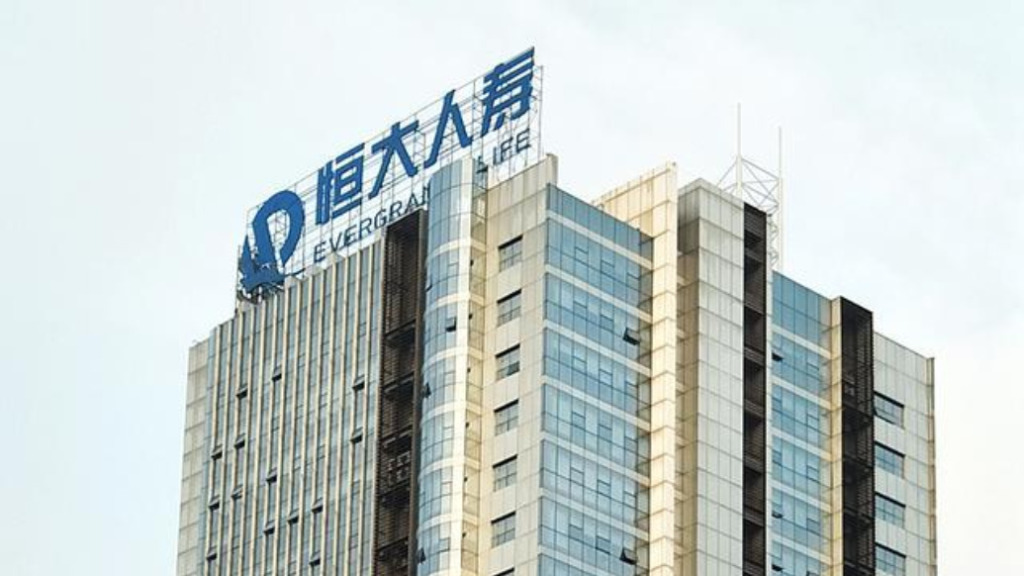
恒大人寿3任董事长等20人被罚,包括许家印“铁杆心腹”
Mei Ri Jing Ji Xin Wen· 2025-09-13 13:00
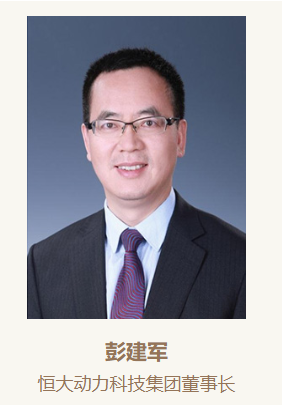
Core Viewpoint - The China Banking and Insurance Regulatory Commission has imposed penalties on Evergrande Life and several individuals for serious violations, including non-compliance in the use of insurance funds and falsification of reports [1][2][9] Group 1: Penalties and Violations - Evergrande Life was penalized for serious non-compliance in the use of insurance funds, improper benefit transfers to related parties, and false reporting [2][9] - A total of 25 individuals were penalized, with fines amounting to 2.825 million yuan, and several individuals, including former chairmen, received industry bans ranging from 5 to lifetime [2][3] - The Shenzhen Financial Regulatory Bureau also imposed fines totaling 410,000 yuan for violations related to shareholder equity and seal management [2][8] Group 2: Key Individuals - Liang Dong, the current chairman of Evergrande Life, and Zeng Songbai, the general manager, are among those penalized [3][4] - Former chairmen, including Peng Jianjun and Zhu Jialin, who were closely associated with Xu Jiayin, were also included in the penalty list [3][4][6] Group 3: Business Transition - Evergrande Life's insurance business and corresponding assets and liabilities have been transferred to Haigang Life, a state-owned insurance company [7][8] - Haigang Life has committed to fulfilling the insurance contracts signed under the name of Evergrande Life to protect consumer rights [7][8]
恒大人寿3任董事长等20人被罚,包括许家印“铁杆心腹”!涉向关联方输送利益、报表造假等!公司相应业务、资产等已被国资接手
Mei Ri Jing Ji Xin Wen· 2025-09-13 10:59
Core Viewpoint - The financial regulatory authorities have imposed penalties on Evergrande Life Insurance and several individuals for serious violations, including improper use of insurance funds and management issues [1][2][3]. Group 1: Penalties and Violations - Evergrande Life Insurance faced penalties for serious violations such as non-compliance in the use of insurance funds, improper benefit transfers to related parties, and false reporting [2][3]. - A total of 25 individuals were penalized, with fines amounting to 2.825 million yuan (approximately 0.4 million USD) [3]. - Key figures, including former chairmen Peng Jianjun and Zhu Jialin, received lifetime and multi-year bans from the insurance industry [3]. Group 2: Key Individuals - Peng Jianjun, a long-time associate of Xu Jiayin, has held multiple senior positions within the Evergrande Group since 2007, including chairman of Evergrande Life Insurance [5]. - Zhu Jialin, who previously served as vice president of Citic Bank, was appointed chairman of Evergrande Life Insurance in 2018 and has been closely associated with Xu Jiayin [8]. Group 3: Business Transition - On September 15, 2023, Haigang Life announced the acquisition of Evergrande Life's insurance business, assets, and liabilities, following approval from the regulatory authorities [9][10]. - Haigang Life, a national state-owned insurance company, aims to fulfill the obligations of insurance contracts signed under the Evergrande Life name [10][11].

2025服贸会|头部险企承保15万架无人机背后:保险深度“渗透”低空经济
Bei Jing Shang Bao· 2025-09-13 03:52
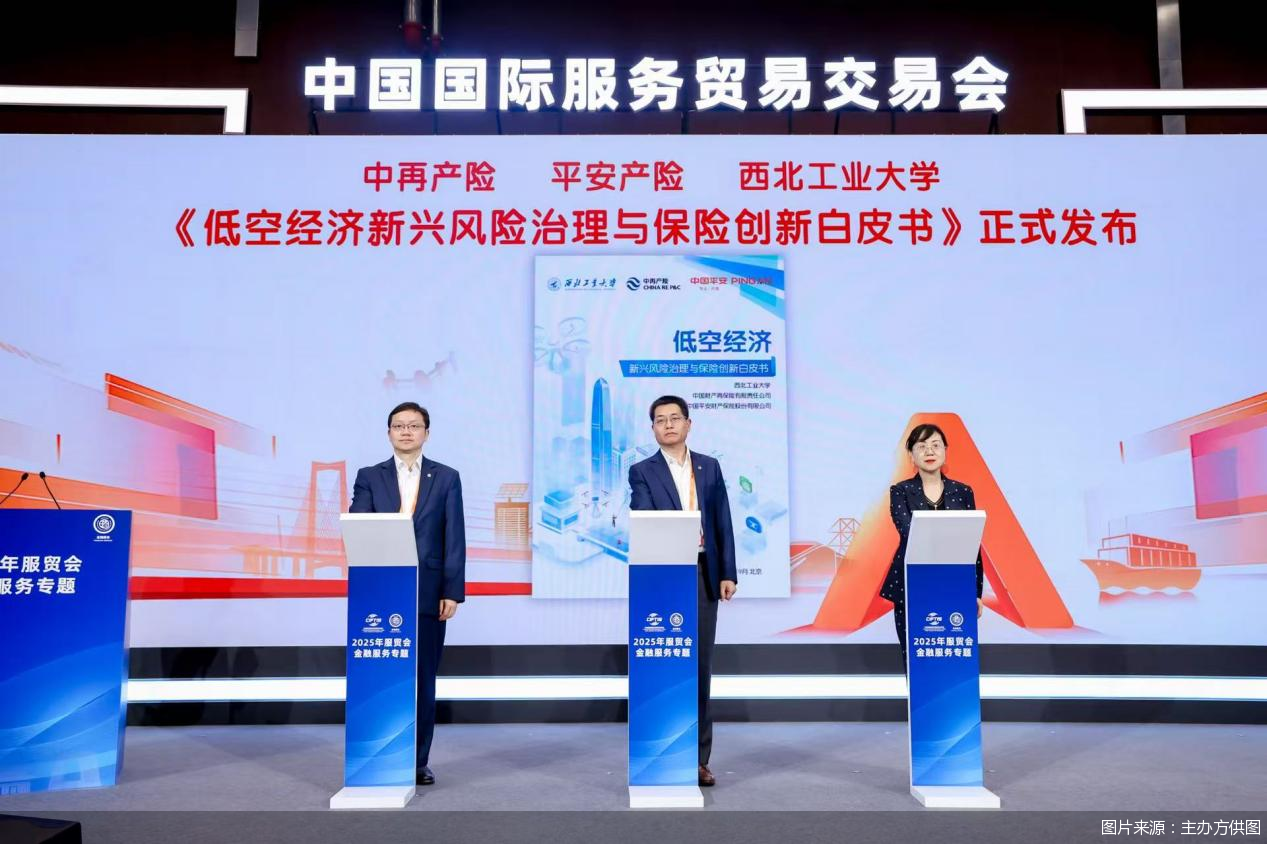
Core Viewpoint - Ping An Property & Casualty Insurance has insured over 150,000 drones, providing risk coverage exceeding 90 billion yuan, with compensation amounts surpassing 1.17 billion yuan for drones and aircraft [1][5]. Group 1: Low Altitude Economy Development - The low altitude economy is recognized as a strategic emerging industry during the 14th Five-Year Plan, transitioning from policy trials to large-scale applications, including drone logistics, urban air traffic, and emergency rescue scenarios [3]. - The low altitude economy is reshaping operational models across various industries through diverse applications, but the associated risks necessitate robust insurance solutions to ensure stability and safety [1][4]. Group 2: Insurance Role and Innovations - Ping An's core strategy focuses on the entire low altitude economy industry chain, developing specialized insurance products to meet risk protection needs while leveraging technology for risk reduction [5]. - The newly released white paper outlines systematic solutions for the comprehensive risks faced by the low altitude economy, emphasizing the importance of insurance as a foundational safety net for commercial viability [1][5]. Group 3: Emerging Risks and Insurance Demand - The white paper highlights that the low altitude economy presents unique challenges, including high complexity in flight environments and increased frequency and density of operations, necessitating targeted safety and risk prevention systems [6]. - The demand for low altitude economy insurance is expected to exhibit characteristics of "full chain, high adaptability, and strong professionalism," covering various aspects from flight activities to data security [6]. Group 4: Recommendations for Industry Development - The white paper suggests that the insurance industry should innovate product offerings, optimize business models, enhance service capabilities, and improve supporting measures to effectively serve the high-quality development of the low altitude economy [8]. - It emphasizes the need for insurance companies to integrate into the low altitude economy ecosystem, collaborating with government, enterprises, and academic institutions to enhance risk research and innovate solutions [8]. Group 5: Legal and Regulatory Considerations - The legal responsibilities associated with the low altitude economy are complex, with current regulations lacking specific provisions for issues like liability, privacy protection, and data security [9]. - Recommendations include establishing a comprehensive liability recognition mechanism for emerging industries to ensure fair compensation for affected parties and enhancing protections for personal privacy and sensitive information [9].
罚款、市场禁入!恒大人寿四任董事长都领到了罚单
Jing Ji Guan Cha Wang· 2025-09-13 01:44
Group 1 - The National Financial Supervision Administration has imposed fines on 20 responsible personnel of Evergrande Life Insurance for serious violations including improper use of insurance funds and false reporting [1][2] - The total fines amount to 2.825 million yuan, with lifetime bans for some individuals and varying years of prohibition for others from entering the insurance industry [1][2] - Evergrande Life Insurance, previously known as China New Oriental Life Insurance, has seen its asset scale grow from 20.1 billion yuan to 200 billion yuan within five years after being acquired by Evergrande Group [2] Group 2 - In September 2023, the Shenzhen Financial Regulatory Bureau stated that Evergrande Life Insurance is severely insolvent and has been placed under close supervision and risk management [3] - Haigang Life Insurance, established by several state-owned enterprises and insurance companies, has taken over the assets and liabilities of Evergrande Life Insurance to protect consumer rights [3] - The management team of Haigang Life Insurance includes experienced individuals from other insurance companies, indicating a focus on stability and compliance [3]
恒大人寿三任董事长等20名高管被罚:涉保险资金运用、利益输送等
Xin Lang Cai Jing· 2025-09-12 11:12
Group 1 - The National Financial Supervision Administration imposed penalties on 20 responsible personnel of Evergrande Life Insurance for serious non-compliance in the use of insurance funds, related party transactions, and false reporting [2] - A total fine of 2.825 million yuan was levied against the individuals involved, with lifetime bans for the chairman Liang Dong and a 10-year ban for Chen Kun, among others [2] - Evergrande Life Insurance was established on May 11, 2006, with Evergrande Group holding 50% and other stakeholders including Singapore's Great Eastern Life and Chongqing Caixin Group [2] Group 2 - In September 2023, the Shenzhen Financial Regulatory Bureau reported that Evergrande Life Insurance is severely insolvent and is under close supervision and risk management [3] - The China Insurance Security Fund, along with local state-owned enterprises and Taiping Life Insurance, has established Haigang Life Insurance to take over Evergrande Life's assets and liabilities, ensuring the fulfillment of insurance contracts [3] - The operational stability of Evergrande Life Insurance has been confirmed despite the ongoing regulatory actions [3]
从“三不”到“真香”,香港银发族正掀起大湾区养老热
Di Yi Cai Jing· 2025-09-12 10:22
Core Insights - Hong Kong's elderly care resources are facing a significant supply-demand gap, leading to an increasing trend of elderly residents moving to mainland China for better care options [1][2][4] - The number of Hong Kong seniors aged 65 and above choosing to settle in Guangdong has surged by 40.5% over the past decade, with nearly 100,000 expected by 2024 [1][2] - The Hong Kong government has initiated various plans to support elderly residents, including cash allowances and care service programs, to facilitate cross-border elderly care [5][6] Group 1: Elderly Care Demand and Supply - The public elderly care facilities in Hong Kong are under severe pressure, with long waiting times and high entry barriers, while private facilities are costly and offer low value for money [2][3] - Statistics indicate that one in seven people in Hong Kong is aged 65 or older, and this demographic is projected to exceed 30% of the population by 2039 [2][3] - Many elderly individuals, like the case of a 78-year-old man, find themselves in a "gap" where they do not qualify for public care but cannot afford private options [3] Group 2: Cross-Border Elderly Care Trends - The trend of Hong Kong seniors moving to mainland China for elderly care is gaining momentum, with many institutions beginning to establish or collaborate with mainland facilities [4][5] - The "Guangdong Plan" and "Fujian Plan" initiated by Hong Kong provide financial support for eligible residents moving to these regions, including monthly allowances [5][6] - By 2024, it is expected that around 2,000 Hong Kong seniors will visit and experience care facilities in mainland China, with approximately 40 expected to move in [4][5] Group 3: Healthcare and Financial Services - Despite the appeal of cross-border elderly care, challenges remain, particularly regarding healthcare access and the interoperability of medical records between Hong Kong and mainland China [7][8] - Financial institutions are increasingly targeting the elderly care market, offering innovative solutions such as "zero-cost entry" models for mainland care communities [9][10] - Companies like China Taiping and Guangfa Bank are developing services that facilitate cross-border medical care and enhance communication between elderly residents and their families [9][10]
平安人寿山东分公司2025年金融教育宣传周•以案说险:保单回访要上心 自己的权益自己守
Qi Lu Wan Bao· 2025-09-12 01:39
Group 1 - The core issue revolves around a customer, Mr. Wang, who purchased a critical illness insurance policy with a coverage amount of 200,000 yuan and later sought a full refund due to a lack of understanding of the policy details during the purchase process [1] - The insurance company confirmed that the purchase process was compliant with regulations and that the follow-up call content was valid, indicating that Mr. Wang did not pay attention to the questionnaire during the follow-up [1][2] - The case highlights the importance of consumers thoroughly reviewing their insurance contracts and seeking clarification on any unclear terms to avoid misunderstandings [2] Group 2 - According to the regulations, insurance companies are required to conduct follow-up calls for new policies exceeding one year during the cooling-off period, ensuring that consumers are informed about their insurance rights [2] - The follow-up call serves as a crucial opportunity for consumers to understand the terms, coverage, payment periods, and exclusions of their insurance products, thereby protecting their interests [3] - Consumers are encouraged to take the follow-up process seriously and to ask questions about any unclear aspects, rather than providing vague affirmations, to safeguard their rights [3]

理性看待大 A 短期反转,中期向上再确认
Sou Hu Cai Jing· 2025-09-12 01:03
Group 1 - The A-share market experienced a significant short-term reversal on September 11, 2025, with the ChiNext Index rising by 5.15% and surpassing the 3000-point mark, indicating a strong recovery in market sentiment and liquidity [2][3] - The driving forces behind this short-term reversal are characterized by a three-dimensional framework of "policy - capital - industry," with substantial net inflows into the communication equipment and semiconductor sectors, reflecting an increase in market risk appetite [3] - The recent signing of a $300 billion computing power contract between Oracle and OpenAI alleviated concerns about an AI bubble and sparked enthusiasm in hardware sectors such as optical modules and PCBs, as evidenced by Industrial Fulian's market capitalization exceeding 1.17 trillion yuan [3] Group 2 - The mid-term upward trend is being reaffirmed by multiple factors, including resilient economic fundamentals, with the central bank's net purchase of 100 billion yuan in government bonds signaling a clear easing stance [4] - The demand for AI computing power is experiencing global collaborative growth, with domestic operators accelerating AI deployment, which supports sustainable performance growth in the semiconductor and communication equipment sectors [4] - Current A-share valuations are below the five-year average, presenting strong valuation attractiveness, especially during the Federal Reserve's easing cycle, which enhances the appeal of the market [4] Group 3 - Investors are advised to differentiate between short-term sentiment-driven movements and mid-term value growth, focusing on companies that genuinely benefit from the AI computing demand and possess domestic substitution capabilities [5] - The continuous net inflow of 1.57 billion yuan into the semiconductor sector over five days indicates the long-term nature of the industrial upgrade theme [5] - The market's recent surge serves as a reminder for rational investors to recognize both short-term opportunities and the certainty of mid-term trends, emphasizing the importance of maintaining value judgments amidst volatility [6]