乳制品

Search documents
蒙牛乳业(02319)预计年度股东应占利润将约为14亿元至 16亿元
Xin Lang Cai Jing· 2026-03-06 14:20
Group 1 - The company anticipates a 7% to 8% year-on-year decline in total revenue for 2025 due to ongoing changes in consumer demand, channel scenarios, and competitive environment [1] - Operating profit margin is expected to decrease slightly to between 7.9% and 8.1% for 2025, down from 8.2% in 2024, although it is still projected to be higher than in years prior to 2024 [1] - The company plans to make impairment provisions of approximately RMB 2.2 billion to RMB 2.4 billion for certain idle production facilities and financial assets with uncertain repayment capabilities [1] Group 2 - The company is committed to its "one body, two wings" development strategy, focusing on solidifying brand foundations and market share while enhancing core competitiveness through innovative product layouts [2] - There has been a steady recovery in liquid milk revenue since the second half of 2025, with double-digit growth observed in categories such as fresh milk, milk powder, and cheese [2] - The business structure is showing a trend of diversification, with continuous improvement in demand and stabilization of raw milk prices [2]

蒙牛乳业预计2025年公司拥有人应占利润将约为人民币14亿元至16亿元。
Xin Lang Cai Jing· 2026-03-06 14:14
Group 1 - The core viewpoint of the article is that Mengniu Dairy expects its profit attributable to shareholders to be approximately RMB 1.4 billion to 1.6 billion by 2025 [1] Group 2 - The projected profit range indicates a positive outlook for the company's financial performance in the coming years [1]
乳业深度调整期寻路,两会代表热议精深加工破局与“一老一小”扩容
第一财经· 2026-03-06 11:59
Core Viewpoint - The Chinese dairy industry is undergoing a profound structural transformation due to nearly two years of deep adjustments, weak consumer demand recovery, and a temporary surplus of raw milk, leading to widespread performance pressure among listed companies [3]. Group 1: Industry Challenges - Since 2025, the performance of major domestic dairy companies has further declined, with many issuing profit warnings. Nielsen IQ data indicates an 8.6% overall decline in domestic dairy product consumption across all channels in 2025 [5]. - The decline in dairy consumption is primarily attributed to the shrinking sales of liquid milk products, reflecting a long-standing structural imbalance in the industry. In comparison to developed countries like the Netherlands and France, where liquid milk and deep-processed products have a balanced structure of about 5:5, China's liquid milk consumption accounts for 92.7%, while high-value products like cheese and butter make up less than 7.3% [5][6]. Group 2: Strategic Recommendations - Industry representatives have called for accelerating the development of deep processing in dairy products to address the structural issues. This includes using deep processing as a "reservoir" to regulate raw milk capacity and enhance the comprehensive utilization efficiency of raw milk through high-value functional ingredients [6]. - Key dairy companies have made progress in deep processing. For instance, Mengniu has completed tests on its first batch of deep-processed products, while Feihe has achieved 100% self-sufficiency in key raw materials like concentrated whey protein and lactoferrin [6]. Group 3: Market Expansion Opportunities - To stimulate short-term consumption, representatives suggest tapping into the "one old, one young" market. For the youth segment, there is a push to support the development of student milk programs, which currently only cover about 17% of students in compulsory education, indicating significant room for improvement [9]. - In the elderly segment, the aging population presents an opportunity for growth in the senior food market. As of the end of 2025, the population aged 60 and above is projected to reach 320 million, accounting for 23% of the total population [10]. However, the market faces challenges that require systematic solutions to meet the nutritional needs of the elderly [10].


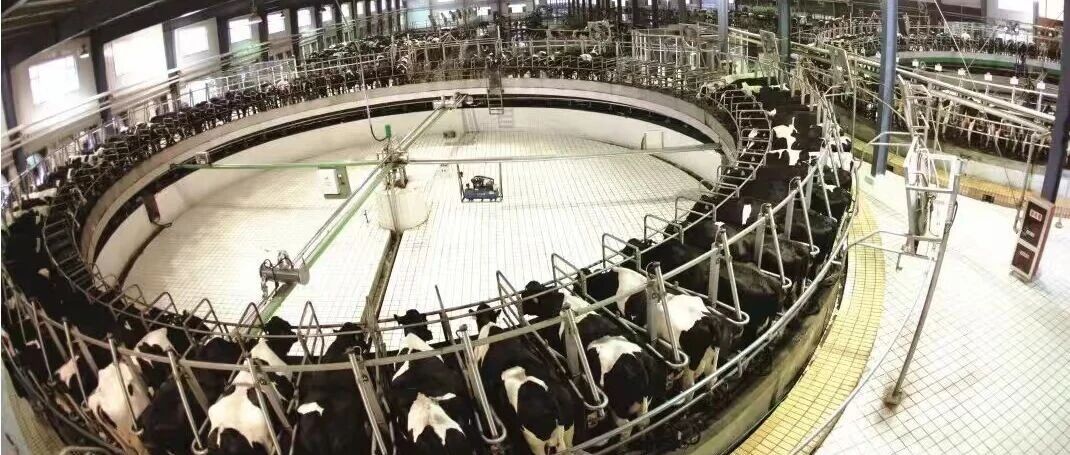
全国人大代表冷友斌:从“更适合宝宝”到守护全家健康
经济观察报· 2026-03-06 10:26
Core Viewpoint - The article emphasizes the need for improving the quality and quantity of protein intake among the Chinese population, highlighting the structural issues in the dairy industry, including insufficient deep processing capabilities and reliance on imported raw materials [2][3]. Group 1: Protein Intake Issues - The current protein intake level in China is inadequate, particularly in terms of high-quality protein, with an average daily intake of 60.4g compared to 93.9g in the U.S. and 71.4g in Japan [4][6]. - Over 55% of parents report that their children consume a limited variety of protein sources, and nearly 90% of elderly individuals reduce their protein intake due to health misconceptions, leading to serious health issues like sarcopenia [6][8]. - There is a significant gap in consumer awareness regarding protein nutrition, with 70% of respondents unaware of how to scientifically supplement protein [8]. Group 2: Supply-Side Challenges - The domestic supply of quality protein has not kept pace with demand, with a protein self-sufficiency rate dropping from 96% to 69% between 2000 and 2021 [8]. - The dairy industry faces structural imbalances, with liquid milk accounting for 92.7% of production, while high-value products like cheese and butter make up less than 7.3% [9][10]. - The reliance on imports for key dairy ingredients, such as whey protein, poses a risk to supply stability, especially given the geopolitical uncertainties [9][10]. Group 3: Recommendations for Improvement - The article suggests that the government should create a differentiated protein intake guideline for various demographics, including infants, adults, and the elderly, to enhance consumer education [8]. - It advocates for policies that support domestic innovation in the protein industry, including tax incentives and funding for research and development [10]. - The focus should be on technological breakthroughs in dairy processing to enhance the supply chain's resilience and ensure food security [10][11]. Group 4: Technological Advancements - The company has made significant strides in dairy protein deep processing, establishing China's first automated production line for lactoferrin and developing innovative extraction technologies [11][12]. - The company has achieved 100% self-research and production capability for key dairy ingredients, creating a comprehensive technical system from research to commercialization [13]. - The advancements in technology not only improve product quality but also address the industry's long-standing issues of dependency on imports and structural imbalances [15][21]. Group 5: Holistic Approach to Nutrition and Industry - The company's strategy aims to create a closed-loop system that integrates nutrition education, industry upgrades, and self-sufficiency, ultimately benefiting both public health and the dairy sector [16][21]. - By focusing on technical innovation, the company seeks to extend its nutritional solutions beyond infant formula to cater to all age groups, addressing the broader issue of protein intake across the population [17][20].

飞瓜抖音电商营销月报-20260306
Fei Gua Shu Ju· 2026-03-06 01:18
Investment Rating - The report does not explicitly provide an investment rating for the industry Core Insights - The report highlights the increasing engagement and marketing effectiveness on Douyin, particularly during the Spring Festival, with over 2 trillion exposures related to festive content, indicating a strong consumer connection and brand engagement [5][6] - The report identifies key trends in various product categories, including children's clothing, stationery, dairy products, oral care, and floral gardening, showcasing significant sales growth and marketing strategies tailored to seasonal events and consumer needs [11][19][28][35][44] Summary by Sections Statistical Period and Research Objects - The statistical period for the report is from February 2025 to February 2026, focusing on active Douyin hosts and sales data from products that generated sales through videos and live streams [1][2] E-commerce Marketing Review - The report emphasizes the effectiveness of Douyin's marketing strategies during the Spring Festival, with brands leveraging creative content to resonate emotionally with consumers [5][8] - Notable brands like Budweiser and Master Kong utilized limited-edition products and celebrity interactions to enhance brand visibility and consumer engagement [9][10] Key Product Categories - **Children's Clothing**: The report notes a significant increase in sales of winter clothing, particularly down jackets, with a year-on-year growth of 157%. The market remains fragmented, presenting opportunities for new brands to capture consumer interest through differentiated marketing [11][12] - **Stationery**: The stationery category saw a surge in sales driven by back-to-school needs, with a brand concentration ratio of 31.8%. Key marketing themes focused on health and practicality, addressing parents' concerns for their children's well-being [19][20][22] - **Dairy Products**: The dairy market is dominated by leading brands, with a notable increase in advertising and consumer engagement. The focus on health-related keywords in marketing content reflects consumer priorities [28][32] - **Oral Care**: The oral care market experienced significant growth, particularly in electric toothbrushes, which accounted for over 82% of sales. The report highlights a strong preference among young female consumers for these products [36][38] - **Floral Gardening**: The floral gardening segment benefited from multiple seasonal events, with sales reaching between 2.5 billion to 5 billion, driven by high demand for fresh flowers and gardening supplies [44][46] Marketing Strategies and Trends - The report outlines effective marketing strategies, including the use of live streaming and influencer promotions, which have become essential for driving sales across various categories [15][30] - Seasonal marketing campaigns, particularly around the Spring Festival and back-to-school periods, have proven effective in enhancing consumer engagement and driving sales [5][19][28] Notable Events and Changes - The report mentions significant events in February, including the launch of Douyin's "Dou Sheng Sheng" group buying app and the discontinuation of certain paid features, indicating ongoing platform evolution to enhance user experience and merchant support [53][54][56]
东海证券晨会纪要-20260305
Donghai Securities· 2026-03-05 02:58
Group 1 - The manufacturing PMI for February 2026 is reported at 49.0%, a slight decrease from 49.3% in January, indicating a seasonal decline influenced by the Spring Festival [5][6] - The non-manufacturing PMI for February is at 49.5%, slightly up from 49.4% in January, showing resilience in the service sector [5][6] - The new export orders index fell to 45.0%, reflecting weaker external demand, potentially due to front-loaded demand in previous months [6][7] - The price indices show a slight divergence, with the raw material purchase price index at 54.8% and the factory price index at 50.6%, indicating stable downstream demand [7][8] Group 2 - The dairy industry is expected to see a recovery in profitability as raw milk prices stabilize after a prolonged decline, with a balanced supply-demand situation anticipated in 2026 [10][11] - The beef market is entering an upward cycle, with prices expected to rise until 2027 due to supply constraints and increasing demand for quality protein [11] - Key companies to watch in the dairy sector include Yili and Mengniu, while in the beef sector, attention is drawn to YouRan and Modern Farming [10][11] Group 3 - The semiconductor industry continues to experience price increases, driven by demand from AI applications, TWS headsets, and electric vehicles, with a positive outlook for March 2026 [12][15] - The global semiconductor sales for December 2025 showed a year-on-year increase of 37.13%, indicating a recovery in demand [15][16] - Notable companies in the semiconductor sector include Nvidia, which has exceeded market expectations in its recent earnings report, highlighting the ongoing importance of AI [17][18]
肉奶周期共振,盈利改善可期
Donghai Securities· 2026-03-04 14:24
Investment Rating - The report maintains a bullish outlook on the industry, indicating a potential upward trend in the market over the next six months [56]. Core Insights - The report highlights that the raw milk price has been at a low point, with a potential turning point in supply and demand expected soon. The average price of fresh milk as of February 26, 2026, was 3.03 yuan/kg, down 1.9% year-on-year, and has been below the cost line for an extended period [7][54]. - The beef cattle price is entering an upward cycle, with significant price increases expected due to supply constraints and rising demand for quality protein as GDP per capita increases [33][54]. - The report emphasizes the resonance between the meat and milk cycles, suggesting that profitability in the industry is likely to improve as conditions stabilize [54]. Summary by Sections Section 1: Raw Milk Price and Supply-Demand Dynamics - Raw milk prices have been in a downward trend for over four years, returning to levels seen in 2010. The average price has fluctuated between 3.02 and 3.04 yuan/kg since the second half of 2025, indicating prolonged industry losses [7][54]. - The report notes a significant reduction in dairy cow inventory, with an expected decrease of approximately 300,000 heads in 2024 and 250,000 to 300,000 heads in 2025, leading to a cumulative reduction of about 9% over two years [16]. Section 2: Beef Cattle Price Trends - The beef cattle industry has faced severe losses, but prices are rebounding, with the average price of fattened bulls at 25.74 yuan/kg as of February 28, 2026, reflecting an 8.7% year-on-year increase [33]. - The report anticipates that beef prices will continue to rise until 2027, driven by supply constraints and increasing demand for beef in the domestic market [54]. Section 3: Opportunities in Dairy Processing - The demand for deep-processed dairy products is on the rise, with liquid milk accounting for 92.7% of total dairy product output. The report highlights a significant growth opportunity in the deep processing sector, where the current processing rate is below 10% compared to over 40% in developed markets [17][54]. - The B-end dairy product market is expanding rapidly, with projected demand for products like cream and butter increasing significantly by 2028, indicating a substantial market opportunity for domestic dairy companies [25][54]. Section 4: Investment Recommendations - The report suggests focusing on leading dairy companies such as Yili and Mengniu, as well as companies involved in low-temperature dairy products, which are expected to see rapid growth [54]. - It also recommends monitoring top livestock companies like Modern Dairy and Yuanran Dairy, which are likely to benefit from the improving profitability outlook in the beef and dairy sectors [54].
2026年春节食品饮料板块表现总结:春节茅台量价齐升,餐供、礼盒、功能饮料表现居前
ZHESHANG SECURITIES· 2026-03-04 12:27
Investment Rating - The industry rating is maintained as "Positive" [6] Core Insights - The consumption market is recovering, driven by increased travel and a long holiday during the 2026 Spring Festival, with nearly 5.8 billion people traveling across regions [1][11] - The food and beverage sector shows a steady recovery, with strong performance in dining and tourism [1][17] Subsector Summaries Baijiu Sector - The baijiu market remains under pressure, but high-end and mid-low price segments perform well, with brands like Moutai and Wuliangye showing strong sales [2][28] - The consumption pattern is characterized by a "dumbbell" demand structure, with high-end products performing well while mid-range products face challenges [28][29] - The overall price level in the baijiu market is declining due to structural changes in consumption [29] Snack Sector - The snack industry performed better in 2026 compared to 2025, with bulk and gift products leading sales [3] - Gift boxes, especially nut gift boxes, are significant growth drivers, and health-oriented gift boxes are gaining market share [3] Soft Drink Sector - The soft drink sector showed good performance during the Spring Festival, with high-growth segments like sugar-free tea products continuing to thrive [4] - The demand for bottled water increased across various channels, particularly in the dining sector [4] Dairy Sector - The dairy industry showed stable growth during the Spring Festival, with improved product freshness and a variety of new offerings [4] - The demand for dairy products was boosted by gifting during family reunions [4] Food Supply Chain - The food supply chain saw strong performance in frozen products, driven by the demand for convenience in festive meals [4] - Seasoning products also showed steady growth, with health and flavor trends being key drivers [4] Investment Recommendations - For the baijiu sector, Moutai is highly recommended, with a focus on brands like Wuliangye, Yingjia, and Shanxi Fenjiu for their positive sales trends [5][33] - In the snack sector, companies like Weilian Meishi and Ximai Food are recommended for their strong performance and low valuations [7] - In the dairy sector, companies like New Dairy and Yili are highlighted for their growth potential [7] - For the food supply chain, companies like Anjijia and Yihai International are recommended due to their improving operations [7]


全国人大代表、中国飞鹤董事长冷友斌:促进国民优质蛋白营养摄入 助力人口高质量发展
Mei Ri Jing Ji Xin Wen· 2026-03-03 15:19
Group 1 - The current protein intake among Chinese residents is insufficient, with a lack of high-quality protein, prompting the National Health Commission to lead the development of a "National Quality Protein Intake Guide" [2] - The State Administration for Market Regulation will standardize "high-protein" food labeling and include casein and other high-quality proteins in the health food raw material directory, enhancing dietary guidance and awareness [2] - Policies such as tax reductions and R&D subsidies will be introduced to encourage innovation in core technologies for deep processing of milk protein, aiming to improve the self-supply capacity of high-quality protein [2] Group 2 - A comprehensive regulatory chain involving demand, supply, and oversight will be established to support industrial development and supply upgrades, thereby strengthening the nutritional foundation for high-quality population development [2] - Since 2011, Feihe has initiated research on deep processing of milk protein, achieving industrialization of milk protein extraction technology last year, and is now focused on creating products that meet national health needs throughout their lifecycle [2]
中国必选消费26年3月投资观点:春播正当时-20260303
Haitong Securities International· 2026-03-03 10:01
Investment Rating - The investment rating for the essential consumer sector in China is "Outperform" for multiple companies including Kweichow Moutai, Wuliangye, and Yili Industrial Group [1]. Core Insights - The report highlights that among the eight key tracked essential consumer industries in February 2026, five maintained positive growth, two recorded negative growth, and one remained flat. The growing industries included frozen food, condiments, beer, catering, and soft drinks, while the declining industries included sub-high-end and above liquor and dairy products. The improvement in data is attributed to the increased number of Spring Festival holidays and heightened consumer enthusiasm for travel, which boosted demand for catering and supply chain products [3][35]. Demand Summary - In February 2026, five out of eight essential consumer industries showed positive growth, with frozen food, condiments, beer, catering, and soft drinks experiencing growth. In contrast, sub-high-end and above liquor and dairy products faced declines. The overall growth rate improved for seven industries compared to the previous month, primarily due to the Spring Festival holidays and increased consumer travel [3][35]. Price Summary - The wholesale price of high-end liquor rebounded month-on-month, while sub-high-end and below liquor prices mostly fell. Discounts on liquid milk and condiments decreased, with average discount rates for liquid milk increasing by 4.7 percentage points and condiments by 1.2 percentage points compared to January. Convenience food discounts increased, while discounts for beer, soft drinks, and infant formula remained stable [4][36]. Cost Summary - In February, the spot cost indices for six categories of consumer goods generally fell, while futures cost indices mostly rose. The spot cost indices for soft drinks, instant noodles, frozen food, beer, condiments, and dairy products changed by -1.28%, -1.03%, -0.52%, -0.52%, +0.06%, and +0.27% respectively. Year-on-year changes for can, plastic, paper, and glass prices were +12.1%, -0.3%, -7.4%, and -17.7% respectively [4][37]. Capital Flow Summary - As of the end of February, the net inflow of Southbound Stock Connect funds was 80.32 billion yuan, an increase from 61.73 billion yuan in the previous month. The essential consumer sector's market value accounted for 5.86%, up by 0.04 percentage points from the previous month. The dairy industry represented 17.2% of the Southbound Stock Connect market value, while the food additive industry accounted for 14.4% [5][38]. Valuation Summary - At the end of February, the PE historical quantile for A-share food and beverage was 17% (20.5x), remaining stable from the previous month. The sub-sectors with lower quantiles included beer (1%, 20.6x) and liquor (12%, 18.3x). The median valuation for A-share food and beverage leaders was 22x, unchanged from the previous month [5][39]. Suggestions - The report suggests several favorable aspects for allocating essential consumption, including increased international capital inflow into China, low institutional allocation levels, and the gradual recovery of industries like dairy and liquor. Recommendations for March include stocks that align with fundamental and dividend yield improvement logic, such as Mengniu Dairy, Yili Industrial Group, and Tsingtao Brewery, as well as those favored by long-term institutional investors like Luzhou Laojiao and Kweichow Moutai [6][40].