医药行业

Search documents
尖峰集团:8月15日召开董事会会议
Mei Ri Jing Ji Xin Wen· 2025-08-15 11:03
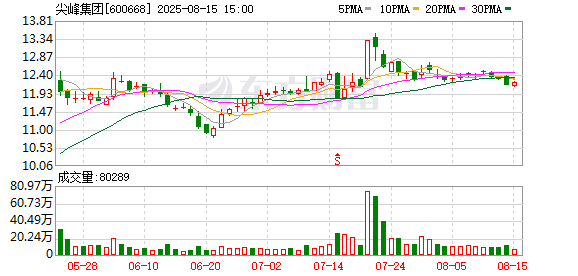
2024年1至12月份,尖峰集团的营业收入构成为:建材行业占比46.69%,医药行业占比32.79%,其它行 业占比9.15%,健康品行业占比5.88%,其他业务占比5.49%。 尖峰集团(SH 600668,收盘价:12.22元)8月15日晚间发布公告称,公司十二届11次董事会会议于 2025年8月15日以通讯表决的方式召开。会议审议了《关于子公司财务资助余额展期的议案》等文件。 (文章来源:每日经济新闻) ...


西部证券晨会纪要-20250813
Western Securities· 2025-08-13 01:20
Group 1: Guanggang Gas (688548.SH) - The company's Q2 2025 profitability has rebounded sequentially, with revenue of 5.66 billion yuan, a year-on-year increase of 10.60% and a quarter-on-quarter increase of 3.24% [6] - The company reported a H1 2025 revenue of 11.14 billion yuan, a year-on-year increase of 14.56%, but a net profit of 1.03 billion yuan, a year-on-year decrease of 21.14% [6][7] - The company is expected to achieve net profits of 256 million, 410 million, and 589 million yuan for 2025-2027, corresponding to PE ratios of 52.4, 32.7, and 22.7 times, respectively [8] Group 2: Hutchison China MediTech (0013.HK) - The company reported H1 2025 revenue of 277.7 million USD, a decrease of 9%, with the oncology/immunology business declining by 15% [10][11] - The updated revenue forecast for 2025-2027 is 605 million, 652 million, and 721 million USD, with year-on-year growth rates of -4.0%, 7.7%, and 10.7% [12] - The company has a strong cash position of 1.3645 billion USD, which supports the development of its ATTC platform, expected to contribute to revenue growth [12] Group 3: Boyuan Chemical (000683.SZ) - The company reported H1 2025 revenue of 5.916 billion yuan, a year-on-year decrease of 16.31%, and a net profit of 743 million yuan, a decrease of 38.57% [14][15] - The company expects net profits of 1.48 billion, 2.006 billion, and 2.33 billion yuan for 2025-2027, with corresponding PE ratios of 14.6, 10.7, and 9.3 times [16] - The Alashan natural soda project is progressing, with plans for completion by the end of 2025, which is expected to enhance production capacity [16]


石破茂、莫迪强硬回应特朗普
Zhong Guo Ji Jin Bao· 2025-08-08 00:38
(原标题:石破茂、莫迪强硬回应特朗普) 来源:新华社 面对美国关税大棒,日印领导人发声 美国政府此前公布的经过调整的"对等关税"于7日生效。美数十个贸易伙伴将被征收10%至41%不等的 关税,其中日本的税率为15%。美国总统特朗普6日签署行政令,以印度"以直接或间接方式进口俄罗斯 石油"为由,对印度输美产品征收额外的25%关税。 面对美国的关税大棒,日本首相石破茂表示,美方没有落实此前达成的协议内容并"强烈要求美方立即 采取措施修正总统行政令";印度总理莫迪表示,尽管不答应美方条件会付出代价,印度不会因此牺牲 国内产业利益。 石破茂:强烈要求美方修改 莫迪7日在新德里表示,尽管不答应美方条件会付出代价,但印度不会因此牺牲国内农业、乳业和渔业 利益,因为印度农民利益"至关重要"。此前,印美双方在贸易谈判中就农产品及进口俄罗斯石油问题无 法达成一致。 外界普遍认为,这是莫迪在美国对印度新一轮加征关税措施后首次直接回应。 特朗普6日行政令颁布后,印度政府随即发布声明称,美方对印度加征关税的做法"不公平、不公正、不 合理",印度将"采取一切必要行动"维护国家利益。印度已经明确了在购买俄罗斯石油问题上的立场, 即进口是 ...
印方表示美加征关税将严重扰乱印美贸易
Xin Hua She· 2025-08-07 14:25
埃姆凯全球金融服务公司经济学家玛达维·阿罗拉说:"在如此令人讨厌的关税税率下,两国间的贸易实 际上将'死去'。" 这一行政令颁布后,印度政府随即发布声明称,美方对印度加征关税的做法"不公平、不公正、不合 理",印度将"采取一切必要行动"维护国家利益。印度已经明确了在购买俄罗斯石油问题上的立场,即 进口是基于市场因素,整体目标是确保印度能源安全。美国因此选择对印度输美产品额外征收关税让印 度方面"非常遗憾"。 目前,美国对印度输美产品的关税税率累计已高达50%。印度各界人士表示,美国对印度加征关税将严 重扰乱印美贸易。 印度前贸易官员阿贾伊·斯里瓦斯塔瓦表示,最新加征的关税将使印度成为受美国关税影响最严重的贸 易伙伴之一,预计印度"对美出口有可能减少约40%至50%"。 印度出口组织联合会总干事阿贾伊·萨海表示,美国最新举措对印度公司来说是一个"严重挫折",因为 目前诸多订单已被搁置,"这一额外打击可能会使出口商失去长期客户"。 新华社北京8月7日电印度总理莫迪7日在新德里表示,尽管不答应美方条件会付出代价,但印度不会因 此牺牲国内农业、乳业和渔业利益,因为印度农民利益"至关重要"。此前,印美双方在贸易谈判中一 ...
综述|印方表示美加征关税将严重扰乱印美贸易
Xin Hua She· 2025-08-07 14:06
新华社北京8月7日电 综述|印方表示美加征关税将严重扰乱印美贸易 新华社记者 埃姆凯全球金融服务公司经济学家玛达维·阿罗拉说:"在如此令人讨厌的关税税率下,两国间的贸易实 际上将'死去'。" 住房开发金融公司银行的莎克希·格普塔表示,对美货物出口量大幅下降,可能会导致印度今年经济增 速低于6%,不及印央行预测的6.5%。 印度总理莫迪7日在新德里表示,尽管不答应美方条件会付出代价,但印度不会因此牺牲国内农业、乳 业和渔业利益,因为印度农民利益"至关重要"。此前,印美双方在贸易谈判中一直在农产品及进口俄罗 斯石油问题上无法达成一致。 此外,特朗普威胁对医药产品加征关税也可能对印度造成重大打击。医药行业是印度对美出口前三大行 业之一。根据印度商务部数据,2024至2025年度印度医药出口额超过105亿美元。 外界普遍认为,这是莫迪在美国对印度新一轮加征关税措施后首次直接回应。美国总统特朗普6日签署 行政令,以印度"以直接或间接方式进口俄罗斯石油"为由,对印度输美产品征收额外的25%关税。 这一行政令颁布后,印度政府随即发布声明称,美方对印度加征关税的做法"不公平、不公正、不合 理",印度将"采取一切必要行动"维护 ...
[8月6日]指数估值数据(如果到牛市后期,还有哪些投资机会呢?)
银行螺丝钉· 2025-08-06 14:01
Core Viewpoint - The current market is showing strong upward momentum, with both large and small-cap stocks rising, and there are potential investment opportunities as the market approaches the later stages of a bull market [1][3][5]. Market Performance - The market opened lower but closed higher, returning to a 4.6-star rating [2]. - All market caps (large, mid, and small) experienced gains, with small-cap stocks showing slightly higher increases [3]. - Value style saw a slight increase, while growth style remained relatively strong [4]. Historical Bull Market Analysis - The article discusses three previous bull markets and the investment opportunities that arose in their later stages: 1. **2014-2015 Bull Market**: Characterized by a bubble in small-cap stocks, which peaked in June 2015. Despite a significant market downturn later, certain debt products, like the graded A strategy, performed well during the decline, gaining 30% [9][10][14]. 2. **2016-2017 Bull Market**: This period saw a strong economic cycle with A-share companies experiencing their highest profit growth in a decade. Value, dividend, and financial indices outperformed previous highs, although traditional safe-haven assets like gold and long-term bonds faced declines [18][19][21][23]. 3. **2019-2021 Bull Market**: Driven by growth stocks, this period was marked by significant monetary stimulus due to the pandemic. While the overall market rose by 80%, value stocks like banks remained undervalued, presenting investment opportunities [27][28][31]. Current Market Outlook - The current A-share market is not yet overvalued, making it difficult to predict which specific assets will present opportunities in the later stages of this bull market. Typically, there is an inverse relationship between stocks and bonds, where a strong stock market can lead to undervalued long-term bonds [38][39]. - The yield on 10-year government bonds has increased from approximately 1.6% to around 1.7%, indicating that the current investment value is not yet attractive, suggesting patience is required [41]. Investment Tools and Resources - The article introduces a mini-program that provides a percentile valuation table for various indices, allowing users to filter and find target index funds easily [44][46].
刚刚!A股,收复3600点
Zhong Guo Ji Jin Bao· 2025-08-05 05:12
Market Overview - A-shares regained the 3600-point mark, with the Shanghai Composite Index rising by 0.53% to 3602.13 points, while the Shenzhen Component increased by 0.14% and the ChiNext Index fell by 0.26% [1][2] Trading Volume - The trading volume in the Shanghai and Shenzhen markets exceeded 1 trillion yuan, reaching 10057 billion yuan, an increase of 849 billion yuan compared to the previous trading day [2] Sector Performance - The military industry sector saw significant activity, with several stocks hitting the daily limit. The PEEK materials sector experienced a surge, and the gaming sector has risen for three consecutive days [2][4][7] Military Sector Highlights - Notable stocks in the military sector included Aerospace Intelligent Equipment, which hit a 20% limit up, and Great Wall Military Industry, which also reached a 10% limit up. The cumulative increase for Great Wall Military Industry since June 18, 2025, is 181.58% [4][5] - The military sector is supported by a continuous increase in global military spending, with China's military manufacturing competitive advantage being underestimated [6] Gaming Sector Highlights - The gaming sector is experiencing a new growth wave, driven by AI technology and the summer season. Stocks like Perfect World and Giant Network saw significant increases [7][8] PEEK Materials Sector - The PEEK materials sector saw a rise, with Huami New Materials on the Beijing Stock Exchange increasing by over 20%. Other companies like Xinhan New Materials and Zhongxin Fluorine Materials also hit the daily limit [9] Steel Sector Performance - The steel sector continued to strengthen, with Maanshan Iron & Steel hitting a 10% limit up. Other companies like Baotou Steel and Fangda Special Steel also saw gains [9][10] Pharmaceutical Sector - The innovative drug sector experienced a pullback after a previous surge, with several stocks in traditional Chinese medicine showing significant declines [11]





医药行业集采“反内卷”趋势与展望
2025-08-05 03:20
Summary of Key Points from the Conference Call on the Pharmaceutical Industry Industry Overview - The conference call discusses the pharmaceutical industry, particularly focusing on the impact of recent government policies regarding centralized procurement and price control measures [1][2]. Core Insights and Arguments 1. **Government Regulation and Price Control**: The National Development and Reform Commission (NDRC) and the State Administration for Market Regulation are intensifying controls on price wars across various industries, including pharmaceuticals, to combat deflation [1][2]. 2. **Impact of Medical Insurance Reform**: Medical insurance reforms have led to lower drug and consumable prices but have also caused issues such as production halts, quality declines, and reduced investment in innovative drug development [1][4]. 3. **Centralized Procurement Effects**: Centralized procurement has significantly reduced drug prices, with over 70% of drugs used in public hospitals procured through this method. However, this has resulted in production stoppages and quality issues for some companies [3][4]. 4. **Support for Innovative Drugs**: The government is implementing measures to support the development of innovative drugs, including optimizing procurement rules and ensuring the stability of clinical drug supplies [1][3][6]. 5. **Future Trends in Pricing**: The rate of price reductions for drugs and consumables is expected to slow down, with domestic alternatives becoming more prevalent as the price drop from centralized procurement decreases [2][11]. Additional Important Content 1. **Challenges Faced by Companies**: Many companies are facing losses due to aggressive price competition, which has led to a reluctance to participate in negotiations for new drug listings in the medical insurance directory [4][6]. 2. **Policy Changes in Procurement**: Future procurement rules may include dynamic adjustment mechanisms and a dual regulation system for reporting quantities, aimed at improving market fairness and encouraging genuine innovation [8][9]. 3. **Monitoring and Compliance Measures**: Enhanced supervision measures are being proposed, including strict checks on production lines and the establishment of a blacklist for companies with violations [10]. 4. **Market Dynamics for Medical Devices**: The competition in the medical device sector is characterized by malicious low-price competition, particularly in imaging equipment and orthopedic implants, but policy adjustments are expected to improve this situation [12][13]. 5. **Potential Inclusion of Anesthetic Drugs in Procurement**: The likelihood of anesthetic drugs being included in centralized procurement is low due to strict regulations and limited competition among manufacturers [17][18]. This summary encapsulates the key points discussed in the conference call, highlighting the current state and future outlook of the pharmaceutical industry in light of recent regulatory changes.
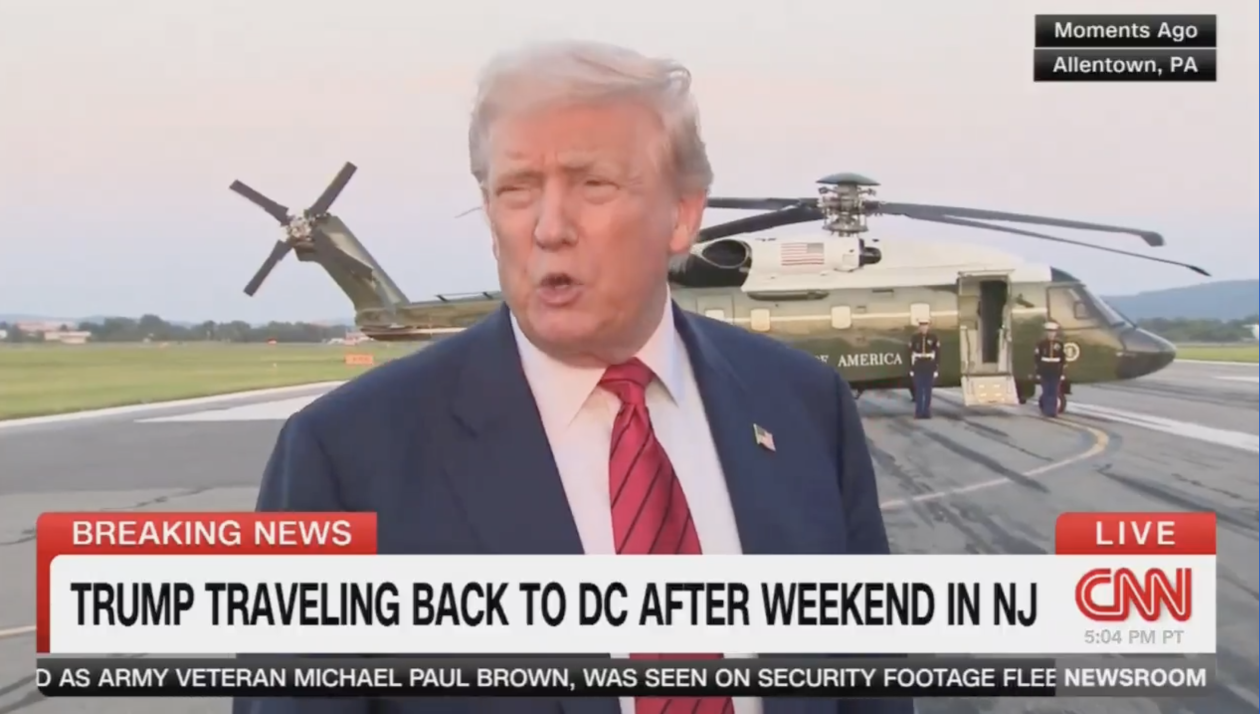
特朗普称已将药价下调1500%,美媒:这一“夸张说法”在数学上不可能
Huan Qiu Wang· 2025-08-05 01:56
Core Viewpoint - President Trump claimed that the U.S. government has reduced prescription drug prices by up to 1500%, a statement that has been widely criticized by media outlets as mathematically impossible [1][3]. Group 1: Drug Pricing Claims - Trump stated that drug prices have been lowered by 1200%, 1300%, 1400%, and 1500%, emphasizing that these figures are not mere percentages like 50% [3]. - Media outlets pointed out that a 100% price reduction would mean drugs are free, while a reduction exceeding 100% implies that pharmaceutical companies would pay consumers to take the drugs [3]. Group 2: Government Response - White House spokesperson Kush DeSantis defended Trump's claims by stating that Americans pay significantly more for the same medications compared to other developed countries, asserting that the Trump administration has made substantial efforts to alleviate this burden [3]. - The statement reflects a misunderstanding of pricing and percentage operations, potentially undermining public confidence in Trump's ability to address drug pricing issues [3]. Group 3: Tariff Threats and Industry Impact - Trump has threatened to impose high tariffs on imported drugs, claiming this would lower drug prices and enhance national security [3]. - Industry professionals argue that achieving these goals is challenging due to complex supply chains and high domestic production costs, with tariff policies introducing further uncertainty for the U.S. pharmaceutical industry and companies [3].
【光大研究每日速递】20250805
光大证券研究· 2025-08-04 23:03
Group 1: Steel Industry - In July, the PMI for new export orders was reported at 47.10% [4] - The BCI for small and medium enterprises financing environment index in July 2025 was 46.09, a month-on-month decrease of 6.16% [4] - The M1 and M2 growth rate difference in June 2025 was -3.7 percentage points, with a month-on-month increase of 1.9 percentage points [4] Group 2: Non-ferrous Metals - In July, the operating rate of cable enterprises reached a six-year low compared to the same period last year [4] - The copper price is expected to fluctuate in the short term due to lower domestic cable operating rates and a decrease in air conditioning production from August to October [4] - However, tight supply from mines and scrap copper, along with a rebound in demand for power grids and air conditioning in Q4, may lead to an increase in copper prices [4] Group 3: Renewable Energy and Environmental Protection - The political bureau meeting emphasized the importance of promoting a unified national market and optimizing market competition [4] - The "anti-involution" policy is expected to continue, impacting the stock prices of photovoltaic-related companies [4] - Key areas to watch include price-sensitive segments such as silicon materials, glass, and BC batteries [4] Group 4: Pharmaceutical and Biotechnology - The public health emergency response level III was activated in Foshan due to the outbreak of Chikungunya fever, with over 6,000 confirmed cases reported by July 31 [5] Group 5: Company-Specific Developments - New An Co., Ltd. has established a new subsidiary focused on synthetic materials, indicating a strengthened global development strategy [6] - China Shenhua announced plans to acquire assets from the State Energy Group, including coal and related energy assets [6] - TAL Education Group reported a revenue of $575 million for FY26Q1, a year-on-year increase of 38.8%, with net profit significantly exceeding expectations [6]