
水运

Search documents
平陆运河累计完成投资逾560亿元
Zhong Guo Xin Wen Wang· 2025-07-02 08:43
Group 1 - The core viewpoint of the articles highlights the significant progress made by the Pinglu Canal Group in its construction efforts, with substantial investments and completion rates in various aspects of the project [1][2] - As of June 30, the total investment reached approximately 56.01 billion yuan, accounting for 77% of the total planned investment [1] - The excavation of earth and stone has reached about 28.6712 million cubic meters, representing 90.9% of the total volume [1] - The main concrete pouring for the ship lock has been completed at approximately 4.953 million cubic meters, which is 84.7% of the total [1] - The construction management team is actively addressing key construction areas such as concrete pouring, metal structure manufacturing, and bridge engineering through regular production scheduling meetings [1] Group 2 - The Pinglu Canal construction management team is leveraging "artificial intelligence+" to enhance the water transport industry, focusing on smart canal initiatives [2] - Five major application scenarios have been completed, including "one model integration" for engineering construction and "one-click connection" for emergency command [2] - The establishment of Guangxi Pinglu Canal Digital Technology Co., Ltd. aims to serve as an investment platform for AI applications and high-tech industries such as big data, cloud computing, and 5G [2] - The team is also working on improving infrastructure, including ports and energy projects, and has developed a plan to enhance the Guangxi water transport network [2] - The construction of a clean energy corridor along the Pinglu Canal is underway, with ongoing development of solar and wind energy projects [2]
多国代表在津共议可持续交通合作与发展愿景
Zhong Guo Xin Wen Wang· 2025-07-01 16:38
Core Viewpoint - The Global Sustainable Transport Summit held in Tianjin emphasizes the importance of international cooperation in sustainable transportation, focusing on infrastructure development, green transformation, and policy alignment to promote global sustainable transport [1][2]. Group 1: China’s Initiatives - The Ministry of Transport of China is accelerating the construction of a strong transportation nation and is committed to promoting global transportation cooperation, aligning with trends of green and digital transformation [1]. - China aims to enhance green transportation infrastructure, promote the application of new energy and clean energy, and develop smart transportation and logistics to contribute to global economic recovery and ensure stable logistics supply chains [1]. Group 2: Local Achievements - Tianjin has made significant strides in sustainable transportation, establishing the world's first smart zero-carbon terminal, achieving a 74% coverage rate of public transport stations within 300 meters in the city center, and a 76% proportion of green travel [1]. Group 3: International Perspectives - Russia is actively promoting transformation in the transportation sector, including reducing carbon emissions and upgrading infrastructure, with a goal to reduce diesel use in railways by 25% by 2030 [2]. - Pakistan is implementing various green transportation initiatives, such as building electric vehicle charging networks and promoting metro and electric bus systems in major cities, emphasizing sustainability and social responsibility [2]. - Armenia recognizes China's critical role in global connectivity across multiple transportation sectors and is looking to collaborate with Chinese enterprises, particularly in mountainous transportation construction [2].
山东省政府召开常务会议 审议通过《山东省港口与航道布局规划(2025—2035年)》
news flash· 2025-07-01 03:48
Core Viewpoint - The Shandong Provincial Government has approved the "Shandong Port and Waterway Layout Plan (2025-2035)", emphasizing the integration of land and sea transportation and the development of a world-class marine port cluster and inland waterway network [1] Group 1: Financial Development - The meeting highlighted the importance of enhancing financial services for the real economy through five key areas: technology finance, green finance, inclusive finance, pension finance, and digital finance [1] - There is a strong emphasis on strengthening financial regulation to promote high-quality financial development [1] Group 2: Infrastructure Development - The plan aims to promote the construction of a world-class marine port cluster and a comprehensive inland waterway network, supporting the development of Shandong as a demonstration area for a strong transportation nation [1]
猛砸1000亿,再造一个三峡!
Qian Zhan Wang· 2025-07-01 02:02
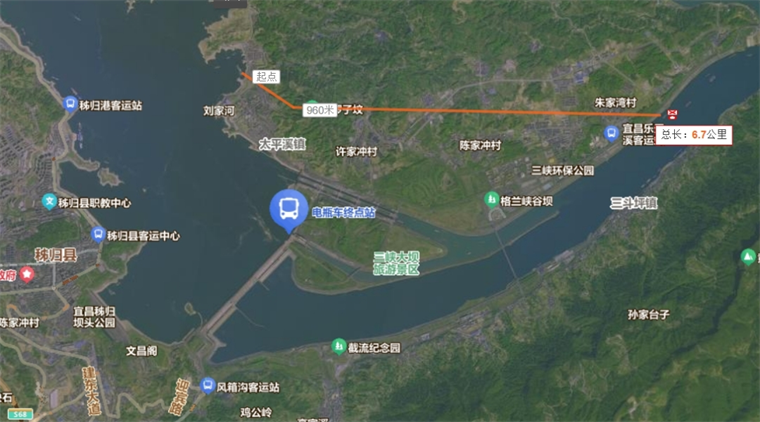
Core Viewpoint - The construction of the new Three Gorges Waterway project is a significant strategic initiative aimed at enhancing the shipping capacity and efficiency along the Yangtze River, addressing the urgent demand for increased cargo transport due to rapid economic growth in the upstream regions [3][16]. Group 1: Project Overview - The National Development and Reform Commission has approved the feasibility study for the Three Gorges Waterway New Channel project, which integrates water conservancy, shipping, and ecological functions [3]. - The project includes the construction of a new waterway and the expansion of the Gezhouba shipping capacity, with a total static investment of approximately 76.6 billion yuan and a construction period of 100 months [7]. - The new channel aims to double the throughput capacity from the existing 100 million tons to nearly 180 million tons, addressing the bottleneck caused by the current Three Gorges lock system [7][8]. Group 2: Economic Impact - The Three Gorges Waterway New Channel is expected to significantly boost the economic development of the Yangtze River Economic Belt, facilitating smoother material flow and industrial collaboration between regions [16]. - The project will particularly benefit the Chengdu-Chongqing economic circle, where over 90% of foreign trade goods rely on inland shipping, enhancing the shipping capacity of Chongqing port and reducing logistics costs [17]. - The automotive industry in Chongqing, which produced 2.54 million vehicles in 2023, will particularly benefit from improved shipping routes, allowing for faster and more cost-effective transportation of goods [18]. Group 3: Historical Context and Delays - Discussions about the need for a second lock at the Three Gorges began around 2016, but progress was delayed due to local economic interests and the development of the "bypass logistics" industry [13][14]. - The existing Three Gorges lock has been overwhelmed by cargo demand, with throughput exceeding 150 million tons annually since 2022, leading to significant delays and increased operational costs for shipping companies [9][10]. - The rapid economic growth in the upstream regions, particularly in the Chengdu-Chongqing area, has outpaced initial projections, necessitating the urgent development of the new waterway [8][12]. Group 4: Future Prospects - The new waterway is anticipated to serve as a "shot in the arm" for the Yangtze River Economic Belt, enhancing regional collaboration and economic integration [16]. - The project aligns with national strategies for infrastructure development and is expected to play a crucial role in the transformation of local industries towards greener and smarter operations [22][28]. - The Three Gorges Waterway New Channel is positioned to become a vital link in the global supply chain, particularly for the automotive sector, facilitating quicker access to international markets [21].

交通运输部:目前全国已建成自动化集装箱码头23座
Zhong Guo Xin Wen Wang· 2025-06-27 05:23
Core Viewpoint - The Chinese government is focusing on the high-quality development of inland waterway transportation, emphasizing the construction of smart ports and smart waterways to enhance operational efficiency and service quality in the shipping industry [1][2]. Group 1: Achievements in Smart Port Development - In 2023, the Ministry of Transport released guidelines to accelerate the construction of smart ports and smart waterways, leading to significant advancements in the industry [1]. - Currently, there are 23 automated container terminals and 29 automated bulk cargo terminals established across the country, showcasing China's leadership in automation technology in port operations [1]. - Innovations such as 5G unmanned container trucks and automated remote control of rail and yard cranes have been widely adopted, improving operational efficiency and service effectiveness [1]. Group 2: Progress in Smart Waterway Construction - The national electronic navigation chart has been published for over 9,950 kilometers, with interconnectivity achieved among various waterways, including the Yangtze River and its tributaries [1]. - Regions like Jiangsu and Zhejiang have implemented streamlined vessel passage systems, allowing for efficient one-time declaration and integrated scheduling [1]. - The construction of smart waterways has made breakthroughs in integrated navigation and control systems, enhancing overall operational efficiency [1]. Group 3: Future Plans for Smart Transportation - The Ministry of Transport plans to focus on the intelligent transformation of water transport infrastructure, promoting collaboration among ships, ports, and waterways to enhance efficiency [2]. - Future initiatives include developing evaluation standards for smart port and waterway construction, and applying advanced technologies like digital twins and blockchain to improve operational management [2]. - The vision for the future includes fully automated ports with comprehensive smart services, enabling seamless navigation and coordination between vessels and shore operations [2].
水运提速,跑出“物流成本最低”
Xin Hua Ri Bao· 2025-06-23 21:01
Core Insights - The logistics cost advantage in Huai'an has been a key factor in enhancing industrial efficiency and promoting waterway development [2][3] - The Yangzhuang ship lock has seen a significant increase in annual ship throughput, doubling from 12 million tons to over 24 million tons since its establishment [1] - Huai'an has established a "Huai Water Nourishing Enterprises" party-building alliance to improve cross-departmental collaboration and streamline services for businesses [2] Infrastructure Development - Huai'an has accelerated the construction of waterway infrastructure, with a total investment of 2.015 billion yuan in 2024, increasing the proportion of waterway investment in total transportation investment from 9% in 2020 to 22% [3] - The city is currently undertaking 13 port and waterway projects, the highest number in its history, and is working on upgrading existing facilities to enhance logistics efficiency [3] Performance Metrics - From January to April this year, Huai'an achieved a port cargo throughput of 27.3042 million tons, representing a year-on-year growth of 10.6% [4] - The container throughput reached 177,200 TEUs, with a remarkable year-on-year increase of 106.6% in multimodal transport and a 77.4% increase in foreign trade container volume [5]
江苏百闸免费“满月” 减负成效几何?
Sou Hu Cai Jing· 2025-06-22 15:14
Core Viewpoint - The cancellation of toll fees for 101 ship locks in Jiangsu province, effective from May 1, significantly reduces operational costs for shipping companies and individual boatmen, enhancing the competitiveness of water transport in the region [1][4][12]. Group 1: Policy Impact - The cancellation of toll fees applies to 65.6% of the existing toll locks in Jiangsu, including 27 traffic locks, 73 water conservancy locks, and 1 agricultural lock [1]. - The policy has resulted in substantial savings for boatmen, with individual cases reporting monthly savings of several thousand yuan, leading to a more optimistic outlook for their operations [5][6]. - In the first month of the policy, the new locks saved a total of 472.58 million yuan for 6076 individual boats, demonstrating the immediate financial benefits of the toll cancellation [5]. Group 2: Operational Efficiency - The removal of toll fees has led to a significant increase in the volume of traffic through certain locks, with some reporting over 200% year-on-year growth in boat traffic [9]. - To manage the increased demand, Jiangsu is implementing smart navigation and control systems, including a centralized control center for locks and a new app for real-time navigation assistance [10][9]. - The average waiting time at the Suzhou Yushan lock has been significantly reduced despite a 33% increase in traffic, showcasing the effectiveness of operational optimizations [9]. Group 3: Economic Benefits - The Jiangsu waterway system, with a total length of 2616 kilometers, is crucial for the province's logistics, with an expected cargo volume of 740 million tons in 2024 [13]. - The cancellation of fees is expected to enhance the competitiveness of water transport, attracting more vessels to utilize Jiangsu's waterways and accelerating the integration of the provincial waterway network [12][14]. - Companies like Huai Steel have reported a decrease in transportation costs by 1.08 yuan per ton, translating to annual savings of approximately 2.7 million yuan, which is 2% of their annual water transport costs [6][12].
总里程超600万公里!我国综合立体交通网主骨架基本形成
Ren Min Ri Bao· 2025-06-13 03:16
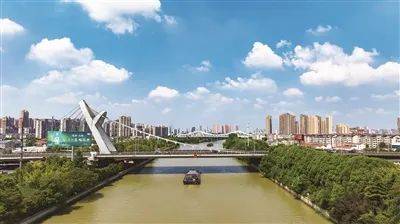
Core Viewpoint - The construction of a strong transportation system in China has made significant progress in recent years, with a focus on high-quality development and the establishment of a comprehensive transportation network [2][3]. Infrastructure Development - China's comprehensive transportation network has exceeded 6 million kilometers, connecting over 80% of counties and serving approximately 90% of the economy and population [2]. - As of the end of last year, the railway operating mileage reached 159,000 kilometers, with over 45,000 kilometers of high-speed rail; the total length of highways reached 5.4368 million kilometers, including 183,600 kilometers of expressways [2]. - Inland waterway navigation mileage is 128,200 kilometers, with 15,400 kilometers of class three and above waterways; there are 22,023 productive port berths, including 2,878 berths for vessels of 10,000 tons and above [2]. Transportation Efficiency - Daily transportation volumes have increased, with approximately 150 million tons of goods and 445 million express parcels delivered each day in 2023 [4]. - The railway sector has improved service levels, enhancing both passenger and freight transport capabilities [4]. - The civil aviation sector has seen a 13.4% year-on-year increase in flight volume, with an on-time performance rate exceeding 80% for six consecutive years [5]. Logistics and Cost Reduction - The logistics cost as a percentage of GDP decreased by 0.3 percentage points compared to the previous year, indicating improved efficiency in logistics operations [5]. - The proportion of freight volume from rail and water transport has increased by 1.4 and 3 percentage points, respectively, since 2017 [5]. Technological Innovation - Significant advancements in transportation technology have been made, including the development of high-speed rail technology and the introduction of smart logistics solutions [7]. - The low-altitude economy is thriving, with over 14,000 drone companies and more than 225,000 licensed drone operators in China [7]. - The number of newly registered drones reached nearly 608,000 in the first half of this year, a 48% increase from the end of last year [7]. Future Initiatives - The Ministry of Transport plans to accelerate the construction of the "6 axes, 7 corridors, and 8 channels" framework and enhance the national comprehensive freight hub [3][6]. - Efforts will be made to lower logistics costs and improve efficiency through structural, systematic, and technological enhancements [6]. - The government aims to develop a robust low-altitude service guarantee system and improve infrastructure standards to support the growth of the low-altitude economy [8].
杭州为“水运复兴”立新规
Hang Zhou Ri Bao· 2025-06-04 03:03
杭州地处钱塘江、京杭运河、杭甬运河交汇枢纽,拥有航道里程2026公里,通航水域589.1平方公 里。5月29日,在市十四届人大常委会第二十七次会议上,《杭州市水上交通条例(草案)》(下称 《条例(草案)》)提交审议,旨在以地方立法为水运复兴、文旅融合等提供法治保障。 杭州在1998年出台了《杭州水上交通管理条例》《杭州市水上交通事故处理条例》两部地方性法 规,并先后制定了三部政府规章。近年来,相关上位法多次修改,对水上交通管理提出新要求,现行水 上地方性法规已不能适应构建现代化内河航运体系的发展需要。 《条例(草案)》坚持问题导向,结合杭州实际、发挥杭州优势,就上位法规定进行细化,同时针 对水上停靠点和水上活动区域管理要求进行明确。 《条例(草案)》不少细则颇具"杭州味"。例如,明确提出运用物联网、大数据、云计算、人工智 能等技术,提升水上交通管理智能化水平;健全相关信用管理制度,提升水上交通监管能力水平等。同 时为满足"后亚运"时期市民高涨的"亲水热情",对水上停靠点和水上活动区域管理进行明确。例如,明 确主管部门应当将水上停靠点布局纳入港区规划;通航市域内使用竹筏、橡皮艇、摩托艇等开展漂流、 游乐等水上活 ...
打通“中梗阻” 汉江航运驶向2000吨级
Ke Ji Ri Bao· 2025-06-04 01:50
近日,由湖北港口集团有限公司投资建设、中交二航局承建的汉江兴隆枢纽二线船闸工程主体结构 首仓混凝土顺利浇筑,标志着项目建设按下"快进键"。 兴隆枢纽二线船闸工程作为汉江首座2000吨级船闸,建成后将彻底扭转汉江航运"中梗阻"现状,实 现汉江提级扩能,助力形成"江海直达、干支联动"的物流网络。为聚力打造"水运上的湖北",畅通汉湘 桂内河航运大通道贡献力量。 据介绍,该工程是《交通运输部水运"十四五"发展规划》《湖北省综合交通运输发展"十四五"规 划》《湖北省水运发展"十四五"规划》的重点项目,位于潜江市兴隆枢纽右岸滩地,上距丹江口枢纽 351公里,下距河口266公里。 建设规模为单级单线Ⅱ级船闸,闸室有效尺度为300×34×5.6米。主要建设内容包括船闸、航道、桥 梁及其他配套工程。设计可通行船型为2000吨级货船、一顶二驳双排单列2000吨级船队,兼顾3000吨级 货船。上游主导航墙总长213.28米,共划分为13个结构段。本次浇筑的第4结构段底板,浇筑尺寸长15 米,宽14米,混凝土方量为315立方米。 "首仓混凝土浇筑是项目'桥闸同建'模式的关键节点,目前,二线船闸桥桩基施工进度已过半。"项 目负责人向继 ...