液化天然气

Search documents
The Kraft Heinz Company (KHC) Might Be Better Off With A Big Deal, Says Jim Cramer
Insider Monkey· 2025-09-12 19:24
Core Insights - Artificial intelligence (AI) is identified as the greatest investment opportunity of the current era, with a strong emphasis on the urgent need for energy to support its growth [1][2][3] - A specific company is highlighted as a key player in the AI energy sector, owning critical energy infrastructure assets that are essential for meeting the increasing energy demands of AI technologies [3][7][8] Investment Landscape - Wall Street is investing hundreds of billions into AI, but there is a looming question regarding the energy supply needed to sustain this growth [2] - AI data centers, such as those powering large language models, consume energy equivalent to that of a small city, indicating a significant strain on global power grids [2] - The company in focus is positioned to benefit from the surge in demand for electricity driven by AI, making it a unique investment opportunity [3][6] Company Profile - The company is described as a "toll booth" operator in the AI energy boom, collecting fees from energy exports and benefiting from the onshoring trend due to tariffs [5][6] - It possesses critical nuclear energy infrastructure assets, making it integral to America's future power strategy [7] - The company is noted for its ability to execute large-scale engineering, procurement, and construction projects across various energy sectors, including oil, gas, and renewables [7] Financial Position - The company is completely debt-free and has a cash reserve that is nearly one-third of its market capitalization, positioning it favorably compared to other energy firms burdened by debt [8] - It holds a significant equity stake in another AI-related company, providing investors with indirect exposure to multiple growth engines in the AI sector [9][10] Market Sentiment - There is a growing interest from hedge funds in this company, which is considered undervalued and off-the-radar, trading at less than seven times earnings [10][11] - The company is recognized for delivering real cash flows and owning critical infrastructure, making it a compelling investment choice in the context of the AI revolution [11][12] Future Outlook - The article emphasizes the importance of being part of the AI-driven future, suggesting that companies embracing AI will thrive while those resistant to change will falter [11][12] - The potential for significant returns is highlighted, with expectations of over 100% returns within 12 to 24 months for investors who act now [15]



减少对美依赖 加拿大宣布首批重点基建项目
Xin Hua She· 2025-09-12 07:46
Core Points - Canadian Prime Minister Carney announced the launch of five key infrastructure projects to address the impact of U.S. trade policies [1] - The total investment for these projects exceeds 60 billion CAD (approximately 43 billion USD) [1] - The projects include LNG plant expansion in British Columbia, small modular reactor construction in Ontario, Montreal port container terminal expansion, and two critical mineral development projects in Saskatchewan and British Columbia [1] - A future development project includes a high-speed rail line from Toronto to Quebec City [1] - Carney's government established a key project office in August to streamline regulatory assessments and financing support, aiming to reduce project approval times to within two years [1] - The initiative is a response to the economic impact of the Trump administration's trade policies, with Canada's GDP contracting by 1.6% year-on-year in Q2, marking the first decline in seven quarters [1] - The unemployment rate in August reached 7.1%, the highest level since 2016 outside of the pandemic [1] - Since taking office in March, Carney has emphasized the need for significant infrastructure investment and productivity improvements to revitalize the economy and reduce dependence on the U.S. [1]
欧洲高呼“制裁”,却买走“近50%”的俄罗斯LNG,原因是啥呢?
Sou Hu Cai Jing· 2025-09-10 16:24
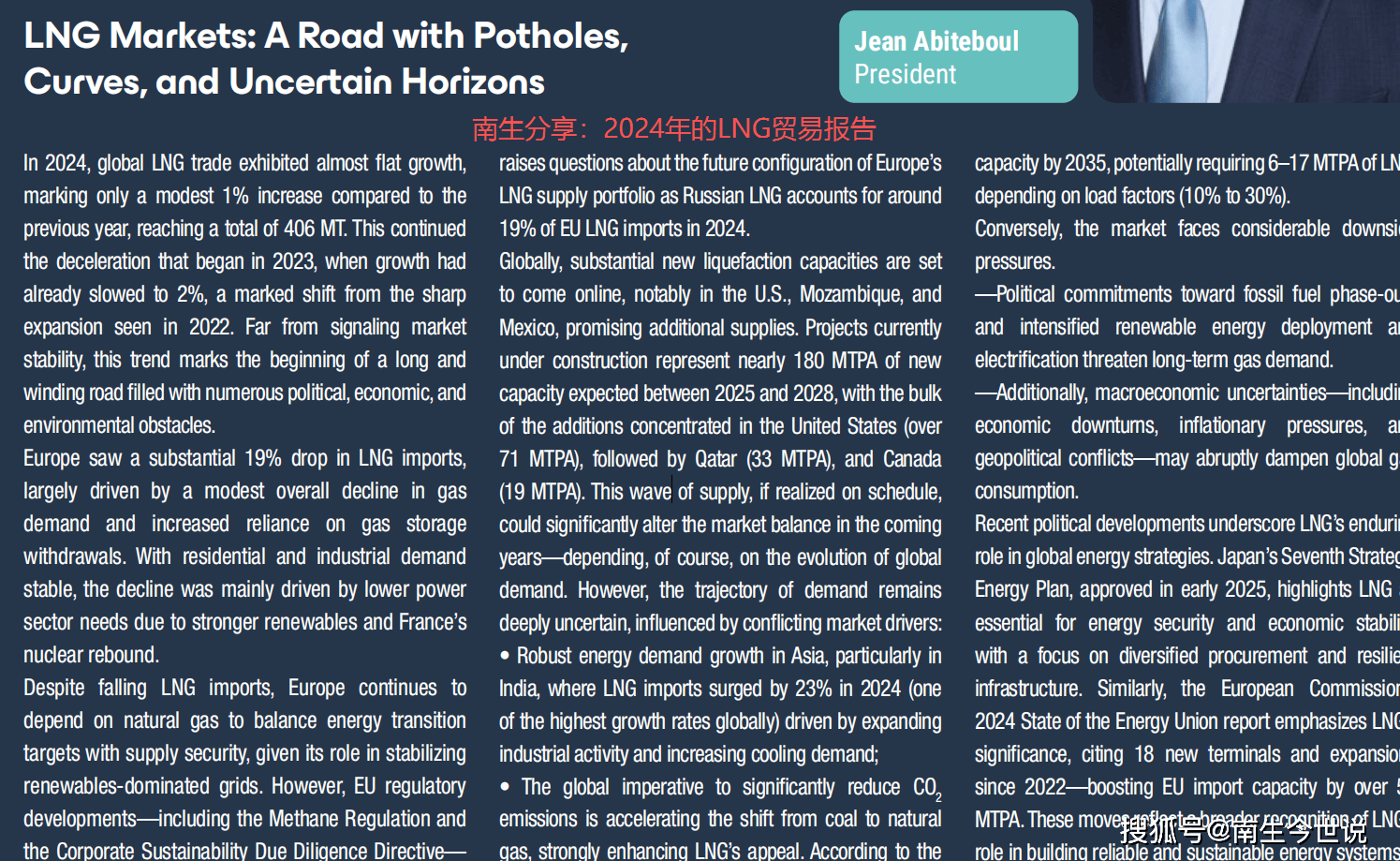
全球液化天然气(LNG)贸易格局在2024年呈现出一种微妙的僵持——总体贸易量仅微弱增长1%,达到4.06亿吨,但区域动态却呈现"冰火两重天":亚洲 市场的需求蓬勃增长,欧洲进口骤然降温。 在这一背景下,俄罗斯的LNG产业却展现出了惊人的韧性,出口策略更像是在地缘政治钢丝上完成的一次精准平衡表演。 全球格局:美澳稳坐龙头,亚洲驱动增长 要理解俄罗斯的地位,必先看清全球棋局。2024年,美国以8500万吨的出口量稳固了其全球最大LNG供应国的地位,但长达六年的两位数增长宣告结束, 增速归零。 澳大利亚作为第二大LNG出口国,出口量稳定在7900万吨。目前面临的主要问题是项目老化问题日益凸显,生产屡受中断困扰,气田产量自然递减。尽管 挑战严峻,但澳大利亚也展现出一定的韧性。 排名第三的是卡塔尔,2024年的出口量为7800万吨,81%出口至亚洲,对欧洲出口持续下降——占比下滑至13%。亚洲市场通常愿意为LNG支付更高的溢 价,这就是所谓的"亚洲溢价"。 卡塔尔将灵活的现货和短期合同货物转向出价更高的亚洲,是追求商业利益最大化的自然选择。报告指出,因其在欧洲持有的再气化产能提供的灵活性,使 得这种货物转移成为可能。 ...
洋口港成功迎靠第800艘LNG船舶 清洁能源枢纽能级持续提升
Yang Zi Wan Bao Wang· 2025-09-10 13:25
Core Insights - The successful docking of the Bahamian LNG carrier "Diamond" at the Jiangsu LNG receiving station marks the 800th LNG vessel to dock at the Yangkou Port since its operation began in 2011, reinforcing its status as a key clean energy hub in the Yangtze River Delta [1][3] Group 1: LNG Transportation and Infrastructure - The "Diamond" vessel is 297.16 meters long and 46.4 meters wide, carrying 72,500 tons of liquefied natural gas (LNG), which can meet the daily gas consumption of approximately 190 million households [3] - The Jiangsu LNG receiving station is the largest and most capable clean energy hub in the Yangtze River Delta, with six LNG storage tanks totaling a capacity of 1.08 million cubic meters, having received over 67 million tons of LNG and supplied over 90 billion cubic meters of natural gas since its inception [3] Group 2: Maritime Safety and Support - LNG requires cooling to about -163°C for transportation, making it highly hazardous and exclusive, thus necessitating focused monitoring and support from maritime authorities [5] - The Nantong Maritime Bureau has implemented tailored support services for LNG vessels, including green channels and real-time monitoring through information technology, significantly improving the efficiency of vessel entry and exit at the port [5] Group 3: Economic Development and Future Goals - The Yangkou Port Economic Development Zone is actively developing the LNG clean energy industry, attracting major energy projects such as the Jiangsu LNG receiving station and others, aiming to establish a leading LNG receiving, storage, supply, and sales base both nationally and globally [7] - The Nantong Maritime Bureau is committed to balancing development and safety, providing robust maritime support for clean energy transportation, and contributing to the achievement of carbon neutrality goals and the development of new marine productivity [7]

NextDecade secures full funding for Train 4 at Rio Grande LNG
Yahoo Finance· 2025-09-10 11:14
Core Insights - NextDecade has made a positive final investment decision (FID) for Train 4 of the Rio Grande LNG project, securing complete funding and issuing a full notice to proceed under a turnkey EPC contract [1][2] Company Developments - The expected LNG production capacity for Train 4 is approximately 6 million tonnes per annum (mtpa), contributing to a total of around 24 mtpa at the Rio Grande LNG site [2] - Train 4's expansion is supported by 20-year LNG sale and purchase agreements (SPAs) with major companies, totaling 4.6 mtpa, with a projected date of first commercial delivery in the latter half of 2030 [3] - The estimated expenses for Train 4 and its associated infrastructure are around $6.7 billion [3] Financial Arrangements - Upon financial close, NextDecade received $98 million for establishment costs and management services related to Train 4, with an additional $50 million expected on September 9, 2026 [4] - The company holds a 40% economic interest in Train 4, which will increase to 60% once financial investors achieve certain returns, and secured $1.33 billion in term loans for equity funding commitments [4] Future Projects - The commercialization of Train 5 is complete, backed by 4.5 mtpa of 20-year LNG SPAs with JERA, EQT, and ConocoPhillips [5] - A lump-sum, turnkey EPC contract for Train 5 was signed with Bechtel, with the pricing validity period extended to align with the anticipated positive FID in the fourth quarter of 2025 [5][6] - The construction of Train 5 is planned to be funded with approximately 60% debt and 40% equity at the project level [6]
中国跟俄罗斯谈好的生意,美国想要截胡,对俄开出难拒绝的条件?
Sou Hu Cai Jing· 2025-09-03 03:11
Core Viewpoint - The ongoing negotiations surrounding Russia's Arctic LNG 2 project have become a focal point of geopolitical competition, particularly between the U.S. and Russia, with the U.S. proposing to supply critical equipment to the project during peace talks related to Ukraine [1][3]. Group 1: Project Overview - The Arctic LNG 2 project is crucial for Russia's ambition to capture a larger share of the global LNG market, with an expected annual production capacity of 19.8 million tons upon full operation [5]. - The project has faced significant challenges due to Western sanctions, which have restricted international financing, led to the withdrawal of original investors, and limited the import of essential equipment [5]. Group 2: U.S. Strategic Intentions - The U.S. aims to weaken the strategic partnership between China and Russia by intervening in this key energy project, which has seen deep cooperation between the two nations [7]. - By potentially controlling the technological standards of the project, the U.S. seeks to secure substantial orders for its companies while simultaneously constraining Russian energy exports, effectively achieving dual objectives [7]. Group 3: Challenges to U.S. Proposals - Russia remains cautious about U.S. commitments, as any temporary easing of sanctions could be reversed under the pretext of "human rights" or "democracy" concerns [7]. - China's technological advantages in the project, particularly in core modules and Arctic LNG technology, present a competitive edge over U.S. solutions, making it difficult for the U.S. to replace Chinese involvement [7]. Group 4: Broader Implications - This geopolitical struggle reflects significant changes in the global energy landscape, where traditional energy powers attempt to maintain dominance through political means, while emerging cooperation models are reshaping the rules of the game [9]. - The outcome of Russia's decision regarding the Arctic LNG 2 project will have implications beyond the project itself, potentially affecting the geopolitical landscape of the Eurasian continent [9].
中美关税战,最大赢家已出现?特朗普没料到,订单全被盟友抢走了
Sou Hu Cai Jing· 2025-08-30 07:33
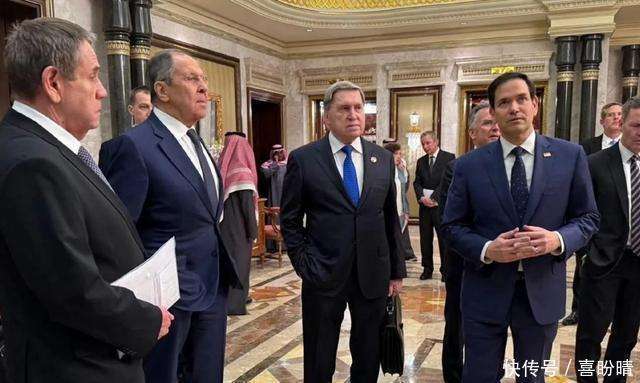
Core Viewpoint - The article discusses how Australia has unexpectedly benefited from the US-China trade war, seizing market opportunities that were previously dominated by the US, leading to a record export value to China in 2024. Group 1: Trade War Dynamics - The US-China trade war began in 2018, with the US imposing tariffs on Chinese goods amounting to $60 billion, aiming to change trade rules but inadvertently harming its own interests [1][3] - China retaliated with equal tariffs on US goods, escalating the trade conflict, with tariffs on US goods reaching as high as 145% by April 2025 [5][9] Group 2: Australia's Economic Gains - Australia capitalized on the US's loss of market share in China, particularly in coal, agricultural products, and liquefied natural gas, leading to a surge in exports [7][9] - In 2024, Australia's exports to China reached a record $140.5 billion, with significant increases in iron ore, coal, and wine [9][11] Group 3: Geopolitical Context - Australia's unique position as a resource-rich country with a small population makes it heavily reliant on exports, with over 30% of its total exports going to China in 2023 [13][15] - The trade relationship with the US is characterized by a trade deficit for Australia, as it imports more from the US than it exports [15] Group 4: Diplomatic Strategies - The current Australian Prime Minister Albanese has shifted towards a more pragmatic approach in foreign relations, emphasizing economic cooperation with China while maintaining security ties with the US [19][23] - This dual strategy has allowed Australia to benefit economically from China while still aligning with US interests in regional security [19][25] Group 5: Future Considerations - The article raises concerns about the sustainability of Australia's economic gains, suggesting that a potential resolution of the trade war or changes in US tariff policies could diminish Australia's market advantages [25][27] - The long-term viability of Australia's strategy in balancing relations between the US and China remains uncertain, likening its position to a performer navigating between two powerful entities [27]

中方代表访美之际,特朗普放狠话,美油进口归零,中方已备好对策
Sou Hu Cai Jing· 2025-08-29 00:26
Core Insights - The article discusses the significant decline in U.S. energy exports to China, marking a complete halt in exports of crude oil, LNG, and coal, which is a historic first since the trade war began in 2019 [1][2] - The U.S. energy sector is facing a profound restructuring of trade dynamics, with China successfully diversifying its energy sources away from the U.S. [1][7] Energy Export Decline - U.S. energy exports to China reached zero in mid-2025, with LNG imports halting for five consecutive months and crude oil imports dropping to zero for two months [1] - Coal trade plummeted from 135,000 tons in January to less than one ton by July, indicating a drastic decline in trade value [1] China's Strategic Response - China has implemented a multi-faceted energy diversification strategy, sourcing crude oil from Russia, Saudi Arabia, and the UAE, while also securing long-term LNG agreements with Australia [7][8] - The country has increased domestic coal production by 3.7% and is importing low-cost coal from Indonesia and Mongolia [8] Impact on U.S. Industries - The halt in energy exports has led to significant operational disruptions in U.S. energy sectors, with shale oil drilling platforms in Texas shutting down and natural gas processing plants in North Dakota ceasing operations [9] - The agricultural sector in the U.S. has also been severely impacted, with soybean exports to China plummeting by 97% and corn procurement dropping by 95% [10][11] Trade Negotiations and Tensions - Amidst these developments, U.S. political figures, including Trump, have attempted to leverage tariffs and threats to regain control over trade dynamics, but these efforts appear increasingly ineffective [2][14] - China's strong position in the rare earth market, controlling 90% of refining capacity, has become a critical leverage point against U.S. military and industrial interests [3][4][6] Global Trade Dynamics - The article highlights a shift in global trade patterns, with increased trade between China and ASEAN countries, as well as a growing trade network under the Belt and Road Initiative [16] - The U.S. is losing its grip on global trade, with only 13% of global imports occurring within its borders, while 87% of trade happens between non-U.S. countries [16]
特稿|创新进取 合作共赢——中阿经贸合作助力经济全球化进程
Xin Hua She· 2025-08-28 16:27
Core Viewpoint - The China-Arab Economic and Trade Cooperation is advancing steadily, showcasing resilience and vitality in the context of global economic downturn and rising protectionism, thus becoming an important force in promoting economic globalization and world economic growth [1] Group 1: Steady Progress in Cooperation - The energy trade between China and Arab countries continues to grow, with energy trade accounting for a significant portion of bilateral trade, particularly with Qatar being China's second-largest liquefied natural gas supplier [2] - Qatar Energy Company has signed long-term agreements with Chinese companies for liquefied natural gas, highlighting China's role as a key market for Qatari energy products [2] - The China-Egypt TEDA Suez Economic and Trade Cooperation Zone has become a model project for connecting the Belt and Road Initiative with Egypt's Suez Canal Economic Corridor, with ongoing expansion efforts [2][3] Group 2: Innovation and New Areas of Cooperation - China and Arab countries are accelerating cooperation in emerging fields such as wind power, photovoltaics, green low-carbon technologies, and digital economy, aligning with national development strategies [4] - The 200 MW photovoltaic power station project in Algeria is a key initiative for achieving the country's renewable energy goals, creating approximately 500 local jobs [4] - Saudi Arabia views strengthening cooperation with China as essential for achieving its Vision 2030, expanding collaboration beyond traditional energy sectors into renewable energy, technology, logistics, and advanced manufacturing [4] Group 3: Digital Economy as a New Frontier - The digital economy is emerging as a new avenue for China-Arab economic cooperation, with initiatives in artificial intelligence, cloud computing, and digital infrastructure [5] - In Egypt, the "One Network, One Cloud, One Platform" project is set to provide cloud computing services to 185 enterprises, enhancing the development of the digital economy [5] - China's Beidou system and IoT technology are significantly benefiting Egypt's computing infrastructure development [5] Group 4: Deepening Cooperation for Mutual Benefit - The China-Arab Expo has become a vital platform for deepening practical cooperation and promoting high-quality development of the Belt and Road Initiative, facilitating active exchanges across various levels [7] - China remains the largest trading partner for Arab countries, with increasing demand for products such as Saudi shrimp, Tunisian olive oil, and Egyptian oranges [7] - Chinese companies are actively participating in infrastructure projects in conflict-affected regions, such as the "Smart Oilfield" project in Iraq, which is enhancing oil and gas development efficiency [7]
这是“协议”还是欧盟的“损失控制文件”?
Yang Shi Xin Wen· 2025-08-24 00:44
Core Points - The EU and the US announced a new trade agreement detailing tariffs and market access, with the US imposing a 15% tariff on most EU goods while exempting certain products [1] - The EU committed to eliminating tariffs on US industrial goods and providing preferential market access for US seafood and agricultural products [1] - The EU plans to purchase $750 billion worth of US liquefied natural gas, oil, and nuclear products by 2028, along with $40 billion in US AI chips [1][2] Group 1 - The US will impose a 15% tariff on most EU imports, while certain natural resources, aircraft, and generic drugs are exempt [1] - The EU will eliminate tariffs on US industrial products and provide preferential access for US seafood and agricultural goods [1] - The EU aims to significantly increase its procurement of US military and defense equipment [1] Group 2 - The agreement has raised concerns about fairness, with critics arguing it disproportionately favors the US [4][8][16] - There are unresolved issues regarding steel and aluminum tariffs, with no clear solution provided in the agreement [9] - The digital regulatory divide remains a significant point of contention, with no substantial progress made in this area [11] Group 3 - The agreement has been described as a "terrible, complete surrender" by some EU officials, highlighting the lack of reciprocity [8] - Concerns have been raised about the potential negative impact on European growth and employment due to the perceived imbalance in the agreement [16] - The agreement lacks legal binding, raising questions about its long-term viability and enforcement [20][23] Group 4 - The EU is expected to initiate legislation to ensure the US commits to reducing auto tariffs retroactively [23] - The agreement is seen as a "loss control document" for the EU, reflecting its dependency on the US [23][25] - Future negotiations are anticipated to address a fair and balanced trade agreement, although skepticism remains about the EU's leverage [25]