
饮料

Search documents
千亿消费龙头再战港交所!“现金奶牛”缺钱了?
格隆汇APP· 2025-10-12 10:00
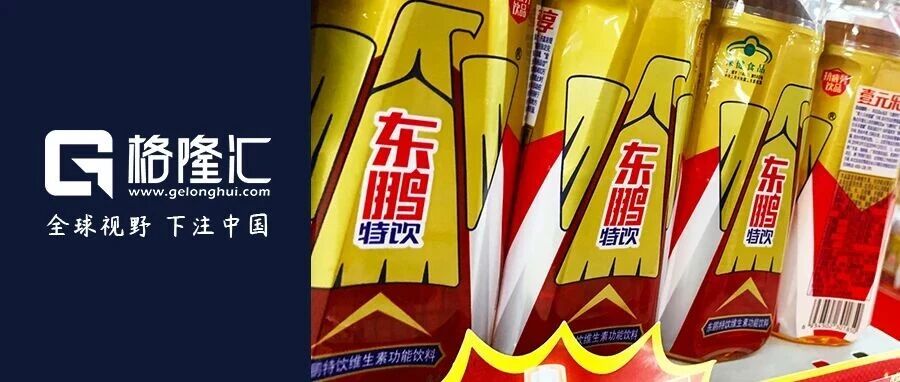
Core Viewpoint - Dongpeng Beverage is seeking to go public in Hong Kong despite having sufficient funds, indicating a strategic move for overseas expansion and brand development [3][20][21]. Group 1: Company Performance - Dongpeng Beverage's revenue grew from 6.978 billion yuan in 2021 to 15.839 billion yuan in 2024, doubling in this period [9]. - Net profit increased from 1.193 billion yuan to 3.327 billion yuan, with a year-on-year growth rate of 63.09% in 2024 [10]. - By the end of 2024, the company's cash and cash equivalents reached 5.653 billion yuan, with trading financial assets of 4.897 billion yuan, totaling over 10.5 billion yuan [18]. Group 2: Market Position - Dongpeng Beverage holds a 47.9% market share in the domestic energy drink market as of 2024, making it the leading player in this segment [5]. - The company's stock price surged from an initial offering price of 46.27 yuan in 2021 to over 300 yuan, with a market capitalization exceeding 160 billion yuan [6]. Group 3: Financial Strategy - Dongpeng plans to raise approximately 1.493 billion yuan through its Hong Kong IPO for overseas expansion and capacity building [20]. - Despite increasing short-term liabilities from 2.996 billion yuan in 2023 to 6.551 billion yuan in 2024, the company continues to distribute high dividends, with a payout of 2.3 billion yuan in 2024 [24][28]. Group 4: Product Diversification - The company is pursuing a "1+6 multi-category strategy," focusing on its core product, Dongpeng Special Drink, while expanding into six new categories [45]. - Revenue from the electrolyte drink "Bushuila" grew nearly 280% in 2024, reaching close to 1.5 billion yuan, although it still accounts for less than 10% of total revenue [50][52]. Group 5: Industry Outlook - The Chinese functional beverage market is expected to grow at a compound annual growth rate of 8.3% from 2019 to 2024, indicating significant growth potential [71]. - In 2024, the per capita consumption of functional beverages in China was 9.9 liters, significantly lower than in developed countries, suggesting room for market expansion [74].

宗馥莉,这件事没处理好
盐财经· 2025-10-12 09:53
Core Insights - The article discusses the power struggle within Wahaha Group, focusing on the roles of the controlling entities: Hongsheng Group, Wahaha Group, and the state-owned shareholder holding 46% of the shares [2][3][18] - The resignation of Zong Fuli marks a significant shift in the company's leadership dynamics, as she transitions from a prominent successor to a figure sidelined in brand control [3][4][7] Group 1: Leadership Changes - Zong Fuli resigned from her key positions in Wahaha Group, including legal representative and chairman, after only one year of nominal leadership [7][9] - Her departure was formalized in a board meeting on October 10, where Xu Simin was appointed as the new general manager, leaving the chairman position vacant [7][10] - Zong Fuli's tenure was characterized by rapid changes and a significant shift in the company's operational focus, moving from a comprehensive operator to a trademark holder [10][11] Group 2: Business Strategy and Performance - Despite Zong Fuli's resignation, Wahaha Group reported a record revenue growth of 53% in 2024, the highest in its history, with Q1 2025 growth exceeding 30% [11][13] - The restructuring under Zong Fuli's leadership involved transferring core assets and resources to Hongsheng Group, which became the main production and sales force [10][11] - The article highlights the challenges of transitioning from an old operational framework to a new one, emphasizing the complexities of the existing stakeholder relationships and the need for reform [11][13] Group 3: Brand and Market Positioning - The trademark rights of "Wahaha" are a critical point of contention, as any use requires unanimous consent from all shareholders, limiting Zong Fuli's control [18][20] - Following her resignation, Zong Fuli initiated a new brand, "Wawa Xiaozong," aiming for ambitious sales targets of 30 billion, indicating her intent to establish a competitive presence in the market [34][36] - The emergence of "Wawa Xiaozong" is seen as a strategic move to navigate the constraints imposed by the existing corporate structure and to maintain relevance in the beverage industry [20][34]

宗馥莉与娃哈哈的“大乱斗”
Zhong Guo Jing Ying Bao· 2025-10-12 09:49
Core Viewpoint - The resignation of Zong Fuli from her positions at Wahaha Group marks a significant shift in the company's leadership and strategy, indicating her intention to focus on her new brand "Wah Xiaozong" while raising concerns about the future of Wahaha Group amidst internal conflicts and external competition [1][2][3]. Group 1: Leadership Changes - Zong Fuli has stepped down as chairman and general manager of Wahaha Group, marking her second resignation since the passing of founder Zong Qinghou [1]. - The new general manager appointed is Xu Simin, previously the legal department head of Hongsheng Group [5]. - Zong Fuli's departure is seen as a move to distance herself from Wahaha Group and concentrate on her independent brand, Wah Xiaozong [5]. Group 2: Internal Conflicts - Zong Fuli's tenure has been marked by significant management changes, including the replacement of senior executives and the transfer of distributors and sales operations to her controlled Hongsheng Group [2][3]. - Internal disputes have arisen, including legal actions from Zong Qinghou's children regarding inheritance issues and employee grievances related to restructuring [3]. - The restructuring efforts have led to a perception of weakened influence of the Zong family within Wahaha Group [2][3]. Group 3: Market Impact - The shift in management and strategy has prompted other brands, such as "Hu Xiaowa" and "Wah Xiaozhi," to emerge, potentially competing directly with Wahaha [6]. - The new brands are positioning themselves to offer lower prices and challenge Wahaha's market presence, indicating a fragmentation of the brand's influence [6]. - The competitive landscape is expected to intensify as new brands continue to emerge, potentially diminishing Wahaha's brand equity [6].
食品饮料周观点:秋糖在即,关注品类、渠道等边际反馈-20251012
GOLDEN SUN SECURITIES· 2025-10-12 09:43
Investment Rating - The report maintains an "Increase" rating for the food and beverage industry [5] Core Views - The upcoming autumn sugar festival is expected to provide insights into brand strategies, product matrices, and channel transformations in the liquor sector, particularly focusing on new channel developments [2] - The report highlights that the white liquor sector is currently at a double bottom in terms of fundamentals and expectations, with further sales improvements anticipated during the Mid-Autumn Festival and National Day [2] - The beverage sector is seeing significant competition and innovation, with companies like East Peak Beverage accelerating their listing process on the Hong Kong Stock Exchange [3] Summary by Sections White Liquor - The autumn sugar festival will focus on terminal sales dynamics, inventory pricing, channel changes, and category expansion [2] - The report anticipates that Q3 financial results will show continued pressure release, with expectations for gradual improvement in sales and channel performance [2] Beer and Beverages - The report notes organizational changes at Lanzhou Yellow River, which has established a beverage division to seek higher growth [3] - The beer sector is entering a low season, and the report suggests focusing on stable growth leaders and key products [3] - East Peak Beverage's renewed application for a public listing indicates a fast-tracking of its dual listing strategy [3] Food Sector - The Mid-Autumn Festival and National Day have been identified as critical periods for consumer spending, with online sales leading the growth [4] - The report mentions that the sales of mooncakes reached 13.98 million boxes, a year-on-year increase of 1.75% [4] - Wanchen Group has received clearance from the State Administration for Market Regulation regarding its anti-monopoly review, allowing it to recover minority shareholder rights [4]
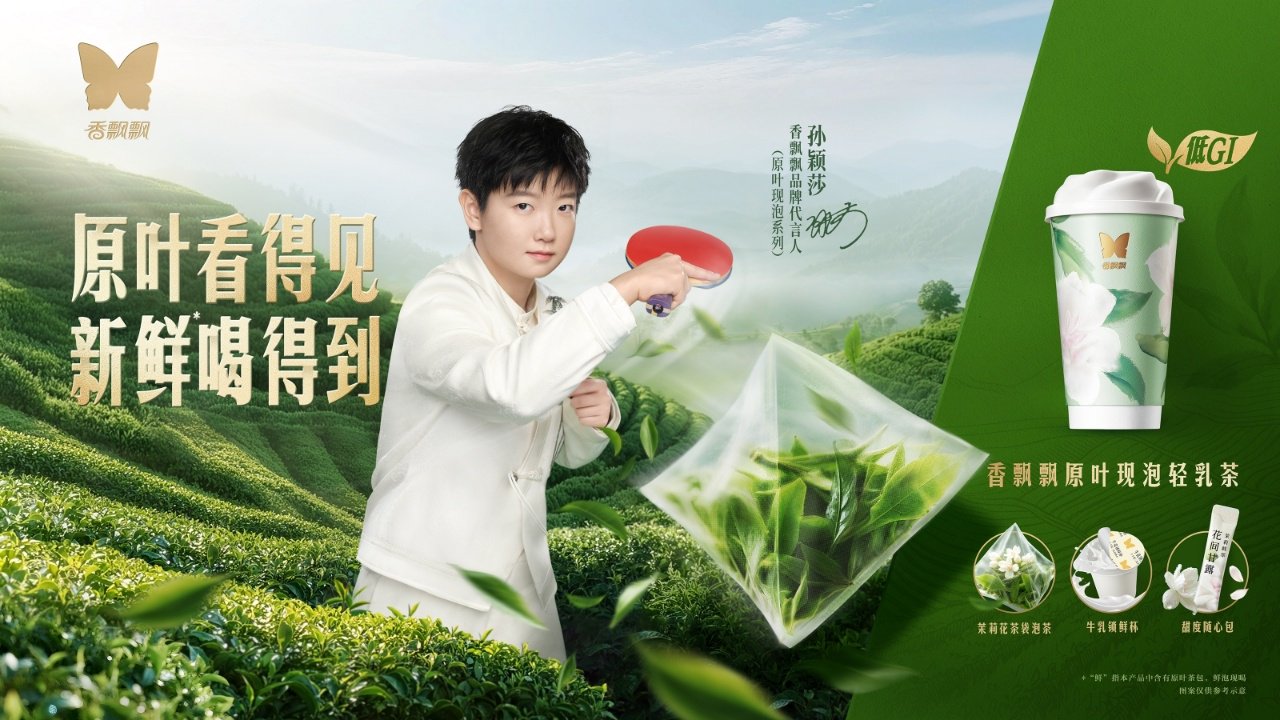
孙颖莎成为香飘飘品牌代言人
Jing Ji Guan Cha Wang· 2025-10-12 09:38
Group 1 - The core point of the article is that Xiangpiaopiao has officially announced Olympic champion Sun Yingsha as its brand ambassador, promoting its premium health drink series, which emphasizes "freshly brewed tea bags, real milk ingredients," and "light burden" [1] - The brand aims to explore new health strategies through this collaboration, providing high-quality products to more consumers [1] - In addition to the product promotion, the brand will offer various merchandise such as canvas bags, stickers, postcards, and interactive activities for fans [1] Group 2 - The promotional campaign includes a special package featuring 38 items for 229 yuan, highlighting the value proposition of the products [3] - The campaign also includes limited-time offers and gifts, such as a "Sasha Happy" gift box and a canvas bag, emphasizing scarcity and urgency in the promotion [3] - The promotional strategy is designed to attract consumers through engaging marketing tactics and exclusive merchandise [3]

行业周报:白酒动销承压分化,饮料零食凸显韧性-20251012
KAIYUAN SECURITIES· 2025-10-12 08:45
Investment Rating - The industry investment rating is "Positive" (maintained) [1] Core Viewpoints - The report highlights a decline in liquor sales during the recent double festival period, while new consumer categories maintain growth [3][11] - The food and beverage index experienced a slight decline of 0.2%, ranking 15th among 28 sectors, outperforming the CSI 300 by approximately 0.4 percentage points [11][13] - The liquor market is estimated to have seen an overall sales decline of 20% during the double festival, aligning with previous market expectations [11][12] Summary by Sections Weekly Insights - The report notes that the liquor market is facing two types of differentiation: scene differentiation, where banquet scenarios are supported by demand for gatherings, and price differentiation, where high-end and cost-effective products perform well [11][12] - The beverage sector shows resilience due to its essential consumption nature, with functional drinks aligning with health trends and outdoor activities [12] Market Performance - The beverage sector outperformed the liquor sector, with soft drinks (+4.9%), dairy products (+1.8%), and health products (+1.3%) leading the performance [11][13] - Individual stocks such as Zhuangyuan Pasture, Yangyuan Beverage, and Guangming Meat Industry showed significant gains, while brands like Huanlejia and Gujing Gongjiu faced declines [11][13] Upstream Data - Some upstream raw material prices have decreased, with the price of whole milk powder showing a year-on-year increase of 6.1% [17][21] - The price of fresh milk has decreased by 3.2% year-on-year, indicating a downward trend in domestic milk prices [17][21] Liquor Industry News - The report mentions the global launch of a new 25-degree product by Shanxi Fenjiu, highlighting the brand's commitment to quality and innovation [42] - The report also notes a significant increase in sales for the "Maopu" brand, which saw a 115% year-on-year growth in September [42] Recommended Portfolio - The report recommends stocks such as Guizhou Moutai, Shanxi Fenjiu, Ximai Food, Weilong Delicious, and Bairun Shares, emphasizing their growth potential and market positioning [4][46]



“有病去医院……”王老吉12个字怒怼加多宝
新浪财经· 2025-10-12 07:07
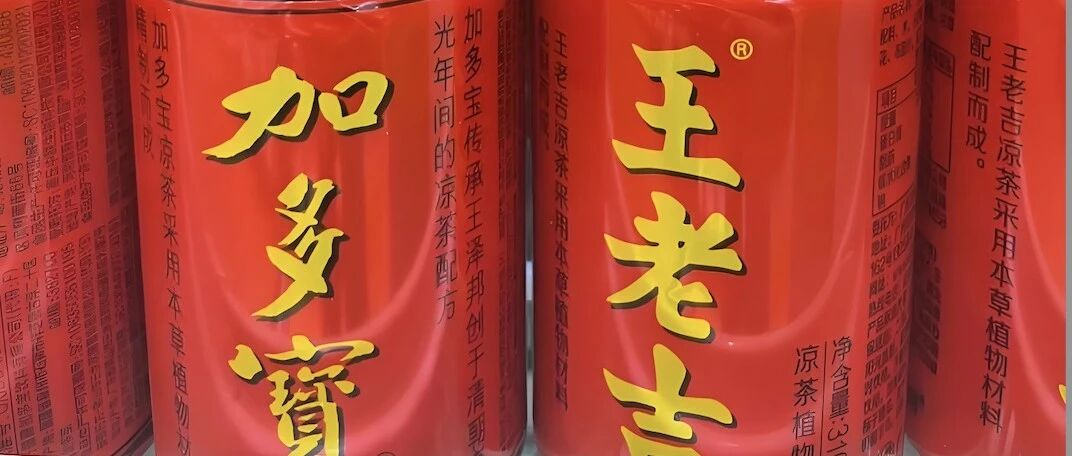
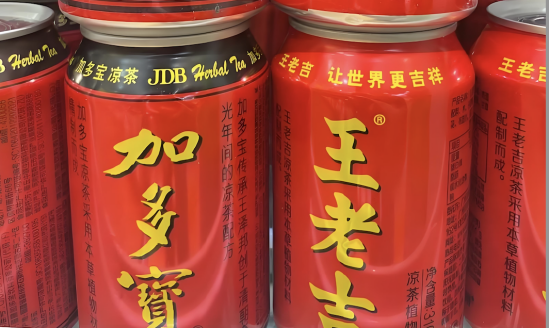
Core Viewpoint - The ongoing trademark dispute between Wanglaoji and JDB (Jiangsu Dahe Beverage) has intensified, focusing on the overseas trademark ownership of "Wanglaoji" [3][22]. Group 1: Trademark Dispute Developments - JDB recently claimed ownership of the overseas trademark rights for "Wanglaoji," citing victories in multiple legal cases in Canada and the EU [6][9]. - Wanglaoji responded sharply, asserting that the trademark rights belong to Guangzhou Pharmaceutical Group and accusing JDB of maliciously registering trademarks to hinder their international expansion [15][19]. - The dispute has historical roots dating back to 2011, with both companies engaging in a protracted legal battle over trademark rights [33][34]. Group 2: Legal Victories and Strategies - JDB's Multi Access Limited successfully defended its trademark rights in Canadian and EU courts, marking significant progress in its international branding strategy [7][9]. - JDB has established trademark rights in over 60 countries and regions, positioning itself as the legitimate rights holder for the "Wanglaoji" brand globally [11][14]. - Wanglaoji has also been proactive in its international strategy, launching the English brand "WALOVI" and expanding its product offerings to international markets [28][30]. Group 3: Market Position and Financial Performance - Wanglaoji reported a revenue of 6.499 billion yuan in the first half of 2025, reflecting an 8.38% year-on-year growth, with profits also increasing significantly [27]. - The plant-based beverage market is experiencing rapid growth, with a compound annual growth rate of nearly 10% from 2019 to 2024, indicating a favorable environment for both brands [31]. - As of June 2025, Wanglaoji holds a 46.33% market share in the plant beverage category in China, while JDB follows with 28.31% [31].
“有病去医院……”王老吉12个字怒怼加多宝
Xin Lang Cai Jing· 2025-10-12 06:43
Core Viewpoint - The ongoing trademark dispute between Wanglaoji and JDB has intensified, focusing on the overseas trademark ownership of "Wanglaoji" as both companies exchange statements and claims regarding their rights [2][4][9]. Group 1: Trademark Dispute - JDB recently claimed ownership of the overseas "Wanglaoji" trademark, citing victories in multiple legal cases in Canada and the EU [5][9]. - Wanglaoji responded sharply, asserting that the trademark rights belong to Guangzhou Pharmaceutical Group and accusing JDB of misleading the public [7][8]. - The dispute has historical roots dating back to 2011, with various legal battles and arbitration outcomes affecting both parties [12][14]. Group 2: Market Position and Strategy - Wanglaoji reported a revenue of 6.499 billion yuan in the first half of 2025, marking an 8.38% year-on-year increase, with profits also rising significantly [9]. - The company is actively expanding its international presence, having registered "Wanglaoji" and "WALOVI" trademarks in over 100 countries and regions [8][10]. - JDB is also pursuing international growth, having registered the "Wanglaoji" trademark in over 60 countries and emphasizing its marketing efforts to promote Chinese herbal tea globally [10][11]. Group 3: Industry Context - The plant beverage market is experiencing rapid growth, with a compound annual growth rate of nearly 10% from 2019 to 2024, indicating a favorable environment for both companies [11]. - As of June 2025, Wanglaoji holds a 46.33% market share in the plant beverage category, while JDB follows with 28.31% [11].
掏空了的娃哈哈回传国资,谁能接得住这个球?
Hu Xiu· 2025-10-12 06:36
Core Viewpoint - The resignation of Zong Fuli as the chairman and general manager of Wahaha Group marks a significant shift in the company's leadership, with the younger generation taking over amidst a backdrop of internal family conflicts and brand challenges [1][2][6]. Group 1: Leadership Changes - Zong Fuli has stepped down to focus on her own brand "Wah Xiaozong," while Xu Simin, born in 1994, has been appointed as the new general manager, leaving the chairman position vacant [1]. - The control of Wahaha has effectively returned to its largest shareholder, the Hangzhou State-owned Chengdu Cultural Tourism Group [1]. Group 2: Brand and Market Position - The brand "Wah Xiaozong" is seen as a forced choice for Zong Fuli, indicating a complete separation from Wahaha [2][3]. - The brand value of Wahaha, previously estimated at 90 billion, is now in jeopardy due to negative public perception and the collapse of the personal brands associated with the Zong family [12][13]. Group 3: Asset and Investment Considerations - Wahaha Group's actual assets are limited, with the Zong family retaining control over the production and sales, making it unattractive for potential investors [8][9]. - The complexity of separating the brand from the Zong family's operational control poses significant challenges for any prospective buyer, especially given the brand's tarnished reputation [10][19]. Group 4: Governance and Future Prospects - The governance structure requires unanimous consent from all shareholders for brand licensing, complicating any potential transition to new ownership [15]. - The current situation presents a challenging environment for any investor, with the risk of further brand devaluation and operational difficulties looming [17][20].
白云山旗下王老吉国际罐德国上市 亮相全球最大食品展Anuga
Zheng Quan Shi Bao Wang· 2025-10-12 04:45
Core Insights - Wanglaoji's WALOVI international can has been launched in Germany, marking a significant step in the brand's internationalization strategy in the European market [1][2] - The entry into the German market is seen as a crucial move to capture the growing demand for plant-based beverages in Europe [1] Group 1: Market Entry and Strategy - Wanglaoji's WALOVI international can is the first product launched overseas after its global release in August [1] - The company aims to deepen its market presence in Europe by establishing a multi-channel market network through large supermarkets and dining channels [2] - Germany is identified as a key market due to its status as Europe's economic center and its high standards in the food market [1] Group 2: Market Context and Consumer Trends - Germany's GDP is projected to reach $4.66 trillion in 2024, accounting for over 20% of the EU's total economic output [1] - There is a rising consumer focus on healthy eating in Germany, particularly for natural, low-sugar, and plant-based beverage categories [1] - The Anuga exhibition attracted over 170,000 professional visitors and featured around 7,800 exhibitors from over 100 countries, highlighting the global interest in food and beverage innovations [2]