化妆品

Search documents
中国严肃要求日方反思纠错,外交部:中日四个政治文件没有任何模糊、曲解的空间
Huan Qiu Shi Bao· 2025-11-17 22:36
Core Viewpoint - Japanese Prime Minister Fumio Kishida's recent remarks regarding Taiwan have sparked strong backlash from China, leading to significant declines in the Japanese stock market, particularly in sectors heavily reliant on Chinese tourism [1][4][6]. Economic Impact - The Tokyo stock market experienced a continuous decline, with many stocks in the retail, transportation, and tourism sectors dropping over 10% [1][5]. - If the number of Chinese tourists to Japan decreases significantly, Japan's GDP could be reduced by 0.36%, equating to an economic loss of approximately 2.2 trillion yen [1][6]. - Chinese tourists account for about 25% of all visitors to Japan, and any reduction in their travel intentions could have a substantial negative impact on the Japanese economy [4][6]. Market Reactions - The Nikkei 225 index fell by over 1% at the market's opening, with notable declines in airline stocks (down 5.8%), sportswear brands (down 6.6%), and department stores (down 12%) [5]. - Reports indicate that many reservations in Osaka, a city that typically hosts a large number of Chinese tourists, have been canceled, raising concerns among local businesses about potential long-term economic impacts [5]. Diplomatic Developments - Japan's Foreign Ministry is attempting to negotiate with China regarding Kishida's comments, with officials expressing concerns about the potential for reduced people-to-people exchanges between the two countries [2][3]. - The Japanese government has stated that it has lodged formal protests against China's response, emphasizing the need to maintain constructive bilateral relations [2][3]. Political Reactions - There is growing criticism within Japan regarding Kishida's statements, with some politicians warning that his remarks could lead to a "national crisis" for Japan, affecting trade and diplomatic relations with China [7]. - Analysts suggest that Kishida's comments reflect a broader strategic anxiety within Japan regarding its military posture and relations with China, indicating a potential shift towards a more aggressive stance [7].
上海姿美兮化妆品有限公司成立 注册资本8780万人民币
Sou Hu Cai Jing· 2025-11-17 21:54
天眼查App显示,近日,上海姿美兮化妆品有限公司成立,法定代表人为刁天峰,注册资本8780万人民 币,经营范围为一般项目:化妆品零售;化妆品批发;日用化学产品销售;传统香料制品经营;品牌管 理;市场营销策划;日用品销售;工艺美术品及礼仪用品销售(象牙及其制品除外);美发饰品销售; 互联网销售(除销售需要许可的商品)。(除依法须经批准的项目外,凭营业执照依法自主开展经营活 动)。 ...
上海盛雅素化妆品有限公司成立 注册资本8780万人民币
Sou Hu Cai Jing· 2025-11-17 21:54
天眼查App显示,近日,上海盛雅素化妆品有限公司成立,法定代表人为刁天峰,注册资本8780万人民 币,经营范围为一般项目:化妆品零售;化妆品批发;日用化学产品销售;传统香料制品经营;品牌管 理;市场营销策划;日用品销售;工艺美术品及礼仪用品销售(象牙及其制品除外);美发饰品销售; 互联网销售(除销售需要许可的商品)。(除依法须经批准的项目外,凭营业执照依法自主开展经营活 动)。 ...
珀莱雅化妆品股份有限公司关于发行H股备案申请材料获中国证监会接收的公告
Shang Hai Zheng Quan Bao· 2025-11-17 20:39
Core Viewpoint - The company, Proya Cosmetics Co., Ltd., has submitted an application for the issuance of H-shares and listing on the Hong Kong Stock Exchange, which has been accepted by the China Securities Regulatory Commission (CSRC) [1][2]. Group 1 - The company submitted its application for H-share issuance and listing on October 30, 2025, and published the application materials on the Hong Kong Stock Exchange website [1]. - The application materials for the issuance and listing have been accepted by the CSRC, indicating progress in the regulatory process [1][2]. - The company is required to obtain approvals from various regulatory bodies, including the CSRC, the Hong Kong Securities and Futures Commission, and the Hong Kong Stock Exchange, which introduces uncertainty regarding the completion of the listing [2].

24项举措激发万亿化妆品市场新活力
Zhong Guo Zheng Quan Bao· 2025-11-17 20:12
Core Viewpoint - The National Medical Products Administration (NMPA) has released an opinion aimed at deepening the reform of cosmetics regulation and promoting high-quality development in the industry over the next 5 to 10 years, with 24 reform measures proposed to enhance innovation, optimize regulation, and support the industry [1][2]. Group 1: Industry Overview - China is the world's largest cosmetics market, with over 20,000 cosmetics companies and 4.6 million registered special cosmetics varieties, alongside 2.291 million filed ordinary cosmetics varieties [1]. - The domestic cosmetics market is projected to exceed 1 trillion yuan in transaction value by 2024, with domestic brands holding a market share of 55.2% [1]. Group 2: Support for Innovation - The opinion emphasizes support for raw material technology innovation, which is crucial for product safety and efficacy, and includes measures to enhance the innovation of raw materials [2]. - The NMPA has introduced nine measures to support raw material research and registration, and further optimizations are proposed to improve the classification management and technical evaluation system for new raw materials [2]. Group 3: Regulatory Reforms - The opinion allows international cosmetics to bypass the submission of market approval documents, facilitating faster market entry for new products and enhancing consumer access to global beauty trends [3]. - A series of specific measures to optimize registration and filing management have been introduced, including simplifying application materials and allowing similar products to share safety and efficacy evaluation data [4]. Group 4: Review Mechanism Optimization - The establishment of a collaborative review mechanism at national and provincial levels aims to streamline the review process, reducing the review time for high-risk changes from 90 to 60 working days and for low-risk changes from 45 working days [4]. - The NMPA plans to implement these reforms within three years, focusing on enhancing the production quality management systems of cosmetics companies to drive high-quality industry development [4].
国家药监局发文深化化妆品监管改革 24项举措激发万亿化妆品市场新活力
Zhong Guo Zheng Quan Bao· 2025-11-17 20:11
Core Viewpoint - The National Medical Products Administration (NMPA) has issued an opinion aimed at deepening the reform of cosmetics regulation and promoting high-quality development in the industry over the next 5 to 10 years, with 24 reform measures proposed to enhance safety and innovation in the cosmetics sector [1][2]. Group 1: Industry Overview - China is the world's largest cosmetics market, with over 20,000 cosmetics companies and 4.6 million registered special cosmetics varieties, alongside 2.29 million filed ordinary cosmetics varieties [1]. - The domestic cosmetics market is projected to exceed 1 trillion yuan in transaction value by 2024, with domestic brands holding a market share of 55.2% [1]. Group 2: Reform Measures - The opinion outlines 24 reform measures focusing on five areas: encouraging innovation, optimizing registration and filing management, strengthening risk prevention across the supply chain, enhancing smart regulatory capabilities, and aligning regulations with international standards [2]. - Specific measures include supporting raw material innovation, establishing a classification management and technical evaluation system for new raw materials, and creating a collaborative mechanism for research and review to improve the quality of research and application [2]. Group 3: Regulatory Changes - The NMPA will set up a special review channel for new efficacy cosmetics, implementing immediate review processes and establishing a pre-consultation mechanism for registration applications, thereby adapting to new consumer demands and industry trends [3]. - The opinion allows international new cosmetics that meet certain criteria to bypass the requirement of submitting sales license proof, facilitating faster market entry and enhancing consumer access to global beauty products [3]. Group 4: Registration and Filing Reform - The opinion proposes specific measures to optimize registration and filing management, such as simplifying application materials and allowing similar products from the same brand to share safety and efficacy evaluation data [4]. - The review mechanism will be optimized, with a collaborative review system between national and provincial levels, and reduced review times for high-risk and low-risk registration changes [4]. - The NMPA plans to implement these reforms within three years, aiming to enhance the production quality management system in the cosmetics industry [4].
高市一语,日经危局
Sou Hu Cai Jing· 2025-11-17 19:10
Group 1 - The core viewpoint of the article highlights the negative impact of deteriorating Sino-Japanese relations on Japanese tourism and consumption stocks, leading to significant sell-offs in the market [1][3] - Major Japanese companies such as Shiseido and Isetan Mitsukoshi saw stock declines of approximately 10%, while Japan Airlines experienced a drop of over 5.8% during trading [1][3] - The warning from the Chinese government regarding travel to Japan could result in a decrease in Japanese tourism revenue by approximately 2.2 trillion yen [3] Group 2 - Japan's economy is showing signs of distress, with a reported annualized GDP decline of 1.8% in the third quarter, marking the first contraction in six quarters [3][5] - Exports of goods and services from Japan fell by 1.2% quarter-on-quarter, contributing negatively to economic growth [5] - The automotive sector, which exports about 30% of its products to the U.S., is particularly affected by new tariffs, leading to profit declines among major manufacturers like Toyota and Honda [5][4] Group 3 - The Japanese government is facing structural economic challenges, including declining technological competitiveness and labor shortages, which are exacerbated by inflation [5][4] - Political decisions under Prime Minister Suga have prioritized security over economic issues, potentially undermining market confidence in Japan's economic growth [5][7] - Efforts by Japanese officials to ease tensions with China, such as diplomatic visits, indicate a recognition of the economic risks associated with political provocations [6][7]

日本消费股地震:资生堂暴跌11%,旅游零售股集体重挫
Sou Hu Cai Jing· 2025-11-17 17:07
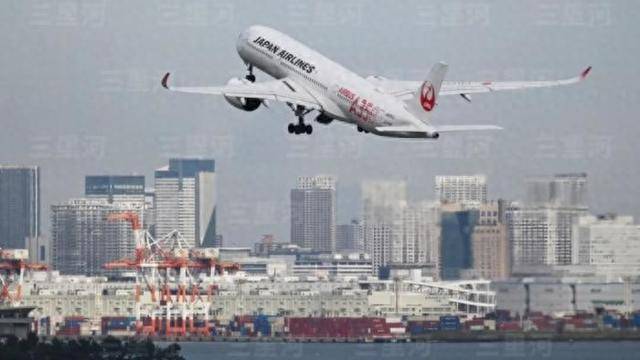
Group 1 - The Japanese stock market experienced a significant decline, with the Nikkei 225 index dropping over 1% and falling below 50,000 points, primarily affecting tourism and retail stocks [1][3] - Notable declines included Shiseido's stock, which fell 11%, and Pacific International Holdings, which saw an 8.9% drop, marking their largest single-day declines since April 2024 [1][3] - Major retail and tourism-related companies, such as Isetan Mitsukoshi and Uniqlo's parent company Fast Retailing, also faced substantial stock price drops, with declines exceeding 5% [3] Group 2 - The downturn in the stock market is attributed to deteriorating Sino-Japanese relations, with Chinese authorities issuing travel warnings to their citizens regarding travel to Japan [5][11] - Chinese tourists are crucial for Japan's tourism sector, accounting for nearly 20% of international visitors in 2024, with their spending representing 27% of total inbound consumption, amounting to approximately 2.1 trillion yen [7] - A significant reduction in Chinese tourists could lead to a GDP decrease of 0.36% for Japan, equating to an economic loss of about 2.2 trillion yen [7] Group 3 - Japan's economy is facing multiple challenges, including a 1.8% decline in real GDP for the third quarter, marking the first negative growth in six quarters, largely due to decreased exports and a sharp drop in private residential investment [9] - Analysts suggest that the recent travel warnings from China threaten Japan's retail sales growth, particularly for companies like Shiseido and Uniqlo, which rely heavily on Chinese consumers [11] - The Japanese government has set an ambitious target to increase annual inbound tourist numbers to 60 million by 2030, but this goal is now uncertain due to escalating political tensions with China [15]

加大扶持力度,促进化妆品产业高质量发展
Xuan Gu Bao· 2025-11-17 15:20
Core Viewpoint - The National Medical Products Administration of China has issued opinions to deepen cosmetic regulation reform and promote high-quality industry development, emphasizing support for the cosmetic industry and encouraging the launch of new products in China [1] Industry Summary - The Chinese cosmetic industry is transitioning from scale expansion to a high-quality phase driven by technology, efficacy, and sustainable development [1] - The market size of the cosmetic industry is projected to reach 1,073.8 billion yuan in 2024, with a steady growth rate of 5%-10% expected over the next five years [1] - Domestic brands have surpassed a 55% market share, leveraging Eastern aesthetic systems to promote cultural confidence and commercial value transformation [1] - The future of the cosmetic industry in China will focus on building competitive barriers through a "full industry chain ecosystem," enhancing research and development, deepening Eastern cultural aesthetics, and expanding global presence [1] Company Summary - Relevant A-share concept stocks mentioned include Beitaini and Shuiyang Co., Ltd. [1]

日本这些产业仰仗中国
Di Yi Cai Jing Zi Xun· 2025-11-17 15:08
Core Viewpoint - The recent provocative remarks by Japanese politicians regarding Taiwan have negatively impacted Japanese retail and consumer goods companies, leading to significant stock price declines, particularly for Shiseido, which saw an 11% drop [2]. Automotive Industry - Japanese automotive brands, particularly Lexus, Toyota, and Subaru, are increasingly reliant on the Chinese market, with Lexus imports reaching 138,412 units in the first nine months of the year, a 4% increase, although overall imports have been declining over the past four years [2]. - The market share of Japanese automakers in China has decreased to 11.2% in 2024, down 3.2 percentage points from 2023, with Toyota's sales dropping by 6.9% to 1.776 million units, Honda's sales down 30.9% to 852,000 units, and Nissan's sales down 12.2% to 696,000 units, marking the lowest levels since 2008 [3]. - If political tensions continue, Japanese automotive exports and local sales in China are expected to be significantly affected, with a noted decline in competitiveness for Japanese brands [4]. Consumer Electronics and Appliances - Japan's exports of home appliances to China have sharply decreased, with only about 50,000 units exported annually, including 30,000 refrigerators and 20,000 washing machines [5]. - The value of home appliance imports from Japan has declined from $1.016 billion in 2022 to $785 million in 2023 and is projected to be $708 million in 2024, indicating a downward trend in demand [5]. Sportswear Industry - ASICS, a prominent Japanese sports brand, has experienced rapid growth in China, with projected sales of approximately 5 billion yuan in 2024 and a sales growth rate of nearly 30%, outpacing most other major markets [6]. Alcohol and Beverage Industry - Japan ranks fourth in the import of spirits to China, with a total value of $3.0737 million in the first eight months of 2025, primarily driven by whiskey imports, which saw a 41.9% increase [7]. - Japanese sake exports to China have significantly increased over the past decade, with exports to mainland China and Taiwan growing by 495.9% and 165.9%, respectively, indicating a strong market presence [7]. Tourism Industry - The number of Chinese tourists visiting Japan is projected to exceed 6.98 million in 2024, a 187.9% increase, with Chinese tourists accounting for 20%-25% of total visitors [8]. - Chinese tourists are the largest spenders in Japan, contributing 1.73 trillion yen to the economy, which is 21.3% of total foreign tourist spending [9]. - The potential decline in Chinese tourists due to political tensions could lead to an estimated economic loss of 2.2 trillion yen for Japan, equivalent to approximately 101.16 billion yuan [9].