
智能眼镜

Search documents
小眼镜装着创新发展大门道 企业凭借“独家绝技”协作聚力释放经济新动能
Yang Shi Wang· 2025-11-03 07:39
Group 1 - The article emphasizes the importance of technological modernization as a foundation for China's modernization strategy, highlighting Guangdong's innovation-driven approach to overcoming technological bottlenecks [1] - Shenzhen produces over 50% of the country's AI glasses, showcasing its dominance in the smart eyewear sector with more than 70% of the R&D capabilities concentrated there [3] - The smart glasses feature advanced functionalities such as teleprompter, translation, and photography, enhancing the efficiency of journalists [5][12] Group 2 - The technology behind smart glasses has evolved, overcoming previous limitations related to image brightness and lens transparency through the use of "diffractive waveguide" technology [14][16] - The company has filed over 100 patents and is working on eliminating visible projection lines on lenses to improve aesthetics and production scalability [26][24] - The transition from a research team to an independent enterprise was facilitated by a policy change in 2020 that granted researchers ownership of their technological achievements, leading to significant funding and market recognition [31][33] Group 3 - The smart glasses market in Guangdong is characterized by collaboration among various companies, including traditional eyewear manufacturers and tech firms, to integrate optical, electronic, and manufacturing technologies [39][40] - The integration of core technologies has led to innovations that reduce costs and improve comfort, such as consolidating optical components to enhance performance [38] - The article highlights the collaborative efforts of companies in the Greater Bay Area to expand their global presence, exemplified by participation in international trade shows [40]


视频丨“工作搭子”升级了!看广东智能眼镜如何“玩转”纳米世界
Yang Shi Xin Wen Ke Hu Duan· 2025-11-03 06:10
Core Viewpoint - The article highlights the advancements in smart glasses technology in Guangdong, emphasizing the integration of innovation and collaboration among companies to overcome technical challenges and enhance product capabilities [2][30]. Group 1: Smart Glasses Technology - Guangdong produces over 70% of the AI glasses research and development in China, with Shenzhen being a major hub for smart glasses manufacturing [4]. - The smart glasses feature capabilities such as teleprompter, translation, and photography, showcasing their utility in daily tasks [10]. - The technology behind smart glasses involves complex optical engineering, specifically using diffraction waveguide technology to project images without compromising transparency [18][20]. Group 2: Company Innovations - Guangna Siwei (Guangdong) Optoelectronic Technology Co., Ltd. has developed a unique optical design that allows for high-quality image projection while maintaining lens clarity [16][22]. - The company has filed over 100 patents and is focused on eliminating visible projection boundaries on lenses, aiming for seamless integration of technology [22][29]. - The transition from a research team to an independent company was facilitated by government policies that granted intellectual property rights to researchers, significantly boosting their motivation and funding [25][29]. Group 3: Industry Collaboration - The article discusses the shift from individual efforts to collaborative development within the smart glasses industry, with companies pooling resources and expertise [38][40]. - Traditional eyewear companies are also entering the smart glasses market, leveraging their existing design and manufacturing strengths to enhance product comfort and functionality [37]. - The establishment of industry alliances aims to break down barriers between companies, fostering innovation and expanding global market reach [40][42].
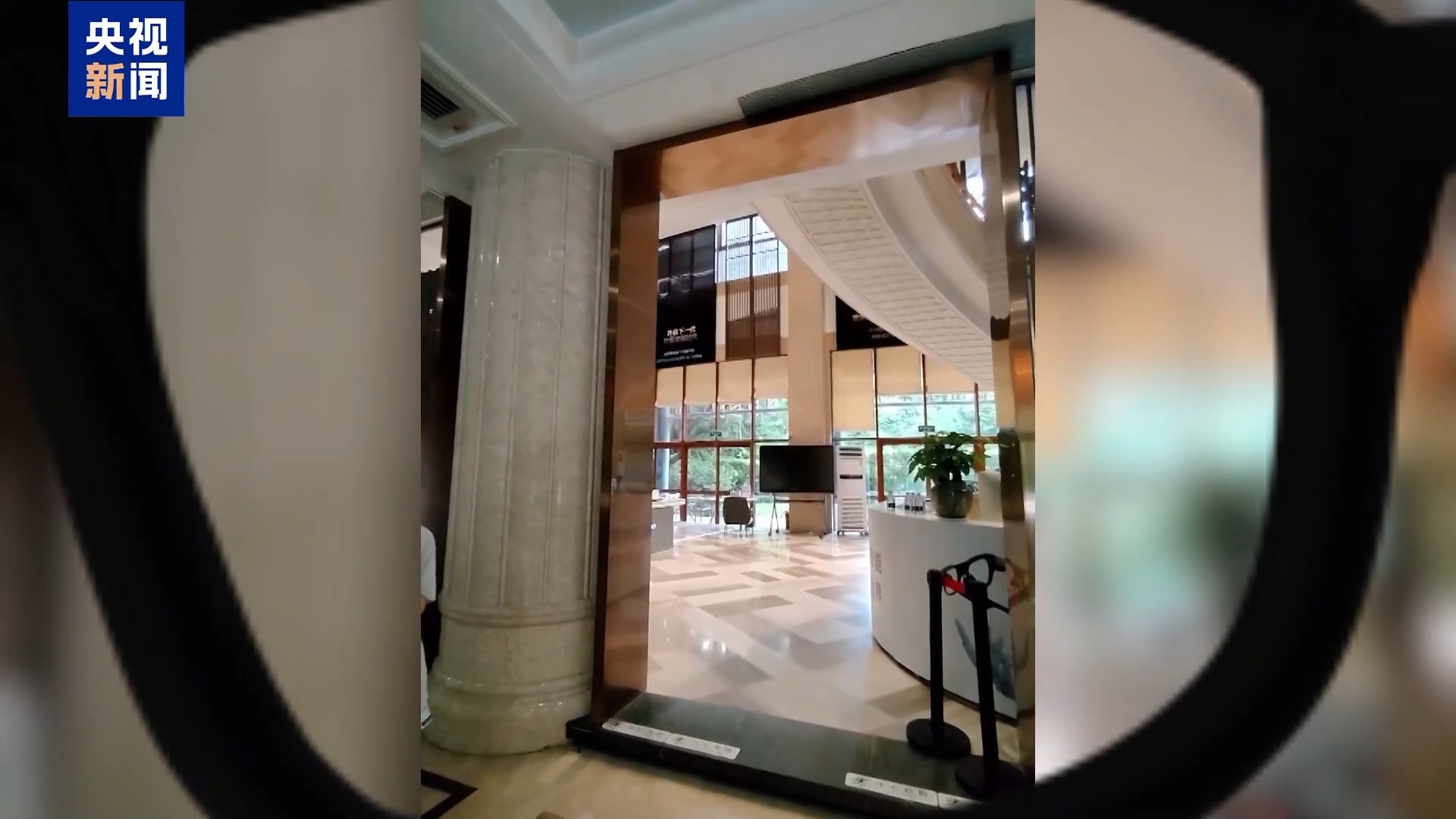
智能眼镜会取代手机吗?
Ren Min Ri Bao· 2025-10-30 22:49
Core Insights - The global smart glasses market has seen significant growth, with shipments reaching 4.065 million units in the first half of the year, marking a year-on-year increase of 64.2% [6][7] - Raybird Innovation, a Shenzhen-based company, has emerged as a leader in the AR glasses segment, capturing a 39% market share in Q2, becoming the first globally [2][6] - The company aims to transition smart glasses from a niche product for tech enthusiasts to a consumer necessity, addressing the challenge of competing with smartphones [2][11] Company Overview - Raybird Innovation was established four years ago and has quickly positioned itself in the smart glasses industry, focusing on technological advancements and user experience [2][8] - The company's flagship product, the X3 Pro, is priced around 9,000 yuan and is designed for tech enthusiasts, while other models like V3 and Air 3s target broader markets with lower price points [7][8] - The company is developing a comprehensive application ecosystem to enhance the functionality of smart glasses, aiming to replicate popular smartphone applications [6][8] Product Features - The X3 Pro offers various functionalities, including real-time navigation, video recording, and live translation in 14 languages, showcasing its versatility [6][8] - The glasses utilize advanced optical technology, featuring a compact optical engine that enables full-color display, a significant breakthrough in the industry [8][9] - Weight optimization is a focus, with the X3 Pro weighing 76 grams, while the V3 model is lighter at 39 grams, enhancing user comfort [9] Market Potential - The smart glasses market is expected to drive new growth in the consumer electronics sector as product innovation and application scenarios expand [7][11] - The company believes that the increasing number of players in the market will lead to better resource allocation in the supply chain, ultimately reducing costs [10][11] - The potential for smart glasses to become a mainstream product is supported by a growing consumer acceptance, as evidenced by the emergence of dedicated sales categories on e-commerce platforms [13] Industry Challenges - Despite the promising outlook, smart glasses face challenges such as limited hardware capabilities, short battery life, and user experience issues that need to be addressed for broader adoption [12][11] - The industry is currently in a "technology climbing phase," where early-stage products often have rough user experiences, similar to the early days of computers and smartphones [12][14] - The need for a robust underlying support system for software and hardware is critical for the expansion of the smart glasses ecosystem [12]
康耐特光学(02276.HK):独供夸克带显智能眼镜 看好量产提速盈利向上
Ge Long Hui· 2025-10-29 04:48
Company Overview - On October 24, the company announced the pre-sale of its first self-developed "Quark AI Glasses," with Quark Optics as the exclusive lens supplier. The company is expected to leverage its leading resin lens production capacity and increasing R&D resources to capture the consumer smart glasses market, solidifying its position as a leading player in the optical technology sector in China [1][2]. Product Features - The Quark AI Glasses are the first integrated display smart glasses in China, focusing on lifestyle service functions. They feature a design with 7.5mm temples and an ultra-thin frame, weighing 42g. The hardware supports distance adjustment and offers a fitting solution for myopic users. The glasses include functionalities such as object recognition, real-time translation, reminders, navigation, calls, and photography, with a unique "look and pay" feature using biometric recognition [1]. - The pricing for the lenses varies based on refractive index, with costs of 4699, 5418, 5598, and 6228 yuan per pair for plano, 1.60, 1.67, and 1.74 refractive index products, respectively [1]. Competitive Landscape - On September 18, Meta launched its first neural interactive display glasses, Meta Rayban Display, which uses muscle signal detection for gesture control and features a single-eye display using waveguide technology. The glasses are priced at $799 and weigh 89g, with capabilities for real-time audio-visual content capture and analysis [2]. Growth Potential - The company’s exclusive provision of integrated solutions is expected to open up further growth opportunities. The complexity of the integrated display lens manufacturing process is anticipated to increase costs compared to traditional C2M custom solutions. As high-priced orders for smart glasses grow, the company expects an increase in average selling price and gross margin, leading to improved overall profitability [2]. Financial Forecast - The company maintains its profit forecasts for 2025 and 2026 at 550 million and 680 million yuan, respectively. The current stock price corresponds to a price-to-earnings ratio of 34 and 27 times for 2025 and 2026. The target price remains at 58 yuan, implying a potential upside of 38% from the current stock price [3].
晚报 | 10月29日主题前瞻
Xuan Gu Bao· 2025-10-28 14:46
Digital Currency - The digital RMB ecosystem has been established with continuous innovation and application development, with a total transaction amount of 14.2 trillion yuan by the end of September 2025 [1] - The pilot program covers 26 regions across 17 provinces, processing 3.32 billion transactions and opening 225 million personal wallets through the digital RMB app [1] - The digital RMB industry chain includes upstream technology development, midstream payment platforms, and downstream merchants, creating a comprehensive ecosystem [1] Smart Glasses - Baidu's AI glasses Pro will start pre-sale on November 1 and officially launch on November 10, featuring stylish designs and various AI functionalities [2] - The global smart glasses market is expected to see a shipment of 4.065 million units in the first half of 2025, a year-on-year increase of 64.2% [2] - The smart glasses industry is entering a rapid development phase driven by AI technology, supply chain optimization, and the entry of major players [2] HPV Vaccine - The first domestically produced nine-valent HPV vaccine is accelerating its rollout across the country, with plans to include it in the national immunization program [3] - The HPV vaccine market in China has grown from approximately 200 million yuan in 2017 to about 40 billion yuan in 2022, with a projected annual vaccination rate of 20 to 30 million in the next 5 to 10 years [3] Agriculture - A research team from China Agricultural University has identified two new genes regulating rice grain number through whole-genome association analysis, which could enhance yield [4] Tungsten Market - As of October 28, black tungsten concentrate prices rose to 288,000 yuan per ton, with prices for APT and tungsten powder also increasing significantly [6] - Tungsten product prices have doubled since the beginning of the year, driven by strategic attributes and supply chain restructuring [6] Military Industry - The "15th Five-Year Plan" emphasizes accelerating advanced combat capabilities and enhancing strategic deterrence, indicating a positive outlook for the military industry [7] - The military sector is expected to enter an upward cycle with improving fundamentals and increasing orders related to the "15th Five-Year Plan" [7] Gas Turbine Supply - A shortage of gas turbines is becoming a bottleneck for the expansion of AI data centers, leading developers to procure modified jet engine turbines [8] - Global gas turbine orders are projected to rise significantly by 2026, with a complex manufacturing process limiting the ability to quickly respond to demand [8]
AR行业2~3年内出现“iPhone时刻”?智能眼镜龙头加速布局上海
Di Yi Cai Jing· 2025-10-28 14:19
Core Insights - The AR industry is currently in a pre-iPhone era, facing multiple challenges, but is expected to reach a pivotal moment between 2027 and 2028 when smart glasses will enter the L4 stage with personalized demand prediction capabilities [1][4] - XREAL has established its global headquarters in Shanghai, which will serve as a strategic core for global R&D, operations, and ecosystem collaboration, aiming to make AR glasses a universal smart terminal [1][6] Industry Development - The integration of AI and AR is anticipated to create a "golden decade" for AI terminals, driven by four industrial accelerators: AI multimodal understanding, AI long-term memory, hardware and supply chain, and agent ecosystem collaboration [4] - Shanghai's action plan aims for the smart terminal industry to exceed 300 billion yuan by 2027, with a focus on developing smart glasses and supporting key technologies such as multimodal interaction and low power consumption [5] Company Positioning - XREAL has maintained the largest market share in the global AR market for four consecutive years, with a projected 38% share in 2024, indicating that one in three AR glasses sold globally will be from XREAL [6] - The company aims to leverage its global headquarters in Shanghai to capitalize on the commercialization opportunities in the AR glasses market, targeting a significant increase in sales volume [6][9] Ecosystem and Collaboration - The integration of AI and AR is reshaping terminal forms, moving from single-function devices to proactive intelligent systems, emphasizing the importance of ecosystem collaboration [7][8] - XREAL's collaboration with Google on Project Aura represents a significant step in integrating Chinese AR technology with international platforms, with a majority of components sourced from China [8][9] Future Outlook - The transition from L2 AR glasses to all-weather AI glasses requires a perfect balance of computing power, display, and battery life, necessitating deep collaboration across the supply chain [9] - XREAL is committed to focusing on foundational technology innovation, aiming to establish a "Chinese coordinate" for the next generation of computing platforms [9]

多款智能眼镜推出市场,关注产业链机会
Jianghai Securities· 2025-10-28 07:15
Investment Rating - The industry rating is maintained at "Overweight" [4] Core Insights - The global smart glasses market saw a shipment volume of 4.065 million units in the first half of 2025, representing a year-on-year growth of 64.2% [4] - The growth in the smart glasses market is driven by various factors including AI technology empowerment, supply chain optimization, optical solution development, and the entry of major players into the ecosystem [4] - The report highlights the launch of multiple new products in the smart glasses category, indicating a rapid promotion and popularization phase for smart glasses as an important carrier of AI at the edge [5] Summary by Sections Industry Performance - The electronic industry has shown relative returns of 0.16% over one month, 27.29% over three months, and 38.97% over twelve months compared to the CSI 300 index [2] - Absolute returns for the same periods are 3.8%, 41.56%, and 58.17% respectively [2] Market Developments - The report notes the release of the Galaxy XR by Samsung, which is the first product based on the Android XR platform, integrating multi-modal AI capabilities [4] - The report also mentions the launch of the Thunder Air 4 series AR glasses and the INMO GO3 smart glasses, showcasing the innovation in the smart glasses market [4] Future Outlook - The smart glasses industry is expected to enter a rapid development phase, with a focus on related companies such as Xiaomi Group-W, Hengxuan Technology, Allwinner Technology, GoerTek, and Crystal Optoelectronics [5]



中国公司全球化周报|蚂蚁集团旗下OceanBase启动“全球拓展计划”/字节即梦海外版APP“Dreamina AI”上线
3 6 Ke· 2025-10-27 06:23
Group 1: Industry Trends - Investment, trade, and technology are currently the most popular directions for Chinese companies expanding into Dubai, with compliance and long-term operation being key factors for success [2] - The global smart glasses market is expected to exceed 40 million units shipped by 2029, driven by continuous product innovation and expanding application scenarios [8] Group 2: Company Developments - Ant Group's OceanBase has launched a "GO GLOBAL GO Program" to accelerate its global expansion, targeting key markets including Hong Kong, Southeast Asia, and Japan [3] - Taobao has officially launched cross-border furniture direct mail services, covering markets such as Hong Kong, Taiwan, Singapore, and Malaysia, with over one million items available for direct shipping [3] - Cainiao Guoguo has upgraded its international shipping services, now covering over 60 countries, with new features like two-hour pickup for merchants [3] - ByteDance has launched the mobile app version of "Dreamina AI," an AI creative platform aimed at innovators and creative enthusiasts [4] - Didi has introduced 500 electric vehicles in Mexico, partnering with local and Chinese manufacturers to provide green transportation options [5] - Cao Cao Travel has launched overseas ride-hailing services in six countries, simplifying the travel experience for domestic users [5] - Neolix has completed over $600 million in Series D financing, planning to use the UAE as its first international market for autonomous delivery vehicles [7] - Chery's overseas revenue is approaching 50% of total revenue, with plans to establish 26 overseas R&D centers [6] Group 3: Strategic Partnerships - SenseTime MEA and China Telecom have signed a memorandum of understanding to promote AI technology applications in Oman [4] - Xinda Biopharmaceuticals has entered a global strategic partnership with Takeda Pharmaceutical to accelerate the development of new therapies, with potential total payments reaching $11.4 billion [7] Group 4: Market Initiatives - Hong Kong plans to establish an "outbound" service platform to assist mainland companies in expanding their international business [8]

智能眼镜系列(二):从康耐特独供夸克AI镜片,看镜片龙头成长潜力
Changjiang Securities· 2025-10-27 05:08
Investment Rating - The industry investment rating is "Positive" and maintained [8] Core Viewpoints - Alibaba's first self-developed AI glasses, Quark AI glasses, have officially started pre-sale, marking the first smart glasses in China to integrate biometric payment [2][4] - Kangnate Optical, as the exclusive lens supplier for Quark AI glasses, leverages its strong industry background and innovative capabilities to establish a solid optical foundation for the product [2][4] - The Quark AI glasses utilize integrated custom lenses, which only support factory customization, giving lens manufacturers a significant advantage over smaller companies due to advanced technology [2][10] Summary by Sections Event Description - On October 24, Alibaba announced the pre-sale of its first self-developed AI glasses, Quark AI glasses, which are the first in China to feature integrated biometric payment [4] - Multiple smart glasses brands have recently made new moves, including Raybird Innovation's launch of the Air4 series, the world's first HDR-supported smart viewing glasses, and a strategic partnership between JD Technology and Rokid to launch a smart glasses shopping application [4] Product Features - The Quark AI glasses feature near-eye display capabilities, high-definition photography, and various audio functions, with a lightweight design of approximately 51g [6] - The glasses support multiple battery modes and innovative battery replacement design, enhancing user convenience [6] - The product is priced at 4,699 yuan for the non-prescription version, with various custom prescription lens options available at different price points [5] Market Outlook - The global smart glasses market is accelerating its iteration, with the potential to become the next big consumer electronics product, benefiting all segments of the supply chain, including optical lenses [10] - Kangnate Optical ranks second globally and first in China in resin lens sales volume for 2024, indicating strong growth potential for leading lens manufacturers [10]
港股异动 | 康耐特光学(02276)早盘涨超6% 阿里自研夸克AI眼镜开售 公司为独家镜片供应商
Zhi Tong Cai Jing· 2025-10-27 02:29
Core Viewpoint - 康耐特光学's stock price increased by over 6% in early trading, reflecting positive market sentiment following the announcement of its exclusive partnership with 阿里 for the Quark AI glasses [1] Company Developments - 康耐特光学's stock rose by 4.82% to HKD 43.96, with a trading volume of HKD 34.99 million [1] - The company is the exclusive lens supplier for 阿里’s Quark AI glasses, which achieved the top sales position in the smart glasses category on Tmall within 10 hours of its pre-sale launch [1] Industry Insights - 华创证券 forecasts that 康耐特光学's Japanese factory will commence production in the fourth quarter, enhancing its global supply capabilities and mitigating tariff risks [1] - The company possesses a significant first-mover advantage and high technological barriers in its XR business, which is expected to strengthen its competitive position in the industry [1]