
生命健康

Search documents
中国国际专利技术与产品交易会将于10月中旬在大连市举办
Xin Hua Cai Jing· 2025-09-05 08:31
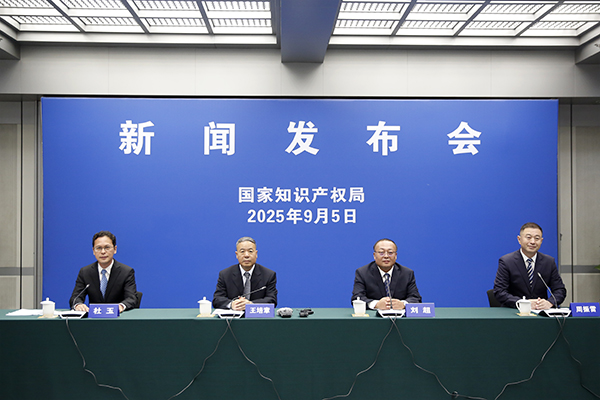
Core Viewpoint - The 14th China International Patent Technology and Products Trade Fair will be held in mid-October in Dalian, Liaoning Province, focusing on "Patent Transformation and Application Empowering Innovative Development" [1][2]. Group 1: Event Overview - The trade fair is the highest standard and most professional intellectual property exhibition in China, attracting participation from over 30 countries and regions, with more than 10,000 exhibiting units and over 1 million attendees since its inception in 2002 [2]. - The event will feature an opening ceremony, exhibitions, and a series of activities, including the awarding of the 25th China Patent Gold Award and Design Gold Award [2]. Group 2: Exhibition Details - The exhibition area will cover 20,000 square meters, divided into eight sections, including the China Patent Award area, thematic exhibition area, key industry area, patent technology area, intellectual property operation ecosystem area, local area, geographical indication area, and design and consumer goods area [2][3]. - Over 300 exhibiting units are already confirmed for the six specialized exhibition areas, with the number expected to rise as recruitment continues [3]. Group 3: Activities and Objectives - The fair will organize over 30 activities focused on patent transformation and application, including policy presentations, discussions, roadshows, experience sharing, competitions, and trade negotiations [2][3]. - The event aims to link industries and drive innovation cooperation, creating a platform for collaboration between enterprises and research institutions, particularly in the fields of energy and chemicals, high-end manufacturing, modern marine, and life health [3][5]. - It will also establish a new ecosystem for transaction matching, addressing technology challenges and patent needs from local enterprises [5].

南沙科学城国际创新创业社区全面共建启动
Nan Fang Ri Bao Wang Luo Ban· 2025-09-01 09:20
Core Insights - The construction of the Nansha Science City International Innovation and Entrepreneurship Community and the Guangzhou Nansha Future Industry Technology Innovation Research Institute has been initiated, aiming to integrate resources such as policies, space, capital, technology, and data to build an efficient and collaborative innovation and entrepreneurship service ecosystem [1] Group 1 - The Nansha Science City International Innovation and Entrepreneurship Community is located in the Qingsheng hub area, positioned as a "Guangdong-Hong Kong hub and innovation district," serving as a core platform for integrating innovation resources from Hong Kong and Macau [1] - The community has formed three major industrial clusters: artificial intelligence, new energy, and life health, with 180 companies and nearly 400 entrepreneurs and scientists [1] - Nansha district officials announced a comprehensive talent strategy, committing an annual budget of 1 to 2 billion yuan for talent initiatives, aiming to attract 50,000 university students within three years [1] Group 2 - Nansha introduced a dual-track support model named "Qixiang" and "Tengfei" to provide financial support for innovation and entrepreneurship teams [2] - The "Qixiang" program offers funding based on educational qualifications, providing 100,000, 200,000, or 300,000 yuan for nascent teams [2] - The "Tengfei" program supports projects with existing technological foundations by offering 50% of the previous year's R&D investment, with a maximum of 1 million yuan, and exceptional projects may receive up to 2 million yuan after evaluation [2]

上半年数字经济核心产业增加值突破1400亿元
Hang Zhou Ri Bao· 2025-09-01 02:19
Group 1 - The core viewpoint of the news is that the Chengxi Science and Technology Innovation Corridor is experiencing significant growth in industrial value added, particularly in the digital economy sector, which reached 1400.3 billion yuan with a growth rate of 10.6% in the first half of the year [1] - The corridor is focusing on "reform empowerment and innovation deepening," aiming for high-quality integrated development through improved transportation networks and talent innovation mechanisms [1][2] - The corridor has added 5,199 high-level talents in the first half of the year, accounting for 25.7% of the city's new talent, and is promoting collaboration between schools and research institutions to accelerate the commercialization of scientific achievements [1][2] Group 2 - The corridor is set to strengthen its artificial intelligence industry, focusing on key areas such as AI models, intelligent computing, and humanoid robots, while also planning to establish a national-level brain-like computing industry pilot zone [2] - To enhance the integration of technology and finance, the corridor will implement innovative financial policies to support the transformation of scientific achievements and the upgrading of industries, particularly for small and medium-sized technology enterprises [2] - The Chengxi Science and Technology Innovation Corridor aims to deepen the integration of education, technology, and talent development, positioning itself as a key driver of technological innovation in the province [3]
上海徐汇:增强科技创新策源功能和高端产业引领功能
Xin Hua Cai Jing· 2025-08-28 16:20
Core Viewpoint - Shanghai is accelerating the construction of a globally influential technology innovation hub, with Xuhui District enhancing its role as a key area for technological innovation and high-end industry leadership [1][2]. Group 1: Technological Resources and Innovation Ecosystem - Xuhui District has over 100 national and municipal research institutions and more than ten higher education institutions, achieving the highest number of high-value invention patents per ten thousand people in Shanghai at 95 [1]. - The district is promoting the "Science and Technology Innovation Belt" brand, optimizing the layout of innovation spaces, and enhancing the synergy between original innovation, concept validation, and high-quality incubation [1][2]. Group 2: Technology Transfer and Incubation - A Technology Transfer Service Center has been established to coordinate resources and create a one-stop window for resolving bottlenecks in technology transfer [2]. - Six innovation districts are planned, including areas focused on artificial intelligence and life sciences, with 20 high-quality incubators covering approximately 115,000 square meters and hosting over 400 incubated companies [2][3]. Group 3: Industry and Talent Development - Xuhui is fostering deep integration of innovation chains, industry chains, capital chains, and talent chains, aiming to cultivate leading technology enterprises and unicorns [3]. - The district encourages small and medium-sized enterprises to pursue specialized and innovative paths, focusing on niche markets and proprietary technologies to become industry "little giants" [3].
活力中国调研行 | 呵护每一颗创新的种子
Sou Hu Cai Jing· 2025-08-28 03:35
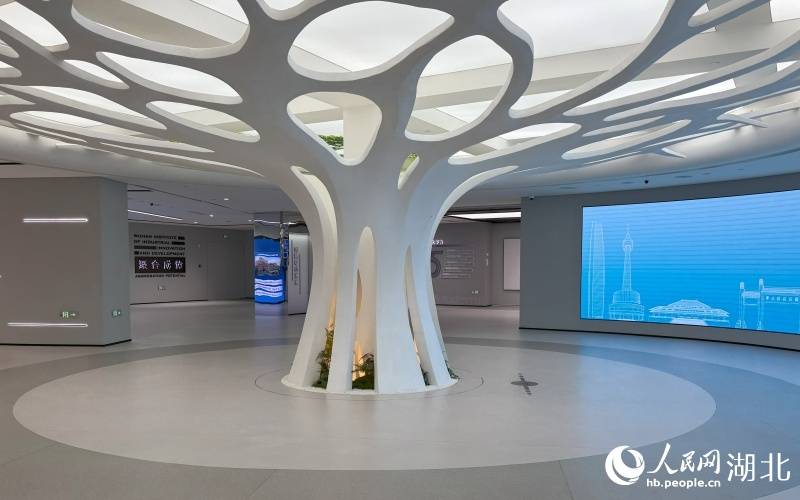
Core Viewpoint - Wuhan Industrial Innovation Development Institute (WII) is fostering innovation through its unique support mechanisms for startups and research projects, symbolized by the "Innovation Tree" in its exhibition hall [2][4]. Group 1: Innovation Support Mechanisms - WII provides early-stage financial support through a "拨转股" (equity conversion) mechanism, which allows initial funding as research project expenses that convert to equity later during market financing [6]. - The institute has established a continuous incubation mechanism that includes early equity conversion, mid-term venture capital, and mature industrial capital involvement, facilitating the transformation of research outcomes into marketable products [6]. - WII has supported dozens of early-stage technology projects, enabling them to take critical steps towards commercialization [6]. Group 2: Success Stories and Growth - Entrepreneur Tai Xin, who leads a smart transportation research institute at WII, reported a 4 to 5 times increase in annual order volume and growth in employee count from 10 to over 30 within two years [4]. - The first global rapid detection solution for fulminant myocarditis, developed by a team from Huazhong University of Science and Technology, is now in clinical stages and plans to launch this year, thanks to WII's support [6]. - As of August 2025, WII has established over 90 innovation units, including specialized research institutes and public service platforms, attracting innovation resources from across the country [7].
上海发展新质生产力的七大任务
Guo Ji Jin Rong Bao· 2025-08-25 02:54
Core Viewpoint - The article emphasizes the development of new productive forces in Shanghai, driven by technological innovation, innovative allocation of production factors, and deep industrial transformation, aiming for high-quality economic growth and enhanced productivity [1][2]. Group 1: New Productive Forces - New productive forces are characterized by technological breakthroughs, innovative resource allocation, and deep industrial upgrades, focusing on technological innovation as the core driver [1]. - Shanghai is tasked with enhancing institutional openness during the 14th Five-Year Plan period, adapting to local conditions to develop new productive forces [2]. Group 2: Technological Innovation - Shanghai has made significant progress in technological innovation, with PCT international patent applications increasing from 1,038 in 2014 to 7,012 in 2024, indicating a substantial improvement in intellectual property innovation and management [5]. - The number of publications in top journals has risen from 31 to 158, with the share of national publications increasing from 17.51% to 29.6%, reflecting enhanced research capabilities [5]. - Basic research funding has grown from 5.487 billion yuan in 2013 to 22.035 billion yuan in 2023, with its share of total R&D investment rising from 7.06% to 9.6% [5]. Group 3: Modern Industrial System - Shanghai is accelerating the construction of a modern industrial system, targeting a scale of 18 trillion yuan for its three leading industries (integrated circuits, biomedicine, artificial intelligence) by 2024 [8]. - The city is developing trillion-level and five-hundred-billion-level industrial clusters in key sectors such as electronic information and high-end equipment, achieving significant milestones [8]. - Challenges include the need for digitalization and green transformation of traditional industries, as well as the establishment of a future industrial growth mechanism [9]. Group 4: Technology-Industry-Finance Cycle - Shanghai aims to promote a high-level cycle of technology, industry, and finance, addressing the low success rate of technology transfer and the lack of top-level design in financial capital investment [10]. - Specific measures include guiding long-term capital investments in hard technology and developing carbon finance and markets to support green transformation [10]. Group 5: Talent Development - Shanghai is integrating education, technology, and talent systems to build a competitive talent ecosystem, focusing on attracting high-level talent and enhancing the evaluation system [13]. - Challenges include improving the global competitiveness of top scientists and increasing the concentration of innovative resources [13]. Group 6: Resilient City Development - Shanghai has made notable progress in building a livable, smart, and resilient city, with significant advancements in digital governance and emergency response systems [15]. - However, challenges remain in upgrading old infrastructure and ensuring balanced application of smart governance technologies across the city [16]. Group 7: Yangtze River Delta Collaboration - Shanghai is advancing collaborative development in the Yangtze River Delta, with significant reforms and innovation initiatives underway [18]. - Key issues include industrial project homogeneity and resource dispersion, necessitating coordinated efforts in technology and industrial innovation [19].
口岸经济4.0:罗湖建起深港互联“超级节点”|何以新罗湖
2 1 Shi Ji Jing Ji Bao Dao· 2025-08-21 15:52
Core Insights - The article highlights the increasing cross-border flow of people between Hong Kong and Shenzhen, particularly through the Luohu and Liantang ports, which has led to new economic opportunities in the region [1][2][4] Group 1: Cross-Border Traffic and Economic Opportunities - In the first half of the year, over 33.7 million travelers passed through the Luohu port, making it the busiest port in Shenzhen [1] - The Luohu district is becoming a primary destination for Hong Kong residents, with approximately 30% of the overall foot traffic in local shopping centers coming from Hong Kong visitors [4] - The establishment of the "B1" land plot near Luohu port aims to create a 300,000 square meter health industry park, enhancing the region's industrial structure [2][12] Group 2: Consumer Behavior and Preferences - Hong Kong residents are expanding their consumption patterns in Shenzhen beyond dining to include shopping and healthcare services [4][6] - The newly opened Yitian Holiday Plaza has attracted Hong Kong customers with diverse dining options, accounting for 40% of its offerings [4] - The demand for high-quality shopping and family-friendly activities is growing among Hong Kong visitors, indicating a shift in their lifestyle preferences [6][8] Group 3: Healthcare Integration - The number of Hong Kong patients seeking medical services in Shenzhen has significantly increased, with an average of 4,500 Hong Kong patients visiting the Luohu District People's Hospital monthly [7][10] - A recent survey indicated that 60% of Hong Kong residents have utilized medical services in mainland China, a tenfold increase since 2011 [8] - The Luohu District People's Hospital has become a designated medical institution for cross-border drug and medical device use, facilitating quicker access to new treatments for patients [10][11] Group 4: Strategic Development and Collaboration - The development of the Northern Metropolis in Hong Kong aims to enhance economic collaboration with Shenzhen, focusing on trade, finance, and emerging industries [12][13] - The integration of industries between Hong Kong and Luohu is being actively promoted, with plans to establish a cross-border cooperation platform for traditional and Western medicine [10][16] - The ongoing upgrades of industrial zones and the establishment of a health industry park reflect a strategic alignment in industrial direction between Hong Kong and Luohu [14][16]
口岸经济4.0:罗湖建起深港互联“超级节点”|何以新罗湖⑬
2 1 Shi Ji Jing Ji Bao Dao· 2025-08-21 13:06
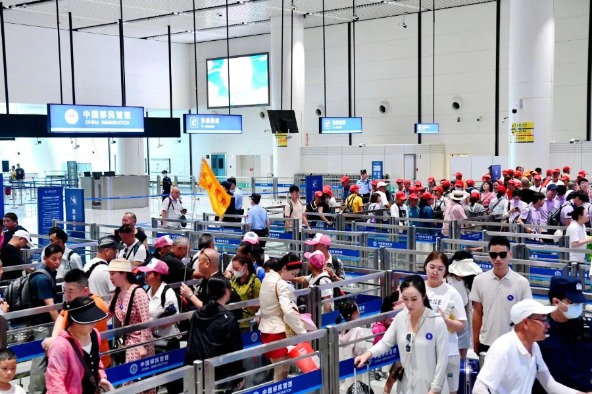
Core Insights - The cross-border flow between Shenzhen and Hong Kong is experiencing unprecedented growth, with over 33.7 million travelers recorded at the Luohu port in the first half of the year, making it the busiest port in Shenzhen [1] - The Luohu district is evolving into a hub for Hong Kong residents, expanding their consumption patterns from basic needs to healthcare and leisure activities [2][3] - The establishment of the Shenzhen-Hong Kong Life and Health Industry Park is set to enhance the industrial structure of Luohu, focusing on emerging sectors like artificial intelligence and life sciences [1][9] Cross-Border Consumption Trends - Hong Kong residents are increasingly frequenting Luohu for various services, with approximately 30% of the overall foot traffic in shopping malls attributed to them [2] - The demand from Hong Kong consumers is diversifying, with older demographics seeking high-quality shopping experiences and families looking for child-friendly entertainment options [3] - The Luohu district is planning events such as cycling and esports to attract Hong Kong residents and showcase its cultural and recreational offerings [4] Healthcare Integration - The number of Hong Kong patients visiting Luohu hospitals has expanded beyond dental care, with an average of 4,500 Hong Kong patients treated monthly across various departments [5][6] - A significant increase in Hong Kong residents utilizing mainland medical services has been observed, with 60% reported in a recent study, marking a tenfold increase since 2011 [5] - The establishment of cross-border medical collaborations and the introduction of Hong Kong medical products in Luohu hospitals are enhancing healthcare accessibility for both Hong Kong and mainland patients [6][7] Industrial Development and Collaboration - The North Metropolitan Area development strategy emphasizes the integration of industries between Hong Kong and Shenzhen, with Luohu positioned as a key player in this initiative [7][8] - Luohu's industrial planning aligns with the North Metropolitan Area's goals, focusing on sectors such as artificial intelligence, life sciences, and low-altitude economy [8][9] - The B1 land plot near Luohu port is being developed into a life and health industry park, aiming to attract leading research institutions and industry leaders for cross-border collaboration [9]
口岸经济4.0:罗湖建起深港互联“超级节点”|何以新罗湖?
2 1 Shi Ji Jing Ji Bao Dao· 2025-08-21 13:04
Core Viewpoint - The article discusses the development of the Luohu district as a "super node" for cross-border economic activities between Shenzhen and Hong Kong, highlighting the increasing flow of people and the expansion of consumption and medical services in the area [1][2][7]. Group 1: Cross-Border Traffic and Economic Opportunities - The Luohu port has seen over 33.7 million inbound and outbound travelers in the first half of the year, making it the busiest port in Shenzhen [1] - The daily traffic at Luohu port reached a record high of 297,000 on July 13, indicating a strong recovery in cross-border travel [2] - Hong Kong residents account for approximately 30% of the overall foot traffic in local shopping malls, with a significant portion of the retail space catering to their preferences [2][3] Group 2: Healthcare Expansion - The number of Hong Kong patients visiting Luohu hospitals has diversified beyond dental care, with an average of 4,500 Hong Kong patients visiting the Luohu District People's Hospital each month [5] - A survey indicated that 60% of Hong Kong residents have utilized medical services in mainland China from 2019 to 2023, a tenfold increase since 2011 [5] - The Luohu District People's Hospital has been approved as a designated medical institution for "Hong Kong and Macau drug and device access," facilitating the introduction of new medical products [5][6] Group 3: Industrial Development and Strategic Planning - Luohu aims to transform its industrial structure by focusing on emerging sectors such as artificial intelligence and life sciences, with plans for a 300,000 square meter life health industrial park [1][8] - The "Northern Metropolis Development Strategy" emphasizes the integration of Hong Kong's economy with Shenzhen, particularly in the Luohu area, which is set to become a hub for trade and new industries [6][7] - The development of the B1 plot near Luohu port is expected to create a cross-border cooperation platform for life sciences and AI, enhancing the region's innovation capabilities [8]
惠州设立首个科技成果转化引导基金 规模达2亿元
Nan Fang Ri Bao Wang Luo Ban· 2025-08-20 07:40
Core Viewpoint - The establishment of the Huizhou Technology Achievement Transformation Guidance Fund, with a scale of 200 million yuan, aims to accelerate the industrialization of major technological achievements in Huizhou, a manufacturing city with numerous technology-based enterprises [1] Group 1: Fund Overview - The fund is the first of its kind in Huizhou, focusing on transforming and industrializing significant technological achievements [1] - It is jointly funded by the Huizhou government, Yueke Chuangtou, Dongjiang Laboratory, Huizhou Guotou, and other entities, and will operate in a market-oriented manner [1] Group 2: Strategic Focus - The fund will align with Huizhou's "2+1" industrial system, which includes electronic information, petrochemical energy new materials, and life and health industries [1] - It aims to target large research platforms, universities, and research institutes to facilitate the transformation of technological achievements into practical applications [1] Group 3: Evaluation and Risk Management - The fund emphasizes overall effectiveness evaluation rather than solely focusing on the preservation and appreciation of state-owned capital [1] - It allows for a maximum risk tolerance of 50% for investment losses, provided that due diligence has been exercised [1] Group 4: Investment Ecosystem - Huizhou has adopted a "government guidance + market-oriented operation" model, gradually forming a chain of investment funds including angel funds, venture capital funds, and industrial funds [1] - The role of government funds in guiding investments is continuously strengthening, with ongoing efforts to establish additional funds for artificial intelligence and technology achievement transformation [1]