天然气

Search documents
中俄爆发利益之争?普京希望中国出个体面价格,这场博弈将如何?
Sou Hu Cai Jing· 2025-11-17 06:05
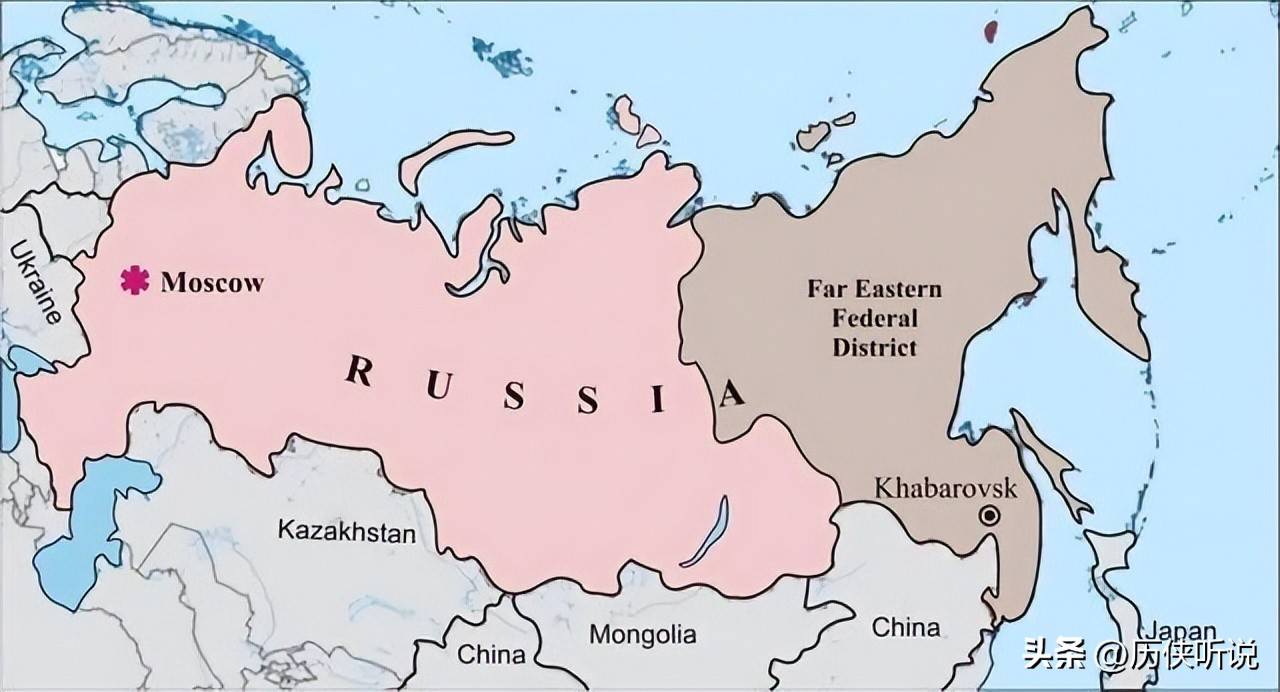
Core Insights - The article discusses the geopolitical and energy dynamics surrounding the construction of the "Power of Siberia 2" gas pipeline, which aims to transport natural gas from Russia to China, highlighting the shift in energy markets post the Ukraine conflict [1][3][6]. Group 1: Pipeline Overview - The "Power of Siberia 2" pipeline is a strategic project for Russia, connecting the Yamal Peninsula gas fields to northern China, with a total length exceeding 2,600 kilometers and an annual capacity of 50 billion cubic meters, which is about one-third of Russia's previous exports to Europe [9][21]. - The pipeline's construction is seen as a means for Russia to break free from Western sanctions and stabilize its economy while providing China with a more diversified energy supply [6][22]. Group 2: Economic Implications - Russia's energy sector has faced unprecedented challenges since the Ukraine conflict, losing its dominant European market, which previously accounted for 70% of its gas exports [1][9]. - The construction cost of the pipeline exceeds $13 billion, and the ongoing negotiations between Russia and China focus on achieving a mutually acceptable pricing structure, with Russia seeking a "decent price" to compensate for lost European revenues [21][30]. Group 3: Geopolitical Context - The project involves not only Russia and China but also Mongolia, which plays a crucial role in balancing interests and ensuring its own economic benefits from transit fees and infrastructure improvements [19][30]. - The shift in energy flow from Russia to China signifies a major geopolitical realignment, with Europe needing to seek alternative energy sources, potentially increasing energy costs and affecting industrial competitiveness [19][26]. Group 4: Negotiation Dynamics - The negotiations are characterized by differing economic philosophies, with Russia emphasizing strategic cooperation and China adhering to market principles, leading to a complex and prolonged bargaining process [23][30]. - Both countries are aware of their respective leverage in negotiations, with China no longer being in a position of urgent need for energy, thus enhancing its bargaining power [7][23].

中国港能跌近14% 公司发布业绩盈警预告 近期经历液化天然气业务淡季
Zhi Tong Cai Jing· 2025-11-17 02:54
Core Viewpoint - China Port Energy (00931) has experienced a significant decline of nearly 14%, currently trading at 0.475 HKD, with a transaction volume of 63.48 million HKD. The company anticipates a loss attributable to shareholders of approximately 65 million to 75 million HKD for the six months ending September 30, 2025, compared to a loss of about 54 million HKD for the corresponding period ending September 30, 2024. This change is primarily due to an asset disposal of around 13 million HKD during the current interim period [1]. Financial Performance - The company expects a loss of approximately 65 million to 75 million HKD for the six months ending September 30, 2025 [1] - For the corresponding period ending September 30, 2024, the anticipated loss is about 54 million HKD [1] - The asset disposal during the current interim period amounts to approximately 13 million HKD [1] Business Operations - The period from April to September is identified as the off-peak season for the company's liquefied natural gas business and the largest segment of its new energy business providing heating services in northern China [1] - The company has several new projects planned for launch in the second half of the year, which are expected to contribute positively to revenue and profitability [1] - The board expresses optimism regarding the company's transition from a loss to profit for the fiscal year ending March 31, 2026, based on current business activities and development trends [1]
港股异动 | 中国港能(00931)跌近14% 公司发布业绩盈警预告 近期经历液化天然气业务淡季
智通财经网· 2025-11-17 02:49
Core Viewpoint - China Port Energy (00931) has experienced a significant decline of nearly 14%, with a current trading price of 0.475 HKD and a trading volume of 63.48 million HKD, following the announcement of expected losses for the upcoming interim results [1] Financial Performance - The company anticipates a loss attributable to shareholders of approximately 65 million to 75 million HKD for the six months ending September 30, 2025, compared to a loss of about 54 million HKD for the corresponding period ending September 30, 2024 [1] - The expected loss is primarily due to an asset disposal of around 13 million HKD related to properties, plants, and equipment [1] Business Seasonality - The period from April to September is identified as the off-peak season for the company's liquefied natural gas business, which is also the peak off-season for its new energy business providing heating services in northern China [1] - The company has several new projects planned for launch in the second half of the year, which are expected to contribute positively to revenue and profitability [1] Future Outlook - The board expresses optimism regarding the company's ability to turn around from a loss to a profit for the fiscal year ending March 31, 2026, based on current business activities and development trends [1]
首华燃气股价跌6.12%,永赢基金旗下1只基金重仓,持有10.67万股浮亏损失12.38万元
Xin Lang Cai Jing· 2025-11-17 01:52
Group 1 - The core point of the news is that Shouhua Gas experienced a decline of 6.12% in its stock price, reaching 17.80 CNY per share, with a total market capitalization of 4.837 billion CNY [1] - Shouhua Gas Technology (Shanghai) Co., Ltd. was established on January 8, 2003, and listed on June 30, 2015. The company primarily engages in the research, production, and sales of gardening products, as well as natural gas exploration, development, production, and sales [1] - The company's main business revenue is entirely derived from natural gas operations, accounting for 100% of its revenue, with no contributions from other segments [1] Group 2 - According to data from the top ten holdings of funds, Yongying Fund has a significant position in Shouhua Gas, with its Yongying Hejia One-Year Holding Mixed A Fund (017220) holding 106,700 shares, representing 0.3% of the fund's net value [2] - The fund has incurred an estimated floating loss of approximately 123,800 CNY today [2] - The Yongying Hejia One-Year Holding Mixed A Fund was established on December 29, 2022, with a current scale of 258 million CNY, yielding 4.54% this year and 6.87% over the past year [2]

停电又缺气,泽连斯基宣布:乌克兰将进口价值20亿欧元的希腊天然气,由欧盟买单
Sou Hu Cai Jing· 2025-11-16 17:46
Group 1 - Ukrainian President Zelensky is set to sign a natural gas import agreement with Greece valued at €2 billion (approximately $2.3 billion) as part of his European tour [1] - Due to ongoing Russian airstrikes on Ukraine's energy infrastructure, the country is facing energy production shortages and needs to import gas to compensate for the deficit [1] - Zelensky plans to visit France and Spain, highlighting air defense systems and missiles as Ukraine's priority needs [1] Group 2 - Zelensky announced comprehensive reforms for state-owned energy companies in response to corruption scandals that have led to public outrage [3] - An estimated $100 million has been misappropriated within the energy sector, exacerbating the country's severe power outages due to the conflict with Russia [3] - The President has mandated a complete audit of the financial situation of key state-owned enterprises and a change in management, particularly at the state nuclear company and other major energy firms [3]

欧盟内部爆发巨大矛盾!匈牙利公开站台俄罗斯,俄能源迎来助力
Sou Hu Cai Jing· 2025-11-16 09:08
Core Viewpoint - Hungary's Prime Minister Orban announced plans to sue the EU over its recent decision to ban imports of Russian natural gas, highlighting the complex interplay of energy security, geopolitical dynamics, and internal EU unity [2][5]. Group 1: Energy Dependency - Hungary relies heavily on Russian energy, with 74% of its natural gas and 86% of its oil imported from Russia, making it vulnerable to any disruptions in supply [2]. - The country’s economic stability is closely tied to this energy dependency, as interruptions could lead to factory shutdowns and significant impacts on household heating during harsh winters [2]. Group 2: EU's Energy Policy and Reactions - Slovakia joined Hungary in opposing the EU's energy ban, driven by similar energy security concerns, as both countries have established infrastructure for Russian energy imports [3]. - The EU's requirement to completely replace Russian energy by 2027 is seen as unrealistic, necessitating substantial investment and time to develop alternative sources [3][5]. Group 3: Legal and Political Implications - Hungary's lawsuit against the EU is framed as a response to what it perceives as a violation of EU rules regarding unanimous decision-making for sanctions, as the energy ban was passed by majority vote [5]. - The internal divisions within the EU are evident, with Western countries able to absorb higher energy costs while Eastern European nations face greater economic strain from sanctions [5][11]. Group 4: Geopolitical Dynamics - The U.S. aims to sever Europe's energy ties with Russia to isolate the country and promote its own energy exports, but Hungary is cautious about switching suppliers due to the stability and lower prices of Russian energy [9]. - Russia benefits from Hungary's opposition to the EU's energy ban, as it may encourage other countries dependent on Russian energy to resist similar sanctions [9]. Group 5: Future Outlook - The outcome of Hungary's lawsuit could significantly impact the EU's energy policy and its unity, with potential implications for the enforcement of sanctions against Russia [10][11]. - The ongoing geopolitical struggle over energy resources reflects broader issues of political influence and economic stability, emphasizing the need for a balanced approach to energy transition within the EU [11].

我国西北地区首座储气库群开始供气
Xin Lang Cai Jing· 2025-11-16 02:35
Core Viewpoint - The opening of the Wengjisang gas storage cluster in the Tuhai oilfield marks the commencement of gas supply for the winter season in Northwest China, enhancing the region's energy security [1] Group 1: Project Details - The Wengjisang gas storage cluster is located in Shanshan County, Turpan City, Xinjiang and consists of four gas storage facilities, all converted from depleted gas reservoirs [1] - The Wengxi No. 1 and No. 2 gas storage facilities began gas injection in 2022 and 2023 respectively, while the Nanhukou and Qiudong storage facilities injected gas for the first time this year [1] Group 2: Supply Capacity - The maximum daily gas supply capacity of the storage cluster exceeds 5 million cubic meters [1] - The cumulative gas supply from the storage cluster has reached 296 million cubic meters [1]

迎峰度冬能源保供“资源池”扩充 多举措“组合拳”攒足保障“底气”
Yang Shi Wang· 2025-11-16 02:25
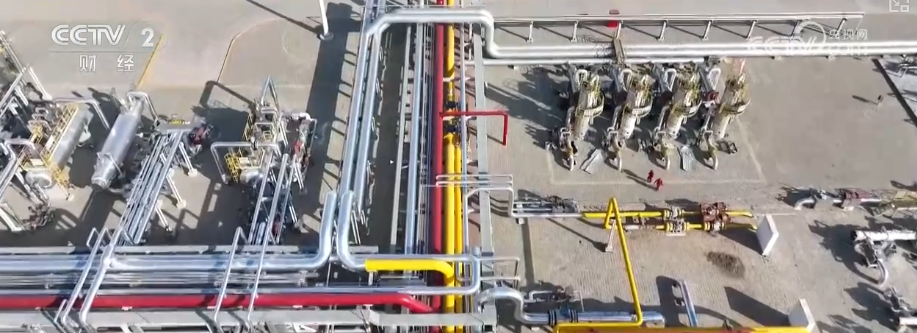
Energy Supply and Demand Overview - The overall energy supply and demand situation is being assessed as the peak winter season approaches in 2025 [1] - Key resources such as natural gas and coal are being prepared for supply [1] Natural Gas Supply - China National Petroleum Corporation (CNPC) has entered the natural gas winter supply phase, with resources from various oil and gas fields being allocated nationwide, ensuring overall supply security for this winter and spring [3] - The largest gas storage facility, the Huitu Bih Gas Storage in Xinjiang, has injected over 5 million cubic meters of natural gas into the pipeline, while the Tarim Oilfield's Keriya Gas Storage has surpassed 200 million cubic meters, supporting gas demand in southern Xinjiang [5] - CNPC is maximizing production from oil and gas fields and coordinating natural gas imports, achieving a peak daily supply of 738 million cubic meters as of November 11, with seven gas storage facilities operational to ensure heating in northern regions [7] Coal Supply - The China Electricity Council indicates that the coal supply and demand are currently balanced, creating favorable conditions for electricity supply during the winter peak [9] - The National Energy Administration is urging coal-producing provinces and companies to accelerate the construction of coal reserve projects to enhance emergency supply capabilities [10] - Since October, the national average daily coal production has remained above 12.3 million tons, with power plants holding 227 million tons of coal as of November 11, sufficient for 35 days of use [10] Electricity Supply and Demand - The China Electricity Council forecasts a generally balanced electricity supply and demand during the winter peak, although some regions, particularly in North and East China, may experience tighter supply during peak periods [12]
人民日报︱大范围寒潮来袭,供暖保障如何
国家能源局· 2025-11-16 01:52
Group 1: Natural Gas Supply - The domestic natural gas production base, China National Petroleum Corporation's Changqing Oilfield, increased its natural gas output to 135 million cubic meters, an increase of over 3 million cubic meters since the beginning of the month [2] - The largest gas storage facility, Hutu Bih Oilfield in Xinjiang, released over 5 million cubic meters of natural gas into the pipeline network, ensuring supply to households [2] - The National Energy Administration stated that the overall supply of natural gas for the heating season is guaranteed, with domestic gas production expected to exceed 10 billion cubic meters for the ninth consecutive year [2] Group 2: Geothermal Heating - Sinopec has fully launched geothermal heating services for this winter, capable of providing clean heating for over 1.2 million households [2] - The geothermal heating capacity has reached a historical high of 12.6 million square meters, which can reduce carbon dioxide emissions by nearly 6.2 million tons annually [2] Group 3: Coal Supply and Electricity - Since October, the average daily coal dispatch production has remained above 12 million tons, with power plants having approximately 35 days of coal supply available [3] - The maximum load of the power grid during the heating season is expected to reach 29 million kilowatts, an increase of over 8% compared to the historical maximum load in winter [3] - The National Energy Administration will continue to monitor coal production, imports, and demand to ensure stable supply and quality of coal for electricity generation [3]
《关于促进新能源集成融合发展的指导意见》发布,10月规上工业天然气产量同增5.9%
Xinda Securities· 2025-11-16 01:50
Investment Rating - The investment rating for the utility sector is "Positive" [2] Core Insights - The report highlights the release of the "Guiding Opinions on Promoting the Integrated Development of New Energy," aiming to enhance the reliability and market competitiveness of new energy by 2030 [5] - In October, the industrial natural gas output reached 22.1 billion cubic meters, marking a year-on-year increase of 5.9% [5] - The report indicates a potential for profit improvement and value reassessment in the power sector due to previous supply-demand tensions [5] Market Performance - As of November 14, the utility sector declined by 0.6%, underperforming the broader market, with the power sector down by 1.13% and the gas sector up by 4.48% [4][12] - The report notes that the coal prices have increased, with Qinhuangdao port coal prices at 827 RMB/ton, a week-on-week increase of 19 RMB/ton [4][22] Power Industry Data Tracking - The report tracks various metrics, including coal prices, inventory levels, and daily consumption rates, indicating a decrease in coal inventory at Qinhuangdao port to 5.5 million tons, down by 270,000 tons week-on-week [4][29] - The average daily consumption of coal in inland provinces increased to 3.364 million tons, up by 123,000 tons/day week-on-week [31] Natural Gas Industry Data Tracking - Domestic natural gas production in October was 22.1 billion cubic meters, a year-on-year increase of 6.0% [5] - The report notes that the average LNG ex-factory price in China was 4,357 RMB/ton, a decrease of 3.35% year-on-year [57] - The EU's natural gas supply for week 44 was 6.5 billion cubic meters, a year-on-year increase of 14.4% [64] Investment Recommendations - For the power sector, the report suggests focusing on leading coal power companies such as Guodian Power and Huaneng International, as well as hydropower operators like China Yangtze Power [5] - In the natural gas sector, companies with low-cost long-term gas sources and receiving station assets are expected to benefit from market conditions [5]