
饮料

Search documents
“娃小宗”已注册微博账号,首款无糖茶定价4元!叔叔宗泽后回应宗馥莉辞职:水军害了她,使她越走越远
Mei Ri Jing Ji Xin Wen· 2025-10-11 04:34
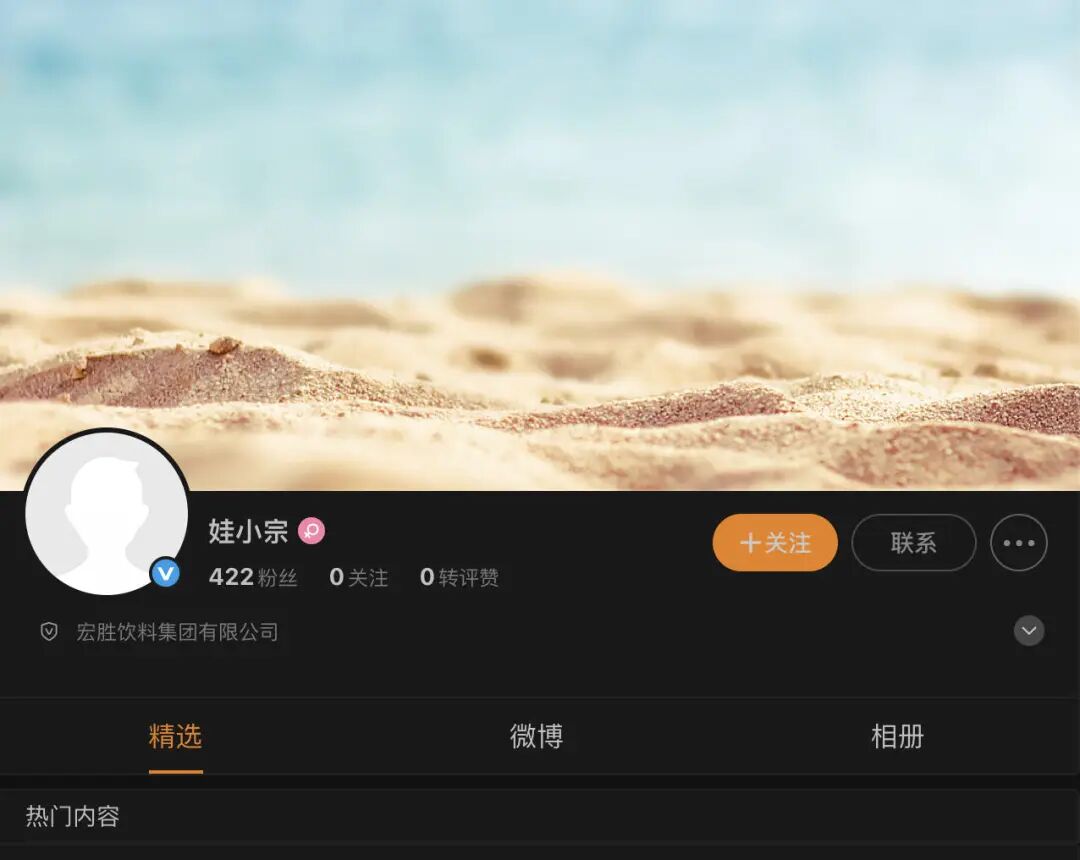
Core Points - Zong Fuli has resigned from her positions at Wahaha Group, including legal representative, director, and chairman, effective September 12, 2023, following the necessary procedures through the group's shareholders' meeting and board of directors [1] - The resignation is reportedly due to "non-compliance" in trademark usage, as Zong Fuli plans to focus on her own brand "Wah Xiaozong" [1] - A Weibo account for "Wah Xiaozong" has been verified, with the account registered under Hongsheng Beverage Group Co., Ltd., and has 422 followers as of October 11, 2023 [1] Company Changes - Hongsheng Group is a wholly-owned subsidiary of Hengfeng Trading Co., Ltd., with Zhu Lidan as the legal representative and general manager, while Zong Fuli serves as a director [3] - Since September, multiple Wahaha-related companies have undergone business name changes to include "Hongsheng," indicating a broader rebranding effort [5] - Over ten Wahaha subsidiaries have changed their business names to "Hongsheng" this year, including companies in various locations [5] Brand Development - "Wah Xiaozong" is a brand under Hongsheng Group, which was initially a contract manufacturer for Wahaha and transitioned to beverage production under Zong Fuli's management in 2007 [5] - The first product launched under "Wah Xiaozong" is a sugar-free Oolong tea priced at 4 yuan, distinctly packaged to differentiate from traditional Wahaha branding [3] - Hongsheng Beverage Group has submitted numerous trademark applications for "Wah Xiaozong" covering various food and beverage categories, with some applications already undergoing preliminary review [5]


加多宝集团关联公司曾申请王老吉商标被驳回
Ge Long Hui· 2025-10-11 04:30
Core Points - The JDB Group has suddenly announced that it owns the overseas trademark rights to Wanglaoji, leading to a new round of disputes with Guangzhou Wanglaoji Health Industry Co., which previously accused JDB of malicious trademark registration [1] - Wan Jie Limited, an offshore affiliate of JDB Group, is involved in the trademark ownership claims [1] - Multiple parties have applied to register the "Wanglaoji" trademark in various international classifications, including pharmaceuticals and convenience foods, with many applications being rejected [1] - Guangzhou Baiyunshan Pharmaceutical Holdings Co., Ltd. has also applied for several "Wanglaoji" trademarks, most of which are currently registered [1]
宗馥莉辞职后,“娃小宗”官方账号出现了
华尔街见闻· 2025-10-11 04:29
Core Viewpoint - The article discusses the recent developments surrounding Wahaha Group, including leadership changes and the introduction of a new brand "Wawaixiong" as part of a strategic shift following the founder's passing [4][5]. Group 1: Company Structure and Leadership Changes - Macro Beverage Group Co., Ltd. is a wholly-owned subsidiary of Hengfeng Trading Co., Ltd., with Zhu Lidan as the legal representative and general manager, while Zong Fuli serves as a director [2]. - Zong Fuli resigned from her positions at Wahaha Group on September 12, 2023, but remains the second-largest shareholder with a 29.4% stake [2][3]. - The largest shareholder is Hangzhou Shangcheng Wenshang Travel Investment Holding Group Co., Ltd., holding 46% of the shares [3]. Group 2: Brand Transition and Trademark Issues - Following the death of founder Zong Qinghou in February 2024, there has been significant attention on the future direction of Wahaha Group [4]. - The company plans to transition to a new brand "Wawaixiong" starting from the 2026 sales year, as part of efforts to resolve historical issues and ensure compliance in brand usage [4][5]. - The use of the "Wahaha" trademark requires unanimous consent from all shareholders, highlighting potential conflicts in brand management [4]. Group 3: Management and Operational Developments - Yian Xuefeng, the production center director of Macro Beverage Group, has returned to work after being under investigation for disciplinary issues, indicating a potential shift in management dynamics [5][6]. - Despite rumors of Zong Fuli being taken away for questioning, she resumed work on October 9, 2023, suggesting stability in her role [6].
娃哈哈大消息:宗馥莉已辞职,或将独立运营“娃小宗”
Zheng Quan Shi Bao· 2025-10-11 04:20
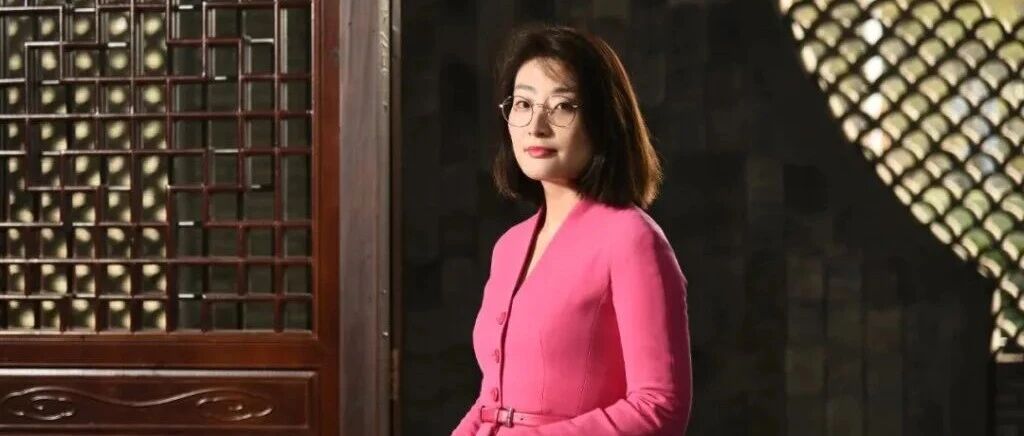
Core Viewpoint - Zong Fuli has resigned from her positions at Wahaha Group, including legal representative, director, and chairman, effective September 12, 2023, to focus on her own brand "Wawa Xiaozong" due to trademark compliance issues [1][2][3]. Group 1: Resignation Details - Zong Fuli's resignation has been confirmed by Wahaha Group, and she remains the second-largest shareholder of the company [1]. - Zong Fuli's career at Wahaha includes roles such as head of brand public relations, vice general manager of the sales company, and eventually vice chairman and general manager [1]. Group 2: Brand Development - The brand "Wawa Xiaozong" was launched by Hongsheng Group in 2025 as a sugar-free tea beverage, with the trademark registered under Hongsheng Group, separate from Wahaha [3]. - Following the death of the founder, Wahaha Group has been working to resolve historical issues and plans to transition to the new brand "Wawa Xiaozong" starting from the 2026 sales year [3]. Group 3: Corporate Changes - Several Wahaha-related companies have undergone name changes to incorporate "Hongsheng," indicating a shift in branding strategy [5]. - Over ten Wahaha subsidiaries have changed their names to include "Hongsheng" this year, reflecting a broader rebranding effort [5]. Group 4: Trademark Registration - Hongsheng Beverage Group has applied for multiple trademarks related to "Wawa Xiaozong," "Zong Xiaohai," and "Wawa Xiaohai," covering various categories including food and beverages [6].
宗馥莉辞职后,“娃小宗”亮相
财联社· 2025-10-11 04:12
7x24h电报 头条新闻 VIP资讯 实时盯盘 10月10日晚间,多家媒体报道称宗馥莉已于9月12日向娃哈哈集团有限公司辞去董事长等相关职务,并决定经营自己的品牌"娃小宗"。 今日,"娃小宗"微博账号完成平台认证, 认证主体为宏胜饮料集团有限公司。该账号的审核通过时间为9月30日,截至发稿,粉丝数为 1304,且暂未发布任何内容。 天眼查数据显示,宏胜饮料集团有限公司是一家全产业链覆盖的综合性饮料集团,成立于2003年10月22日,注册资本1025万美元,集团 总部位于中国杭州, 宗馥莉为公司执行董事。 | 主要人员 ● | | | | 2天眼查 | | | --- | --- | --- | --- | --- | --- | | 主要人员 4 历史主要人员 高管变更历程 11 ① | | | | | | | | | | | ® 음田 | | | 序号 | | | 姓名 | 脱浸 持股比例 个人简介 | | | 祝 | | 祝厨丹 ぽ 167 | | 经理 | | | | | 法定代表人 受益所有人> | | | | | 2 | 1 | 宗馥莉 猛 216 | | 详情 | 董事 | | 3 | H | 严 ...

“娃小宗”已注册微博账号,认证主体为宏胜饮料集团有限公司,宗馥莉担任董事!娃哈哈旗下多家子公司陆续发生工商变更,更名为“宏胜系”
Ge Long Hui· 2025-10-11 04:11
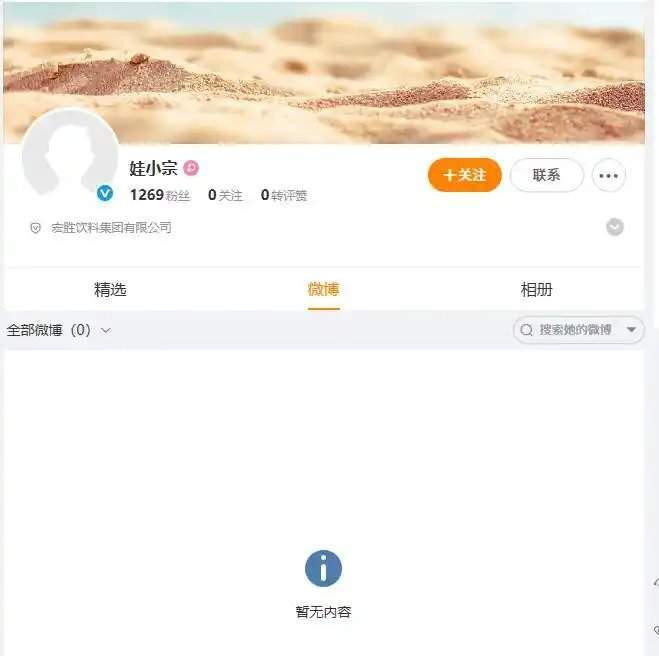
Group 1 - The Weibo account named "娃小宗" has been certified, with the certification subject being Hongsheng Beverage Group Co., Ltd. The approval date was September 30, and the account currently has 1,269 followers but has not posted any content yet [1] - Hongsheng Group is a wholly-owned subsidiary of Hengfeng Trading Co., Ltd. The legal representative and general manager is Zhu Lidan, while Zong Fuli serves as a director [1] - Since September, several subsidiaries under Wahaha have undergone business changes, rebranding to the "Hongsheng system" [1]
宗馥莉仍是娃哈哈第二大股东
Xin Jing Bao· 2025-10-11 03:59
Core Points - Zong Fuli has resigned from her positions at Wahaha Group, including legal representative, director, and chairman, effective September 12, 2024, following a series of controversies and management challenges after the death of founder Zong Qinghou [1][2][3] - Despite her resignation, Zong Fuli remains a significant shareholder in Wahaha Group and is focusing on her new brand "Wawa Xiaozong" [1][4] - The transition to "Wawa Xiaozong" comes amid legal complexities regarding the use of the Wahaha trademark, which requires unanimous consent from all shareholders for its usage [5][6] Company Background - Zong Fuli, born in 1982, has been a prominent figure in the beverage industry since 2004, leading Hongsheng Beverage Group to become one of China's top private enterprises [2][3] - She has held various leadership roles within Wahaha Group, including Vice Chairman and General Manager, and has been involved in significant reforms and expansions within the company [2][3] Brand Development - The new brand "Wawa Xiaozong" is seen as a response to the inability to use the Wahaha trademark, with the company planning to shift its branding strategy to mitigate legal risks [5][6] - Zong Fuli previously launched the KELLYONE brand, which has since faded from the market, raising questions about the viability of her new venture [7][8] Market Implications - The ongoing changes within Wahaha Group and Zong Fuli's departure may impact the company's market position and brand identity, as stakeholders assess the future of both Wahaha and "Wawa Xiaozong" [1][5][8] - The complexities surrounding trademark usage and shareholder agreements highlight potential challenges for the company's operational continuity and brand strategy [5][6]
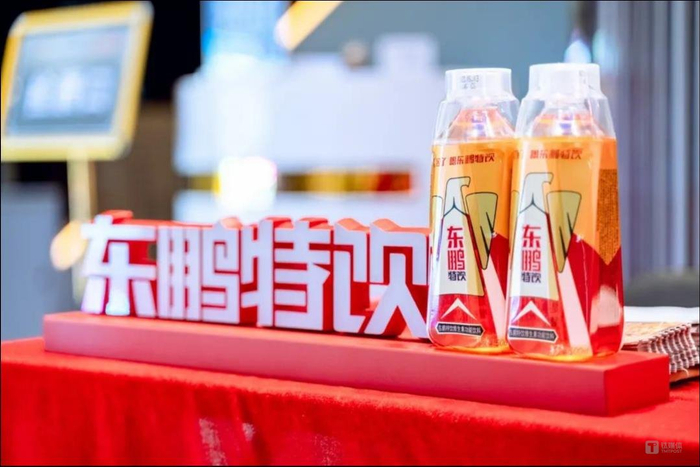
东鹏饮料再次递表港交所:海外能否成为第二增长曲线?
Tai Mei Ti A P P· 2025-10-11 03:49
Core Viewpoint - Dongpeng Beverage (Group) Co., Ltd. has submitted its H-share listing application for the second time, indicating its strong ambition to go public in Hong Kong despite previous setbacks [2][3]. Financial Performance - In 2024, the company achieved a revenue of 15.83 billion yuan, a year-on-year increase of 40.6%, and a net profit of 3.33 billion yuan, up 63.1% [2]. - For the first half of 2025, Dongpeng reported a revenue of 10.737 billion yuan, a growth of 36.37%, and a net profit of 2.375 billion yuan, an increase of 37.22% [2]. - Analysts predict that Dongpeng's total revenue for 2025 will exceed 20 billion yuan for the first time [2]. Market Position and Challenges - Dongpeng Beverage is a leading player in the Chinese functional beverage market, with a market capitalization of 160 billion yuan [2]. - The company has faced challenges in its Hong Kong listing process, including regulatory requirements related to foreign investment and data protection [3][6]. - The company's revenue is heavily concentrated in the energy drink segment, which accounted for over 80% of its income in recent years [5]. Product Structure and Growth - Dongpeng's core product, Dongpeng Special Drink, has seen its revenue contribution decline from 96.6% in 2022 to 84% in 2024, indicating a need for diversification [5]. - The gross profit margin has improved from 41.6% in 2022 to 44.1% in 2024, and further to 44.4% in the first half of 2025 [5]. International Expansion - Dongpeng has initiated efforts to explore overseas markets, particularly in Southeast Asia, by establishing a Hong Kong subsidiary and planning to build production bases [8][10]. - The company aims to cater to local tastes in Southeast Asia and has partnered with local distributors to enhance its market presence [10][11]. - Dongpeng is also investing in new production facilities, including a 1.2 billion yuan base in Hainan and a planned $200 million factory in Indonesia [10][11]. Strategic Goals - The Hong Kong IPO is seen as a strategic move to enhance capital strength, improve international brand image, and address the company's reliance on a single product category [10][12]. - The company recognizes the long-term impact of international market expansion on its overall strategy, despite the challenges it faces in competing with established brands like Red Bull and Monster [11][12].

“娃小宗”已注册微博账号
Xin Lang Cai Jing· 2025-10-11 03:40
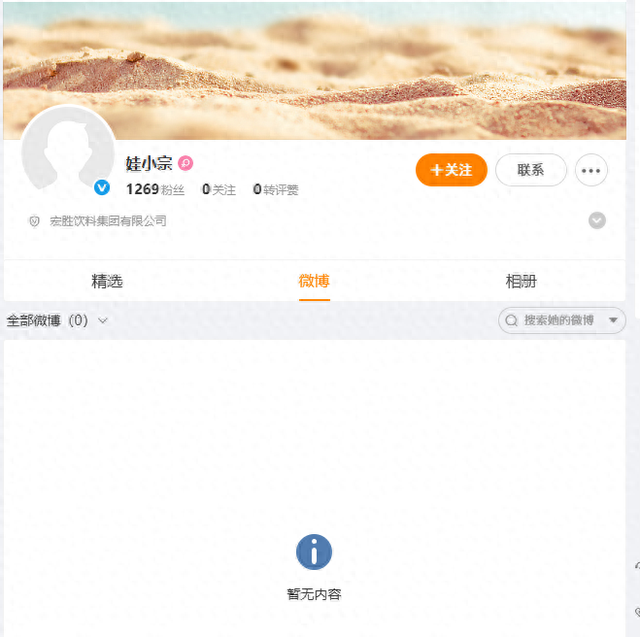
10月11日,微博显示,一个名为"娃小宗"的微博账号已完成平台认证,认证主体为宏胜饮料集团有限公 司,审核通过时间为9月30日,目前粉丝数1269,但暂未发布任何内容。 宏胜集团是恒枫贸易有限公司的全资子公司,祝丽丹为法定代表人和总经理,宗馥莉担任董事。自9月 以来,娃哈哈旗下多家子公司陆续发生工商变更,更名为"宏胜系"。 ...
都2025年了,王老吉和加多宝还在争商标,这背后是礼盒遇冷、出海大热
3 6 Ke· 2025-10-11 03:21
Core Viewpoint - The ongoing trademark dispute between Guangzhou Pharmaceutical Group and JDB Group over the "Wong Lo Kat" brand highlights the challenges in the herbal tea market, which has been struggling in recent years [1][2]. Trademark Dispute - On October 10, JDB issued a statement regarding the ownership of the "Wong Lo Kat" trademark overseas, marking the second such statement in a short period [2]. - Guangzhou Pharmaceutical Group claims to have registered the "Wong Lo Kat" trademark in over 100 countries, accusing JDB of misinterpreting trademark law and hindering international business development [2]. - The dispute has shifted focus to overseas markets, indicating a prolonged legal battle similar to the ongoing Red Bull trademark case [2]. Brand History and Market Strategy - The "Wong Lo Kat" brand has a long history, with its overseas registration linked to the descendants of Wang Zebang, who authorized JDB to use the brand [4]. - JDB's strategy involved rebranding "Wong Lo Kat" to "JDB" in overseas markets to maintain brand consistency and avoid consumer confusion [4]. - In 2023, Guangzhou Pharmaceutical launched an overseas plan for "Wong Lo Kat" and registered the "Walovi" trademark, although the name may not resonate with younger consumers [5]. Sales Performance - Both companies experienced a significant decline in gift box sales during the recent Mid-Autumn Festival and National Day, marking one of the coldest years for sales [8][10]. - The overall gifting market has been affected by various factors, including poor weather and changing consumer behavior, leading to a decrease in impulse purchases [10]. - The traditional gifting market has been in decline, with younger consumers less inclined to participate in gifting traditions [10]. Market Opportunities and Challenges - Both companies are facing challenges in the domestic market, with missed opportunities in emerging product categories such as sugar-free tea and plant-based beverages [13]. - The overseas market presents potential growth opportunities, especially as more Chinese companies target international consumers [13]. - The competition for market share in the herbal tea segment is intensifying, with both companies reluctant to cede ground in this lucrative area [13].
