商业地产

Search documents
王健林再卖48座万达广场,轻资产转型是救命稻草还是饮鸩止渴?
Sou Hu Cai Jing· 2025-05-30 09:15
Core Viewpoint - The recent sale of 48 Wanda Plaza locations by Wanda Group marks the third significant asset divestiture in two years, reflecting a strategic shift towards a "light asset" model amid ongoing financial challenges [1][4]. Group 1: Asset Divestiture and Financial Strategy - Wanda Group has sold nearly 200 Wanda Plaza locations since the beginning of 2023, alongside hotel and cinema assets, as part of its transition to a light asset model [1][2]. - The company has raised over 50 billion yuan through asset sales since December 2023, yet still faces substantial debt challenges, with total executed amounts exceeding 7.5 billion yuan by May 2025 [1][3]. Group 2: Transition to Light Asset Model - The core of the light asset model is "de-real estate," where Wanda no longer holds property ownership but generates revenue through brand, design, leasing, and operational capabilities [2][4]. - Currently, over 40% of the 498 Wanda Plazas managed by Wanda Commercial Management are light asset projects, with only 2 out of 23 new projects in 2023 being self-owned properties [2]. Group 3: Challenges and Brand Value - Despite short-term cash flow from asset sales, Wanda faces ongoing debt pressure and a gradual loss of brand value, as ownership of over 30% of Wanda Plazas has changed hands since 2023 [3][4]. - The shift in ownership has led to operational disputes, with some new owners opting to change management teams or reduce rental standards, impacting the brand's perception among consumers [3][4]. Group 4: Industry Insights - Wanda's experience offers key insights for the Chinese commercial real estate sector, emphasizing the importance of brand and operational capabilities in a light asset model [4]. - The transition must be accompanied by debt restructuring efforts, and there is a need to balance asset sales with the retention of operational control to avoid diminishing brand value [4].


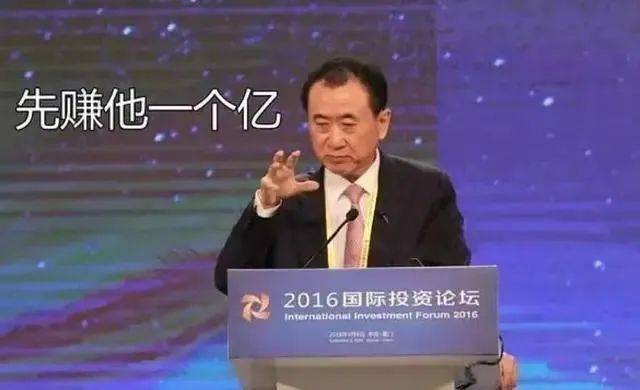
万达广场,王健林的套现中心
Sou Hu Cai Jing· 2025-05-30 05:36
Core Viewpoint - The recent sale of 48 Wanda Plaza locations by Wang Jianlin has sparked significant public discussion, with the transaction valued at approximately 50 billion yuan, indicating a drastic reduction in asset value compared to previous peaks [2][4][6]. Group 1: Transaction Details - The sale involves 48 Wanda Plaza projects located in various cities including Guangzhou, Chengdu, Hangzhou, Nanjing, and Wuhan, with the total transaction scale estimated at 50 billion yuan, averaging 10 billion yuan per plaza [4][6]. - This transaction marks the largest divestment by Wang Jianlin in the past two years, following the sale of over 40 Wanda Plazas during this period [6][8]. - The selling price of some projects has decreased by 40% compared to their peak values, making them attractive for investment institutions looking to acquire undervalued assets [8][9]. Group 2: Financial Context - As of the first three quarters of 2024, Wanda Commercial Management reported a net profit of 9.779 billion yuan, reflecting an 11.55% decline year-over-year [8]. - The total liabilities of Wanda Commercial Management reached 137.561 billion yuan, with cash on hand only at 11.577 billion yuan, indicating a severe liquidity crisis [13]. - Wang Jianlin's debt obligations, stemming from previous agreements with investors, amount to nearly 80 billion yuan, exacerbating the financial strain on the company [11][13]. Group 3: Strategic Implications - The sale of Wanda Plazas is seen as a necessary move to address the company's debt crisis, as Wang Jianlin has previously stated that Wanda Plaza is a core asset and a significant source of cash flow [6][11]. - The shift towards a lighter asset model raises concerns about the long-term profitability of Wanda Commercial Management, as management fees typically yield lower margins compared to owned properties [16]. - Despite the challenges, the remaining assets, including over 300 Wanda Plazas, still hold potential value, and the brand's recognition remains a significant asset for future recovery [17][22].
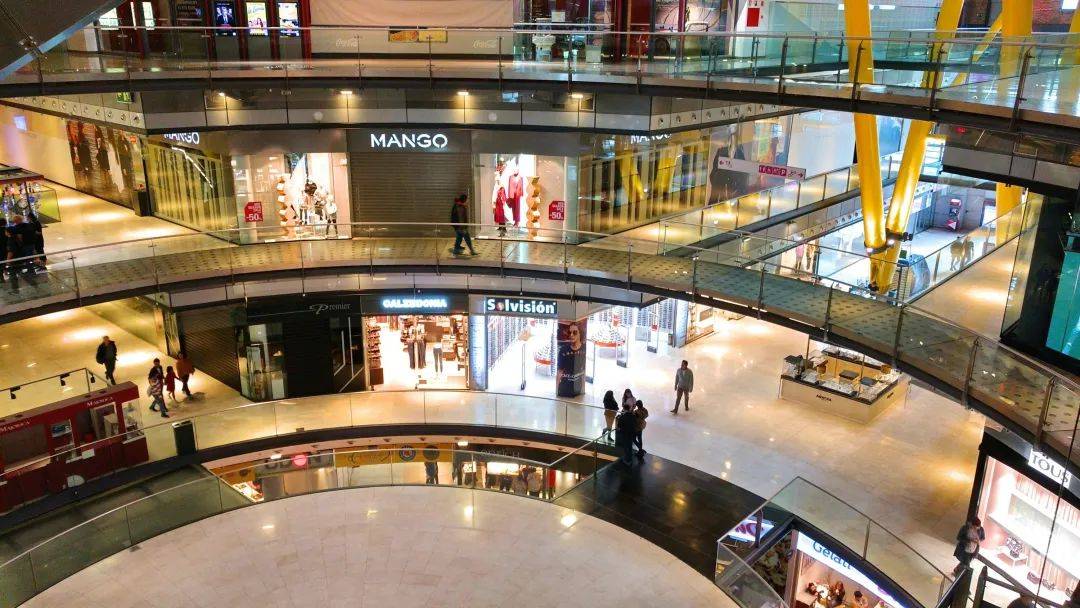
为何爆红的新商业,大多都具有显著的“公共设施”特征?
3 6 Ke· 2025-05-30 02:08
Group 1: Evolution of Shopping Centers - Shopping centers are transitioning from mere transaction venues to multifunctional public spaces that emphasize social interactions and community engagement [1][6] - The shift reflects profound changes in market conditions, social structures, and consumer psychology, moving away from traditional reliance on product transactions [1][2] Group 2: Challenges in Business Innovation - The traditional core drivers of business are failing, as the era of innovative business models has reached a saturation point, making it difficult to generate disruptive new formats [2] - Consumer fatigue towards novelty has emerged, with over 70% of themed scenarios entering a decline phase within a year, indicating a lack of sustainable customer engagement [3] Group 3: Changing Consumer Values - The Z generation prioritizes value recognition over material functionality, leading to a shift in consumption behavior towards spiritual resonance and value alignment [4][5] - Consumers are increasingly evaluating commercial spaces based on low-carbon initiatives, cultural inclusivity, and social relevance, transforming shopping centers into platforms for social discourse [5] Group 4: Redefining Social Functions - Traditional shopping centers are evolving into social and cultural hubs, integrating community services and cultural exhibitions to foster emotional connections among urban residents [6][7] - This transformation addresses the paradox of modern society, where the demand for physical social interactions grows despite the prevalence of virtual connections [6] Group 5: Conclusion on Public Space Transformation - The publicization of commercial facilities is a response to urban pressures and the scarcity of public spaces, positioning shopping centers as emotional anchors within communities [7] - The core value of commerce is shifting from mere content richness to providing meaningful experiences that foster companionship and a sense of belonging [7]
“王健林卖万达广场”话题连续4天霸榜热搜!
Sou Hu Cai Jing· 2025-05-30 02:07
Core Insights - The article discusses the significant divestment of Wanda Plaza by Wang Jianlin, with 85 plazas sold in two years, representing nearly one-fifth of the total 498 plazas at peak by the end of 2023 [2] - A consortium including TPG, Tencent, and JD.com has acquired 48 Wanda Plazas, with market predictions estimating the transaction value at approximately 50 billion yuan [6] - This marks the third large-scale asset disposal by Wanda in 2023, following the sale of over 30 plazas in the previous two years, including 32 sold in 2024 alone [6] Market Trends - The shift towards a "sell-sell-sell" strategy indicates Wanda's complete transition to a light-asset operation model, with the sold plazas located in competitive first and second-tier cities [8] - In contrast, the performance in county markets is strong, with significant foot traffic and sales reported in newly opened Wanda Plazas [8] Competitive Landscape - Wang Jianlin had anticipated higher rental returns in third and fourth-tier cities since 2015, but competitors like New City Holdings and China Resources are expanding rapidly, posing a threat to Wanda's market position [10] - Continuous asset sales may impact Wanda's brand reputation, as the lower-tier market becomes increasingly competitive, necessitating a demonstration that asset divestiture is a strategic pivot rather than an endpoint [10]
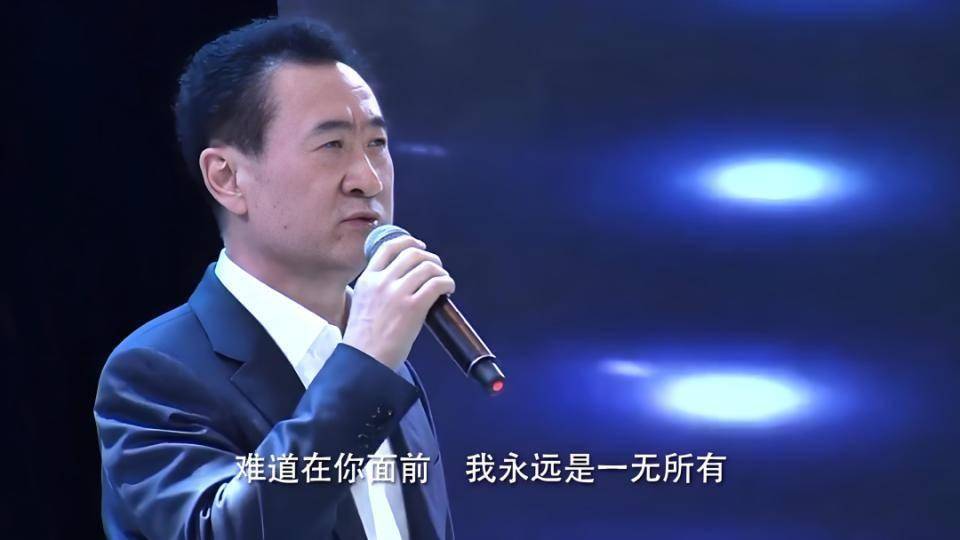
王健林甩卖48座万达广场!这些富人把钱用哪去了呢?
Sou Hu Cai Jing· 2025-05-29 19:18
Group 1 - Wang Jianlin is selling 48 Wanda Plazas to a consortium including Taikang Zhuhai, Gaohe Fengde, Tencent, JD Pinduoduo, and Sunshine Insurance, indicating a significant asset divestment [1] - The rental yield of Wanda Plazas has decreased from 8.3% in 2015 to 5.1% in 2024, reflecting the downturn in China's commercial real estate market and the impact of e-commerce [3] - High-net-worth individuals are diversifying their investments away from domestic real estate, with a shift towards global asset allocation, as highlighted by the increasing overseas asset allocation ratio reaching 28% in 2024, up 12 percentage points from previous years [9][7] Group 2 - Tencent's involvement in acquiring Wanda Plazas through its affiliated companies suggests a strategic move to integrate offline retail with online platforms, emphasizing the value of foot traffic in physical stores [5] - The trend among wealthy individuals is moving towards flexible and globally diversified assets, moving away from traditional real estate investments [7] - The focus on tax planning is increasing among high-net-worth individuals, with investment immigration becoming a popular method for optimizing global tax structures [11] Group 3 - The demand for investment immigration is rising, with a 47% year-on-year increase in applications, primarily driven by concerns for children's education and family safety [13] - The sale of Wanda Plazas reflects a broader reassessment of wealth transfer strategies among China's affluent, as the next generations face global competition [15]
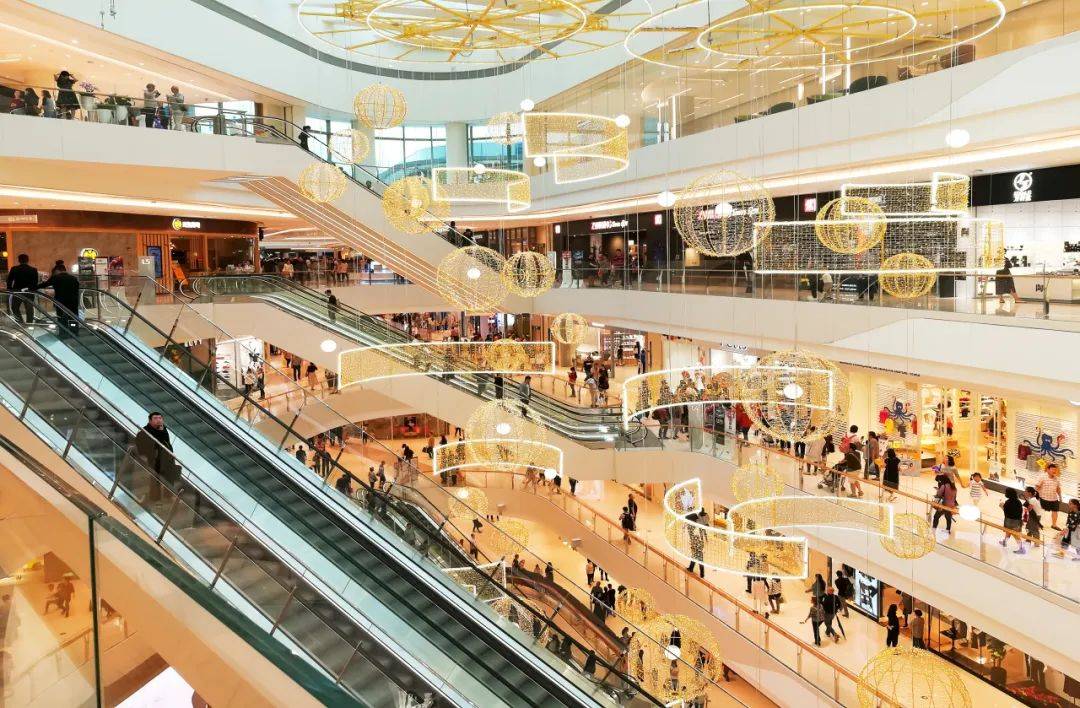
首进品牌超30% 非标商业亳都·新象将于今年“十一”开业
Bei Jing Shang Bao· 2025-05-29 13:48
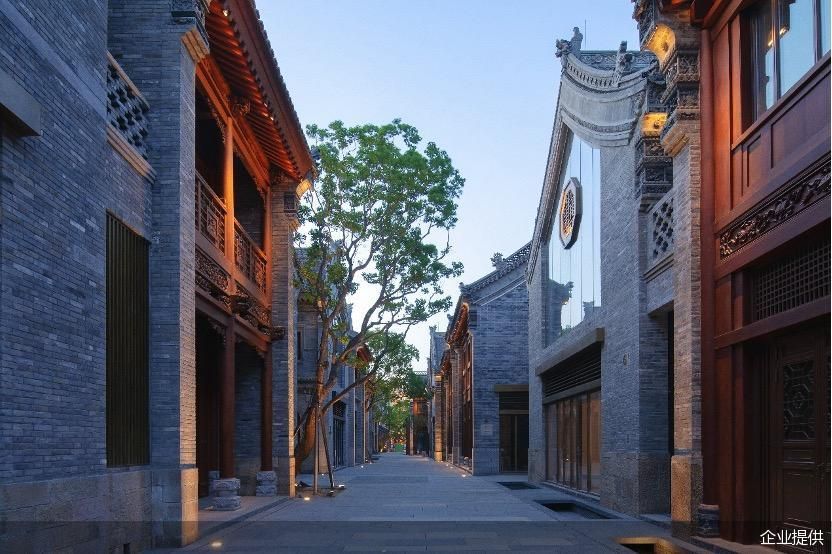
Core Insights - The new commercial project "Bodou. New Image" in Zhengzhou is set to open during the National Day holiday, featuring over 30% of first-time brands and more than 50% of its offerings focused on dining [1][5] - The project aims to provide a unique consumer experience through an open street model, which differs from traditional commercial projects [1][5] Project Overview - "Bodou. New Image" is located in the culturally rich Guancheng Hui District of Zhengzhou, covering approximately 46 acres with a total above-ground construction area of about 24,000 square meters and an underground area of around 17,000 square meters [3] - The project incorporates traditional architectural styles of the Central Plains and is designed around the core area of the ancient Shang Dynasty city ruins, featuring a main street, multiple alleys, 15 themed courtyards, and four cultural theme squares [3] Business Strategy - The project will consist of four main business segments: a dining-focused "Food Light Reception Hall," a coffee and beverage area called "City Wall Social Circle," a light meal and trendy product area named "Life Joyful Place," and a fashion and outdoor brand hub called "Pioneer Gravity Field" [5] - "Bodou. New Image" plans to introduce over 30% of first-time brands, including notable names such as LENBACH, COMMUNE, and Michelin-recommended Wenxing Restaurant, among others [5] Market Positioning - Unlike traditional commercial projects that prioritize retail, "Bodou. New Image" adopts an "experience-first, integrated business" strategy, with dining making up over 50% of its offerings, aiming to create a full-day consumption experience [5] - The project will also engage in cross-industry collaborations and host various community activities, including art exhibitions and themed markets like coffee and beer festivals [5] Industry Context - As Zhengzhou develops in sectors like new energy and pharmaceuticals, both local consumers and incoming talent are seeking new shopping experiences that blend with local culture [6] - The emergence of "Bodou. New Image" is expected to revitalize the local consumer market and promote diversity and uniqueness in commercial offerings, countering the homogenization seen in many existing shopping malls [6] - This project is part of a larger initiative to develop the 620,000 square meter core area of the Shang Dynasty city ruins, which will include additional projects that will synergize with "Bodou. New Image" [6]
新世界发展与上海黄浦区人民政府签订战略合作协议
Zhong Guo Xin Wen Wang· 2025-05-29 08:46
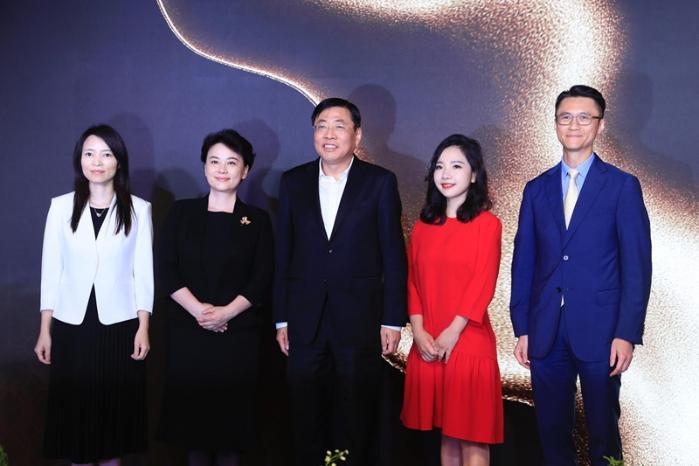
Core Insights - New World Development's K11 brand has launched a significant project, K11 ELYSEA, in the prime location of Huaihai Road, Shanghai, marking a strategic expansion in the region [1][3][5] Group 1: Strategic Collaboration - A strategic cooperation agreement was signed between New World and the Huangpu District government to enhance the commercial ecosystem of the Huaihai Road area [3][5] - Huangpu District officials expressed confidence in New World's ability to create a high-standard commercial environment that integrates culture and commerce [3][5] Group 2: Project Overview - K11 ELYSEA covers a total construction area of 130,000 square meters and aims to revitalize the historical essence of the 1930s "Oriental Champs-Élysées" [5][7] - The project incorporates historical architecture and modern design, creating a dialogue between old and new, while preserving elements of local culture [5][9] Group 3: Cultural and Commercial Integration - K11 ELYSEA is designed to be a cultural and commercial hub, connecting key shopping districts and enhancing the area's appeal to high-quality clientele [7][8] - The project emphasizes the integration of art, culture, and nature, aiming to become a "cultural commercial symbiosis" that stimulates urban vitality [9][11] Group 4: Environmental and Community Impact - K11 ELYSEA has achieved dual pre-certifications of LEED Platinum and WELL Gold, showcasing its commitment to sustainable building practices [11] - The redevelopment of Huaihai Park into a cultural space will host various events, enhancing the local shopping and lifestyle experience [13][15]


王健林,大消息!再卖48座万达广场,腾讯、阳光人寿等“熟人团”接盘
Sou Hu Cai Jing· 2025-05-29 07:07
Core Viewpoint - The article discusses the significant asset sale of 48 Wanda Plaza locations by Wanda Group, driven by the company's urgent need to address a short-term debt of 40 billion yuan, marking the fifth major asset disposal since 2025 [3][4]. Group 1: Asset Sale and Financial Context - Wanda Group is selling 48 of its properties, including locations in major cities like Beijing, Guangzhou, and Hangzhou, to a consortium of investors including Taiping Investment, Tencent, and Sunshine Life [3]. - The company faces a mounting debt crisis, with liabilities reaching nearly 40 billion yuan, exacerbated by failed IPO attempts and a significant drop in market valuation from 600 billion yuan to under 100 billion yuan [4][5]. - The asset sale is part of a broader strategy to transition to a light-asset model, allowing Wanda to retain operational rights while offloading heavy asset burdens, which has already generated over 20 billion yuan in cash flow [7]. Group 2: Debt and Market Challenges - As of Q3 2024, Wanda's cash reserves stand at only 14 billion yuan, creating a substantial liquidity gap against its 40 billion yuan short-term debt, leading to a spike in bond interest rates to 15% [9]. - The company is facing a crisis of confidence in the market, with high turnover rates among tenants and a pressing need to improve operational efficiency by 20% across its properties to compensate for reduced management fee income [9]. Group 3: Leadership and Strategic Direction - Wang Jianlin, the 70-year-old founder of Wanda, has demonstrated a strong resolve to avoid bankruptcy, emphasizing a commitment to not default on debts or lay off employees, even pledging personal assets as collateral [9]. - The article highlights a shift in the commercial real estate sector towards refined operations and a departure from high-leverage models, reflecting broader industry trends [9][10]. - Wanda's transformation strategy includes reimagining its properties as "urban micro-resort complexes," aligning with new regulatory frameworks that support light-asset models and commercial consumption upgrades [10].
王健林又卖了48座万达广场
投中网· 2025-05-29 06:56
Core Viewpoint - The article discusses Wanda Group's significant asset sale, marking its fifth large-scale divestment since 2017, aimed at debt reduction and transitioning to a "light asset" model [3][5][9]. Summary by Sections Asset Sale Details - Wanda Group is selling 100% equity of 48 target companies, primarily Wanda Plaza projects located in major cities like Beijing, Guangzhou, and Chengdu, to a consortium led by TPG Capital, Tencent, JD.com, and others [4][7][11]. - The estimated transaction value is around 500 billion yuan, with an average valuation of 10 million yuan per target company, which is a favorable price compared to last year's valuation of 15 million yuan per plaza [5][7]. Financial Context - Wanda's total debt has reached approximately 600 billion yuan, with 40 billion yuan of debt due by 2025, necessitating asset sales to alleviate financial pressure [5][8]. - The company has been under financial strain due to failed IPO attempts and has been selling off assets since early 2023, with over 30 Wanda Plazas expected to be sold by 2024 [8][9]. Strategic Partnerships - The consortium's structure allows for resource integration and risk diversification, with Wanda retaining operational control of the plazas and collecting management fees [11][13]. - TPG Capital, known for its expertise in distressed assets, has previously assisted Wanda during financial crises, indicating a strategic relationship [11][12]. Market Implications - The shift to a "light asset" model may enhance operational efficiency and reduce costs, providing a potential blueprint for other companies facing similar financial challenges in the commercial real estate sector [13].

能屈能伸!王健林再卖48座万达,全是熟人接盘,网友却一边倒怒赞
Sou Hu Cai Jing· 2025-05-29 06:45
Core Viewpoint - Wang Jianlin, once a real estate giant, is now frequently in the news for selling assets, indicating a significant shift in his business strategy and approach to debt management [1][9][17] Group 1: Asset Sales - On May 25, Wang Jianlin announced the sale of 48 Wanda Plazas, which were purchased by a consortium including Taikang, Tencent, and others, highlighting a collaborative approach among familiar business partners [3][4] - The 48 Wanda Plazas are located in prime areas of major cities like Beijing, Guangzhou, Chengdu, and Hangzhou, suggesting substantial rental income potential [6][9] - Wang Jianlin's asset sales have exceeded 100 billion yuan over the years, reflecting a strategic move to reduce debt and streamline operations [9][11] Group 2: Business Strategy and Transformation - Wang Jianlin's shift from a heavy asset model to a light asset operation model indicates a strategic pivot aimed at reducing risks and stabilizing cash flow [11][15] - The transformation of Wanda from being the "largest landlord" to a "light asset operator" suggests a focus on commercial operations and digital services, potentially unlocking larger market opportunities [15][17] - This approach is seen as a proactive response to the challenges faced by the real estate sector, positioning the company for future growth despite current market conditions [11][15] Group 3: Public Perception and Leadership - Public sentiment towards Wang Jianlin has shifted positively, with many viewing his asset sales as responsible and strategic rather than as a sign of defeat [11][17] - Wang's willingness to acknowledge challenges and actively address them has earned him respect, contrasting with other real estate leaders who may avoid accountability [13][17] - The narrative surrounding Wang Jianlin emphasizes his resilience and ability to adapt, reinforcing the idea that true leadership is demonstrated in times of adversity [16][17]