
冠寓

Search documents
【银河地产胡孝宇】公司点评丨龙湖集团 :收入下滑毛利率承压,开发保持稳健投资
Xin Lang Cai Jing· 2026-03-31 09:58
Core Viewpoint - The company reported its 2025 performance, achieving revenue of 97.31 billion yuan, a net profit attributable to shareholders of 1.02 billion yuan, and a core net loss of 1.7 billion yuan. The interim dividend for 2025 is set at 0.07 yuan per share, with no final dividend for the year [1][15]. Group 1: Revenue and Profitability - The company's revenue in 2025 was 97.31 billion yuan, a year-on-year decrease of 23.66%. This decline was primarily due to pressure on the development business, with development revenue falling to 70.54 billion yuan, down 30% year-on-year [1][15]. - The overall gross margin for 2025 was 9.70%, a decrease of 6.32 percentage points compared to 2024. The negative performance of joint ventures contributed to the core net loss, with losses from joint ventures amounting to 198 million yuan and from associates at 1.04 billion yuan [1][15]. Group 2: Development Investment - The company sold 5.186 million square meters in 2025, a decrease of 27.20%, with sales amounting to 63.16 billion yuan, down 37.54%. The average selling price was 12,179 yuan per square meter, a decline of 14.19% [2][16]. - Approximately 90% of the sales revenue came from first- and second-tier cities. The company’s sales were concentrated in the western region, Yangtze River Delta, Bohai Rim, South China, and Central China, contributing 80.2% of total sales [2][16]. - As of the end of 2025, the company had unsold sales of 99.1 billion yuan, providing a buffer for future development. The company acquired 37.7 thousand square meters of new land, maintaining a high equity ratio of 70.29% [2][16]. Group 3: Commercial Investment - The company’s operational revenue from commercial activities reached 14.19 billion yuan in 2025, a year-on-year increase of 1.6%. Commercial investment and asset management accounted for 79.0% and 21.0% of this revenue, respectively [3][17]. - Commercial rental income was 11.21 billion yuan, up 4% year-on-year, with a total of 99 shopping malls operated by the end of 2025, maintaining a rental rate of 97% [3][17]. Group 4: Service Chain and Financial Management - The service business, including property management and smart construction, generated 11.23 billion yuan in revenue, with a managed area of 360 million square meters by the end of 2025 [4][18]. - The company reduced its interest-bearing debt to 152.8 billion yuan, a decrease of 23.5 billion yuan from the end of 2024. The net debt ratio stood at 52.2%, with an average financing cost of 3.51%, the lowest in history [4][18].



龙湖:锚定“新地基” 坚定转型路
第一财经· 2026-03-30 06:58
Core Viewpoint - The real estate industry is undergoing significant challenges, yet Longfor remains one of the few companies that can be described as "safe" amidst the turmoil, having successfully managed its debt repayment and maintained its core assets [1][2]. Debt Management - Longfor has proactively repaid all its debts due by 2025, totaling 22 billion yuan, which is a rare move in the current environment of debt restructuring in the real estate sector [1]. - The company has reduced its interest-bearing debt by nearly 60 billion yuan over the past three and a half years, with a current interest-bearing debt of 152.81 billion yuan and a net debt ratio of 52.2% [5][6]. - Longfor's management has emphasized the importance of recognizing risks, which led to early actions in debt reduction and restructuring [4][5]. Business Operations - In 2025, Longfor achieved total revenue of 97.31 billion yuan, with its operational and service business contributing a record high of 26.77 billion yuan [1]. - The company has maintained a strong focus on its core assets, avoiding the sale or dilution of its operational and service business during the debt reduction process [9][10]. - Longfor's operational and service business is expected to continue growing, with projections indicating that by 2028, this segment will surpass development revenue [2][12]. Financial Performance - Longfor's operational and service business has a core profit of 7.92 billion yuan, with a gross margin exceeding 50% and a net margin of 30% [11]. - The company has successfully maintained a positive cash flow from its operations, with operating cash flow reaching 5.8 billion yuan in 2025 [6][9]. Future Outlook - Longfor aims to complete its transition to a new business model by 2028, with a projected reduction of total interest-bearing debt to around 120 billion yuan, 90% of which will be operational property loans [13]. - The company is focused on enhancing its competitive edge across various business segments, including development and asset management, while ensuring financial stability [14][15].
龙湖集团:房地产经历五年深度调整,今年有望止跌回稳
Di Yi Cai Jing· 2026-03-27 07:25
Core Viewpoint - The real estate market is showing signs of recovery, particularly in the second-hand housing sector, which is expected to gradually boost demand for new housing replacements [1][2]. Group 1: Market Conditions - The real estate industry has undergone significant adjustments over the past five years, with notable declines in both construction and transaction volumes [1]. - The current adjustment in the real estate sector is substantial, but ongoing policy support is anticipated to stabilize the market, leading to a significant reduction in overall market declines this year [1]. - In the first quarter of this year, transaction volumes for second-hand homes in key cities have stabilized, and high-end new properties in prime locations are experiencing strong sales [1]. Group 2: Company Performance - In 2025, the company reported total revenue of 97.31 billion yuan, with real estate development contributing 70.54 billion yuan, operational business 14.19 billion yuan, and service business 12.58 billion yuan [2]. - The company's contract sales in the traditional development sector reached 63.16 billion yuan, with a total sales area of 5.186 million square meters and an average selling price of 12,179 yuan per square meter [2]. - The company’s operational business, which includes commercial investments and asset management, generated 14.19 billion yuan in revenue, reflecting a 1.6% increase from the previous year [2]. Group 3: Financial Health - The company’s service business achieved revenue of 12.58 billion yuan, with its smart living segment generating 11.23 billion yuan and managing approximately 360 million square meters [3]. - As of the end of 2025, the company’s total borrowings amounted to 152.81 billion yuan, a decrease of 23.51 billion yuan from the previous year, with an average financing cost of 3.51% [3]. - The company has successfully optimized its debt structure, with nearly 90% of interest-bearing debt sourced from bank financing, and has maintained positive operating cash flow for three consecutive years after capital expenditures [3].
长租公寓须告别单一“包租公”模式
Jing Ji Guan Cha Wang· 2026-02-05 11:38
Core Viewpoint - The recent closures of multiple Magic Cube Apartment locations in cities like Shanghai, Hangzhou, and Shenzhen highlight the financial struggles faced by the long-term rental apartment industry, which has been significantly impacted by declining rental prices and rigid cost structures [1][2]. Group 1: Industry Challenges - Magic Cube Apartment has faced tenant evictions and delayed refunds due to long-standing rent arrears, despite the company's claims of normal operations and strategic optimization [1]. - The long-term rental apartment model, primarily based on leasing properties from landlords and subletting them at higher rates, has proven vulnerable in a changing market, with average rental prices in 40 major cities projected to decline by 6.4% year-on-year by 2025 [1][2]. - Many long-term rental companies are burdened by high long-term leases signed during more favorable market conditions, leading to compressed profit margins as income decreases while costs remain fixed [1][2]. Group 2: Market Evolution - Since 2022, several long-term rental brands have closed, indicating the fragility of the "sub-landlord" model that relies solely on rental price differentials [2]. - Despite the challenges, demand for long-term rentals persists, leading to a market bifurcation where traditional models like Magic Cube are under pressure, while other players seek more sustainable paths, such as Dragon Lake's Guan Yu, which focuses on refined operations and ecosystem collaboration [2]. - A significant new trend is the rise of affordable rental housing, with nearly 99% of new concentrated rental properties in 2025 being affordable or talent apartments, supported by state-owned enterprises and large real estate firms [2]. Group 3: Future Directions - A shift towards a "light asset" model, where companies provide brand management and operational services without heavy reliance on rental payments, may reduce risks and create a more sustainable business [3]. - Aligning with policy directions, such as integrating eligible projects into the affordable rental housing system, can provide stable support and open financing channels, with real estate investment trusts (REITs) becoming a crucial tool for major players [3]. - The future of the long-term rental market will focus on operational excellence and customer service, moving away from mere scale and emphasizing the importance of occupancy rates and tenant satisfaction [3][4]. Group 4: Industry Reflection - The marketing strategies of companies like Magic Cube, which still promote discounts despite the changing market dynamics, reflect a lingering attachment to past growth patterns [4]. - The essence of the long-term rental business is service-oriented, requiring solid operations, sound finances, and genuine responsiveness to tenant needs, rather than relying on continuous rent increases or fragile financial structures [4][5].
混合业态、长期主义:龙湖如何重构资产价值
3 6 Ke· 2026-02-02 02:24
Core Insights - The core theme for Longfor in 2025 is "safety," reflecting its stable performance through debt peaks and ongoing investments in asset management to create a robust competitive advantage [1][2]. Group 1: Asset Management Strategy - Longfor's asset management strategy is a result of long-term commitment, establishing a comprehensive asset portfolio that includes six key sectors: rental apartments, vibrant commercial streets, industrial offices, service apartments, maternal and child hospitals, and health care for the elderly, with a total management scale nearing 30 billion yuan [2]. - The company has successfully launched its innovative mixed-use product "Huan Si," which has already been implemented in multiple cities, showcasing its adaptability to market demands [3][12]. Group 2: Market Positioning and Consumer Trends - The "Huan Si" project in Hefei attracted over 132,000 visitors and generated sales exceeding 3.3 million yuan within the first three days of opening, indicating strong market acceptance [4]. - The project targets contemporary young consumers who prefer local experiences over distant destinations, emphasizing the importance of accessible social spaces [5][6]. Group 3: Integration of Mixed-use Spaces - "Huan Si" integrates various functions, with approximately 70% of its space dedicated to dining and the remaining 30% to leisure and lifestyle offerings, creating a vibrant community atmosphere [10]. - The synergy between "Huan Si" and Longfor's rental apartment brand "Guan Yu" enhances the overall value proposition, allowing residents to seamlessly transition between living and socializing [13][16]. Group 4: Operational Excellence and Future Expansion - The operational model of "Huan Si" and "Guan Yu" creates a closed-loop system that drives consumer engagement and increases rental income, with reported rent increases of 300 to 500 yuan per unit post-launch [16][17]. - Longfor plans to expand the "Huan Si + Guan Yu" model to more cities, including Nanjing and Shenzhen, while continuously improving its asset management capabilities [19]. Group 5: Comprehensive Asset Management Capability - Longfor's asset management capabilities encompass a full spectrum from planning to operational execution, allowing for effective transformation of underperforming assets into value-generating entities [23]. - The company is exploring innovative combinations of different asset types, such as integrating rental apartments with healthcare services, to enhance operational efficiency and adaptability in a changing market [25][27].
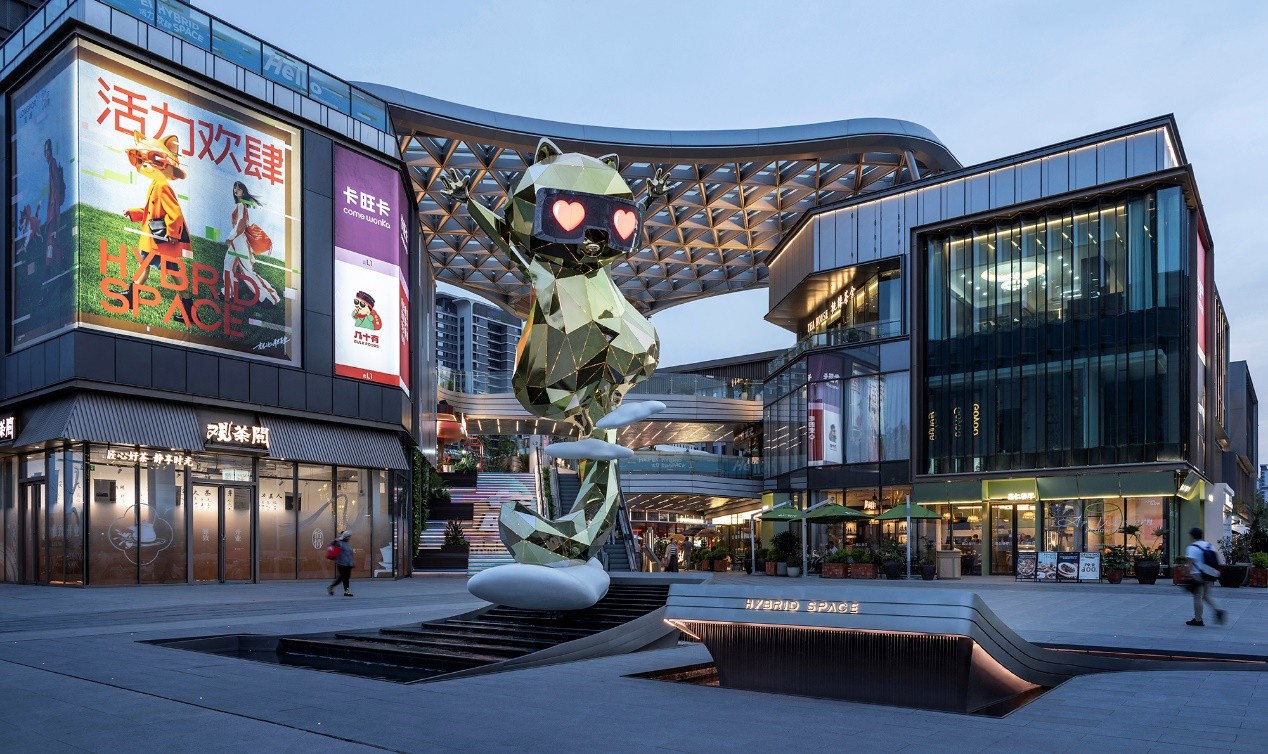
2025年经营性业务收入创历史新高,龙湖集团穿越周期显韧性
Huan Qiu Wang· 2026-01-26 09:44
Core Viewpoint - The real estate market is undergoing a significant transformation from "incremental development" to "stock operation," with Longfor Group's operational resilience and strategic value becoming crucial for navigating this cycle [1] Group 1: Operational Performance - In 2025, Longfor Group achieved a contract sales amount of 63.16 billion yuan, with operational revenue reaching approximately 28.54 billion yuan, marking a historical high [2] - The operational business, contributing about 15.19 billion yuan and service business about 13.35 billion yuan, is becoming a stable foundation for Longfor's performance amidst market volatility [2][3] - Longfor's management aims to position operational and service businesses as the "growth engine" to address the demands of the stock era [2] Group 2: Commercial Investment and Asset Management - Longfor's commercial investment added 13 new shopping centers in 2025, bringing the total to over 100 across 26 high-energy cities, supporting rental income growth [3] - The company focuses on "refined operations" and "product iteration," enhancing customer experience through unique marketing initiatives and project upgrades [3] - The asset management segment, particularly the long-term rental apartment brand "Guan Yu," has maintained a leading position in the industry, enhancing product quality and occupancy rates [4] Group 3: Technology and Service Expansion - Longfor's service business, led by Longfor Smart Living, is evolving from traditional property management to a comprehensive smart city service provider [5] - The company has expanded its service capabilities across 13 categories, securing significant projects in various urban settings, showcasing its operational strength [5] - Longfor's investment in technology, including over 10 billion yuan in R&D, has led to the development of the HALO smart space management platform, enhancing service efficiency and quality [6] Group 4: Strategic Insights - Longfor's operational breakthroughs are a result of its "One Longfor" ecosystem, where commercial projects enhance residential and community services, creating a synergistic flow of benefits [7] - The transition from developer to service operator requires a long-term strategic focus, continuous product innovation, and a strong technological foundation [7] - Longfor's stable cash flow and profit from operational businesses help mitigate cyclical fluctuations in the development industry, providing essential support for the group's overall stability [7]
龙湖集团2025年实现经营性收入285.4亿元,同比创历史新高
Xin Lang Cai Jing· 2026-01-12 12:57
Core Viewpoint - Longfor Group reported strong operational data for 2025, achieving a contract sales amount of 63.16 billion yuan and a sales area of 5.186 million square meters, despite a challenging real estate market in China [1][4]. Group 1: Financial Performance - Longfor Group's total operating revenue for 2025 reached approximately 28.54 billion yuan (including tax), marking a historical high, with operational business revenue of about 15.19 billion yuan and service business revenue of around 13.35 billion yuan [1][4]. - The overall sales scale of Longfor Group remains among the industry leaders, with the company ranking in the top five in seven cities and achieving first place in Chongqing and Guiyang [5]. Group 2: Business Strategy and Development - Longfor Group's operational business showed proactive strategic enhancements, including the addition of 13 new shopping centers and ongoing upgrades of existing commercial properties [2][5]. - The asset management segment, particularly the long-term rental apartment brand "Guan Yu," had 127,000 operational units by the end of 2025, while the new vibrant street brand "Huan Si" launched in four cities [2][5]. Group 3: Future Growth Potential - The management emphasized that the continuous development of operational and service businesses will be crucial for the company's growth and adaptation to the current market conditions [6]. - Huatai Securities expressed optimism about Longfor Group, highlighting the potential for value release in commercial real estate, service business growth driven by technology, and recovery dynamics in the market [6].
房地产告别“旧周期” 锚定“新坐标”
Zhong Guo Jing Ying Bao· 2025-12-31 12:39
Core Insights - The real estate industry is undergoing a structural transformation in 2025, moving away from large-scale expansion to a focus on "quality improvement" and "functional regeneration" [1][2] - The shift is characterized by a significant decline in traditional housing development, with a 15.9% drop in real estate development investment and a 7.8% decrease in commodity housing sales area in the first 11 months of the year [1][4] - Urban renewal is emerging as a key driver for industry stability and future growth, with investments in this area expected to exceed 9 trillion yuan by 2029 [4][5] Group 1: Industry Transition - The year 2025 marks a critical point for the transition from old to new models in the real estate sector, with the focus shifting to new operational models as risks from previous expansions are addressed [2][3] - The central government has recognized the significant changes in supply-demand dynamics within the real estate market, setting the stage for a new development model [2][4] Group 2: Urban Renewal - Urban renewal is increasingly recognized as a mainstream approach, moving from marginal exploration to a central strategy for stabilizing investment and expanding domestic demand [4][5] - The focus of urban renewal has shifted from maximizing land value through large-scale demolition to enhancing the functionality of existing buildings and spaces [5][6] Group 3: Investment and Market Dynamics - In the first 11 months of 2025, total real estate development investment reached 7.86 trillion yuan, reflecting a 15.9% year-on-year decline, while urban renewal investments continue to grow [4][9] - The market is experiencing a divergence, with second-hand housing prices dropping by 7.46% across 100 cities, while first-tier cities see price increases, indicating a complex landscape for real estate investment [9][10] Group 4: Business Model Evolution - Real estate companies are shifting from a "development-driven" model to a dual focus on "development and operation," with leading firms increasing their revenue from property management and services [10][11] - Companies are encouraged to adopt a mindset of asset management and urban operation, moving away from high-turnover development strategies to long-term value extraction [11]

龙湖资产管理:以欢肆为钥,解锁存量时代资产价值新密码
Mei Ri Jing Ji Xin Wen· 2025-12-29 13:57
Core Insights - The Chinese real estate industry is transitioning from a growth phase to a focus on the existing stock market, with asset management becoming crucial for sustainable development [1][4] - The average rental price for commercial real estate in eight key cities has decreased by 11.9% year-on-year, indicating challenges for smaller projects [1] - Policies promoting urban renewal and affordable rental housing are pushing the industry to shift from "building houses" to "managing assets" [1] Group 1: Market Dynamics - By May 2025, the total area of retail commercial projects over 30,000 square meters in China will reach 590 million square meters, with five major city clusters accounting for 60% of the existing stock [1] - Many small to medium-sized projects are facing low occupancy rates and poor efficiency, necessitating innovative asset management strategies [1][5] Group 2: Company Strategy - Longfor Group's asset management division has developed a comprehensive asset management capability system, focusing on mixed-use developments to enhance value [3][4] - The company has expanded its asset management operations to include various sectors such as long-term rentals, vibrant street areas, serviced apartments, and healthcare facilities, managing nearly 30 billion yuan in assets by the end of 2024 [4][12] Group 3: Innovative Solutions - Longfor's mixed-use model combines residential and commercial spaces, creating a symbiotic relationship that enhances both sectors' performance [5][8] - The "Coral Pearl Points" system allows tenants to redeem points for discounts in commercial areas, fostering customer loyalty and increasing foot traffic [8][11] Group 4: Operational Excellence - The company employs a data-driven approach to optimize tenant experiences and operational efficiency, achieving a rental rate increase from 85% to 98% within six months in some projects [11] - Longfor's asset management strategy includes a closed-loop system of investment, construction, management, and exit, ensuring sustainable value realization [12][13] Group 5: Future Outlook - The successful implementation of mixed-use projects across major cities demonstrates Longfor's ability to adapt to the evolving real estate landscape, positioning it as a leader in asset management [13] - The company aims to continue expanding its innovative asset management solutions, injecting new vitality into existing assets and setting a benchmark for the industry [13]
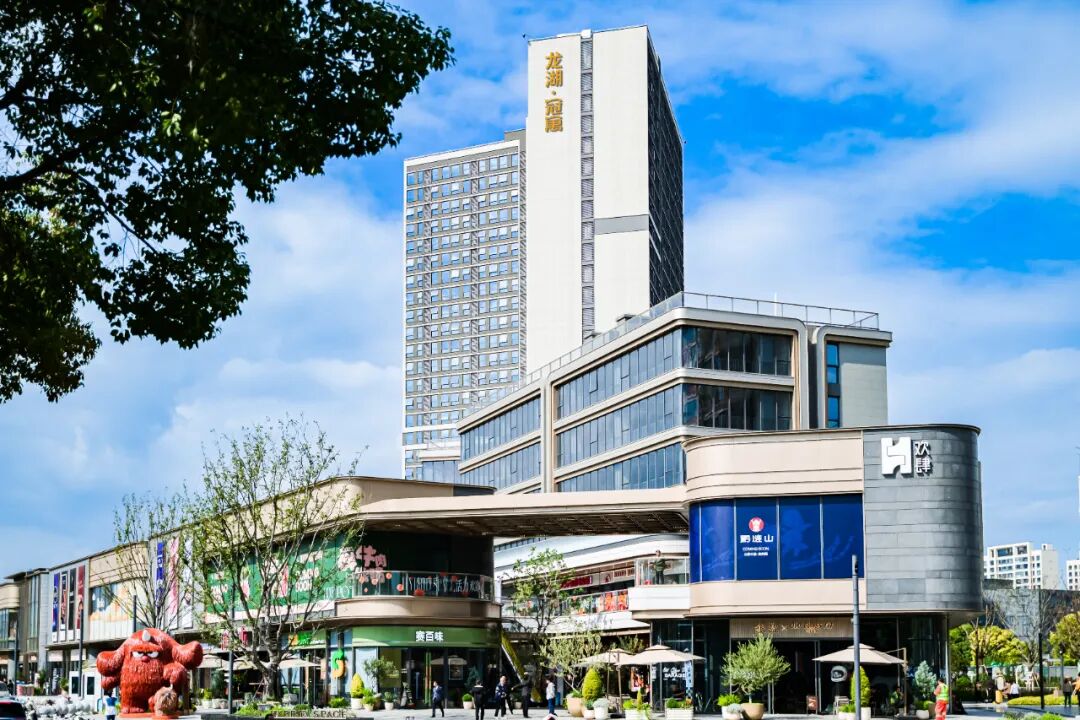
【银河地产胡孝宇】公司点评丨龙湖集团 (0960.HK):投资深耕核心,压降负债规模
Xin Lang Cai Jing· 2025-09-05 10:34
Core Insights - The company reported a revenue of 58.75 billion yuan for the first half of 2025, representing a year-on-year growth of 25% [2] - Core net profit for the same period was 1.38 billion yuan, with a significant decline of 45.14% compared to the previous year [2] - The company is focusing on core investment areas while managing to reduce its debt levels [6] Revenue and Profitability - The company's revenue growth was driven by three main business segments: development, operation, and services, all showing year-on-year increases [2] - The gross profit margin decreased to 12.63%, down by 7.94 percentage points from the previous year [2] - Sales area decreased by 28.48% to 2.614 million square meters, and sales amount fell by 31.51% to 35.01 billion yuan [3] Business Operations - Rental income from shopping centers grew by 4.9% to 5.5 billion yuan, with an overall occupancy rate of 96.8% [4] - Long-term rental apartments maintained a high occupancy rate of 95.6%, with revenue of 1.24 billion yuan [4] - Property management services generated revenue of 6.26 billion yuan, showing a slight increase of 0.02% [4] Debt Management - The company reduced its interest-bearing debt to 169.8 billion yuan, a decrease of 6.5 billion yuan from the end of 2024 [5] - The asset-liability ratio, excluding pre-receipts, stood at 56.1%, while the net debt ratio was 51.2% [5] - The average financing cost was 3.58%, with a contract loan term of 10.95 years [5]