饮料

Search documents
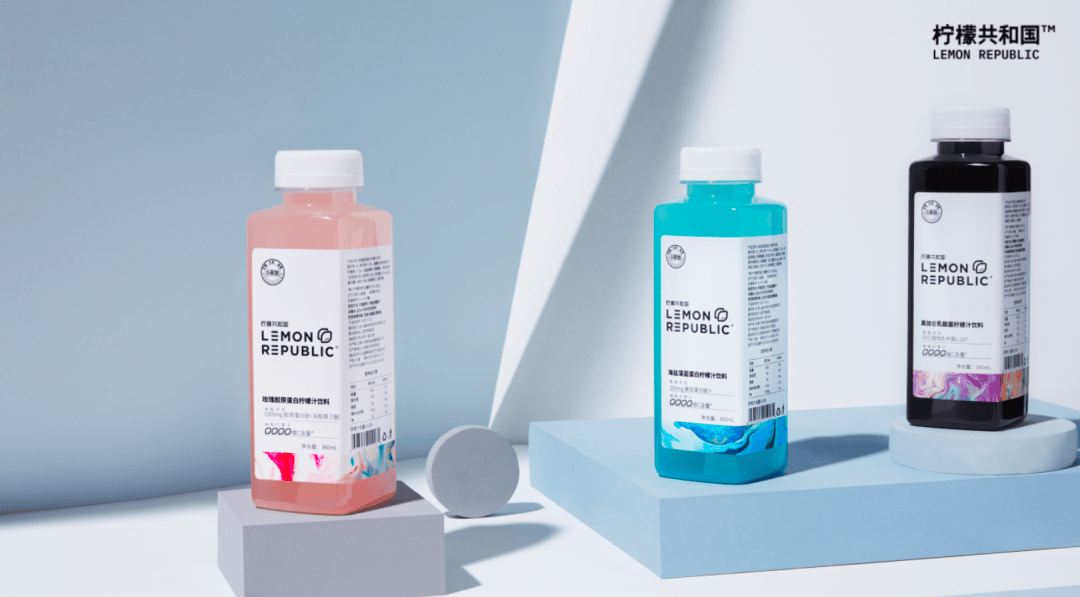
一颗柠檬撑起10亿营收!饮料赛道又杀出一匹“大黑马”
Sou Hu Cai Jing· 2025-10-08 00:44
Core Insights - The article highlights the success of the beverage brand "Lemon Republic," which has managed to thrive in a highly competitive market, achieving over 1 billion in revenue within five years of its establishment [2][3]. Group 1: Market Context - The Chinese beverage market has over 5000 varieties, but less than 2% of brands survive beyond five years [2]. - Lemon Republic stands out as a new player that has broken the norm, achieving significant growth and recognition in a short period [2][3]. Group 2: Product Development - The core of a successful beverage brand is its product, which is likened to a snowball effect where a good product is essential for growth [4]. - Initial product offerings faced challenges, but the team focused on consumer feedback to align products with consumer perceptions [8][10]. - The brand has successfully created differentiated flavors that appeal to consumers who enjoy sour tastes, leading to a loyal customer base [12]. Group 3: Innovation and Expansion - Lemon Republic has consistently launched 1-2 hit products each year, expanding its product line by exploring various flavor combinations and categories [3][14]. - The brand's strategy includes leveraging the versatility of lemons to create new products, such as lemon-flavored sparkling drinks and teas [14][19]. Group 4: Marketing Strategy - The brand emphasizes understanding consumer needs and preferences, utilizing insights to guide product development and marketing strategies [29][42]. - Lemon Republic has shifted its marketing approach to focus on storytelling and emotional connections with consumers, rather than just product features [36][37]. Group 5: Brand Vision - The long-term goal for Lemon Republic is to establish itself as a beloved brand that resonates with consumers on a deeper level, beyond just selling beverages [36][42]. - The brand aims to create a unique identity that reflects its values and connects with consumers' lifestyles, moving away from a purely transactional relationship [42].

锚定 Z 世代需求,东鹏饮料解锁年轻化营销多元路径
Quan Jing Wang· 2025-10-07 05:02
Core Insights - Dongpeng Beverage is strategically positioning itself in the youth market by sponsoring various events, including the HHI World Street Dance Championship and the Guomen Summit Breaking competition, showcasing its commitment to youth culture and sports [1][2][3] Group 1: Brand Strategy - Dongpeng Beverage's partnership with street dance culture is based on a multi-dimensional approach of functional fit, audience alignment, and long-term planning, ensuring a deep integration rather than a superficial collaboration [2] - The core attributes of Dongpeng's functional drink, which include fatigue resistance and mental alertness, align well with the physical demands of street dance competitions, providing a natural basis for brand integration [2] - Dongpeng has been a strategic partner of the Chinese breakdancing national team since 2021 and has continuously increased its investment in the street dance sector, including becoming the naming partner for the Guomen Summit International Street Dance League in 2025 [3] Group 2: Multi-Dimensional Layout - Dongpeng is extending its youth-oriented strategy beyond street dance to include esports and various sports events, creating a comprehensive brand ecosystem that covers all aspects of young people's lives [4] - The company has been involved in esports since 2016, sponsoring the KPL Honor of Kings professional league and partnering with the Peace Elite Professional League (PEL) in 2025, establishing a robust esports matrix [4] - In the sports sector, Dongpeng is the exclusive naming sponsor of the 2025 FIA F4 Formula China Championship and is actively involved in various sports events, including the Spartan Race and tennis tournaments, ensuring broad coverage in both trendy and mainstream sports [4] Group 3: Revenue Growth - Dongpeng's electrolyte drink, "Dongpeng Buliang," has rapidly gained market traction, achieving revenue of 1.493 billion yuan in the first half of 2025, reflecting a year-on-year growth of 213.7%, validating the success of its scene-based strategy [5] Group 4: Data-Driven Operations - Dongpeng Beverage has established a digital operation system centered around a closed-loop model of data insight, demand conversion, and product optimization, which supports the precise implementation of its youth marketing strategy [7] - The company utilizes a "five-code association" technology to create a smart platform that tracks product sales data in real-time across various scenarios, laying the groundwork for comprehensive operational optimization [8] - Dongpeng enhances its operational efficiency by implementing a dynamic product lifecycle monitoring system, ensuring product freshness and quality, and by providing merchants with a one-stop data platform to respond quickly to market demands [8] Conclusion - Dongpeng Beverage is building a marketing ecosystem that deeply engages with young consumers through cultural connections, scene-based strategies, and data-driven insights, reinforcing its brand message of "Youth Must Be Awake to Compete" and driving significant growth in its product lines [9]


新股消息 | 东鹏饮料(605499.SH)港股IPO招股书失效
Zhi Tong Cai Jing· 2025-10-06 06:34
Group 1 - The core viewpoint of the article highlights that Dongpeng Beverage Group Co., Ltd. has seen its Hong Kong IPO application expire after six months, with Huatai International, Morgan Stanley, and UBS serving as joint sponsors [1] Group 2 - Dongpeng Beverage is recognized as the leading functional beverage company in China and globally, with the highest revenue growth among the top 20 listed soft drink companies worldwide [2] - According to a report by Frost & Sullivan, Dongpeng Beverage has maintained its number one position in the Chinese functional beverage market for four consecutive years since 2021, with its market share increasing from 15.0% in 2021 to 26.3% in 2024 [2]

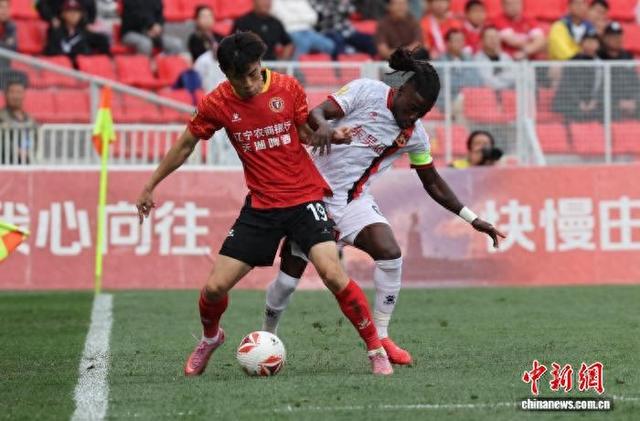
中甲:辽宁铁人队主场胜苏州东吴队
Zhong Guo Xin Wen Wang· 2025-10-05 13:13
Core Points - The match on October 5 featured Liaoning Ironman Agricultural Commercial Bank team winning 2-0 against Suzhou Dongwu team in the 25th round of the 2025 China Football Association China League One [2][3][4] Group 1 - The match took place in Shenyang, Liaoning Province [2][3][4] - Liaoning Ironman Agricultural Commercial Bank team secured a home victory [2][3][4] - The victory contributes to the team's performance in the ongoing league season [2][3][4]
娃哈哈改名,宗馥莉太想进步了
商业洞察· 2025-10-04 09:25
Core Viewpoint - The article discusses the challenges faced by Wahaha, particularly in its key product lines and market performance, indicating a stagnation in growth and a need for strategic transformation under the leadership of Zong Fuli [3][5][6]. Group 1: Market Performance - Wahaha's sales growth has declined, with a 37% drop in sales of AD Calcium Milk in East China and a decrease in market share for purified water from 18% to 12% [5][6]. - The beverage industry is experiencing significant competition, with Wahaha's revenue remaining stagnant around 50 billion from 2015 to 2023, only breaking 70 billion in 2024 due to emotional consumption following the founder's death [11][12]. - The bottled water market is projected to grow significantly, with an expected market size of 310 billion by 2025, indicating a potential opportunity for Wahaha if it can adapt [23][24]. Group 2: Competitive Landscape - Competitors like Nongfu Spring and Yibao have been gaining market share, with Nongfu Spring holding a 48.53% share in bottled water, while Wahaha's share is at 45.04% [22][23]. - The article highlights the increasing competition in the beverage sector, particularly in bottled water, where Wahaha has been losing ground to brands like Nongfu Spring and Yibao [14][15][25]. - The overall market for bottled water is becoming more competitive, with new entrants potentially further fragmenting market share [29]. Group 3: Strategic Initiatives - Zong Fuli aims to revitalize Wahaha by focusing on water and tea products, with a significant increase in sales targets for distributors [18][19]. - The company is attempting to penetrate first-tier markets through partnerships with retail channels like Hema and FamilyMart, which has shown positive results in market share growth [20][22]. - Wahaha is also exploring the no-sugar tea segment, which has seen rapid growth, although initial product launches have not met expectations [31][34]. Group 4: Future Outlook - The introduction of the new brand "Wah Xiaozong" is seen as a strategic move to enhance decision-making efficiency and facilitate a quicker response to market changes [37][38]. - The company faces pressure to maintain its revenue levels, with reports indicating a potential decline in sales compared to the previous year [37][39]. - The long-term goal for Wahaha is to transform and adapt to the evolving beverage market, moving away from its traditional product lines to capture new growth opportunities [36][38].
18亿上诉驳回,宗馥莉迎来接班后最凶险一战
3 6 Ke· 2025-10-04 04:35
Core Viewpoint - Zong Fuli is facing a complex situation with multiple challenges, including a court ruling that upheld the freezing of $1.8 billion in assets and resistance to her new brand strategy, "Wawa Xiaozong" [2][9][30]. Legal Challenges - On September 26, 2024, the Hong Kong High Court rejected Zong Fuli's appeal, maintaining the asset freeze on Jianhao Company's HSBC account [2]. - The asset freeze originated from an application by Zong Qinghou's three overseas children, leading to a legal battle over the trust relationship and asset ownership [9][11]. - Legal experts suggest that the ruling does not equate to a total loss for Zong Fuli, as the final decision on the trust's validity will be made by the Hangzhou court [11][14]. Brand Strategy and Market Position - Zong Fuli's new brand "Wawa Xiaozong" has not gained widespread support from distributors, with some openly opposing it [4][30]. - The introduction of "Wawa Xiaozong" is seen as a strategic move to assert her independence and negotiate for control over the main brand, "Wahaha" [24][27]. - The brand aims for a sales target of 30 billion yuan, which is nearly 80% of Wahaha's current revenue [27]. Internal Power Dynamics - Zong Fuli is working to consolidate power within Wahaha, moving assets to her control and replacing management to strengthen her position [15][19]. - The company's complex ownership structure complicates her ability to implement significant brand strategies independently [15][17]. - The ongoing legal disputes and brand strategy shifts are part of a broader effort to secure her leadership and mitigate risks from potential challengers [13][14]. Market Challenges - The acceptance of "Wawa Xiaozong" in the market is low, with 62% of social media users preferring existing brands [30]. - There are concerns about trademark infringement and resistance from distributors due to recent sales performance requirements [30][31]. - The beverage industry is highly competitive, with established players like Nongfu Spring and Yi Bao posing significant challenges to market entry [31]. Strategic Outlook - Zong Fuli's approach reflects a blend of proactive strategy and risk management, aiming to navigate the complexities of family legacy and corporate governance [35][36]. - The outcome of her strategies will significantly impact the future of Wahaha and set a precedent for family business succession in China [36][37].

信托案上诉被驳 核心高管又遭调查: “多事之秋”宗馥莉如何接招
Hua Xia Shi Bao· 2025-10-04 01:44
Core Insights - Wahaha Group is facing significant challenges as its new leader, Zong Fuli, encounters legal and internal issues, including the investigation of a key executive and a recent court ruling against her [1][2][3] Legal Challenges - The Hong Kong High Court rejected Zong Fuli's appeal in an $18 billion trust dispute involving her half-siblings, which has resulted in asset restrictions on her accounts [3] - The investigation of Yan Xuefeng, a core member of the Wahaha leadership, by the Hangzhou Discipline Inspection Commission adds to the company's turmoil [2][5] Internal Management Issues - Yan Xuefeng's investigation may impact Wahaha's operational stability and internal governance, as he holds significant roles in nearly 190 companies related to Wahaha [2][5] - The company is currently facing internal conflicts, particularly between Zong Fuli and employees, which could hinder its reform efforts [5] Strategic Decisions - In response to the challenges, Zong Fuli has initiated the launch of a new brand, "Wah Xiaozong," and is adjusting the bottled water business, which may increase uncertainty in the competitive beverage market [6] - The introduction of new brands amidst internal strife could complicate Wahaha's brand identity and market position, especially given the intense competition in the beverage sector [6]
2025年1-8月中国饮料产量为12876.1万吨 累计增长2.5%
Chan Ye Xin Xi Wang· 2025-10-04 01:04
Group 1 - The core viewpoint of the articles highlights the growth and current state of the Chinese beverage industry, with specific data on production volumes and growth rates [1][2]. - In August 2025, China's beverage production reached 17.76 million tons, reflecting a year-on-year increase of 0.5% [1]. - From January to August 2025, the cumulative beverage production in China was 128.76 million tons, showing a cumulative growth of 2.5% [1]. Group 2 - The listed companies in the beverage sector include Yangyuan Beverage (603156), Chengde Lolo (000848), Dongpeng Beverage (605499), and Junyao Health (605388) [1]. - The report titled "2026-2032 China Beverage Industry Market Operation Pattern and Future Prospects Analysis Report" was published by Zhiyan Consulting, indicating a focus on future trends in the industry [1].

娃哈哈彻底改名!一个时代结束了
商业洞察· 2025-09-30 09:25
Core Viewpoint - The article discusses the potential rebranding of Wahaha to "Wah Xiaozong" under the leadership of Zong Fuli, highlighting the risks and implications of such a move in a competitive beverage market [3][5][20]. Group 1: Rebranding Strategy - Wahaha is planning to change its brand name to "Wah Xiaozong" starting from the 2026 sales year, as indicated in a leaked internal notice [9][12]. - The rebranding is seen as a necessary step for Zong Fuli to gain absolute control over the brand, as the current ownership structure complicates trademark usage [12][14]. - Zong Fuli has previously attempted to transfer the "Wahaha" trademark to her personal company but faced legal obstacles, making the rebranding a strategic move to bypass these issues [13][14]. Group 2: Market Position and Challenges - Wahaha's brand value is estimated at 91.1 billion yuan, but changing the name could confuse consumers and lead to a loss of brand loyalty, especially in lower-tier cities [20][21]. - The company has been facing declining sales and increased competition from rivals like Nongfu Spring, which poses a significant challenge for the new brand to establish itself [30][34]. - The rebranding effort may lead to short-term sales impacts, as existing distributors are already struggling with profitability due to recent changes in sales strategies [21][24]. Group 3: Future Prospects - If the rebranding is executed, it represents a gamble on the future of the brand, with the potential for significant market share loss if not managed properly [26][27]. - The company aims to return to a revenue scale of 70 billion yuan in 2024, but faces skepticism about its ability to maintain this performance amid fierce competition [28][29]. - Zong Fuli's strategy includes focusing on product differentiation and maintaining distributor confidence to ensure the new brand can thrive in a competitive landscape [37].

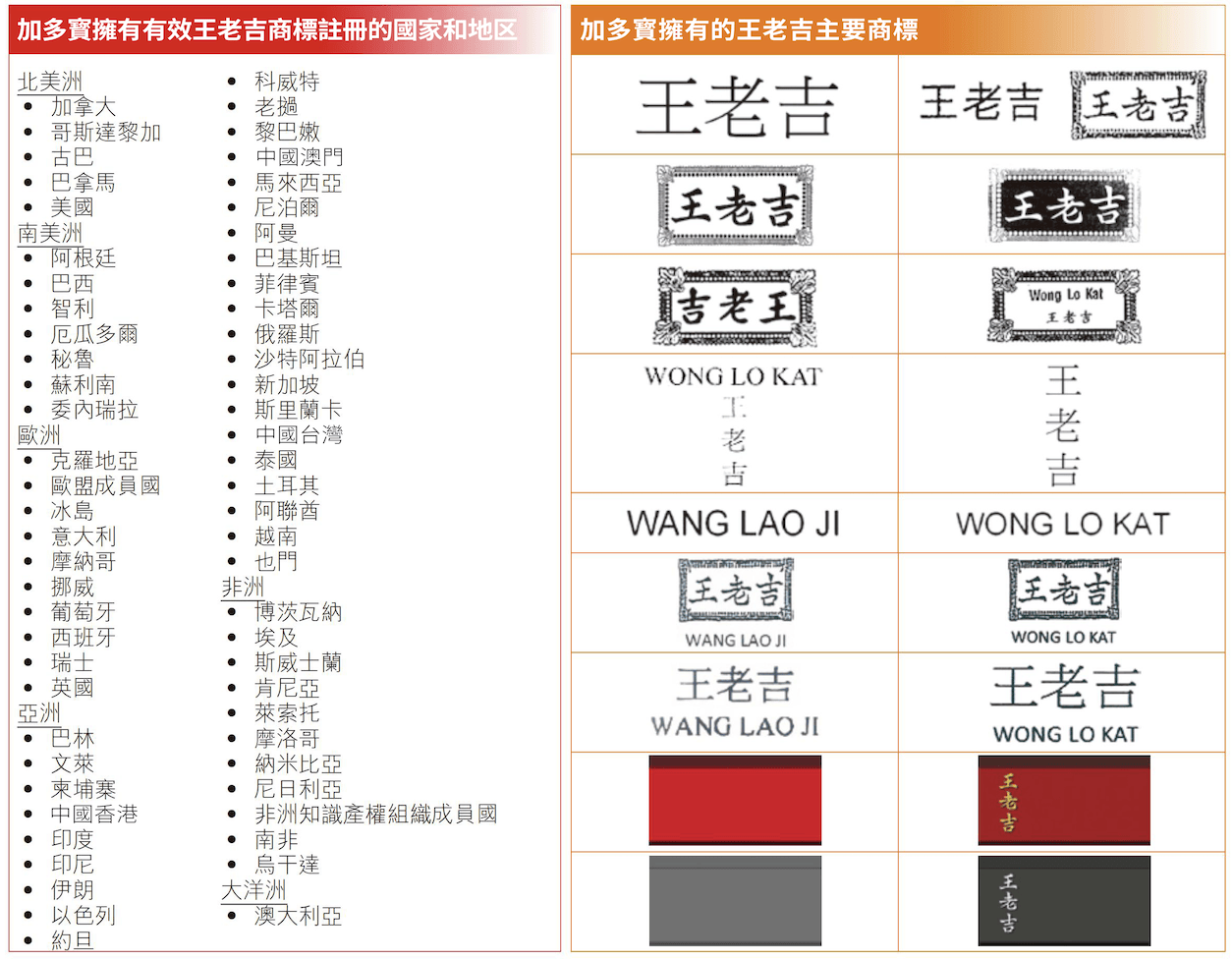
加多寳加拿大涼茶維權告捷 捍衛商標合法權益,為民族品牌揚帆出海保駕護航
Zhong Guo Shi Pin Wang· 2025-09-30 07:45
Core Insights - The article highlights the significant victories achieved by the JDB Group in the field of global intellectual property rights protection, particularly regarding the "Wong Lo Kat" trademark [1][2]. Legal Achievements - On June 7, 2024, the Canadian Federal Court ruled in favor of Multi Access Limited, confirming the validity of eight "Wong Lo Kat" trademark registrations in Canada, affirming the company's legal ownership and effective use of the trademark under Canadian trademark law [3]. - The European Union General Court also upheld the trademark registrations of "Wong Lo Kat" by Multi Access Limited, dismissing objections from Guangzhou Great Health as lacking factual and legal basis, thereby solidifying JDB's position as the legitimate rights holder in many countries [3]. Global Brand Strategy - JDB's founder, Chen Hongdao, has strategically positioned the "Wong Lo Kat" brand in over 60 countries and regions through Multi Access Limited, creating a robust brand moat aimed at establishing a world-class beverage brand and promoting traditional Chinese health culture [5]. - This strategic approach is based on a deep understanding of international intellectual property rules, ensuring that JDB has a clear and legal rights foundation before entering any overseas market [5]. Commitment to Brand Protection - Following the victories in Canada and the EU, JDB Group plans to continue advancing its brand rights and protection efforts globally, firmly pursuing legal action against any infringement, counterfeiting, or unfair competition [7]. - The company emphasizes that internationalization of the brand must be built on respect for history, adherence to rules, and integrity in business practices, asserting that any attempts to gain undue benefits through confusion or challenges to existing rights will ultimately fail in the face of the law [7]. Trademark Registration Overview - JDB holds valid "Wong Lo Kat" trademark registrations in various countries and regions, including Canada, the United States, and several countries in Europe and Asia, showcasing its extensive global reach [8].