商超

Search documents
武汉首家本土会员制商店登场:WS江豚会员店靠啥让市民买单?
2 1 Shi Ji Jing Ji Bao Dao· 2025-07-29 06:02
Core Insights - WS Jiangtun Membership Store, the first local membership store in Wuhan, officially opened on July 29, 2023, featuring a paid membership model with annual fees of 199 yuan for regular members and 580 yuan for diamond members [1][2] Group 1: Business Model and Strategy - The store operates on a "paid membership + selected products" model, aiming to differentiate itself in the competitive membership retail market [1] - The product selection at Jiangtun Membership Store differs by over 80% from traditional large supermarkets, utilizing a proprietary supply chain to source high-quality goods through private labels, custom products, and direct procurement [1] - The store features a variety of international products, including Japanese ceramics, English tea sets, Turkish glassware, and wines from Chile and South Africa, alongside domestic high-quality goods like the "Jiangtun Preferred" series [1] Group 2: Product Quality and Pricing - A highlighted product, a 120-thread count Xinjiang cotton item, is priced at 299 yuan, significantly lower than similar products in the market, which typically start at 700 yuan [2] - The buying team is composed of experienced professionals with extensive backgrounds in their respective categories, ensuring a deep understanding of local preferences and international trends [2] Group 3: Customer Experience and Services - The store offers over a hundred member benefits, including exclusive discounts, private tasting events, and rapid delivery services, enhancing the overall customer experience [2] - A transparent quality inspection room allows customers to verify food quality on-site, with clear public displays of testing results and contact information for the quality assurance team [3] - The company aims to align with consumer upgrade trends by integrating international perspectives with local characteristics, focusing on "quality selection + exclusive rights + scarce products + immersive experiences" as its core advantages [3]

胖东来郑州首店2026年五一前开业 招聘竞争比至少100:1
3 6 Ke· 2025-07-28 10:08
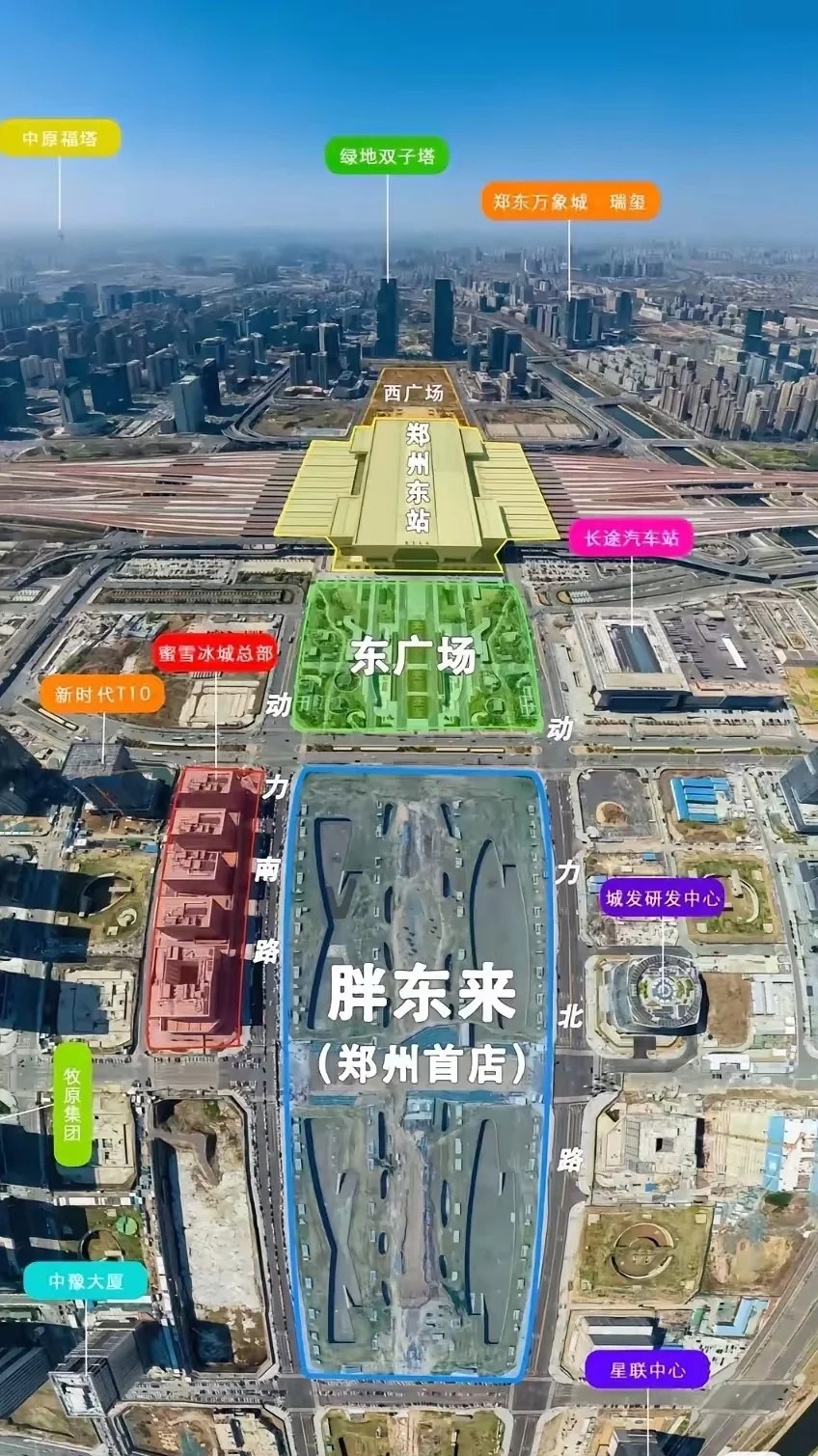
Group 1 - The opening of the first store of Pang Dong Lai in Zhengzhou has been postponed to before May 1, 2026, from the previously announced date of before New Year's Day 2026 [1] - The store will cover an area of over 100,000 square meters and will include various business formats such as supermarkets, pharmaceuticals, dining, gift centers, and coffee [1] - Recruitment for the Zhengzhou store will begin locally before May 1, 2026, with a highly competitive selection process, reportedly with a ratio of at least 100 applicants for each position [3] Group 2 - Pang Dong Lai plans to recruit over 5,000 people for the Zhengzhou store, with an average salary of around 14,000 yuan [3] - The company has previously experienced intense competition for positions, with recruitment ratios reaching as high as 230:1 for certain roles [3] - The average monthly income for over 8,000 employees is reported to be around 9,000 yuan, with management and technical staff earning an average annual salary of about 700,000 yuan [4][5] Group 3 - In the first half of the year, Pang Dong Lai achieved total sales of 11.707 billion yuan, with supermarkets contributing the most at 6.350 billion yuan [5] - The estimated net profit for the year is projected to be 1.5 billion yuan, compared to approximately 800 million yuan last year [5] - The company is expanding its commercial footprint with a new large-scale project called "Dream City," set to begin construction by the end of 2025, covering an area of about 420,000 square meters [6]

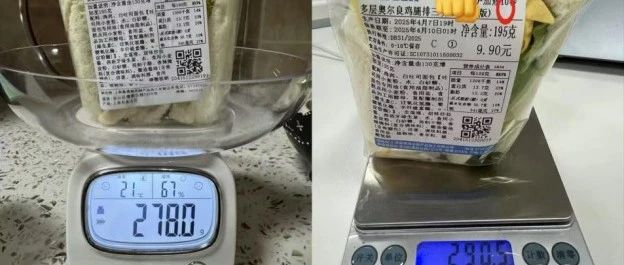
算着热量吃还长胖,网友质疑罗森偷偷往人腰间塞肉
凤凰网财经· 2025-07-12 11:16
Core Viewpoint - The article discusses the issue of calorie mislabeling by popular convenience store brands like Lawson, Hema, and 7-11, which has led to consumer confusion and frustration regarding weight management and health [1][12]. Group 1: Calorie Mislabeling Issues - Lawson's whole wheat sandwich is claimed to have a calorie count of 195 kcal, but consumers estimate it to be around 300 kcal when accounting for the ingredients [1]. - Consumers have raised concerns about the accuracy of calorie counts for various products, including sandwiches, breads, and fried noodles from Lawson [7]. - Hema's taro milk cake is reported to have a calorie count of approximately 90 kcal, but some consumers believe it could be as high as 150 kcal due to the ingredients used [9]. - 7-11's fried noodles are listed at only 50 kcal per 100 grams, leading to skepticism among consumers about the accuracy of this figure [11]. Group 2: Consumer Health Awareness - The rise in health consciousness and weight management among consumers may be driving some businesses to misrepresent calorie information to attract more customers [12]. - The National Health Commission and other departments have initiated a "Weight Management Year" to promote healthy lifestyles and weight management skills among the public [12]. - Mislabeling calorie content not only undermines consumer trust but may also violate national standards, as per the Food Safety National Standard [12].
叶国富督战,400亿永辉高调反腐
21世纪经济报道· 2025-07-09 06:15
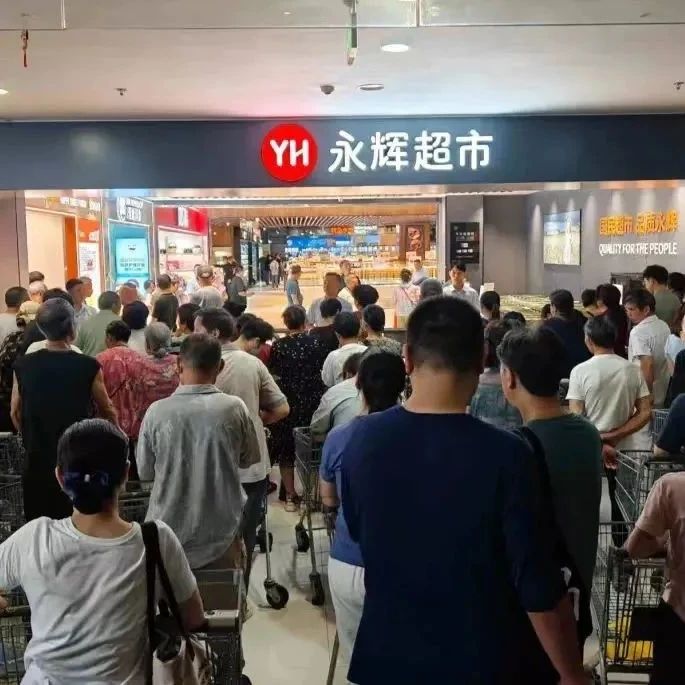
Core Viewpoint - The article discusses the significant reforms initiated by Ye Guofu at Yonghui Supermarket, focusing on anti-corruption measures and supply chain optimization to enhance retail quality and operational efficiency [1][2][3]. Group 1: Anti-Corruption Measures - Ye Guofu has publicly declared a war against corruption and hidden rules within the supply chain, emphasizing the need for transparency and integrity in supplier relationships [1][5][6]. - The reform plan targets three main areas: clean cooperation, supplier onboarding, and financial settlement, ensuring prompt payments without unnecessary delays or complications [7][10]. - Ye aims to eliminate the traditional practices that have led to corruption, such as requiring suppliers to pay various fees to enter the supermarket channel, which can create a breeding ground for corrupt practices [6][8]. Group 2: Supply Chain Optimization - Under Ye's leadership, Yonghui is focusing on core suppliers by adopting a direct procurement model, reducing intermediaries, and cutting unnecessary costs [11][12]. - The strategy involves retaining only 200 core suppliers to ensure quality and reliability, with Ye personally overseeing these relationships [14][20]. - Yonghui plans to develop 100 billion-level products in collaboration with suppliers over the next three years, aiming for self-branded products to account for 40% of total sales in 3-5 years [24][30]. Group 3: Organizational Restructuring - Ye has initiated a significant restructuring of the internal team, with a shift in board composition and management roles, replacing several long-standing members with new talent from Miniso [16][18]. - The organizational structure is being simplified from a four-tier to a three-tier system to enhance efficiency [27]. - Ye's reform also includes closing underperforming stores, with an estimated 250-350 closures planned for the year [28][32]. Group 4: Performance and Future Outlook - The article notes that Yonghui has begun to see positive changes, with a reported profit of 74.72 million yuan from 41 remodeled stores in the first quarter [30]. - The company is optimistic about its recovery, projecting that by the end of September, 200 remodeled stores will significantly boost overall performance [31][34]. - Despite a loss of 1.465 billion yuan in 2024 and a nearly 20% decrease in revenue in the first quarter, the management believes the reforms will lead to a turnaround [32][33].

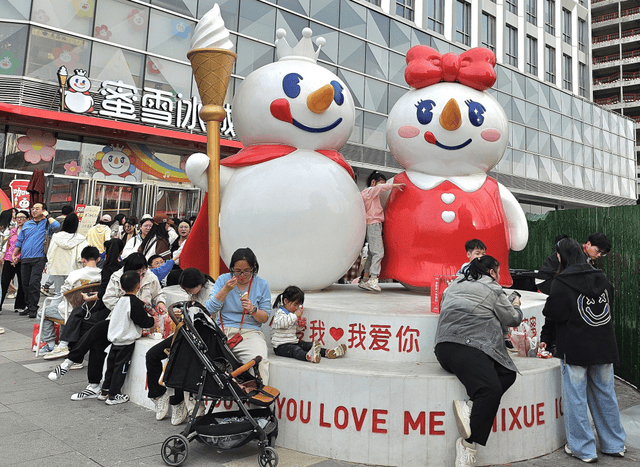
这几个河南人,掀翻了中国消费市场
Sou Hu Cai Jing· 2025-07-09 04:51
Group 1 - The article highlights the remarkable success of companies like Pop Mart, Mixue Ice Cream, and Pang Donglai, which have emerged from Henan, a province not typically known for economic prosperity [3][4][11] - Pop Mart's market value surged to 250 billion HKD, increasing 8.2 times in less than a year, showcasing the potential for high-value consumer products in the region [3][4] - Mixue Ice Cream has expanded to over 46,000 stores globally, becoming the fifth-largest chain restaurant worldwide, indicating rapid growth and market penetration [6][10] Group 2 - The success of these companies is attributed to their ability to provide exceptional service and meet consumer needs effectively, rather than relying on unique products or high-tech innovations [4][5] - Pang Donglai has established itself as a benchmark in the retail sector by focusing on transparency and trust, addressing consumer concerns in a market often plagued by fraud [6][8] - The article emphasizes that Henan's unique social and cultural context fosters a pragmatic approach to business, allowing entrepreneurs to adapt and thrive in competitive environments [9][10] Group 3 - The article suggests that Henan's lower consumption levels make successful businesses more relatable and their business models more applicable across China [11] - The region's historical context, including its agricultural roots and the migration of its population for better opportunities, has shaped a resilient entrepreneurial spirit [8][9] - Despite existing challenges such as market irregularities and limited access to financing, Henan's evolving business landscape reflects broader trends in the Chinese market [11]


叶国富督战,400亿永辉高调反腐
2 1 Shi Ji Jing Ji Bao Dao· 2025-07-09 02:25
Core Viewpoint - The article discusses the significant reforms initiated by Ye Guofu at Yonghui Superstores, focusing on anti-corruption measures and supply chain improvements to enhance operational efficiency and restore profitability. Group 1: Anti-Corruption Measures - Yonghui Superstores publicly declared a war against corruption and hidden rules, marking a new phase in Ye Guofu's supply chain reform [2][3] - Ye emphasized the need for transparency in pricing and quality during a supplier conference, demanding core suppliers to possess anti-corruption capabilities [4] - The company aims to eliminate corrupt practices that inflate supply chain costs, focusing on three main areas: clean cooperation, supplier onboarding, and financial settlement [5][6] Group 2: Supply Chain Reforms - Ye's strategy includes direct procurement from core suppliers, eliminating middlemen and unnecessary costs [8] - He identified thousands of suppliers in the fresh produce category, opting to work with 200 core suppliers to ensure quality and establish long-term partnerships [9] - The goal is to create a symbiotic relationship with suppliers, ensuring they feel secure and supported [9] Group 3: Internal Restructuring - Ye's reform efforts have led to significant changes within the Yonghui board, with the "Mingchuang system" gaining substantial influence [10] - A personnel adjustment occurred, resulting in the replacement of several key management positions within the supply chain system [11] - Ye appointed She Xianping as the Chief Purchasing Officer, who has a strong background in supply chain management [12] Group 4: Product Focus and Brand Development - Ye aims to focus on core products, planning to develop 100 billion-yuan-level products over the next three years [14] - The number of private label SKUs has been reduced from over 1,000 to 87, with a target for private label sales to reach 40% of total sales in the next 3-5 years [16] - Yonghui has already launched popular private label products and plans to introduce at least 60 new items this year [15] Group 5: Operational Changes and Financial Outlook - Ye's "433" reform plan targets organizational, operational, and supply chain improvements [17] - The management structure has been simplified from a four-level to a three-level system, enhancing efficiency [18] - Yonghui plans to close 250-350 underperforming stores this year, with a focus on improving overall profitability [19] - The company reported a profit of 74.72 million yuan from 41 remodeled stores in the first quarter, indicating positive momentum [21] - Despite a loss of 1.465 billion yuan in 2024, there are signs of recovery, with a projected increase in store renovations and overall sales [22]
胖东来宇宙
晚点LatePost· 2025-07-08 14:34
Core Viewpoint - The article discusses the unique business model and operational strategies of Pang Donglai, a supermarket chain in Xuchang, which has achieved a dominant market position through exceptional customer service, employee satisfaction, and community trust [3][4][18]. Group 1: Business Model and Market Position - Pang Donglai has only a few stores in Xuchang but captures a significant portion of local retail spending, with over 10% of the city's retail sales attributed to its six comprehensive malls and four community supermarkets [4]. - The supermarket's sales in 2024 are projected at 16.964 billion yuan, reflecting a 58.5% increase year-on-year, with an average revenue of 1.305 billion yuan per store [43]. - The company has established a monopoly-like trust within the community, with many locals considering it the best shopping destination despite its prices not being the lowest [4][18]. Group 2: Employee Management and Culture - Pang Donglai's founder, Yu Donglai, emphasizes a family-like management style, providing high salaries that are 2-3 times higher than local averages, which helps attract and retain talent [21][22]. - The company has a low employee turnover rate of 2.01% in 2024, significantly lower than the industry average, indicating high employee satisfaction [38]. - Employees are encouraged to contribute ideas for service improvements, and the company rewards innovative suggestions, fostering a culture of autonomy and engagement [24][25]. Group 3: Customer Experience and Service - Pang Donglai offers over 100 free services to customers, enhancing the shopping experience and building strong customer loyalty [16][18]. - The supermarket has a reputation for exceptional service, with anecdotes of employees going above and beyond to satisfy customers, such as replacing damaged products at home [17]. - The company aims to exceed customer expectations by continuously refining service standards and practices, striving for a service score of 120% [23][24]. Group 4: Community Engagement and Trust - The supermarket's long-standing presence and commitment to quality service have fostered deep trust within the local community, with residents expressing a desire for Pang Donglai to expand into other sectors like healthcare [18]. - The company's operational success is closely tied to its ability to create a positive reputation through word-of-mouth among local consumers [26]. - Pang Donglai's approach to business is characterized by a focus on community well-being and customer satisfaction, which has solidified its position as a local favorite [18][26].

胖东来半年狂揽117亿!对各地促消费有何启示
Sou Hu Cai Jing· 2025-07-03 08:33
Core Insights - Despite the prevailing narrative of declining consumer confidence, the company "胖东来" achieved a remarkable sales figure of 11.707 billion yuan in the first half of the year, nearing 70% of last year's total sales [1][2]. Group 1: Business Model and Strategies - "胖东来" differentiates itself from competitors not through aggressive discounting but by emphasizing transparency in pricing, such as displaying "purchase prices" on clothing items [4]. - The company offers extensive customer service policies, including a "no-reason return and exchange" policy and a half-price refund for unsatisfactory movie experiences, enhancing customer trust and satisfaction [4]. - Employee welfare is prioritized, with an average post-tax monthly salary of 9,000 yuan for over 8,000 employees and a commitment to a maximum 36-hour work week and at least 40 days of annual leave [4][6]. Group 2: Insights for Consumer Promotion - The impressive performance of "胖东来" suggests that effective consumer promotion should focus on creating a sustainable ecosystem where consumers feel secure and willing to spend, rather than merely stimulating short-term spending [8]. - The company’s success in selling tea, with sales reaching 50.862 million yuan, illustrates the importance of consumer confidence in purchasing decisions, as customers are willing to buy products without hesitation [10]. - Promoting consumer spending should also involve enhancing the income levels of service industry workers, as a robust service sector can drive internal consumption growth [10]. - A conducive environment for business, characterized by fairness, efficiency, and trust, is essential for fostering consumer confidence and spending [10][12].
新店潮涌,商超“复苏”?
创业邦· 2025-06-26 03:26
Core Viewpoint - The retail industry is experiencing a structural differentiation, with resource-based giants making strides while smaller players are gradually fading or being restructured [38][69]. Group 1: Retail Expansion and Strategies - Major players in the "new retail" sector are actively opening new stores, indicating a potential recovery in the supermarket industry [3][35]. - JD's Seven Fresh has transformed from an "online grocery" model to an instant retail platform with physical store experiences and supply chain capabilities [6]. - Hema is expanding aggressively in the Yangtze River Delta, with a focus on county-level markets to tap into consumer potential [9][10]. - Hema's strategy has evolved to include multiple formats, emphasizing community experiences and instant delivery [10][20]. - By early 2025, Hema achieved its first annual profit since its inception, with nearly 430 stores across 50 cities [21][22]. Group 2: Regional Players and Market Dynamics - Regional supermarket leaders like Biyoute are also expanding, with plans to open 14 new stores in 37 days across northeastern provinces [26][30]. - Fresh Legend plans to double its store count, aiming for 500 locations by 2026, indicating a strong regional focus [32]. - The expansion efforts of these companies are not blind but are based on a strategy of integrating warehouses and stores with strong supply chains [34]. Group 3: Industry Challenges and Performance - Despite some positive signals from leading companies, many traditional small and medium-sized supermarkets are still in an adjustment phase, with store closures being common [35][37]. - A survey by CCFA revealed that 57.4% of surveyed supermarket companies experienced a decline in total sales, indicating significant pressure on the industry [42]. - The phenomenon of "increased revenue without increased profit" is prevalent, with 53.2% of supermarkets reporting a decline in net profit [45][46]. - The overall number of stores in the sample decreased by approximately 1.8% in 2024, reflecting a reduction in expansion desires [47]. Group 4: Performance of Listed Retail Companies - Among 10 listed retail companies, 6 reported a decline in revenue in the first quarter of 2025, with notable drops from Yonghui Supermarket and Zhongbai Group [57][58]. - Only two companies, Bubugao and Sanjiang Shopping, achieved both revenue and profit growth in the same period [63]. - The overall performance of the supermarket industry in 2025 does not indicate a full recovery but rather a new phase of intensified differentiation [64][69]. Group 5: Future Outlook - The future retail market is expected to be dominated by strong players, with instant retail, membership stores, and community commerce becoming the main competitive arenas [66][67]. - Companies that can adapt to new consumer trends and leverage supply chain and digital capabilities are likely to survive and seize new opportunities in the industry restructuring [67].
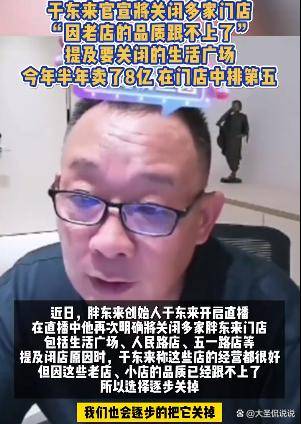
于东来:将关闭多家胖东来门店,因为这些老店已经跟不上服务了
Sou Hu Cai Jing· 2025-06-25 08:51
Core Insights - The news highlights the closure of several iconic stores of the retail chain "胖东来" (Pang Donglai), which has sparked significant discussion within the retail industry. The closures are framed as a strategic choice rather than a sign of failure, emphasizing a shift in business philosophy amidst changing consumer behaviors and market conditions [1][4]. Group 1: Store Closures and Their Significance - The closure list includes three flagship stores: 生活广场店 (Life Square Store), 人民路店 (People's Road Store), and 五一路店 (Wuyi Road Store), which collectively generated over 1.5 billion yuan in annual sales with a gross margin exceeding 30% [3]. - The reasons for closure include outdated facilities, high renovation costs, and operational challenges such as overcrowding and service quality deterioration, which contradicted the company's customer-centric values [3][4]. Group 2: Employee and Consumer Reactions - The company has prioritized the reassignment of 1,327 employees to new stores with a 20% salary increase, alongside providing internal entrepreneurship funds for employees over 40 [7][8]. - The closure has triggered a strong emotional response from consumers, leading to a surge in last-day sales, with average spending increasing fivefold as customers rushed to make final purchases [9][10]. Group 3: Industry Implications and Strategic Shifts - The closures serve as a warning to the retail industry about the challenges faced by traditional supermarkets, including space limitations, reduced shopping time among younger consumers, and a perception shift where 76% of consumers view supermarkets merely as shopping venues rather than lifestyle spaces [13][14][15]. - In response, the company is launching a "satellite store" initiative, focusing on smaller community-based stores and enhancing customer experience through innovative spaces and digital engagement, aiming to create emotional connections that online platforms cannot replicate [17][18][20]. Group 4: Business Philosophy and Long-term Vision - The founder, 于东来 (Yu Donglai), emphasizes a long-term vision over short-term gains, prioritizing employee welfare and customer experience over rapid expansion, which reflects a commitment to sustainable business practices [23][24]. - The philosophy of "断舍离" (decluttering) is applied to the business model, suggesting that closing profitable stores can lead to new growth opportunities, highlighting a balance between scale and customer experience [24][26].