生物制造

Search documents
从新年新举措看“十五五”奋进之姿
Xin Lang Cai Jing· 2026-01-13 09:25
【责任编辑:缪露】 新年伊始,各地相继出台务实有力新举措,力争实现"十五五"良好开局,促进经济高质量发展。从北京 聚焦人工智能建设创新高地,到江苏谋划打造产业科技创新中心;从辽宁出台123条措施优化营商环 境,到上海连续九年升级营商环境行动方案……一系列指向明确、力度空前的新年新举措,不仅展现了 各地开年即冲刺、起步即决战的奋进姿态,更勾勒出中国经济向"新"而行、以"质"致远的发展脉络。 向"新"而行,锻造发展核心引擎。奋进之姿,首在把握时代脉搏,抢占发展先机。新举措中,科技创新 被置于前所未有的突出位置,彰显出各地摆脱传统路径依赖、诠释新质生产力的战略决心。北京明确提 出建设十万卡级国产智算集群,目标直指人工智能核心产业规模突破万亿元,这背后是从技术跟跑向并 跑、领跑转变的雄心。江苏系统布局生物制造、量子科技等前沿领域,组织超百项重大攻关与前沿研 发,体现的是打造全域创新生态的深远谋划。这些举措共同传递出一个清晰信号:高质量发展已进入以 科技创新驱动产业创新的关键阶段。唯有牢牢掌握关键核心技术,才能在全球竞争格局中立于不败之 地,这是奋进路上必须攻克的首要关隘。革"弊"鼎新,厚植兴业肥沃土壤。奋进之姿,重在 ...
92g/L!赵惠民教授团队以酸性条件低成本高产3-羟基丙酸(3-HP )
合成生物学与绿色生物制造· 2026-01-13 02:33
Core Viewpoint - The article discusses the development of a cost-effective biobased method for producing 3-hydroxypropanoic acid (3-HP) using genetically engineered microorganisms, highlighting its commercial potential and environmental benefits [2][3][5]. Group 1: Research and Development - Scientists from the University of Illinois and Penn State University have cultivated a high-yield strain of Issatchenkia orientalis for 3-HP production, confirming its commercial viability through technical economic analysis (TEA) and life cycle assessment (LCA) [3][5]. - The research team identified the β-alanine metabolic pathway as the optimal choice for maximizing 3-HP yield, with the lowest oxygen demand [5][6]. - The team achieved a 3-HP production yield of 29 g/L in shake flask fermentation and 92 g/L in fed-batch fermentation, surpassing previous commercial viability thresholds [6][8]. Group 2: Economic and Environmental Impact - The commercial potential of 3-HP is significant, with the acrylic acid market valued at approximately $20 billion and a global demand of about 6.6 million tons in 2019 [4]. - The estimated minimum product selling price (MPSP) for acrylic acid produced from pure glucose is $1.36/kg, which can be reduced to $1.13/kg when integrating the entire production chain with on-site corn dry milling [8]. - The carbon intensity of the corn-based route is 3.26 kg CO₂ equivalent/kg acrylic acid, which is lower than fossil-based acrylic acid in 98.5% of simulated scenarios [8][20]. Group 3: Future Directions - The research team plans to scale up the process, refine downstream operations, and incorporate other renewable feedstocks to enhance overall economic viability [9]. - CABBI researchers are exploring additional applications for 3-HP, such as its conversion into maleic acid and other high-value chemicals for use in vitamins, pharmaceuticals, biodegradable plastics, and agricultural chemicals [9].

重磅利好!万亿级“国家队”投向明确了
Zhong Guo Jing Ji Wang· 2026-01-13 02:32
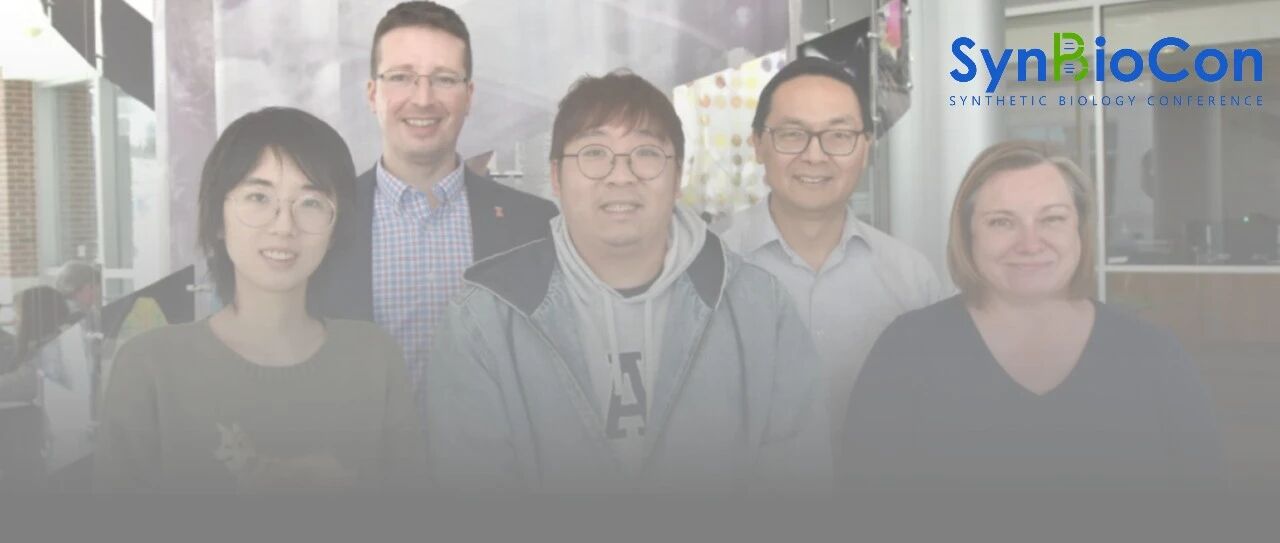
Core Viewpoint - The Chinese government has established a systematic framework for the development and direction of government investment funds, marking the first time such guidelines have been issued at the national level [1]. Group 1: Policy Framework - The "Work Method" outlines three main aspects: where to invest, how to invest, and who manages the funds, proposing 14 policy measures [3]. - The framework emphasizes supporting major strategies and key areas, particularly in sectors where market resources are insufficient, promoting deep integration of technological and industrial innovation, and focusing on nurturing emerging pillar industries [3]. Group 2: Investment Guidance - Funds must align with national major plans and encourage industries listed in the national industrial directory, while avoiding investments in restricted, eliminated, or prohibited sectors [3]. - Provincial development and reform departments are tasked with creating lists of key investment areas to optimize fund allocation [3]. Group 3: Evaluation Metrics - The "Management Method" establishes three primary indicators: 1. Policy compliance (60% weight), assessing the fund's role in supporting new productive forces, technological innovation, and green development [4]. 2. Optimization of productive layout (30% weight), evaluating alignment with national regional strategies and effective capacity utilization [5]. 3. Policy execution capability (10% weight), focusing on fund efficiency and the professional level of fund managers [5]. Group 4: Focus Areas - The investment focus includes emerging industries such as next-generation information technology, new energy, high-end equipment, and green technology, as well as future industries like the metaverse, brain-computer interfaces, and generative artificial intelligence [5].
央视“财经老王”专访工信部部长李乐成
Yang Shi Xin Wen· 2026-01-13 01:31
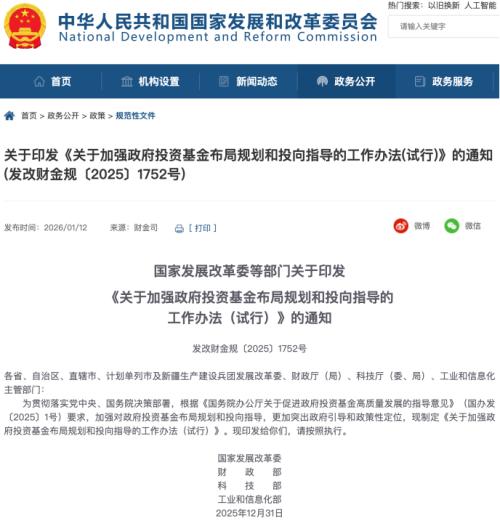
Group 1 - The core viewpoint emphasizes the importance of technological innovation and industrial integration in driving China's economic growth, with a strong focus on artificial intelligence and its applications [1][11][13] - The Ministry of Industry and Information Technology (MIIT) plans to enhance the quality of technological supply and elevate the role of enterprises in innovation, aiming for a transformation of technological achievements [7][9] - Key sectors identified for growth include integrated circuits, new materials, aerospace, biomanufacturing, embodied intelligence, and 6G technology [7][9] Group 2 - The MIIT is implementing a new round of central financial support policies for specialized and innovative small and medium-sized enterprises (SMEs) to boost R&D investment and enhance their vitality [11] - The ministry aims to create a national pilot service network for manufacturing to bridge the gap between laboratories and production lines, promoting seamless integration of innovation and industry [9] - The focus on artificial intelligence is highlighted as a competitive edge for China, with expectations for significant advancements and surprises in the future [11][13]
未来产业周报第5期:核聚变技术资本共振,脑机与量子进阶突破,氢能普及提速-20260111
Shenwan Hongyuan Securities· 2026-01-11 14:42
Quantum Technology - The report highlights the clear positioning of the NISQ (Noisy Intermediate-Scale Quantum) era, indicating that current quantum devices are operational but limited in capability, lacking fault tolerance and scalability. Experts estimate that small-scale fault-tolerant quantum computers will take about ten years to develop [8][9] - The collaboration between Argonne National Laboratory and Intel has successfully deployed a 12-qubit silicon-based quantum processor, demonstrating the value of mature silicon technology in scaling quantum computing [10] - D-Wave has showcased a scalable on-chip low-temperature control gate model quantum bit, significantly reducing wiring costs and addressing a major bottleneck in the industry [12][14] Biomanufacturing - Micro Yuan Synthesis has secured nearly 300 million yuan in financing to accelerate the development of methanol biomanufacturing, which addresses the reliance on food-based raw materials in traditional biomanufacturing [15][16] - The first gene-consistent human "lung chip" has been developed, providing a new tool for personalized treatment of respiratory diseases and potentially revolutionizing drug development by reducing reliance on animal models [18] Hydrogen Energy and Nuclear Fusion - Policies in Shanghai and other regions are reducing the operational costs of hydrogen vehicles through subsidies and free highway access, which is expected to significantly boost the adoption of hydrogen fuel cell vehicles [19][20] - The report notes that hydrogen energy is transitioning from being a major electricity consumer to a "regulator" of the grid, enhancing the consumption of renewable energy and long-term storage capabilities [25][28] - The Energy Singularity's "Honghuang 70" nuclear fusion device has achieved a 120-second steady-state operation, marking a significant milestone in commercial nuclear fusion technology [31] - Dongsheng Fusion has completed a multi-hundred million yuan angel round of financing to develop a "deuterium-helium-3" fusion route, which is considered safer and more cost-effective than traditional methods [32][33] Brain-Computer Interface - Strong Brain Technology has raised 2 billion yuan to scale brain-computer interface technology, aiming to help one million disabled individuals regain social functionality within five to ten years [38][39] - Sichuan Province has set maximum prices for brain-computer interface medical services, which will take effect in April 2026, facilitating the clinical application of this technology [40][41] - The first brain-computer interface deep brain stimulator surgery in Southwest China has been successfully performed, providing new treatment options for Parkinson's disease [42][43] Embodied Intelligence - NVIDIA has released several physical AI models and frameworks that support robots in understanding physical laws, enhancing the industrialization of robots across various scenarios [5][13] - Chinese companies represent nearly 25% of robot exhibitors at CES 2026, with humanoid robots making up over 50% of the exhibition area, showcasing the competitive edge of Chinese firms in this sector [5][13] Sixth Generation Mobile Communication (6G) - Nanjing has launched a special plan to build a 6G industrial ecosystem, aiming for full coverage of 6G non-cellular networks by 2027 and the establishment of over 50 vertical industry scenarios [5][14]
冲刺万亿规模!广东生物制造“三箭齐发”,聚焦非粮利用、美妆原料、三新食品和医疗
合成生物学与绿色生物制造· 2026-01-11 13:00
Core Viewpoint - Guangdong Province aims to enhance the bio-manufacturing industry, targeting a total output value of approximately 500 billion yuan by 2027 and reaching a trillion yuan scale by 2035, focusing on key areas such as non-grain utilization, medical beauty raw materials, microbial proteins, and green processes in biopharmaceuticals [2][3][4]. Group 1: Policy Measures and Goals - The action plan specifies the development goals for the bio-manufacturing industry in Guangdong, aiming for a total output value of around 500 billion yuan by 2027 and a trillion yuan scale by 2035 [2][3]. - The measures address key bottlenecks in bio-manufacturing, including the need for improved standards and ecosystem development [4][6]. Group 2: Key Initiatives - The policy outlines detailed initiatives to tackle issues such as an incomplete industrial chain and lagging standard system construction, emphasizing the establishment of a comprehensive bio-manufacturing industry standard system [6]. - It encourages the establishment of innovation platforms and supports the construction of transformation bases for innovative achievements, promoting technology transfer and application [6]. Group 3: Focus Areas for Development - The measures focus on core technology breakthroughs, including strains, enzyme preparations, and reactors, as well as high-end platform construction and targeted R&D mechanisms [7]. - The policy emphasizes the importance of building a robust standard system that includes both domestic and international standards, facilitating market access and internationalization [7]. Group 4: Applications in Bio-Manufacturing - The initiative aims to advance non-grain bio-based materials, medical beauty products, and "new food" categories, promoting the use of microbial proteins and plant-based proteins [8][9]. - In the pharmaceutical sector, the policy encourages the application of bio-manufacturing in green process development for biopharmaceuticals and the synthesis of effective components from traditional Chinese medicine [9]. Group 5: Internationalization Strategies - The policy outlines strategies for internationalization, including aligning with international standards organizations and expanding overseas markets through e-commerce and overseas warehouses [10]. - It emphasizes the importance of attracting key domestic and international enterprises and high-end R&D institutions to build a global resource collaboration network [10]. Group 6: Regional Development and Innovation - Guangdong Province implements a "dual-core drive" strategy, focusing on Guangzhou and Shenzhen to accelerate the development of the bio-manufacturing industry in the Greater Bay Area [11]. - The policy supports the establishment of a comprehensive support system for bio-manufacturing, covering research, pilot testing, and industrialization [11].

上海先进制造业转型文件出炉,引导企业投资五大新增长点
Di Yi Cai Jing· 2026-01-11 12:12
Core Insights - Shanghai aims to accelerate the transformation and upgrading of its advanced manufacturing industry over the next three years, targeting the establishment of 100 new manufacturing enterprises with an annual output value exceeding 1 billion yuan by 2028 [2] - The plan emphasizes the development of emerging sectors such as low-altitude economy, commercial aerospace, embodied intelligence, biomanufacturing, and smart terminals, positioning them as new growth points for the industry [2][3] Group 1: Advanced Manufacturing Transformation - The action plan outlines structural optimization and upgrading actions, including enhancing traditional industries and promoting the growth of key and emerging sectors [2] - Shanghai has established five national-level industrial clusters and four trillion-yuan industrial clusters, focusing on integrated circuits, biomedicine, new energy vehicles, large aircraft, and marine engineering equipment [2][3] Group 2: New Growth Areas - The plan identifies five new growth areas: low-altitude economy, commercial aerospace, embodied intelligence, biomanufacturing, and smart terminals, with a goal for these sectors to reach a scale of 1 trillion yuan by the end of the 14th Five-Year Plan [3] - Specific targets include achieving a scale of 100 billion yuan in the low-altitude economy and 500 billion yuan in embodied intelligence by 2027, with projections of 1 trillion yuan by 2030 for the latter [3][4] Group 3: Financial Support and Innovation - The plan includes financial incentives for companies increasing their R&D investments, with subsidies ranging from 200,000 to 1 million yuan based on the level of investment [5] - It also promotes the "AI + manufacturing" initiative, aiming for full coverage of intelligent applications in large enterprises by 2027 and increasing robot density to 600 units per 10,000 people by 2028 [5][6] Group 4: Industrial Ecosystem and Talent Development - The Shanghai Industrial Internet Association emphasizes the need for collaboration among government, industry, academia, and research to tackle challenges in the "AI + manufacturing" sector [6] - The initiative aims to build a comprehensive standard system for "AI + manufacturing" and enhance the cultivation of industrial intelligent talent [6]
聚“生”而为 筑“新”高地
Xin Lang Cai Jing· 2026-01-10 19:31
作为全球新一轮科技革命和产业变革的战略制高点之一,生物制造产业被视为制造领域一次"新的革 命"。而鹤壁、这座立足豫北沃土的城市,正以生物制造为核心、以科技创新为引擎、以绿色生态为底 色,在生物产业赛道上抢占先机、稳步前行,书写着高质量发展的新篇章。 (来源:中国改革报) 转自:中国改革报 □ 本报记者 张海莺 年终岁末,河南省鹤壁市的生物产业领域传出众多喜讯:淇县兴业生物科技有限公司年产3000吨异构酶 柔性生产新型氨基酸项目通过环保精准服务快速落地、河南汇洋生物高分子量聚乳酸中试示范线进入投 料试车阶段、新拓洋D-甘露糖柔性改造项目入选省级新服务新供给重点培育名单……这些新突破勾勒 出鹤壁生物产业加速崛起的鲜活图景。 产业集群:从单点突破到全链协同 鹤壁的产业转型之路,始终紧扣时代脉搏。早在上一轮产业结构调整中,这座依托煤炭资源兴起的城市 就敏锐意识到,传统产业的可持续发展空间有限,必须向技术密集、绿色低碳的新兴产业转型。生物制 造作为兼具创新驱动与生态友好双重属性的未来产业,成为鹤壁实现"换道超车"的核心选择。 这一选择既契合国家产业发展导向,也立足鹤壁自身资源禀赋与产业基础。作为农业大市,鹤壁及周边 地 ...
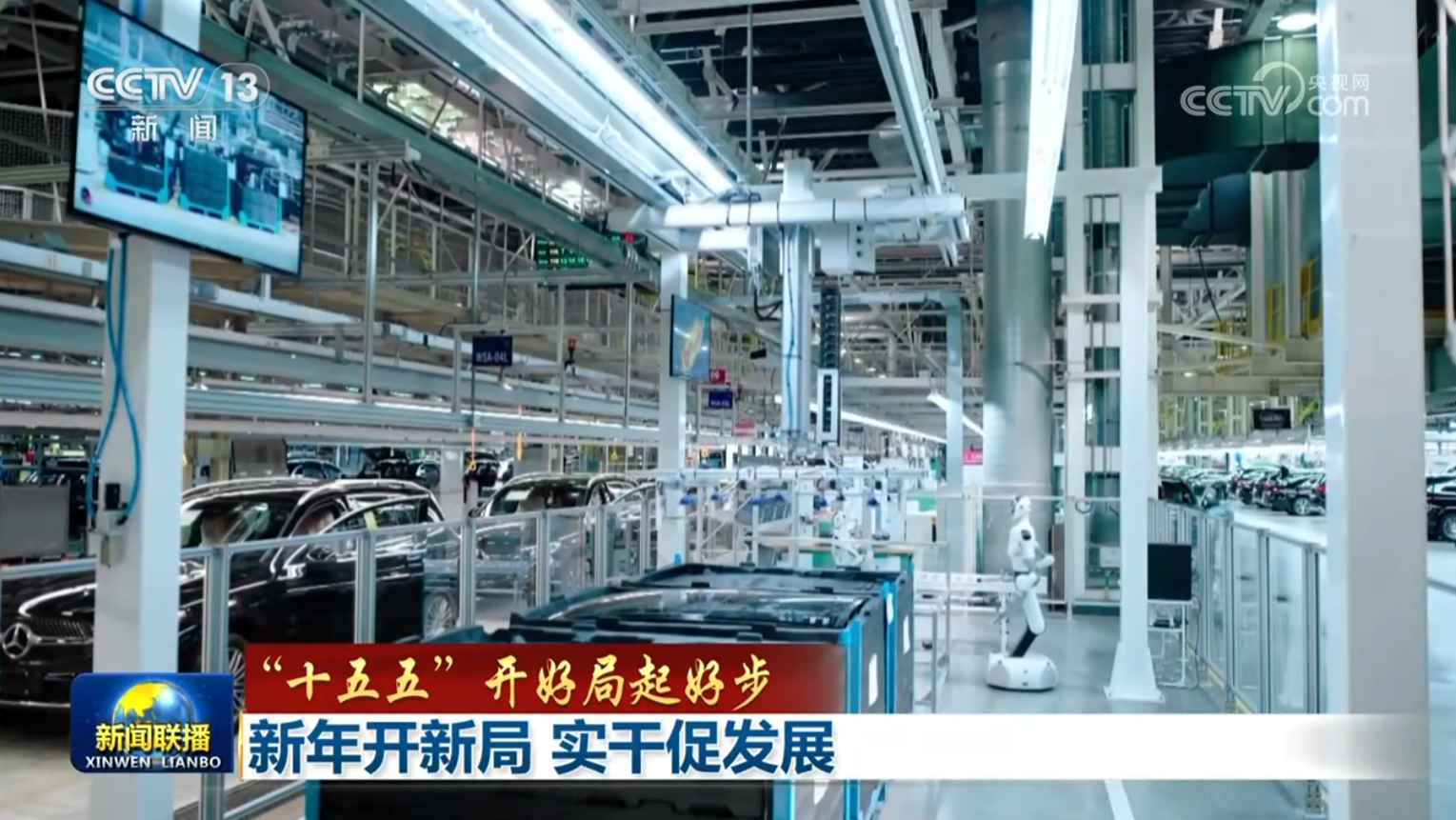
【“十五五”开好局起好步】新年开新局 实干促发展
Yang Shi Wang· 2026-01-08 12:38
Group 1 - The core viewpoint of the articles emphasizes the implementation of practical measures across various regions to achieve a strong start for the "14th Five-Year Plan" and promote high-quality economic development [1] Group 2 - Beijing has launched a significant initiative for the new year with the release of an action plan for building an artificial intelligence innovation hub, which includes nine aspects such as technological innovation and full-domain application empowerment, aiming to establish a 100,000-card-level domestic intelligent computing cluster within two years and achieve a core AI industry scale exceeding 1 trillion yuan [3] Group 3 - Jiangsu is focusing on creating a globally influential industrial technology innovation center, concentrating on key areas like biomanufacturing and future energy, with plans for 40 provincial-level major technological breakthroughs and 80 frontier technology research projects in quantum technology and brain-computer interfaces [5] Group 4 - Liaoning aims to enhance its business environment by proposing 123 specific measures to create a favorable business ecosystem, while Shanghai has released its action plan for the ninth consecutive year to accelerate the development of a world-class business environment, focusing on government services, market competition, industrial ecology, and social governance with 26 practical measures [7] Group 5 - Anhui is prioritizing high-quality development in the new energy vehicle industry through technological innovation, ecological improvement, and consumption stimulation, while Fujian is accelerating the creation of several 100 billion yuan-level marine industry clusters, and Yunnan is focusing on major projects to improve investment efficiency through nine key initiatives [9]
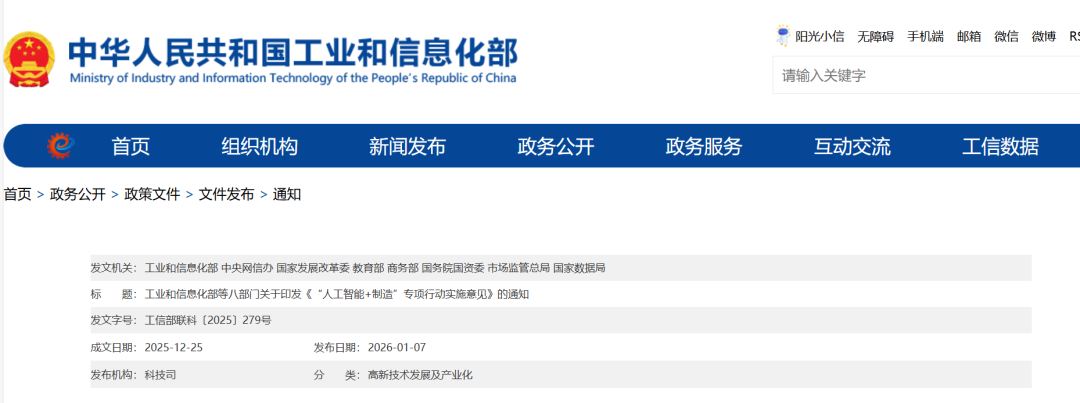
八部门印发“人工智能+”重磅文件,利好AI医疗、AI生物制造!
Xin Lang Cai Jing· 2026-01-08 11:42
Core Viewpoint - The Ministry of Industry and Information Technology, along with seven other departments, has issued the "Implementation Opinions on the 'Artificial Intelligence + Manufacturing' Special Action," aiming for significant advancements in AI technology and its application in manufacturing by 2027 [1][5]. Group 1: Key Objectives - By 2027, China aims to achieve a safe and reliable supply of key AI technologies, maintaining a leading position in industry scale and empowerment levels [5]. - The document outlines seven key tasks focused on innovation foundation, intelligence upgrading, product breakthroughs, and entity cultivation to promote mutual empowerment between AI technology and manufacturing applications [5]. Group 2: Focus Areas in AI and Manufacturing - The "Guidelines for AI Empowering Key Industries in Manufacturing" specifically highlights AI applications in healthcare, pharmaceuticals, and biomanufacturing [3][5]. - In the pharmaceutical sector, the focus includes enhancing intelligent research and supply management, building AI-driven platforms for drug discovery, and optimizing drug synthesis processes to reduce development time and costs [3][6]. - The biomanufacturing sector aims for comprehensive innovation, utilizing AI to discover high-performance biological components and optimize fermentation processes for industrial strains [7][8][10]. Group 3: Technological Advancements - The initiative emphasizes the development of surgical robots and intelligent diagnostic systems to accelerate innovation in smart medical equipment and its clinical application [4][10]. - It also encourages the development of intelligent systems across various sectors, including healthcare, education, finance, and law, while focusing on the commercialization of AR/VR devices and brain-computer interfaces for industrial inspection and remote healthcare [4][10].