鞋类

Search documents
业绩预期不佳 “洞洞鞋鼻祖”卡洛驰卖不动了?
Sou Hu Cai Jing· 2025-08-12 08:25
Core Viewpoint - The latest financial report from Crocs' parent company, Karlochi, indicates a troubling trend with significant net losses despite revenue growth, and a forecasted revenue decline for the third quarter, marking the most substantial expected drop in two years [1][6]. Revenue Performance - In Q2 2025, Karlochi reported consolidated revenue of $1.149 billion, a year-on-year increase of 3.4%, with a 2.7% increase when adjusted for fixed exchange rates [1]. - Direct-to-consumer (DTC) revenue grew by 4.0% to $495 million, while wholesale revenue increased by 2.8% to $465 million [1]. - The Crocs brand generated $960 million in revenue, reflecting a 5.0% year-on-year increase, with DTC and wholesale channels both showing positive growth [1][2]. Regional Performance - International revenue for the Crocs brand rose by 18.1% to $502 million, while North American revenue declined by 6.5% to $457 million [2]. - The HEYDUDE brand experienced a revenue drop of 3.9% to $190 million, with DTC revenue increasing by 7.6% but wholesale revenue declining by 12.4% [2]. Profitability Concerns - Karlochi reported a net loss of $492 million in Q2, compared to a net profit of $229 million in the same period last year, primarily due to non-cash impairment losses related to the HEYDUDE brand [2][3]. Future Outlook - The company anticipates a revenue decline of 9% to 11% for Q3 2025, marking the largest contraction in its financial outlook in nearly two years [6]. - CEO Andrew Rees expressed satisfaction with Q2 performance but acknowledged the uncertain operating environment, leading to a focus on cost control measures [4][6]. Market Challenges - The company faces challenges from increased tariffs, which are expected to impact profits by approximately $40 million in the second half of the year [7]. - The North American market's performance is under pressure, with consumers becoming more cautious about spending on non-essential items [7]. Competitive Landscape - In China, Karlochi continues to see growth, but faces competition from local brands offering similar products at lower prices [8]. - The brand's unique selling proposition is being challenged as new footwear styles gain popularity, potentially affecting customer loyalty and repeat purchases [8].

单季亏损超4亿美元,股价跌至三年低点!Crocs过气了?
Nan Fang Du Shi Bao· 2025-08-11 12:58
Core Viewpoint - Crocs is experiencing a significant decline in performance, with a shift from profitability to losses, and a forecasted revenue drop, leading to a sharp decline in stock price and market value [2][7]. Financial Performance - In Q2 2025, Crocs reported a revenue increase of 3.4% year-on-year to $1.15 billion, with direct-to-consumer (DTC) revenue up 4% and wholesale revenue up 2.8% [2]. - The company transitioned from an operating income of $325.7 million in Q2 2024 to an operating loss of $427.5 million in Q2 2025 [2]. - Crocs anticipates a revenue decline of approximately 9%-11% for Q3 2025, contrary to market expectations [2]. - In Q1 2025, revenue fell by 0.14% to $937 million, and the growth rate of the main brand's revenue decreased from 14.6% to 5% from Q1 2024 to Q2 2025 [5]. Market Dynamics - Consumer spending on non-essential items has tightened, particularly among lower-income groups, impacting foot traffic and sales in wholesale and outlet channels [7]. - In Q2 2025, revenue from the main brand in North America dropped by 6.5% to $457 million, while international revenue grew by 18.1% to $502 million, partially offsetting North American losses [7]. - The company faces a projected $90 million impact from tariffs in 2025, increasing inventory costs and potentially affecting consumer purchasing behavior [7]. Strategic Challenges - Crocs' acquisition of HEYDUDE for $2.5 billion has not yielded the expected growth, with HEYDUDE's revenue declining by 3.9% to $190 million in Q2 2025, leading to over $700 million in non-cash impairment losses [7]. - The novelty of Crocs' "ugly shoe" appeal is waning, with increasing competition from traditional sports brands as major sporting events approach [8]. - Discussions on social media questioning the comfort of Crocs indicate a shift in consumer perception, potentially impacting future sales [8].

奥康国际股东项今羽拟减持不超3%股份
Zhi Tong Cai Jing· 2025-08-11 12:28
奥康国际(603001)(603001.SH)发布公告,因个人资金需求,公司股东项今羽拟通过集中竞价、大宗 交易方式分别减持公司股份400万股和800万股,合计不超过1200万股,即不超过公司总股本的3%。 ...

奥康国际(603001.SH):项今羽拟减持不超过3%股份
Ge Long Hui A P P· 2025-08-11 12:18
Core Viewpoint - Aokang International (603001.SH) announced that shareholder Xiang Jinyu plans to reduce his stake in the company by selling up to 12,000,000 shares, which represents no more than 3% of the company's total share capital [1] Summary by Category - **Shareholder Actions** - Xiang Jinyu intends to reduce his holdings through centralized bidding and block trading, with a total of 4,000,000 shares and 8,000,000 shares to be sold respectively [1] - The reduction plan will be implemented within three months after the announcement, starting 15 trading days from the date of disclosure [1]
为什么洞洞鞋鼻祖Crocs跌下神坛?
美股IPO· 2025-08-11 11:39
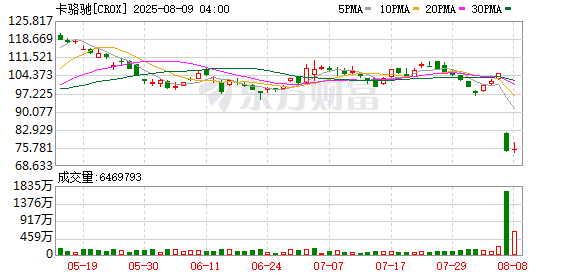
Core Viewpoint - Crocs, once a leader in the clog market, is facing significant challenges, including declining sales and increased competition from lower-priced alternatives, leading to a substantial drop in stock price and market value [3][4][5]. Financial Performance - Crocs issued a revenue warning, expecting a 9%-11% year-over-year decline in Q3 revenue, resulting in a nearly 30% drop in stock price on August 7, 2023, and a market value loss of $4.17 billion [3]. - The company reported a net loss of $492.3 million in Q2, primarily due to a failed acquisition of the brand HEYDUDE, which led to a $700 million impairment charge [5]. Market Dynamics - The North American market for Crocs has seen a negative growth of 3.8%, with a significant decline in foot traffic in wholesale and outlet channels [4][6]. - Increased competition from brands like Skechers and domestic brands offering lower-priced clogs has intensified market pressure, with some products priced as low as 39.9 yuan [6][7]. Consumer Behavior - Consumer preferences have shifted, with a growing demand for multi-functional footwear that can be worn in various settings, while Crocs is often perceived as a casual home shoe [7][9]. - The durability of Crocs products has led to reduced repurchase rates, as consumers report that a pair can last for years [7]. Brand Positioning - Crocs has struggled with innovation, relying heavily on a single classic model and failing to upgrade its core material, Croslite™ [6][8]. - The brand's marketing strategies, including collaborations, have lost their appeal, resulting in poor sales of new products [6][8]. Industry Trends - Despite Crocs' struggles, the clog category remains vibrant, with significant social media engagement and a trend towards DIY customization among younger consumers [9]. - The Chinese market showed promise with a growth rate exceeding 60% in 2024, but price-sensitive consumers often opt for cheaper alternatives [9][10].
洞洞鞋鼻祖Crocs跌下神坛
Hua Er Jie Jian Wen· 2025-08-11 09:57
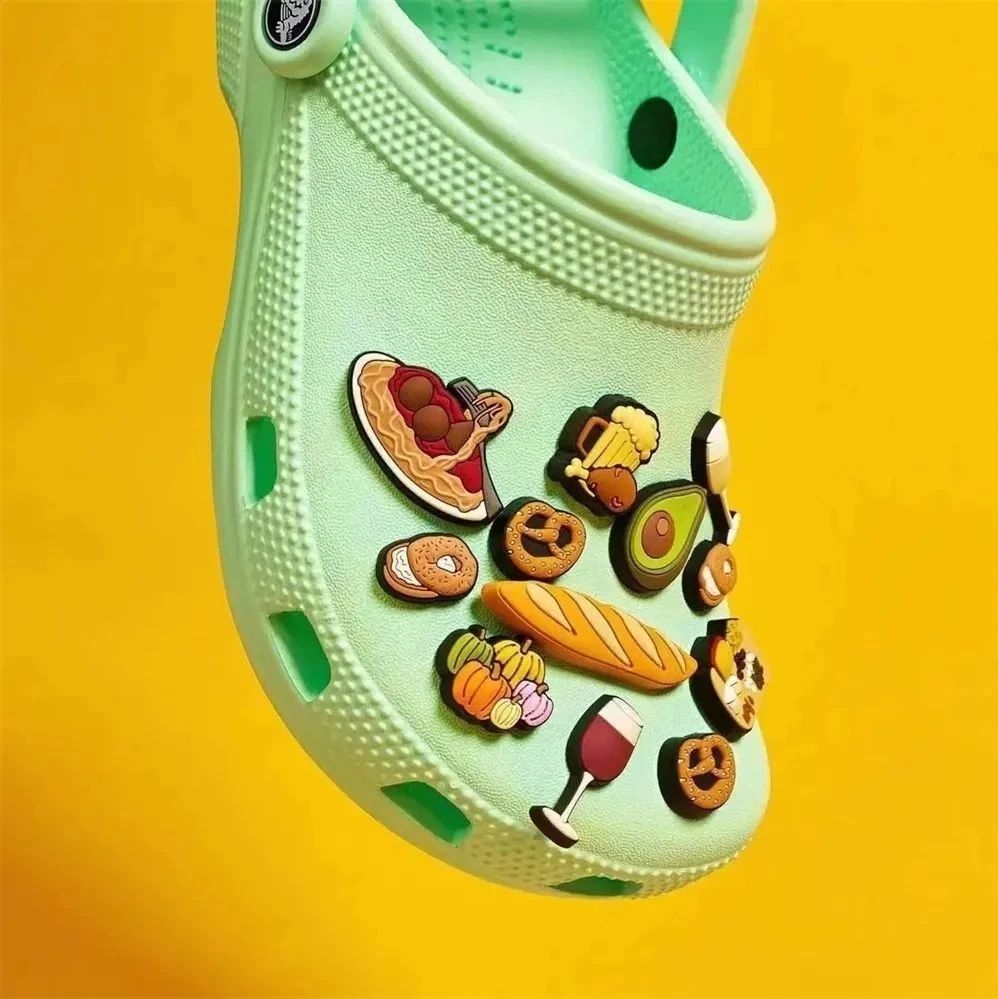
Core Viewpoint - Crocs, once a leading brand in the clogs market, is facing significant challenges, including a projected revenue decline of 9%-11% for Q3, leading to a nearly 30% drop in stock price and a market cap loss of $4.17 billion [2][3]. Financial Performance - Crocs anticipates a revenue decline of 9%-11% year-over-year for Q3 [2]. - The company reported a net loss of $492.3 million in Q2, primarily due to a failed acquisition of the brand HEYDUDE, which resulted in a $700 million impairment charge [3][4]. - The growth rate of Crocs' main brand plummeted from 14.6% in Q1 2024 to 2.4% in Q1 2025, with North America experiencing a 3.8% decline [3]. Market Dynamics - The footwear market is shifting, with increased demand for athletic shoes driven by upcoming major sporting events, which is squeezing the casual shoe market [4]. - The rise of low-cost competitors in China, such as Skechers and domestic brands, is significantly impacting Crocs' market share [4][5]. Consumer Behavior - There is a notable change in consumer preferences, with comfort becoming a basic requirement rather than a unique selling point, and a demand for versatile footwear that can be used in various settings [7]. - The perception of Crocs as merely "house slippers" limits its appeal in professional and formal settings, leading to seasonal sales fluctuations [5][6]. Brand Positioning - Crocs has struggled with innovation, relying heavily on a single classic model and failing to upgrade its core material, which has led to stagnation in product development [4][6]. - The brand's previous marketing strategies, such as collaborations with Swarovski, have lost their effectiveness, and new product sales have been disappointing [4][6]. Industry Trends - Despite Crocs' struggles, the clogs category remains active, with significant social media engagement and trends indicating ongoing interest in the footwear segment [6][7]. - The Z generation is increasingly using footwear as a means of personal expression, with DIY shoe decorations gaining popularity [7].
洞洞鞋Crocs股价暴跌三成
第一财经· 2025-08-11 07:28
Core Viewpoint - The impact of U.S. tariffs on domestic retail companies is becoming increasingly evident, with companies like Crocs predicting a decline in revenue due to cautious consumer spending and rising costs associated with tariffs [3][4]. Group 1: Company-Specific Impacts - Crocs anticipates a year-over-year revenue decline in Q3, contrary to analyst expectations of slight growth, attributing this to reduced consumer spending on non-essential items and concerns over price increases [3]. - The company estimates that the new costs from tariffs will reach $40 million in the second half of the year, totaling approximately $90 million for the entire year, equivalent to about 647 million RMB [3]. - Following the announcement, Crocs' stock plummeted nearly 30%, marking its largest single-day drop in 14 years [4]. Group 2: Broader Industry Effects - Nike has indicated that U.S. tariffs will add $1 billion in costs, while GAP expects an increase of $250 million to $300 million [6]. - Deckers, which owns brands like UGG and Hoka, reported a slowdown in U.S. sales growth from approximately 11% to 2.8% and warned of profit margin pressures due to tariff uncertainties [6]. - Deckers' stock fell nearly 20% after the news [7]. Group 3: International Brands - Puma's stock dropped 18.4% on July 25, following a disappointing earnings forecast that projected a "low double-digit percentage" decline in sales and potential operating losses due to U.S. tariffs [9]. - Puma estimates that U.S. tariffs will result in a gross profit loss of about €80 million in FY2025 [9]. - Adidas, despite reporting growth in the first half of the year, anticipates an additional cost of up to €200 million (approximately 157 million RMB) due to tariffs in the remaining part of the year [9]. Group 4: Pricing Strategies - Some companies are absorbing tariff-related costs to maintain market share, while others are considering price increases for U.S. consumers [10]. - Nike announced price hikes for U.S. products in response to tariff impacts, and Adidas also plans to raise prices due to increased costs from tariffs [11]. - Fast Retailing, the parent company of Uniqlo, indicated that it would adjust prices flexibly in light of tariffs, stating that raising prices is the only option available [11].
丑爆了的Crocs洞洞鞋,为何成为“网红鞋”?
Hu Xiu· 2025-08-11 07:03
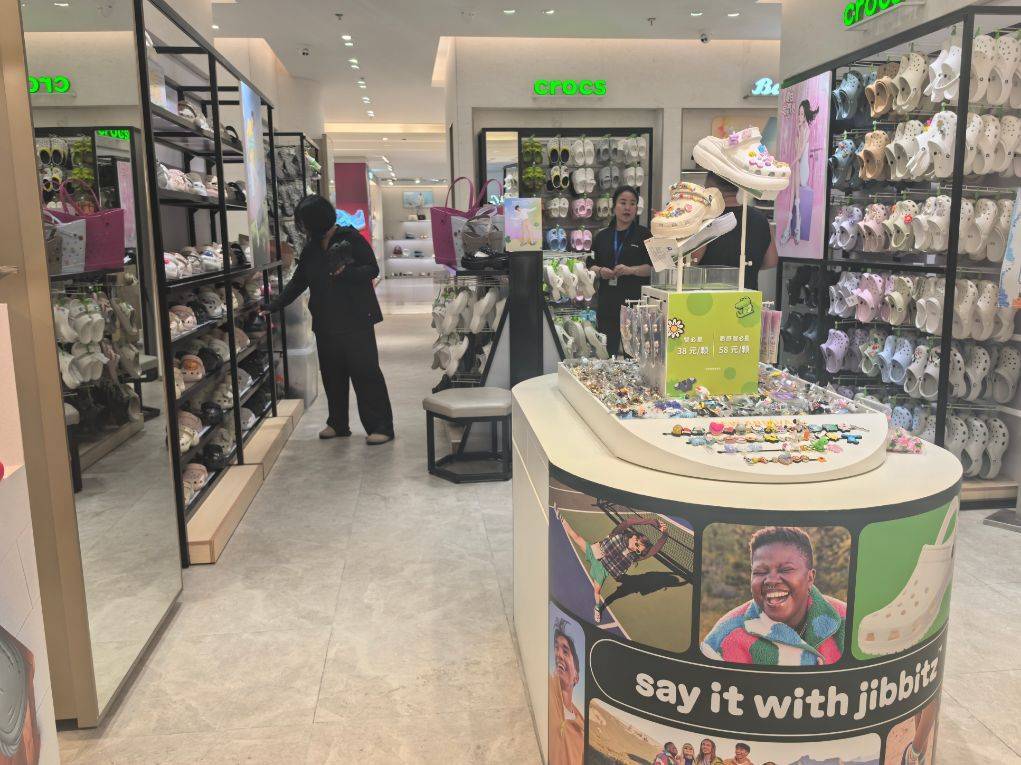
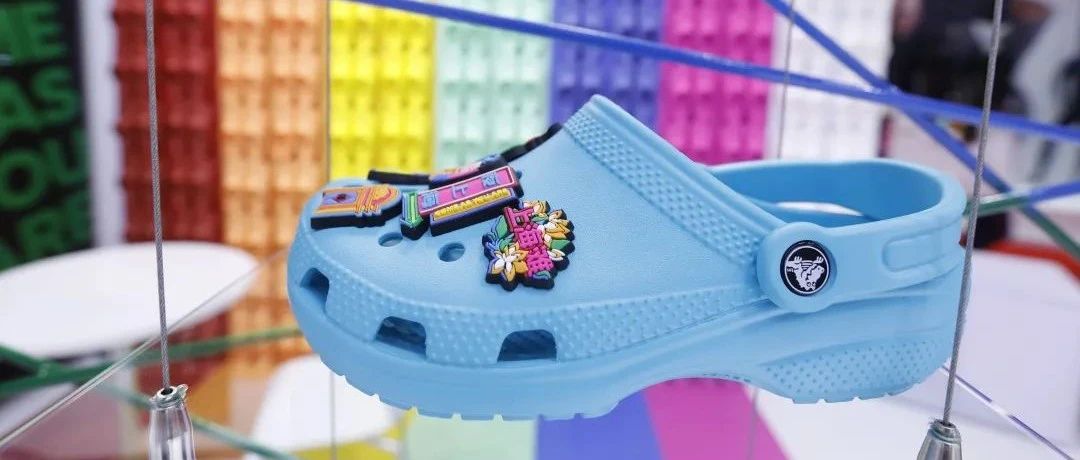
Core Insights - Crocs has become a leading brand in the casual footwear market, particularly known for its iconic clogs priced around 400 yuan [1] - The brand has cultivated a dedicated fan base, referred to as "洞门" or "Croc enthusiasts," highlighting its strong community engagement [1] Brand Development Challenges - Crocs faced various challenges during its branding journey, including market competition and changing consumer preferences [1] - The company has implemented strategic marketing initiatives to overcome these challenges and solidify its position in the market [1]

洞洞鞋Crocs股价暴跌三成
Di Yi Cai Jing Zi Xun· 2025-08-11 06:54
Core Viewpoint - The impact of U.S. tariffs on domestic retail companies is becoming increasingly evident, with companies like Crocs and Deckers reporting negative effects on profitability and stock prices due to rising costs and cautious consumer spending [2][4]. Group 1: Company Performance - Crocs has projected a year-over-year revenue decline for Q3, contrary to analyst expectations of slight growth, attributing this to cautious consumer spending on non-essential items and concerns over price increases [2]. - Deckers, which owns brands like UGG and Hoka, reported a slowdown in U.S. sales growth from approximately 11% to 2.8%, and warned of profit margin pressures due to tariffs, despite plans to absorb some of the cost increases [4]. - Puma has downgraded its sales forecast for FY2025, expecting a "low double-digit percentage" decline in sales and a shift from profit to operating loss due to new tariffs and other adverse factors [5]. - Adidas, while reporting growth in the first half of the year, anticipates an additional cost of up to €200 million (approximately 15.7 billion RMB) from tariffs in the remaining part of the year [5][6]. Group 2: Market Reactions - Following the announcement of its revenue forecast, Crocs' stock plummeted nearly 30%, marking its largest single-day drop in nearly 14 years [2]. - Deckers' stock also fell nearly 20% after revealing the impact of tariffs on its profit margins [4]. - Puma's stock experienced an 18.4% drop on July 25, marking its largest decline in recent years [4]. Group 3: Pricing Strategies - Companies like Nike and Adidas are considering raising prices in the U.S. market to offset the increased costs from tariffs, with Nike already announcing price hikes [6]. - Fast Retailing, the parent company of Uniqlo, is also planning flexible price adjustments in response to tariff impacts, indicating a trend among companies to pass some costs onto consumers [6].
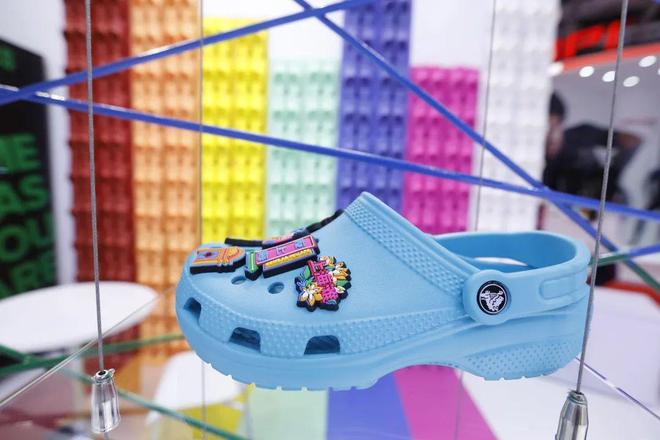
一年增加超六亿元关税成本,美国“洞洞鞋”Crocs股价暴跌三成
Di Yi Cai Jing· 2025-08-11 06:44
Group 1: Impact of US Tariffs on Domestic Companies - The US tariff policy is negatively affecting the profitability of domestic retail companies, with Crocs expecting a revenue decline in Q3 despite analyst predictions of growth [2] - Crocs anticipates an additional cost of $40 million due to tariffs in the second half of the year, potentially reaching $90 million for the entire year, equivalent to approximately 647 million RMB [2] - Following this news, Crocs' stock price plummeted nearly 30%, marking its largest single-day drop in 14 years [2] Group 2: Effects on Other Brands - Deckers, which owns brands like UGG and Hoka, is also facing tariff pressures, with US sales growth slowing from approximately 11% to 2.8% [3] - Deckers has chosen to absorb some of the tariff costs rather than passing them entirely to consumers, which may stabilize market share but compress profit margins [3][4] - Puma's stock fell 18.4% after it downgraded its 2025 fiscal year guidance, citing the new US tariffs as a significant factor leading to an expected gross profit loss of approximately €80 million [6] - Adidas anticipates an additional cost of up to €200 million (approximately 157 million RMB) due to tariffs in the remaining part of the year, with uncertainty about the impact on consumer demand [7] - Companies like Nike and Uniqlo's parent company Fast Retailing are considering price increases in response to tariff impacts, indicating a trend among brands to adjust pricing strategies [7]