
高等教育

Search documents
9月首开“低空技术与工程”本科专业 瞄准新经济赛道
Sou Hu Cai Jing· 2025-07-01 04:00
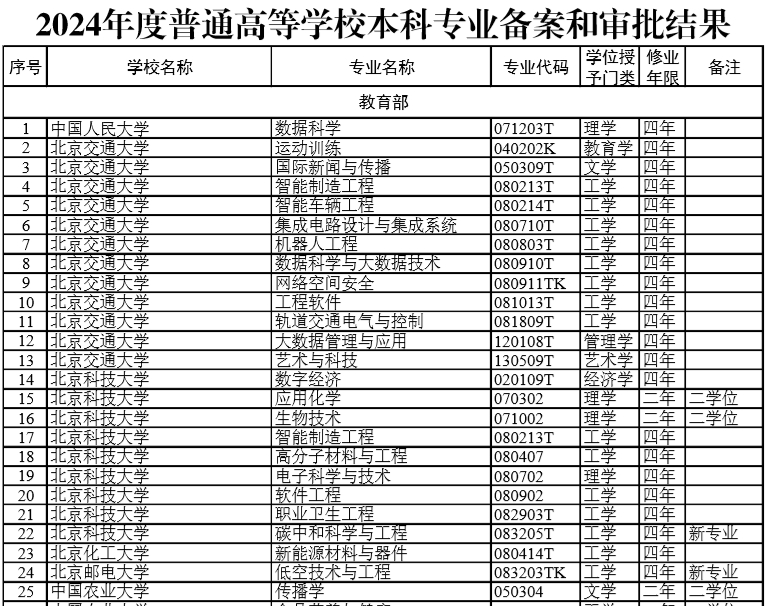
Group 1 - The concept of "low-altitude economy" has gained significant attention, being included in the government work report for the first time in 2024, highlighting its importance in China's modernization efforts [1] - The low-altitude economy refers to economic activities involving manned and unmanned aerial vehicles flying below 3,000 meters, characterized by a long industrial chain, broad impact, and strong growth potential [1] - The demand for talent in the low-altitude industry is increasing, with six universities applying to establish new majors in "Low Altitude Technology and Engineering," including Beijing University of Posts and Telecommunications [1] Group 2 - The "Low Altitude Technology and Engineering" major at Beijing University of Posts and Telecommunications is designed to integrate various disciplines such as information and communication engineering, computer science, control science, and intelligent science [4] - The program aims to enhance research capabilities in unmanned, networked, and intelligent systems within the low-altitude field, emphasizing the need for interdisciplinary collaboration [4] - The major will officially enroll students in September 2024, with an initial plan to admit 60 students, marking a significant step in cultivating talent for the low-altitude economy [5] Group 3 - According to forecasts by CCID Consulting, the overall market size of China's low-altitude economy is expected to reach 859.17 billion yuan by 2025 [5] - The low-altitude economy encompasses various sectors, including drones, low-altitude traffic management, and smart logistics, with information technology playing a crucial role in all aspects [5] - The integration of new technologies in low-altitude management and drone operations will create broad employment prospects for graduates in this field [5]

数智时代背景下 “沧州师范学院七色文化 + 双创” 助力高校思想政治教育发展
Yang Shi Wang· 2025-07-01 03:47
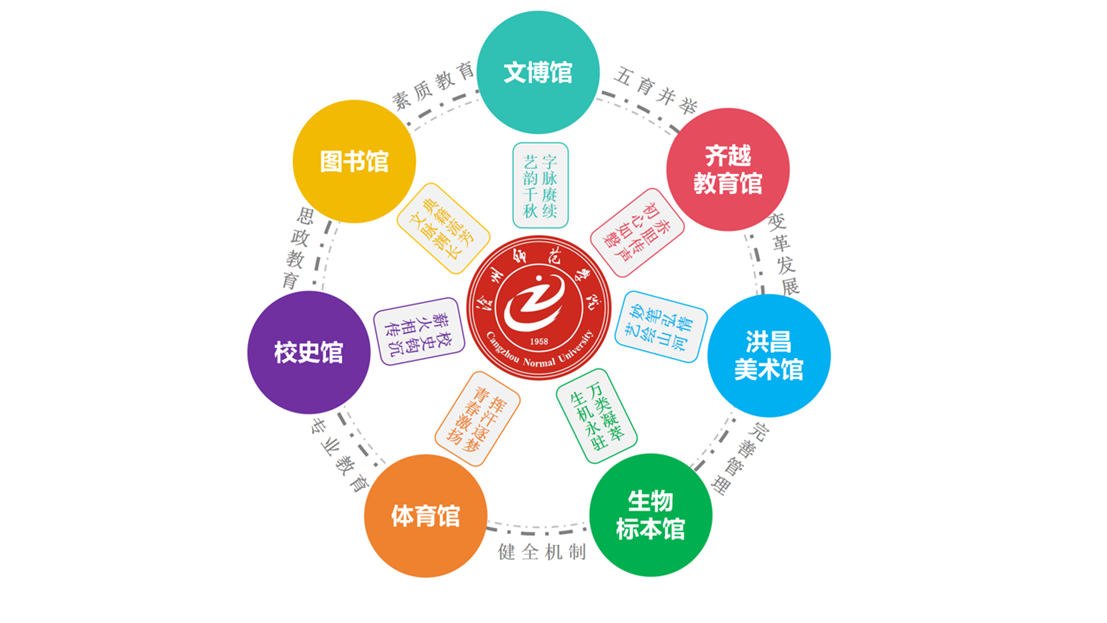
Core Viewpoint - Cangzhou Normal University is integrating "Seven Colors Culture" and "Innovation and Entrepreneurship Education" to create a unique ideological and political education system amidst the digital transformation wave [1][10]. Group 1: Ideological Guidance - The university is building a multi-level complementary ideological education system by incorporating the spirit of the 20th National Congress of the Communist Party into various cultural activities [3]. - A modular and dynamic ideological teaching matrix is being established, utilizing AI technology to analyze student interactions with art exhibits and provide tailored ideological resources [3][4]. Group 2: AI Empowerment - The university is leveraging AI image recognition technology to develop a "Species Evolution - Ecological Responsibility" ideological teaching model, creating a systematic intelligent education framework [4]. - A three-dimensional intelligent cultivation system is being constructed, generating profiles based on students' reading data and project practices to match cultural interests with ideological education [4][5]. Group 3: Cross-Disciplinary Integration - The curriculum is being reformed to include interdisciplinary courses that combine AI technology ethics with red culture dissemination, enhancing the educational experience [5]. - Innovative teaching methods are being employed through virtual entrepreneurship simulation platforms, allowing students to apply data visualization and ecological protection concepts in practical projects [5][6]. Group 4: Collaborative Ecosystem - The university is extending its cultural achievements beyond campus through online exhibitions, emphasizing the need for ideological education to break down campus walls and achieve a closed loop of cultural education and social service [6][8]. - A collaborative mechanism is being established to deepen resource sharing and support for students and educators, promoting a new model of integrated education and practice [8][10].
云南大学马来亚学院招生信息及答疑安排
Yang Shi Wang· 2025-07-01 03:01
Group 1 - Yunnan University Malaysia College (YMI) is a Sino-foreign cooperative education institution approved by the Ministry of Education, set to enroll students for the first time in 2025 [1][2] - The college offers three undergraduate programs: Artificial Intelligence, Chemical Engineering and Technology, and Materials Science and Engineering, with each program admitting 100 students [1][2][5] - YMI aims to cultivate international innovative talents to serve the "Belt and Road" initiative and regional development, leveraging the strengths of both Yunnan University and the University of Malaya [2][3] Group 2 - The Artificial Intelligence program focuses on training students in fundamental theories, technologies, and methods, preparing them for roles in various sectors including government, finance, and IT [4] - The Chemical Engineering and Technology program aims to develop innovative engineering talents with a focus on green chemical industry practices [5] - The Materials Science and Engineering program is designed to produce specialized talents capable of conducting in-depth research in various material fields [5] Group 3 - The academic structure follows a "4+0" model, with all four years of study conducted at Yunnan University, primarily in English [6] - Students will receive a bachelor's degree from both Yunnan University and the University of Malaya upon meeting graduation requirements, with degrees recognized by the education ministries of both countries [6][8] - Tuition fees are set at 65,000 yuan per student per academic year, with accommodation fees ranging from 800 to 1,200 yuan depending on the type of dormitory [7][8]
一线调研丨行业大咖变身高校导师 开拓学生就业、企业晋升新赛道
Yang Shi Xin Wen Ke Hu Duan· 2025-06-30 11:51
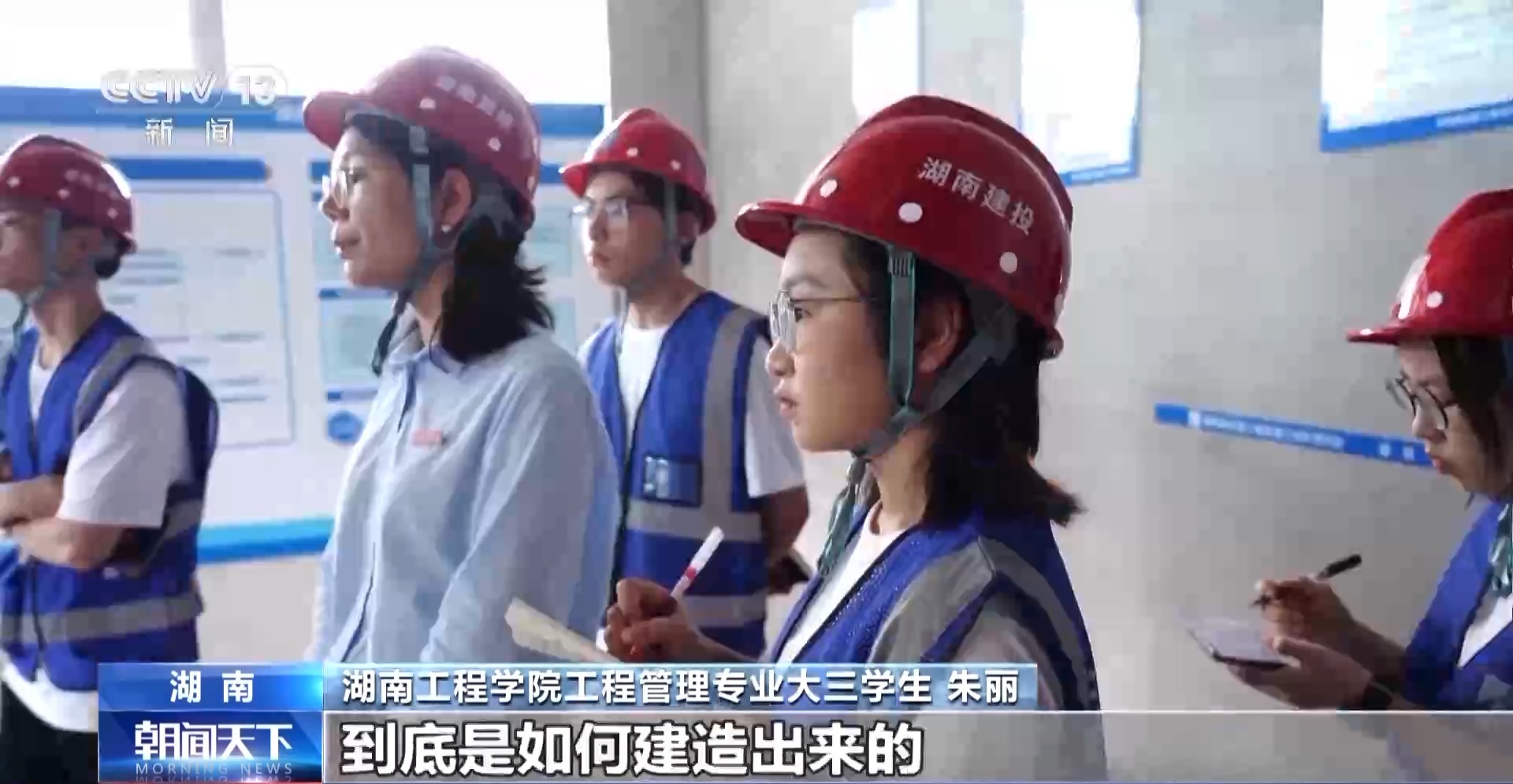
Core Viewpoint - The introduction of the "Management Measures for Industry Part-time Teachers in Ordinary Undergraduate Colleges" by the Ministry of Education and other departments aims to provide institutional support for universities to incorporate industry experts, enhancing the educational experience for students and benefiting both universities and enterprises [1]. Group 1: Implementation and Impact - The collaboration between industry part-time teachers and university faculty allows for a practical learning environment, where students can engage directly with real-world projects, enhancing their understanding of theoretical concepts [2][4]. - Since 2022, Hunan Engineering College has hired over 300 industry experts as part-time teachers, with 80% being alumni, indicating a strong connection between the university and its former students [12][27]. - The dual mentorship system, combining university instructors and industry part-time teachers, fosters a collaborative learning atmosphere, enabling students to transition from project participants to team leaders and even entrepreneurs [12][22]. Group 2: Industry Collaboration - The establishment of partnerships between universities and industry, such as the collaboration between Hunan University of Science and Technology and the "Hainiu" team, facilitates the commercialization of research and enhances the practical application of academic knowledge [16][20]. - The "Hainiu" team has developed advanced deep-sea drilling technology, with industry part-time teachers contributing to both teaching and practical project execution, thereby bridging the gap between academia and industry [14][16]. - The implementation of the "Enterprise Engineer Stationed in School Plan" encourages universities to attract industry talent, with performance metrics for part-time teachers being integrated into professional evaluations [27]. Group 3: Educational Innovation - Project-based teaching methods are being adopted, where industry mentors guide students through the entire project lifecycle, from initiation to completion, ensuring a comprehensive understanding of both theory and practice [25]. - The integration of industry expertise into the curriculum not only enhances student employability but also allows companies to identify and nurture potential future talent [20][24]. - The collaborative approach has led to a systematic framework that supports the continuous engagement of industry professionals in educational settings, creating a sustainable ecosystem for talent development [27].
全国十强县江苏占一半,苏南多县坐拥知名大学
Di Yi Cai Jing· 2025-06-30 11:07
Core Insights - Jiangsu province has 22 "billion-yuan counties," maintaining its leading position in China, accounting for 35.5% of the national total [1] - Xuzhou's Xinyi city has entered the "billion-yuan county" list for the first time with a GDP of 1026.64 billion yuan, growing by 8.3% year-on-year [1] - Jiangsu dominates the top ten counties by GDP in China, with half of them located in the province, including Kunshan, Jiangyin, Zhangjiagang, and Changshu [1] Economic Performance - Kunshan leads county-level economies with a GDP of 5380.17 billion yuan in 2024, growing by 6.1% [2] - Jiangyin's GDP reached 5126.13 billion yuan, marking it as the second county-level city in China to surpass 5000 billion yuan [2] - Kunshan has developed significant industrial clusters, including a 700 billion yuan electronic information sector and a 300 billion yuan equipment manufacturing sector [2] Infrastructure and Talent Attraction - Jiangsu has four of the ten largest county-level sports venues in China, with Kunshan's stadium being the largest, accommodating approximately 45,000 people [2][3] - The economic development in Jiangsu's counties has led to an influx of talent, with Kunshan attracting 33,000 new residents last year, primarily young graduates [3] - The presence of renowned universities in these counties supports local economic growth and talent development, with over ten notable institutions established in the region [3][4] Educational Development - The establishment of universities in economically strong counties is supported by their financial capabilities, which enhance local educational development [4] - Notable universities include Duke Kunshan University and Nanjing University of Science and Technology's Jiangyin campus, contributing to local talent cultivation [3][4] - The recent approval for Changshu Institute of Technology to be renamed Suzhou Institute of Technology reflects ongoing educational advancements in the region [3]
西湖大学最新Nature Aging论文:线粒体tRNA突变会在肾脏中积累,导致严重肾病
生物世界· 2025-06-30 09:46
Core Viewpoint - The study highlights the age-dependent accumulation of mitochondrial tRNA mutations in mouse kidneys, which is linked to mitochondrial kidney diseases, emphasizing the importance of monitoring kidney function in mitochondrial disease patients, especially the elderly [3][4]. Group 1: Research Findings - The research utilized a mitochondrial base editor, DdCBE, to create pathogenic mitochondrial tRNA point mutation mouse models, revealing that these mutations accumulate with age in the kidneys, leading to severe renal defects that mimic human mitochondrial kidney disease [3][6]. - The study identified unique heterogeneity dynamics in different kidney cell types, where podocytes exhibited positive selection for mutated mtDNA, while renal tubular epithelial cells showed neutral drift of mutations during aging [6][7]. - A comprehensive analysis combining mtscATAC-seq, single-cell RNA sequencing (scRNA-seq), and spatial transcriptomics (Stereo-seq) determined molecular changes in high mutation-defect cells, including enhanced AP-1 family transcription factor activity, renal tubular epithelial cell proliferation, and immune activation, which promote disease progression [7]. Group 2: Implications for Clinical Practice - The findings underscore the necessity for monitoring kidney function in elderly patients with mitochondrial diseases, establishing a reliable preclinical model to facilitate the development of therapeutic strategies [4].

预算1.37亿元!中南大学近期大批仪器采购意向
仪器信息网· 2025-06-30 08:35
Core Viewpoint - Central to the article is the announcement of multiple government procurement intentions by Central South University, detailing 26 items of laboratory equipment with a total budget of 137 million yuan, scheduled for procurement between July and December 2025 [1][2]. Summary by Categories Procurement Overview - Central South University has released procurement intentions for 26 items of laboratory equipment, with a total budget of 137 million yuan [1][2]. - The procurement is focused on large scientific instruments, with expected procurement dates set for July to December 2025 [2]. Specific Equipment and Functions - **Ultra-High Temperature Synchronization Thermal Analyzer**: 1 set, for studying thermal changes and quality variations of materials under ultra-high temperature conditions [4]. - **Ultra-Low Temperature Differential Scanning Calorimeter**: 1 set, for testing phase transitions and thermal changes of materials [4]. - **High-Pressure Corrosion-Resistant Thermal Gravimetric Analyzer**: 1 set, for analyzing material changes under high temperature and pressure [4]. - **Multi-Field Coupled X-Ray Diffraction Analyzer**: 1 set, for in-situ testing of various materials [5]. - **Micro-Focus Two-Dimensional X-Ray Diffraction Instrument**: 1 set, for analyzing micro-area diffraction and stress analysis [5]. - **High-Flux X-Ray Absorption Fine Structure Spectrometer**: 1 set, for real-time monitoring of material structural changes [5]. - **In-Situ X-Ray Photoelectron Spectrometer**: 1 set, for surface elemental analysis [6]. - **High-Resolution Liquid Chromatography-Mass Spectrometry**: 1 set, for qualitative and quantitative analysis of small molecules [6]. - **Dynamic Characterization System for Extreme Service Conditions**: 1 set, for evaluating material fatigue and fracture mechanics under varying temperatures [7]. Budget and Timeline - The total budget for the procurement is 137 million yuan, with specific allocations for each type of equipment [1][2]. - The procurement process is expected to take place from July to December 2025, indicating a planned timeline for the acquisition and installation of the equipment [2].

高考志愿新选择 宠物、智能农机等专业划出“新赛道”
Yang Shi Xin Wen Ke Hu Duan· 2025-06-30 07:03
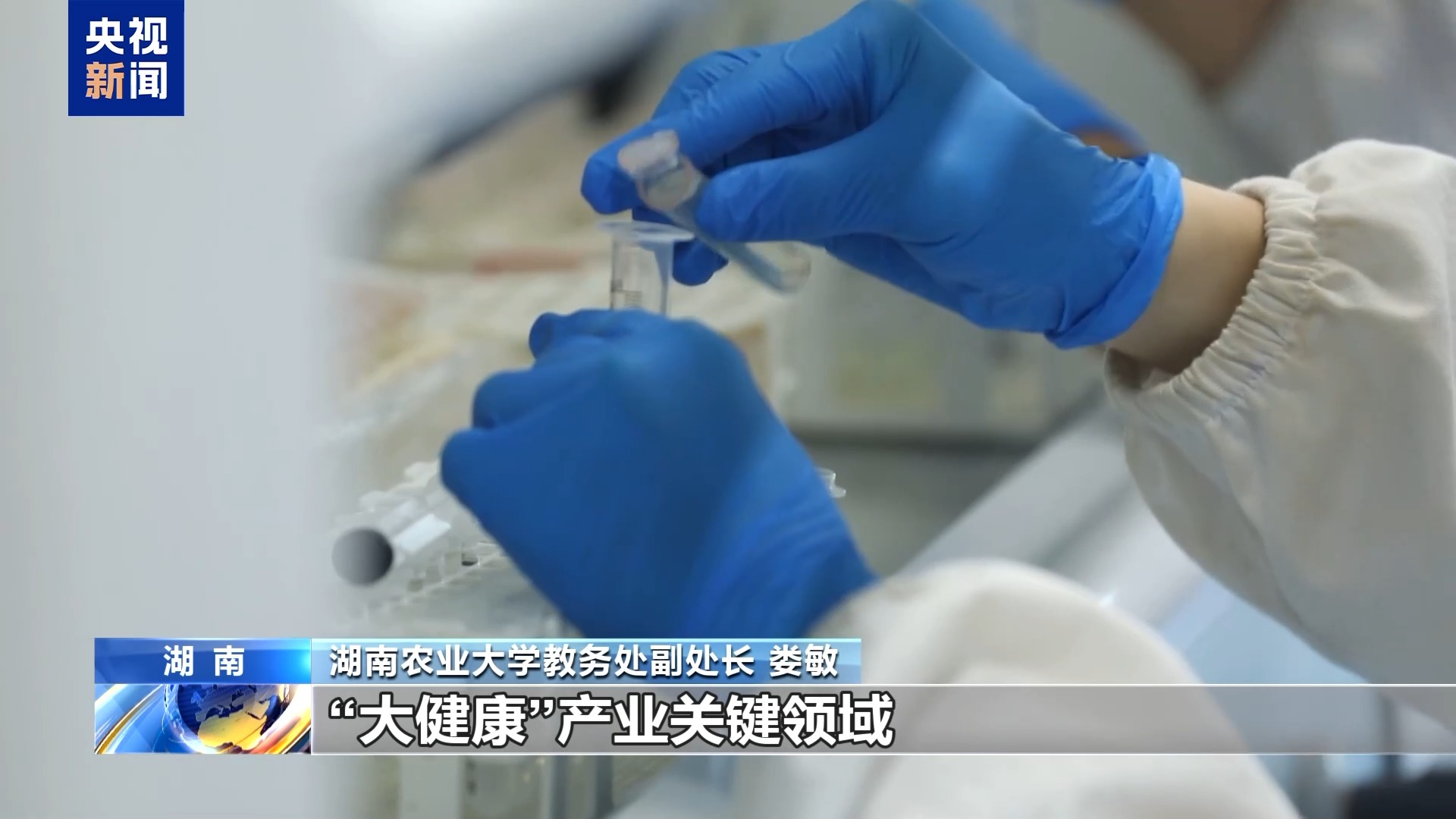
Core Insights - The article highlights the emergence of new agricultural programs in Chinese universities, focusing on innovative training methods and alignment with industry needs [1][7][9]. Group 1: New Programs Introduced - Hunan Agricultural University has introduced a new program in Food Nutrition and Health, which is a four-year course leading to a Bachelor of Engineering degree, aligning closely with industry demands [1][3]. - Shandong Agricultural University has launched a new program in Agricultural Intelligent Equipment Engineering, set to enroll students in 2025, also offering a four-year Bachelor of Engineering degree [5][18]. - China Agricultural University has introduced a "Pet" undergraduate program under the Animal Science category, focusing on companion animals, with a four-year curriculum leading to a Bachelor of Agriculture degree [10][14]. Group 2: Industry Alignment and Demand - The new programs are designed to meet the significant demand in the "big health" industry, focusing on food nutrition, health data analysis, and dietary balance [3][12]. - The pet industry is rapidly growing, with a market size exceeding 300 billion yuan in 2024, creating a high demand for talent in pet-related fields [16][17]. - The Agricultural Intelligent Equipment Engineering program aims to address the need for skilled professionals in smart agricultural machinery, integrating advanced technologies such as IoT and automation [5][18][20]. Group 3: Educational Innovations - Universities are exploring innovative teaching methods, such as integrating artificial intelligence into agricultural education, to enhance student skills and industry readiness [9]. - Programs like the "Shennong Innovation Class" at Henan Agricultural University emphasize the importance of AI literacy in agriculture [9].
团结引领广大青年学生为中国式现代化挺膺担当——全国学联五年工作回眸
Xin Hua Wang· 2025-06-30 02:38
Group 1 - The core viewpoint emphasizes the importance of youth engagement and leadership in contributing to China's modernization and national rejuvenation, with the upcoming National Student Union Congress in 2025 serving as a significant event for youth [1] - The National Student Union has focused on strengthening ideological guidance and fostering a sense of mission among youth, utilizing various educational activities to enhance political awareness and commitment [2][3] - Initiatives like the "Youth Practical Plan" have attracted thousands of students to engage in grassroots service, emphasizing the importance of practical experience in personal and professional development [3][6] Group 2 - The National Student Union has organized numerous cultural exchange programs to foster a sense of national identity among overseas and regional youth, encouraging them to contribute to their homeland [4] - A significant project, "I Serve My Classmates," showcased over 3,500 service initiatives from student organizations across 1,724 universities, highlighting the diverse ways in which student unions support their peers [5] - The establishment of specialized committees for rights protection and feedback mechanisms demonstrates a commitment to addressing student needs and enhancing their overall experience [6] Group 3 - Continuous reforms have been implemented to improve the organizational structure and effectiveness of student unions, ensuring they remain responsive to student concerns and maintain a clear political direction [7] - The focus on enhancing service mechanisms and transparency has led to improved public perception and trust in student organizations, fostering a more engaged and active student body [7] - The National Student Union aims to invigorate its role in guiding youth towards becoming well-rounded contributors to society, aligning with the broader goals of national development [8]
多所“双一流”高校 扩大在豫招生规模
Zheng Zhou Ri Bao· 2025-06-30 00:56
Group 1 - Several top-tier universities in China are expanding their enrollment in Henan province to cultivate high-quality talent for national technological innovation and economic development [1][2][3][4][5][6] - Peking University plans to enroll 143 students in Henan, an increase of 13 from last year, focusing on national strategic needs and emerging fields [1] - Tsinghua University aims to enroll 101 students, with an emphasis on cultivating interdisciplinary talents in artificial intelligence [1][2] Group 2 - Harbin Institute of Technology plans to enroll 131 students at its main campus and 211 at its Weihai campus, focusing on innovative talent in automation and artificial intelligence [2] - Fudan University is set to enroll 151 students in Henan, including 26 spots for new engineering programs in integrated circuits and artificial intelligence [2] - Shanghai Jiao Tong University plans to enroll 141 students, emphasizing the development of artificial intelligence and electronic information disciplines [3] Group 3 - Nanjing University maintains a stable enrollment of 98 students in Henan, introducing new dual-degree programs and focusing on critical talent in key fields [3] - Zhejiang University is increasing its enrollment to 188 students, with new programs in artificial intelligence and smart manufacturing [4] - The University of Science and Technology of China plans to enroll 135 students, focusing on foundational disciplines and new engineering fields [4] Group 4 - Xi'an Jiaotong University plans to enroll 349 students, with a focus on emerging technologies such as artificial intelligence and energy storage [5] - Wuhan University aims to enroll 655 students, with a focus on AI and new professional programs to meet national strategic needs [5] - Nankai University plans to enroll 203 students, emphasizing personalized education and new engineering programs [5] Group 5 - Beijing Jiaotong University plans to enroll 254 students, introducing specialized programs in transportation and system science [6]